
Moving into your first apartment? It’s a huge step toward independence, but also a serious financial commitment. Between rent, furniture, utilities, and upfront costs, the bills can pile up fast.

That’s why creating a smart budget is key. In this guide, you’ll learn how to break down your monthly income, predict expenses, and plan for a stress-free move.
💼 How to Begin Budgeting for an Apartment
Before anything else, take a good look at your current finances. You can’t manage what you don’t track.

🖊️ Step 1: Track Every Expense
Spend a full month logging every dollar you spend. This includes small things like snacks and rideshares. Use a notebook, spreadsheet, or app. Record:
- Date
- Expense Description
- Amount
Want a free printable version of this checklist + budgeting worksheet? Comment below to get your copy!
📊 Step 2: Organize Your Spending
After 30 days, group your expenses into categories like:
- Housing/rent
- Utilities (electric, internet, water)
- Transportation
- Debt payments
- Groceries and dining out
- Entertainment and subscriptions
- Savings and investments
This will help you identify patterns and potential areas to cut back.
🧾 How to Create Your First Apartment Budget
Starting a budget from scratch can feel overwhelming, but it’s really just a matter of knowing your numbers and setting realistic expectations.

Here’s a simple breakdown:
- Calculate your monthly income. Include everything: paychecks, freelance gigs, and any consistent support.
- List all expected monthly expenses. This includes both fixed costs (such as rent and internet) and variable costs (like groceries, gas, and entertainment).
- Subtract your total expenses from your income. The goal is to stay positive. If you’re in the negative, start adjusting your spending categories.
- Build in a small buffer. Even $50–$100 extra each month can cover surprises like last-minute rideshares or replacing something small like a shower rod.
🎯 Important: If this is your first time living on your own, be generous with estimates. Living with family or in college likely shielded you from many real-world expenses. You’ll need to account for things you’ve never paid for before — like toilet paper, renter’s insurance, cleaning supplies, and even trash bags.
📌 Reminder: Budgets are not rigid rules. They’re tools for awareness and decision-making. Adjust your numbers monthly based on real spending. Once you’ve paid bills for a few months, compare your estimates with actual costs and revise your categories accordingly.
🏡 How to Account for Real-Life Living Expenses
Finding an apartment where utilities are included in rent can simplify your financial life, but it’s not always an option. If utilities like electricity, gas, or water are billed separately, you’ll need to factor them into your monthly apartment budget along with other recurring costs.
🔑 Rent
This is your core monthly expense. Most lease agreements lock in your rent for a set period — typically 12 months — though month-to-month agreements can vary and often allow for rent increases. In addition to monthly payments, many landlords require a security deposit (usually equal to 1–2 months of rent), which must be paid upfront.
💡 Electricity
Usually, it is your responsibility. Expect to pay more in warmer months if you’re using air conditioning or in winter if you use electric heat. Set reminders to pay on time — missed payments can result in disconnection.
🔥 Natural Gas
If your heating or stove runs on gas, and it’s not included in rent, add this to your budget. Gas bills are often lower than electricity but still vary seasonally. In colder regions, this can be a critical utility.
🚿 Water
Some landlords cover water, but if not, it becomes your responsibility. Water bills are typically affordable, but failure to pay can lead to service interruption.
🌐 Internet & Cable
Almost always paid separately. Depending on your area, internet alone can cost $40–$80/month. Some providers offer bundle deals, and many young renters skip cable altogether in favor of streaming services.
⚠️ Hidden/Extra Fees
Some costs don’t show up in the rent listing, but they do affect your budget:
- Pet fees or pet rent
- Trash collection
- Parking or garage space
- Pest control or maintenance fees
- Storage units
- Administration or move-in fees
These fees can be one-time or monthly. Always ask what’s included in the rent and request a breakdown of all recurring and upfront costs before signing a lease.
💡 Insight: It’s common to afford the monthly rent but feel overwhelmed by the upfront costs like deposits, insurance, and admin fees. That’s why your budget should account for both recurring and one-time expenses — so nothing takes you by surprise.
📅 Creating an Apartment Budget Worksheet
Now that you understand your spending, create a new budget based on expected apartment life.
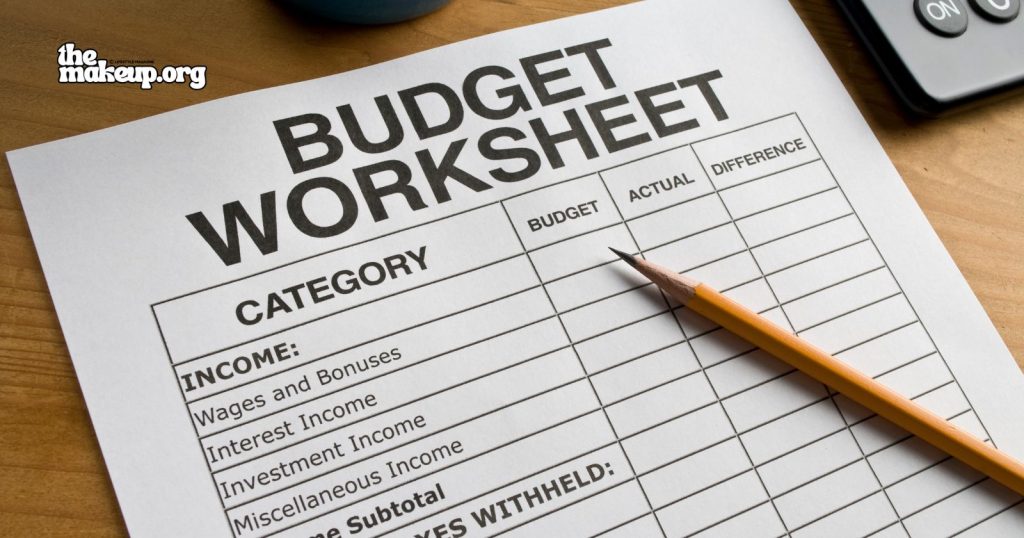
✅ Step 1: List Every Recurring Expense
Your new budget should include:
- Monthly rent
- Utilities (electricity, gas, water, trash, internet)
- Renter’s insurance
- Groceries
- Cell phone plan
- Transportation
- Streaming services
- Laundry and cleaning supplies
- Emergency savings contributions
✅ Step 2: Compare With Your Current Lifestyle
Ask yourself:
- Are you overspending on wants versus needs?
- Can you cut down on eating out or unused subscriptions?
- Is your rent choice sustainable long-term?
🔹 Recommended Rent Cap
Try to keep rent below 30% to 35% of your take-home income. Following the 28/36 rule, housing costs should stay under 28% of gross income, and total debt under 36%.
🚚 Estimating Move-In Costs in 2025
Beyond rent, first-time renters often face high one-time costs. Here’s a realistic breakdown:

| Item | Estimated Cost |
|---|---|
| Application fee | $75–$100 |
| Security deposit | 1–1.5x monthly rent |
| First month’s rent | 100% due at signing |
| Moving truck rental | $50–$150/day |
| Professional movers | $300–$800 |
| Furniture + household basics | $1,000–$2,500 |
💭 Tip: Browse furnished apartments or buy second-hand to save hundreds.
💰 Simulate Rent to Build Savings
Want to know if you’re truly ready? Try the simulated rent method:
For the next 2–3 months, transfer your expected rent amount into a savings account. If you plan to pay $1,000 in rent, save that each month.
Benefits:
- Trains your budget to live on what’s left
- Builds your move-in fund
- Reduces financial shock when the lease begins
What you’ll have saved:
- First month’s rent
- Security deposit
- Moving costs
- Emergency buffer
📆 Follow the 50/30/20 Rule
This popular framework helps maintain a balanced budget:
| Category | % of Income | Examples |
| Needs | 50% | Rent, groceries, utilities, insurance |
| Wants | 30% | Shopping, takeout, subscriptions |
| Savings | 20% | Emergency fund, travel, long-term savings |
If your needs exceed 50%, especially due to rent, look into getting roommates or adjusting expectations.
📋 Build Your Budget Template
A clear template makes tracking easier. Use Google Sheets, Excel, or budgeting apps. Your template should include:
Income
- Take-home salary
- Side hustle earnings
Fixed Expenses
- Rent
- Utilities
- Insurance
- Subscriptions
Variable Expenses
- Groceries
- Toiletries
- Transportation
- Dining out
One-Time Costs
- Deposit
- Movers
- Furniture
Savings Goals
- Emergency fund
- Short-term goals (trips, laptop, etc.)
🚀 Pro Tip: Apps like YNAB, Mint, and EveryDollar can automate this process.
📃 First Apartment Essentials Checklist (Budget-Conscious Edition)
Furniture
- Mattress & frame
- Table or desk
- Chair(s)
- Dresser or bins
Kitchen
- At least 2 pots and 2 pans (small and large for versatility)
- Knife, spatula, ladle, tongs
- Cutting board
- Plates, bowls, and cups (2–4 each)
- Can opener and peeler
- Mixing bowl and measuring cups
- Sponge, dish soap, drying rack
Bedroom
- Sheets, blanket, pillow
- Lamp
- Hangers
Bathroom
- Towels (2–4)
- Shower curtain + hooks
- Toilet paper
- Bath mat
- Soap dispenser or caddy
Cleaning
- Broom or vacuum
- All-purpose spray
- Trash bags
- Laundry basket or hamper
- Cleaning cloths or paper towels
Pantry Staples
- Pasta or rice
- Canned beans or soup
- Salt, pepper, oil, spices
- Coffee or tea
📅 Final Thoughts
Budgeting for your first apartment is less about restriction and more about preparation. When you plan, you avoid nasty surprises and set yourself up for success.
Track your money. Simulate your rent. Stick to the essentials. You don’t need everything on Day 1 — just what helps you live safely and comfortably. Everything else can wait.
Want a free printable version of this checklist + budgeting worksheet? Comment below to get your copy!




Love it! Very thorough. I’d love a template.
Would like a copy of the checklist. Son is moving out for the first time.
I would like the template
will work on it thanks for your suggestion!
Would love to get this template. Been looking everywhere for a good one.
which template?