
For travelers preparing ahead, this Grand Canyon March Packing List helps you stay calm through fast-changing conditions from rim to canyon. You’ll pack smart layers, trail-ready basics, and the small comforts that make long days outside easier.
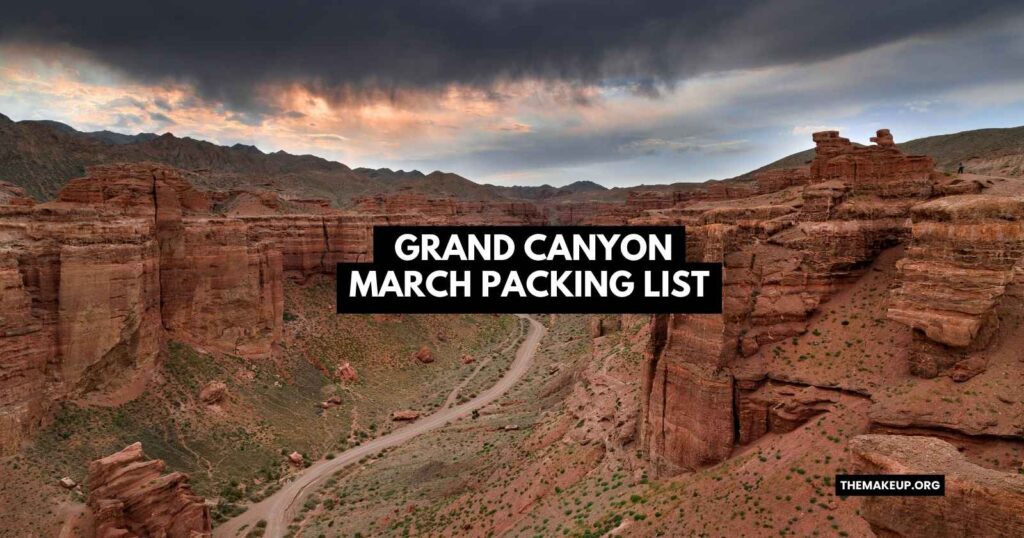
Use it to build a bag that works for viewpoints, hikes, shuttles, and small-town stops nearby. Add or reduce quantities based on how many trail days you’re planning and where you’re staying.
Note: This article is all about Grand Canyon March Packing List. Here you can find a huge and comprehensive list. Feel free to adapt it to your needs and share your tips in the comments!
How Is the Weather Like in Grand Canyon in March?
March can feel like two seasons in one trip. The South Rim is often cold in the mornings and evenings, with daytime swings; expect roughly -6 to 12°C (20 to 54°F). The Inner Canyon and lower elevations trend warmer, often around 7 to 24°C (45 to 75°F). Wind can be strong on the rim, and rain or late snow is possible, so layers and weather protection matter.
Grand Canyon March Packing List
Packing smart will help you make the most of your trip. Here’s everything you need to bring for a comfortable and stylish adventure.

Carry-On Suitcase / Travel Bag Duffle / Portable Steamer / Packing cubes / Luggage scale / Wireless Noise-Cancelling Headphones / Speaker / Portable Charger / Universal Travel adapter / Compact Hair Dryer / Eye Mask / Waterproof Toiletry Bag Hanging / Zipper Pouch / Water BOTTLE / Liquid I.V. Hydration Vegan
Luggage & Packing Tools
If you want more options to have everything organized and well packed, take a look at these suggestions.

1. Rolling Backpack / 2. Luggage (large) / 3. Luggage (small) / 4. Toiletry Bag / 5. Beach Bag / 6. Backpack / 7. Packing Cubes
- Carry-on suitcase – Quicker exits after a long flight—everything stays within reach while others wait at baggage claim. I’d bring a carry-on suitcase for the ease and reliability.
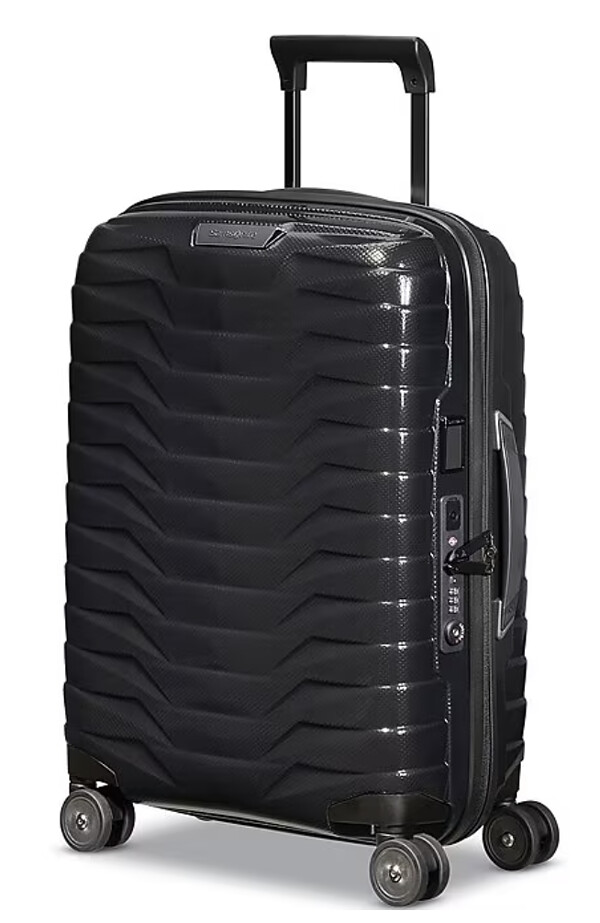
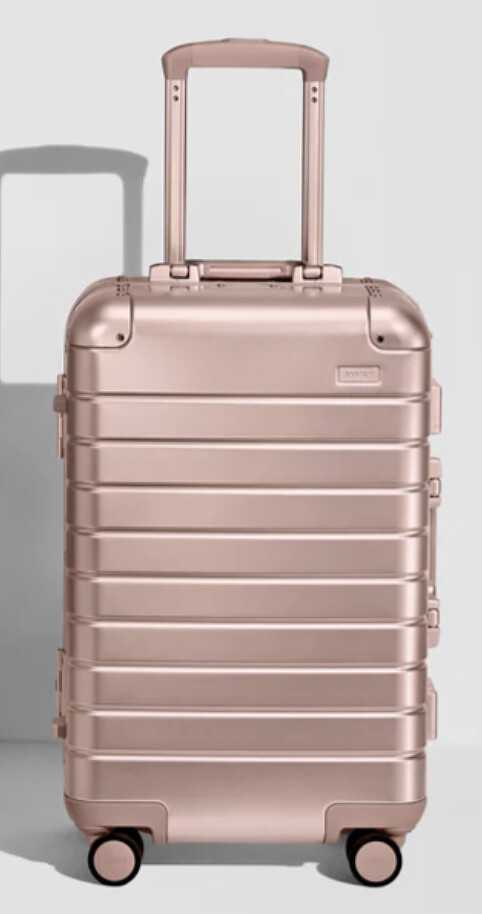
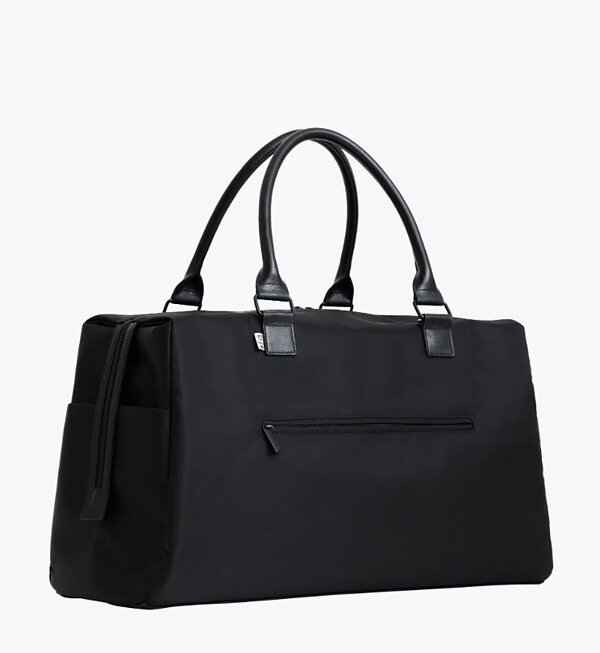
- Daypack with sternum strap for hikes and shuttles
- Packable hiking backpack rain cover
- Waterproof stuff sacks for electronics and spare layers
- Packing cubes for separating cold-weather layers and basics
- Compression bag for puffy jacket and fleece
- Reusable gallon zip bags for dust, snacks, and wet items
- Lightweight dry bag for river overlooks and surprise rain
- Luggage ID tags
- TSA-approved suitcase locks
Clothes
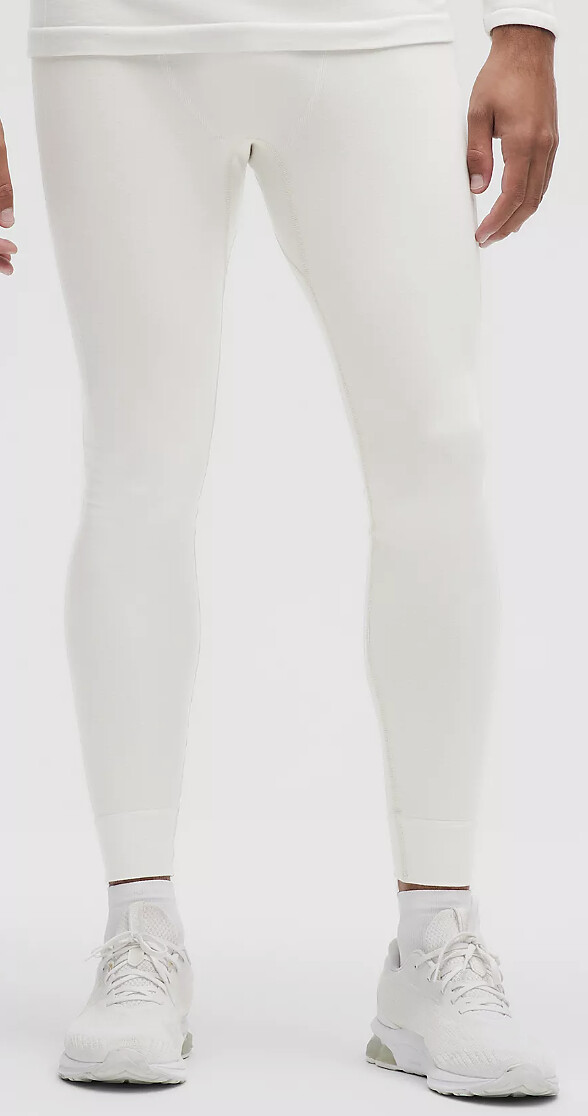
- Thermal leggings – Cold mornings on the trail feel way more comfortable with an extra warm layer under pants, and I stay cozy without bulky gear—worth tossing in.

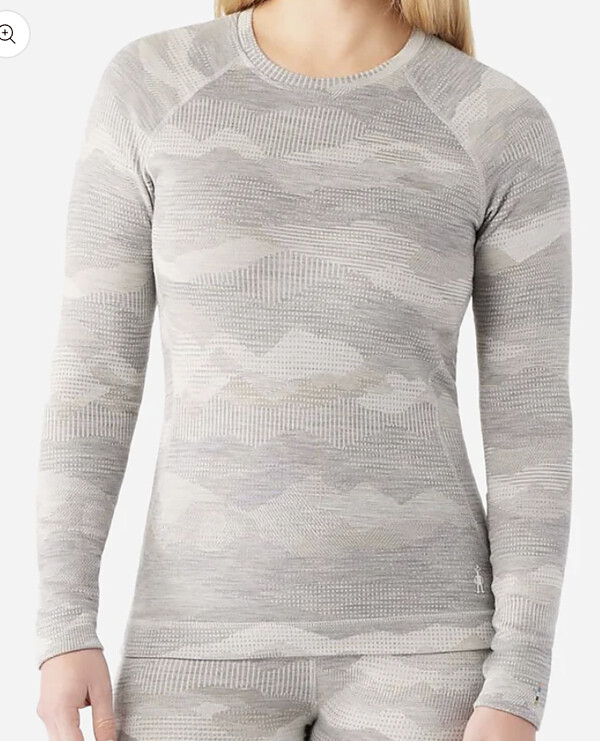
- Thermal base layer top – For chilly early starts or windy layovers, this layer keeps my core warm without bulk and dries fast if I sweat. I’d still pack it.

- Insulated puffer jacket with hood (1 PCS)
- Midweight fleece or grid hoodie (1–2 PCS)
- Long-sleeve hiking shirts with UPF (2–3 PCS)
- Breathable short-sleeve shirts (2–3 PCS)
- Quick-dry hiking pants (1–2 PCS)
- Waterproof shell jacket with taped seams (1 PCS)
- Lightweight packable vest for windy overlooks (1 PCS)
- Warm beanie for pre-sunrise viewpoints (1 PCS)
- Buff or neck gaiter for wind and dust (1 PCS)
- Wool hiking socks (3–5 PCS)
- Underwear, moisture-wicking (4–6 PCS)
- Sleepwear layers for chilly lodges and cabins (1–2 PCS)
Skincare
- Broad-spectrum SPF 50 face sunscreen
- Broad-spectrum SPF 50 body sunscreen
- SPF lip balm for wind and high-elevation sun
- Gentle hydrating face cleanser for dry air
- Ceramide-rich moisturizer for barrier support
- Hand cream for cold, windy overlooks
- After-sun soothing gel for surprise strong UV days
- Anti-chafe balm for longer hikes and warmer inner canyon
- Blister-prep foot cream for high-mileage days
Makeup
- Tinted moisturizer or skin tint with SPF
- Water-resistant mascara for wind and watery eyes
- Cream blush that won’t flake in dry air
- Concealer for sun glare and early mornings
- Translucent setting powder for mixed warm-cold swings
- Brow gel for windproof hold
- Hydrating lip color or balm tint
- Makeup remover wipes for late-night lodge returns
Hair Care
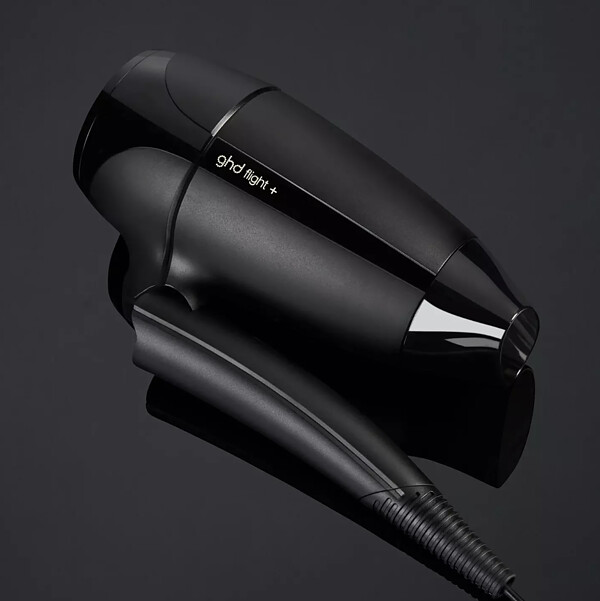
- Travel hair dryer – After a late shower, having one means I can dry my hair fast and actually get to bed with warm, frizz-free comfort—worth packing.
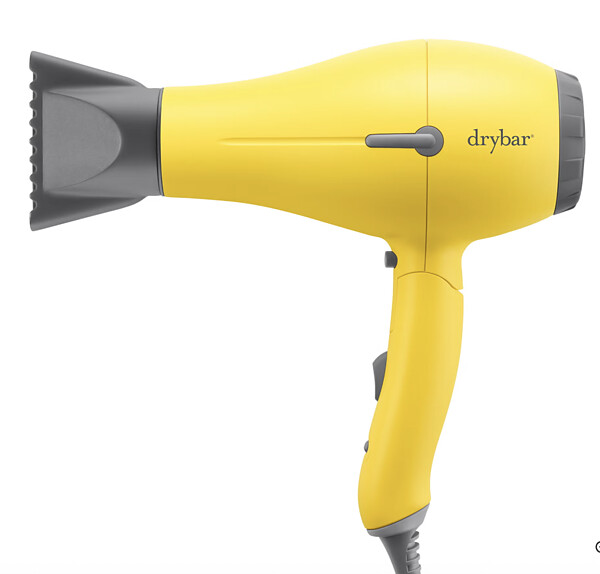
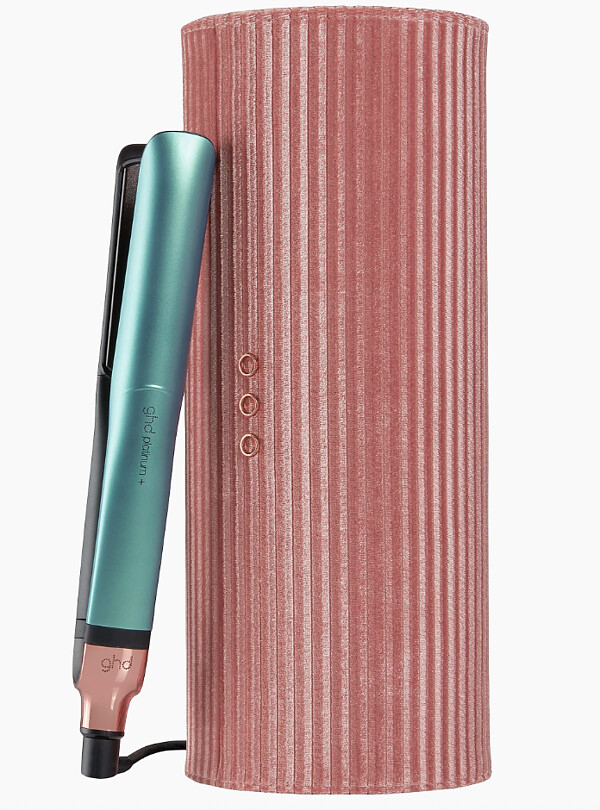
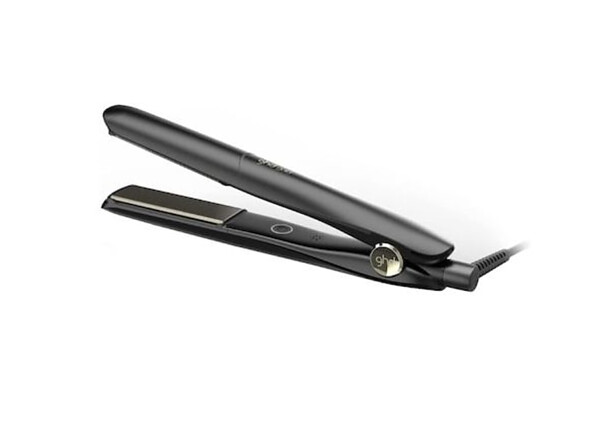
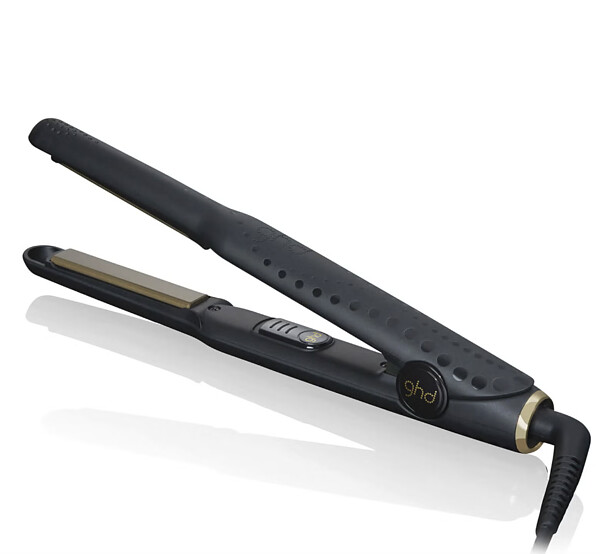
- Hair straightener – Frizz hits hard after a humid flight, and five minutes with it makes me feel pulled-together for meetings. Worth tossing in for fast, reliable hair days.
- Leave-in conditioner spray for dry, windy air
- Anti-frizz serum for gusty rim viewpoints
- Dry shampoo for early trail starts
- Wide-tooth comb for detangling after hats
- Hair ties and bobby pins set
- Travel shampoo and conditioner bottles
- Scalp-friendly hat liner or headband (1 PCS)
Shoes & Accessories
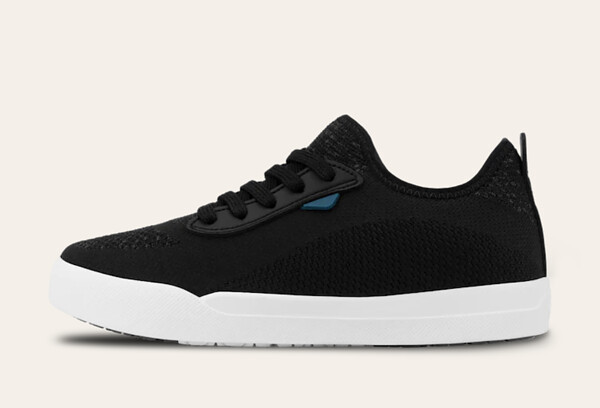
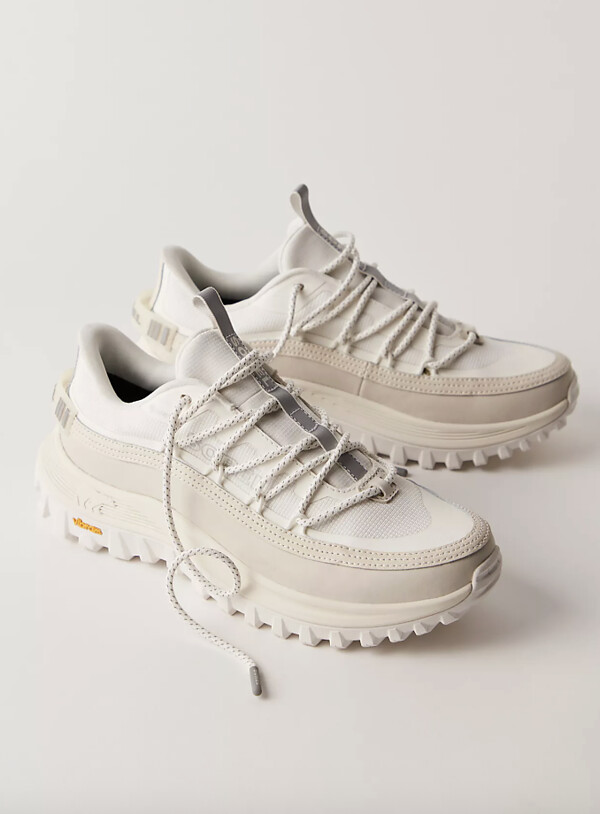
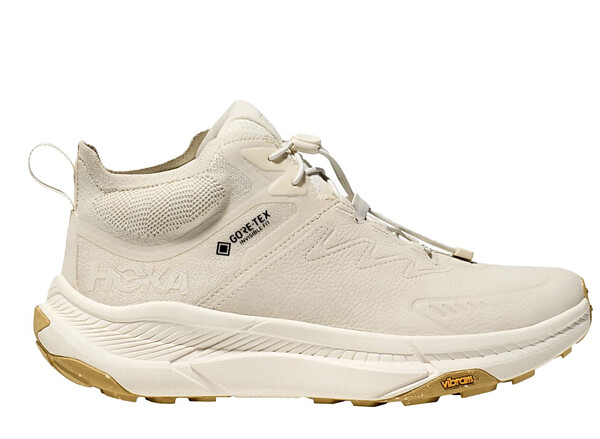
- Waterproof sneakers – Dry feet make the whole day easier—when a surprise downpour hits on the way to dinner, I just keep walking without soggy socks. Worth packing.
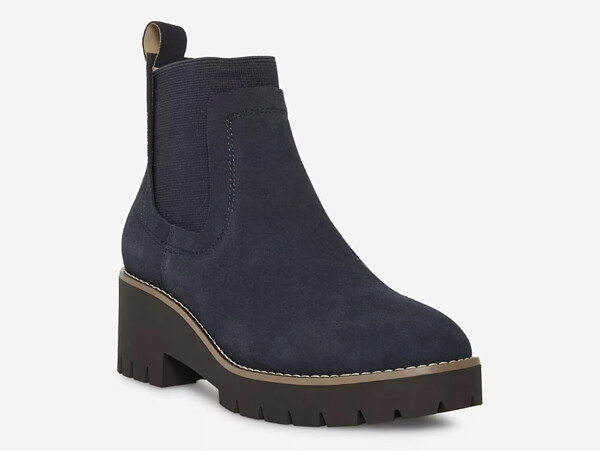
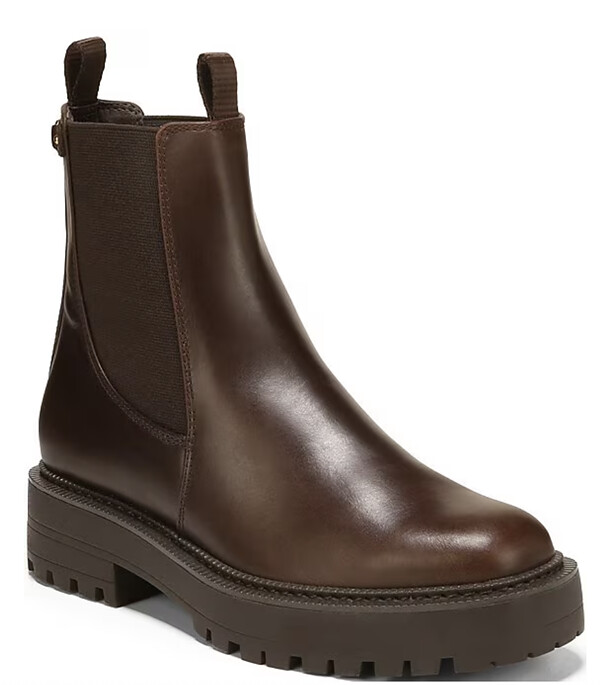
- Ankle boots – More comfort on long travel days—rainy sidewalks and uneven cobblestones feel steady, and my feet stay happier into dinner. I’d still pack ankle boots.
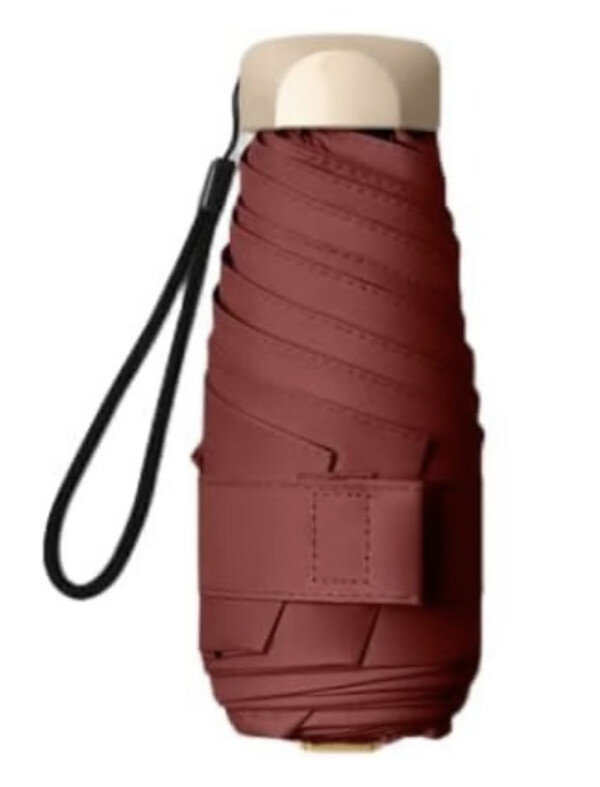
- Compact travel umbrella – Sudden drizzle on the way to dinner won’t derail the night—stays dry without hogging bag space. I always toss this in just in case.
- Hiking boots with grippy outsole (1 PCS)
- Trail running shoes for dry, long-mile days (1 PCS)
- Camp sandals or slide-ons for lodge downtime (1 PCS)
- Microspikes for icy rim trails (1 PCS)
- Warm gloves for sunrise points (1 PCS)
- Polarized sunglasses for bright rock glare (1 PCS)
- Wide-brim sun hat for inner canyon warmth (1 PCS)
- Lightweight belt bag for shuttle stops and snacks (1 PCS)
- Trekking poles for steep descents and loose gravel (1 PCS)
Documents & Essentials
- Government-issued photo ID or passport
- Park entry pass or America the Beautiful pass
- Hotel confirmations and campground reservations
- Car rental agreement and insurance details
- Credit card and backup payment method
- Emergency contact card in wallet
- Printed map or downloaded offline maps
- Medical insurance card and medication list
- Permits for backcountry hiking if applicable
First Aid
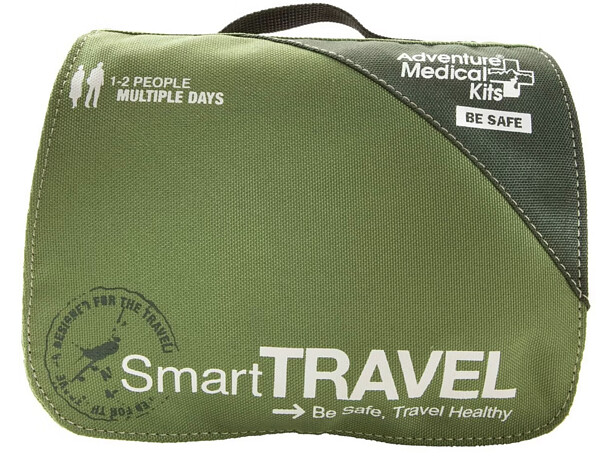
- Travel first aid kit – Fewer trip hiccups when a blister or headache hits mid-journey—you can patch it up fast and keep moving. I like having a travel first aid kit along, just in case.
- Blister hydrocolloid patches for long downhill hikes
- Moleskin or blister tape for hot spots
- Ibuprofen or naproxen for sore legs
- Antihistamines for spring allergies and dust
- Anti-diarrheal tablets for travel stomach surprises
- Antiseptic wipes for trail scrapes
- Elastic wrap bandage for ankle support
- Tweezers for splinters and cactus spines
Health & Hygiene
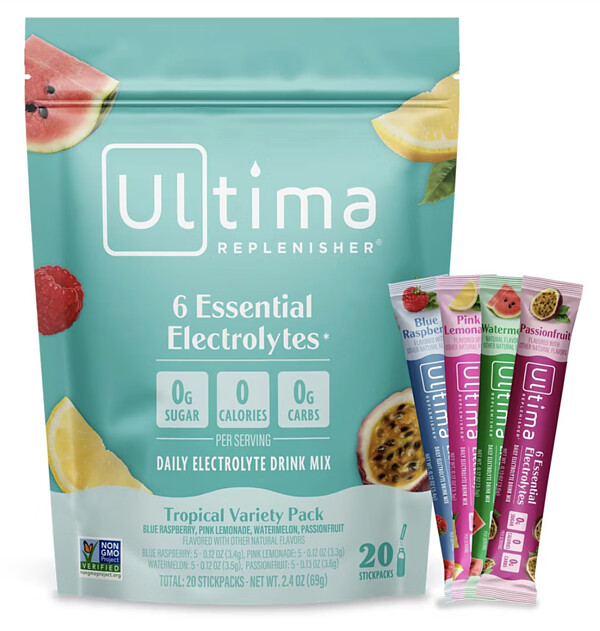
- Electrolyte powder – After a long flight or sweaty hike, a quick mix-in brings me back fast—less headache, steadier energy, and fewer cramps. Worth tossing a few packets in.

- Refillable water bottle or hydration reservoir
- Water purification tablets or filter for longer hikes
- Travel toothbrush, toothpaste, and floss
- Deodorant for layered hiking days
- Biodegradable wipes for quick cleanups on the go
- Hand sanitizer for trailheads and shuttles
- Tissues for wind, dust, and dry noses
- Saline nasal spray for very dry air
- Period products or menstrual cup
- Prescription medications in original bottles
- Motion sickness remedies for winding drives
Tech & Electronics
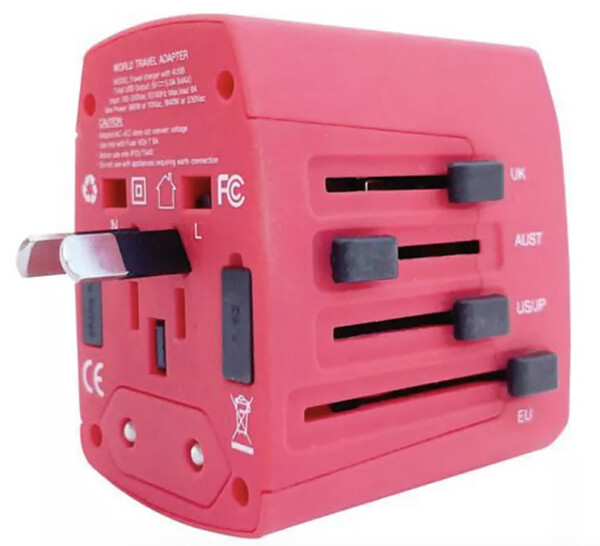
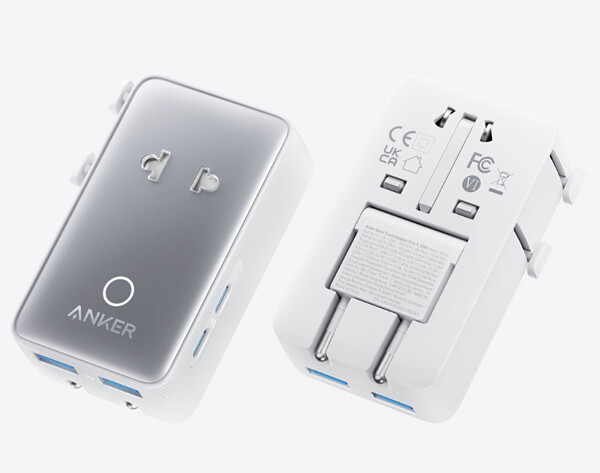
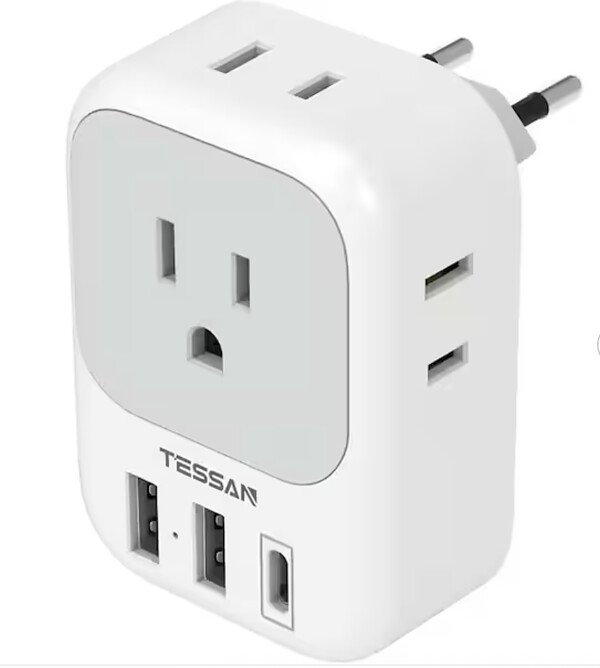
- Universal travel adapter – Landing late in a new country, I can charge everything right away without hunting for the right plug. It keeps my night simple and my batteries full—worth packing.
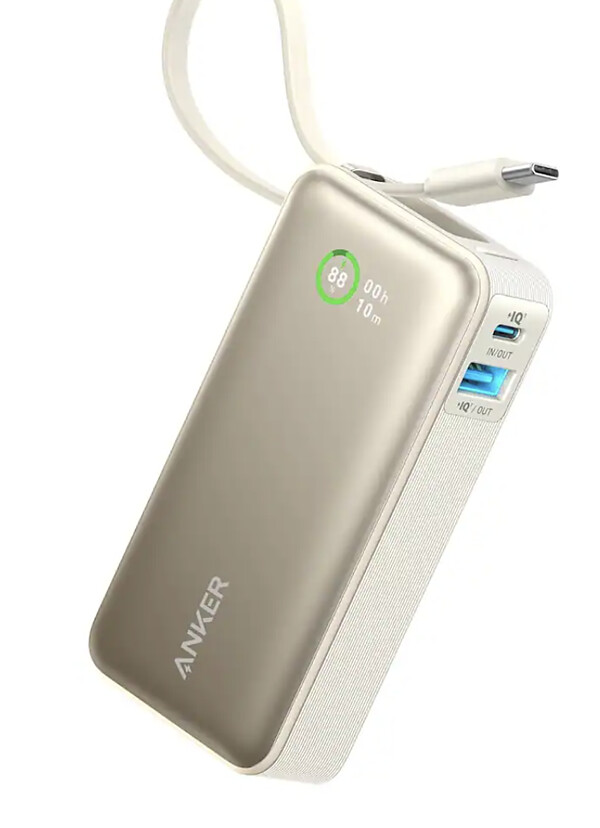
- Power bank – Long layovers feel calmer when my phone stays alive for maps and boarding passes—no outlet hunting. I’d toss a power bank in, just in case.
- Wall charger – Faster recharges mean I’m not hunting for an outlet-friendly café when my phone hits 5%. Toss a wall charger in and everything’s ready by morning.

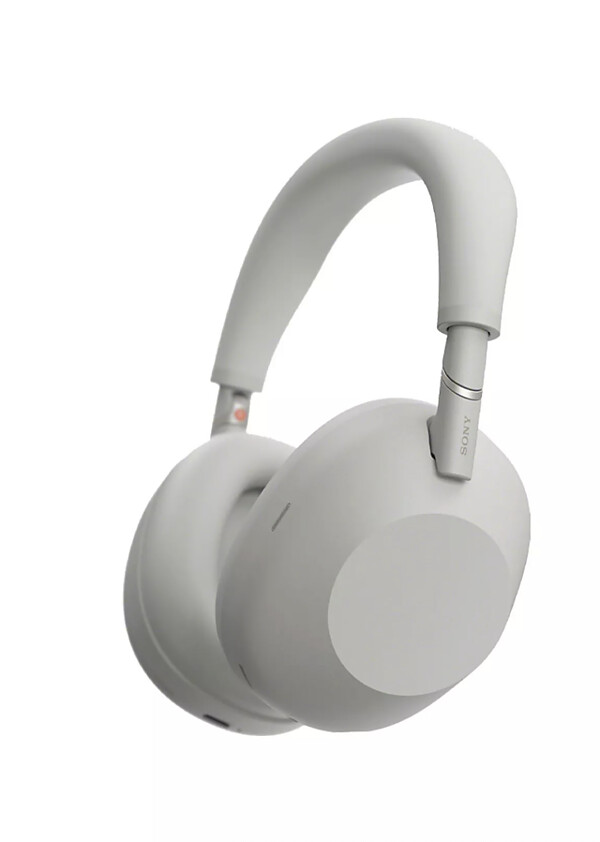
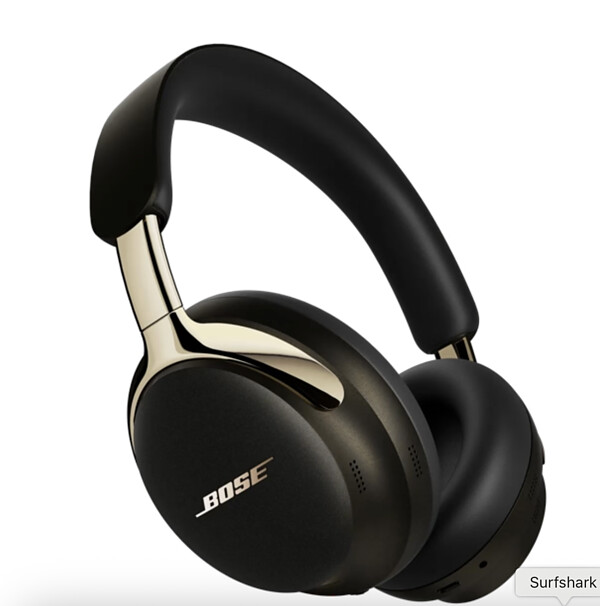
- Noise cancelling headphones – On a loud flight or in a busy terminal, they turn the chaos into quiet so I can nap or focus fast. I’d still pack noise cancelling headphones.
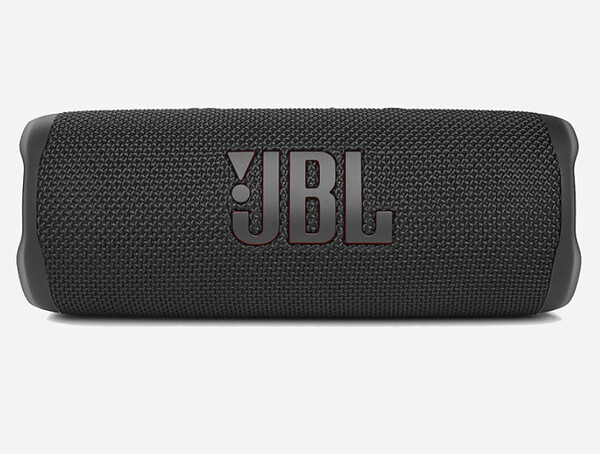
- Bluetooth speaker – Instant mood boost at camp or in the hotel—music makes downtime feel intentional. I always toss a Bluetooth speaker in for easy vibes without hunting for outlets.

- E-reader – Long layovers feel shorter when I can dip into a book without hauling hardcovers—plus the battery lasts for days. I’d still toss an e-reader in.

- Phone with offline maps downloaded
- Charging cables for phone, watch, and camera
- Car charger for long drives between stops
- Headlamp for early starts and dark trails (1 PCS)
- Camera or action camera with spare batteries
- Memory card and small card case
- GPS communicator for remote hikes
Entertainment
- Road trip playlist downloaded for low-signal areas
- Podcasts or audiobooks for long desert drives
- Compact travel journal and pen
- Deck of cards for lodge evenings
- Binoculars for condors and distant viewpoints
- Stargazing app for dark-sky nights
- Small puzzle book for downtime
Extras
- High-calorie trail snacks for longer overlooks and hikes
- Reusable cutlery set for picnic meals
- Thermos for hot drinks at sunrise points
- Lightweight picnic blanket for viewpoint breaks
- Trash bag for Leave No Trace cleanup
- Instant hand warmers for windy rim stops
- Cooling towel for warm inner canyon afternoons
- Reusable shopping bag for market stops
- Small sewing kit for gear fixes
Travel Tips
- Start hikes early to avoid crowds and afternoon heat
- Pack layers in your daypack,