
October in Canada means layers, and getting them wrong makes the whole trip uncomfortable.
Daytime temperatures sit around 8°C to 14°C, but the air feels colder when the wind picks up, and rain can arrive with almost no warning in most parts of the country.
If your trip mixes city days with parks or short hikes, you will move between heated buildings and cold outdoor air all day. I always make sure every layer I bring works both inside and outside, so I am not stuffing a bulky jacket into my bag every time I walk through a door.
A mid-weight waterproof layer is the most essential item on any Canada October packing list. Pack that first, then build everything else around it.
Note: This list covers general packing advice. Always check current entry requirements and local conditions before you travel.
Packing smart will help you make the most of your trip. Here’s everything you need to bring for a comfortable and stylish adventure.

Carry-On Suitcase / Travel Bag Duffle / Portable Steamer / Packing cubes / Luggage scale / Wireless Noise-Cancelling Headphones / Speaker / Portable Charger / Universal Travel adapter / Compact Hair Dryer / Eye Mask / Waterproof Toiletry Bag Hanging / Zipper Pouch / Water BOTTLE / Liquid I.V. Hydration Vegan
Quick Take
- 🌡️ Weather: During October in Canada, temperatures typically range between 8°C and 14°C (46°F–57°F)
- 🧳 Pack: waterproof jacket, warm mid-layers, sturdy walking shoes, and thermal base layers
- ⚠️ Don’t forget: a warm hat and gloves, because mornings and evenings get genuinely cold
- 🚫 Skip: heavy formal wear, casual mix-and-match pieces take up far less space and work just as well
- ⏱️ 3 min read · full checklist below
What Is the Weather Like in Canada in October?
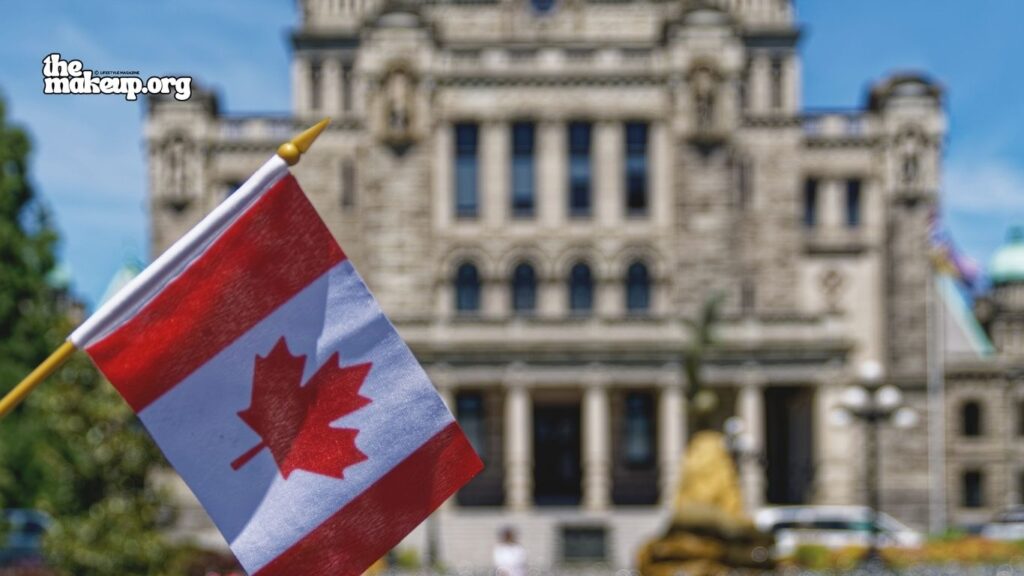
October in Canada is usually cool, with typical temperatures around 8°C to 14°C (46°F–57°F), so I plan outfits you can add to or peel off quickly. It can feel different by region, with coastal areas often damper and inland spots feeling crisper.
How to Pack Light for Canada in October
The key to packing light for October in Canada is choosing pieces that layer, not pieces that bulk up your bag.
One good waterproof outer layer, two or three mid-layers, and a solid base does more work than five separate heavy items. Stick to neutral colors so everything mixes easily.
- 3-4 mix-and-match tops in neutral colors
- 1-2 warm mid-layers (fleece or knit)
- 1 waterproof, packable outer jacket
- 2 pairs of versatile bottoms
- 1 pair of sturdy, waterproof walking shoes
- Hat, gloves, and a lightweight scarf
- Travel-size toiletries in a clear zip bag
What To Pack For Canada In October
Luggage & Packing Tools
If you want more options to have everything organized and well packed, take a look at these suggestions.

1. Rolling Backpack / 2. Luggage (large) / 3. Luggage (small) / 4. Toiletry Bag / 5. Beach Bag / 6. Backpack / 7. Packing Cubes
I keep my bag organized because October layers get bulky fast, especially after a damp day.
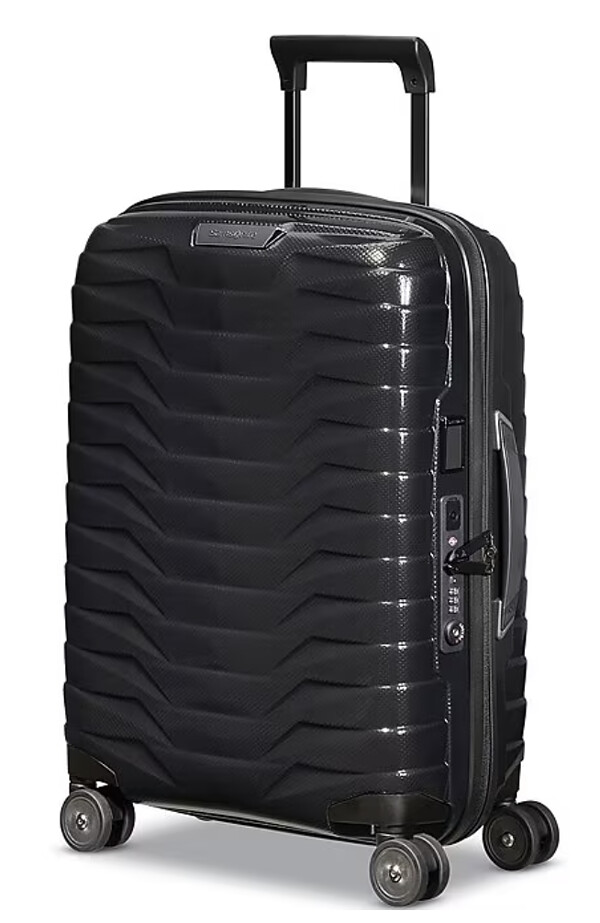
- Carry-on suitcase – A carry-on suitcase keeps essentials with you, avoids lost checked bags, and speeds airport exits by skipping baggage claim. It also fits in overhead bins for quick access during flights.
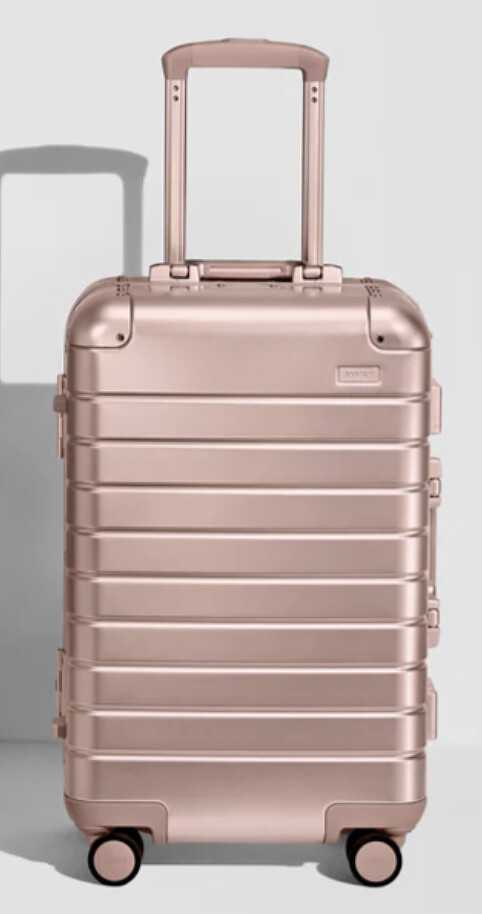
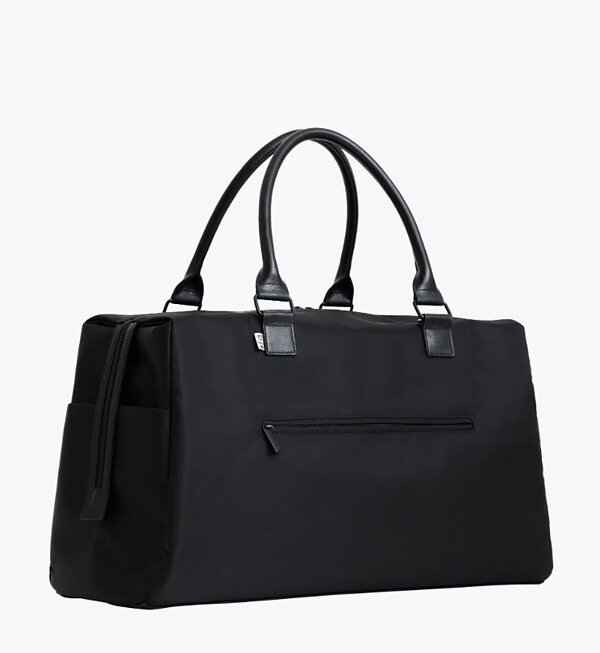
- Compression packing cubes
- Lightweight daypack
- Reusable dry bag
- Luggage ID tags
Clothes
I build outfits around layers so you stay comfortable from chilly mornings to warmer afternoons.
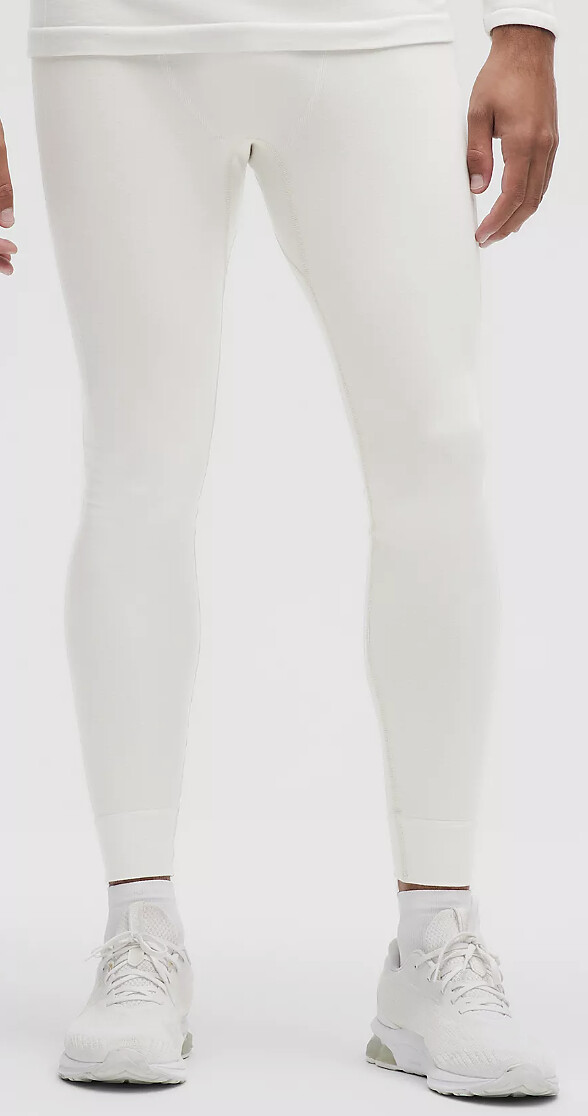
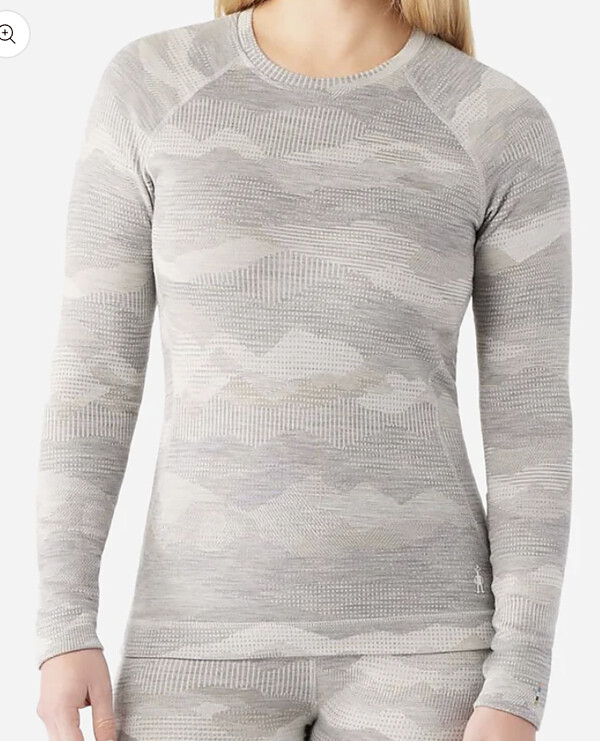
- Thermal leggings – Thermal leggings add an insulating layer under pants, keeping legs warm in cold weather without bulk. They also wick sweat, so you stay more comfortable when temperatures change.
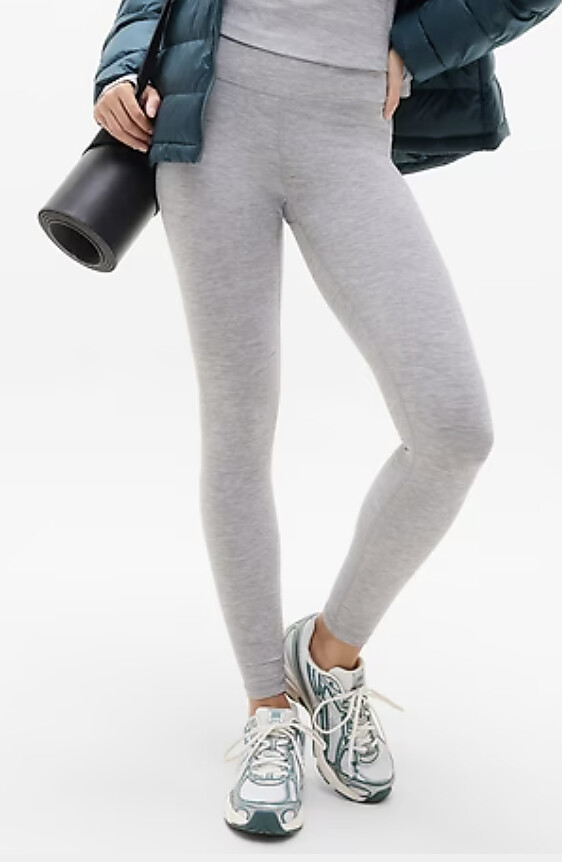
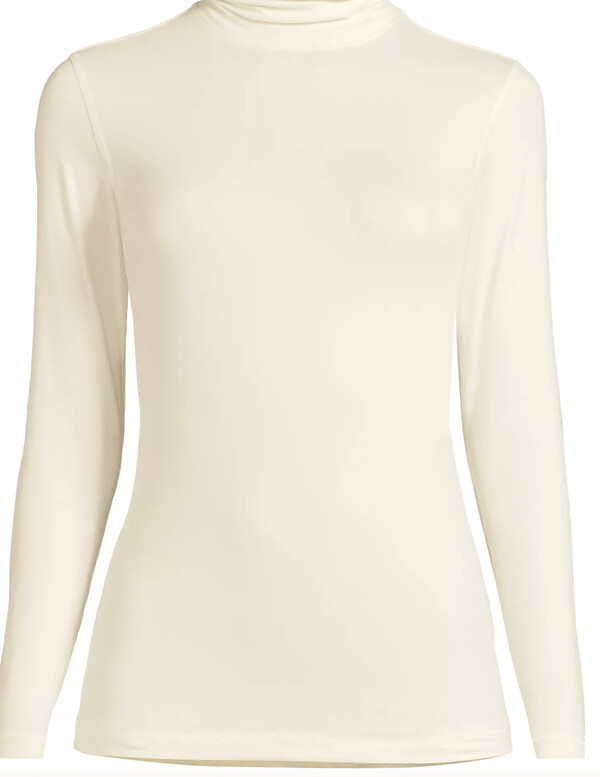
- Thermal base layer top – A thermal base layer top traps body heat under your jacket and helps sweat dry faster, so you stay warmer without adding bulky layers.
- Light down or synthetic puffer jacket (1 PCS)
- Waterproof shell jacket with hood (1 PCS)
- Fleece or wool midlayer (1–2 PCS)
- Long-sleeve tops (2–3 PCS)
- T-shirts (1–2 PCS)
- Jeans or travel pants (1–2 PCS)
- Warm socks (4–6 PCS)
- Sleepwear (1 PCS)
Shoes & Accessories
Sidewalks and trails can be wet and slippery, so I prioritize grip and water resistance.
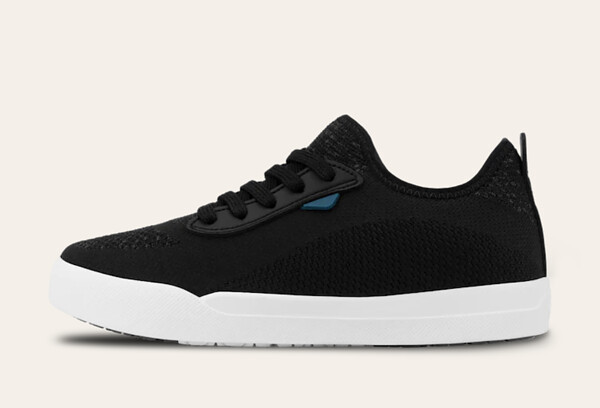
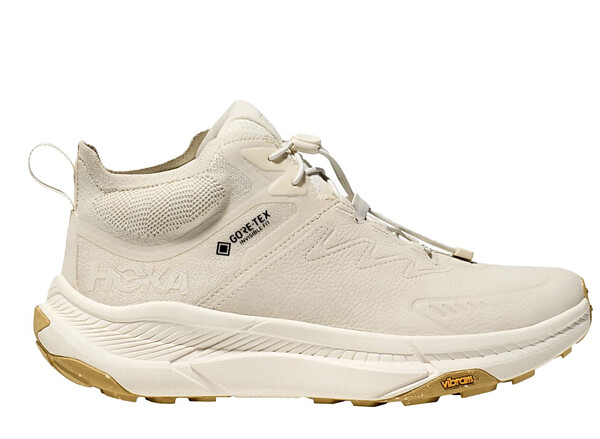
- Waterproof sneakers – Waterproof sneakers keep your feet dry in rain, puddles, or wet grass. They help prevent blisters and keep you comfortable when sidewalks and trails stay damp.
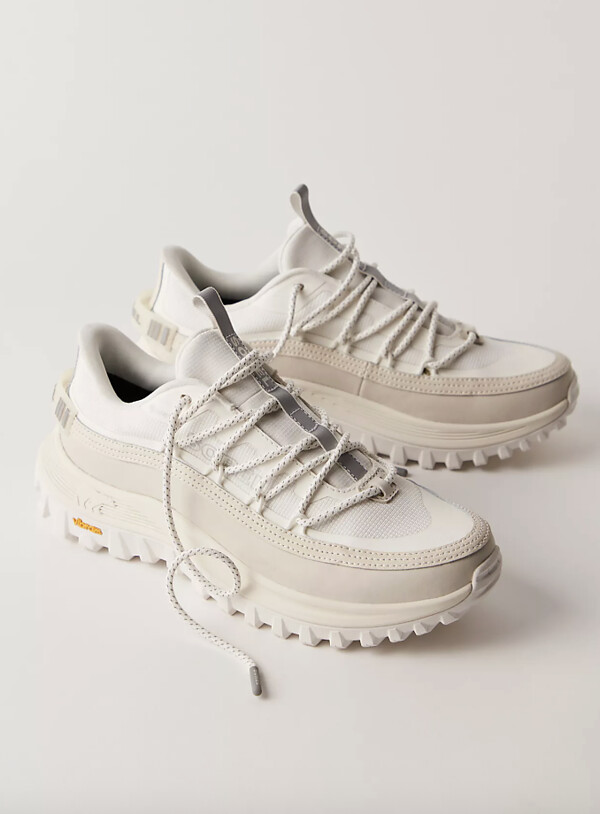
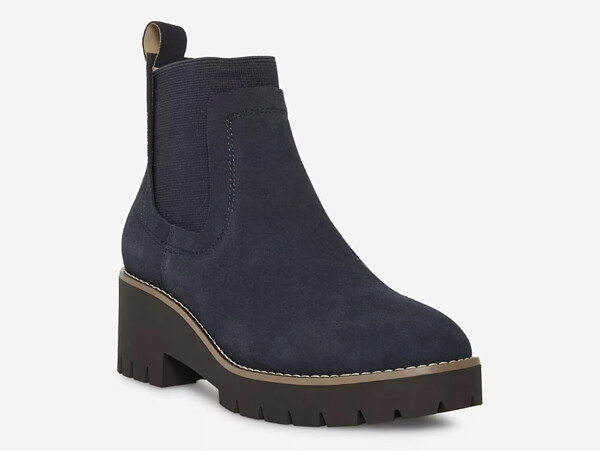
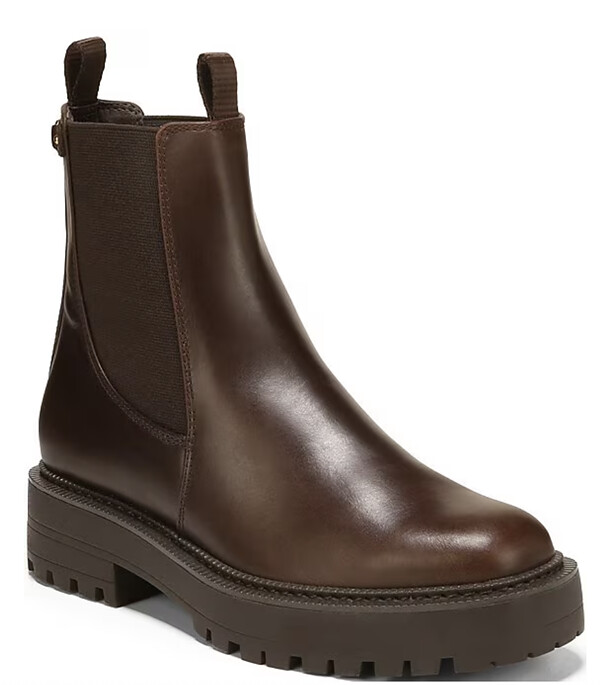
- Ankle boots – Ankle boots give ankle support and better traction, so you walk comfortably on uneven streets. They also handle light rain and look tidy with most outfits.
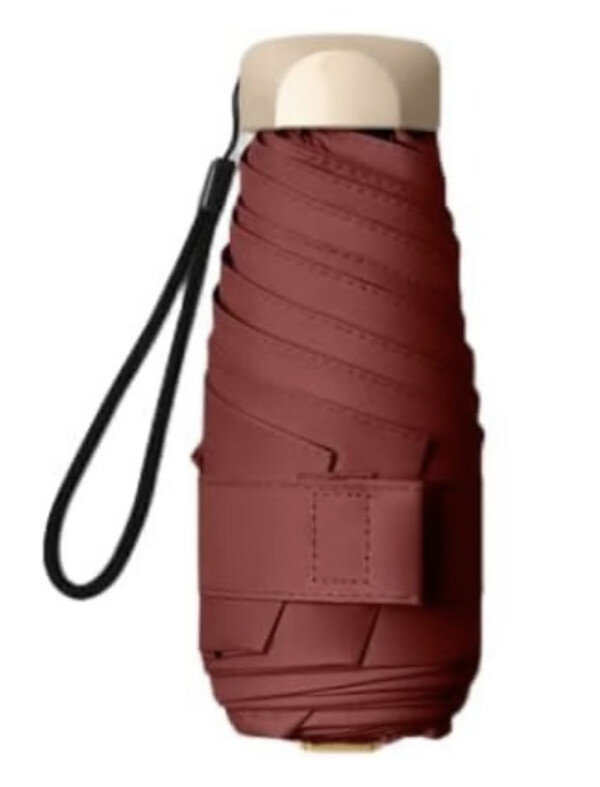
- Compact travel umbrella – A compact travel umbrella keeps you dry during sudden rain without taking much space. It helps you stay comfortable while walking or waiting outside.
- Wool beanie (1 PCS)
- Light gloves (1 PCS)
- Warm scarf (1 PCS)
- Crossbody day bag with zipper (1 PCS)
Beauty & Skincare
Cool air and indoor heating can dry you out, so I focus on barrier-friendly basics.
- Travel hair dryer
- Hair straightener
- Gentle face cleanser
- Moisturizer
- SPF 30+ sunscreen
- Lip balm
- Hand cream
- Deodorant
- Dry shampoo
Health & Hygiene
I assume lots of walking and quick weather shifts, so I plan for blisters and sniffles.
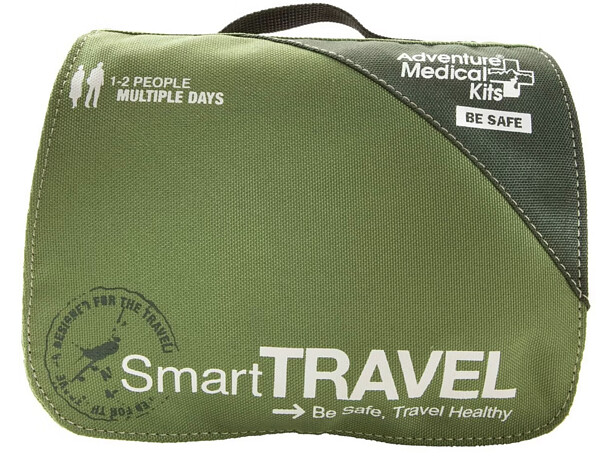
- Travel first aid kit – A travel first aid kit lets you treat small cuts, blisters, headaches, and stomach issues fast. It saves time and money when pharmacies are closed or far away.
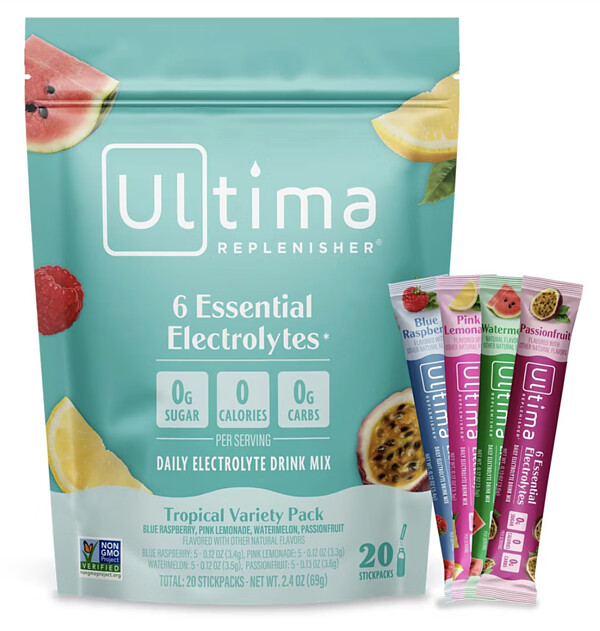
- Electrolyte powder – Electrolyte powder replaces salts lost from sweating or diarrhea, helping your body hold fluids. It can reduce headaches, cramps, and fatigue when water alone is not enough.

- Personal medications
- Blister plasters
- Travel tissues
- Hand sanitizer
- Toothbrush and toothpaste
- Period products
Tech & Electronics
Shorter days and heavy phone use for maps mean charging power matters more than you think.
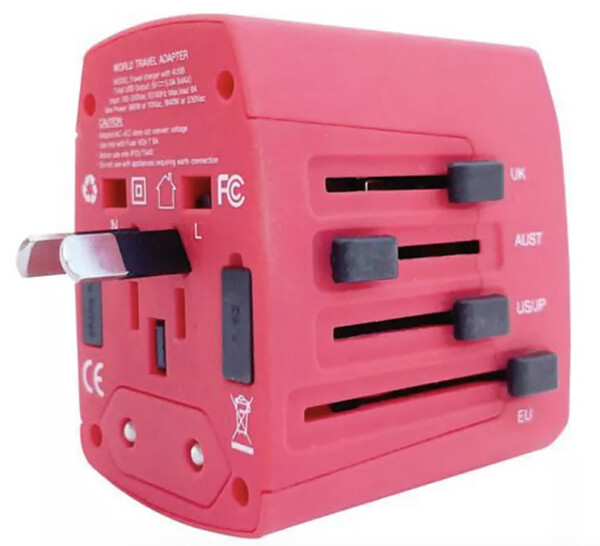
- Universal travel adapter – A universal travel adapter lets your plugs fit different outlet shapes, so you can charge phones and laptops in most countries without hunting for a local adapter.

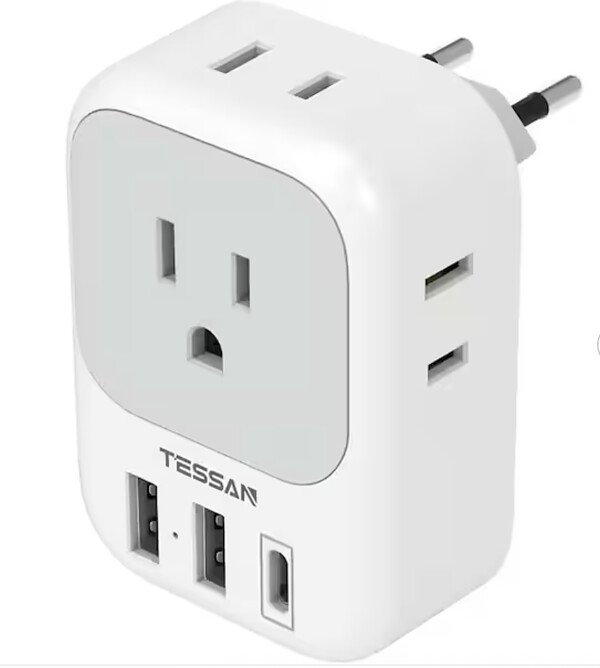
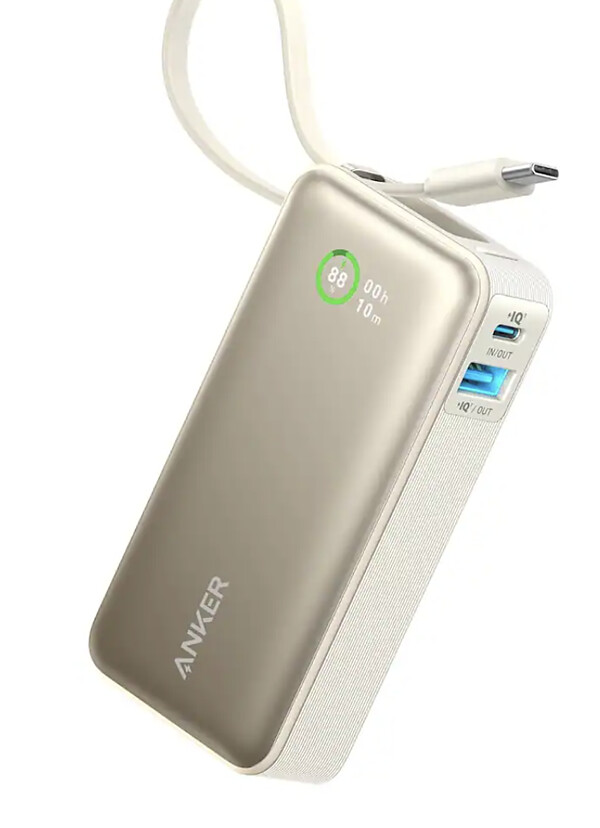
- Power bank – A power bank recharges your phone when outlets aren’t available, so maps, tickets, and messages still work during long days out.
- Wall charger – Wall charger plugs into an outlet to recharge your phone and other devices faster and more reliably than a laptop USB port, so you start each day with full battery.

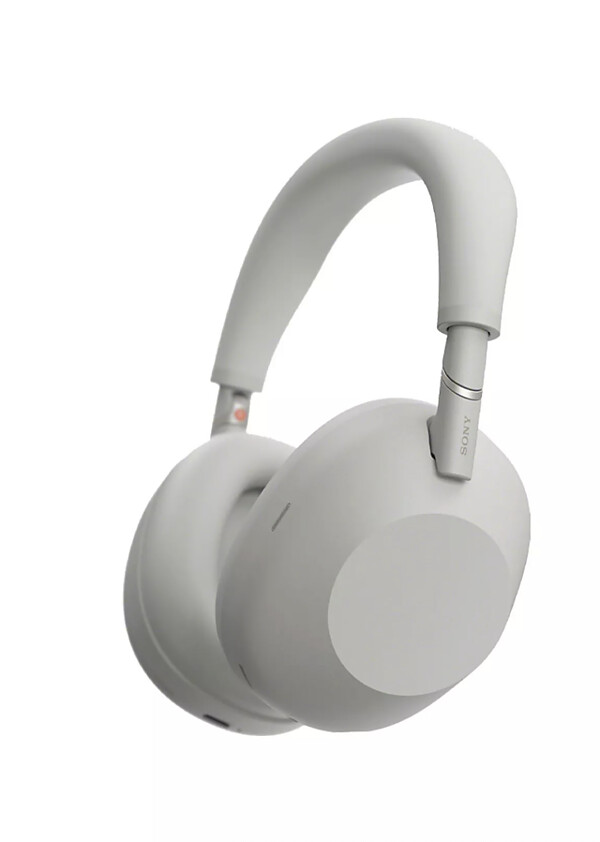
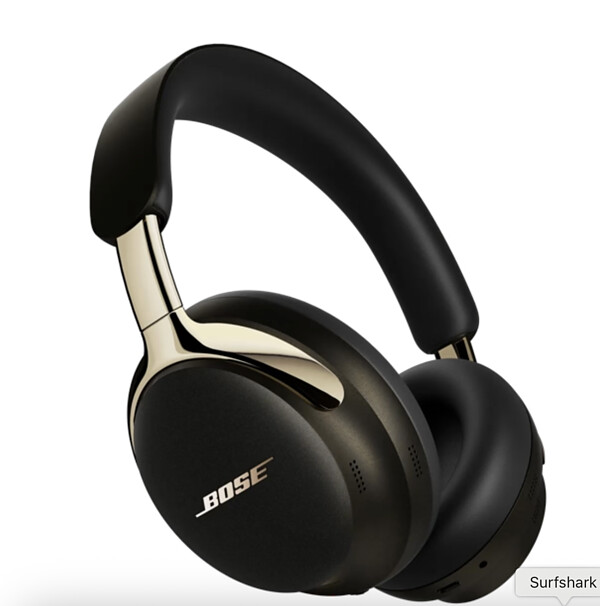
- Noise-cancelling headphones – Noise-cancelling headphones reduce background noise on planes, trains, and busy streets, so you can rest, focus, or hear audio clearly without turning volume up.
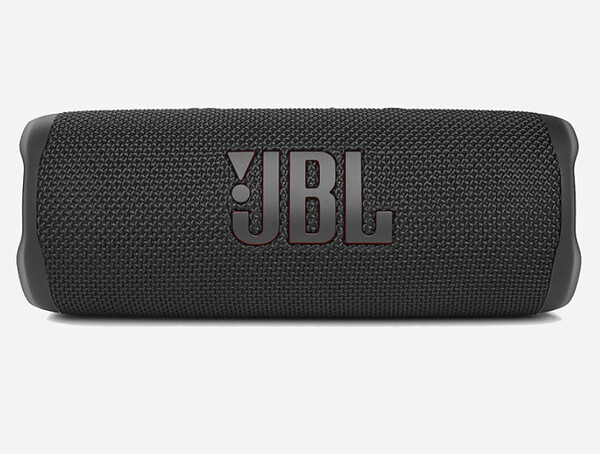
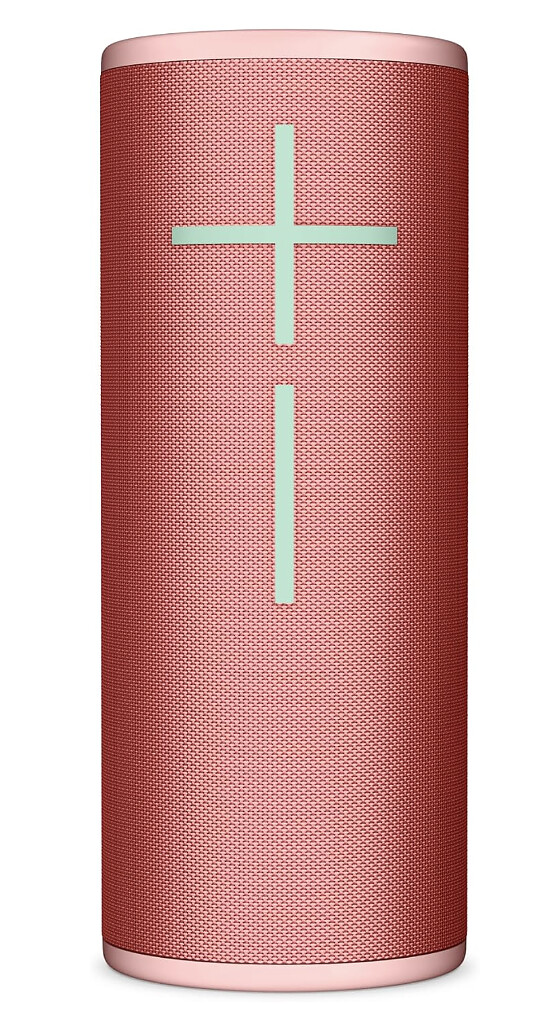
- Bluetooth speaker – A Bluetooth speaker plays audio from your phone without cables and gives clearer sound than most built-in speakers. It helps fill a room for music, podcasts, or calls.
- E-reader – An e-reader stores lots of books in a light device, so you have reading options without extra weight. The screen is easy on eyes and works well in bright light.

- Phone charging cable
- Weatherproof phone case
Documents & Essentials
I like having these within reach because you may need them at check-in, rentals, and hotels.
- Passport
- Travel insurance details
- Credit card and backup card
- Some Canadian dollars
- Driver’s license
Comfort for the Journey
Flights and long drives feel colder in October, so small comfort items earn their space.
- Neck pillow
- Lightweight travel blanket
- Refillable water bottle
- Sleep mask
- Reusable earplugs
What to Leave at Home for Canada in October
A heavy winter coat is rarely necessary in early to mid-October, especially in southern cities like Toronto or Vancouver. Bulk takes up the most space and gives you the least flexibility.

A packable waterproof jacket with good mid-layers underneath handles almost every situation you will face.
Summer clothes are also a waste of space. Sandals, lightweight linen, and sleeveless tops will sit unused in your bag.
October in Canada is firmly fall, and even on a warm afternoon you will want at least one layer on by early evening. Use that space for an extra thermal top instead.
Smart Packing Tips for Canada in October
Pack your layers so the most-used ones are easiest to reach. Your waterproof jacket and a light mid-layer should never be buried at the bottom of your bag.

Compression cubes help a lot when you are carrying bulky knits. They cut down the volume without cutting down the warmth, which is exactly what you need for a fall trip where the temperature shifts every few hours.
- Wear your bulkiest shoes on travel days to save bag space
- Pack one thermal base layer for unexpectedly cold mornings
- A silk or thin wool scarf doubles as a pillow on long travel days
- Roll knitwear instead of folding to avoid creases and save space
- Bring a small day bag for hikes or city walks so your main luggage stays at the hotel
How Many Outfits to Pack for Canada in October
For a one-week trip, I find that four or five outfit combinations is enough. October weather means you will repeat layers anyway, and a fleece worn two days in a row is not a problem when the air is crisp and cool.
If your accommodation has laundry access, you can pack even lighter. Two or three bottoms and four tops gives you plenty of flexibility for a week.
Add one slightly smarter outfit if you plan on a nice dinner out, and you are done.
- Tops: 4 for a week, or 3 if you have laundry access
- Bottoms: 2-3 pairs, mix of casual and slightly smarter
- Mid-layers: 1-2, one thinner and one warmer
- Shoes: 1 sturdy walking pair, 1 casual or lighter pair
- Socks and underwear: one per day, plus one spare
FAQ: Packing for Canada in October
What should I wear in Canada in October?
Wear layers you can add or remove through the day. A thermal base, a warm mid-layer like a fleece, and a waterproof outer jacket covers most October weather across Canada.
Sturdy, waterproof walking shoes are more useful than anything else you will put on your feet.
How cold is Canada in October?
Most of Canada sits between 8°C and 14°C (46°F to 57°F) during October. Mornings and evenings are colder, often dropping near or below 5°C in places like Alberta or Quebec.
Coastal cities like Vancouver tend to stay milder but wetter.
Is October a good month to go to Canada?
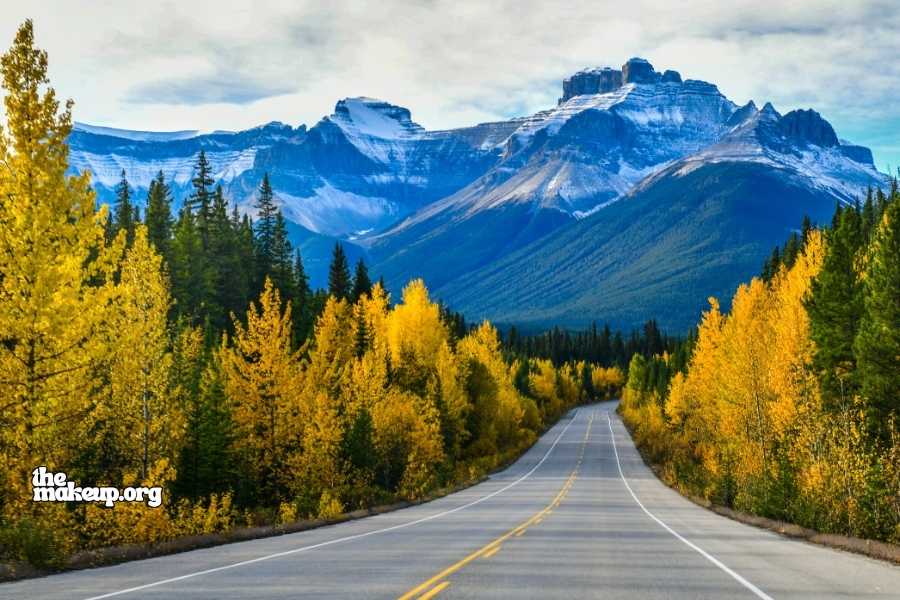
October is a genuinely good time to visit. Fall foliage is at or near its peak in many regions, crowds are smaller than summer, and prices often drop.
You do need to be ready for cold mornings and rain, but that is easy to handle with the right layers.
What is the 5 4 3 2 1 packing rule?
The 5 4 3 2 1 rule is a simple formula: 5 sets of socks and underwear, 4 tops, 3 bottoms, 2 pairs of shoes, and 1 jacket. It works well as a starting point for a week-long trip, though for October in Canada you may want to swap one top for an extra mid-layer.
What not to bring when entering Canada?
Canada has strict rules on certain foods, plants, and animal products at the border. Firearms, certain weapons, and some medications also have restrictions.
Always check the Canada Border Services Agency website before you pack, as rules can change and vary by what you are carrying.
What is the number one tourist spot in Canada?
Niagara Falls is one of the most visited attractions in Canada and is especially striking in October when the surrounding trees are in full fall color. Banff National Park in Alberta is another top destination, and the mountain scenery in early October is hard to beat before the heavy snow arrives.
What should I pack for a week in Canada in October?
For one week, pack four tops, two or three bottoms, a thermal base layer, a fleece mid-layer, and a waterproof jacket. Add one pair of sturdy waterproof shoes, a hat, gloves, and a scarf.
Keep toiletries travel-size and use the space you save for an extra warm layer.