
Shoes you buy mid-trip in Europe will almost never fit the way your broken-in pair does, and blisters on day two can genuinely ruin a two-week itinerary built around cobblestone streets and long city walks.
Your Europe October packing list lives or dies on footwear and layers. October temperatures across Europe sit roughly between 6°C and 15°C, and a chilly morning can feel very different from a stuffy museum an hour later.
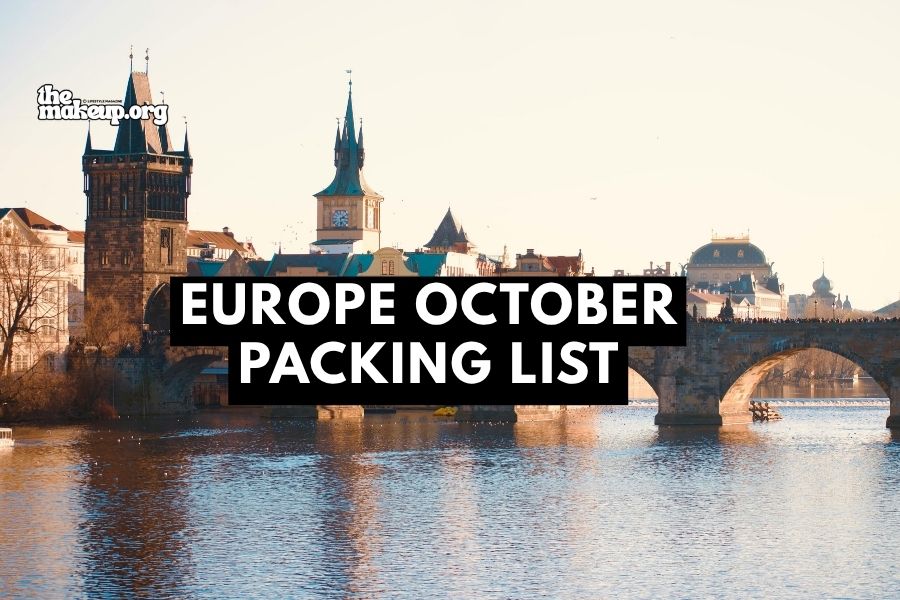
Most days will mix walking, transit, and an evening out, so I build everything around pieces that double up easily and take up as little space as possible.
Note: Needs and preferences vary, so treat this list as a strong starting point and adjust for your specific destinations and trip length.
Packing smart will help you make the most of your trip. Here’s everything you need to bring for a comfortable and stylish adventure.

Carry-On Suitcase / Travel Bag Duffle / Portable Steamer / Packing cubes / Luggage scale / Wireless Noise-Cancelling Headphones / Speaker / Portable Charger / Universal Travel adapter / Compact Hair Dryer / Eye Mask / Waterproof Toiletry Bag Hanging / Zipper Pouch / Water BOTTLE / Liquid I.V. Hydration Vegan
Quick Take
- 🌡️ Weather: During October in Europe, temperatures typically range between 6°C and 15°C (43°F–59°F)
- 🧳 Pack: warm layers, a waterproof jacket, comfortable broken-in walking shoes, versatile mix-and-match clothing
- ⚠️ Don’t forget: a lightweight cardigan or mid-layer for cool evenings and air-conditioned trains
- 🚫 Skip: heavy bulky coats, a well-chosen layering system keeps you warmer without the extra weight
- ⏱️ 3 min read · full checklist below

What Is the Weather Like in Europe in October?
October usually lands in a cool zone around 6°C to 15°C (43°F–59°F), and it can feel different between Northern and Southern Europe. I pack for layering plus a reliable rain plan, because conditions can shift between morning and late afternoon.
How to Pack Light for Europe in October
October in Europe rewards a smaller bag. You will be moving between cities, climbing metro stairs, and walking long days, so every item you pack should work with at least two other things in your bag.
- 3-4 mix-and-match tops in neutral colors
- 2 pairs of bottoms (jeans or trousers that work day and night)
- 1 waterproof outer layer
- 1-2 warm mid-layers (a cardigan and a light sweater)
- 1 pair of broken-in walking shoes
- 1 pair of shoes for evenings out
- Travel-size toiletries and a small crossbody bag for daily use
What To Pack For Europe In October
Luggage & Packing Tools
If you want more options to have everything organized and well packed, take a look at these suggestions.

1. Rolling Backpack / 2. Luggage (large) / 3. Luggage (small) / 4. Toiletry Bag / 5. Beach Bag / 6. Backpack / 7. Packing Cubes
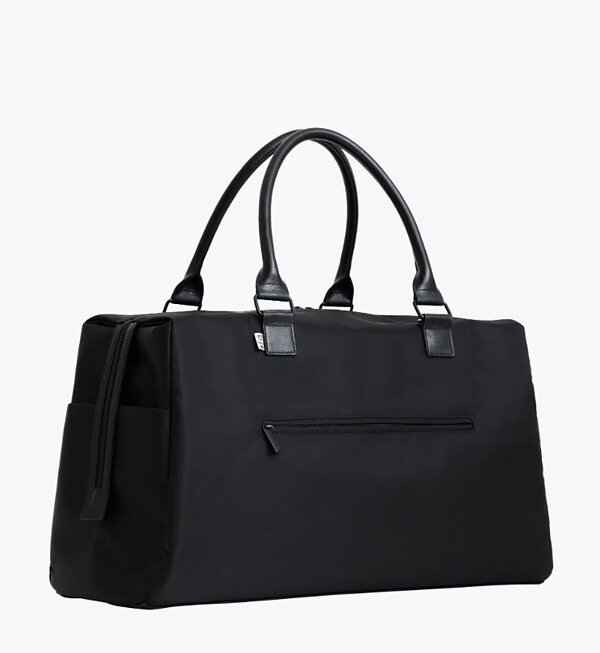
When you are walking and taking trains, easy-to-handle luggage makes every transfer calmer.
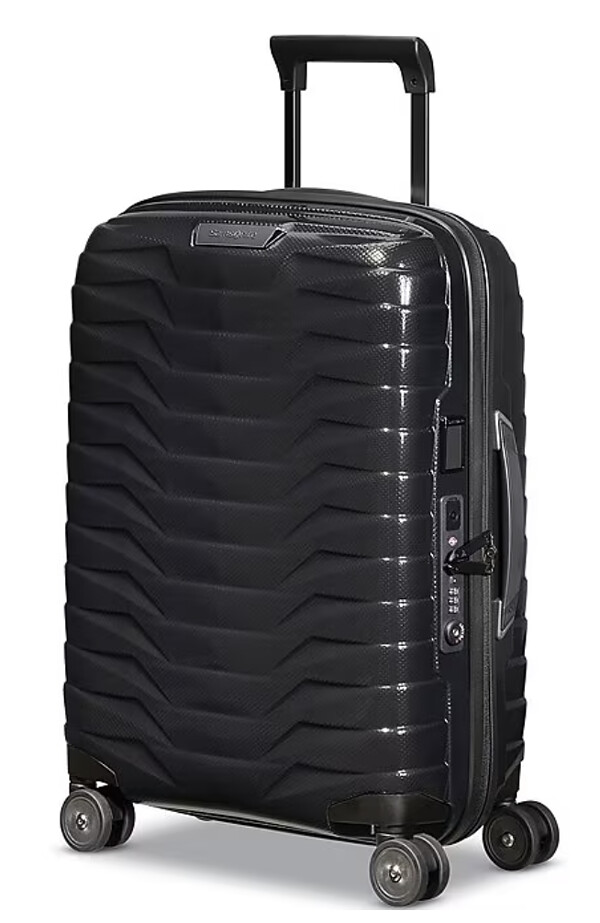
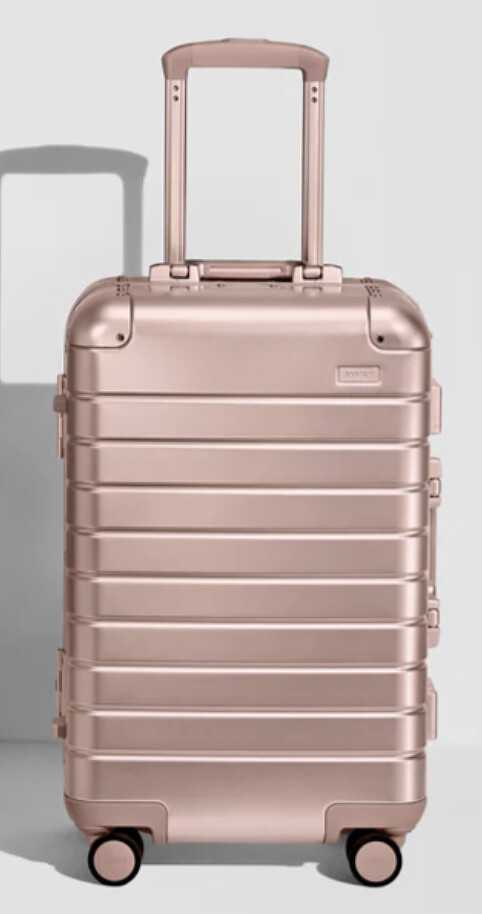
- Carry-on suitcase – A carry-on suitcase keeps essentials with you and avoids checked-bag fees and baggage claim waits. It also makes airport transfers and short trips faster and simpler.
- Medium packing cubes set
- Compression packing bags
- Reusable laundry bag
- Mini lint roller
Clothes
I build your outfits around layers, because Europe in October shifts between crisp mornings and milder afternoons.

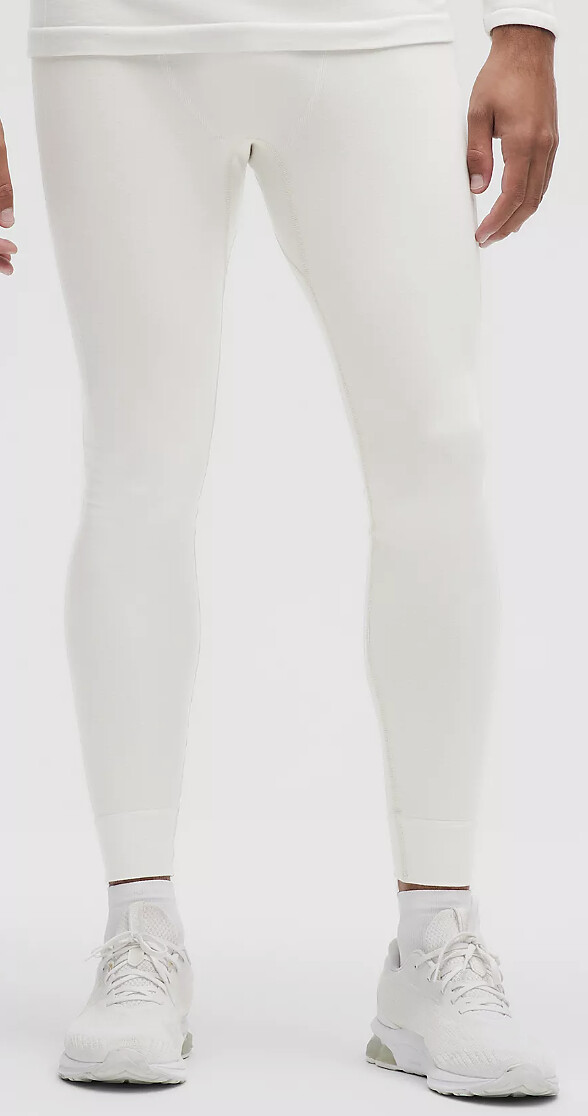
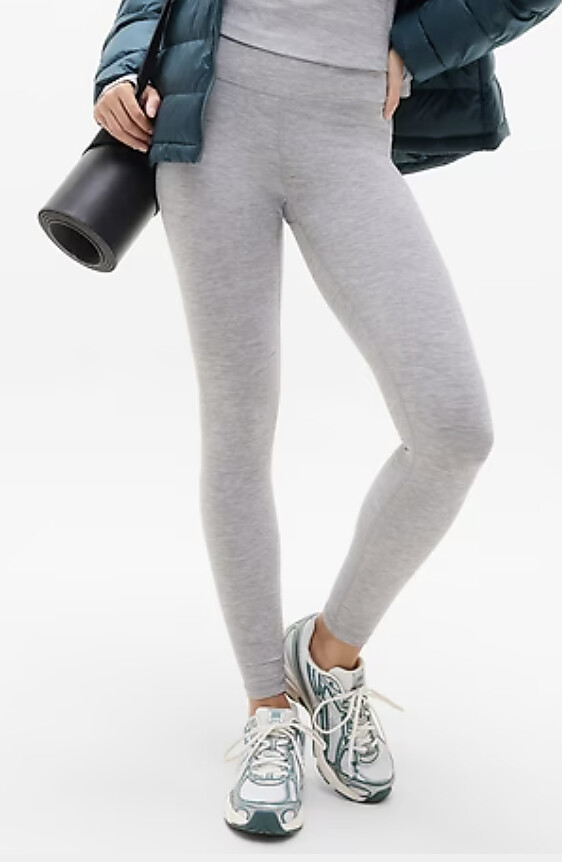
- Thermal leggings – Thermal leggings trap heat under your clothes, keeping your legs warm in cold weather without bulky layers. They also wick sweat, so you stay drier when walking or outdoors.
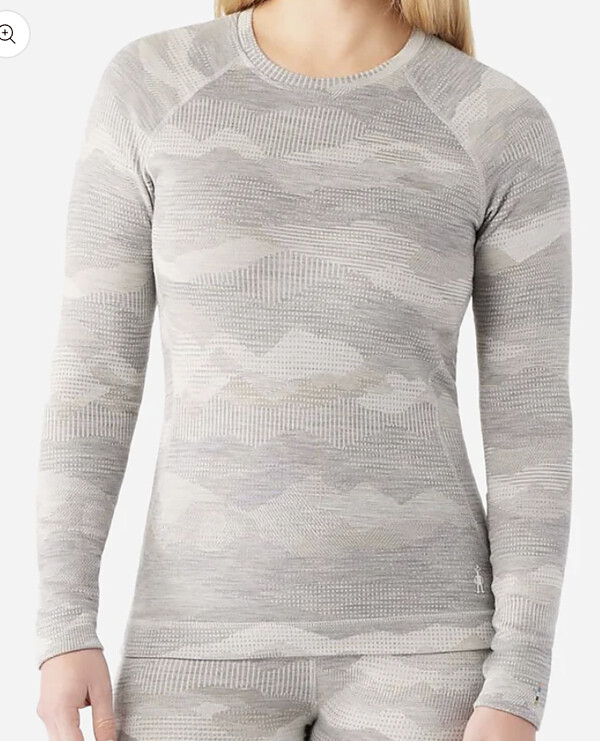
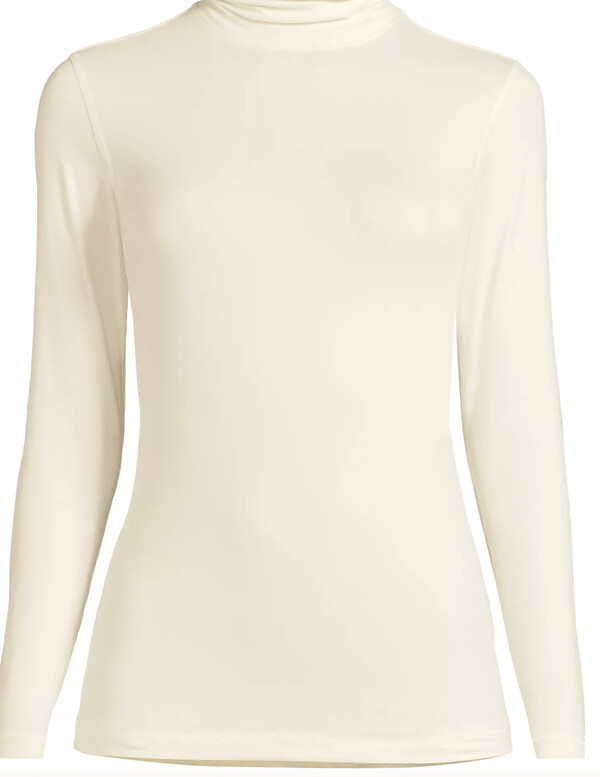
- Thermal base layer top – A thermal base layer top holds heat close to your skin and wicks sweat, so you stay warm without feeling damp. It also layers easily under other clothes without bulk.
- Waterproof rain jacket with hood (1 PCS)
- Midweight sweater (2 PCS)
- Long-sleeve tops (2–3 PCS)
- T-shirts (2 PCS)
- Jeans or trousers (2 PCS)
- Scarf (1 PCS)
- Sleepwear set (1 PCS)
- Underwear (7–10 PCS)
- Warm socks (5–7 PCS)
Shoes & Accessories
Your feet do the hardest work here, and damp sidewalks make traction and water resistance worth it.
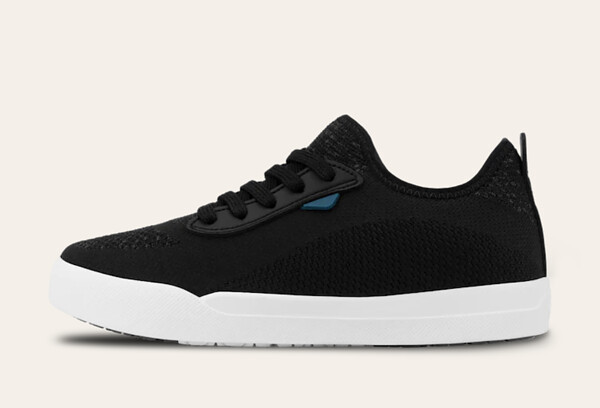
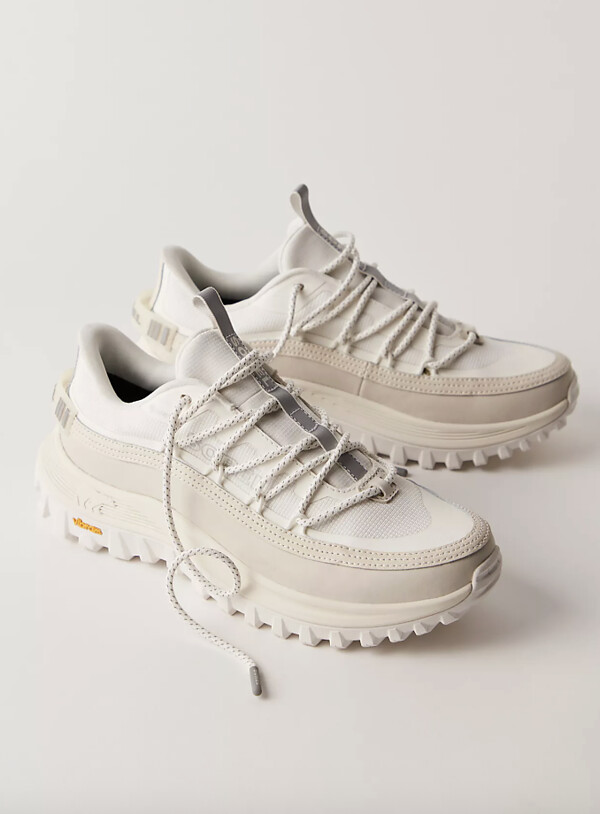
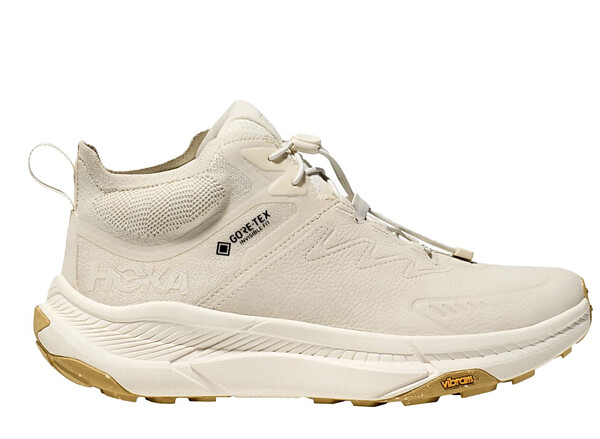
- Waterproof sneakers – Waterproof sneakers block rain and puddles so your feet and socks stay dry. They also help you keep walking comfortably in wet weather without stopping to change shoes.
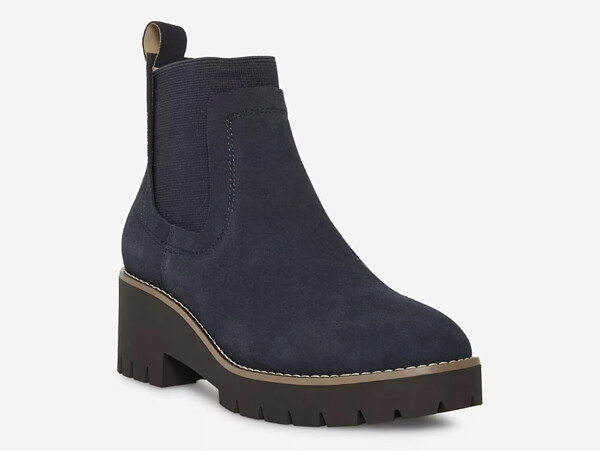
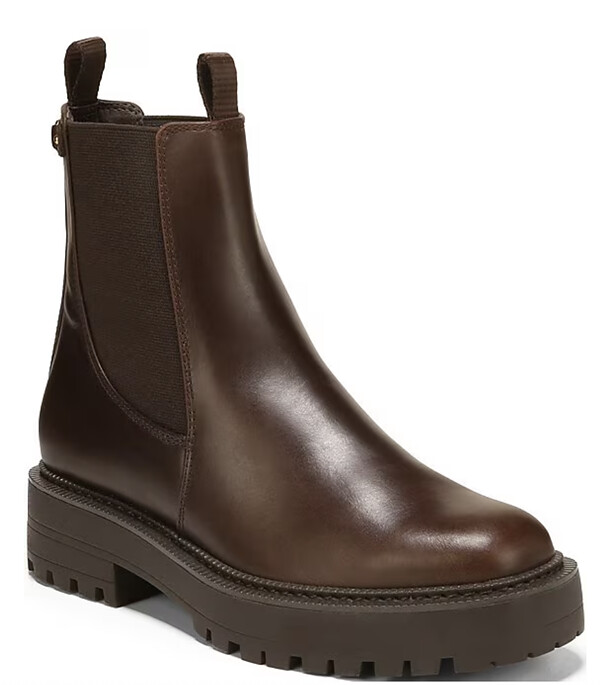
- Ankle boots – Ankle boots protect your feet from cold, puddles, and rough sidewalks while giving solid ankle support. They work for casual and nicer outfits, so you need fewer shoes.
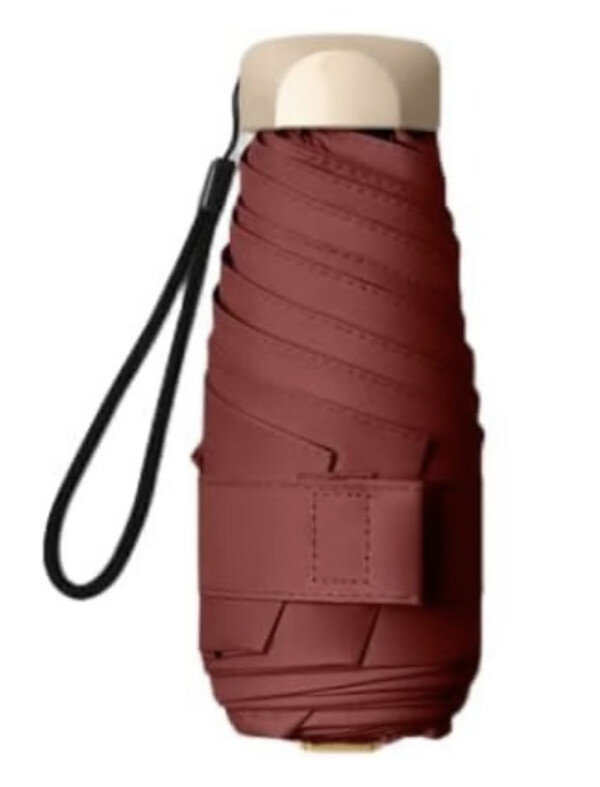
- Compact travel umbrella – A compact travel umbrella shields you from sudden rain and wind while staying small in your day bag. It keeps clothes and documents dry so you can keep moving.
- Comfortable walking shoes (1 PCS)
- Day bag with zipper (1 PCS)
- Sunglasses (1 PCS)
- Crossbody phone strap (1 PCS)
Beauty & Skincare
Cool air plus heated indoor spaces can dry your skin out fast, even when the sun is mild.
- Travel hair dryer
- Hair straightener
- Gentle face cleanser
- Rich moisturizer
- SPF 30+ face sunscreen
- Hydrating lip balm
- Hand cream
- Dry shampoo
- Deodorant
Health & Hygiene
With lots of walking and variable weather, I focus on blister prevention and staying comfortable day to night.
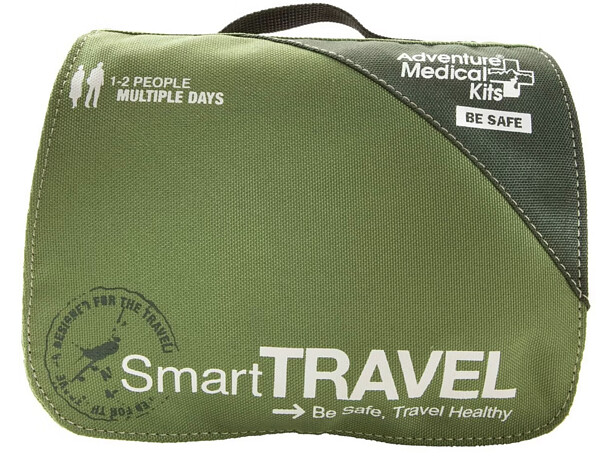
- Travel first aid kit – A travel first aid kit handles small cuts, blisters, and allergies quickly with bandages and basic meds, so you can treat problems right away and avoid a pharmacy hunt.
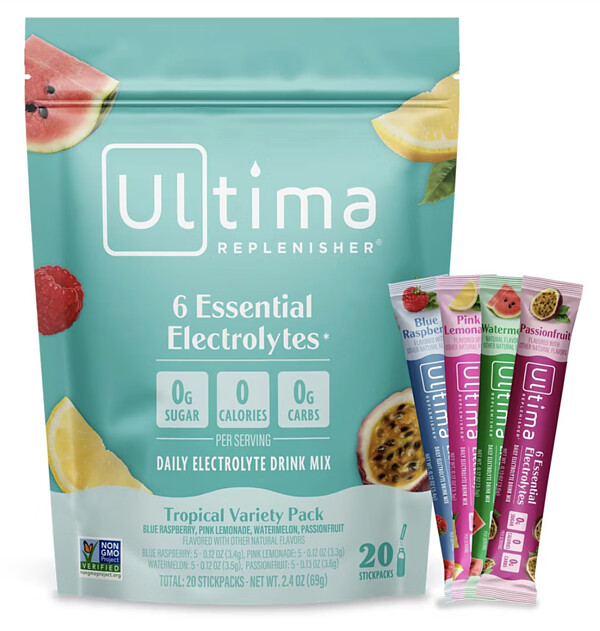
- Electrolyte powder – Electrolyte powder helps you rehydrate faster by restoring salts lost from sweat or stomach upset. It can reduce dizziness and fatigue when you are hot, active, or dehydrated.

- Prescription medications
- Blister plasters
- Pain relievers
- Travel-size tissues
- Hand sanitizer
- Travel toothbrush and toothpaste
Tech & Electronics
Between long map sessions and photo days, your phone battery disappears quickly on the go.

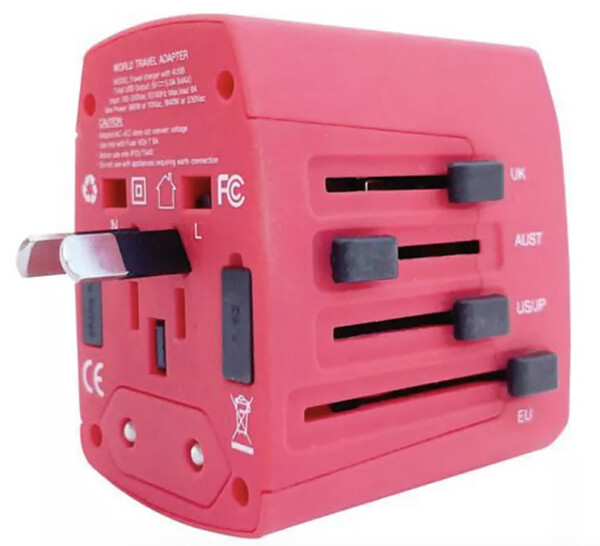
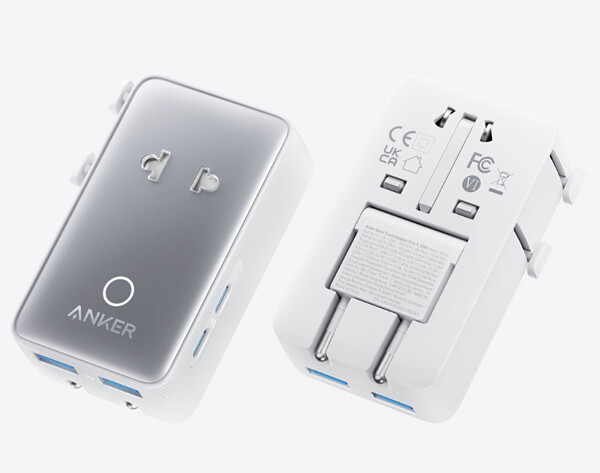
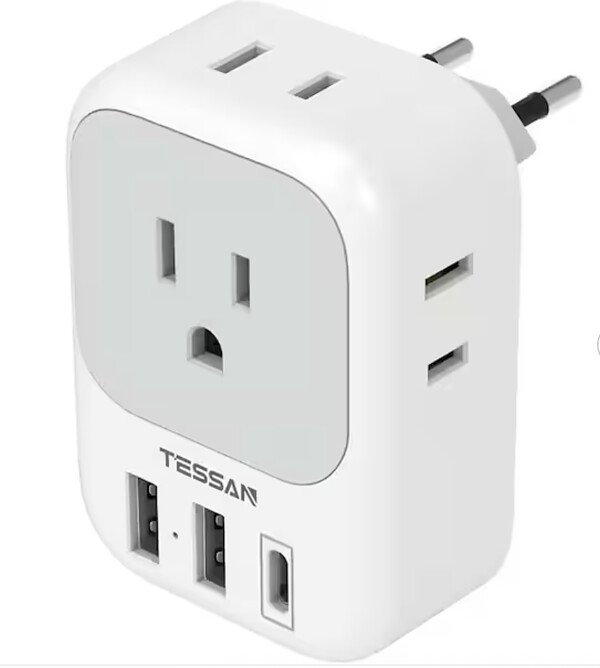
- Universal travel adapter – This adapter lets your plugs fit different outlet shapes in other countries, so you can charge phones and laptops without hunting for the right socket. It prevents dead devices.
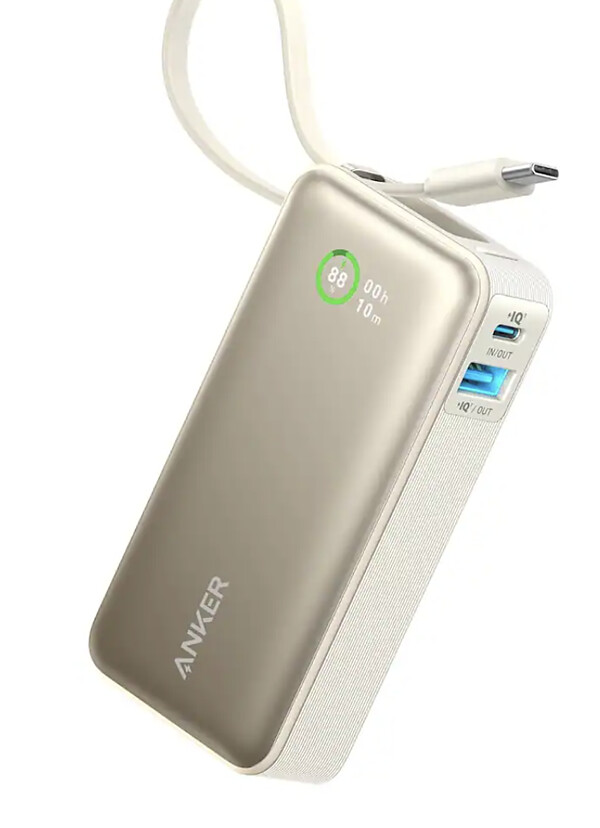
- Power bank – A power bank recharges your phone or earbuds when no outlet is available, so maps, tickets, and messages still work even after a long day out.
- Wall charger – A wall charger powers your phone, tablet, and other devices from any outlet and charges faster than most USB ports. It keeps everything usable for maps, tickets, and calls.

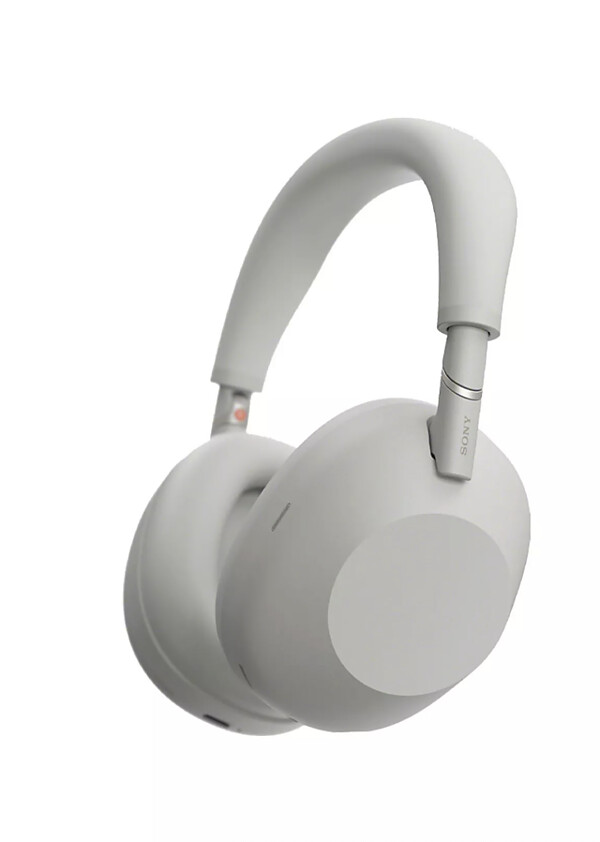
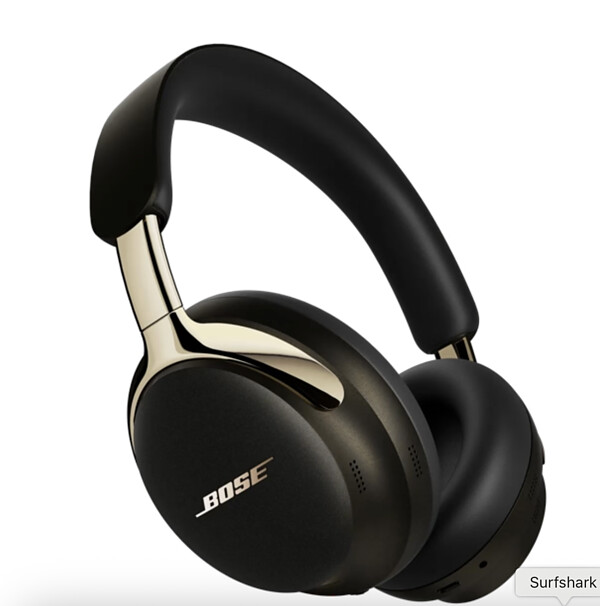
- Noise-cancelling headphones – Use noise-cancelling headphones to cut engine noise and chatter, so you can sleep, focus, or listen at lower volume. They also reduce stress in crowded terminals.
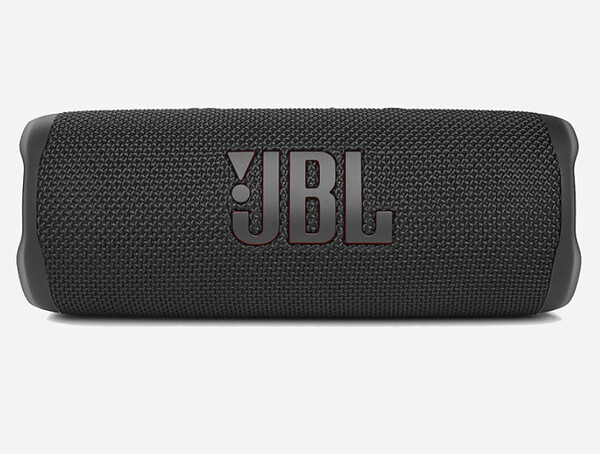
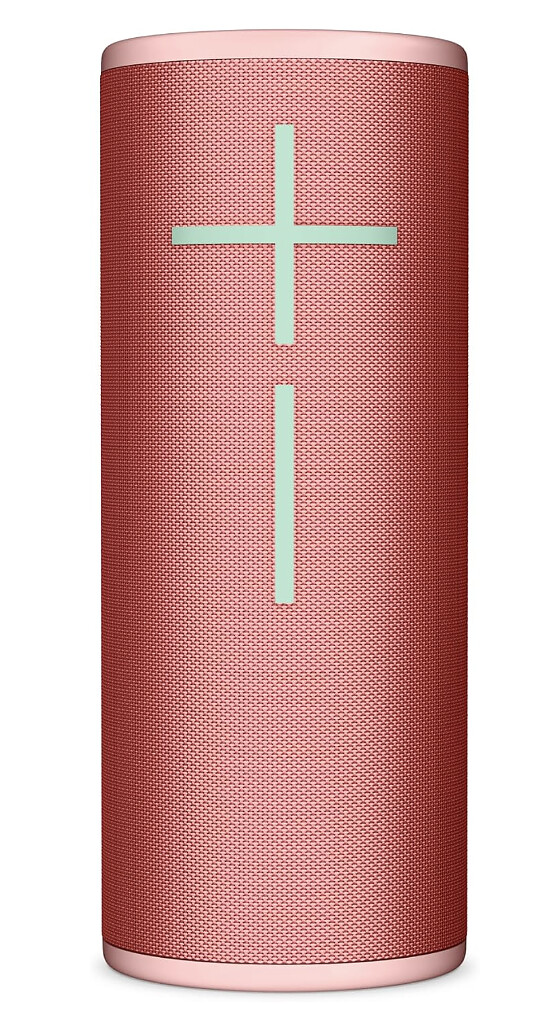
- Bluetooth speaker – Bluetooth speaker connects to your phone so you can play music or podcasts for a room. It makes hangouts, hotel time, and small gatherings more enjoyable.
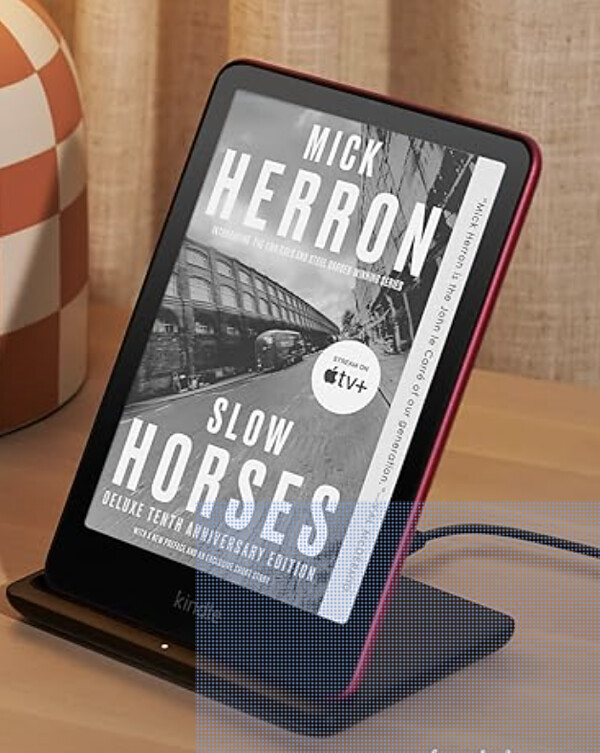
- E-reader – An e-reader lets you carry lots of books in one light device, which saves space and weight. The screen is easier on your eyes and battery lasts longer for long rides.
- Phone (with offline maps)
- Charging cables
- AirTag or Bluetooth tracker
Documents & Essentials
I like having these within reach, because you will pull them out often during transit days.
- Passport
- Wallet with cards and some cash
- Travel insurance details
- Hotel and transport confirmations
- Emergency contacts card
Comfort for the Journey
Flights and train rides feel longer in October when you are tired and the cabin runs cool.
- Neck pillow
- Eye mask
- Reusable water bottle
- Lightweight travel blanket scarf
- Compression socks (1 PCS)
What to Leave at Home for Europe in October
A heavy winter coat is rarely worth the space in October. Most of Europe is cool but not cold enough to need serious insulation, and a waterproof jacket layered over a sweater handles most days without the bulk.
Sandals and summer dresses are also poor use of space this time of year. October evenings get genuinely chilly across most of Europe, including in cities like Paris and Rome, so anything you pack should work in 10-degree weather.
Smart Packing Tips for Europe in October
Build your wardrobe around one color palette so every top works with every bottom. This makes getting dressed fast and means you can pack fewer pieces without running out of outfit options.
Wear your bulkiest items on the plane. Your heaviest shoes and thickest layer take up real space in a bag, so wearing them on travel days keeps your luggage lighter and easier to lift into overhead bins.
- Choose fabrics that dry overnight so you can do laundry mid-trip
- Pack a foldable tote bag for day trips and market shopping
- Keep a small umbrella or packable rain hood near the top of your bag
- Use packing cubes to compress layers and stay organized across multiple cities
How Many Outfits to Pack for Two Weeks in Europe
For two weeks, most experienced travelers pack for five to seven days and plan to do laundry once. Laundromats are easy to find in most European cities, and many accommodations offer a wash option.
Shoes are the item where people most often underestimate. Two pairs is usually enough: one solid walking shoe for days and one slightly smarter option for evenings.
A third pair almost always stays in the bag unused.
- Tops: 5-6, chosen to mix with all your bottoms
- Bottoms: 2-3, at least one pair works for both day and evening
- Outer layers: 1 waterproof shell, 1-2 warm mid-layers
- Shoes: 2 pairs maximum
- Underwear and socks: 7 pairs each, enough to last between laundry days
FAQ: Packing for Europe in October
What is the 5 4 3 2 1 rule for packing?
The 5 4 3 2 1 rule means packing 5 pairs of socks, 4 tops, 3 bottoms, 2 pairs of shoes, and 1 jacket. It is a simple framework for keeping a bag light on trips of around a week, and it works well for an October Europe trip with small adjustments for cooler weather.
What is the 3-3-3 rule for packing for a trip?
The 3-3-3 rule means bringing 3 pairs of shoes, 3 bottoms, and 3 tops. For October in Europe, three pairs of shoes is usually one too many.
Two pairs, one for walking and one for evenings, is enough for most itineraries.
What is the 3-5-7 rule in packing?
The 3-5-7 rule suggests 3 bottoms, 5 tops, and 7 accessories or smaller items to round out your outfits. It is a useful guide for building a flexible travel wardrobe that does not require checking a bag.
What is the most forgotten item when packing for vacation?
A compact rain layer is the item most travelers forget for an October Europe trip. It does not rain all day, but showers arrive without warning in fall, and being caught without any protection makes a long walking day miserable.
Is it better to roll or fold clothes in a suitcase?
Rolling is generally better for soft items like t-shirts, jeans, and knitwear because it saves space and reduces creasing. Heavier structured pieces like a blazer or trousers are better folded flat so they hold their shape.
What shoes are best for walking in Europe in October?
A broken-in leather sneaker or low-profile walking shoe with good arch support is the most practical choice. Cobblestone streets are common across European cities, so flat, cushioned soles matter more than style.
Never bring shoes you have not already worn for a full day.
What should a woman wear in Europe in October?
Layers are the core of any practical October outfit in Europe. A good starting point is jeans or trousers, a warm top, a cardigan or light sweater, and a waterproof outer layer.
This combination handles cool mornings, warm museums, and chilly evenings without needing to change completely.