
Seasoned travelers in Europe in winter almost never pack a single heavy coat and call it done. They bring layers they can peel off in a heated museum and stack back on when they hit a cold cobblestone street twenty minutes later.
That is the core logic behind a smart europe winter packing list, and it is what most first-time visitors miss. You are not dressing for one temperature.
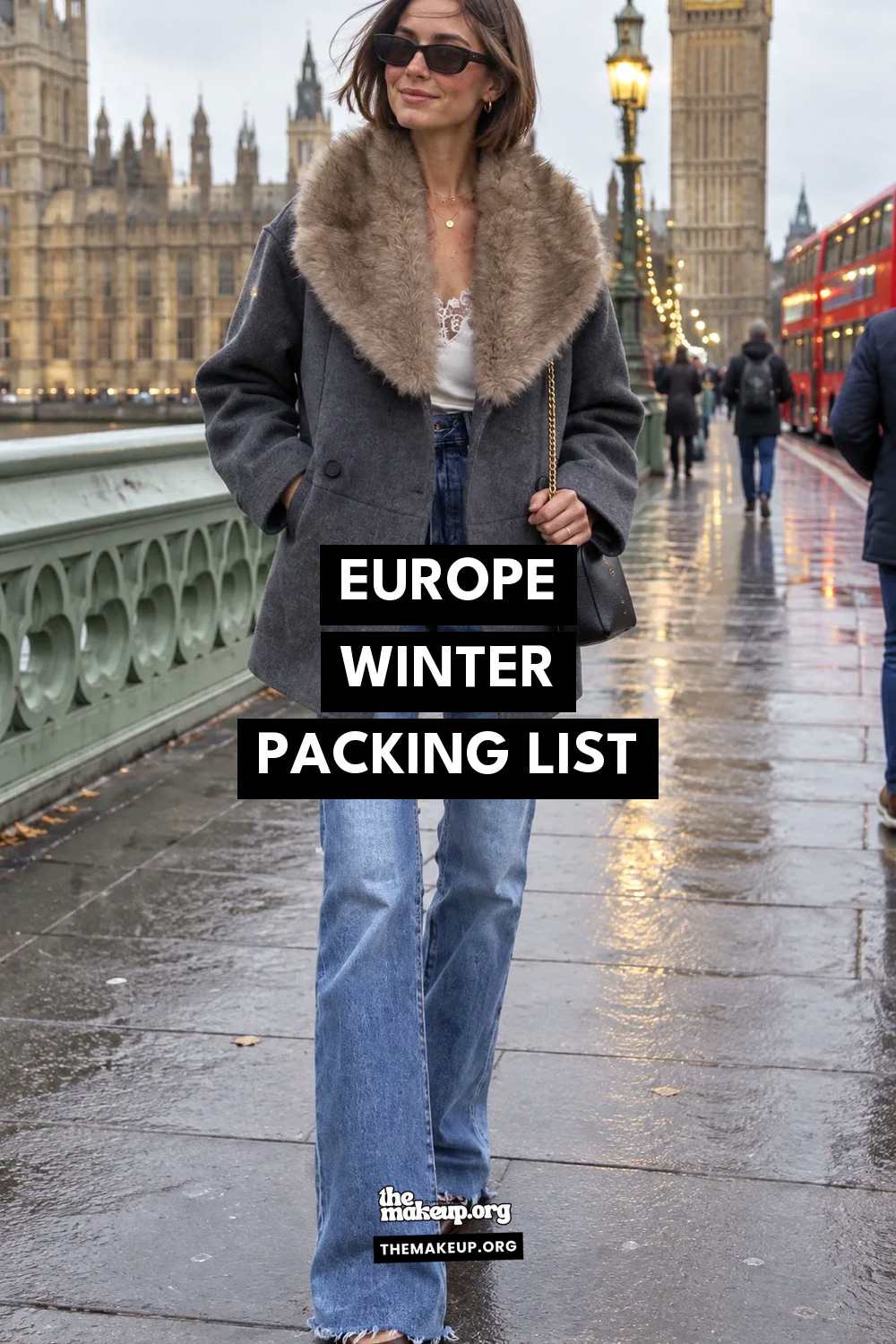
You are dressing for a train, a cathedral, a windy square, and dinner, all in the same day.
Europe in winter also means moving between countries with very different climates. A weekend in Lisbon feels nothing like a few days in Copenhagen.
I plan around that range by keeping every piece touchable and adjustable, not bulky and fixed.
Packing smart will help you make the most of your trip. Here’s everything you need to bring for a comfortable and stylish adventure.

Carry-On Suitcase / Travel Bag Duffle / Portable Steamer / Packing cubes / Luggage scale / Wireless Noise-Cancelling Headphones / Speaker / Portable Charger / Universal Travel adapter / Compact Hair Dryer / Eye Mask / Waterproof Toiletry Bag Hanging / Zipper Pouch / Water BOTTLE / Liquid I.V. Hydration Vegan
Quick Take
- 🌡️ Weather: During Winter in Europe, temperatures shift month to month
- 🧳 Pack: warm base layers, a waterproof outer layer, sturdy walking shoes, versatile mid-layers
- ⚠️ Don’t forget: a lightweight scarf, it adds warmth fast and takes up almost no space
- 🚫 Skip: a bulky single-use parka, a layering system gives you more flexibility with less weight
- ⏱️ 3 min read · full checklist below
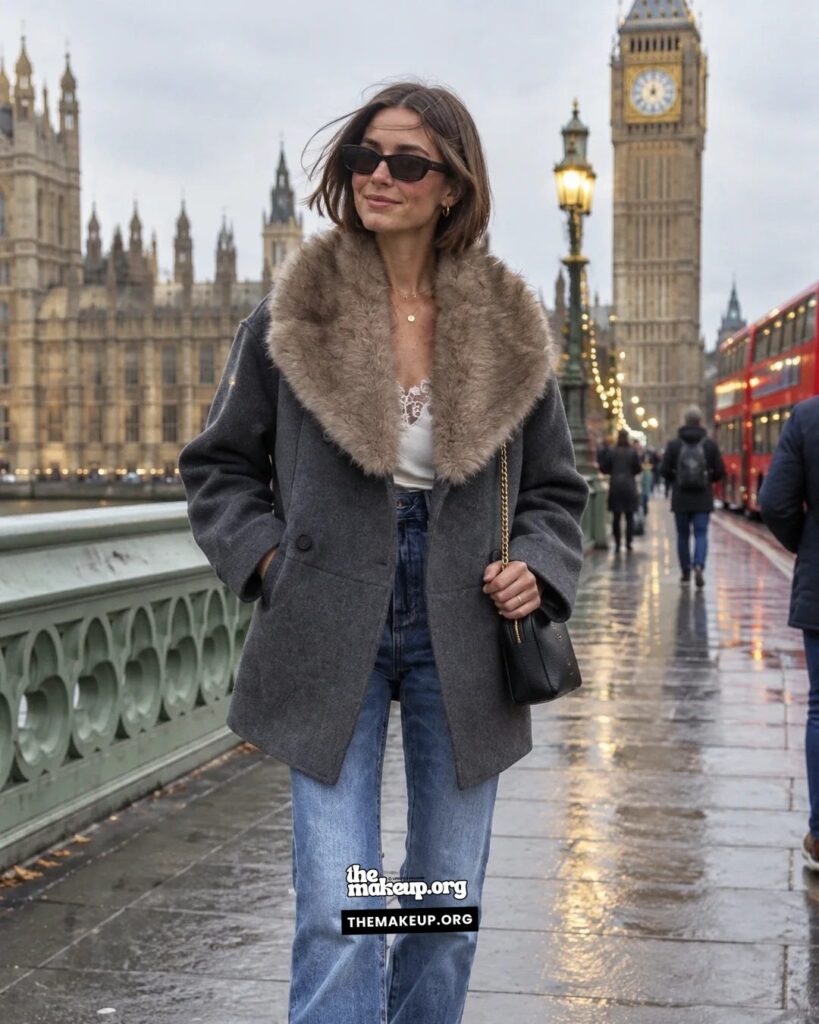
What Is the Weather Like in Europe in Winter?
Winter shifts month to month: December is about 3°C–9°C (37°F–48°F), January 1°C–8°C (34°F–46°F), and February 2°C–10°C (36°F–50°F). Northern and higher-altitude areas feel colder, while coastal cities can feel damper, so flexible layering matters.
How to Pack Light for Europe in Winter
The key to packing light for a winter trip across Europe is picking pieces that work in multiple climates and can be worn in different combinations. One good base layer plus two mid-layers beats three heavy sweaters every time.
- 3 to 4 mix-and-match tops in neutral colors
- 1 to 2 mid-layers, such as a cardigan or fleece
- One waterproof outer layer
- One pair of sturdy, broken-in walking shoes or ankle boots
- Warm accessories: hat, gloves, and a scarf
- 2 to 3 bottoms that mix with everything
- Travel-size toiletries
What To Pack For Europe In Winter
Luggage & Packing Tools
If you want more options to have everything organized and well packed, take a look at these suggestions.

1. Rolling Backpack / 2. Luggage (large) / 3. Luggage (small) / 4. Toiletry Bag / 5. Beach Bag / 6. Backpack / 7. Packing Cubes
I keep packing tools tight in Winter because bulky layers fill bags fast on multi-city routes.
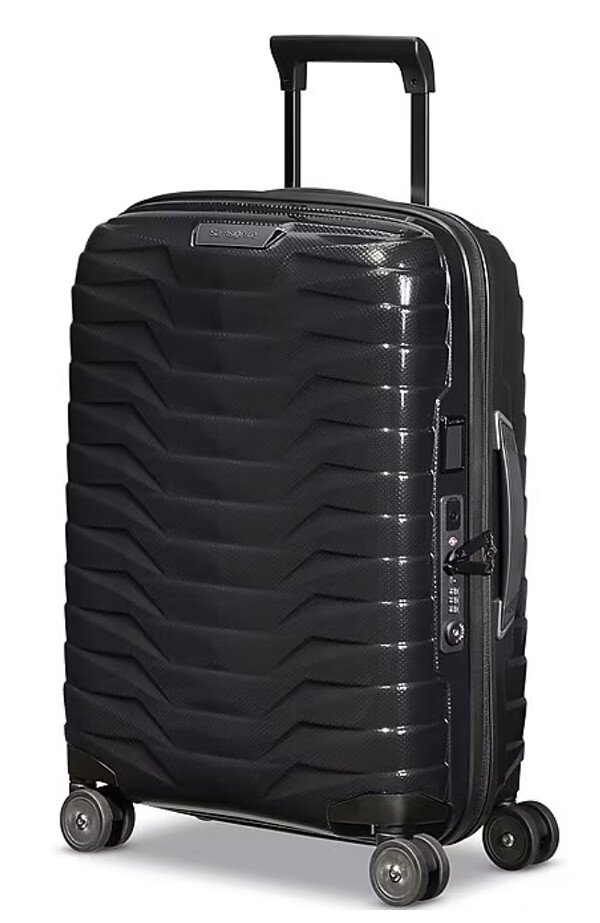
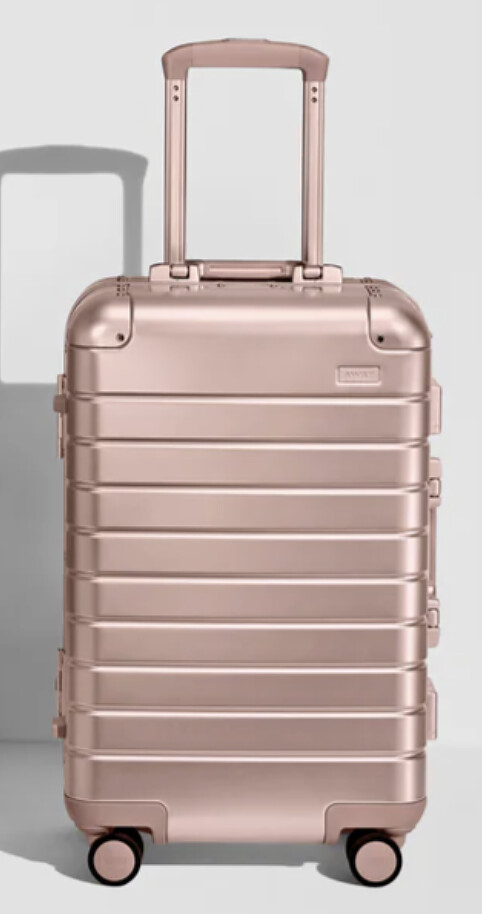
- Carry-on suitcase – A carry-on suitcase keeps your essentials with you and avoids checked-bag fees. It also makes boarding and moving through transfers easier, since everything stays in one place.
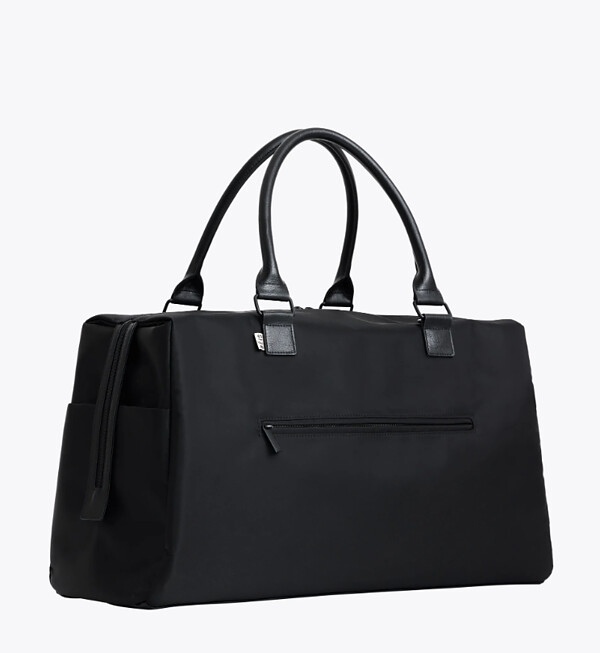
- Compression packing cubes
- Foldable daypack
- Waterproof luggage cover
- Dirty laundry bag
Clothes
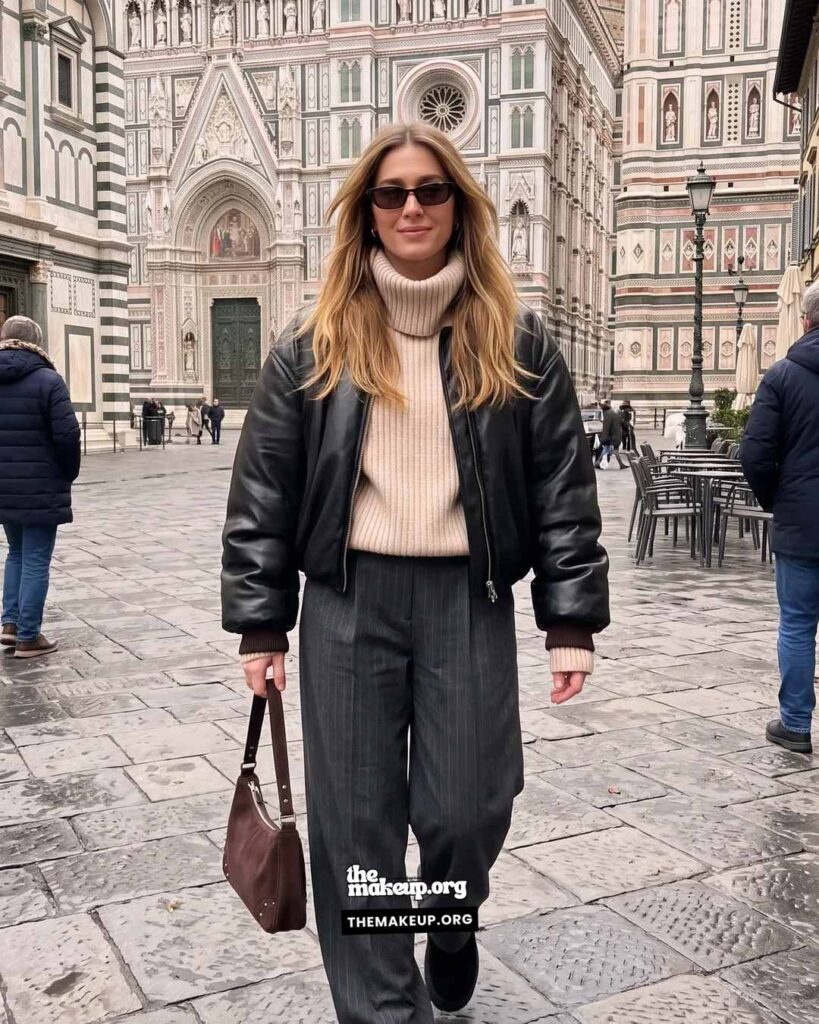
I build your outfits around layers so you can handle cold streets and overheated trains.
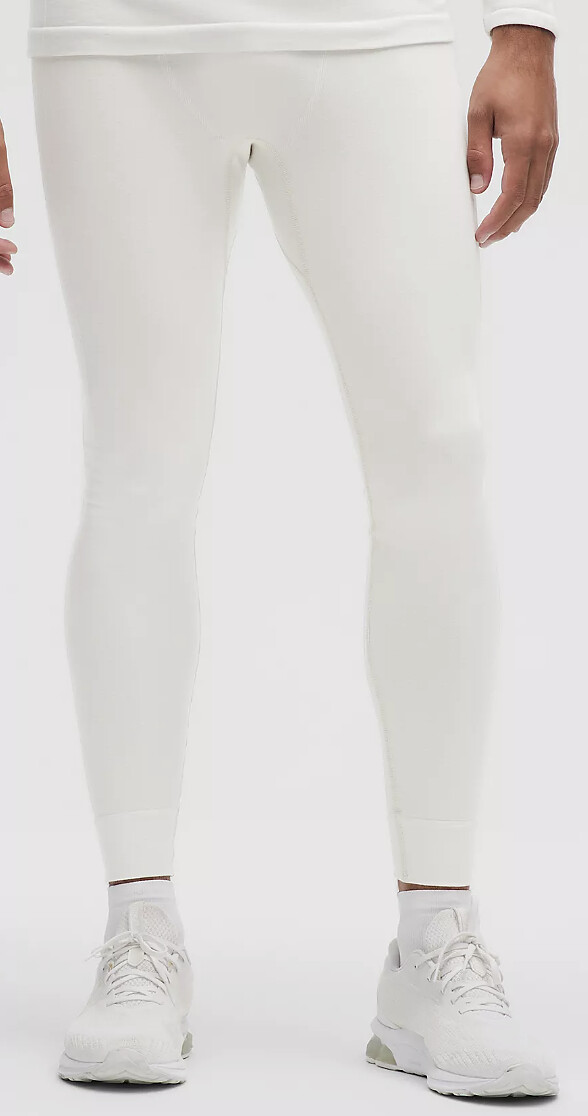
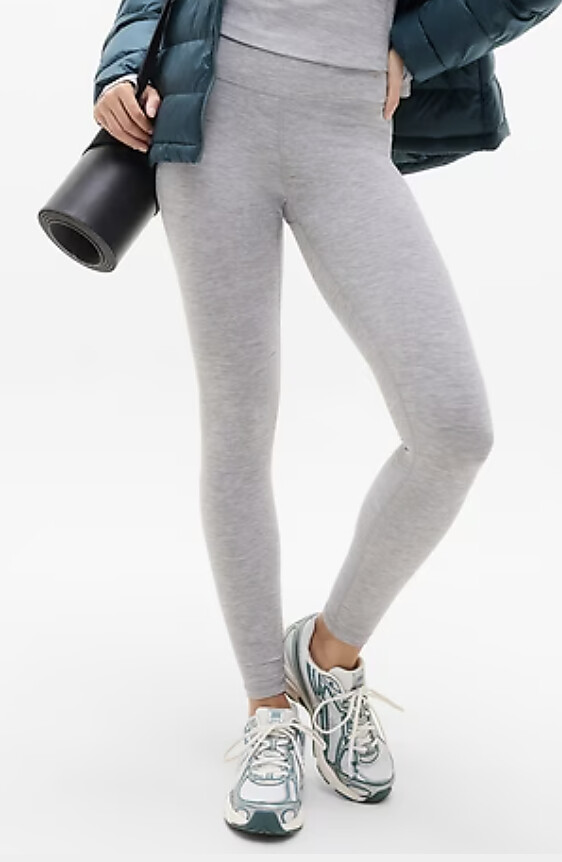
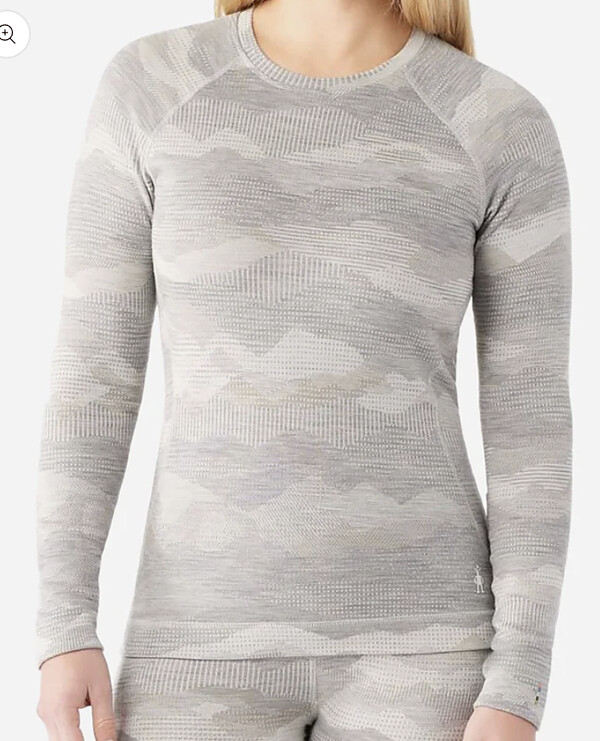
- Thermal leggings – Thermal leggings trap body heat under your clothes, so you stay warm in cold weather without bulky layers. They also dry fast and help reduce wind chill on your legs.
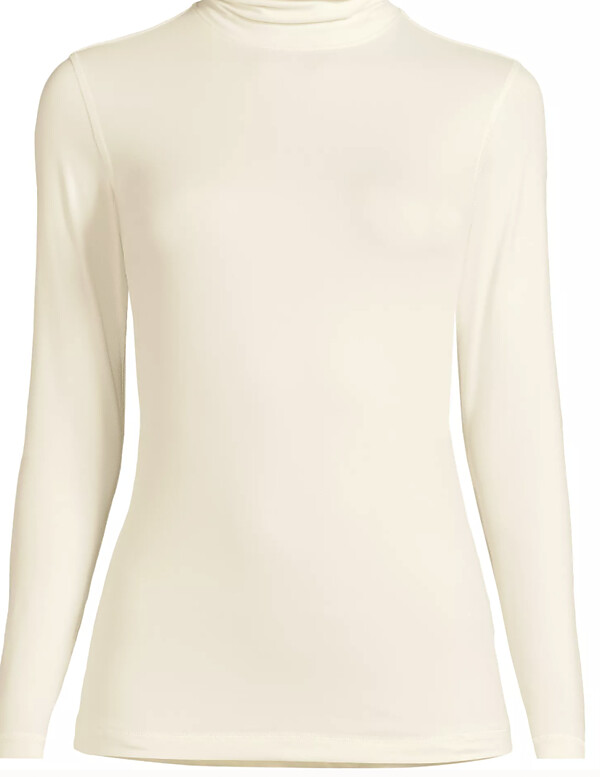
- Thermal base layer top – A thermal base layer top traps body heat under your outer layers while wicking sweat, so you stay warmer and drier during cold walks and outdoor time.
- Midweight sweater (2 PCS)
- Long-sleeve tops (2 PCS)
- Jeans or warm trousers (2 PCS)
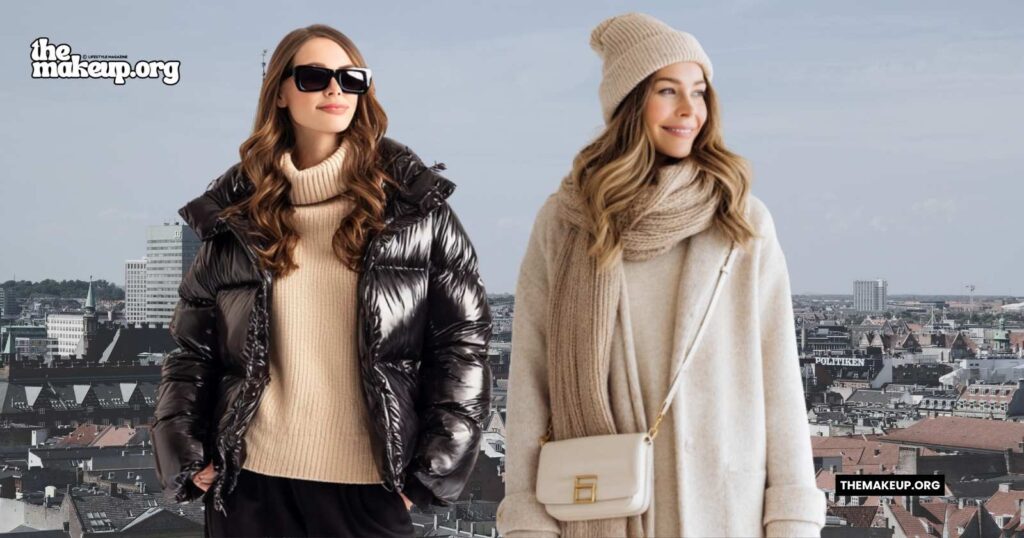
- Insulated winter coat (1 PCS)
- Packable down vest (1 PCS)
- Warm pajamas (1 PCS)
- Wool socks (4–5 PCS)
- Underwear (6–8 PCS)
Shoes & Accessories
In European cities, you will walk a lot, and wet sidewalks can make the wrong shoes miserable.
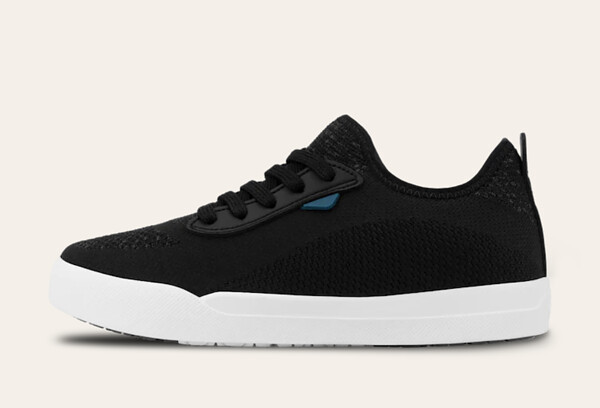
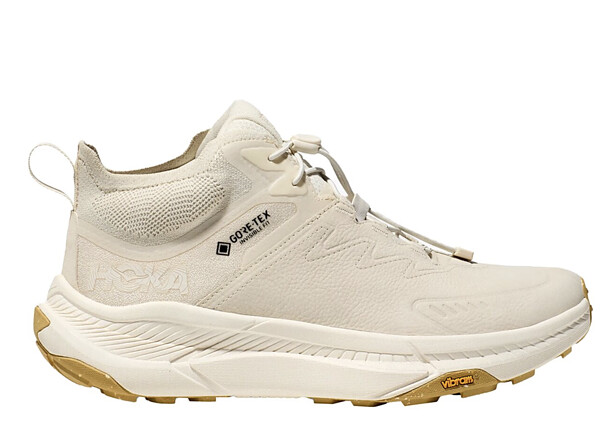
- Waterproof sneakers – Waterproof sneakers keep your feet dry when it rains or the ground is wet. They help prevent blisters and keep you comfortable if you walk a lot.
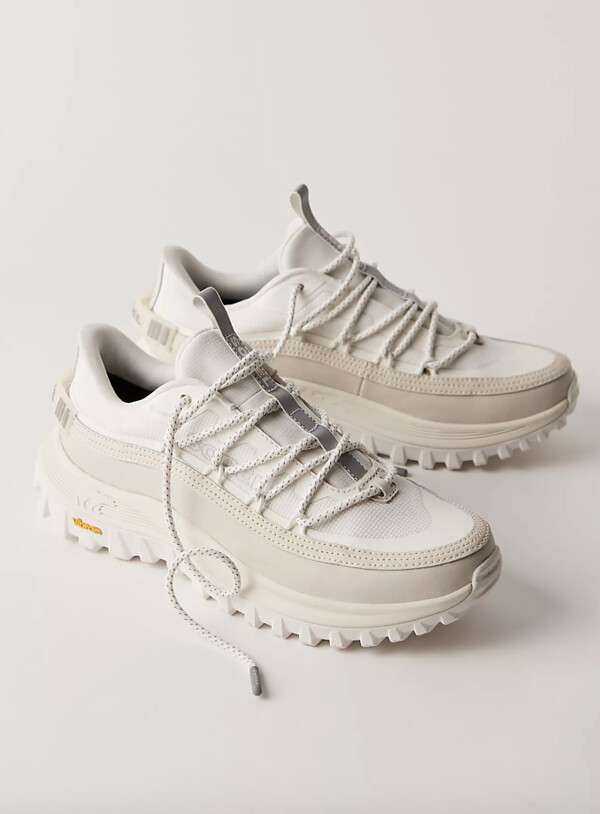
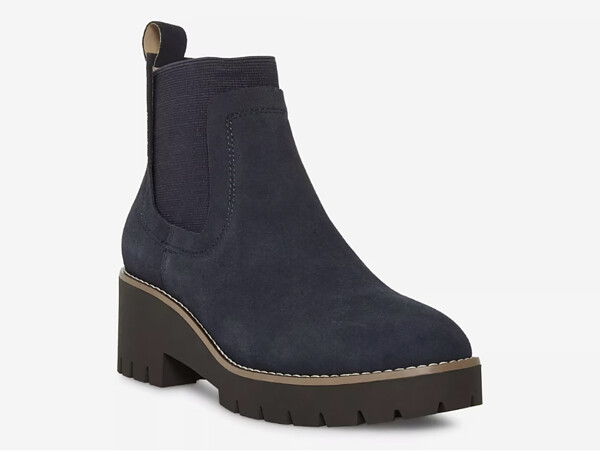
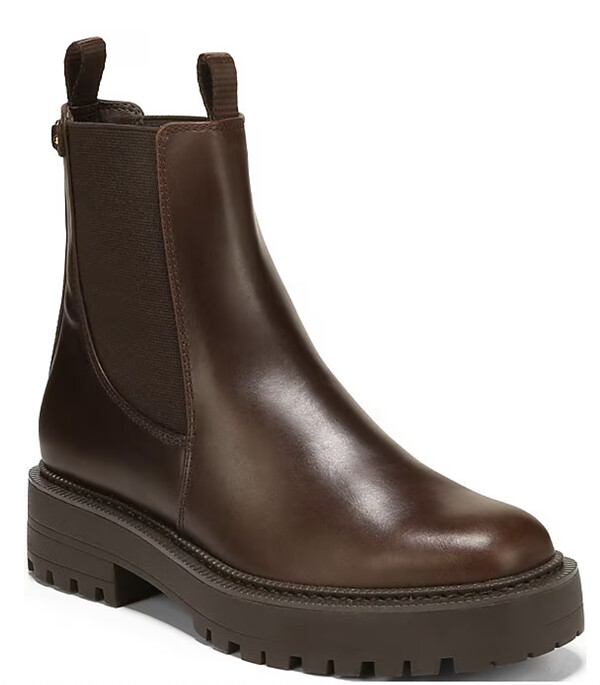
- Ankle boots – Ankle boots give better support and grip than flats, so your feet stay steady on uneven or wet streets. They also cover your ankles, adding warmth without needing thick socks.
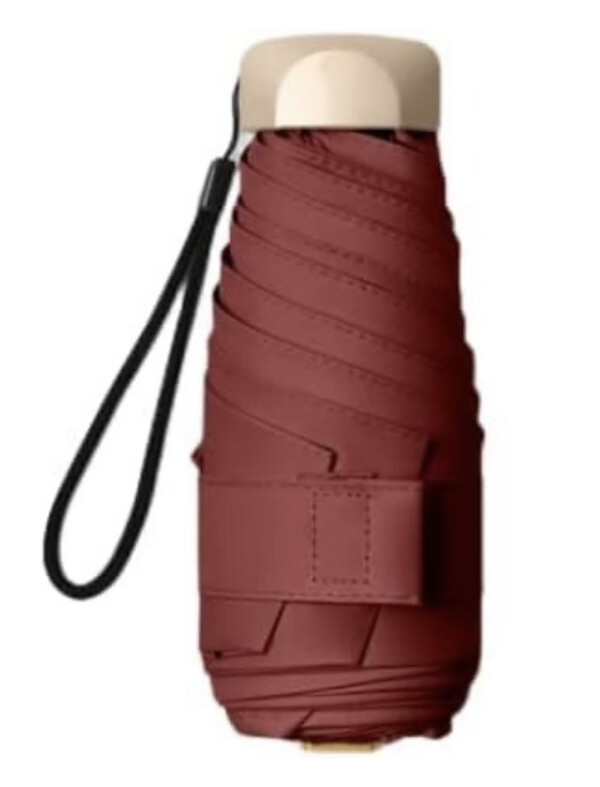
- Compact travel umbrella – Keep a compact travel umbrella in your day bag so sudden rain doesn’t soak you or your phone. It folds small and saves you from hunting for cover or buying a cheap umbrella.
- Warm scarf (1 PCS)
- Insulated beanie (1 PCS)
- Touchscreen gloves (1 PCS)
- Crossbody bag with zipper (1 PCS)
- Polarized sunglasses (1 PCS)
Beauty & Skincare
Winter air and indoor heating can dry you out fast, so I prioritize barrier care first.
- Travel hair dryer
- Hair straightener
- Gentle face cleanser
- Rich face moisturizer
- Hydrating lip balm
- Hand cream
- Sunscreen SPF 30+
- Travel-size makeup basics
- Dry shampoo
Health & Hygiene
Cold season travel means I plan for dry hands, lots of public transit, and long sightseeing days.
- Travel first aid kit – A travel first aid kit covers small cuts, blisters, and headaches right away. It saves time and money when pharmacies are closed or supplies are expensive.
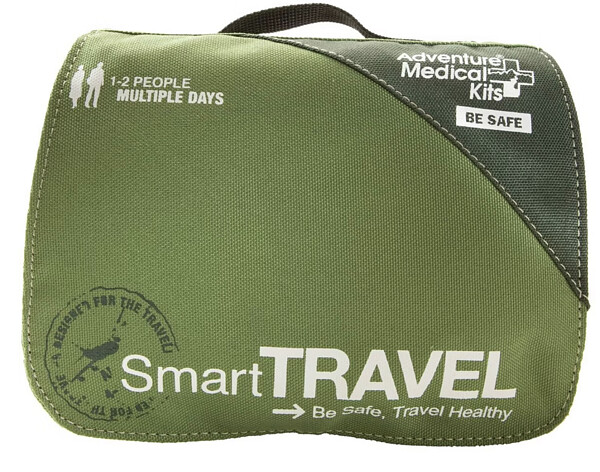
- Electrolyte powder – Electrolyte powder replaces salts and sugar you lose from sweating, heat, diarrhea, or vomiting. It helps you rehydrate faster and can reduce headaches, cramps, and fatigue.

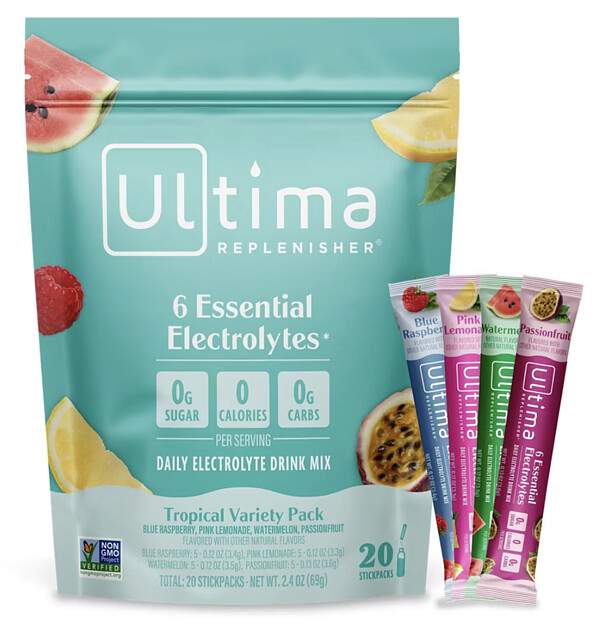
- Personal prescriptions
- Pain reliever
- Blister plasters
- Tissues
- Alcohol wipes
- Deodorant
Tech & Electronics
Between maps, photos, and transit apps, your phone works overtime on Winter city days.

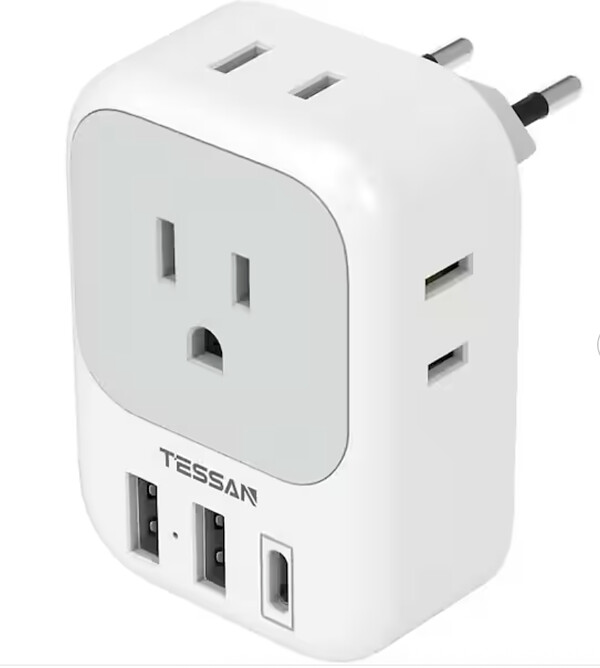
- Universal travel adapter – This lets your plugs fit different outlet shapes, so you can charge phones and laptops in most countries. It prevents being stuck with dead devices when local plugs differ.
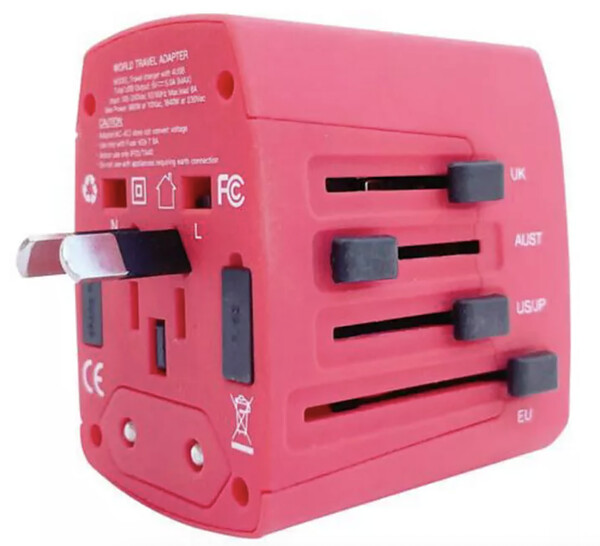
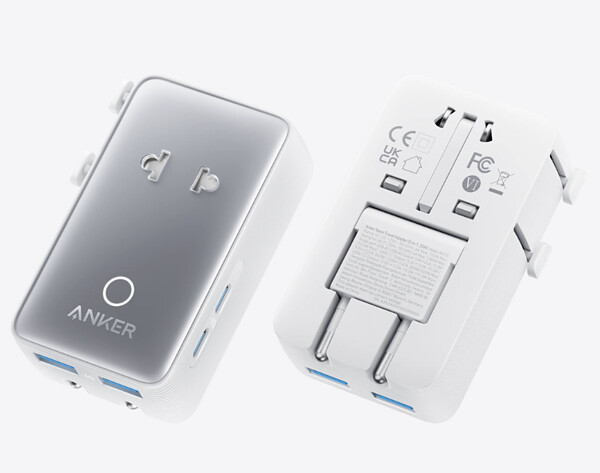
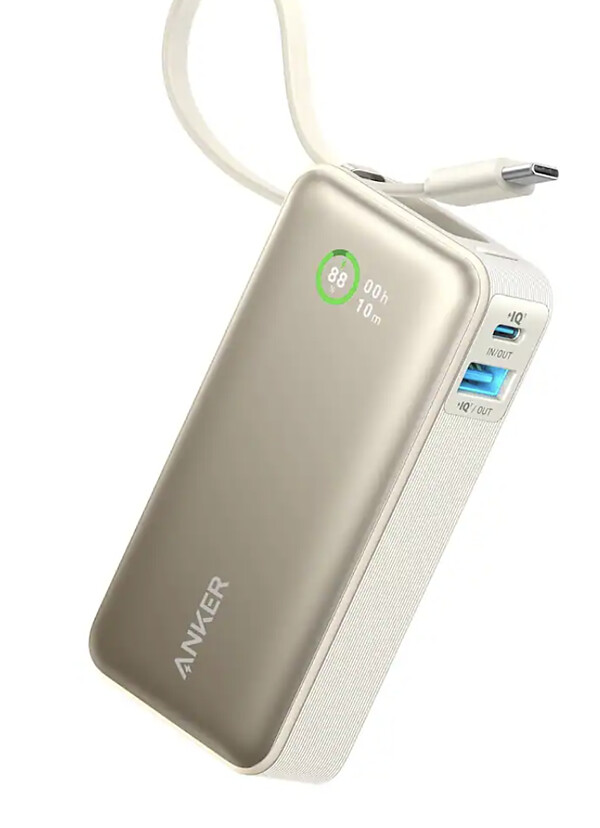
- Power bank – A power bank charges your phone or earbuds when there’s no outlet, so maps, tickets, and calls still work when the battery runs low.
- Wall charger – A wall charger plugs into an outlet to recharge your phone and other devices quickly. It gives steadier power than many USB ports and can charge more than one device with the right adapter.

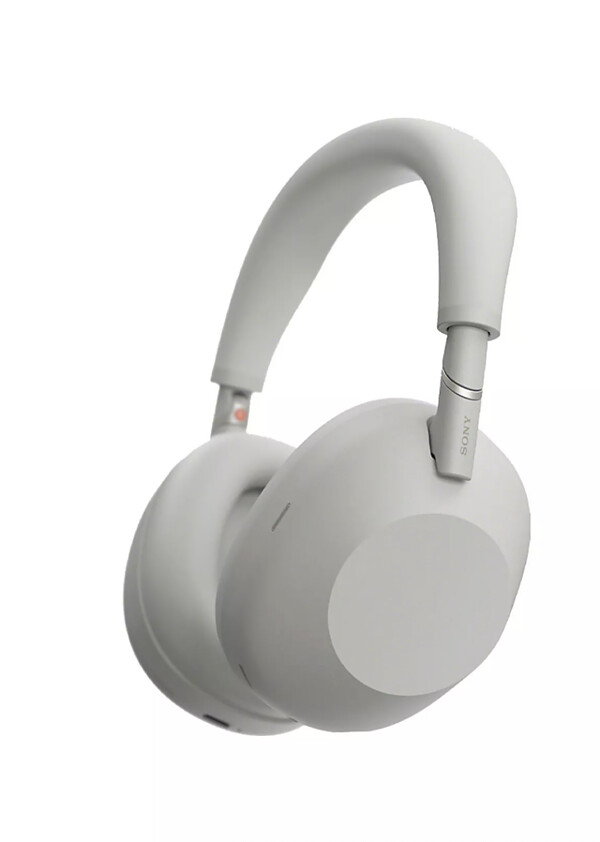
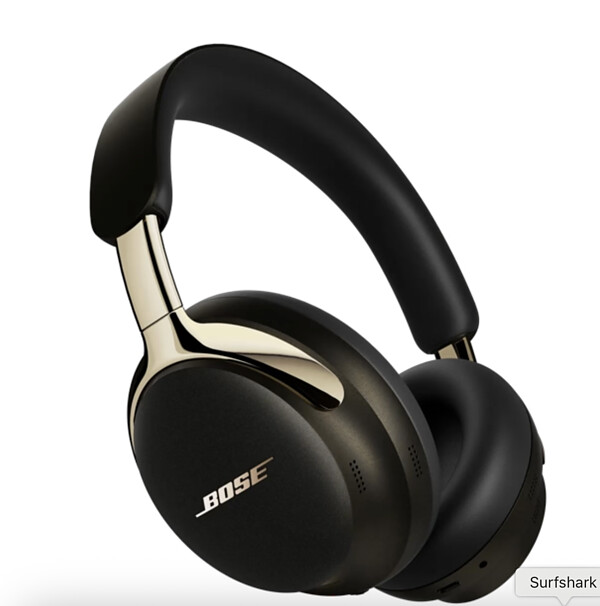
- Noise-cancelling headphones – Noise-cancelling headphones cut down engine, cabin, or street noise so you can sleep, focus, or watch videos at lower volume in crowded places.
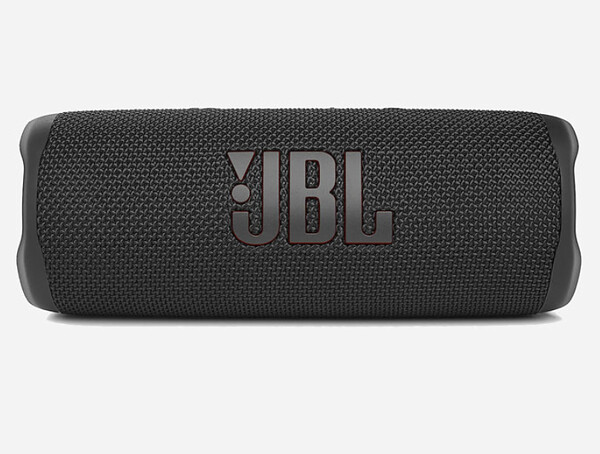
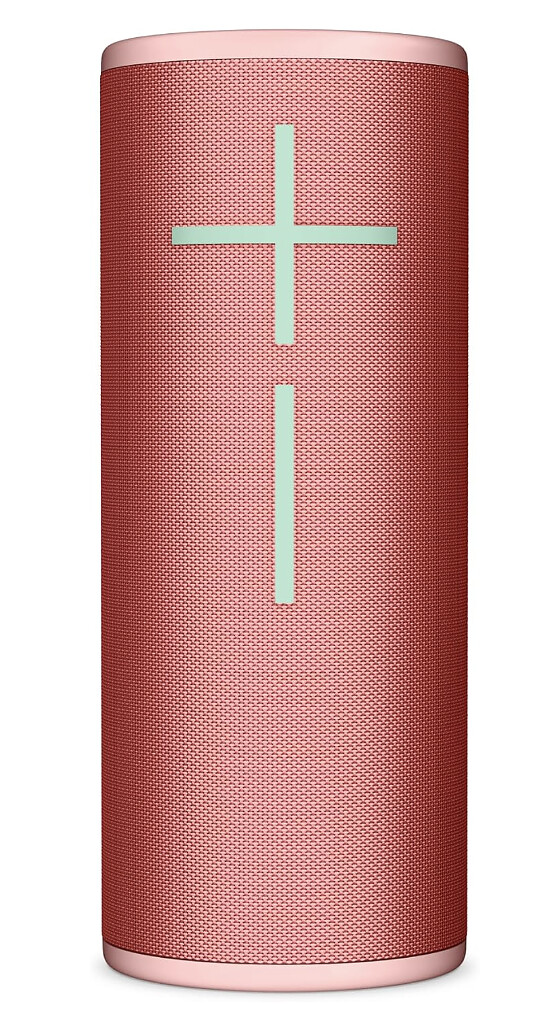
- Bluetooth speaker – A Bluetooth speaker plays audio from your phone without cables, so music, podcasts, or calls are easier to hear in a room or small group.
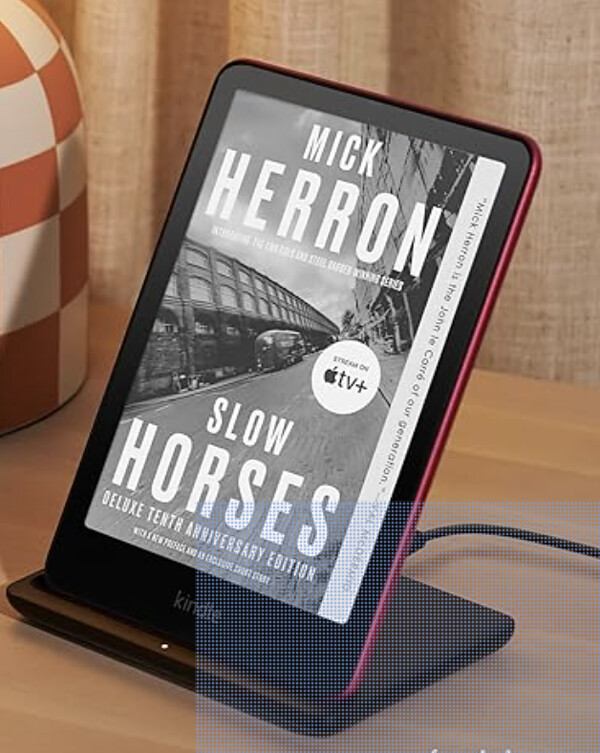
- E-reader – E-reader stores many books in a small, light device, so you can read without carrying paperbacks. The screen is easy on your eyes and the battery lasts for days.
- Charging cables (USB-C/Lightning as needed)
- Phone with offline maps downloaded
- European eSIM or SIM tool
Documents & Essentials
I like having these within reach because border checks and hotel check-ins can happen back-to-back.
- Passport
- Wallet with card and cash
- Travel insurance details
- Driver’s license (if renting a car)
- Printed hotel and transport confirmations
Comfort for the Journey
Flights and train cabins can swing from stuffy to chilly, so small comfort items pay off.
- Neck pillow
- Sleep mask
- Reusable water bottle
- Compression socks (1 PCS)
- Lightweight travel blanket
What to Leave at Home for Europe in Winter
A very heavy, oversized coat takes up half your bag and is harder to manage on trains and in tight museum coat checks. A well-chosen mid-weight waterproof jacket worn over a warm fleece handles almost every winter day in Europe better, and it packs down smaller.
You can also skip anything you plan to wear only once. Europe in winter is not the season for a formal gown or strappy sandals.
Pharmacies and supermarkets across Europe stock basics like toiletries, so there is no need to overload on those either. Pack what you will actually reach for every day.
Smart Packing Tips for Europe in Winter
Pack your shoes first and build everything else around them. Winter in Europe means cobblestones, wet pavements, and long walking days, so your footwear needs to be comfortable and already broken in before you leave home.
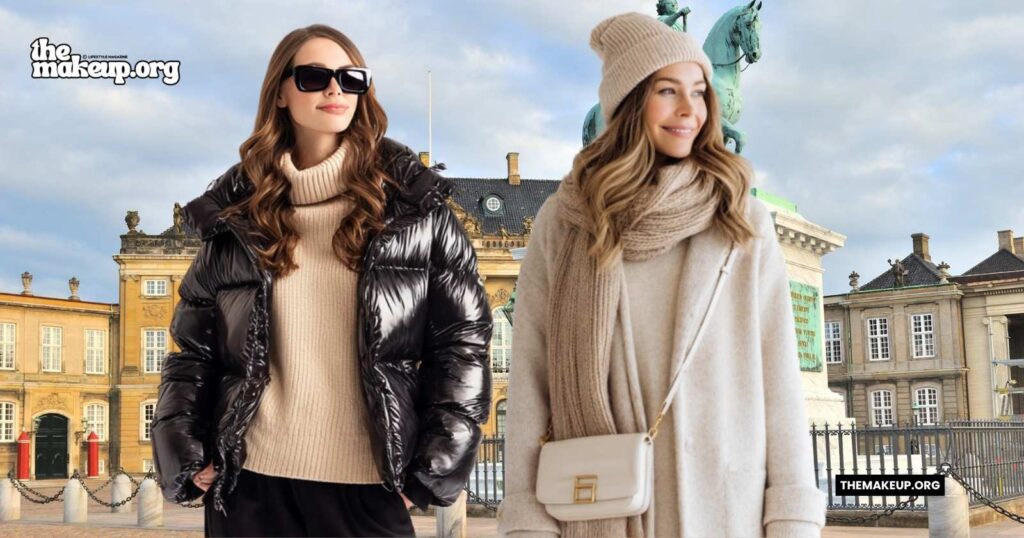
Stick to two or three colors that mix together across your whole wardrobe. This makes it easy to create new outfits without adding more items.
A dark neutral base with one accent color works well and keeps your bag light.
- Roll clothes instead of folding to save space and reduce creases
- Wear your heaviest shoes and jacket on travel days to free up bag space
- Pack a small tote bag for day trips so you are not carrying your full luggage everywhere
- Keep a warm layer accessible at the top of your bag for cold train platforms
- Use packing cubes to separate clothing by type so you can find things fast
How Many Outfits to Pack for Europe in Winter
Trip length shapes this more than anything else. For a one-week trip, four or five outfit combinations is usually enough if the pieces mix and match well.
For two weeks, adding two or three extra tops and access to a laundry is the smarter move over doubling your bag size.
Most women overpack bottoms and undershoot on warm accessories. In winter, you can re-wear jeans or trousers for several days.
What you actually go through fast is socks, base layers, and tops worn close to the skin.
- Tops: one per day, minus two if you have laundry access
- Bottoms: 2 to 3 pairs that work for both walking and dinner
- Shoes: 2 pairs maximum, one for walking and one for evenings
- Warm accessories: one set of hat, gloves, and scarf
- Base layers: 2 to 3, since these rotate the most
FAQ: Packing for Europe in Winter
What is the most important item on a Europe winter packing list?
A waterproof outer layer is the single most important item. It handles rain, wind, and cold in one piece and works over any number of mid-layers as temperatures shift between countries and cities.
How many layers do I need for Europe in winter?
Three layers works well: a base layer next to your skin, a mid-layer for warmth, and a waterproof outer layer. This system lets you adjust quickly as you move between cold streets and heated indoor spaces.
Can I use a carry-on only for a winter trip to Europe?
Yes, it is possible if you pack pieces that mix and match and choose lightweight versions of warm items. Wearing your bulkiest shoes and jacket on the plane frees up the most space in your bag.
What shoes should I pack for Europe in winter?
Pack one pair of sturdy, waterproof walking shoes or ankle boots with good grip. Cobblestones and wet pavements are common, so comfort and traction matter more than style.
A second pair for evenings is optional but useful on longer trips.
Do I need to pack an umbrella for Europe in winter?
A compact travel umbrella is worth including, but a waterproof hood on your jacket can replace it on most days. Many European cities sell small umbrellas easily if you need one, so it is not critical space to protect.
What colors should I pack for a winter trip to Europe?
Stick to two or three neutral colors that all work together, such as black, grey, navy, or camel. This makes every piece mix with every other piece, which means more outfit options without packing more clothes.
Is it easy to do laundry in Europe in winter?
Yes, laundromats and hotel laundry services are widely available in most European cities. If you plan to do laundry at least once during a trip longer than a week, you can pack noticeably lighter and re-wear base layers and mid-layers.