
A three-day trip to Paris and a two-week France October packing list look very different, and that gap is exactly where most people go wrong.
For a long trip, you need fewer pieces that work harder, not more clothes that create daily decision fatigue. For a short trip, you can bring one coat, two or three sweaters, and a single pair of versatile trousers and be completely set.
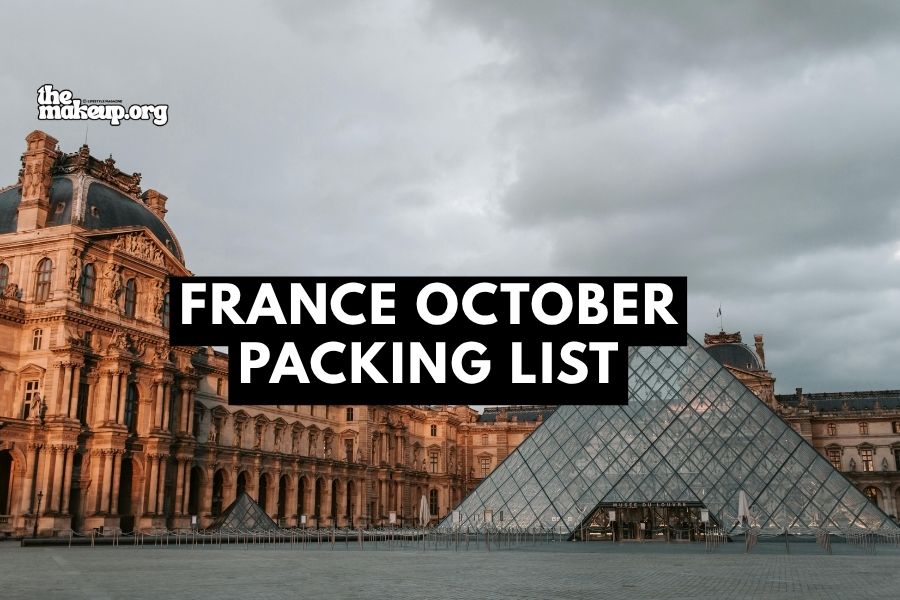
October in France means cool mornings, mild afternoons, and chilly evenings, often on the same day. Plan for layers you can add and remove, a compact rain layer, and shoes already broken in before you leave home.
Note: I’ve organized the full checklist below by category so you can work through it quickly and only take what fits your trip length.
Packing smart will help you make the most of your trip. Here’s everything you need to bring for a comfortable and stylish adventure.

Carry-On Suitcase / Travel Bag Duffle / Portable Steamer / Packing cubes / Luggage scale / Wireless Noise-Cancelling Headphones / Speaker / Portable Charger / Universal Travel adapter / Compact Hair Dryer / Eye Mask / Waterproof Toiletry Bag Hanging / Zipper Pouch / Water BOTTLE / Liquid I.V. Hydration Vegan
Quick Take
- 🌡️ Weather: During October in France, temperatures typically range between 9°C and 17°C (48°F–63°F)
- 🧳 Pack: lightweight layers, a waterproof jacket, comfortable walking shoes, and a warm sweater or two
- ⚠️ Don’t forget: a scarf, which handles the morning chill without adding bulk to your bag
- 🚫 Skip: heavy summer dresses with no layer options, they are too cold for October evenings in France
- ⏱️ 3 min read · full checklist below

What Is the Weather Like in France in October?
October in France usually runs about 9°C to 17°C (48°F–63°F), so I dress for cool mornings and milder afternoons. The north and inland areas tend to feel cooler, while the south can stay a bit softer.
How to Pack Light for France in October
The key is choosing pieces that work across more than one outfit. A neutral sweater worn over a tee and under a coat covers you from a cool morning walk to a warm restaurant by night.
- 3-4 mix-and-match tops
- 2 pairs of trousers or versatile bottoms
- 1-2 sweaters or lightweight knitwear
- One waterproof outer layer or compact rain jacket
- One pair of broken-in walking shoes
- Travel-size toiletries
- A lightweight scarf and small crossbody bag
What To Pack For France In October
Luggage & Packing Tools
If you want more options to have everything organized and well packed, take a look at these suggestions.

1. Rolling Backpack / 2. Luggage (large) / 3. Luggage (small) / 4. Toiletry Bag / 5. Beach Bag / 6. Backpack / 7. Packing Cubes
Layering means more small pieces, so I like tools that keep your bag tidy and quick to unpack.
- Carry-on suitcase – A carry-on suitcase keeps your essentials with you and avoids checked-bag fees and baggage-claim waits. It also makes quick connections easier because everything stays in one place.
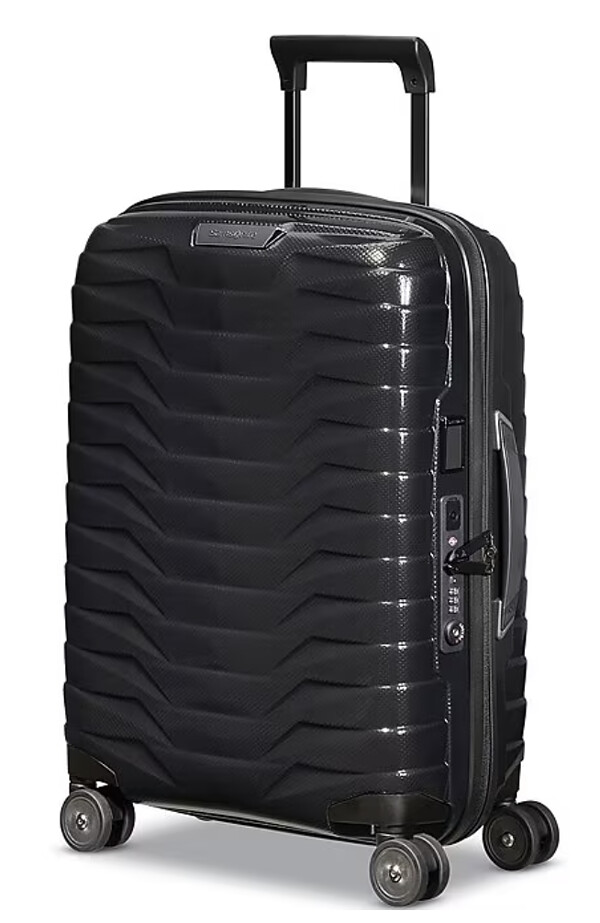
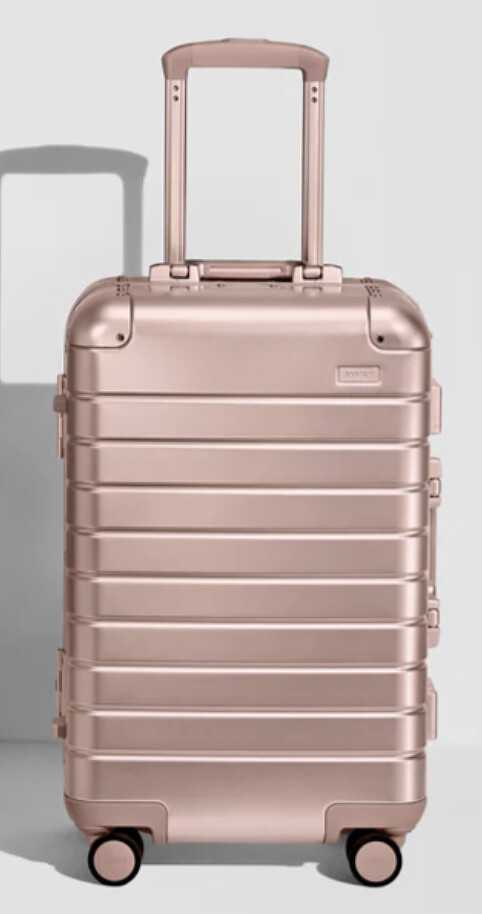
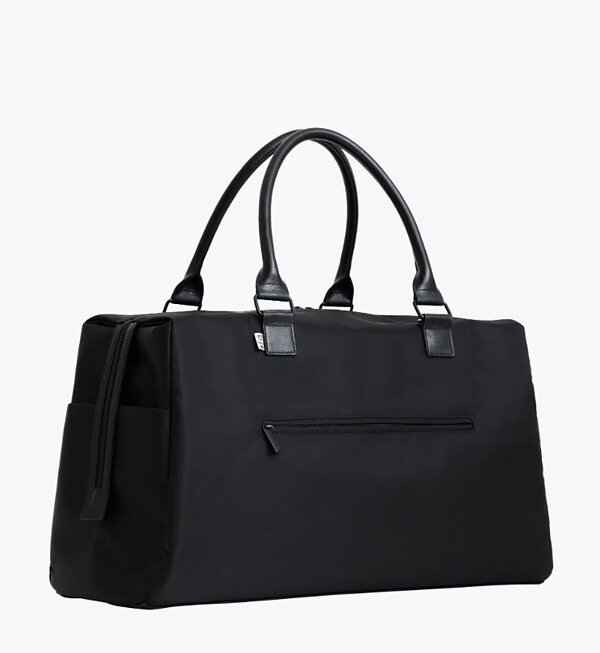
- Packing cubes
- Lightweight daypack
- Foldable tote bag
- Luggage ID tags
Clothes
France in October is all about add-or-remove layers so you stay comfortable across long, full days.

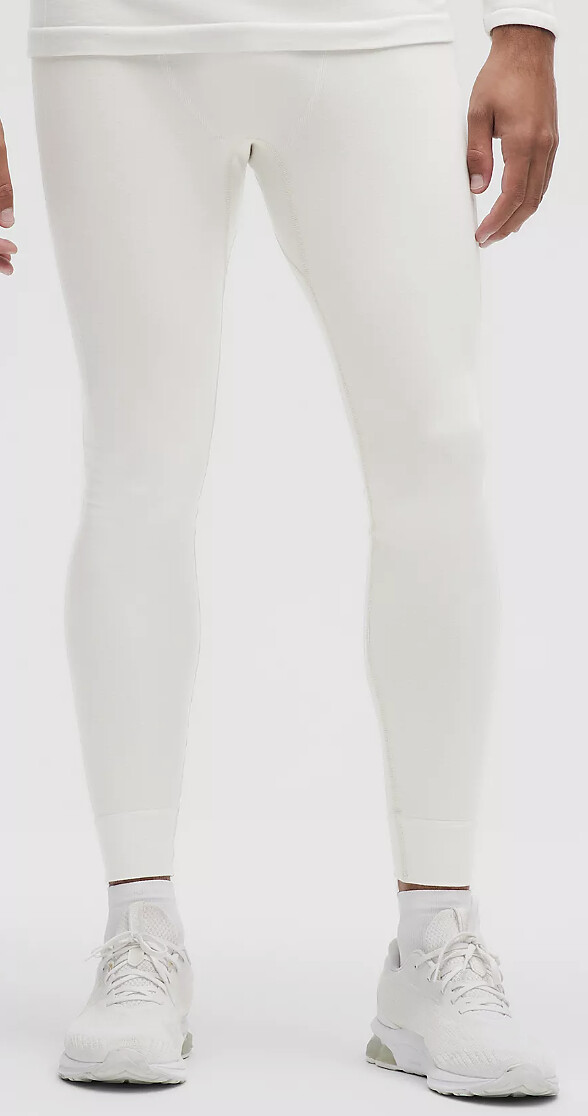
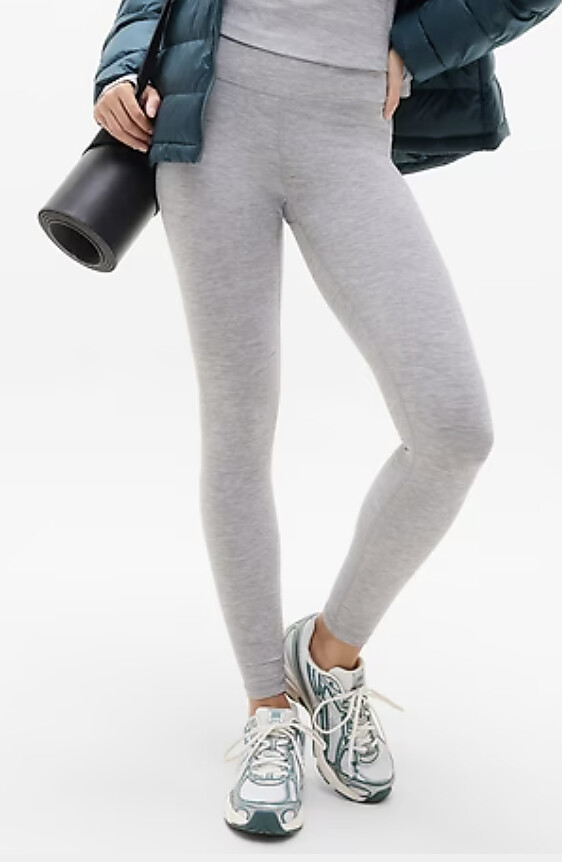
- Thermal leggings – Thermal leggings add an insulating layer under pants, keeping your legs warm in cold weather. They also cut wind chill, so you stay comfortable outside longer.
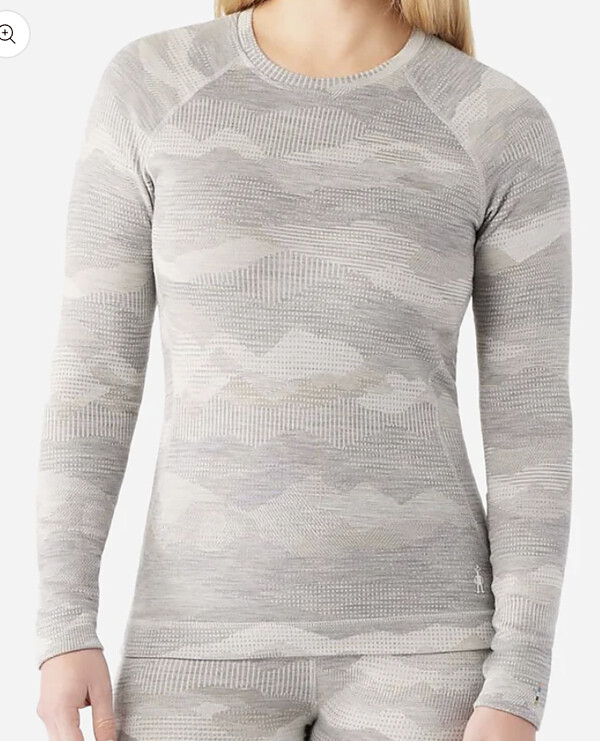
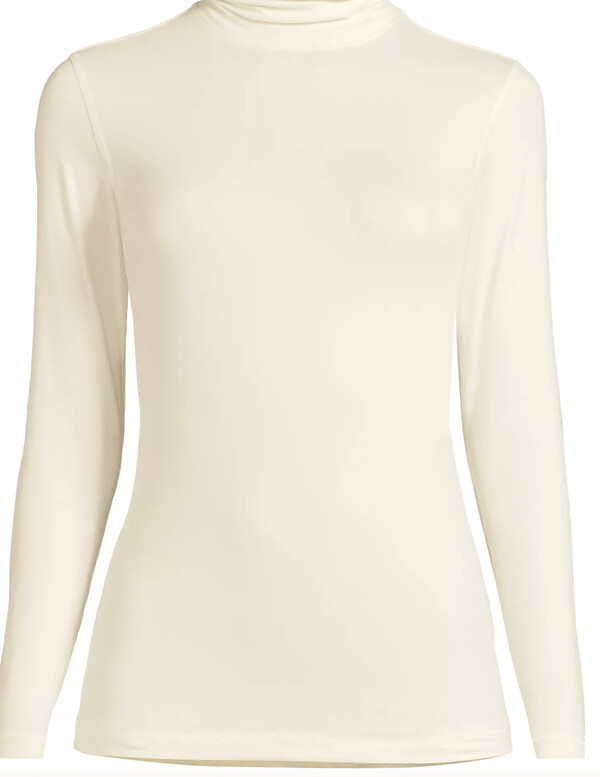
- Thermal base layer top – Thermal base layer top traps heat close to your skin and wicks sweat, keeping you warm without feeling damp. It also adds warmth under other layers without much bulk.
- Waterproof rain jacket with hood (1 PCS)
- Warm mid-layer sweater or fleece (1–2 PCS)
- Long-sleeve tops (2–3 PCS)
- T-shirts (2–3 PCS)
- Jeans or travel pants (1–2 PCS)
- Dressier top for dinners (1 PCS)
- Scarf (1 PCS)
- Sleepwear (1 PCS)
Shoes & Accessories
You will feel every kilometer on pavements and occasional slick sidewalks, so footwear and weather extras matter.
- Waterproof sneakers – Waterproof sneakers keep your feet dry in rain, puddles, and wet grass. They help prevent blisters and keep socks from getting soaked when the weather changes.
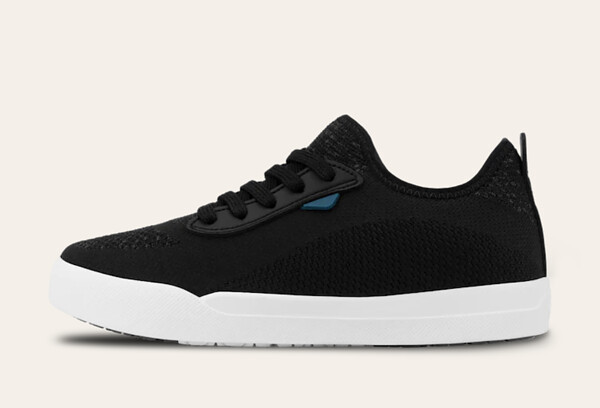
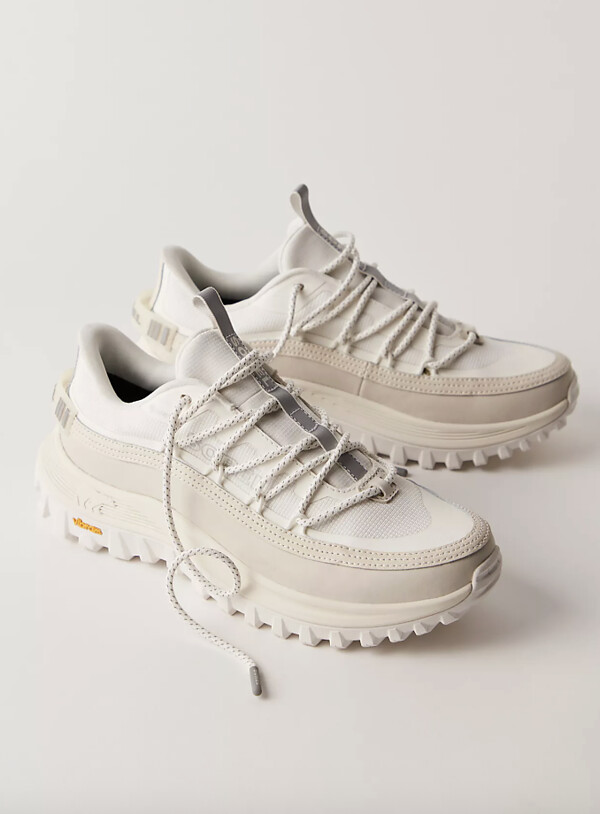
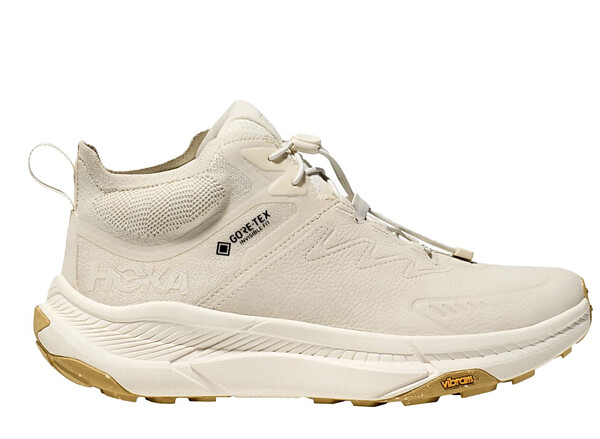
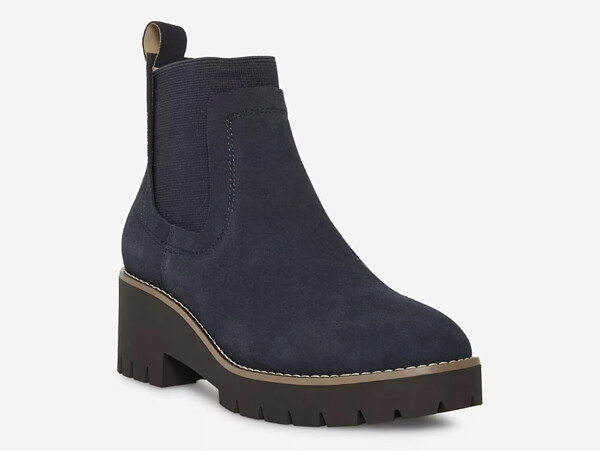
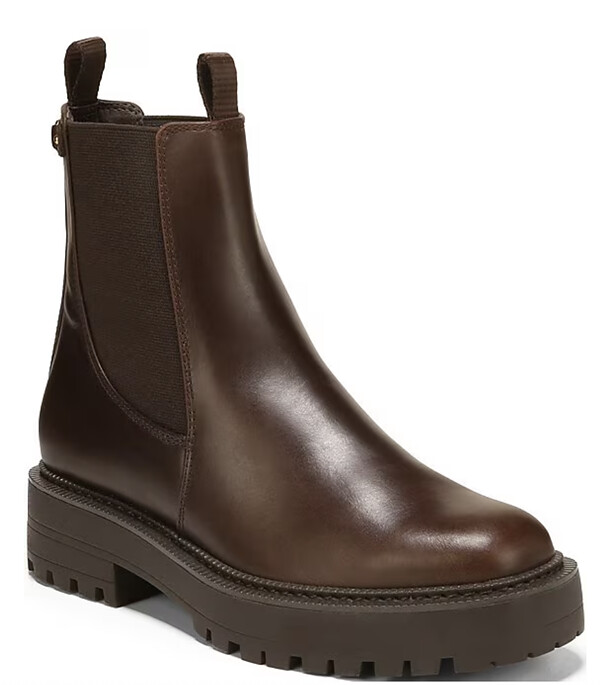
- Ankle boots – Ankle boots give your feet support and handle uneven streets and light rain better than flats. They look neat with jeans or dresses, so you stay presentable.
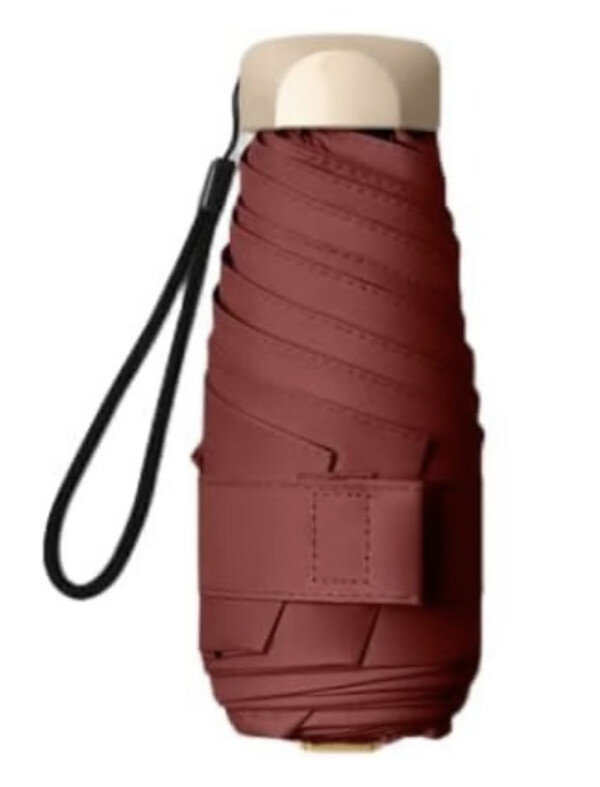
- Compact travel umbrella – A compact travel umbrella keeps you dry in sudden rain and protects your bag and clothes. It folds small, so it fits in a day bag without adding much weight.
- Wool or warm socks (3–5 PCS)
- Crossbody bag with zipper (1 PCS)
- Warm hat or beanie (1 PCS)
- Light gloves (1 PCS)
Beauty & Skincare
Cool air and indoor heating can dry you out, but you still want sun protection on brighter afternoons.
- Travel hair dryer
- Hair straightener
- Face moisturizer
- Hydrating serum
- SPF 30+ facial sunscreen
- Lip balm
- Gentle face cleanser
- Deodorant
- Tinted moisturizer or lightweight foundation
Health & Hygiene
Big walking days in cooler weather can mean small blisters and dry hands, so I pack for prevention.
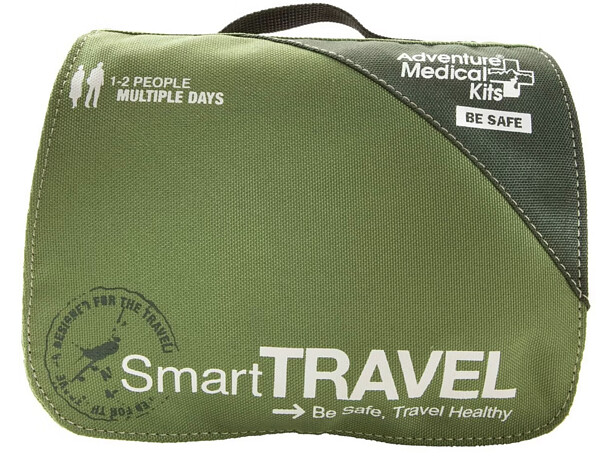
- Travel first aid kit – A travel first aid kit treats small cuts, blisters, and headaches right away so they don’t get worse. It saves time when pharmacies are closed or far away.
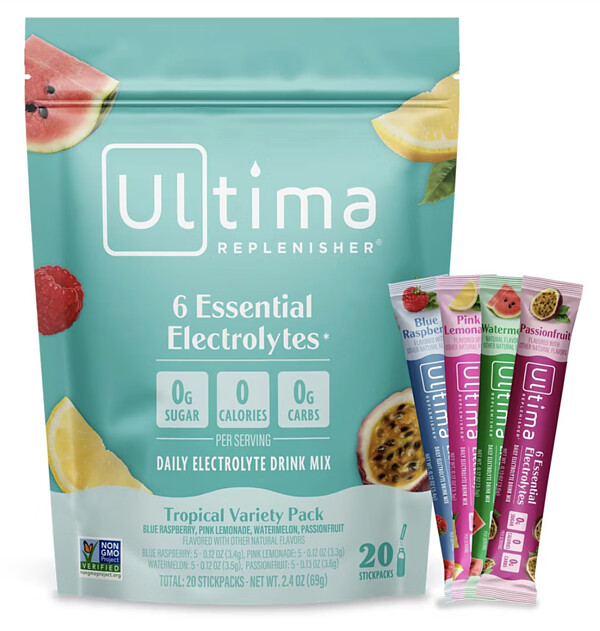
- Electrolyte powder – Electrolyte powder replaces salts lost from sweat, heat, or stomach issues and helps your body absorb water better. It can reduce headaches, cramps, and fatigue when plain water isn’t enough.

- Prescription medications
- Blister plasters
- Hand sanitizer
- Tissues
- Travel-size hand cream
Tech & Electronics
If you are out from morning to night, battery life and the right plugs keep your plans simple.
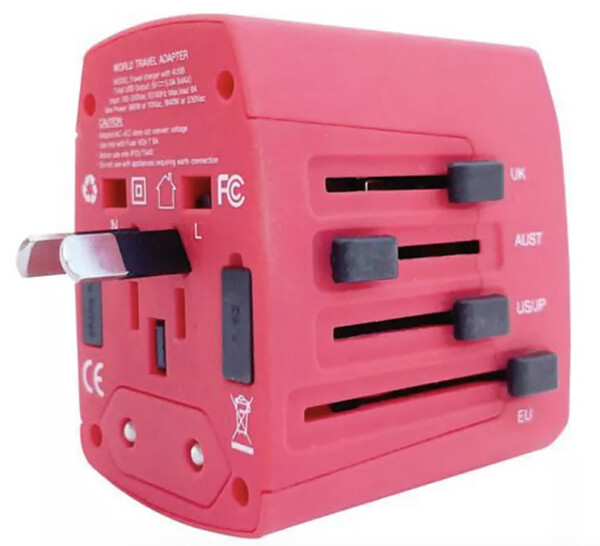
- Universal travel adapter – A universal travel adapter fits different outlet shapes, so your chargers plug in almost anywhere. It helps avoid hunting for a compatible plug or buying a new charger abroad.
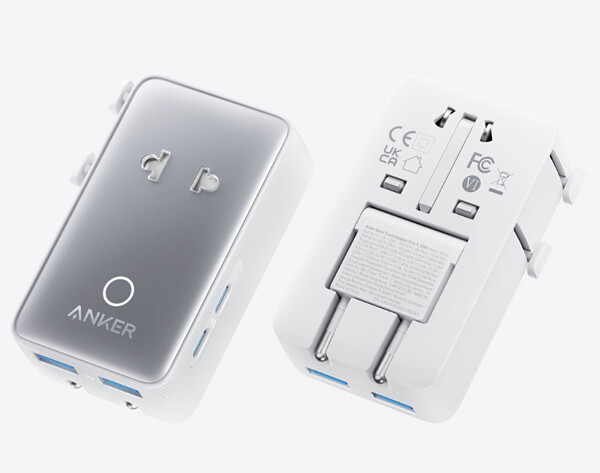
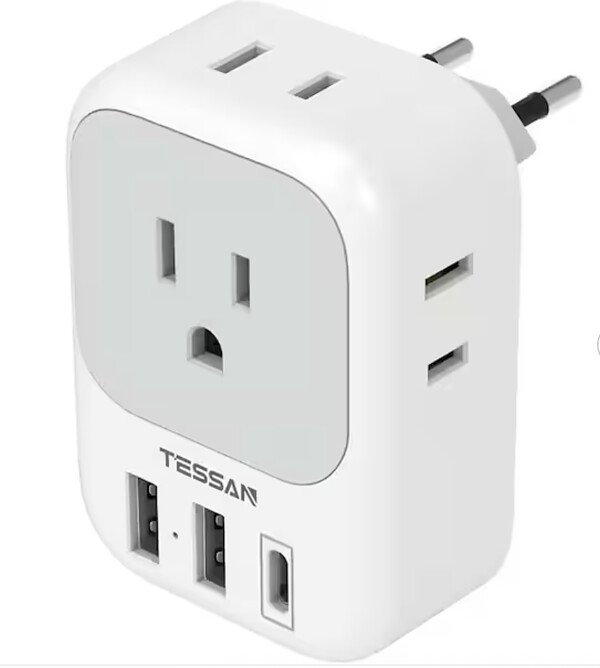
- Power bank – Keeps your phone and other USB devices charged when outlets are hard to find, so maps, boarding passes, and messages still work when you need them.
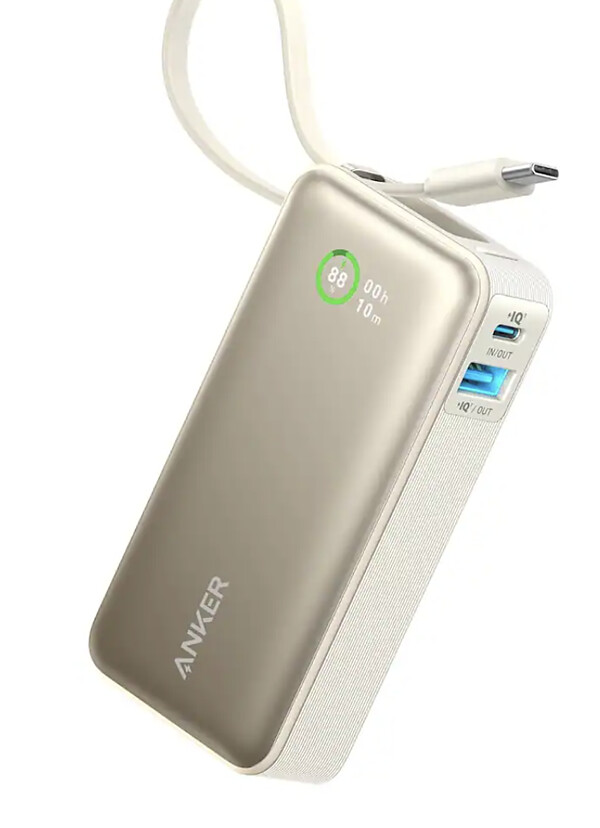
- Wall charger – A good wall charger powers your phone, tablet, or laptop from an outlet faster and more reliably than many USB ports. Choose one with enough watts and ports for your devices.

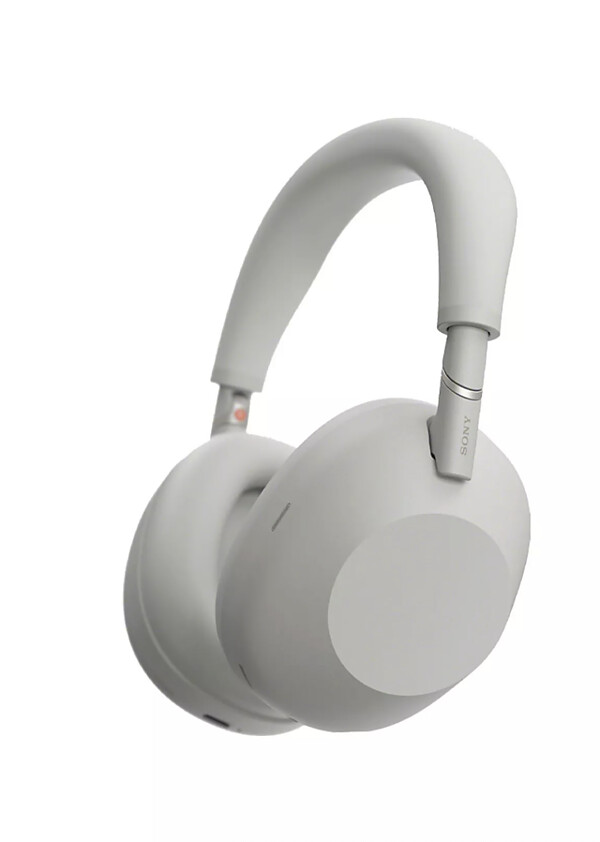
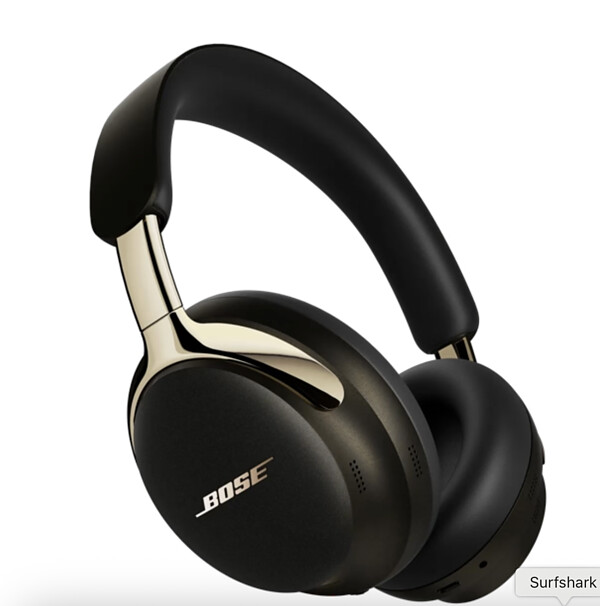
- Noise-cancelling headphones – Noise-cancelling headphones reduce background noise so you can rest, focus, or watch videos at a lower volume. They also take the edge off loud engines and nearby conversations.
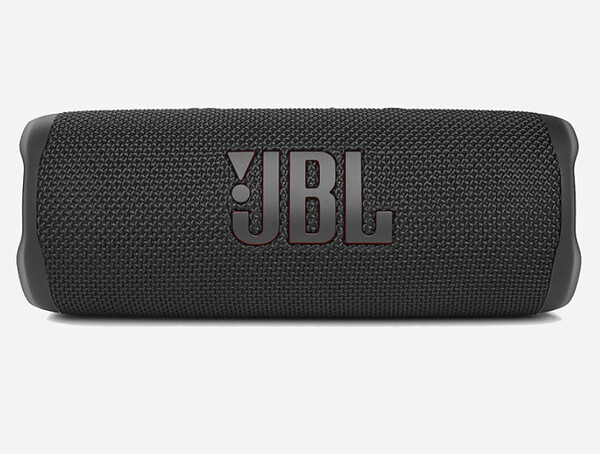
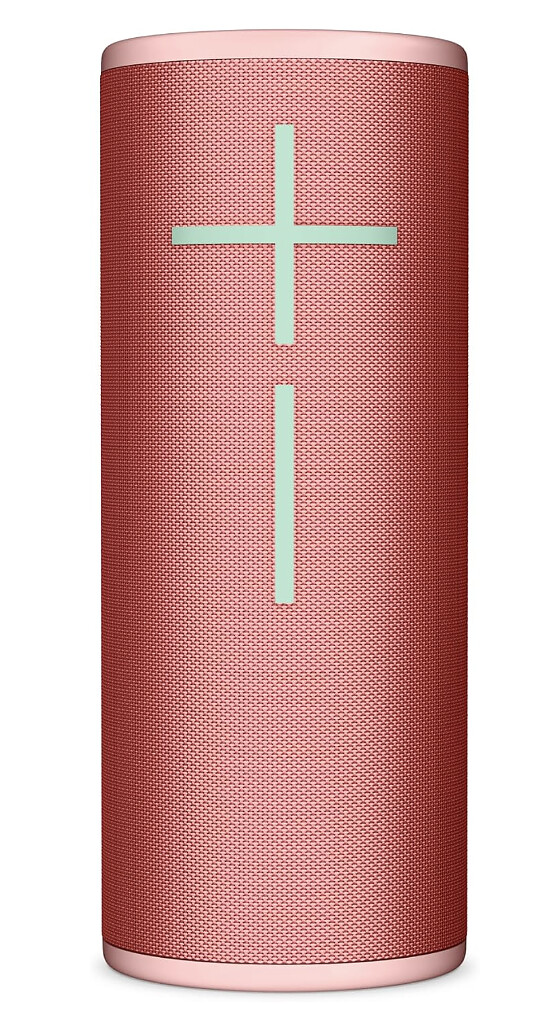
- Bluetooth speaker – Bluetooth speaker plays music or podcasts from your phone without headphones, which helps fill quiet rooms and makes shared downtime easier without draining the phone speaker.
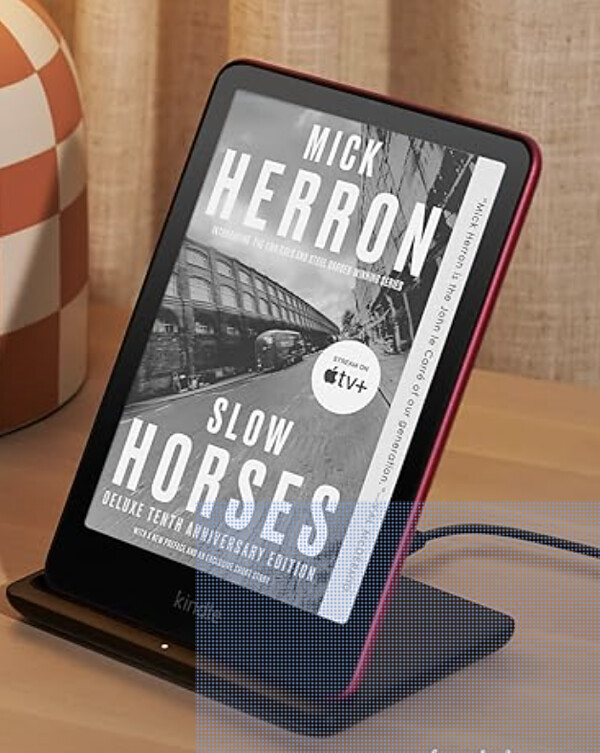
- E-reader – Load it with books and documents so you can read without Wi‑Fi and save phone battery. The screen is easier on your eyes than a phone for long reading.
- Phone charging cable
- Phone with offline maps
Documents & Essentials
I like having these easy to grab, especially when you are hopping between trains, hotels, and check-ins.
- Passport
- Payment cards
- Travel insurance details
- Driver’s license (if renting a car)
- Copies of reservations
Comfort for the Journey
October travel often means cooler trains and planes, so I keep warmth and rest within reach.
- Neck pillow
- Eye mask
- Compression socks (1 PCS)
- Reusable water bottle
- Lightweight travel blanket
What to Leave at Home for France in October
Heavy winter coats are almost always overkill for October in France, especially in the south. A well-chosen mid-weight jacket and a warm sweater underneath will handle the coldest days without taking up half your bag.
Bulky summer pieces have no place in an October bag either. Sleeveless tops and shorts will sit unused most days, and that wasted space is better spent on a second pair of comfortable trousers or an extra layer you will actually reach for.
Packing Tips for France in October
Stick to a neutral color palette so every top works with every bottom. Grey, navy, camel, and black all layer well together and look pulled-together without much effort, which matters when you are moving between cities or regions.
Pack your shoes last and be honest about how many pairs you actually need. Most travelers to France in October do well with one sturdy walking shoe and one slightly smarter option for dinners.
A third pair almost always stays in the bag.
- Choose layers over single heavy pieces
- Bring a compact umbrella or packable rain jacket
- Wear your bulkiest shoes on travel days to save bag space
- Roll knitwear to avoid creases and save room
- Keep one outfit accessible for your first full day, before you unpack
How Many Outfits to Pack for France in October
Trip length is the most honest guide here. For a trip of four to seven days, three to four outfit combinations are usually enough if you can hand-wash basics at your accommodation.
For trips over ten days, aim for five combinations at most and plan one laundry stop.
Shoes are where people most often overpack. Two pairs cover almost every October scenario in France: one comfortable pair for long walking days and one that works for an evening out.
Bringing more than that is rarely worth the space.
- Tops: one per day, minus two if you plan to wash mid-trip
- Bottoms: 2-3 pairs total, choose ones that work day and night
- Sweaters: 1-2, worn repeatedly over different tops
- Shoes: 2 pairs maximum for most trips
- Outerwear: one jacket is enough for October temperatures
FAQ: Packing for France in October
What is the 5-4-3-2-1 rule for packing?
The 5-4-3-2-1 rule is a carry-on packing formula: 5 tops, 4 bottoms, 3 shoes, 2 accessories, and 1 jacket. It is a useful starting point for a week-long trip, though for October in France you may want to swap one bottom for an extra sweater.
What does the 3-3-3 rule for clothes mean?
The 3-3-3 rule means packing 3 tops, 3 bottoms, and 3 pairs of shoes. It works well for short trips of three to five days.
For France in October, make sure at least one top is warm enough to stand alone on a cold afternoon.
Is $1,000 enough for 4 days in Paris?
Yes, $1,000 can cover four days in Paris if you are careful. Accommodation, food, and transport will take up most of that budget.
Eating at local cafes instead of tourist restaurants and using the Metro rather than taxis helps it stretch further.
How much cash should I take to Paris?
Most places in Paris accept cards, so you do not need to carry large amounts of cash. Keeping around 50 to 100 euros on hand is enough for small purchases, markets, and tips.
Withdraw from a bank ATM for the best rates.
Is it cheaper to get euros in the US or in Europe?
Generally, withdrawing euros from a local ATM in France gives you a better rate than exchanging cash in the US. Avoid airport exchange kiosks, which typically charge high fees.
Check whether your bank charges foreign ATM fees before you travel.
What should I beware of in Paris?
Pickpocketing is the most common issue for visitors in Paris, especially in crowded areas like the Metro and near major tourist sites. A crossbody bag that zips closed and keeping your phone in a front pocket rather than a back pocket both help.
What is the best way to pack for the south of France in October?
The south of France is warmer than Paris in October, but evenings still cool down. Lighter layers work better there than a heavy coat.
You can swap a thick jacket for a denim or leather jacket and still be comfortable most days.