
Getting around Germany in October means a lot of time on public transportation, walking between train stations, and covering cobblestone streets in cities like Berlin, Munich, and Cologne.
Your Germany October packing list needs to work for all of that: cool mornings around 7°C, afternoons that might reach 14°C, and rain that can show up at any point without warning.
Layers are what make this trip comfortable. I always bring a light base, a mid layer, and a compact waterproof jacket, and I never check a bag if I can avoid it.
Note: Needs and preferences vary, so treat this as a starting point and adjust for your own trip.
Packing smart will help you make the most of your trip. Here’s everything you need to bring for a comfortable and stylish adventure.

Carry-On Suitcase / Travel Bag Duffle / Portable Steamer / Packing cubes / Luggage scale / Wireless Noise-Cancelling Headphones / Speaker / Portable Charger / Universal Travel adapter / Compact Hair Dryer / Eye Mask / Waterproof Toiletry Bag Hanging / Zipper Pouch / Water BOTTLE / Liquid I.V. Hydration Vegan
Quick Take
- 🌡️ Weather: During October in Germany, temperatures typically range between 7°C and 14°C (45°F–57°F)
- 🧳 Pack: waterproof jacket, warm mid layers, sturdy walking shoes, mix-and-match tops
- ⚠️ Don’t forget: a small crossbody bag or secure purse for navigating busy train stations and city streets
- 🚫 Skip: heavy bulky sweaters, thin layers do the same job and take up far less space
- ⏱️ 3 min read · full checklist below

What Is the Weather Like in Germany in October?
October usually sits around 7°C to 14°C (45°F–57°F), and it can flip between crisp, damp, and briefly sunny in the same day. Northern areas often feel cooler and wetter, while the South can be a touch milder.
How to Pack Light for Germany in October
The key is building outfits around two or three bottoms and rotating tops over them. Everything should layer together so you are not carrying clothes that only work as one outfit.
- 3 to 4 mix-and-match tops
- 2 pairs of pants or one pants and one jeans
- One lightweight mid layer (fleece or knit)
- One compact waterproof jacket
- One pair of sturdy, broken-in walking shoes
- Travel-size toiletries
- One small day bag or crossbody purse
What To Pack For Germany In October
Luggage & Packing Tools
If you want more options to have everything organized and well packed, take a look at these suggestions.

1. Rolling Backpack / 2. Luggage (large) / 3. Luggage (small) / 4. Toiletry Bag / 5. Beach Bag / 6. Backpack / 7. Packing Cubes
I like a setup that handles wet sidewalks and tight train aisles without making you juggle.
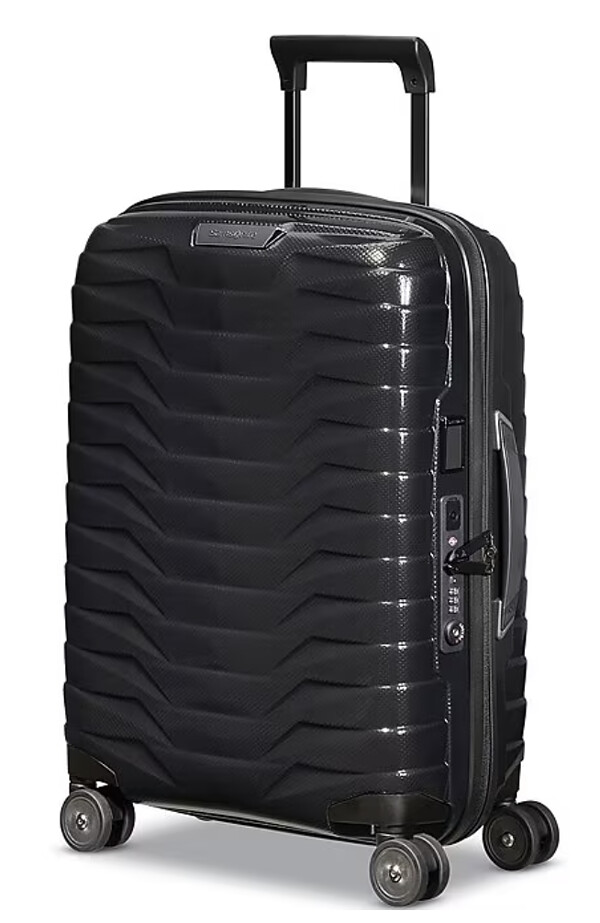
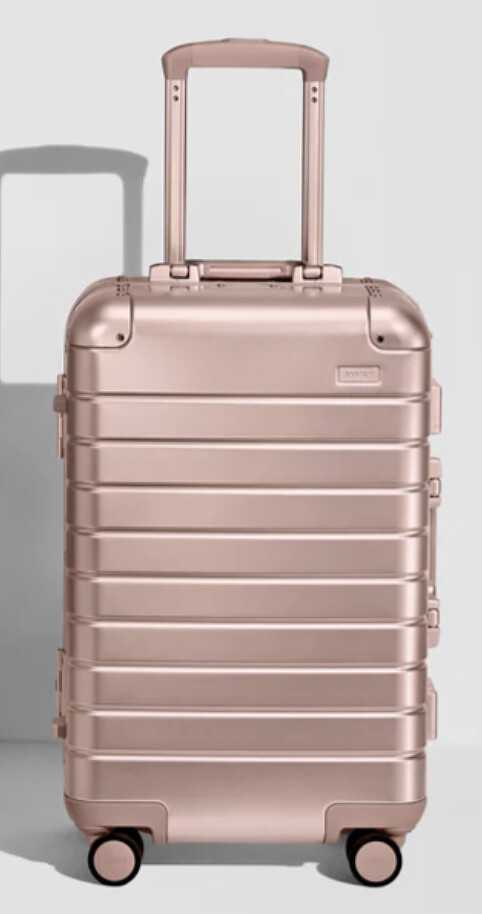
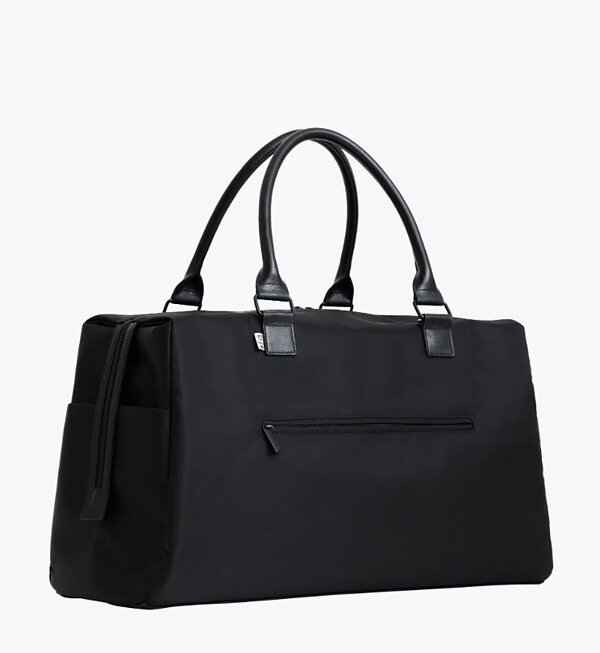
- Carry-on suitcase – Carry-on suitcase keeps essentials with you in the cabin and avoids checked-bag fees and delays. It also speeds up airport exits by skipping baggage claim.
- Daypack with water-resistant fabric
- Packing cubes
- Compression bags
- Luggage ID tags
Clothes
Layering is the whole game in October, so you can warm up outside and cool down indoors.

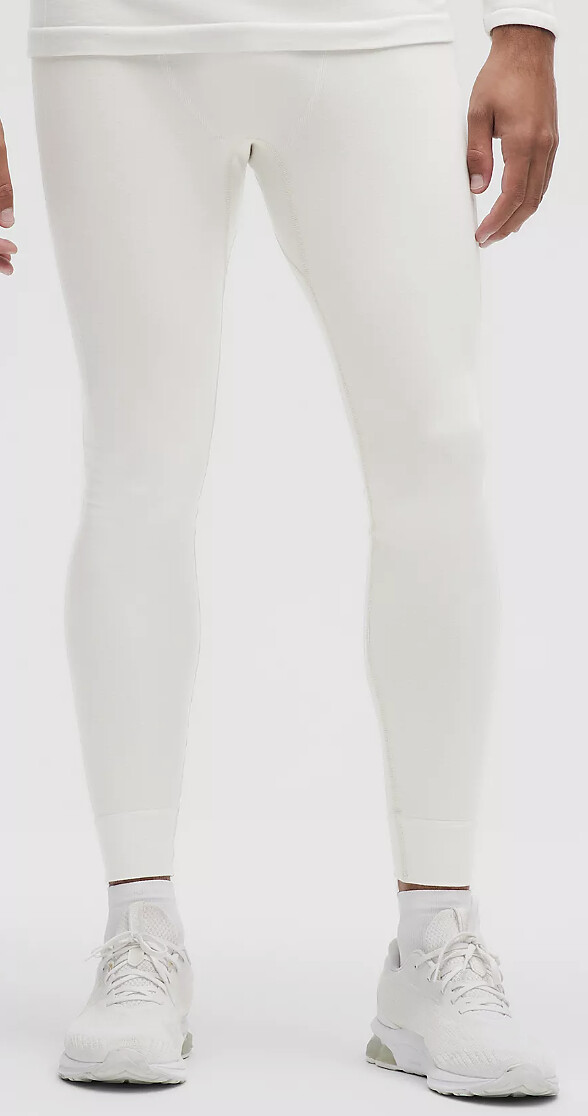
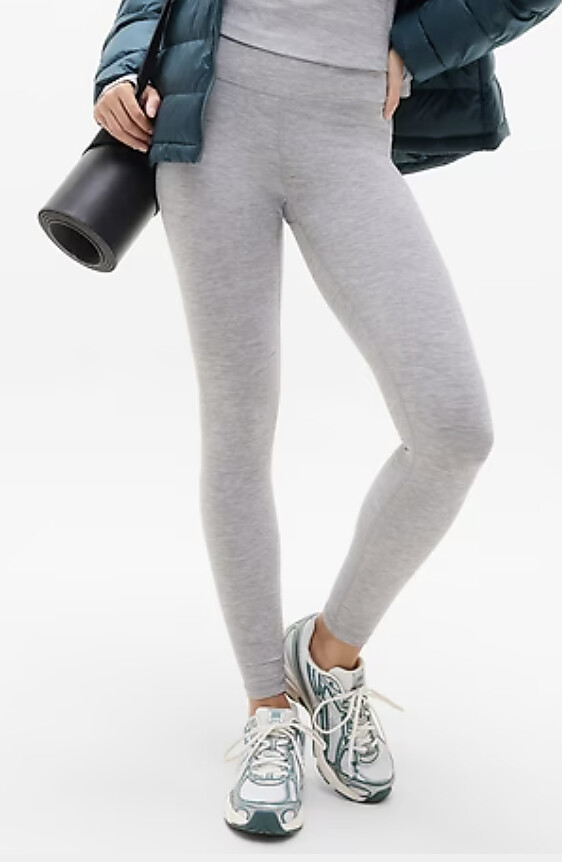
- Thermal leggings – Thermal leggings trap heat under your clothes and cut wind chill, so your legs stay warm. They also layer easily under pants or skirts when it gets colder.
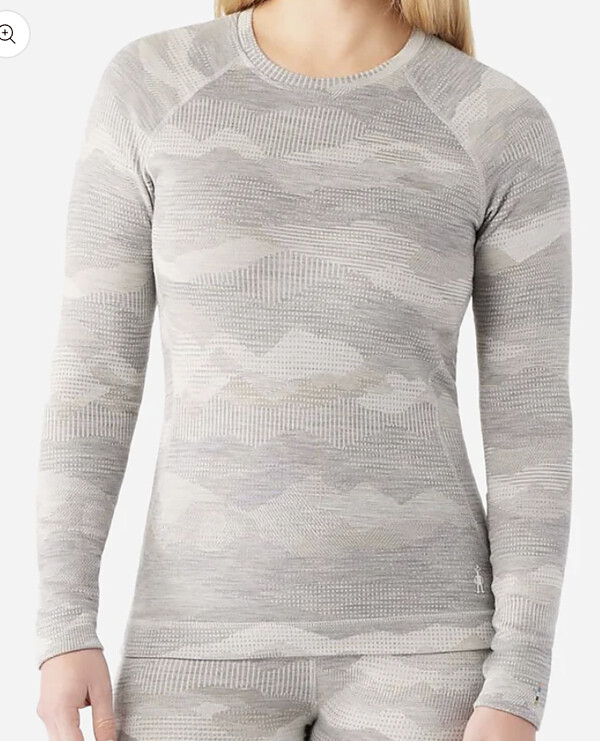
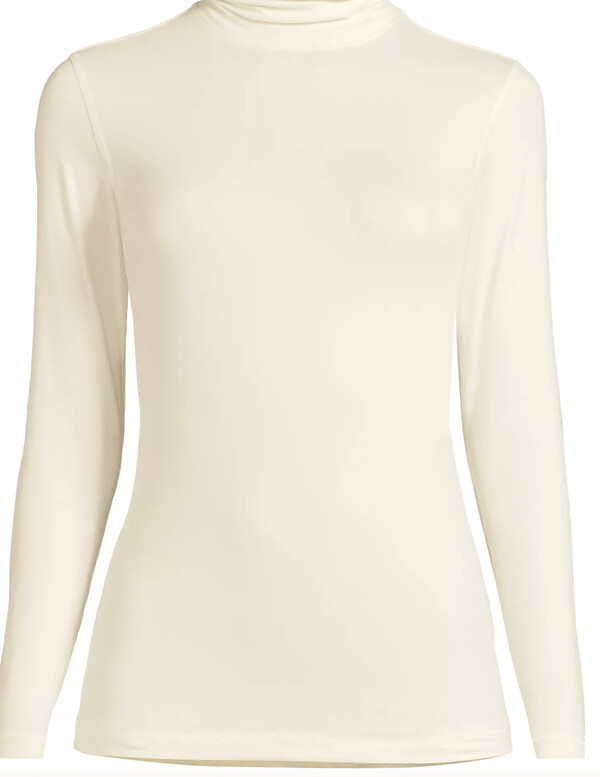
- Thermal base layer top – A Thermal base layer top holds warmth close and moves sweat off your skin, so you stay warmer and drier in cold or windy conditions.
- Medium-weight sweater (2 PCS)
- Long-sleeve tops (2 PCS)
- T-shirts (2 PCS)
- Jeans or sturdy trousers (1–2 PCS)
- Waterproof rain jacket with hood (1 PCS)
- Warm mid-layer fleece or zip-up (1 PCS)
- Pajamas (1 PCS)
- Underwear (6–8 PCS)
- Wool or cushioned walking socks (4–6 PCS)
Shoes & Accessories
You will walk a lot on damp pavement, so dry feet and blister prevention matter more than you think.
- Waterproof sneakers – Waterproof sneakers block rain and puddles so your feet stay dry and warm. They also protect against muddy paths, keeping shoes cleaner and reducing blisters.
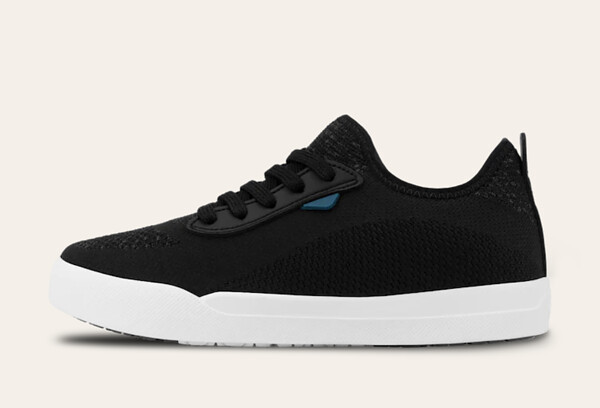
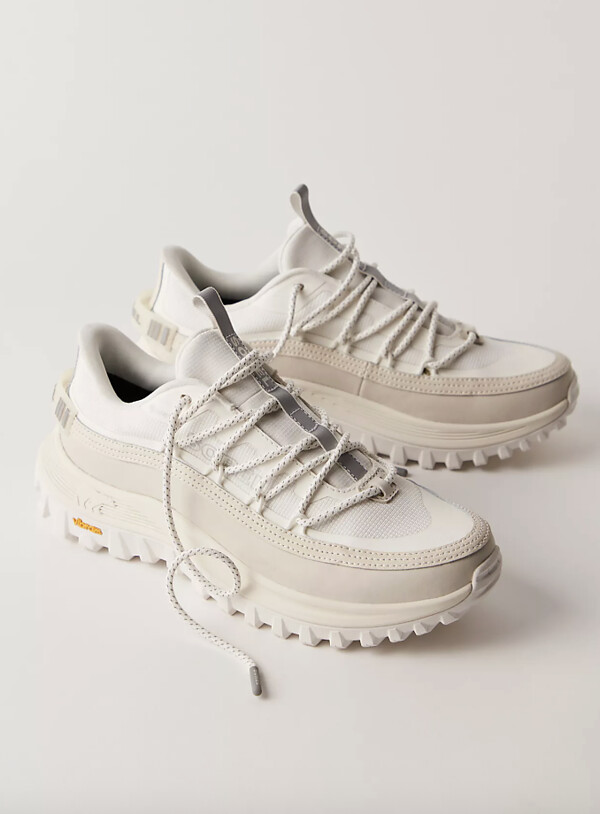
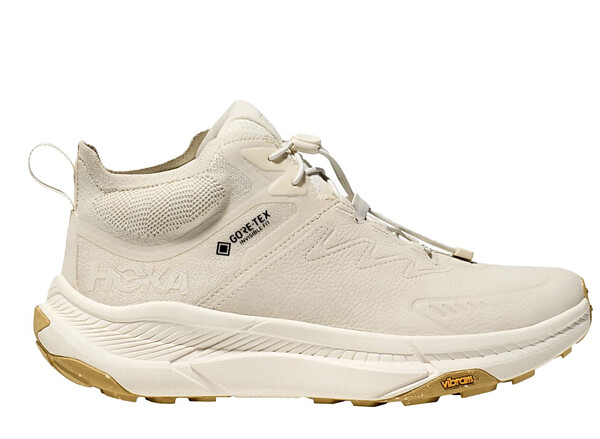
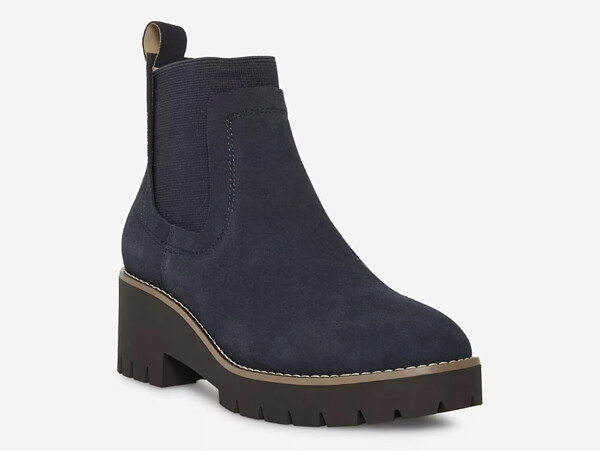
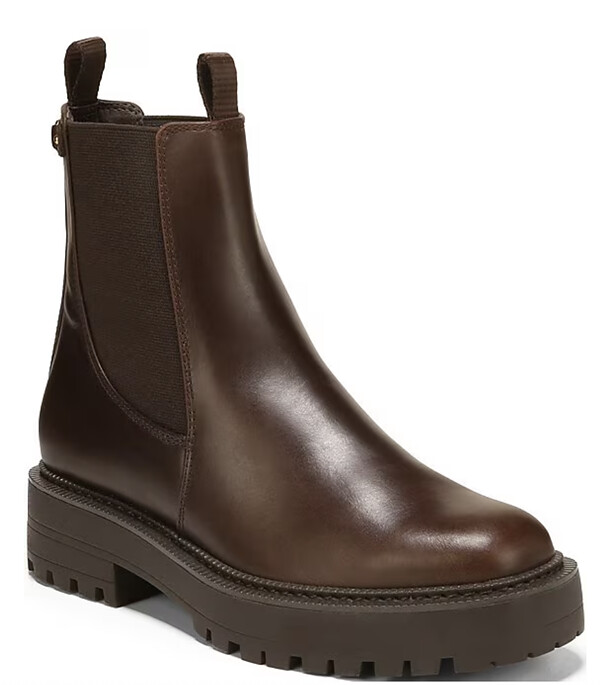
- Ankle boots – Ankle boots protect your feet from puddles and uneven streets, and the ankle support helps you walk longer with less fatigue. They also work for casual and dressier outfits.
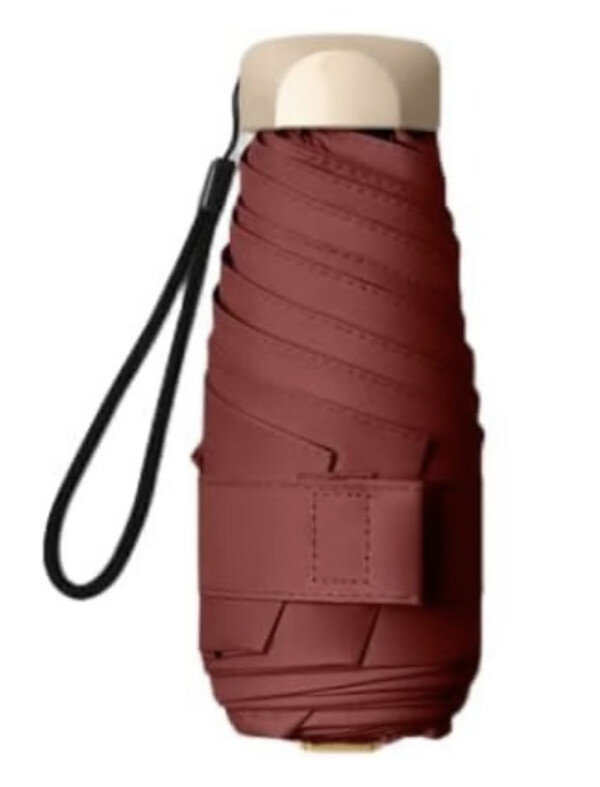
- Compact travel umbrella – This umbrella keeps rain off your clothes and bag, so you stay dry between transit stops and meetings. The small size fits in a day bag, so you’re ready for sudden showers.
- Warm beanie (1 PCS)
- Scarf (1 PCS)
- Touchscreen gloves (1 PCS)
- Crossbody bag with zipper (1 PCS)
Beauty & Skincare
Cool air and indoor heating can dry you out, so I keep skincare simple but protective.
- Travel hair dryer
- Hair straightener
- Gentle face cleanser
- Rich face moisturizer
- SPF 30+ face sunscreen
- Hydrating lip balm
- Hand cream
- Leave-in conditioner
- Deodorant
Health & Hygiene
Between cooler weather and lots of walking, I plan for small problems before they slow you down.
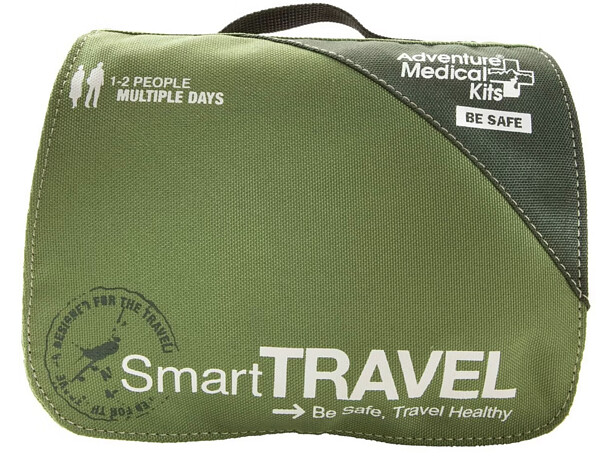
- Travel first aid kit – A travel first aid kit handles small cuts, blisters, and headaches fast, so minor problems don’t slow you down. It also helps when pharmacies are closed or hard to find.
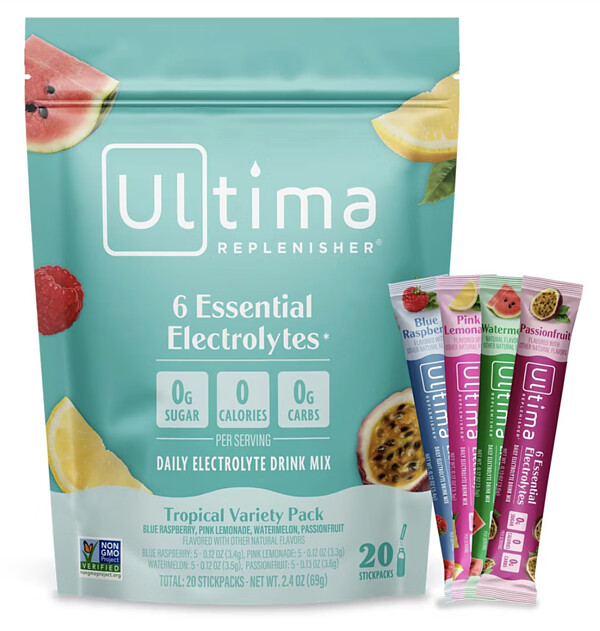
- Electrolyte powder – Electrolyte powder helps replace salts and minerals lost from sweating or diarrhea, so you rehydrate faster than with water alone. It can reduce headaches, cramps, and fatigue.

- Prescription medications
- Blister plasters
- Pain relievers
- Cold and flu tablets
- Travel-size tissues
- Hand sanitizer
Tech & Electronics
You will use your phone constantly for maps and train details, so power and adapters are non-negotiable.

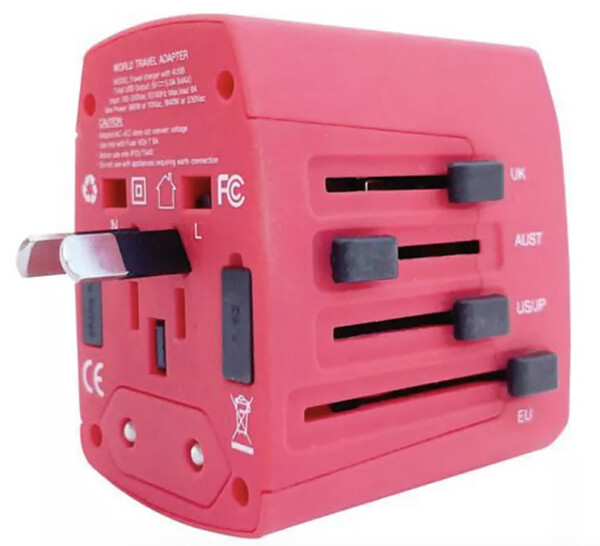
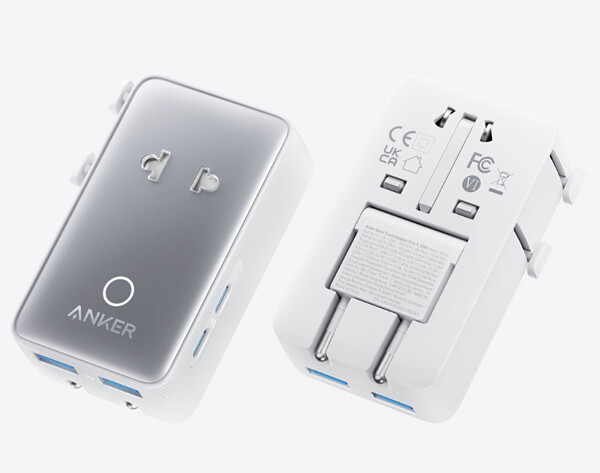
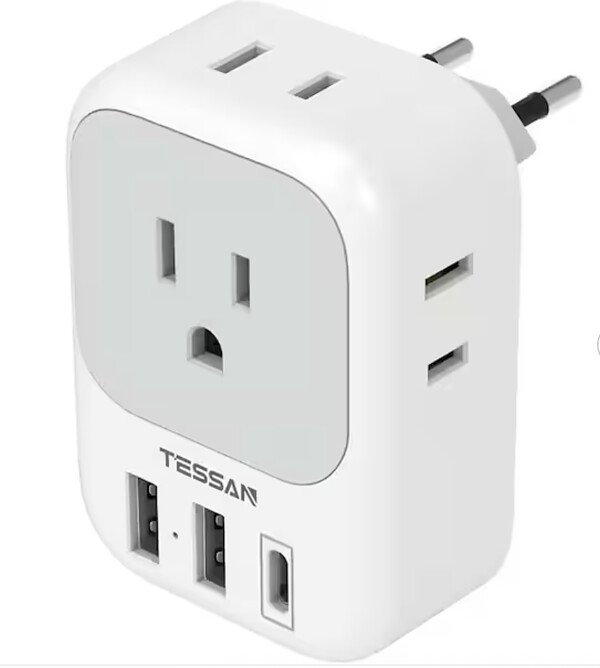
- Universal travel adapter – Use a universal travel adapter to plug your chargers into different outlet shapes and voltages, so you can power electronics in most countries without buying extra adapters.
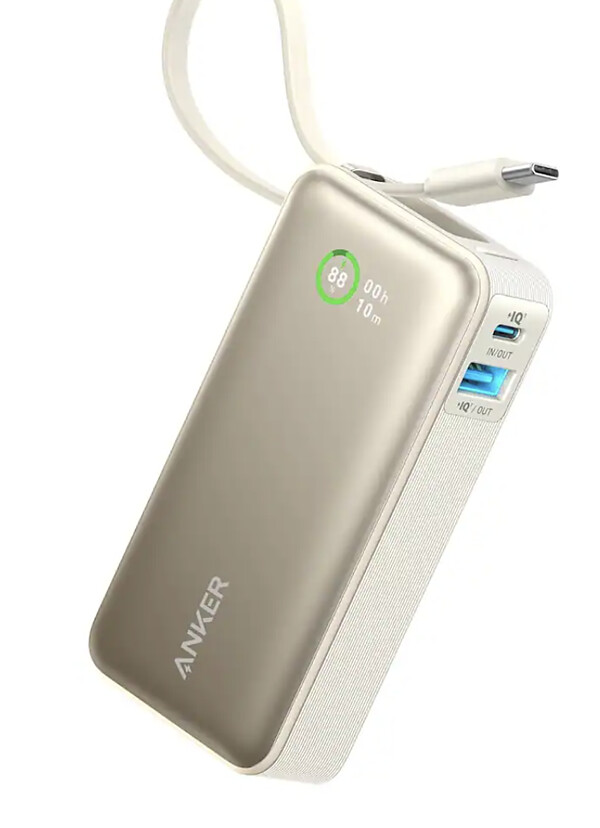
- Power bank – A power bank recharges your phone when outlets are unavailable, which helps you keep maps, tickets, and calls working during long days or delays.
- Wall charger – Use a wall charger to plug into an outlet for faster, steadier charging than a laptop port. It helps keep your phone powered overnight and during quick stops.

- Noise-cancelling headphones – Noise-cancelling headphones reduce engine noise and loud crowds, so you can rest, focus, or hear your audio clearly. They also lower stress and fatigue on long flights or trains.
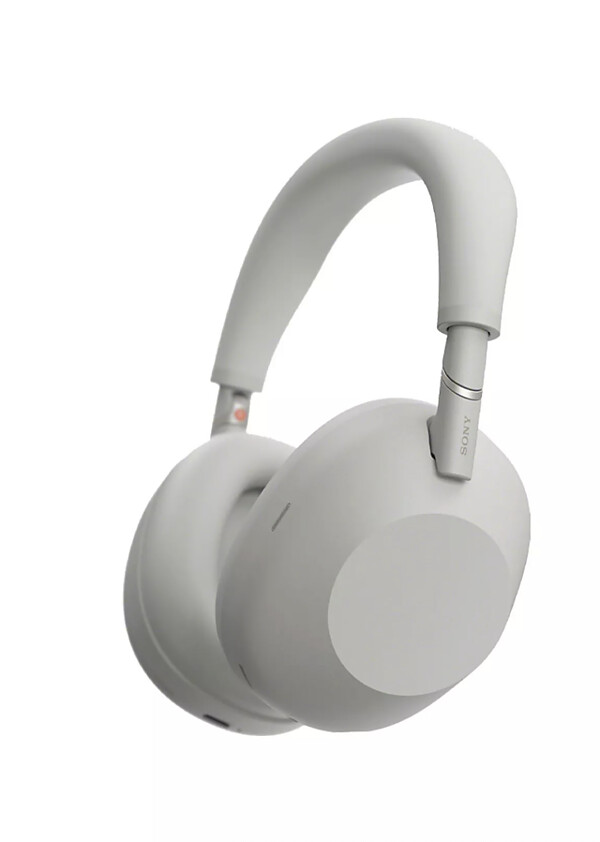
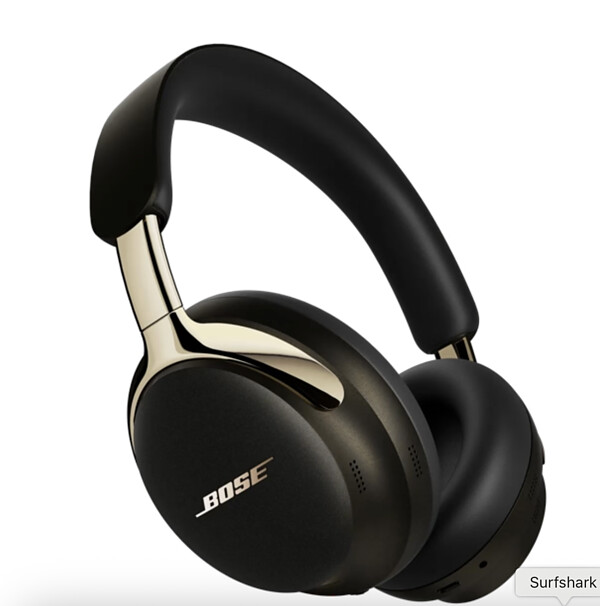
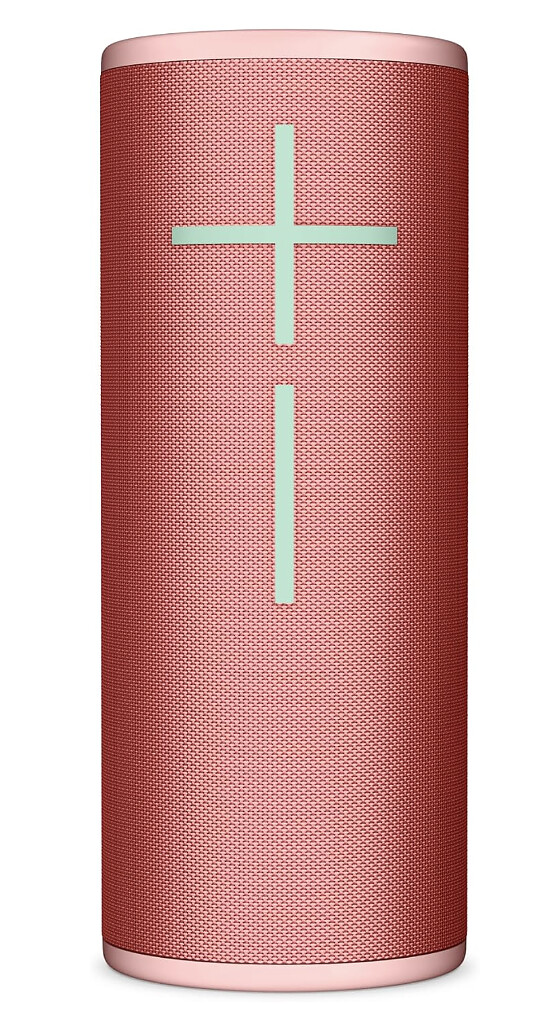
- Bluetooth speaker – A Bluetooth speaker connects to your phone and plays music or podcasts loud enough for a room. It makes shared downtime better without draining your phone battery as fast.

- E-reader – An e-reader stores many books in a small, light device, so you can read without carrying paper. The screen is easier on eyes in bright light and uses little battery.

- Phone charging cable
- EU plug extension cord
- Offline maps downloaded
Documents & Essentials
I keep these together because you will reach for them most in airports and at hotel check-in.
- Passport
- Credit card and debit card
- Travel insurance details
- Driver’s license or photo ID
- Reservations and tickets screenshots
Comfort for the Journey
Trains and flights feel longer when you are cold or can’t sleep, so I pack a few comfort basics.
- Neck pillow
- Eye mask
- Refillable water bottle
- Lightweight travel blanket or wrap
- Reusable earplugs
What to Leave at Home for Germany in October
A big, heavy winter coat is not worth the space. October in Germany is cool but not freezing, and a good waterproof jacket worn over a mid layer handles almost every day you will have.
Sandals and summer shoes are also a waste of a slot in your bag. The streets are wet, the temperatures drop by evening, and you will want a closed, supportive shoe from the moment you step off the train.

Smart Packing Tips for Germany in October
Germany’s cities involve a lot of walking and a lot of public transportation. Plan for both when you choose your shoes: you want something already broken in, with enough support for five or six hours on your feet.
A secure crossbody bag or small backpack is worth planning for too. Busy train stations and shopping areas are easier to move through when your wallet and phone are close to your body and not in an open tote.
- Roll clothes instead of folding to spot gaps and save space
- Pack a small reusable bag for shopping or day trips
- Keep your travel documents and cards in a separate, zipped pocket
- Bring a portable charger for long days between train hops
- Wear your heaviest shoes and jacket on travel days to save bag space
How Many Outfits to Pack for Germany in October
For a week-long trip, I would pack for five days and plan one round of laundry. Laundromats are easy to find in German cities, and most hotels have a laundry service if you prefer not to do it yourself.
A couple of well-chosen bottoms go a long way when your tops change daily. Two pairs of pants and four or five tops, rotated with your layers, is usually enough for a week without overpacking.
- Tops: 4 to 5, one per day with a couple to spare
- Bottoms: 2 pairs, chosen to mix with all your tops
- Mid layers: 1 to 2, one lighter and one warmer
- Shoes: 1 main walking pair, 1 comfortable backup if space allows
- Socks and underwear: one per day, plus two extra
FAQ: Packing for Germany in October
What should I wear in Germany during October?
Dress in layers you can add or remove through the day. A base top, a mid layer like a fleece or knit, and a waterproof outer jacket covers most October days in Germany.
Add warm socks and a scarf for evenings.
What is the 5 4 3 2 1 rule when packing?
The 5-4-3-2-1 rule is a packing guideline: 5 pairs of socks, 4 tops, 3 bottoms, 2 pairs of shoes, and 1 hat or jacket. It is a useful starting framework for a week-long trip, though you can adjust the numbers based on laundry access.
What is the most forgotten item when packing for vacation?
A portable charger is one of the most commonly forgotten items. For Germany in October, a compact rain jacket is another one people leave out, assuming the weather will be fine, and then regret it on day two.
What is the 3-3-3 rule for packing a trip?
The 3-3-3 rule means packing 3 tops, 3 bottoms, and 3 pairs of shoes as a baseline. For a short trip to Germany in October, this works well if your pieces mix and match easily and you have access to laundry.
What does Rick Steves recommend for packing?
Rick Steves consistently recommends carrying only a carry-on and keeping your bag light enough to carry comfortably all day. He advises packing versatile, dark-colored clothing that does not show wear, and doing laundry during the trip instead of overpacking.
Is ibuprofen allowed in Germany?
Yes, ibuprofen is widely available in Germany and is sold over the counter at pharmacies. You can bring a personal supply from home, but you will have no trouble finding it there if you run out or forget it.
How should I pack for a week in Germany in October as a female traveler?
Focus on a few versatile pieces in neutral colors that work together as outfits. Bring one good waterproof jacket, comfortable walking shoes you have already broken in, and a secure crossbody bag for getting around safely on public transportation.