
A winter trip to Germany is built around walking, and that means cold air, cobblestone streets, wet pavements, and warm train cars all in the same afternoon.
The gap between outside and inside temperatures is real. You step off a heated U-Bahn into 2°C air, then walk into a Christmas market or a café that is fully heated.

Layers are not optional in Europe in winter; they are the whole system.
My honest advice is to pack for movement, not just warmth. Good waterproof boots you can walk five miles in, a mid-layer you can pull off fast, and a wind-resistant outer shell will carry you through most of what Germany winter throws at you.
Note: This germany winter packing list focuses on clothing and gear. Toiletries, medications, and travel documents are personal and not included here.
Packing smart will help you make the most of your trip. Here’s everything you need to bring for a comfortable and stylish adventure.

Carry-On Suitcase / Travel Bag Duffle / Portable Steamer / Packing cubes / Luggage scale / Wireless Noise-Cancelling Headphones / Speaker / Portable Charger / Universal Travel adapter / Compact Hair Dryer / Eye Mask / Waterproof Toiletry Bag Hanging / Zipper Pouch / Water BOTTLE / Liquid I.V. Hydration Vegan
Quick Take
- 🌡️ Weather: During Winter in Germany, temperatures shift month to month
- 🧳 Pack: warm layers, waterproof outer shell, sturdy waterproof boots, thermal base layers
- ⚠️ Don’t forget: a lightweight mid-layer you can remove indoors, since heated interiors get warm fast
- 🚫 Skip: bulky knit sweaters, thin packable layers do the same job and take far less space
- ⏱️ 3 min read · full checklist below
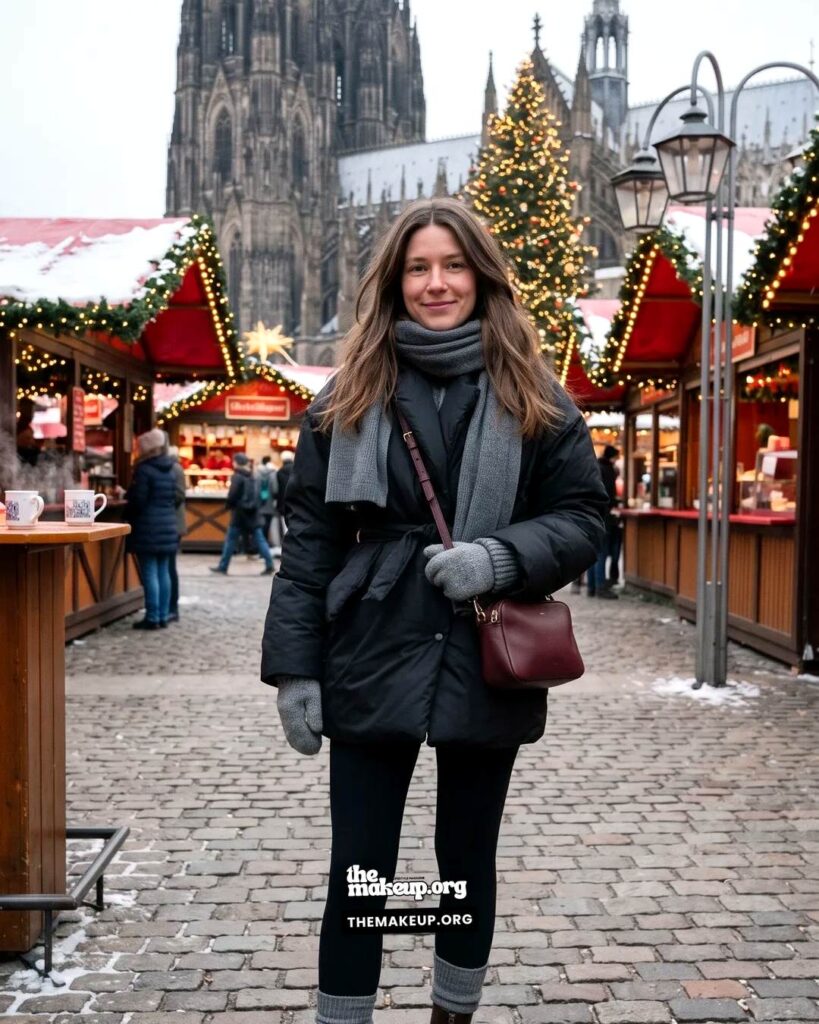
What Is the Weather Like in Germany in Winter?
Germany’s Winter shifts month to month: December is about 0°C–5°C (32°F–41°F), January about -2°C–4°C (28°F–39°F), and February about -1°C–6°C (30°F–43°F). I pack layers so I can vent indoors and bundle up quickly outside.
How to Pack Light for Germany in Winter
The key is building around a layering system instead of packing separate heavy items for each temperature. Three thin layers beat one thick coat every time when you are moving between cold streets and warm interiors all day.
- 3-4 mix-and-match tops in neutral colors
- 1-2 thermal base layer sets
- One mid-layer, such as a fleece or light down jacket
- One waterproof outer shell or insulated waterproof coat
- One pair of waterproof walking boots, already broken in
- Warm accessories: hat, gloves, and a scarf
- Travel-size toiletries
What To Pack For Germany In Winter
Luggage & Packing Tools
If you want more options to have everything organized and well packed, take a look at these suggestions.

1. Rolling Backpack / 2. Luggage (large) / 3. Luggage (small) / 4. Toiletry Bag / 5. Beach Bag / 6. Backpack / 7. Packing Cubes
I keep this tight because bulky Winter layers eat space fast, and you will be lifting bags on trains.
- Carry-on suitcase – A carry-on suitcase keeps essentials close and avoids checked-bag delays or loss. It fits in overhead bins, so you can move through airports faster and skip baggage claim.
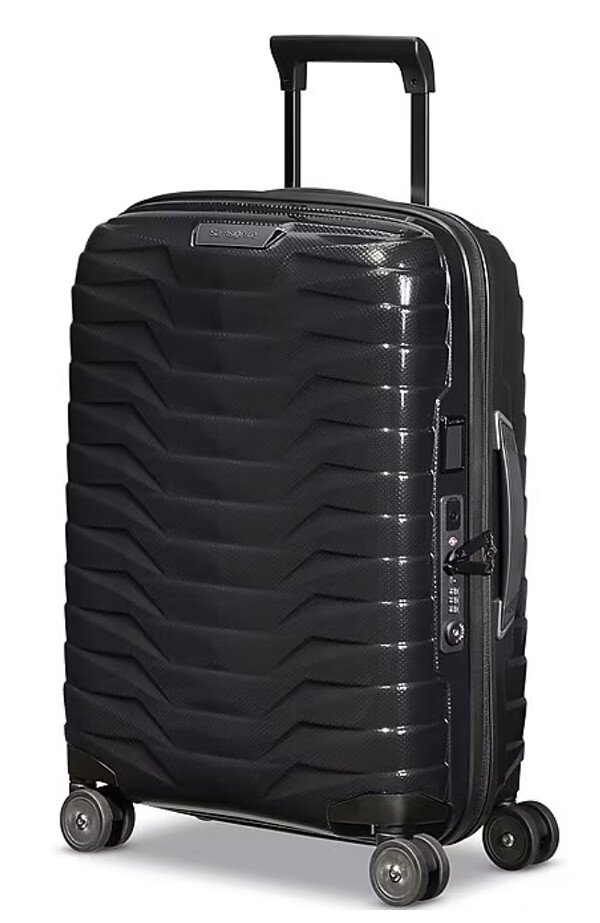
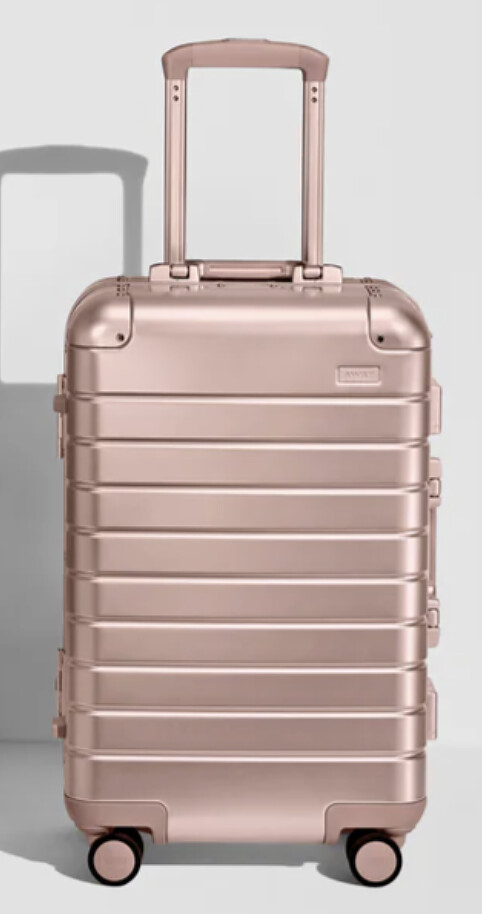
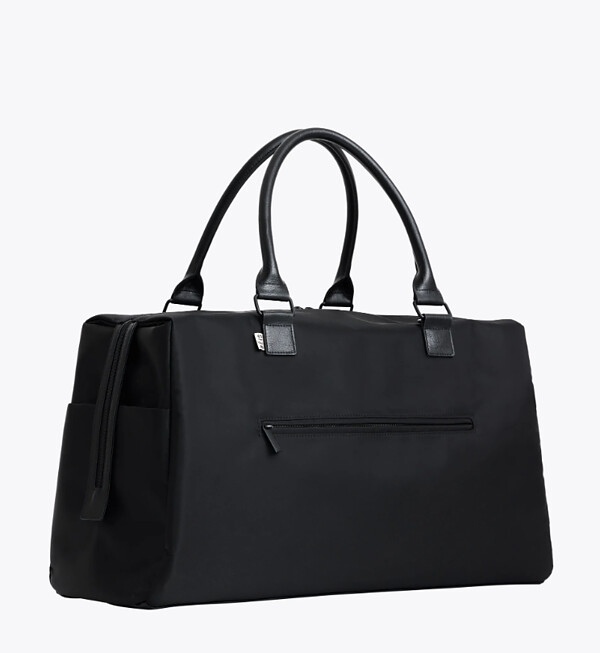
- Medium packing cubes
- Compression packing bag for coats
- Lightweight daypack
- Reusable shopping tote
Clothes
I build your outfits around removable layers so you can adapt from outdoor cold to heated interiors.
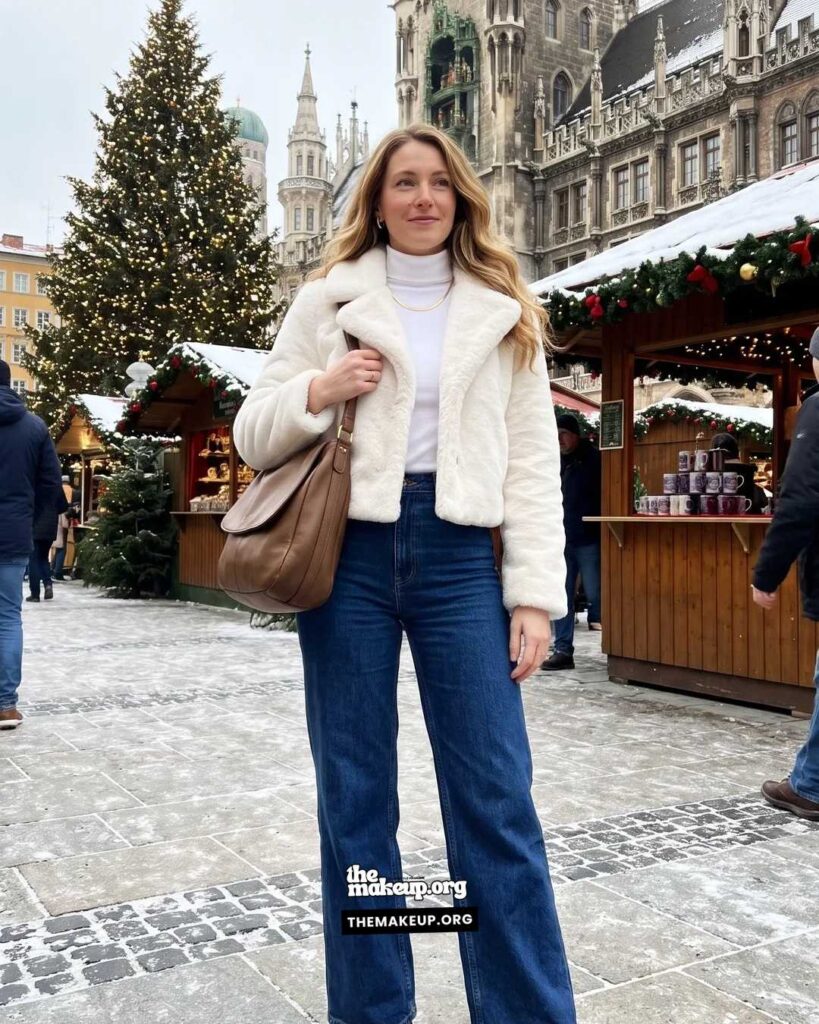
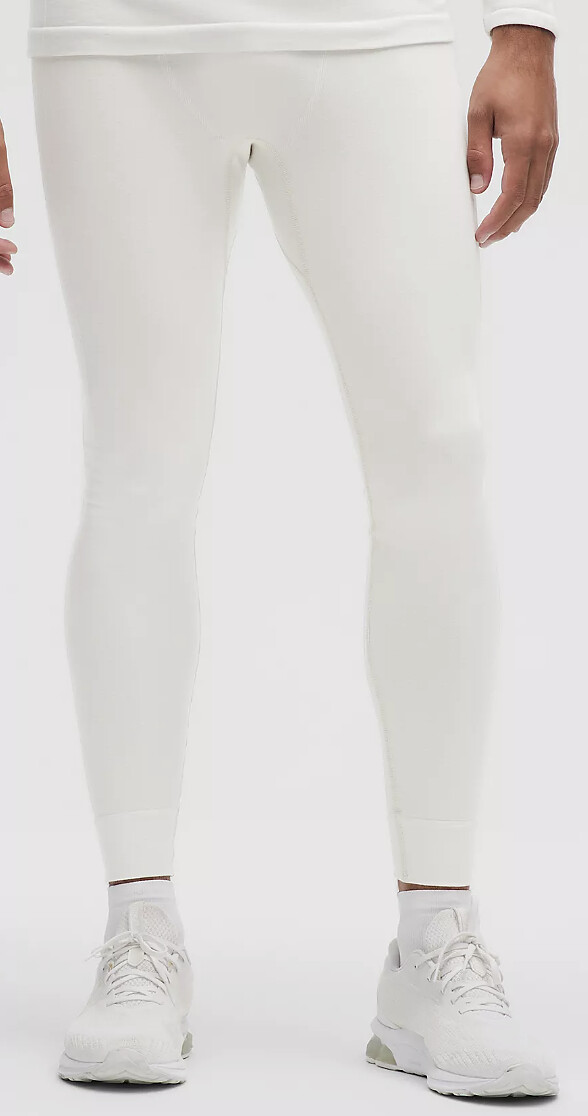
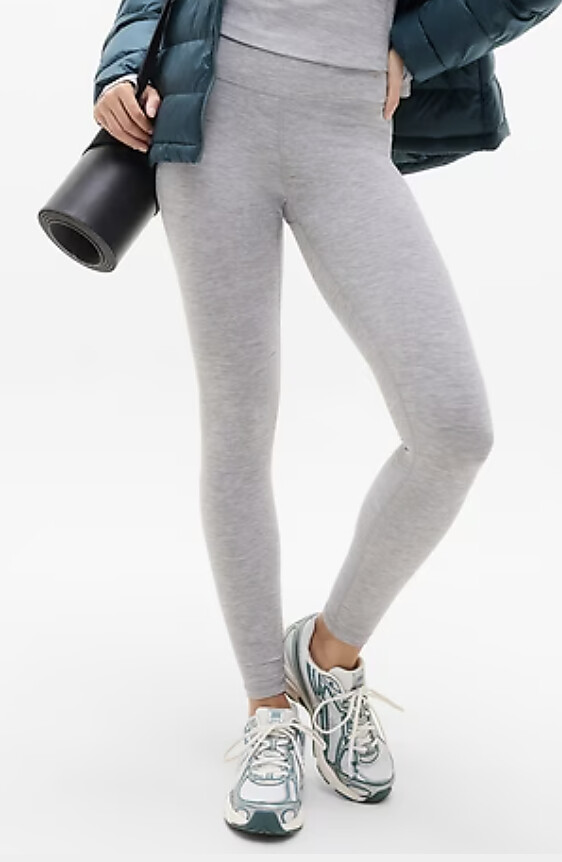
- Thermal leggings – Thermal leggings add an insulating layer under pants, keeping your legs warm in cold weather without bulky extra clothing. They help you stay comfortable outdoors and in drafty rooms.
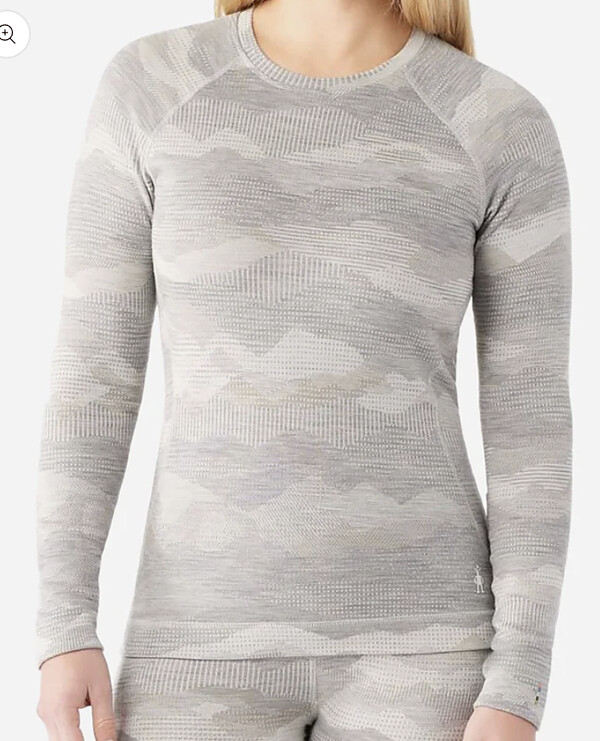
- Thermal base layer top – A thermal base layer top traps warmth under other clothes and reduces chill in cold weather. It also wicks sweat, helping you stay dry and avoid getting cold when active.
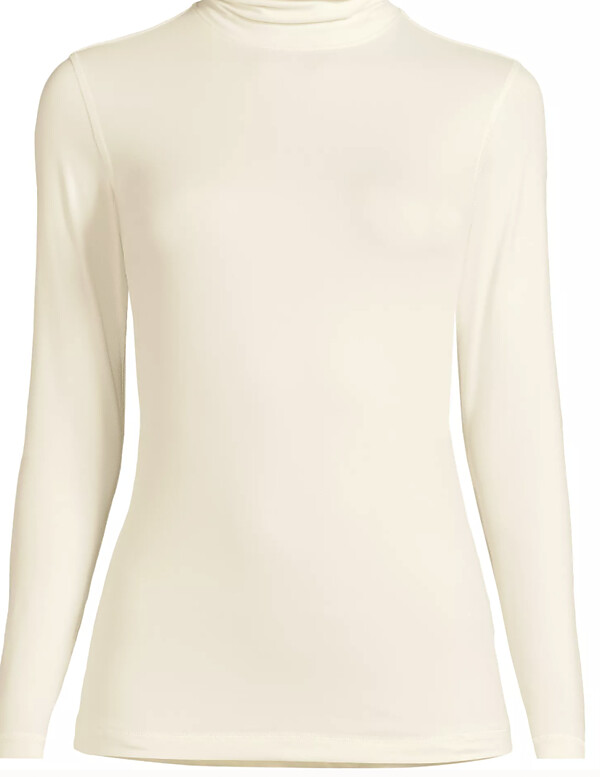
- Insulated winter coat with hood (1 PCS)
- Mid-layer fleece or wool sweater (2 PCS)
- Long-sleeve tops (2–3 PCS)
- Jeans or warm trousers (2 PCS)
- Sleepwear set (1 PCS)
- Underwear (5–7 PCS)
- Wool socks (4–6 PCS)
- Light scarf for indoor/outdoor transitions (1 PCS)
Shoes & Accessories
Cold feet and wet shoes ruin long city days here, so I prioritize traction and weather resistance.
- Waterproof sneakers – Waterproof sneakers block puddles and light rain, so feet stay dry and warm. They help prevent blisters and let you keep moving without stopping to change shoes.
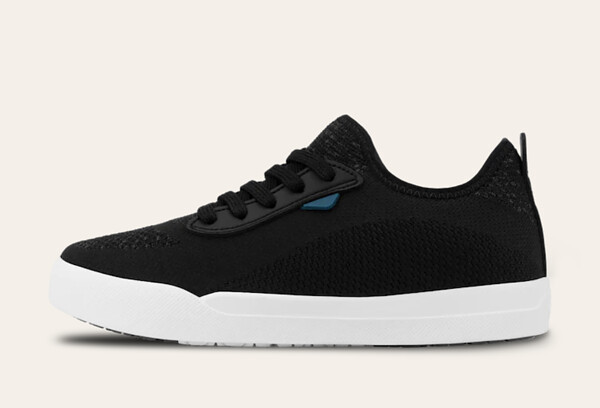
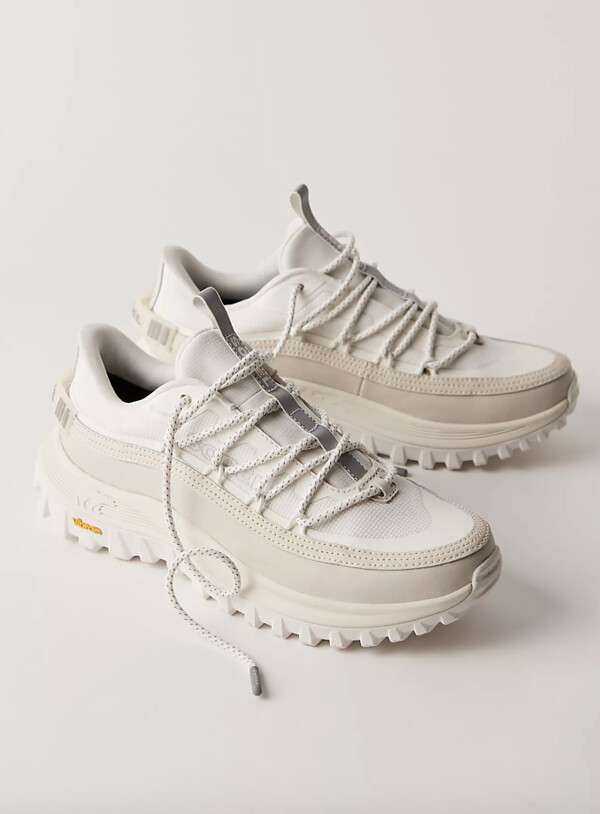
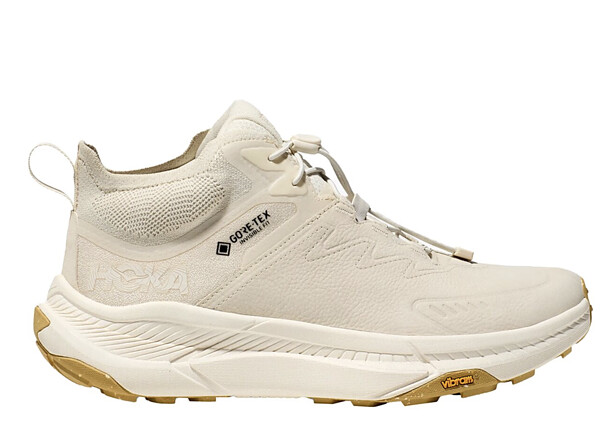
- Ankle boots – Ankle boots give extra ankle support and better traction than flats, so you feel steadier on uneven sidewalks. They also look put-together while still being comfortable for hours.
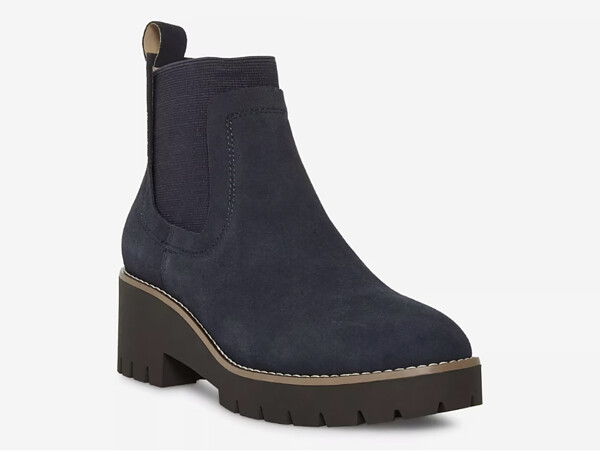
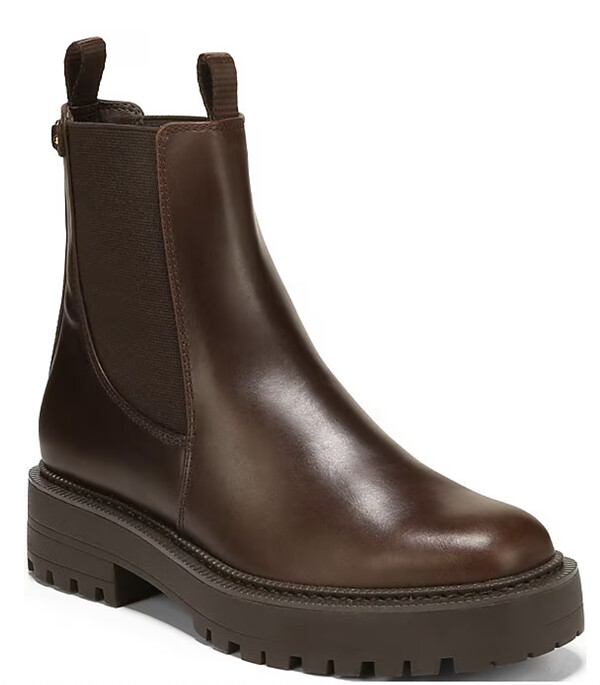
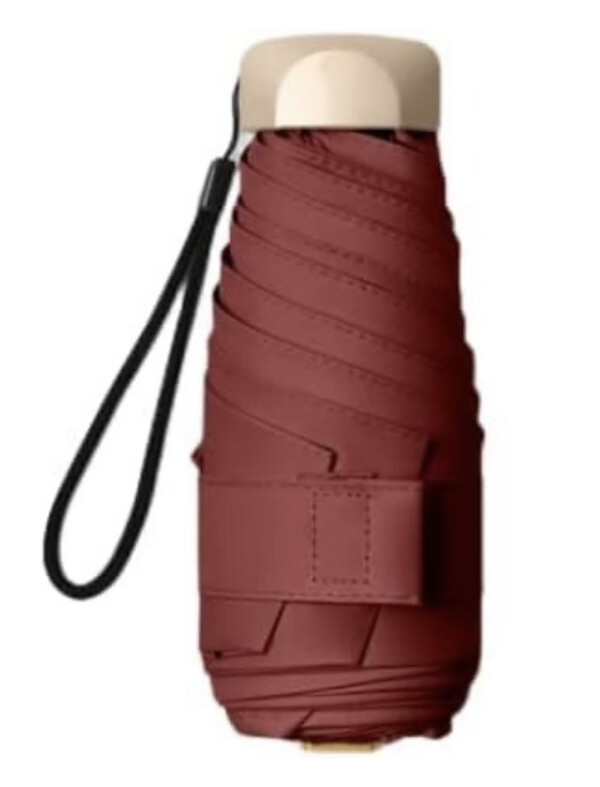
- Compact travel umbrella – Sudden rain is common, and a compact travel umbrella keeps you dry while waiting for transit or walking between stops. It folds small, so it fits in a day bag.
- Warm beanie (1 PCS)
- Touchscreen gloves (1 PCS)
- Thermal neck gaiter (1 PCS)
- Anti-slip shoe grips (1 PCS)
Beauty & Skincare
Winter air can feel drying, and heated indoor spaces can make your face feel tight fast.
- Travel hair dryer
- Hair straightener
- Gentle hydrating cleanser
- Rich face moisturizer
- SPF 30 face sunscreen
- Lip balm
- Hand cream
- Barrier cream for chafing and windburn
- Dry shampoo
Health & Hygiene
Between dry air and lots of walking, I plan for small problems like blisters and irritated noses.
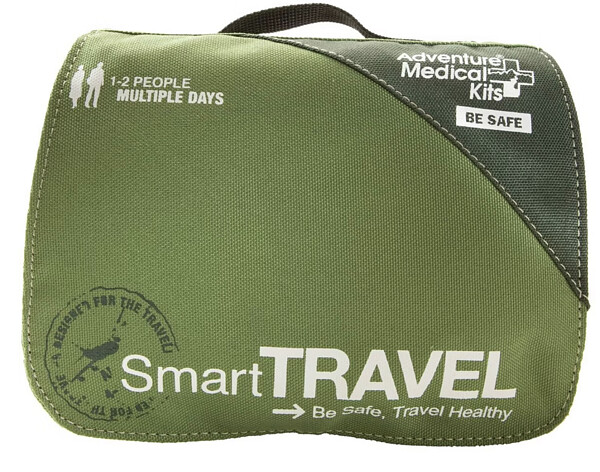
- Travel first aid kit – A travel first aid kit handles small cuts, blisters, and headaches fast, so minor issues don’t derail plans or force a pharmacy search when stores are closed.
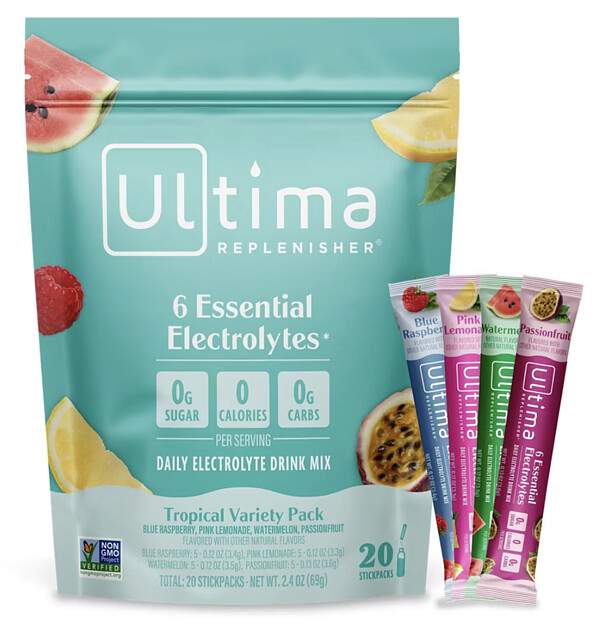
- Electrolyte powder – Electrolyte powder helps you rehydrate faster by replacing salts lost through sweat, heat, or diarrhea. It can reduce headaches and dizziness and helps you recover after flights or workouts.

- Blister plasters
- Personal prescription medications
- Travel-size tissues
- Alcohol hand gel
- Solid deodorant
- Travel toothbrush and toothpaste
Tech & Electronics
You will use your phone constantly for tickets, maps, and timing connections, so power and plugs matter.
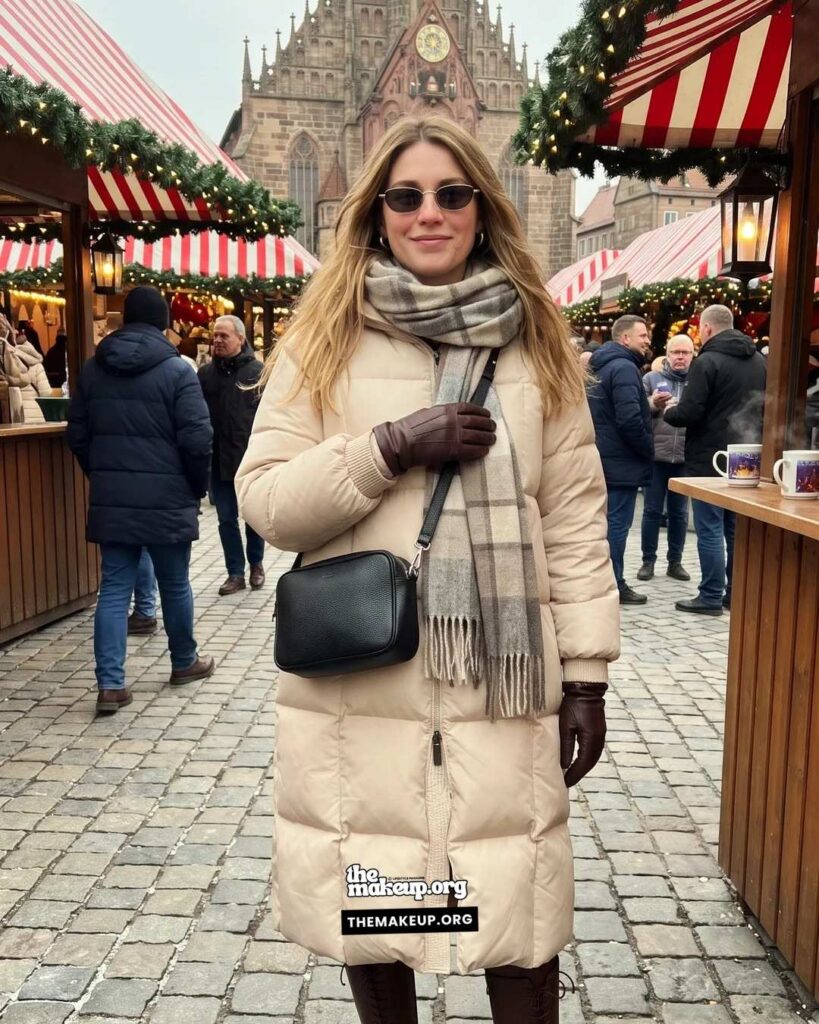
- Universal travel adapter – A universal travel adapter lets your plugs fit most foreign outlets, so you can charge your phone and laptop reliably. It saves you from hunting for the right plug type after arrival.
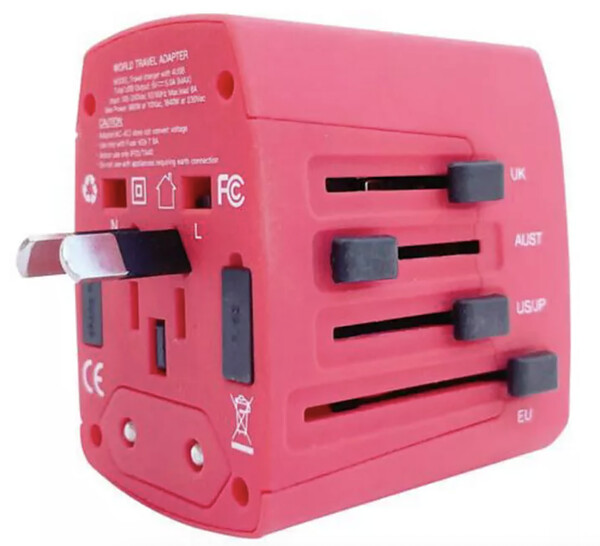
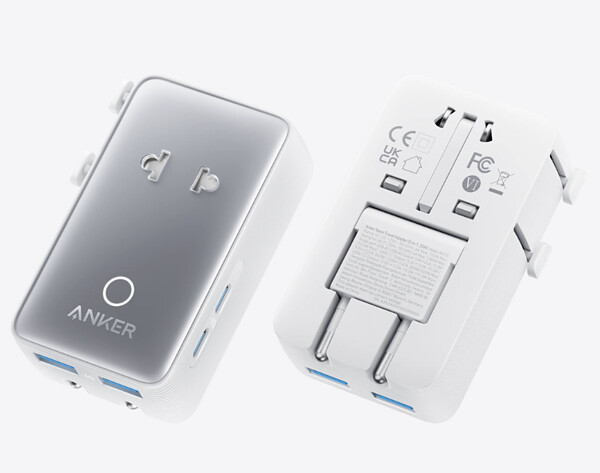
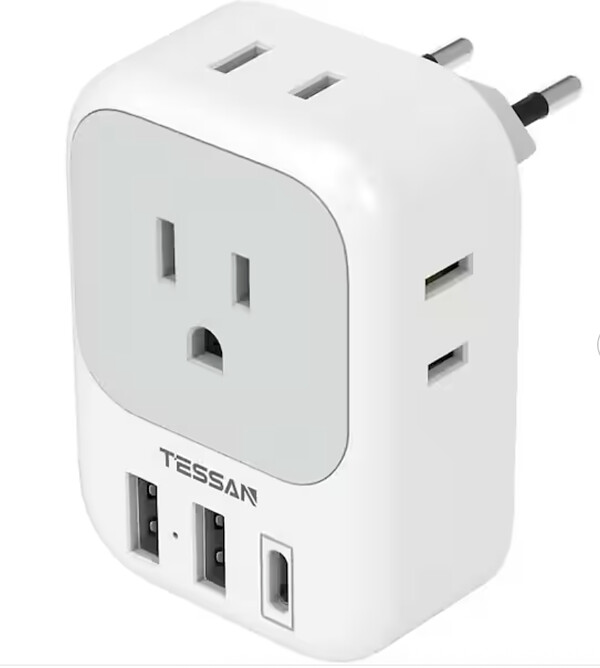
- Power bank – A power bank recharges your phone and earbuds when no outlet is available. It keeps maps, boarding passes, and messages working during long days out or delays.
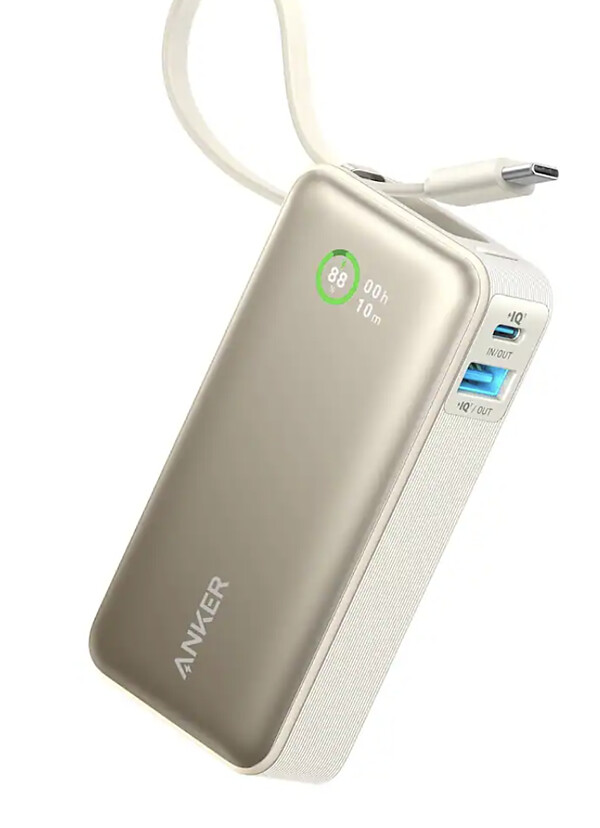
- Wall charger – Use it to charge your phone and other devices quickly from any outlet, which keeps you powered up at night and during long layovers.
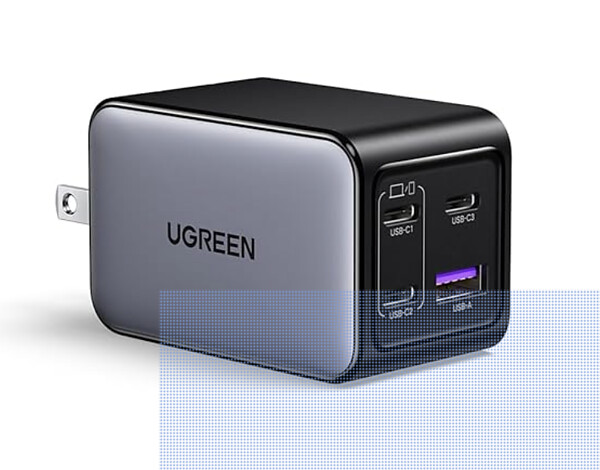
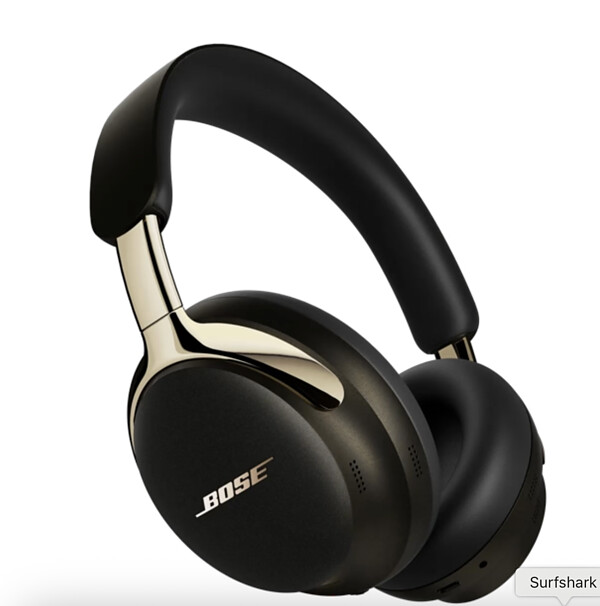
- Noise-cancelling headphones – Noise-cancelling headphones cut down engine noise and loud chatter, so you can rest or focus better. They also make music or videos easier to hear at lower volume.
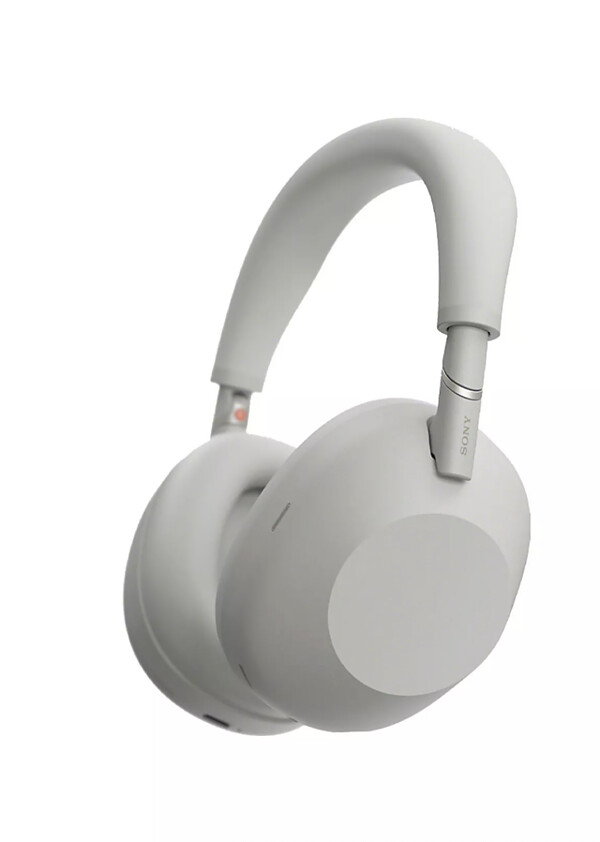
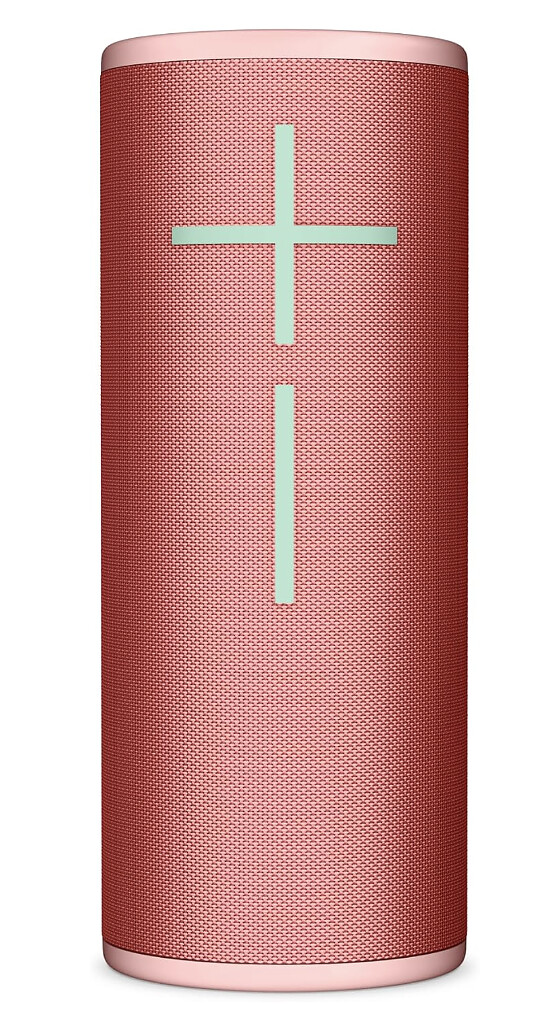
- Bluetooth speaker – Connects to your phone so you can play music or podcasts without using the phone’s speaker. It improves sound for shared rooms or outdoor spots and saves phone battery.

- E-reader – An e-reader holds many books in a small, light device, so you have plenty to read without extra weight. The screen is easier on your eyes than a phone.

- Smartphone
- Charging cables
- SIM or eSIM tool
Documents & Essentials
I like having these easy to grab because Winter travel often means moving quickly between stations and coats.
- Passport
- Wallet with contactless card and some cash
- Travel insurance details
- Phone with digital tickets and hotel confirmations
- Emergency contacts card
Comfort for the Journey
Long flights and train rides feel colder when you are sitting still, so I pack for warmth and rest.
- Neck pillow
- Eye mask
- Compression socks (1 PCS)
- Reusable water bottle
- High-protein snack bars
What to Leave at Home for Germany in Winter
A single oversized puffer coat sounds like a good idea until you are on a packed train with nowhere to put it. Germany in winter calls for a layering system, not bulk.
Leave the enormous coat at home and use a packable insulated jacket under a waterproof shell instead.

Heeled boots and fashion sneakers are also not worth the bag space. German city centers, particularly older areas, have uneven cobblestones and wet stone surfaces that make slippery-soled footwear genuinely difficult.
One pair of well-fitted, waterproof walking boots handles everything from Christmas markets to long transit days.
Smart Packing Tips for Germany in Winter
Pack your boots before anything else, then build the rest of the bag around them. Boots take the most space and are the hardest item to replace mid-trip if they do not fit or are not broken in.
Everything else is easier to adjust on the road.

Stick to a neutral color palette for your tops and mid-layers so everything mixes together. This lets you wear far fewer pieces without repeating the same look, which matters most on longer trips when you are relying on one or two checked bags or a single carry-on.
- Roll soft layers tightly to save space and reduce wrinkles
- Wear your heaviest items on travel days so they do not eat into your luggage weight
- Pack a small tote bag for day trips so you are not carrying a full backpack everywhere
- Keep hand warmers in your coat pocket for outdoor markets and long waits
How Many Outfits to Pack for Germany in Winter
For a trip of five to seven days, four or five tops, two bottoms, and one or two dresses or nicer options for evenings out is usually enough. Most German hotels and many short-term apartments have laundry access, so you can refresh items mid-trip on longer stays.
Shoes are the item most people overpack. Two pairs is almost always enough: one waterproof walking boot for daily use and one slightly smarter option for dinners or indoor time.
A third pair rarely gets worn and adds real weight.
- Tops: 4-5, in colors that all work together
- Bottoms: 2, one casual and one slightly smarter
- Shoes: 2 pairs maximum
- Thermal base layers: 2 sets, worn and rotated
- Scarves and gloves: 1 set each, with a backup pair of gloves if you run cold
FAQ: Packing for Germany in Winter
What should I pack for Germany in winter?
Focus on a layering system: thermal base layers, a fleece or light insulated mid-layer, and a waterproof outer shell. Add warm accessories and waterproof walking boots.
These basics cover cold streets, heated interiors, and everything in between.
Is Germany very cold in winter?
Yes, Germany winters are genuinely cold, especially in January and February. Temperatures often stay below 5°C during the day and drop further at night.
Snow is possible in many regions, and damp air makes it feel colder than the number suggests.
Do I need a heavy coat for Germany in winter?
You need warmth, but a layering system works better than one heavy coat. A mid-layer under a waterproof insulated shell gives you more flexibility when you move between cold outdoor spaces and warm heated buildings throughout the day.
What shoes should I wear in Germany in winter?
Waterproof boots with a grippy sole are the right call. Many German city streets are cobbled or made of smooth stone, and both get slippery when wet or icy.
Break your boots in before you leave so you can walk comfortably all day.
Can I use a carry-on for a Germany winter trip?
Yes, with discipline. The key is wearing your heaviest items on travel days and sticking to a tight layering system instead of packing multiple bulky pieces.
A well-planned carry-on for a week in Germany is very doable.
What do people wear in Germany in winter?
Locals tend to dress practically and in dark or neutral tones. You will see a lot of well-fitted coats, scarves, and waterproof boots.
Smart-casual works well for most situations, and you will not feel out of place in simple, warm, well-put-together layers.
Should I pack an umbrella for Germany in winter?
A compact umbrella is worth packing, but it is not the most important rain protection. A waterproof outer layer with a hood is more useful on windy days when an umbrella becomes difficult to manage.
Bring both if you have room.