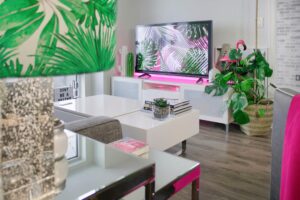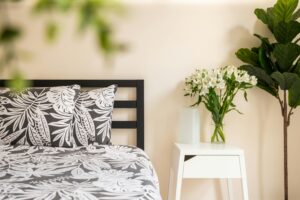
Are you a new plant parent wondering how to arrange indoor plants in your home without making it look cluttered? Here are some practical tips to help you style your indoor greenery beautifully!
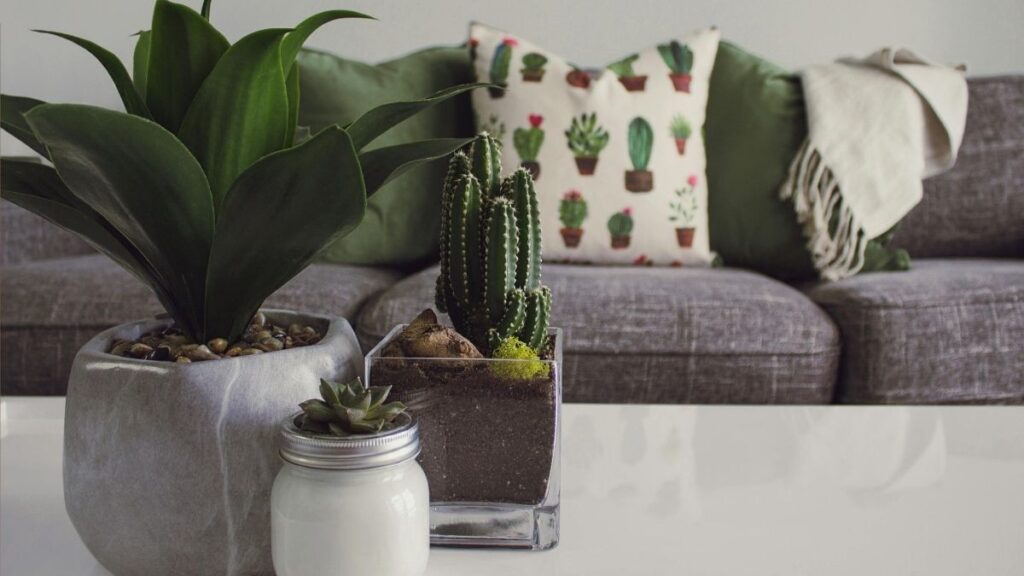
Create a Plant Corner
Designate a specific area in your home as a plant corner. Group medium—to larger plants together near a window to ensure they get enough light. For added texture, use different planters, such as concrete, woven baskets, or terracotta pots.
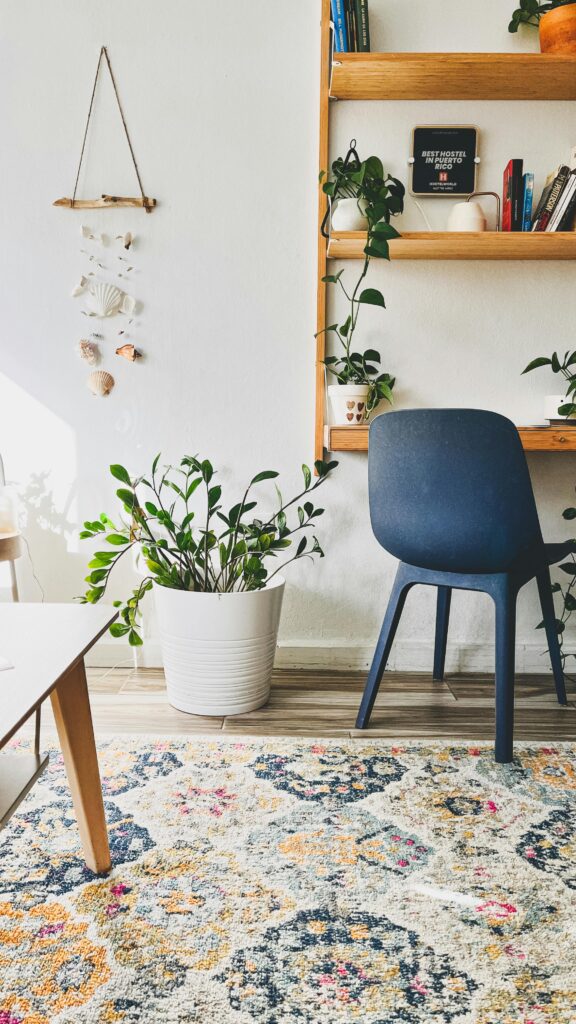
- Placement: Arrange plants near windows to maximize natural light.
- Variety: Mix tall and large plants for visual interest.
- Decor: Incorporate planters as decor elements in your space.
- Height: Use stools or plant stands to add height to your plant arrangement.
Arrange Plants Around Statement Furniture
Place indoor plants around statement furniture to enhance its look. Opt for tall and large plants next to items like mirrors or bar carts to create a striking visual impact.
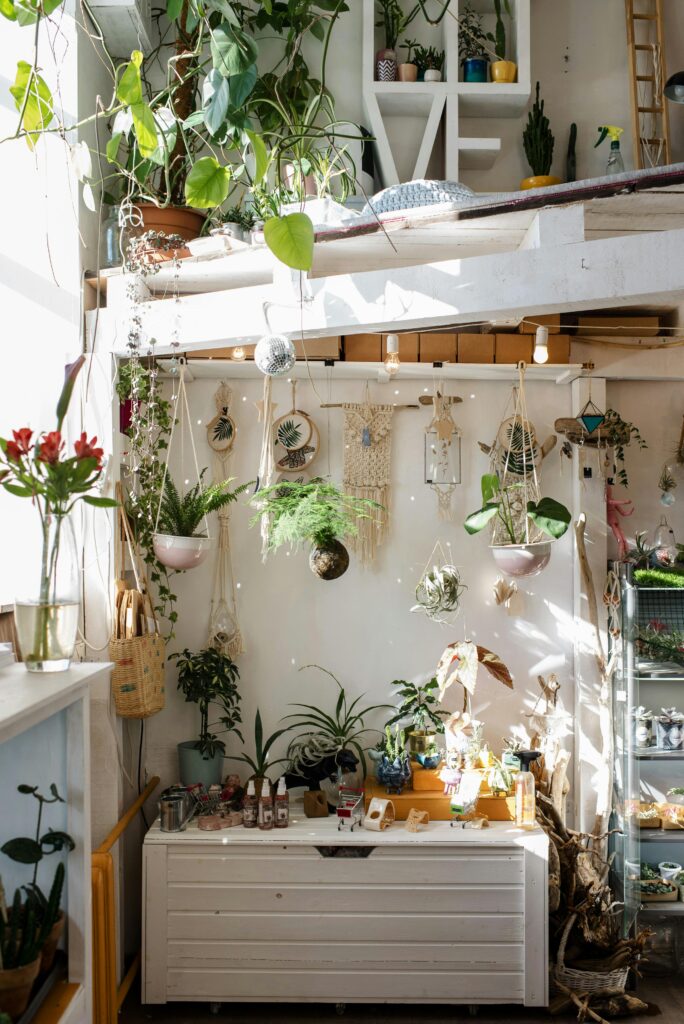
- Placement: Position plants strategically around furniture pieces.
- Contrast: Use plants to complement the style of your furniture.
- Balance: Avoid overcrowding by limiting the number of plants around furniture.
Create a Focal Point by the Entryway
Decorate your entryway with indoor plants to create a warm and inviting atmosphere. Place tall plants next to consoles or smaller plants with decorative items like lamps and books.
- Warmth: Use plants to make your entryway more welcoming.
- Size: Choose plants that fit the scale of your entry space.
- Low Light Options: Select low-light plants like snake plants for entryways.
Arrange Small Plants on Shelves
Incorporate small or trailing plants to add depth and color to your shelves. For a stylish look, mix indoor plants with decorative objects like candles, vases, or books.
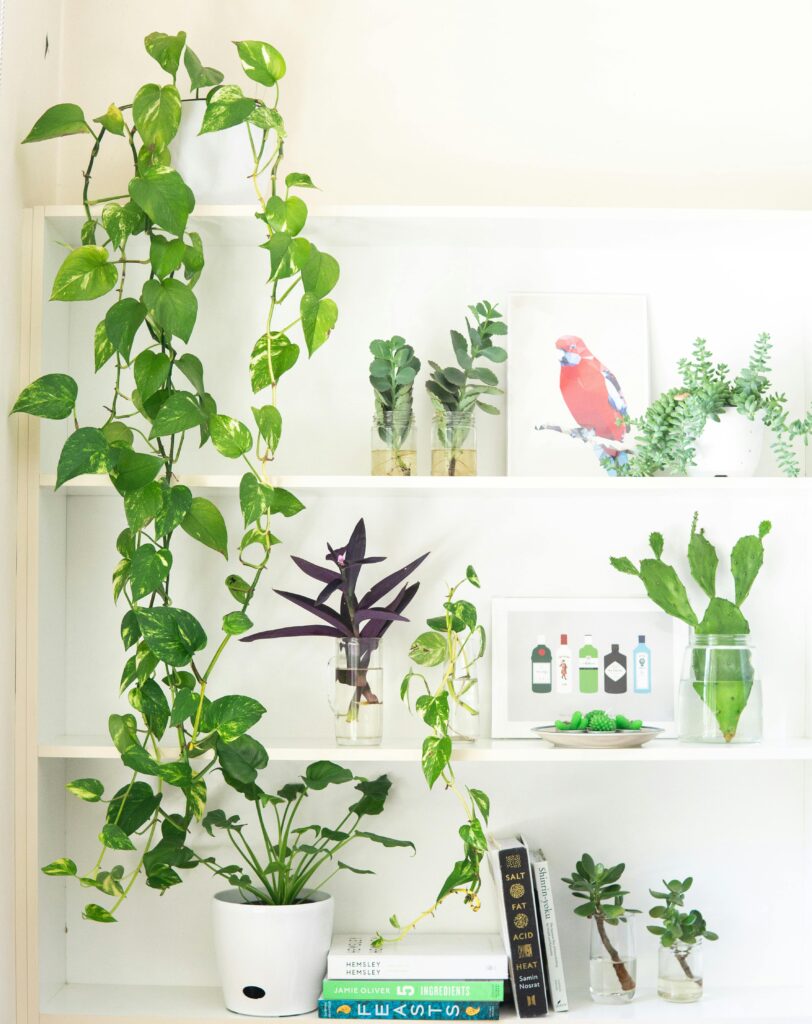
- Depth: Use trailing plants to add dimension to your shelves.
- Color: Add pops of greenery to neutral-colored spaces.
- Functionality: Grow herbs in your kitchen for both decor and culinary use.
Use Plants as Table Centerpieces
Use indoor plants as table centerpieces to make a statement. Pair a large plant with a beautiful vase for a minimalist yet impactful look.
- Focus: Choose one plant as the centerpiece to avoid clutter.
- Texture: Opt for lush plants like eucalyptus for visual interest.
- Maintenance: Consider using faux plants for a low-maintenance option.
Style a Vignette in Your Home
Arrange indoor plants creatively to transform unused spaces into plant displays. Use legged planters or stands to showcase plants in tight spaces.
- Utilization: Make use of empty spaces for plant arrangements.
- Creativity: Experiment with different plant varieties and arrangements.
- Balance: Ensure plants complement the overall aesthetic of the space.
Beginner’s Guide to Purchasing Indoor Plants
Not sure which indoor plants to start with? Here are some beginner-friendly options:
- Monstera Deliciosa: Ideal for bright corners, this plant adds a tropical touch to any room.
- ZZ Plant: Perfect for forgetful waterers, this plant is resilient and easy to care for.
- Peace Lily: Adaptable to various light conditions, this plant thrives as a coffee table centerpiece.
- Pilea: Compact and adorable, this plant is great for small spaces like coffee tables.
- Snake Plant: Low-light tolerant and low-maintenance, this plant suits various environments.
- Autumn Fern: With its organic texture, this plant adds a touch of natural elegance to dining table centerpieces.
- Orchids: Elegant and timeless, orchids make stunning dining table centerpieces in minimalistic pots.
Arranging indoor plants in your home is a fun and rewarding way to enhance your space. Experiment with different layouts and plant varieties to find what works best!