
Most tourists heading to Ireland in October pack for one kind of weather and get caught by three. Locals carry a compact waterproof jacket every single day, not just on rainy mornings, because a dry afternoon can turn wet within the hour.
Your Ireland October packing list needs to work across city streets, coastal walks, and pub evenings, often all in the same day. The pieces that do that best are re-wearable, quick-drying, and easy to layer.
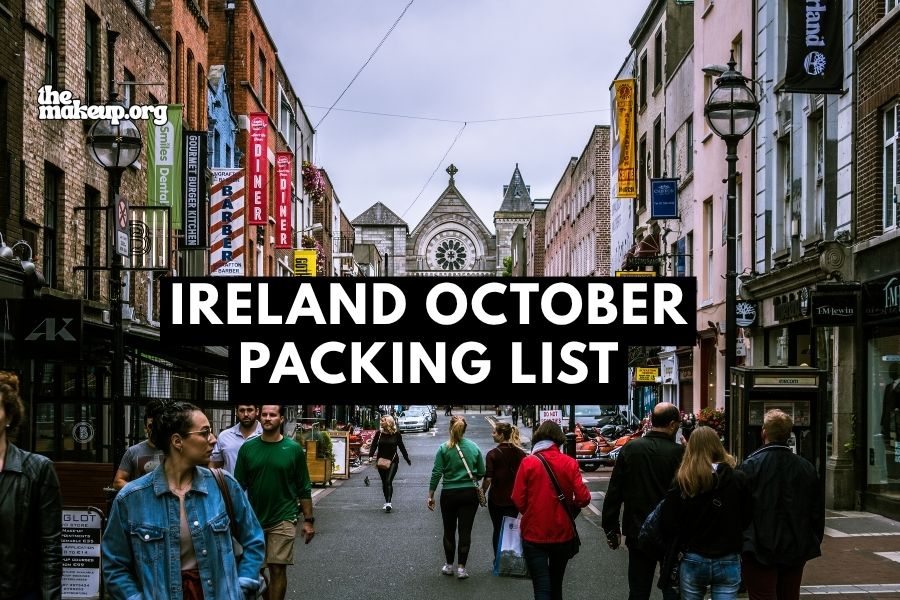
I would bring one good waterproof outer layer and build everything else around it. Black and brown basics mix and match well here, and they carry you from daytime exploring straight into dinner without a full outfit change.
Note: This list is a starting point. Adjust it for your specific itinerary and trip length.
Packing smart will help you make the most of your trip. Here’s everything you need to bring for a comfortable and stylish adventure.

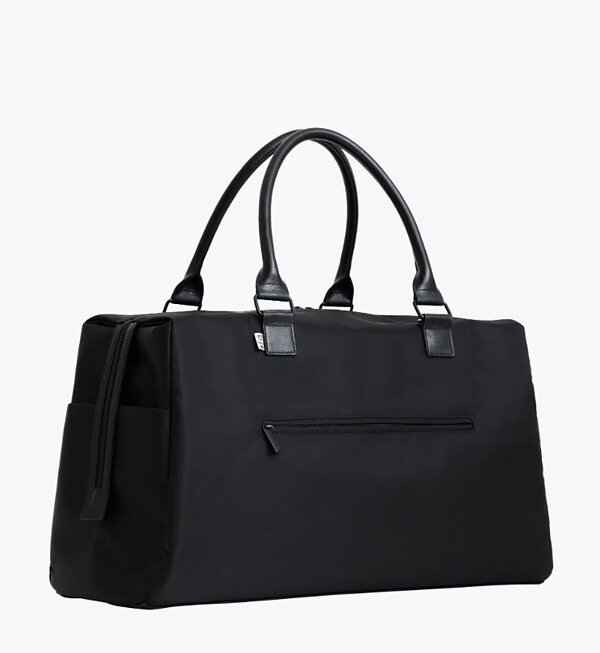
Carry-On Suitcase / Travel Bag Duffle / Portable Steamer / Packing cubes / Luggage scale / Wireless Noise-Cancelling Headphones / Speaker / Portable Charger / Universal Travel adapter / Compact Hair Dryer / Eye Mask / Waterproof Toiletry Bag Hanging / Zipper Pouch / Water BOTTLE / Liquid I.V. Hydration Vegan
Quick Take
- 🌡️ Weather: During October in Ireland, temperatures typically range between 9°C and 14°C (48°F–57°F)
- 🧳 Pack: waterproof jacket, warm mid-layers, sturdy walking shoes, quick-dry bottoms
- ⚠️ Don’t forget: a compact umbrella or rain cover for your bag, since showers arrive without warning
- 🚫 Skip: heavy bulky coats, layering works better and saves real space in your bag
- ⏱️ 3 min read · full checklist below

What Is the Weather Like in Ireland in October?
October in Ireland typically sits around 9°C to 14°C (48°F–57°F), and it often feels cooler when conditions turn damp. I pack layers you can add quickly, plus outerwear that handles sudden showers, especially along the coast.
How to Pack Light for Ireland in October
The key to a lighter bag for Ireland in October is choosing pieces that work in multiple situations. A waterproof jacket over a mid-layer covers most of what the weather will throw at you, so you do not need a separate rain layer and a separate warm layer.
- 3-4 mix-and-match tops in neutral colors
- 2 pairs of versatile bottoms
- 1 waterproof outer jacket
- 1-2 warm mid-layers such as a fleece or cardigan
- 1 pair of waterproof or water-resistant walking shoes
- Travel-size toiletries
- One compact backpack or daypack for excursions
What To Pack For Ireland In October
Luggage & Packing Tools
If you want more options to have everything organized and well packed, take a look at these suggestions.

1. Rolling Backpack / 2. Luggage (large) / 3. Luggage (small) / 4. Toiletry Bag / 5. Beach Bag / 6. Backpack / 7. Packing Cubes
I like tools that keep rain-damp items separate and make daily repacking fast in small hotel rooms.
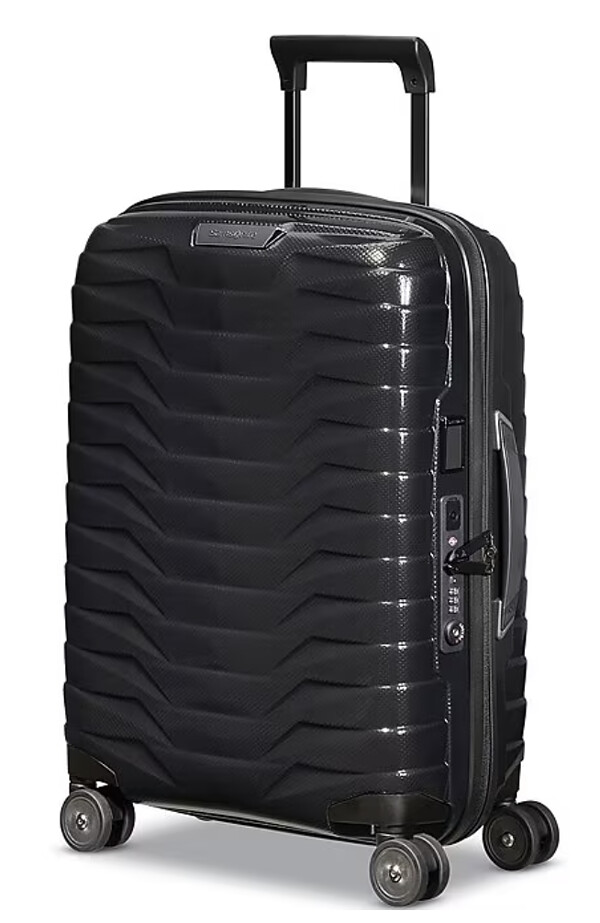
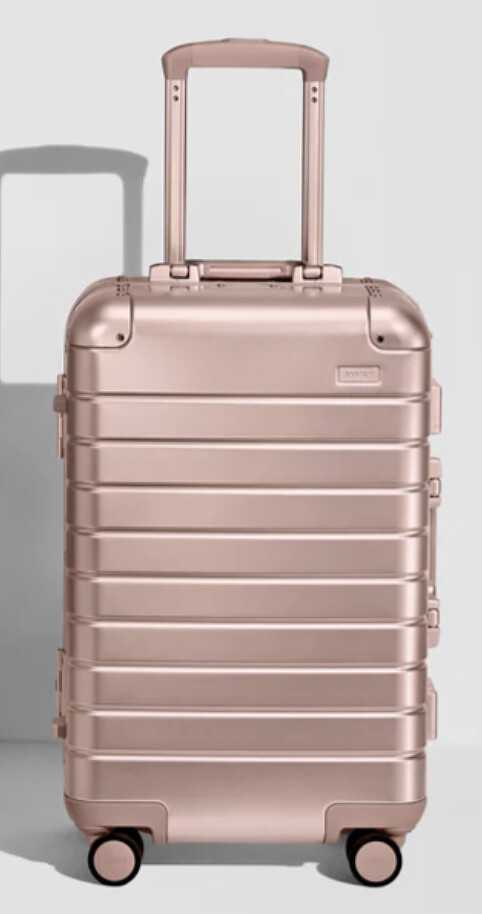
- Carry-on suitcase – A carry-on suitcase keeps essentials with you and meets most airline size limits, so you avoid checked-bag fees and reduce the chance of lost luggage.
- Medium packing cubes
- Waterproof dry bag
- Luggage ID tags
- Lightweight daypack
Clothes
You will be warmer with a few smart layers than with one bulky coat you can’t adjust.
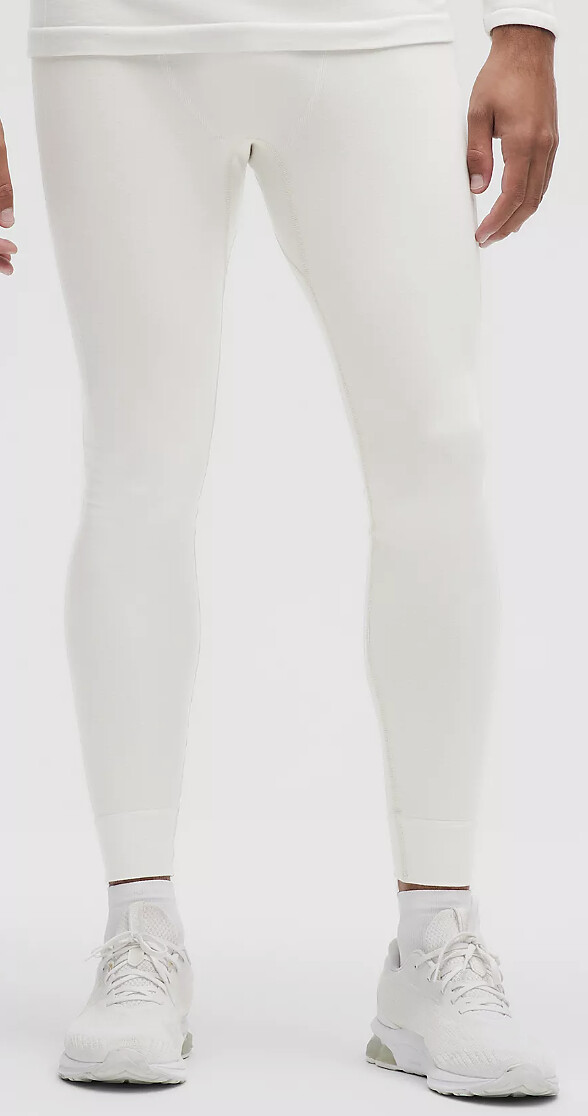
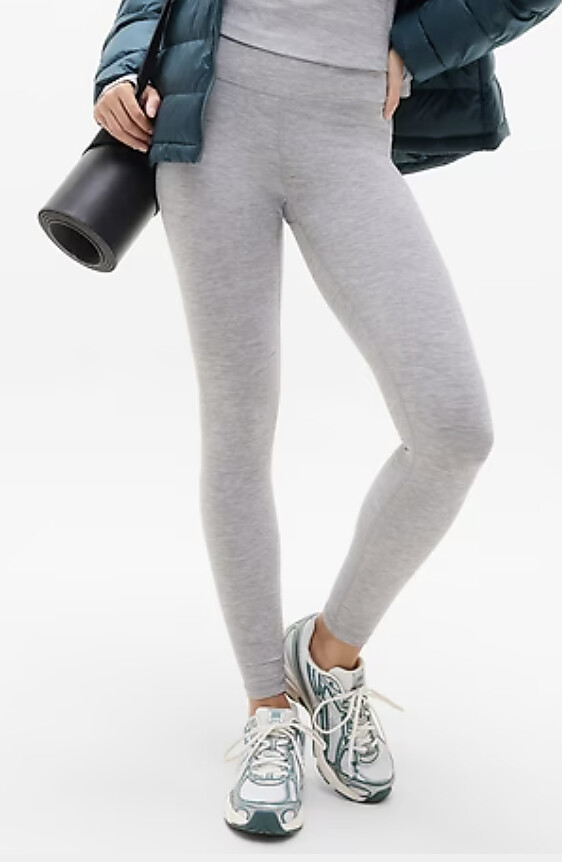
- Thermal leggings – Thermal leggings add an insulating layer under pants, keeping your legs warm in cold weather without bulky clothing. They also wick sweat, so you stay warmer when active.
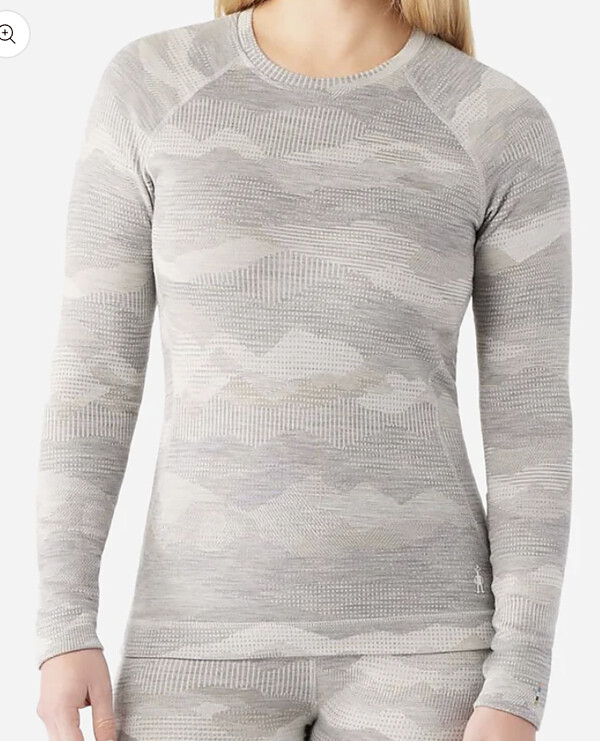
- Thermal base layer top – Thermal base layer top holds heat close and wicks sweat, keeping you warmer without feeling damp. It also layers smoothly under other clothes without adding bulk.
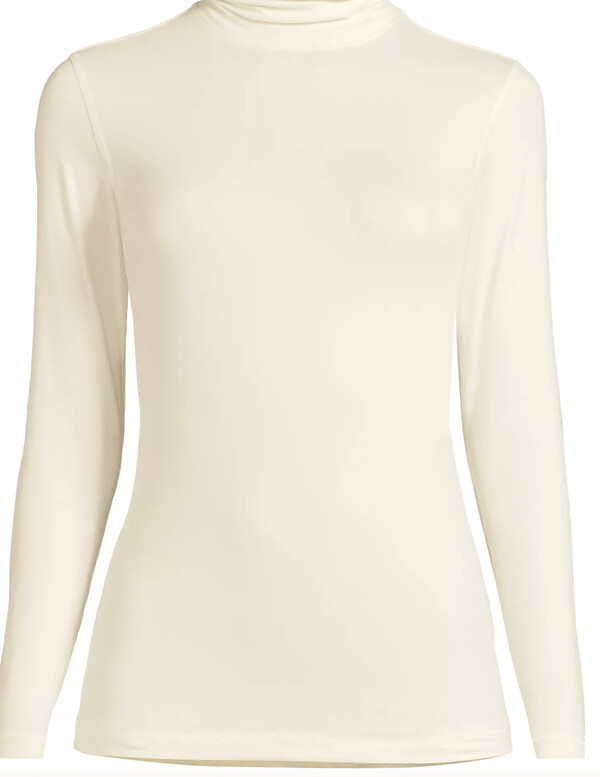
- Waterproof hooded rain jacket (1 PCS)
- Midweight fleece or wool sweater (2 PCS)
- Long-sleeve tops (2–3 PCS)
- T-shirts for layering (2 PCS)
- Jeans or travel trousers (2 PCS)
- Socks, wool or hiking (4–5 PCS)
- Sleepwear (1 PCS)
Shoes & Accessories
I plan for wet pavement and long walking days, so your feet stay dry and blister-free.
- Waterproof sneakers – Waterproof sneakers keep your feet dry in rain, puddles, and wet grass, so you stay comfortable and avoid soaked socks when you still need to walk.
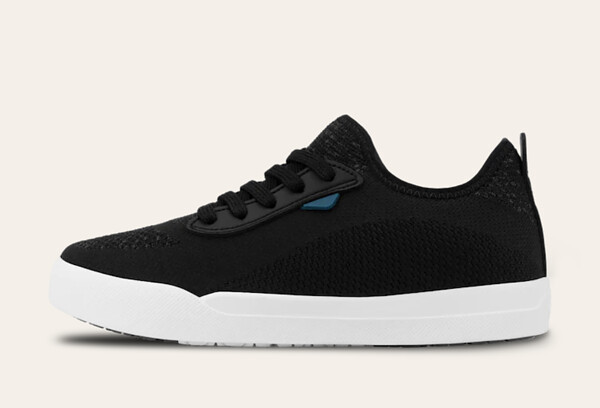
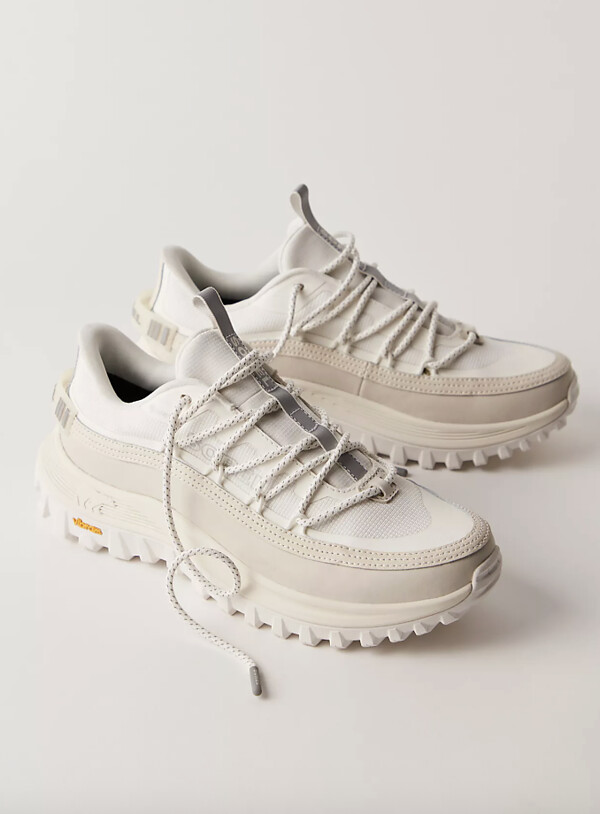
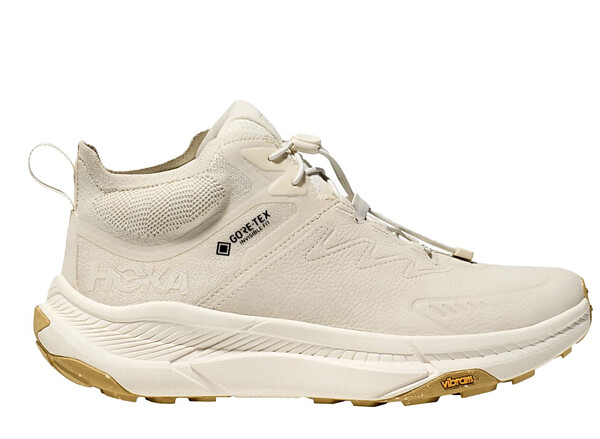
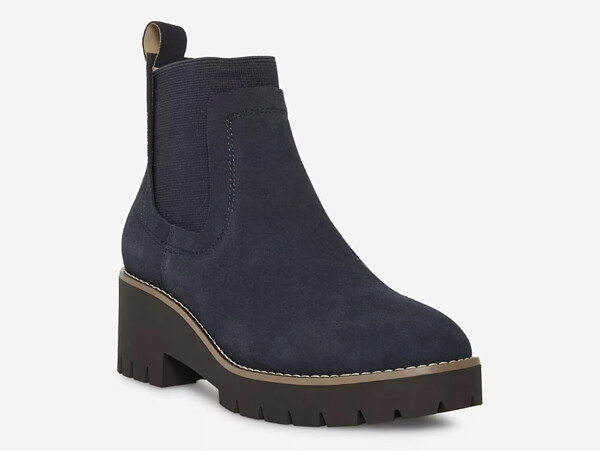
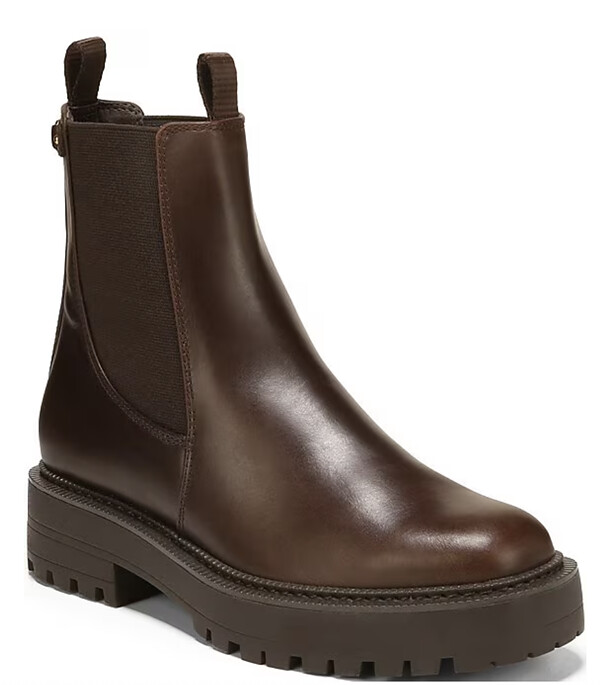
- Ankle boots – Ankle boots give ankle support and better traction, which helps on uneven streets and wet weather. They also work with casual or nicer clothes, so you need fewer shoes.
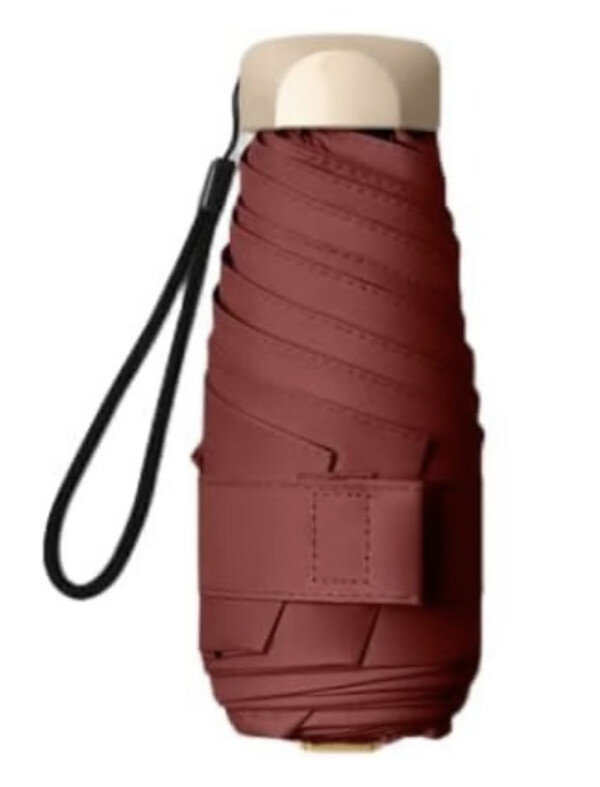
- Compact travel umbrella – A compact travel umbrella fits in a day bag and gives quick cover from rain, keeping your clothes and phone dry when weather changes.
- Warm beanie (1 PCS)
- Scarf (1 PCS)
- Touchscreen gloves (1 PCS)
- Crossbody bag with zipper (1 PCS)
Beauty & Skincare
Cool, damp air and indoor heating can leave skin tight, so I keep hydration and barrier care simple.
- Travel hair dryer
- Hair straightener
- Gentle face cleanser
- Rich moisturizer
- Hydrating lip balm
- Broad-spectrum SPF 30+
- Water-resistant mascara
- Dry shampoo
- Hair serum or anti-frizz cream
Health & Hygiene
With lots of walking and changeable conditions, I like having basics that prevent blisters and handle small issues fast.
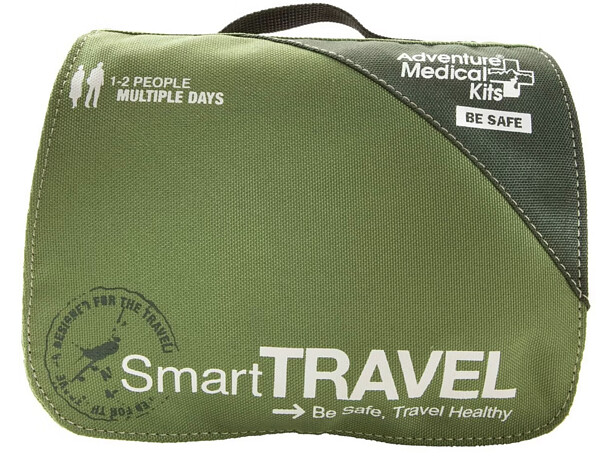
- Travel first aid kit – A travel first aid kit covers cuts, blisters, and minor pain so you can treat problems fast. It saves time and money when pharmacies are closed or far away.
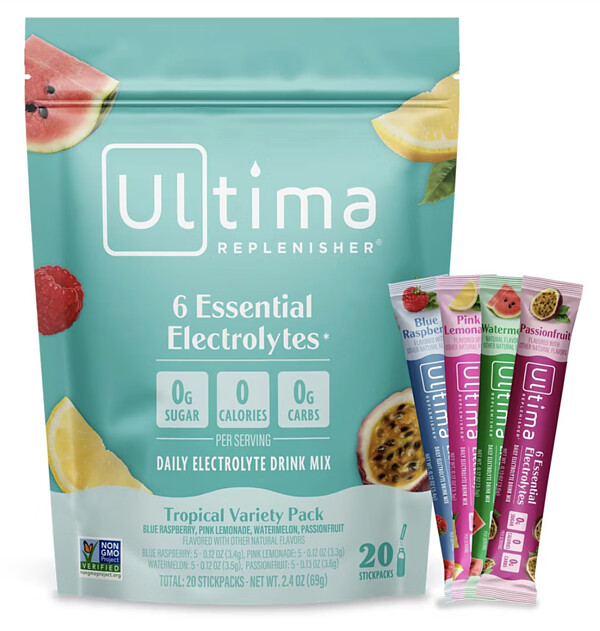
- Electrolyte powder – Electrolyte powder replaces salts lost through sweat, vomiting, or diarrhea, helping you rehydrate faster than water alone. It can reduce headaches, dizziness, and low energy in heat or long travel days.

- Blister plasters
- Pain relievers
- Any prescription medications
- Hand sanitizer
- Travel-size tissues
- Deodorant
Tech & Electronics
Between navigation, tickets, and photos, your phone works hard here, so power and plugs matter.

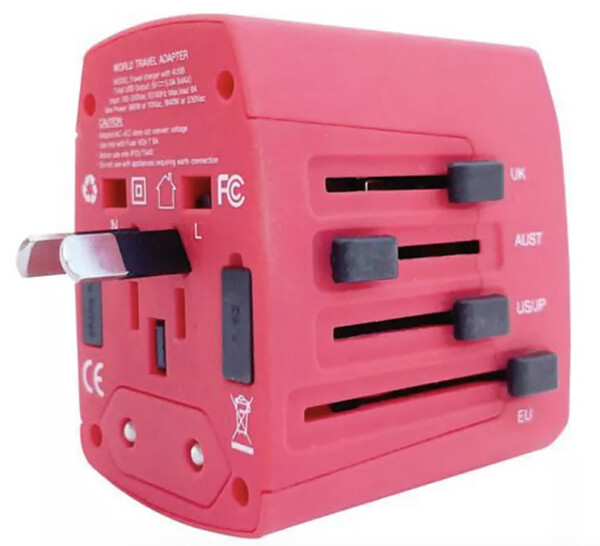
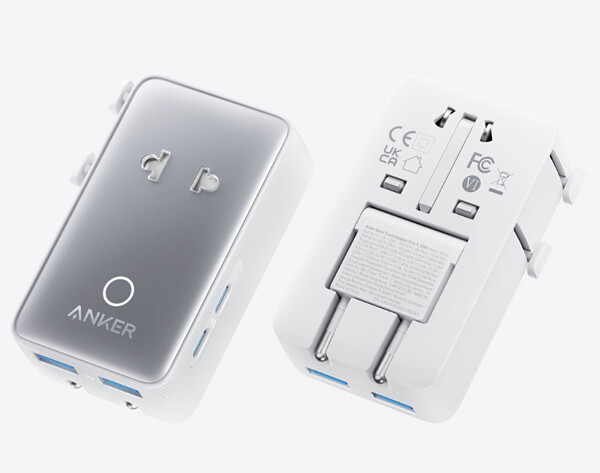
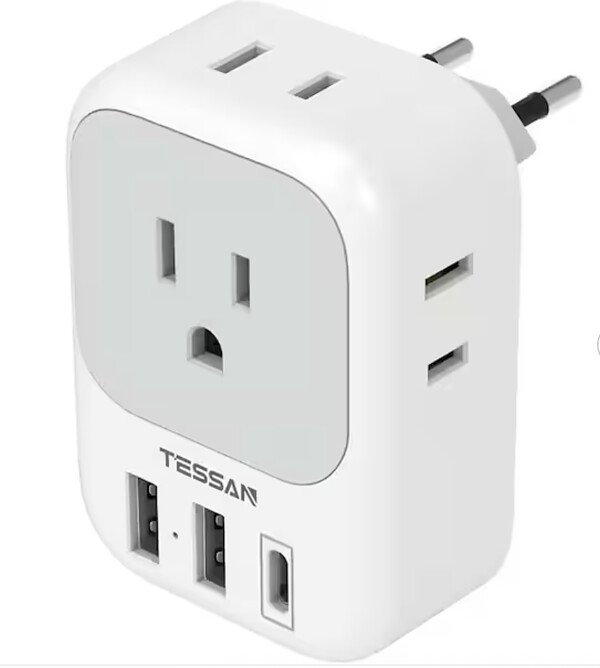
- Universal travel adapter – A universal travel adapter lets your plugs fit different outlets, so you can charge phones and laptops in most countries. It reduces the chance of being stuck with dead devices.
- Power bank – A power bank recharges your phone and other USB devices when no outlet is available, so maps, tickets, and messages keep working when your battery runs low.
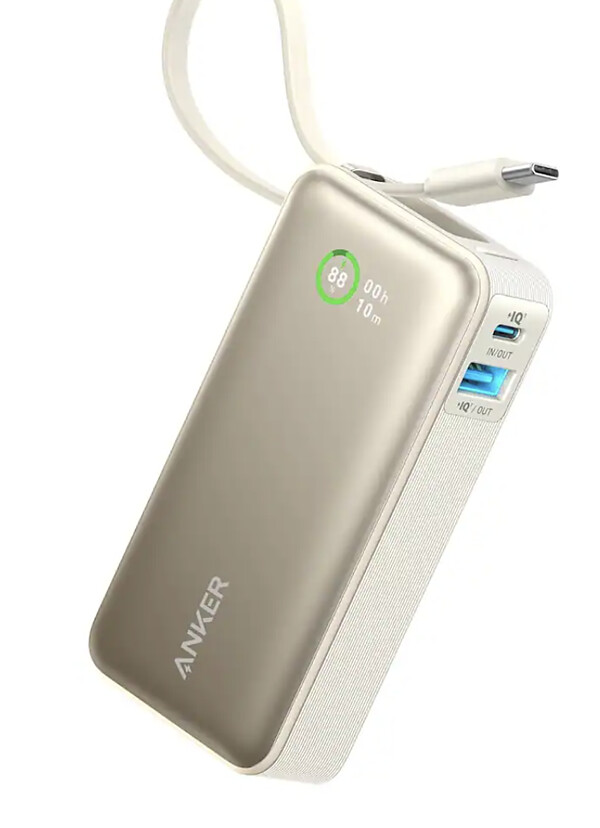
- Wall charger – Wall charger plugs into an outlet to charge your phone, tablet, and other devices. It gives faster, steadier power than many USB ports in airports or cafés.

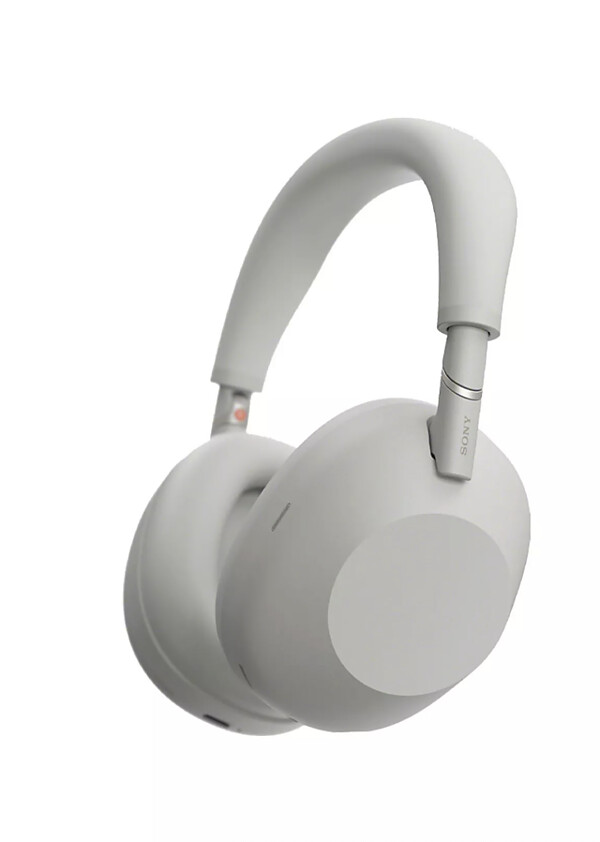
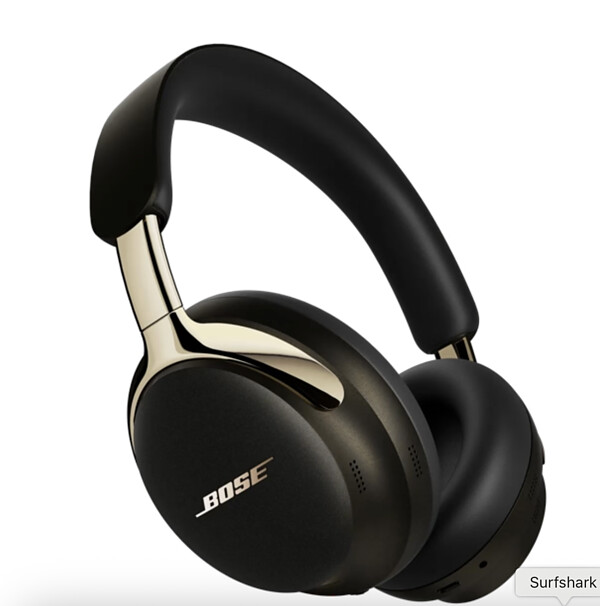
- Noise-cancelling headphones – They reduce background noise so you can sleep, focus, or listen at lower volume. They also make loud airports and shared rooms less stressful.
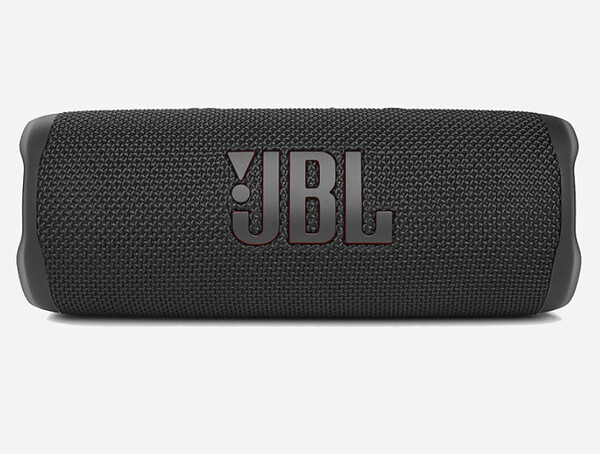
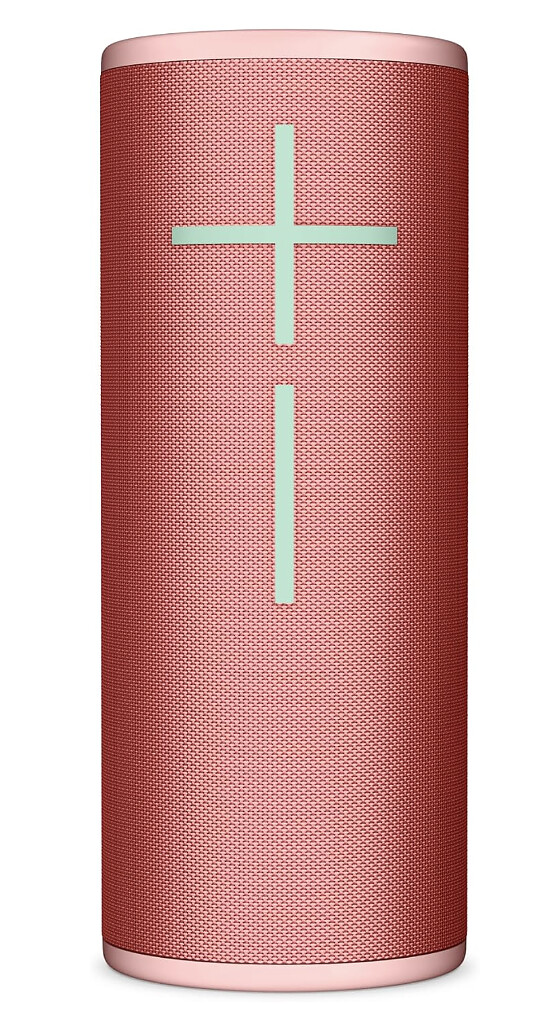
- Bluetooth speaker – A Bluetooth speaker plays music or podcasts from your phone without sharing earbuds, and it makes hotel rooms or outdoor hangouts feel more lively.
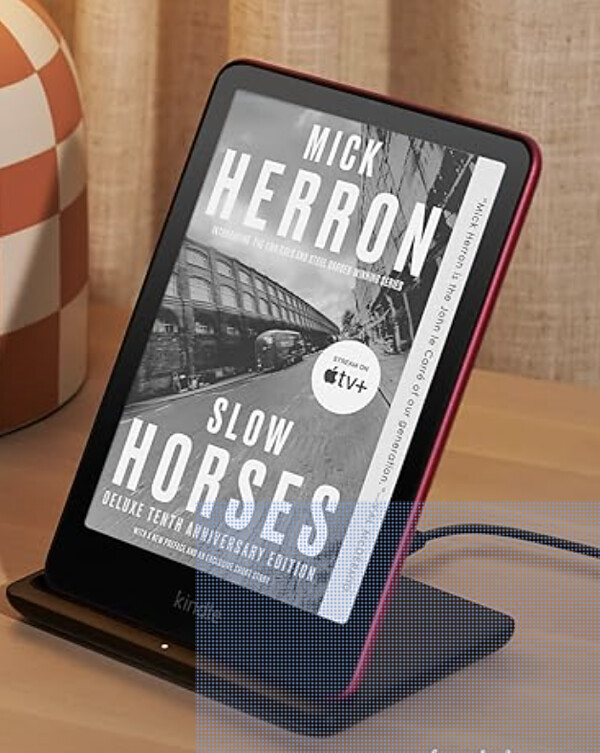
- E-reader – An e-reader stores many books in one light device, so you can read anywhere without carrying heavy paperbacks. The screen is easier on your eyes in bright sun.
- Phone charging cable
- Water-resistant phone case
Documents & Essentials
I keep these in one easy-to-reach spot, because you will use them at check-in, on transit, and at hotels.
- Passport
- Payment cards
- Travel insurance details
- Driver’s license (if renting a car)
- Reservations and tickets screenshots
Comfort for the Journey
Flights and buses can run warm or chilly, so a few comfort pieces make arrival day feel easier.
- Neck pillow
- Sleep mask
- Refillable water bottle
- Compression socks (1 PCS)
- Reusable earplugs
What to Leave at Home for Ireland in October
A heavy winter coat takes up more space than it earns in October. Temperatures are cool but not freezing, and a good waterproof jacket with a fleece underneath handles the coldest days comfortably without the bulk.
Sandals and light summer shoes are not worth packing either. Paths along the coast and city pavements in Dublin and Galway are often wet, so open shoes will leave your feet cold and damp within the first hour.

Stick to footwear that can take some rain.
Smart Packing Tips for Ireland in October
Neutral colors like black, grey, brown, and navy are genuinely useful here. They mix together easily, so four tops can produce far more outfit combinations than four tops in bright or clashing shades.
Pack your rain jacket in a spot you can reach without opening your whole bag. When the weather shifts, it shifts fast, and stopping to dig through a carry-on roller or backpack in the rain is frustrating.
- Roll clothes instead of folding to save space and reduce creasing
- Use packing cubes to separate layers from going-out pieces
- Wear your bulkiest shoes and jacket on travel days to free up bag space
- Pack a small crossbody or daypack for daily use so your main bag stays at the hotel
How Many Outfits to Pack for Ireland in October
For a one-week trip, four tops and two bottoms is usually enough. Most pieces can be worn twice before needing a wash, and many hotels and guesthouses in Ireland have laundry facilities or can point you to one nearby.
Shoes are where most people overpack. Two pairs covers almost every situation: one sturdy waterproof shoe for walking and one slightly smarter option for evenings.
A third pair rarely gets worn and takes up real space in your bag.
- Tops: 4 for a week, 5-6 for ten days or more
- Bottoms: 2 pairs, choose ones that dry overnight if needed
- Shoes: 2 pairs maximum
- Outer layers: 1 waterproof jacket, 1 mid-layer
- Extras: 3-4 pairs of socks and underwear per week, more if no laundry access
FAQ: Packing for Ireland in October
How should a woman dress in Ireland in October?
Layer a base top under a warm mid-layer and a waterproof outer jacket. Add sturdy, water-resistant shoes and a scarf for extra warmth.
Neutral colors work well because they mix easily across several days of outfits.
What is the 5 4 3 2 1 packing rule?
The 5-4-3-2-1 rule is a packing guide: 5 pairs of socks, 4 tops, 3 bottoms, 2 pairs of shoes, and 1 jacket. It is a useful starting point for a one-week trip, though you may adjust the numbers based on laundry access.
What is the 3-3-3 rule for clothes?
The 3-3-3 rule means packing 3 tops, 3 bottoms, and 3 pairs of shoes. It is a minimalist approach that works well for shorter trips where you can do laundry or re-wear items.
What should tourists avoid wearing in Ireland?
Avoid purely summer clothing like shorts, thin tops, and sandals in October. They are not practical in the cool, wet weather.
Very bright or heavily branded tourist-style clothing is not a local norm, but it is not a rule either.
What colors should you avoid wearing in Ireland?
There are no colors you must avoid in Ireland. Practically speaking, light colors show rain and mud quickly on a walking trip, so darker neutrals like black, navy, and brown are simply more practical for October travel.
What not to do in Ireland as an American tourist?
Avoid assuming all of Ireland follows the same culture and accent as one region. People take pride in local identity, and small acknowledgments of that go a long way.
Tipping customs also differ from the US, so ask locals or check in advance.
What is a must-buy in Ireland?
Woolen goods such as scarves, blankets, and sweaters are widely regarded as a genuine Irish product worth buying. Aran knitwear in particular is made in Ireland and is practical as well as a meaningful souvenir.