
Korea in July is mostly a city and coast trip, and that changes what goes into your bag. You are in Seoul one day, on a bus to Busan the next, maybe a ferry to Jeju after that. A good Korea July packing list has to work for sweaty subway rides, outdoor markets, rainy afternoons, and dinner out, all in the same day.
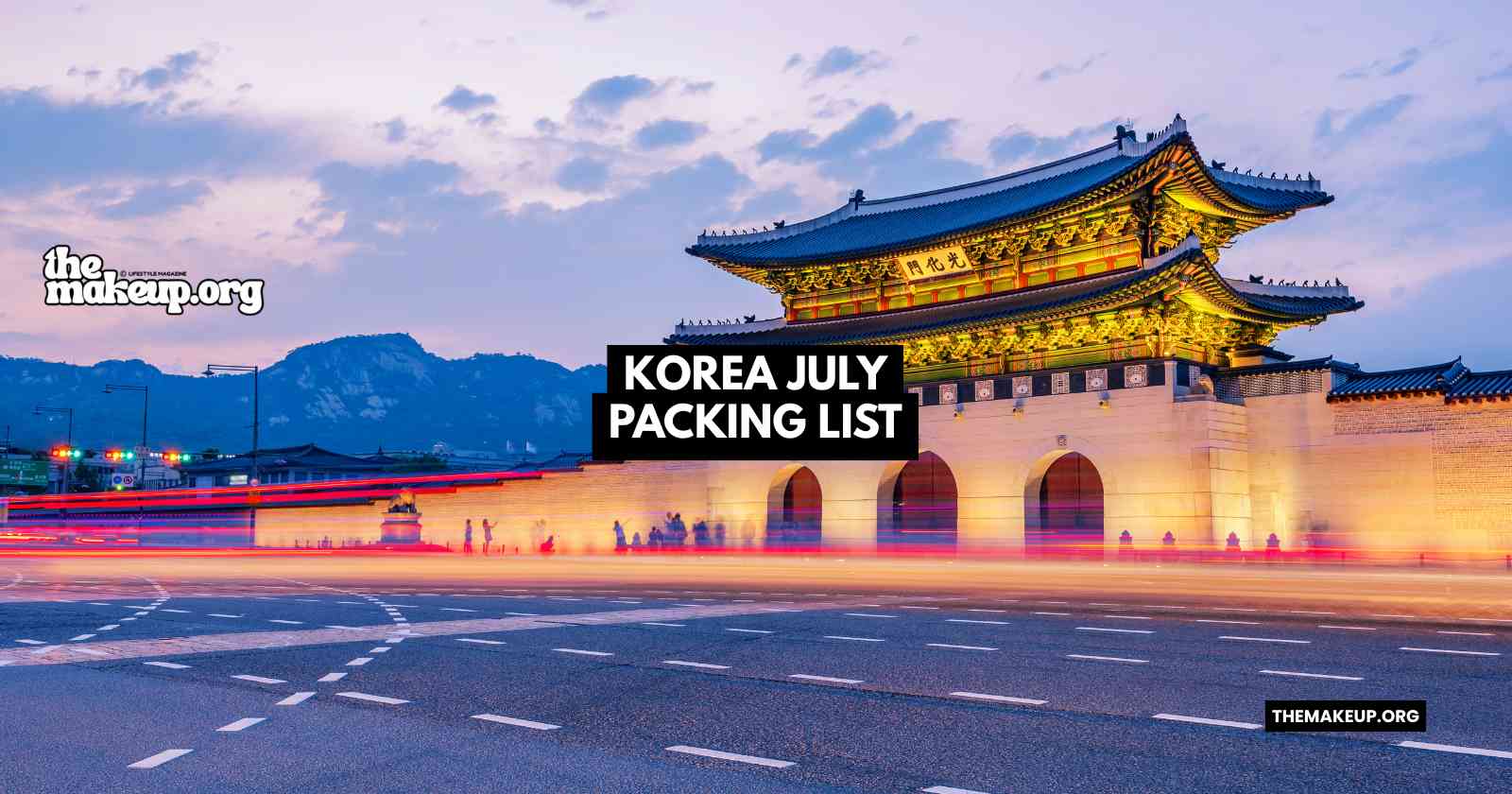
July is peak summer and also monsoon season. It gets hot and humid, and then it rains hard, and then the sun comes back. I never pack for just one type of weather when I go this time of year. A light rain jacket takes up almost no space and I have been glad to have it every single time.
Most of the walking you do will be on pavement and city streets, with some temple steps and hillside paths mixed in. Comfortable shoes matter more than anything else in your bag. I would recommend bringing at least one pair you have already broken in before the trip.
If you are planning two weeks and want to see both the cities and the islands, your bag needs to be easy to move with. A carry-on or a mid-size backpack keeps things simple when you are switching hotels or hopping on a train.
Note: This is a complete packing list. If you would rather travel light, there is a pack-light section right after it.

What Is the Weather Like in Korea in July?
July in South Korea is hot, humid, and often rainy, with many places around 23–31°C (73–88°F). Seoul can feel sticky in the afternoons, coastal cities like Busan stay humid, and higher areas can be a bit cooler—so breathable layers and a rain plan matter.
Your Complete Korea July Packing List
Packing smart will help you make the most of your trip. Here’s everything you need to bring for a comfortable and stylish adventure.

Carry-On Suitcase / Travel Bag Duffle / Portable Steamer / Packing cubes / Luggage scale / Wireless Noise-Cancelling Headphones / Speaker / Portable Charger / Universal Travel adapter / Compact Hair Dryer / Eye Mask / Waterproof Toiletry Bag Hanging / Zipper Pouch / Water BOTTLE / Liquid I.V. Hydration Vegan
Luggage & Packing Tools
If you want more options to have everything organized and well packed, take a look at these suggestions.

1. Rolling Backpack / 2. Luggage (large) / 3. Luggage (small) / 4. Toiletry Bag / 5. Beach Bag / 6. Backpack / 7. Packing Cubes
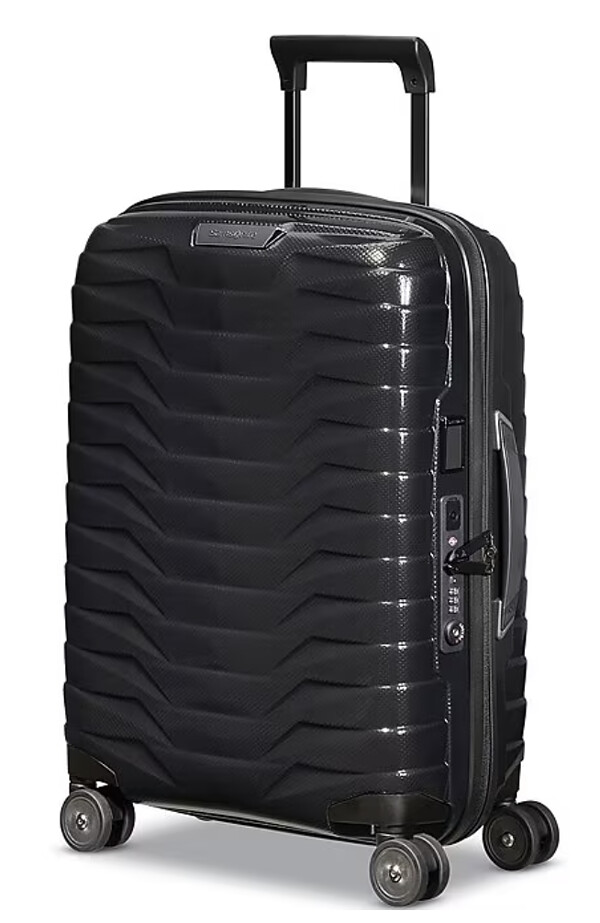
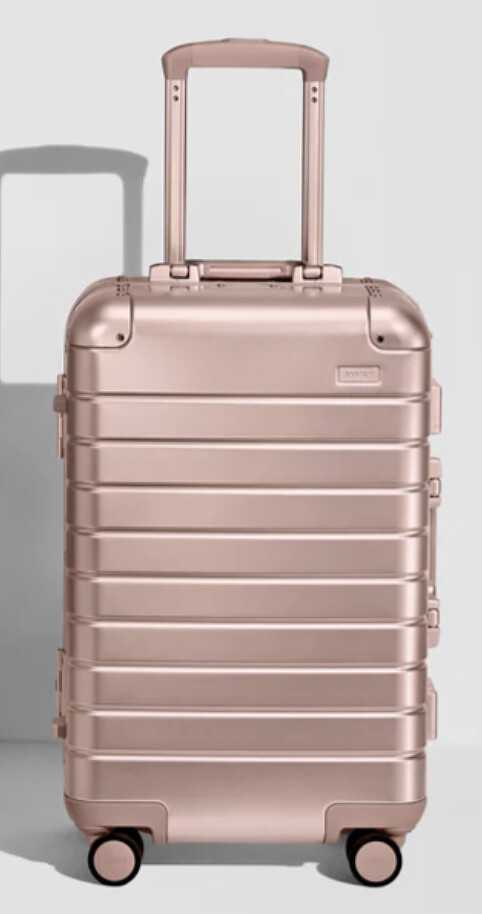
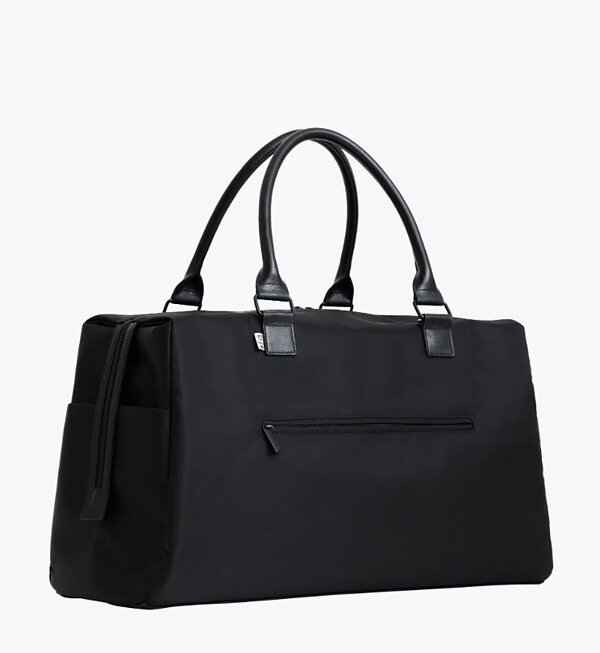
- Carry-on suitcase – A carry-on suitcase keeps essentials with you in the cabin and avoids checked-bag delays or lost luggage. It also helps you move through airports faster with an organized, easy-to-handle bag.
- Lightweight daypack with water bottle pocket
- Packable tote bag for shopping and beach stops
- Compression packing cubes set
- Waterproof laundry bag for sweaty or rain-damp clothes
- Small crossbody bag with secure zipper
- Dry bag pouch for phone and passport during downpours
- TSA-approved suitcase locks
- Luggage ID tags
- Mini sewing kit for popped buttons and loose hems
Clothes
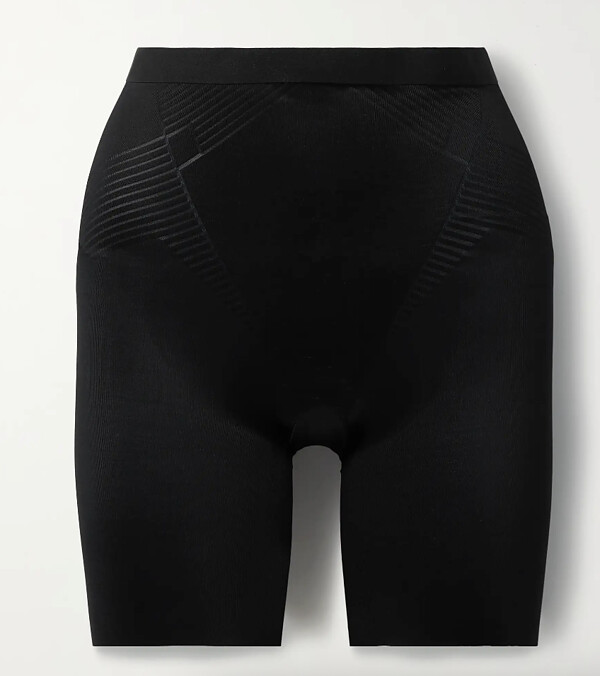
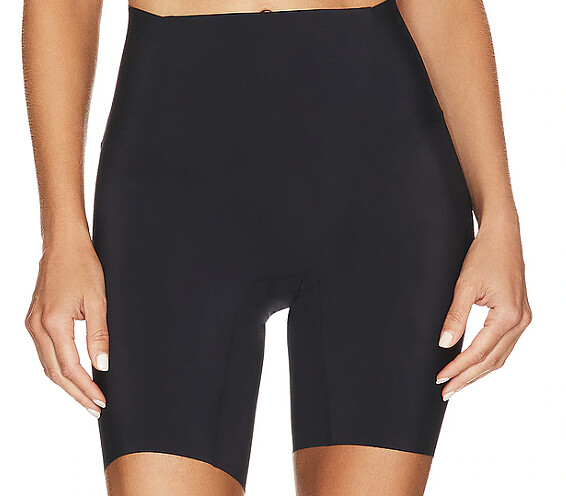
- Anti-chafing shorts – Wear anti-chafing shorts under dresses or shorts to stop thigh rub and irritation. They also reduce sweat and keep you more comfortable on hot, active days.
- Breathable T-shirts or tanks (5–7 PCS)
- Lightweight button-up sun shirt (1–2 PCS)
- Quick-dry shorts (2–3 PCS)
- Airy trousers or wide-leg pants (1–2 PCS)
- Lightweight midi dress or romper (1–2 PCS)
- Packable light cardigan for strong indoor A/C (1 PCS)
- Thin rain jacket or waterproof shell (1 PCS)
- Sleepwear suitable for humid nights (1–2 PCS)
- Underwear, moisture-wicking preferred (7–10 PCS)
- Breathable socks for heavy walking days (5–7 PCS)
- Swimsuit for pools, spas, or Jeju beaches (1–2 PCS)
Skincare
- High-SPF face sunscreen, sweat-resistant
- High-SPF body sunscreen, water-resistant
- After-sun soothing gel with aloe
- Lightweight gel moisturizer for humid weather
- Gentle foaming cleanser for sunscreen and city grime
- Hydrating toner or essence in travel bottle
- Oil-control blotting papers
- Hydrocolloid pimple patches for heat-triggered breakouts
- Anti-friction balm for neck and inner thighs
- Hand cream for drying air-conditioning
Makeup
- SPF lip balm
- Long-wear tinted sunscreen or skin tint
- Waterproof mascara for humidity and rain
- Smudge-resistant eyeliner
- Cream blush that wears well in heat
- Translucent setting powder for shine control
- Setting spray, humidity-resistant
- Oil-absorbing compact sheets
- Travel makeup brushes or sponge
Hair Care
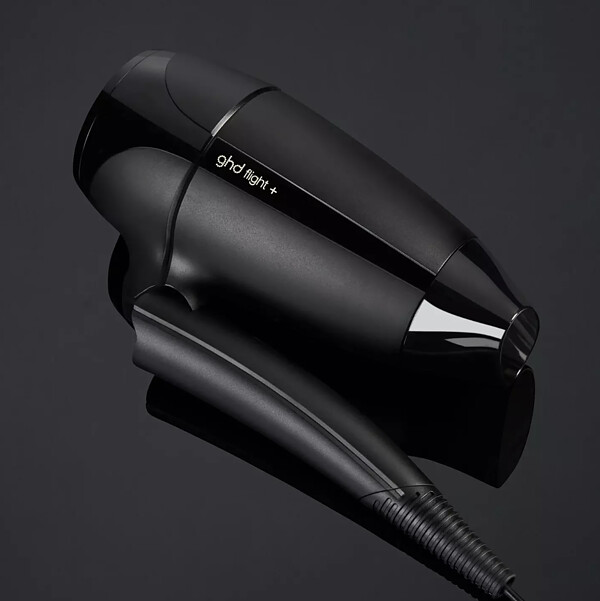
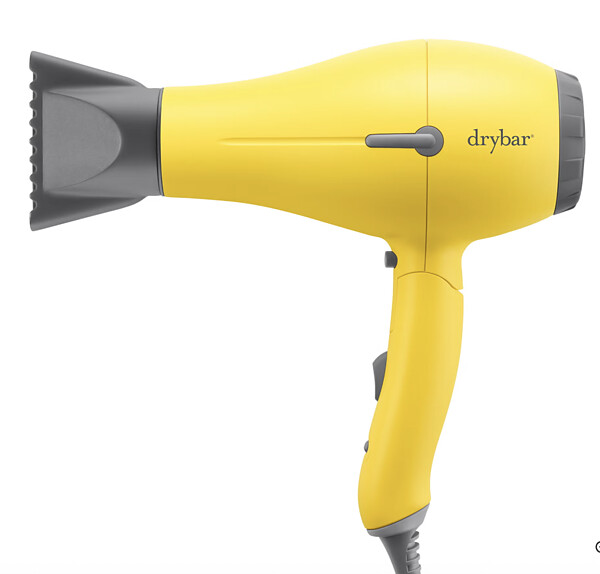
- Travel hair dryer – A travel hair dryer dries and styles your hair fast when you do not want to wait for it to air-dry. It can also give steadier heat and airflow than many bathroom dryers.
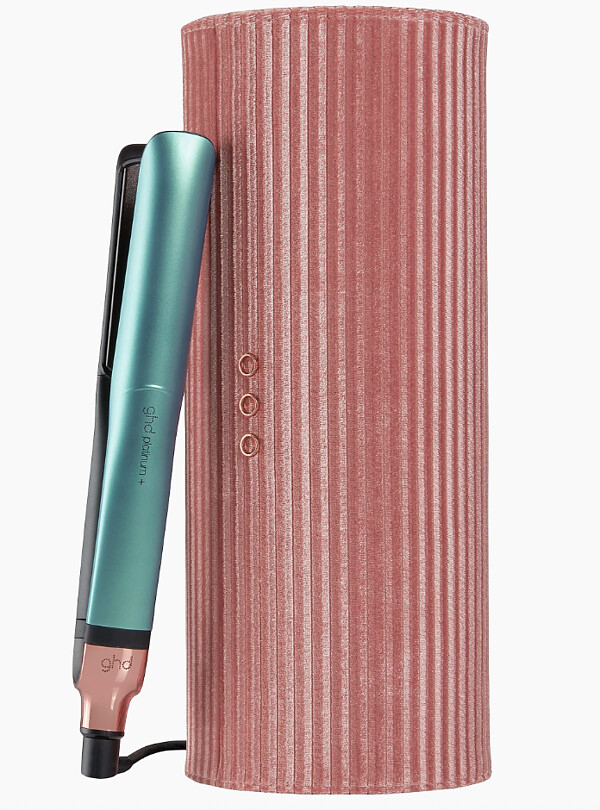
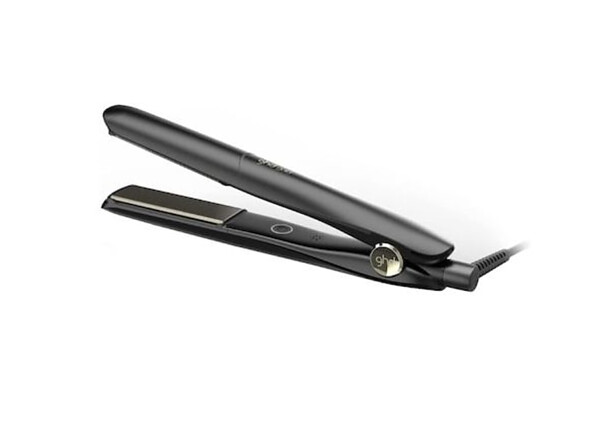
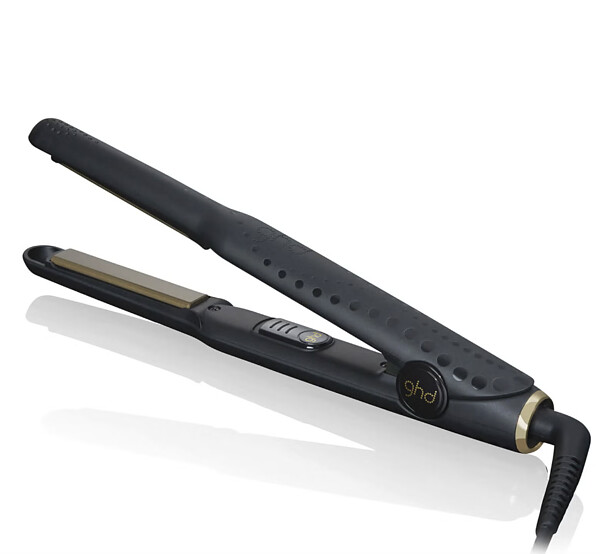
- Hair straightener – A hair straightener smooths frizz and helps you style your hair fast when humidity or bad sleep makes it hard to manage. It also lets you create simple waves or curls.
- Anti-frizz leave-in conditioner
- Heat protectant spray
- Dry shampoo for humid, sweaty days
- Wide-tooth comb for detangling after rain
- Hair ties and scrunchies
- Claw clips for quick updos on the go
- Mini hair oil or serum for ends
- Shampoo and conditioner in leakproof travel bottles
Shoes & Accessories
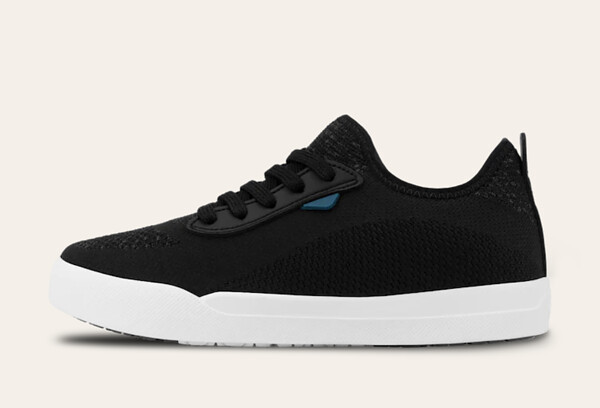
- Waterproof sneakers – Waterproof sneakers keep your feet dry in rain or puddles, so you avoid blisters and cold feet. They also handle wet sidewalks better, reducing slips.
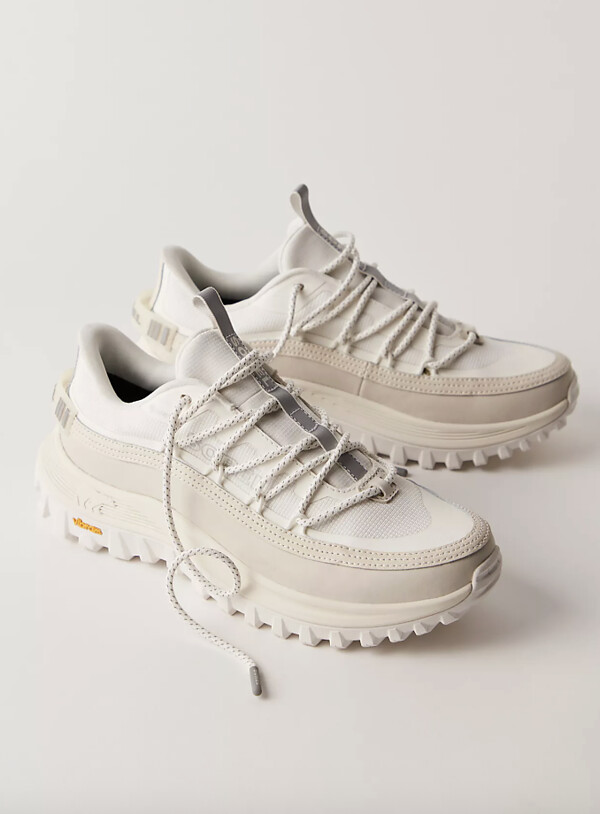
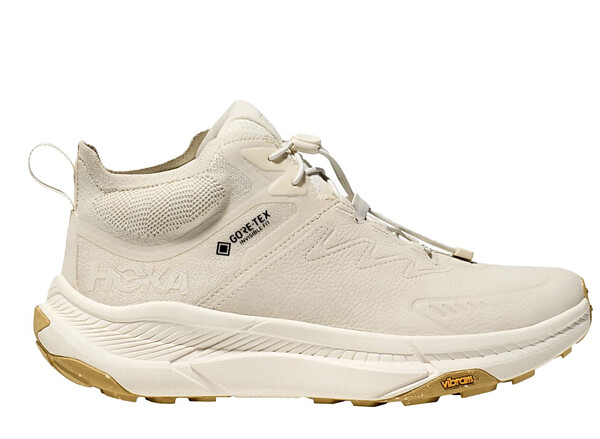
- Ankle boots – Ankle boots protect your feet and ankles, and the sturdy sole handles uneven streets and light rain. They look neat enough for casual dinners while staying comfortable.
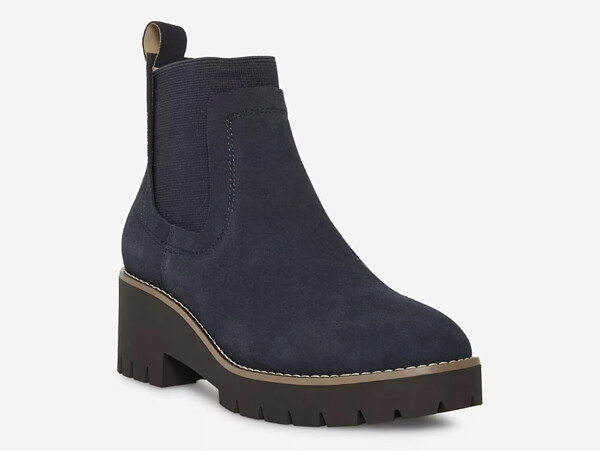
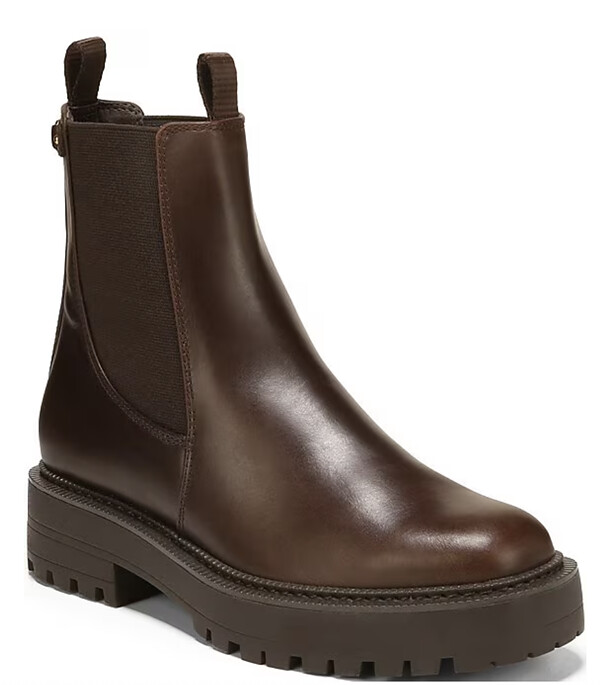
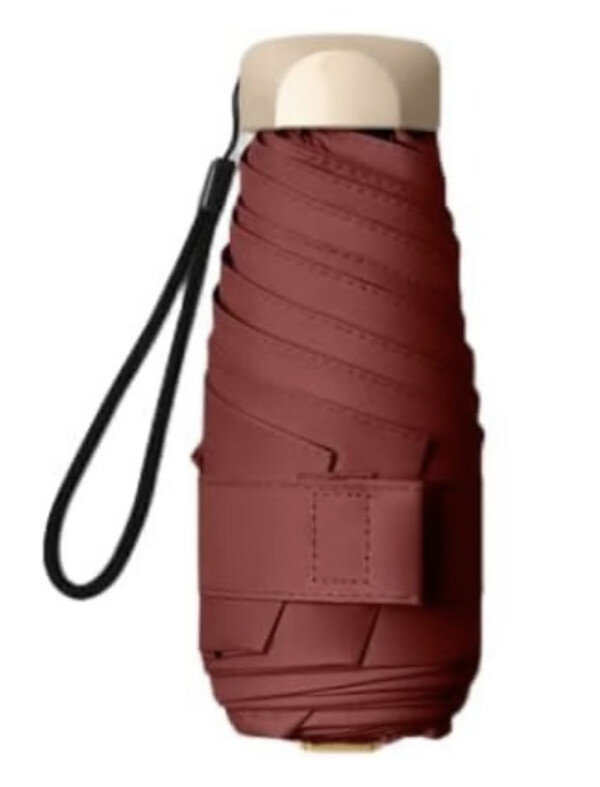
- Compact travel umbrella – A compact travel umbrella keeps you dry in sudden rain and helps protect your bag and phone. It folds small, so you can carry it daily without hassle.
- Comfortable walking sneakers (1 PCS)
- Water-friendly sandals with grip (1 PCS)
- Lightweight socks for sneaker days (5–7 PCS)
- Baseball cap or sun hat (1 PCS)
- UV-blocking sunglasses (1 PCS)
- Crossbody bag with secure closure
- Compact microfiber towel for sudden rain or gym
- Cooling neck towel for humid outdoor days
- Reusable water bottle for long walking routes
Documents & Essentials
- Passport with at least six months validity
- Printed and digital flight confirmations
- Hotel addresses in English and Korean
- Travel insurance policy details
- International driving permit if renting a car on Jeju
- Credit card and backup card stored separately
- Some cash in Korean won for small shops
- T-money card or transit card plan
- Emergency contacts list
- Pen for forms and quick notes
First Aid
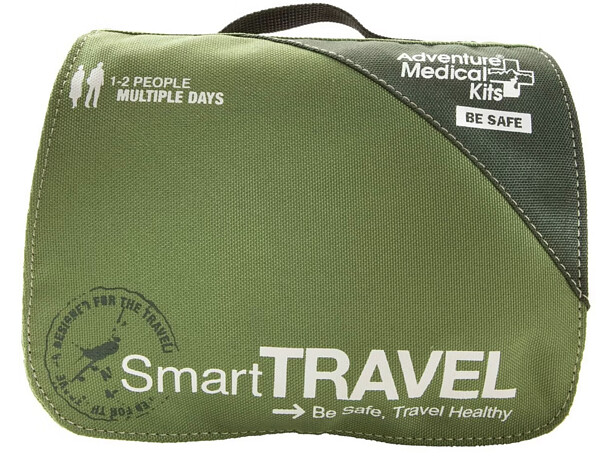
- Travel first aid kit – A travel first aid kit covers small cuts, blisters, and minor pain so you can treat problems quickly and avoid hunting for a pharmacy when time matters.
- Blister pads and moleskin for high-step walking days
- Antiseptic wipes
- Small bandage assortment
- Pain relievers
- Antihistamines for seasonal allergies
- Anti-itch cream for bug bites
- Motion sickness tablets for buses and ferries
- Rehydration salts backup packets
Health & Hygiene
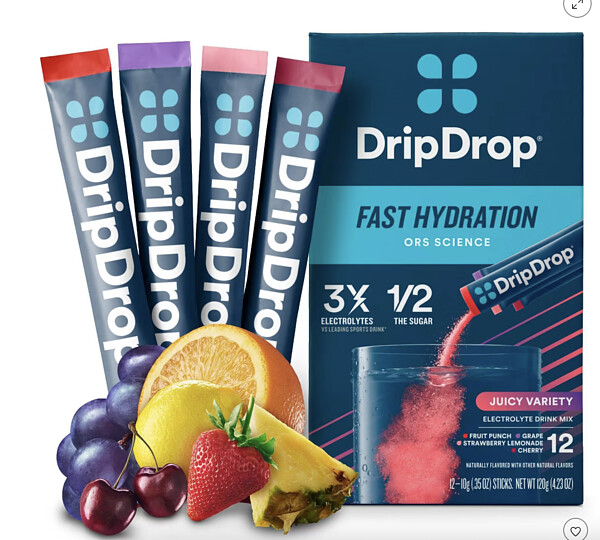
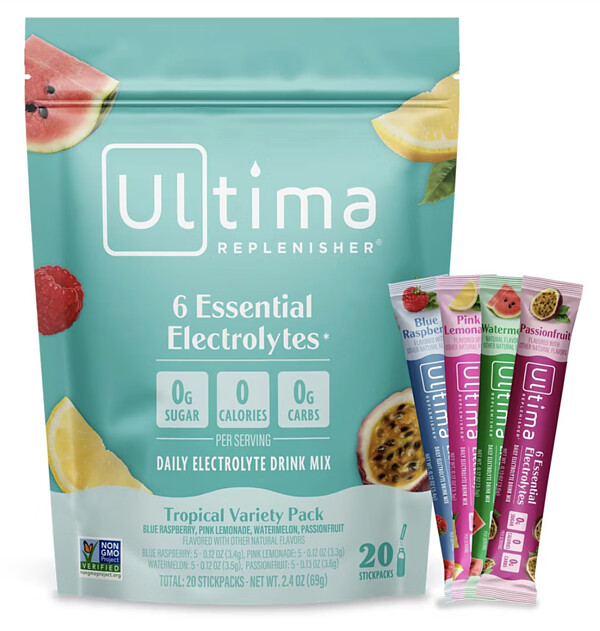
- Electrolyte powder – Electrolyte powder replaces salts lost through sweat or diarrhea, helping your body hold onto fluids. It can reduce dizziness and fatigue and supports faster rehydration than water alone.
- Deodorant, travel size
- Antiperspirant body wipes for humid afternoons
- Toothbrush, toothpaste, and floss
- Alcohol hand sanitizer
- Wet wipes for markets and long transit days
- Feminine hygiene products
- Razor and shaving cream
- Insect repellent for evenings and hiking trails
- Anti-chafing stick for thighs and bra lines
- Mini laundry detergent sheets for sink washing
- Collapsible laundry line for quick-dry clothes
Tech & Electronics
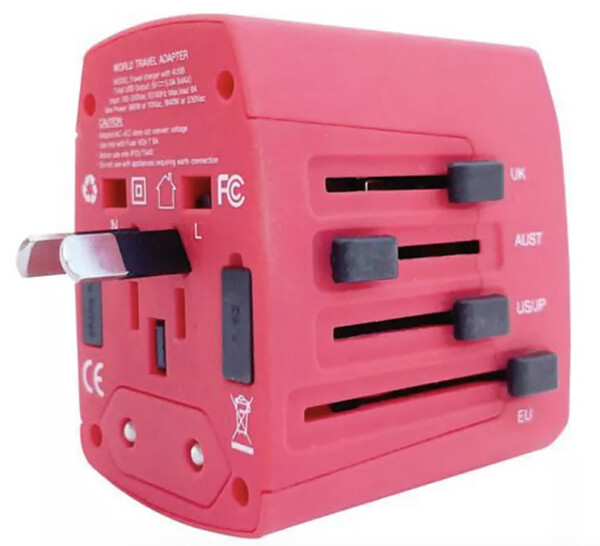
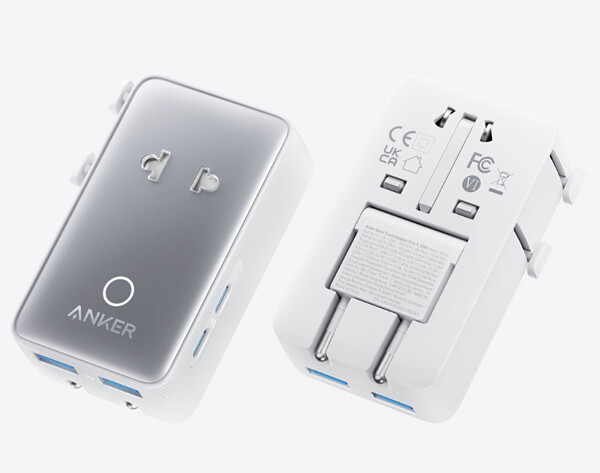
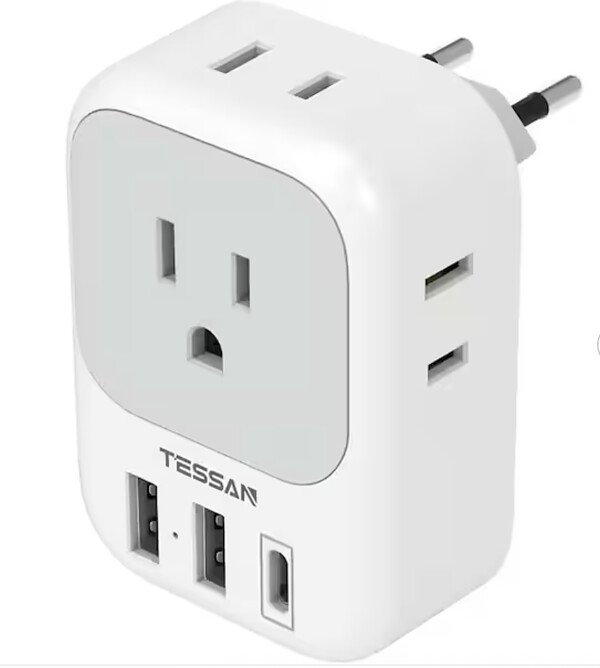
- Universal travel adapter – It lets your devices plug into different outlet shapes and gives a safe fit. This prevents dead phones and laptops when you arrive somewhere with different sockets.
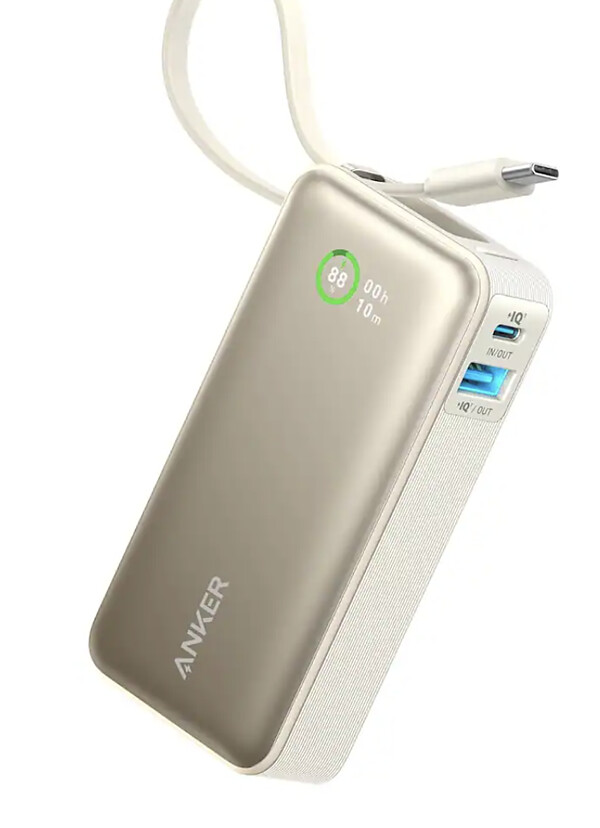
- Power bank – A power bank recharges your phone and other small devices when no outlet is available. It helps you keep maps, tickets, and calls working during long days.
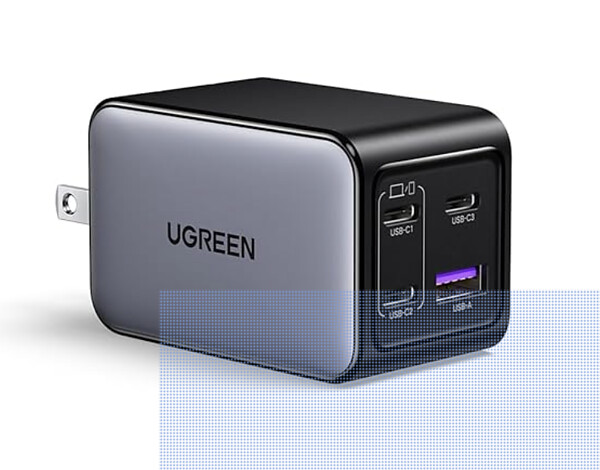
- Wall charger – A wall charger plugs into an outlet to charge phones and tablets faster and more reliably than a computer USB port. It also lets you charge while using your device.
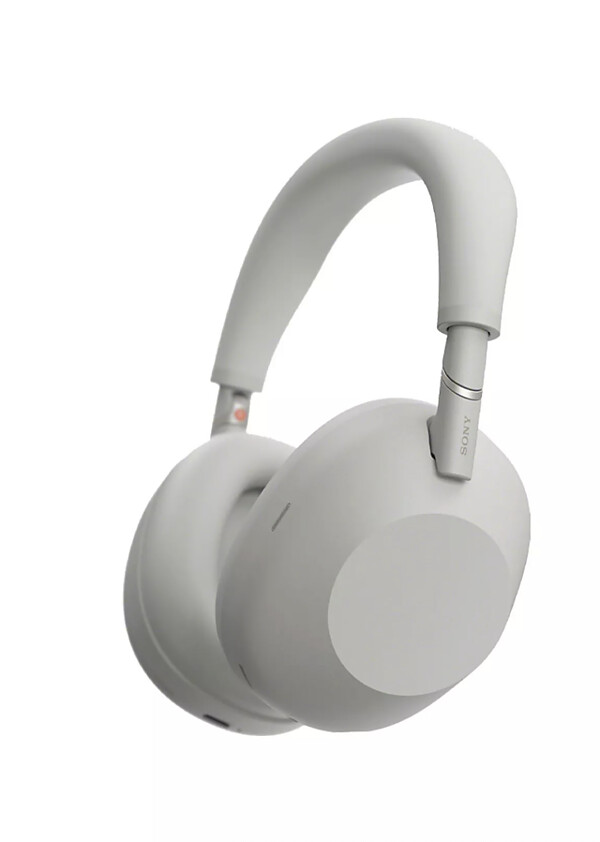
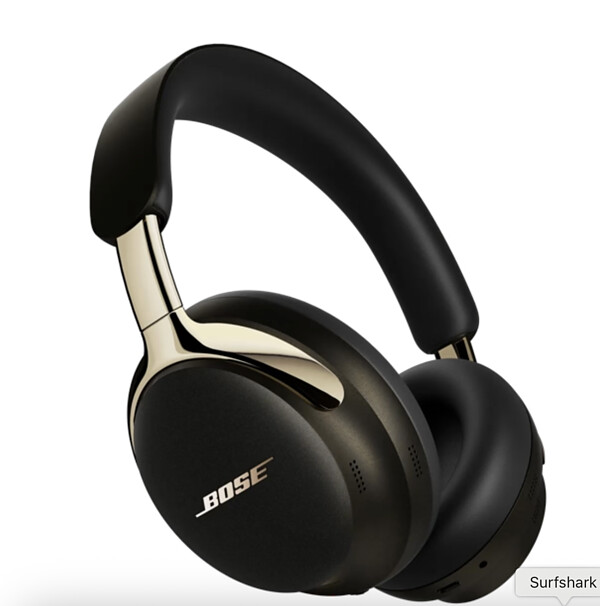
- Noise-cancelling headphones – Noise-cancelling headphones reduce engine and crowd noise, so you can rest or focus without turning volume up. They also make calls and podcasts easier to hear.
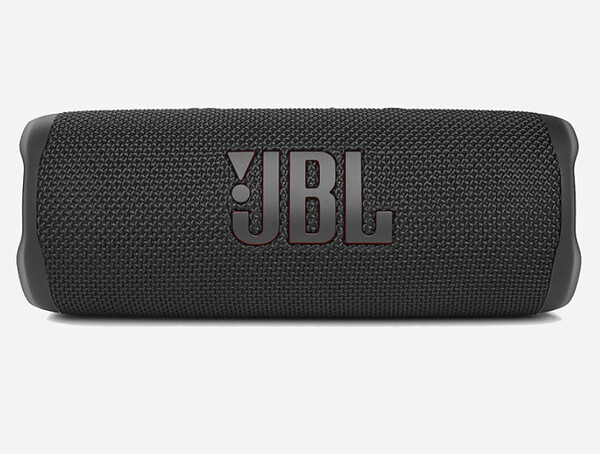
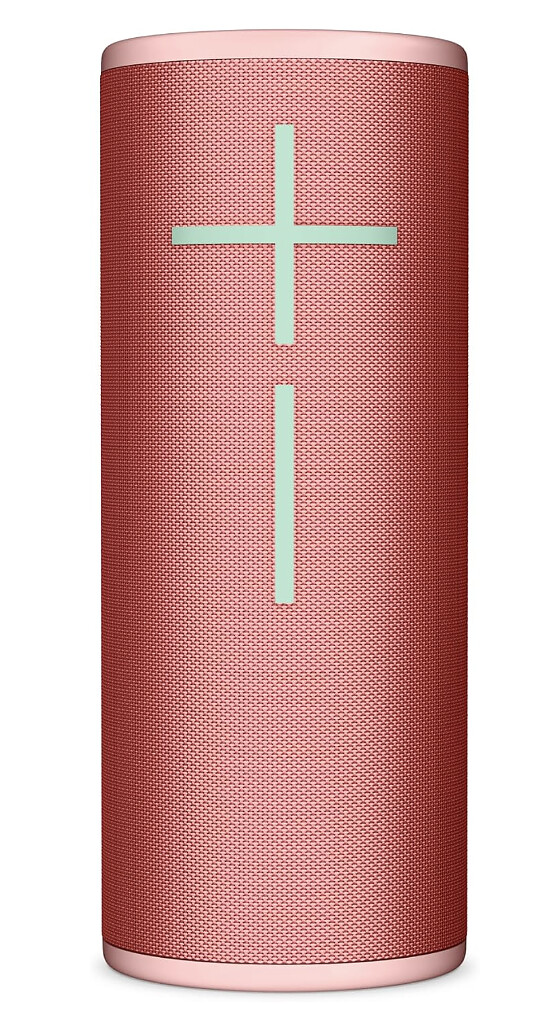
- Bluetooth speaker – A Bluetooth speaker plays music or podcasts from your phone without headphones, which is useful for a room or small group. It makes calls and videos easier to hear.
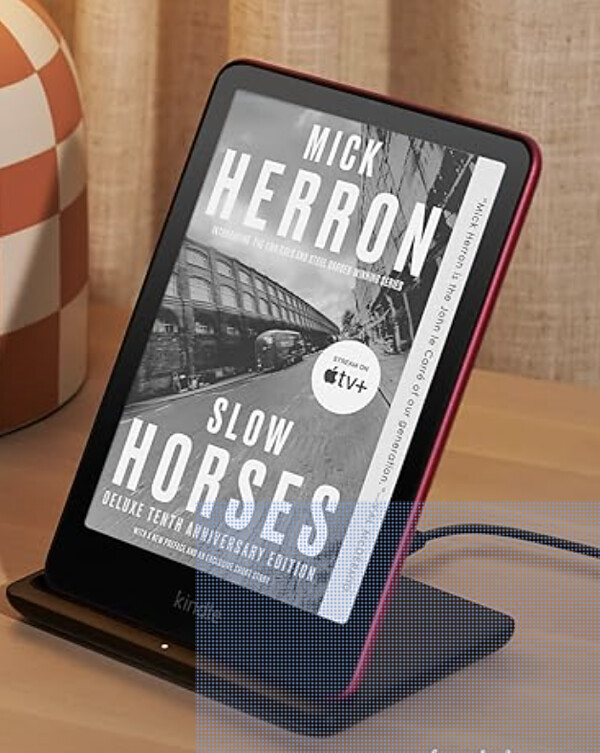
- E-reader – An e-reader stores lots of books in one light device, saving space and weight. The screen is easy on your eyes and works well in bright sun.
- Phone with eSIM or roaming plan
- Charging cables for phone, watch, and earbuds
- Protective phone case with grip
- Waterproof phone pouch for rainy days
- Compact camera with extra memory card
- Smartwatch or fitness tracker charger
Entertainment
- Downloaded offline maps for Seoul and Busan
- Podcast and playlist downloads for subway rides
- Small travel journal
- Pen and highlighter for planning notes
- Deck of cards or compact game
- Language app with offline Korean basics
- One comfort show downloaded for rainy evenings
Extras
- Foldable shopping bag for markets and convenience stores
- Reusable cutlery or chopsticks set
- Travel-sized stain remover pen
- Small pack of tissues, often useful in restrooms
- Coin pouch for cafés and transit top-ups
- Mini fan or handheld fan for humid afternoons
- Spare zip-top bags for wet items and snacks
- Hotel room doorstop for extra peace of mind
Travel Tips
- Plan outfits around breathable layers for outdoor-to-indoor transitions
- Keep a small umbrella in your day bag every day
- Expect lots of walking and stairs in stations and neighborhoods
- Book popular restaurants with queues earlier in the day
- Carry a water bottle and electrolytes for long sightseeing routes
- Use a transit card to make buses and subways effortless
- Store your accommodation name in Korean for taxi pickups
Visa Tips
- Check K-ETA requirements early for your passport country
- Confirm passport validity rules before booking nonrefundable flights
- Save digital copies of passport and entry approvals
- Keep onward or return flight details accessible
What to Bring If You Want to Pack Light
July heat means you can leave bulky layers at home. Focus on lightweight fabrics that dry fast, mix well together, and handle both sweat and a quick downpour. Stick to a carry-on and you will move through Korea a lot more easily.
- 3 to 4 lightweight, mix-and-match tops
- 2 pairs of casual shorts or skirts
- One pair of comfortable walking shoes
- One compact rain jacket or packable umbrella
- Travel-size toiletries (most items are easy to buy in Korea)
- One crossbody bag or small daypack
- A reusable water bottle
What Not to Pack for Korea in July
Leave your heavy jeans and thick layers at home. July in Korea is genuinely hot, often sitting above 30 degrees Celsius, and the humidity makes it feel warmer than that. Anything that does not breathe will be uncomfortable within an hour of being outside. You do not need a winter coat, a heavy cardigan, or multiple pairs of thick trousers. Even evenings stay warm, so the only reason to bring a light layer is for air-conditioned restaurants and shops, which can get quite cold inside.
You also do not need to pack full-size toiletries or stock up on sunscreen before you leave. Korea has excellent pharmacies and convenience stores everywhere, and beauty products in particular are easy and affordable to buy once you arrive. Skip the bulky bottles and save the space for things you actually cannot get there. Formal shoes are usually not worth bringing either unless you have a specific event planned. Most of the ground you cover will reward comfort over style every time.
FAQ: Packing for Korea in July
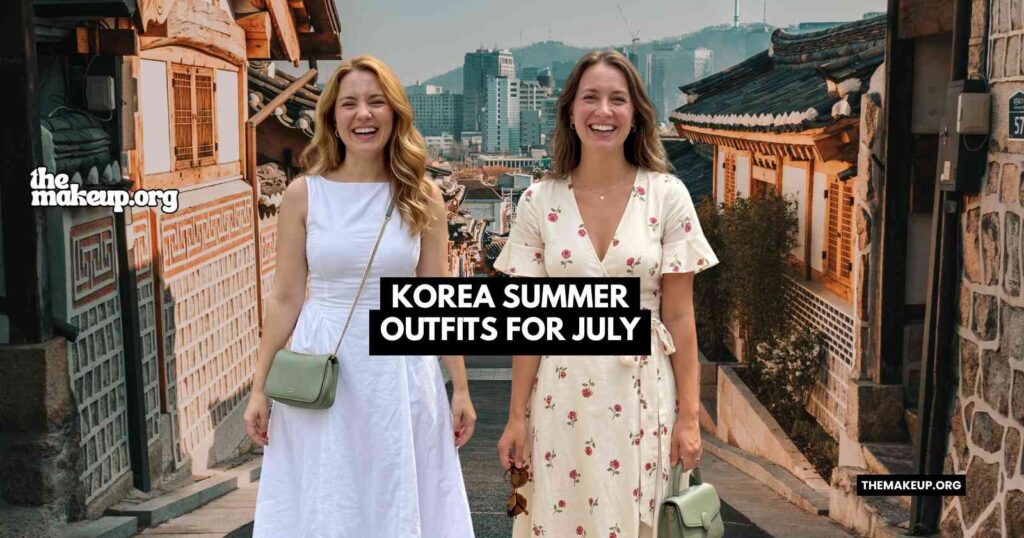
What should I wear in South Korea in July?
Lightweight, breathable clothing is the right call for July in Korea. Think cotton or linen tops, loose shorts or skirts, and light layers for air-conditioned spaces. A compact rain jacket is worth adding because July falls in monsoon season and showers can come on quickly.
Do I need a rain jacket for Korea in July?
Yes, I would recommend bringing one. July is part of Korea’s monsoon season, called jangma, and heavy rain is common. A packable rain jacket or a small travel umbrella takes up very little space and will save you more than once.
How many weeks of clothes should I pack for a Korea trip?
For a two-week trip, around five to seven outfits is enough if you plan to do laundry once. Laundromats and guesthouses with washing machines are easy to find in Korean cities. Packing less keeps you mobile, especially if you are moving between Seoul, Busan, and Jeju.
What shoes are best for visiting Korea in July?
A comfortable pair of walking shoes or sneakers you have already broken in is the most important thing to bring. You will cover a lot of ground on pavement, steps, and uneven temple paths. Sandals are handy as a second pair for beach days or casual evenings.
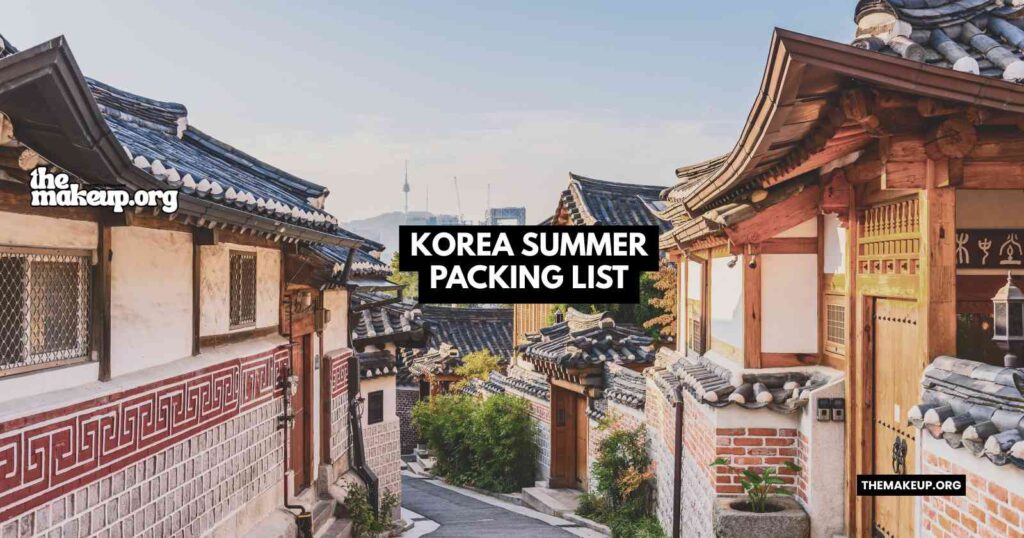
What is the weather like in South Korea in July?
July in Korea is hot and humid, with average daytime temperatures around 28 to 32 degrees Celsius. Rain is frequent due to the monsoon season, and it can come in sudden, heavy bursts. The heat and humidity together mean light, fast-drying fabrics are much more comfortable than anything heavy.
What did people wish they had brought to Korea?
A lot of travelers wish they had brought a better rain jacket, comfortable walking shoes, and a portable charger. An empty reusable bag is also handy for market shopping and day trips. Sun protection matters too, whether that is a hat, UV-protective clothing, or sunscreen you pick up locally.
Is a backpack or a suitcase better for a Korea trip?
A mid-size backpack or a carry-on suitcase both work well, depending on how you like to travel. If you are moving between multiple cities or taking ferries to places like Jeju Island, a bag you can carry easily makes transfers much simpler. A backpack is especially practical if you plan to do any hiking or take overnight buses.