
October in South Korea gives you cool, dry days that feel genuinely comfortable for long stretches of walking, but mornings can drop to 10°C (50°F), so you will feel the cold before the city wakes up.
A solid South Korea October packing list solves one problem more than any other: the temperature gap between morning and midday.
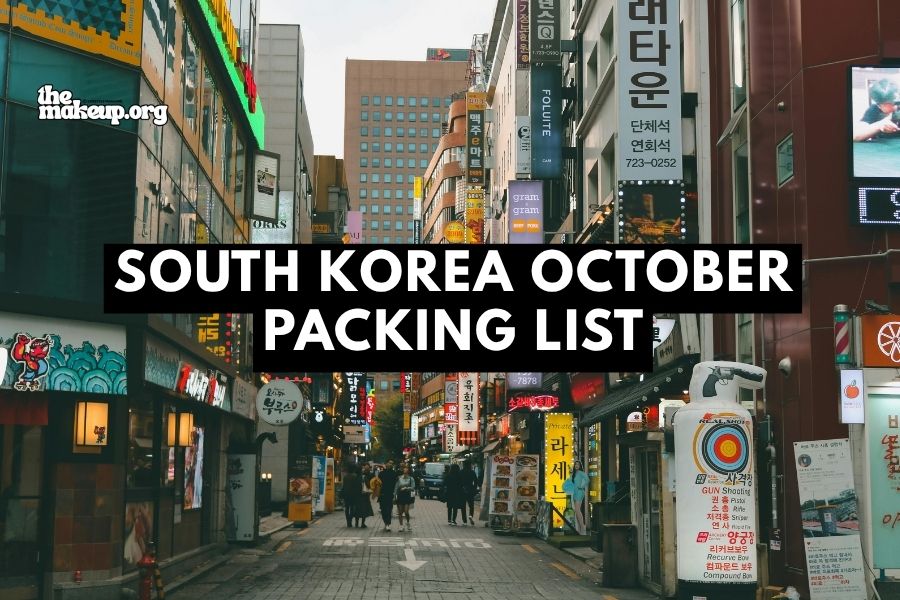
You might leave your guesthouse in Hongdae needing a coat, then carry it by noon, then want it again on the subway ride home. Layers you can add and remove fast are what make the difference.
Packing smart will help you make the most of your trip. Here’s everything you need to bring for a comfortable and stylish adventure.

Carry-On Suitcase / Travel Bag Duffle / Portable Steamer / Packing cubes / Luggage scale / Wireless Noise-Cancelling Headphones / Speaker / Portable Charger / Universal Travel adapter / Compact Hair Dryer / Eye Mask / Waterproof Toiletry Bag Hanging / Zipper Pouch / Water BOTTLE / Liquid I.V. Hydration Vegan
Quick Take
- 🌡️ Weather: During October in South Korea, temperatures typically range between 10°C and 20°C (50°F–68°F)
- 🧳 Pack: light jacket or coat, mix-and-match layers, comfortable walking shoes, compact daypack
- ⚠️ Don’t forget: a sweatshirt or mid-layer for cool mornings and air-conditioned subway rides
- 🚫 Skip: heavy winter coat, a packable jacket and warm layers handle October temperatures far better
- ⏱️ 3 min read · full checklist below

What Is the Weather Like in South Korea in October?
October in South Korea usually sits around 10°C to 20°C (50°F–68°F), with cooler mornings and evenings. I pack layers you can add and remove quickly, especially if you’re moving between cities or heading into the hills.
How to Pack Light for South Korea in October
October weather is mild enough that you do not need heavy, bulky items. A few well-chosen layers cover every situation, from temple visits to late-night street food stalls in Myeongdong.
- 3-4 mix-and-match tops
- 1-2 pairs of trousers or jeans
- One light jacket or packable coat
- One sweatshirt or mid-layer
- One pair of comfortable walking shoes
- A compact daypack or backpack
- Travel-size toiletries
What To Pack For South Korea In October
Luggage & Packing Tools
If you want more options to have everything organized and well packed, take a look at these suggestions.

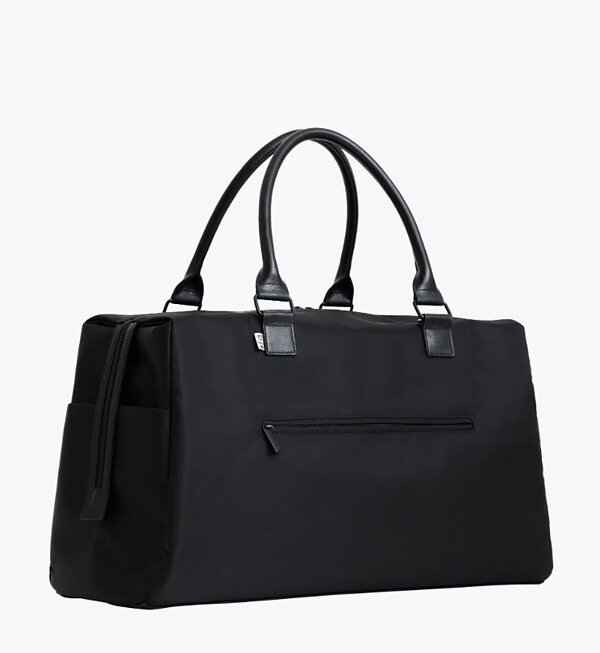
1. Rolling Backpack / 2. Luggage (large) / 3. Luggage (small) / 4. Toiletry Bag / 5. Beach Bag / 6. Backpack / 7. Packing Cubes
October days can swing between cool and mild, so smart organization keeps layering easy.
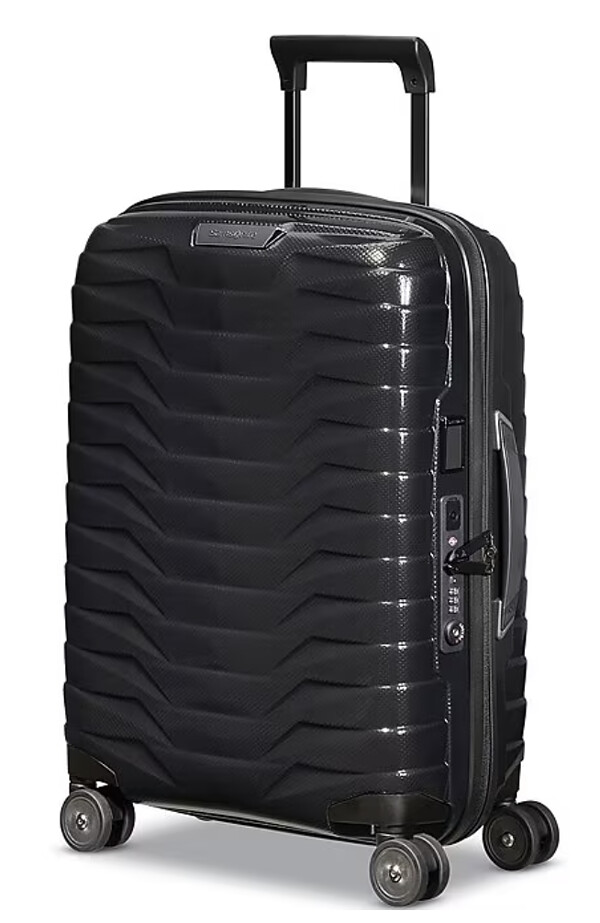
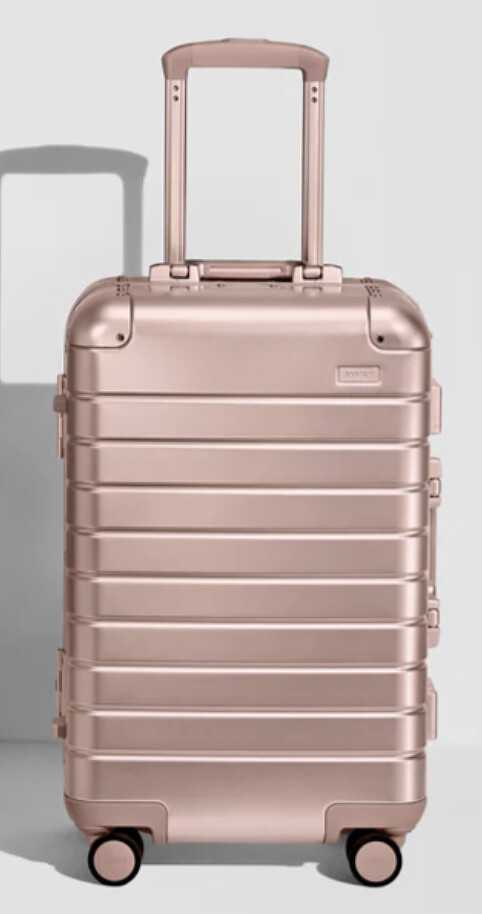
- Carry-on suitcase – A carry-on suitcase keeps essentials with you in the cabin, so you have what you need even if checked bags are delayed. It also saves time by skipping the checked-bag drop and pickup.
- Medium packing cubes set
- Lightweight daypack
- Leakproof toiletry bag
- Laundry bag
Clothes
I like flexible layers here because you can start chilly, then warm up fast while walking.
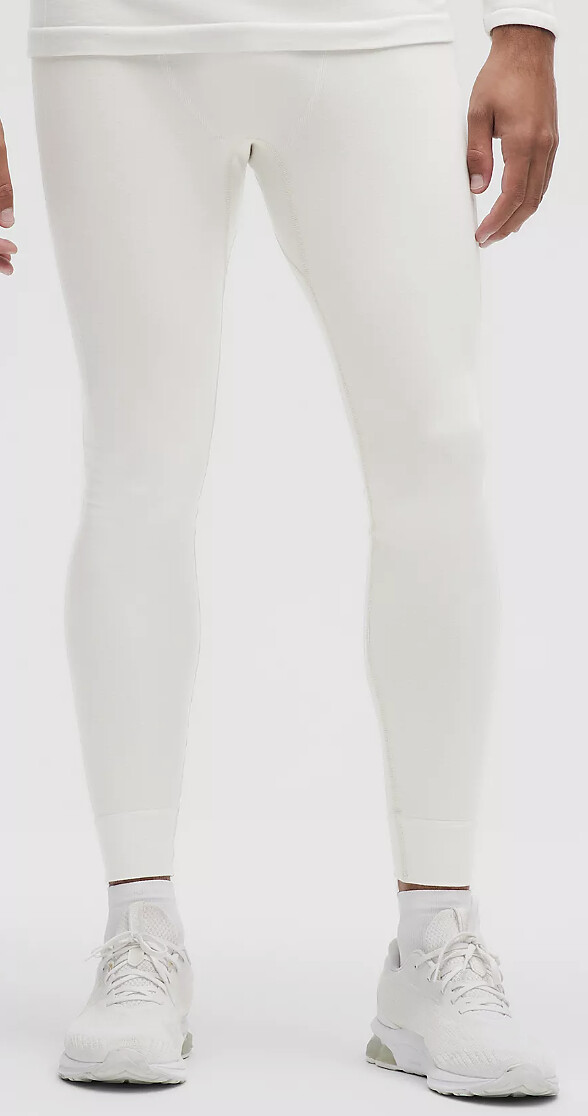
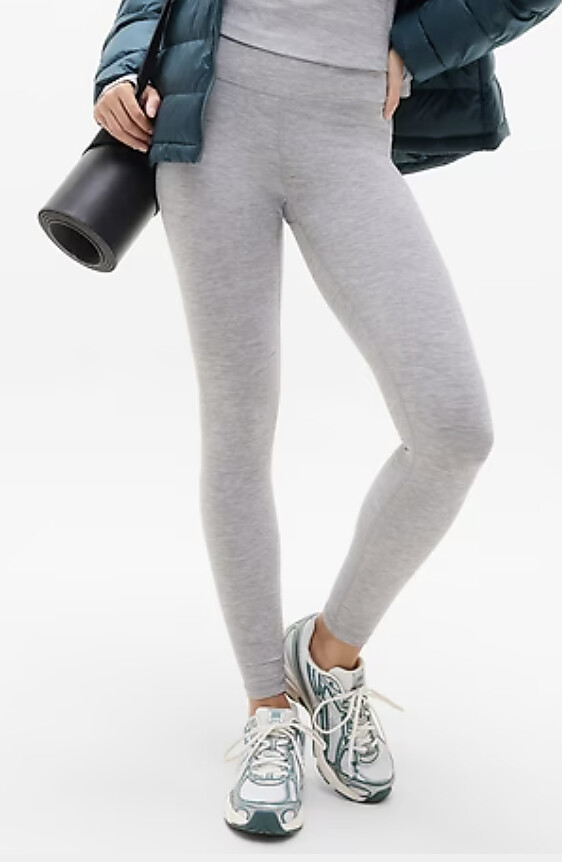
- Thermal leggings – Thermal leggings add an insulating layer under pants, keeping legs warm in cold weather. They also help reduce wind chill without adding much bulk.
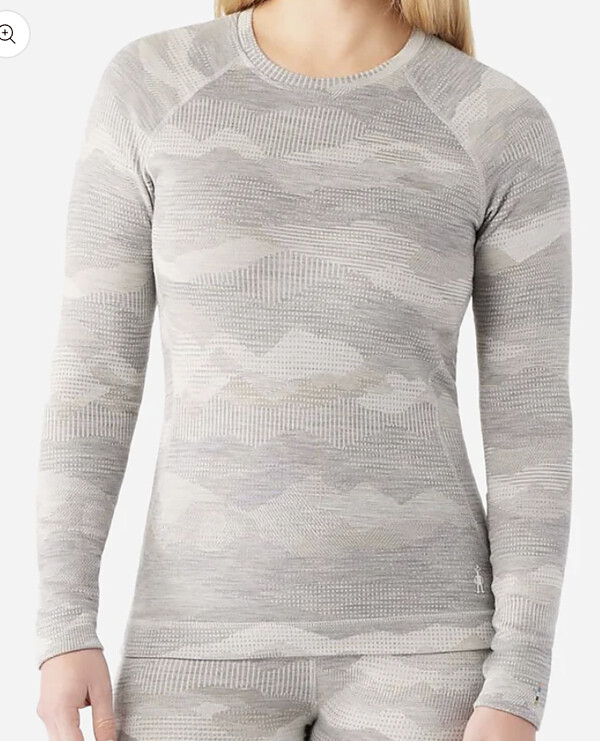
- Thermal base layer top – A thermal base layer top traps heat close to your skin and wicks sweat, so you stay warm without overheating. It also adds insulation under other layers in cold wind.
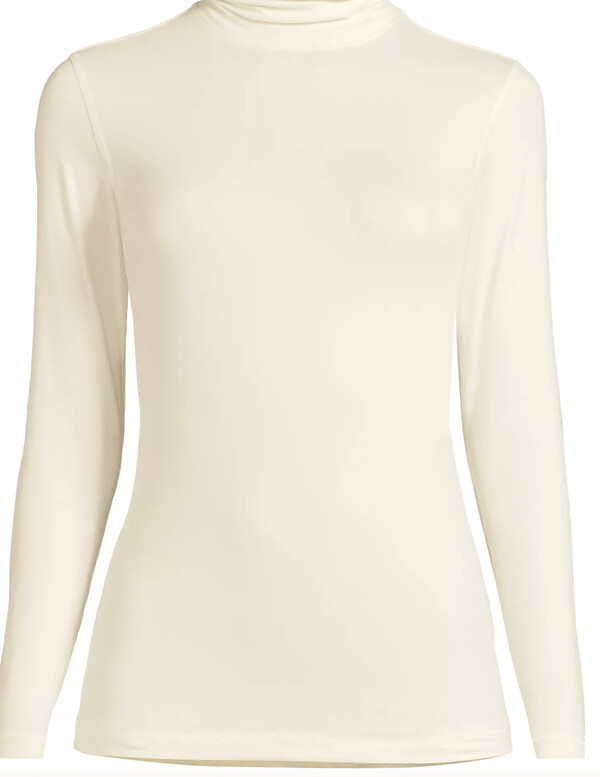
- Long-sleeve tops (2–3 PCS)
- T-shirts (2–4 PCS)
- Midweight sweater or fleece (1–2 PCS)
- Lightweight insulated jacket (1 PCS)
- Water-resistant shell jacket (1 PCS)
- Jeans or travel pants (1–2 PCS)
- Casual dress or skirt (0–1 PCS)
- Underwear (5–7 PCS)
Shoes & Accessories
You’ll remove shoes at temples, traditional inns, and some restaurants, so slip-ons and clean socks make life easier.
- Waterproof sneakers – Waterproof sneakers block rain and puddles so your socks stay dry. They help you walk in wet weather without slipping as much or needing a shoe change.
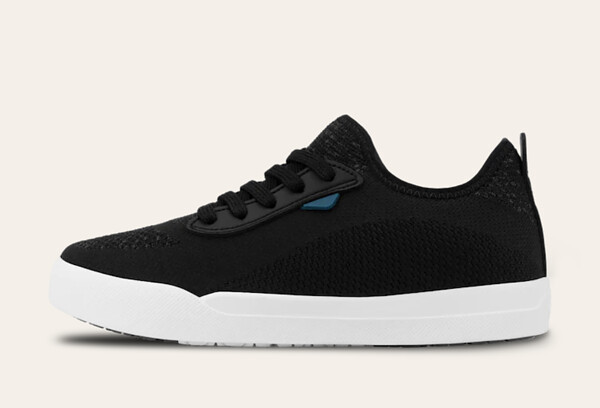
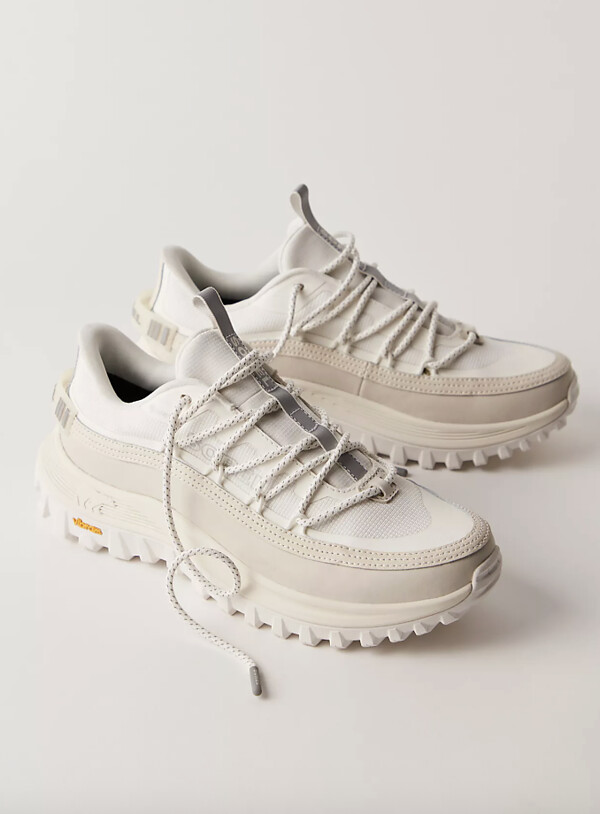
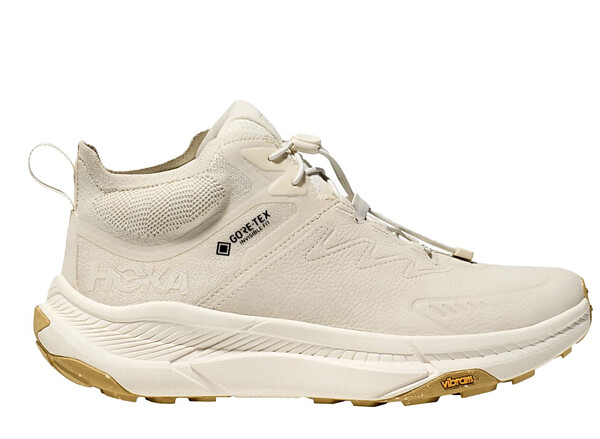
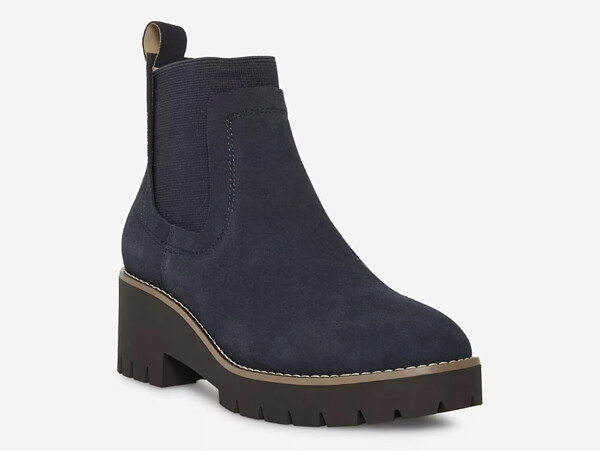
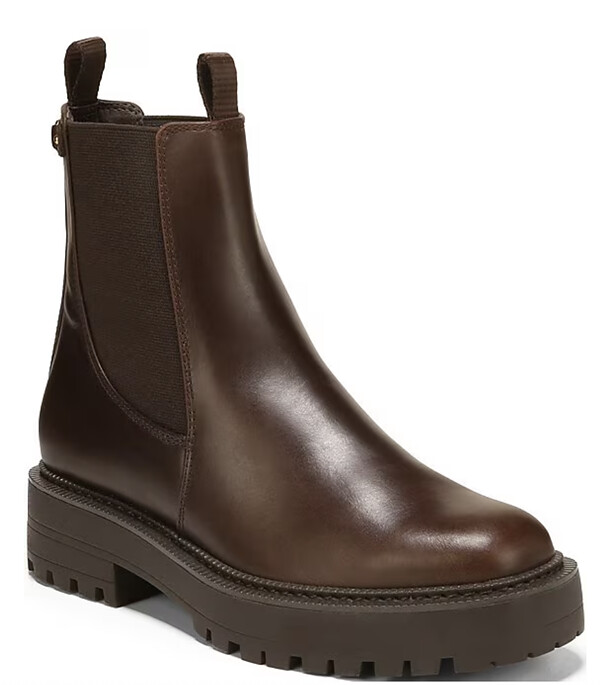
- Ankle boots – Ankle boots protect your feet from puddles and uneven streets, while the ankle support helps prevent slips. They work with jeans or a nicer outfit, so you need fewer shoes.
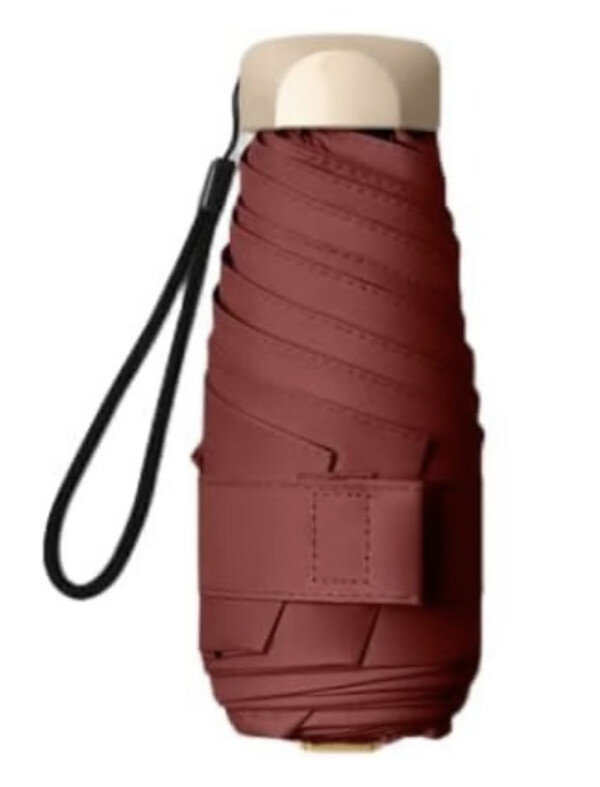
- Compact travel umbrella – A compact travel umbrella blocks rain and wind so your clothes and bag stay dry. It folds small, so it fits in a day bag without taking much space.
- Slip-on shoes (1 PCS)
- Comfortable walking socks, no holes (5–7 PCS)
- Warm layerable scarf (1 PCS)
- Light gloves (1 PCS)
Beauty & Skincare
With cooler air and plenty of outdoor time, I keep hydration and sun protection in my daily routine.
- Travel hair dryer
- Hair straightener
- Gentle face cleanser
- Moisturizer
- SPF 30+ sunscreen
- Lip balm
- Hand cream
- Travel-size dry shampoo
- Concealer or tinted base
Health & Hygiene
Long walking days and crowded transit make small health items feel surprisingly important.
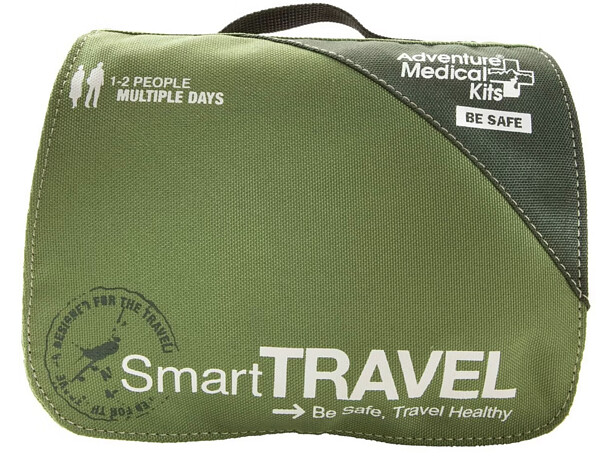
- Travel first aid kit – A travel first aid kit handles blisters, cuts, and headaches fast, so small issues do not ruin your day. It saves time when pharmacies are closed or far away.
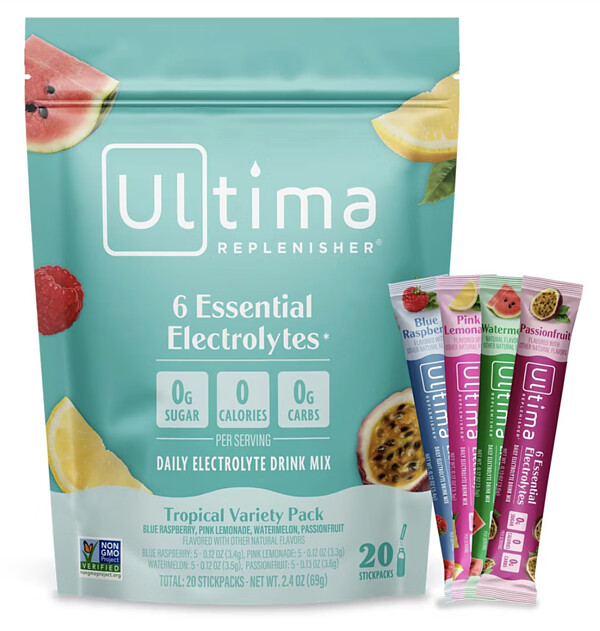
- Electrolyte powder – Electrolyte powder helps your body absorb water and replace salts lost from heat, sweating, or diarrhea. It can reduce headaches, cramps, and dizziness from dehydration.

- Prescription medications
- Blister plasters
- Pain relievers
- Alcohol wipes
- Hand sanitizer
- Tissues
Tech & Electronics
You’ll likely rely on your phone for navigation and transit, so power and plugs are non-negotiable.

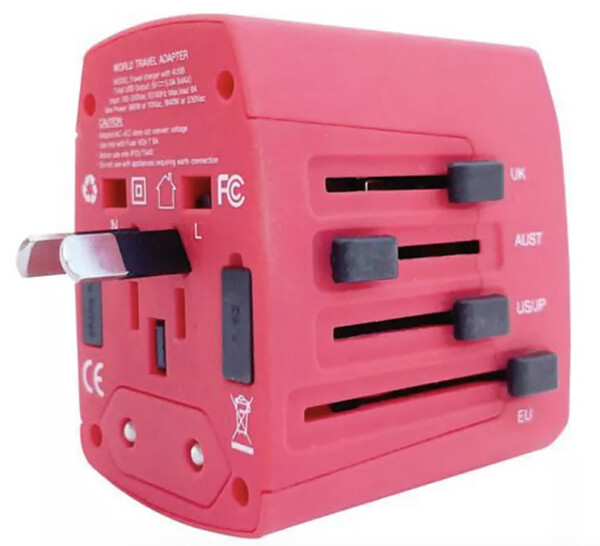
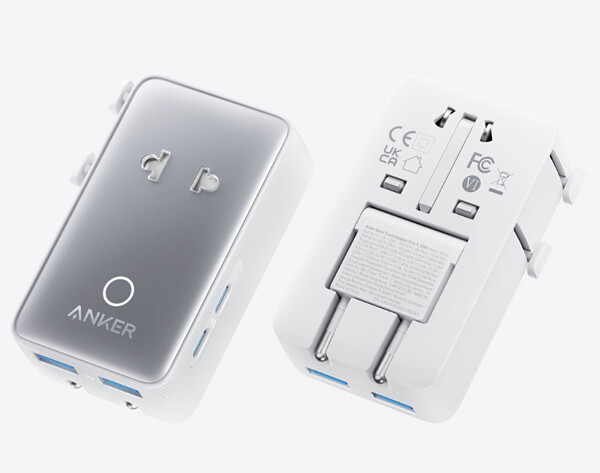
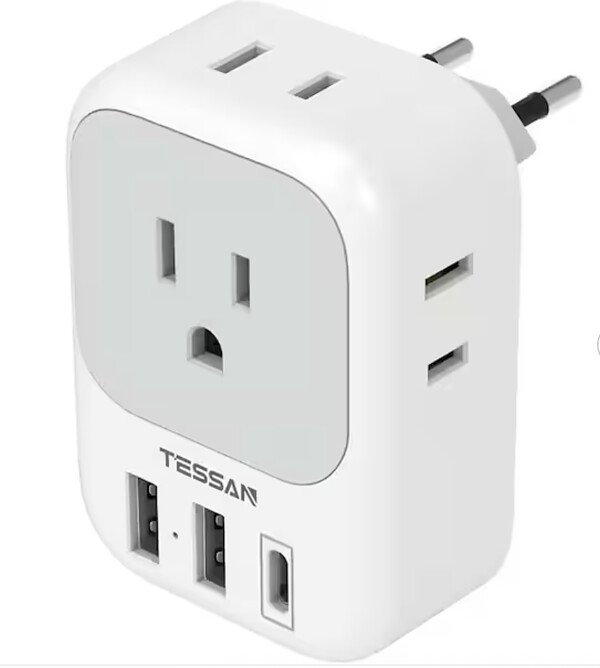
- Universal travel adapter – Universal travel adapter lets your devices plug into different outlet types, so chargers work in more countries. It prevents dead phone and laptop batteries when plugs do not match.
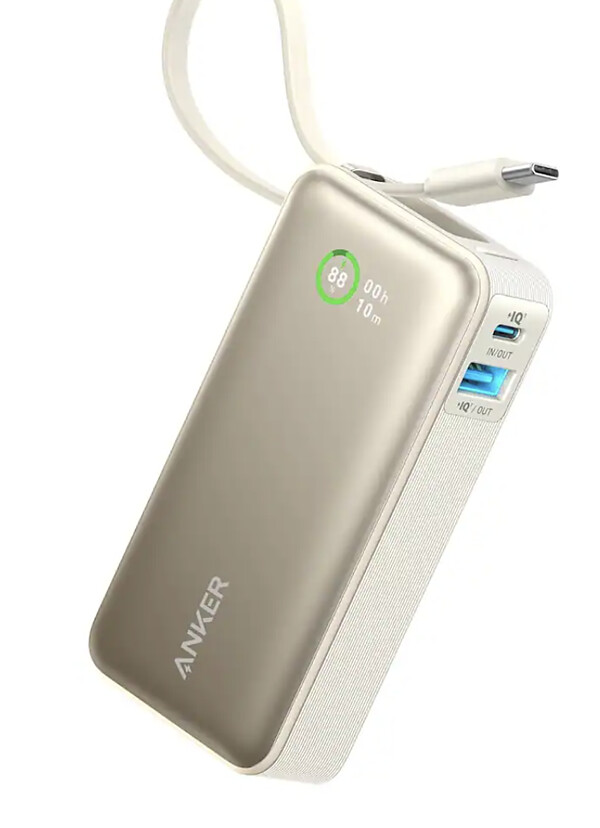
- Power bank – A power bank recharges your phone when no outlet is available, so maps, tickets, and calls still work when your battery gets low.
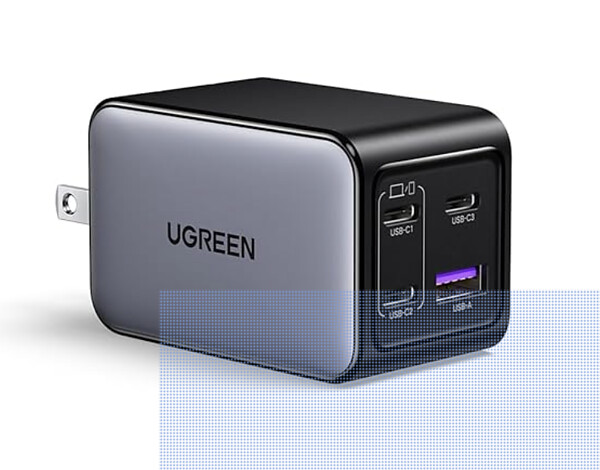
- Wall charger – Use it to charge your phone, earbuds, or tablet from a standard outlet, faster and more reliably than a laptop USB port. A multi-port one charges several devices from one socket.
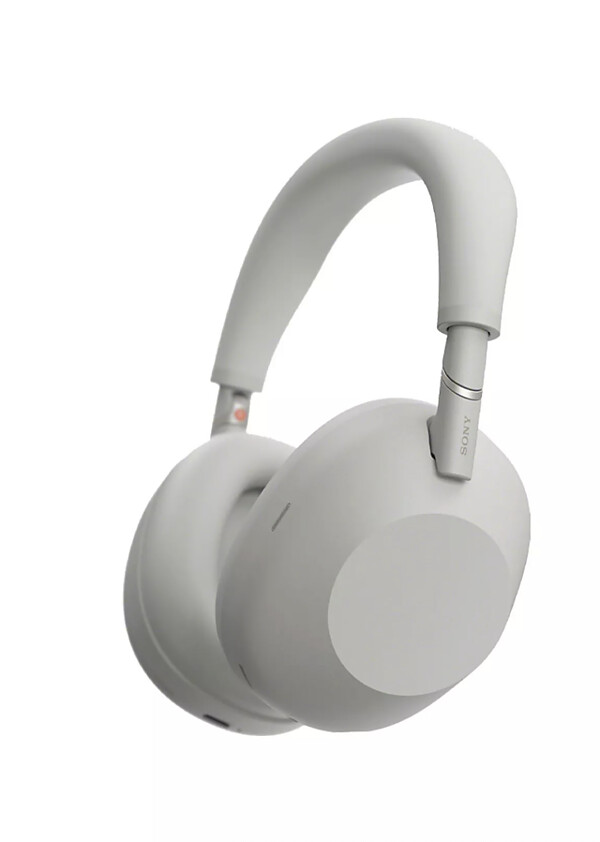
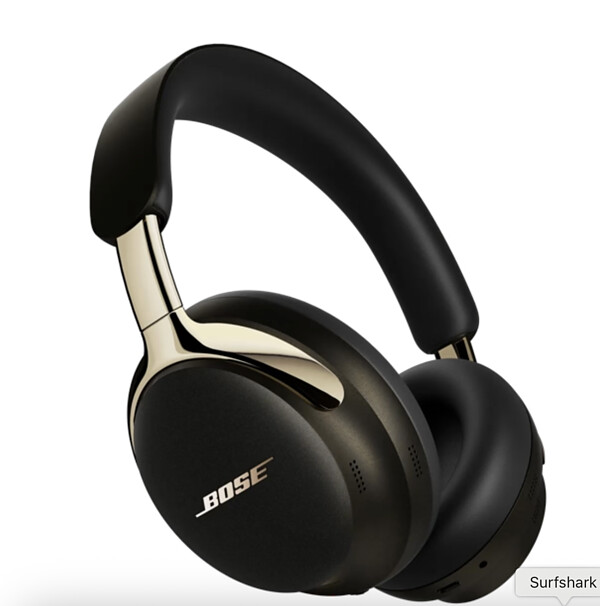
- Noise-cancelling headphones – Noise-cancelling headphones reduce background sound on planes and trains, so you can sleep, focus, or watch videos at lower volume and with less fatigue.
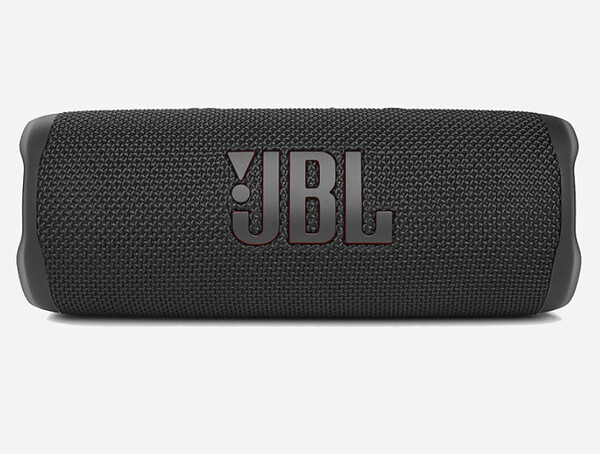
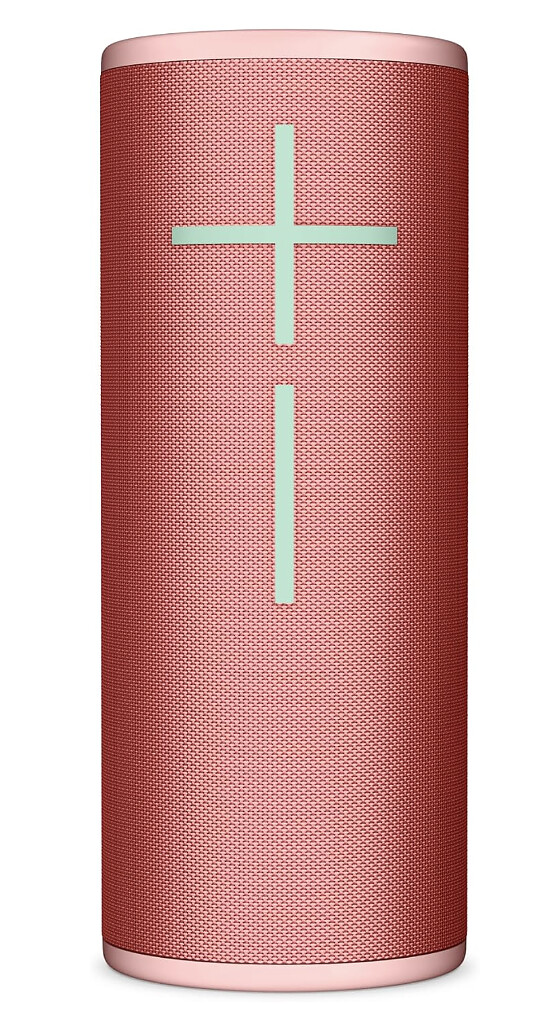
- Bluetooth speaker – Bluetooth speaker plays music or podcasts from your phone without headphones, which helps fill quiet time and makes shared rooms or small gatherings more comfortable.
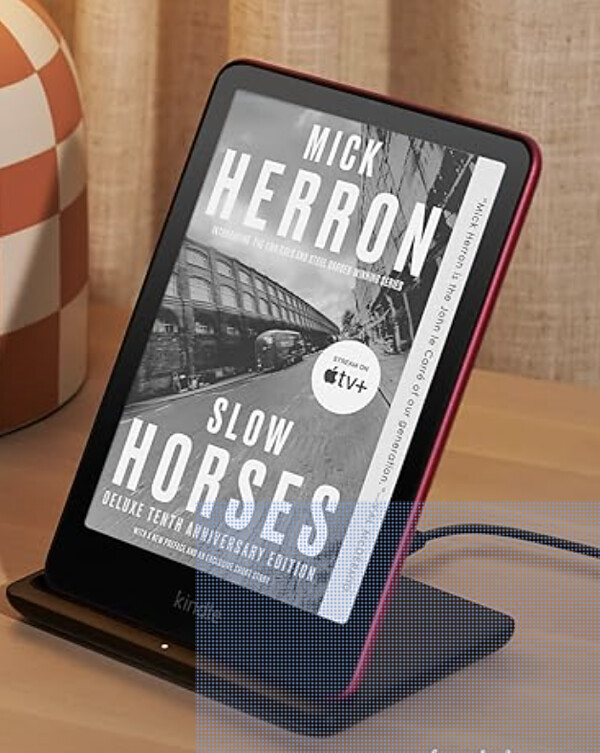
- E-reader – An e-reader holds thousands of books in a small device, so you have plenty to read without carrying extra weight. The adjustable light helps you read in dim rooms.
- Smartphone
- Charging cables
- Earbuds with mic
Documents & Essentials
I keep these together so I’m not digging at the airport or when checking into a hotel.
- Passport
- Credit card and debit card
- Local currency wallet
- Travel insurance details
- Hotel and transport confirmations
Comfort for the Journey
Flights and trains feel longer when you’re cold or dehydrated, so I pack for easy comfort.
- Neck pillow
- Eye mask
- Empty reusable water bottle
- Compression socks (1–2 PCS)
- Lightweight travel blanket or large scarf (1 PCS)
What to Leave at Home for South Korea in October
A heavy winter coat takes up most of your bag and is not necessary in October. Average temperatures stay comfortable during the day, and a packable jacket with a warm layer underneath handles the coldest mornings.
Shorts are also not worth the space. Evenings cool down quickly, and most Koreans dress fairly neatly in cities like Seoul and Busan, so trousers and jeans will serve you much better across the whole trip.
Smart Packing Tips for South Korea in October
Build your outfits around two or three neutral bottoms. Trousers and jeans in dark or neutral colors pair with almost every top, which means you pack fewer items and still have a fresh outfit each day.
If you plan to visit Jeju or spend time exploring coastal areas, check the forecast a few days before. Coastal spots can be noticeably windier than Seoul, so having a wind-resistant outer layer is a good idea.
- Pack layers you can remove and stuff into your daypack during the warmest part of the day
- A light scarf doubles as an extra layer and takes almost no space
- Bring comfortable shoes that are already broken in before you leave home
- Keep a small umbrella or packable rain jacket accessible, not buried in your checked bag
How Many Outfits to Pack for South Korea in October
For a one-week trip, four or five outfits is enough. South Korea has laundry facilities in most guesthouses and many hotels, and coin laundromats are easy to find in major cities, so you do not need to pack for every single day.
Shoes take the most space, so I recommend two pairs at most: one comfortable walking shoe for long days out and one slightly smarter option for evenings. A camera and your travel documents take priority over a third pair.
- Tops: 4-5 for a week, mix of short and long sleeve
- Bottoms: 2-3 pairs of trousers or jeans
- Outer layers: 1 jacket, 1 sweatshirt or mid-layer
- Shoes: 2 pairs maximum
- Socks and underwear: one per day, or fewer if you plan to do laundry
FAQ: Packing for South Korea in October
What should I wear in October in South Korea?
Layers work best. Start with a long-sleeve top, add a sweatshirt or light mid-layer, and carry a jacket for mornings and evenings.
Temperatures sit between 10°C and 20°C, so you will be adding and removing layers throughout the day.
Do I need a coat for South Korea in October?
A heavy winter coat is not necessary. A packable jacket or a mid-weight coat is enough for October.
Pair it with a warm mid-layer and you will be comfortable even on the coldest mornings.
What shoes are best for exploring South Korea in October?
Bring one pair of comfortable, already broken-in walking shoes. You will cover a lot of ground on foot and on subway station stairs.
A second pair for evenings is useful but optional.
What is the 52-hour rule in South Korea?
The 52-hour rule is a South Korean labor law that caps the standard working week at 52 hours. It does not directly affect travelers, but it is a common question from people researching the country before a trip.
Is $100 a lot of money in South Korea?
One hundred US dollars converts to roughly 130,000 to 140,000 Korean won, depending on the exchange rate. It covers several meals, transit, and small purchases comfortably, though costs vary by city and neighborhood.
Can I get by in South Korea with only English?
Yes, especially in Seoul. Major subway stations, tourist areas, and most hotels have English signage.
Outside big cities, basic Korean phrases and a translation app on your phone will help a lot.
What is the 3-5-7 rule in packing?
The 3-5-7 rule is a general packing guideline: 3 bottoms, 5 tops, and 7 pairs of underwear and socks for a trip of around a week. It is a useful starting point, though your actual list may shift depending on laundry access and trip length.