
When I’m heading to Switzerland in December, I rely on a switzerland december winter packing list that keeps you warm on the street and comfortable on trains without overpacking. You’ll feel better when every layer has a job.
I plan around long walking days in cities plus easy escapes to higher elevations, where cold hits faster. If you build flexible outfits, you can handle sudden shifts without changing your whole bag.


What Is the Weather Like in Switzerland in December?
Most places sit around -3°C to 3°C (27°F–37°F), and it often feels colder when you’re standing still or waiting outdoors. Cities are usually milder than mountain areas, so I pack layers that scale up easily.
What To Pack For Switzerland In December
Packing smart will help you make the most of your trip. Here’s everything you need to bring for a comfortable and stylish adventure.

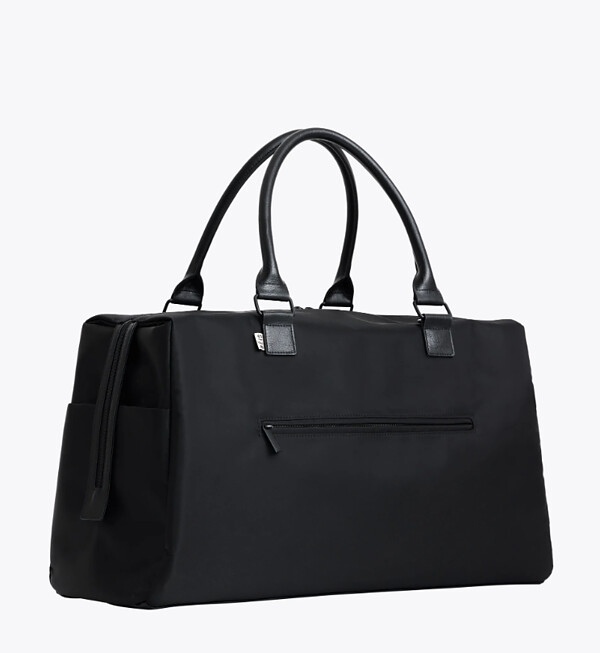
Carry-On Suitcase / Travel Bag Duffle / Portable Steamer / Packing cubes / Luggage scale / Wireless Noise-Cancelling Headphones / Speaker / Portable Charger / Universal Travel adapter / Compact Hair Dryer / Eye Mask / Waterproof Toiletry Bag Hanging / Zipper Pouch / Water BOTTLE / Liquid I.V. Hydration Vegan
Luggage & Packing Tools
If you want more options to have everything organized and well packed, take a look at these suggestions.

1. Rolling Backpack / 2. Luggage (large) / 3. Luggage (small) / 4. Toiletry Bag / 5. Beach Bag / 6. Backpack / 7. Packing Cubes
I like a setup that makes layering easy, because you’ll add and remove pieces constantly in heated interiors.
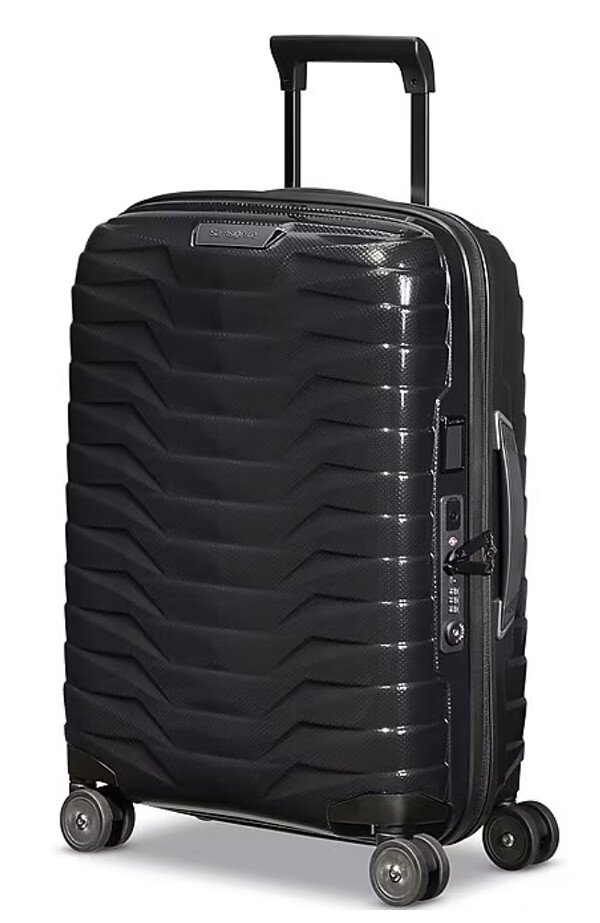
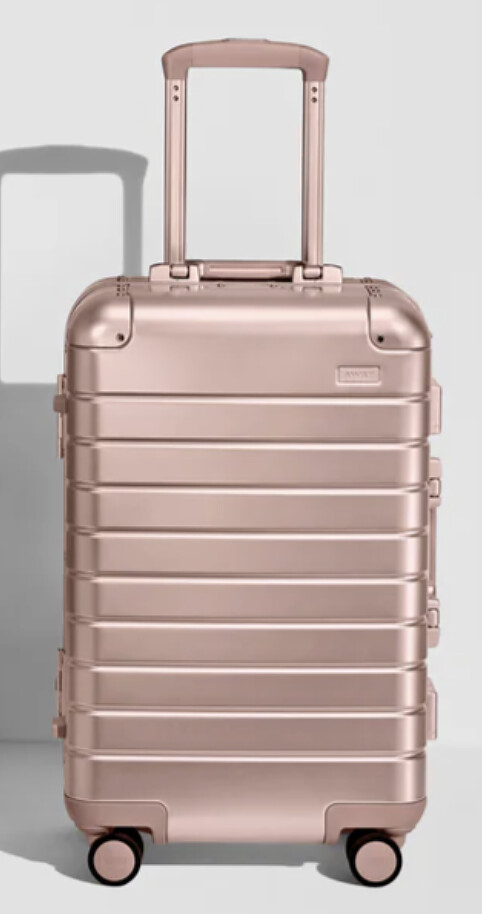
- Carry-on suitcase – A carry-on suitcase keeps your essentials with you and avoids checked-bag delays or lost luggage. It also makes transfers easier and helps you move through airports faster.
- Compression packing cubes
- Waterproof daypack cover
- Luggage ID tags
- Reusable zip bags (wet gloves and socks)
Clothes
You’ll stay warm by stacking thin layers, not by wearing one bulky piece all day.
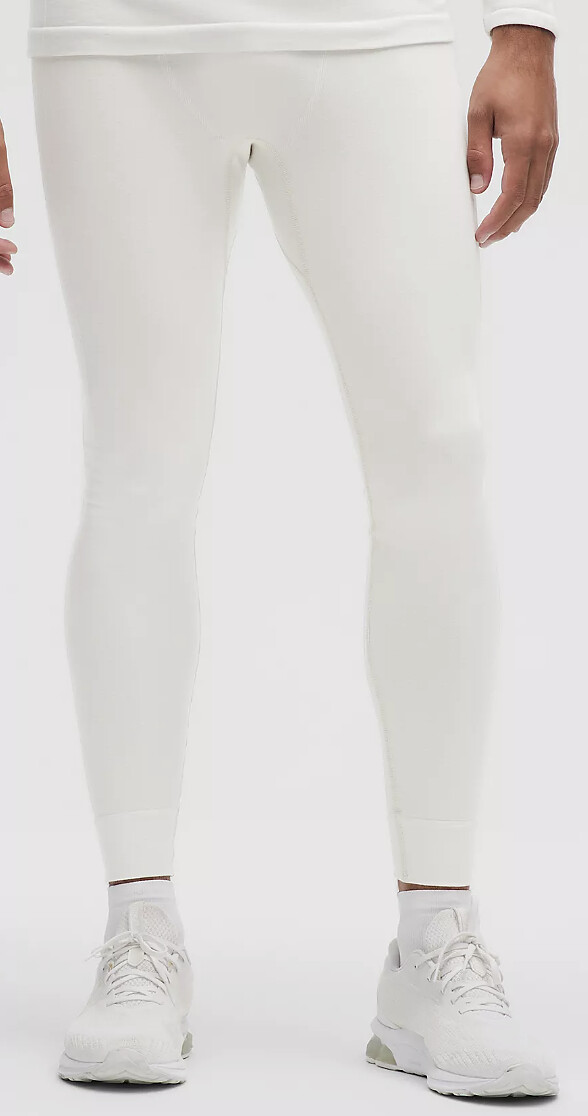
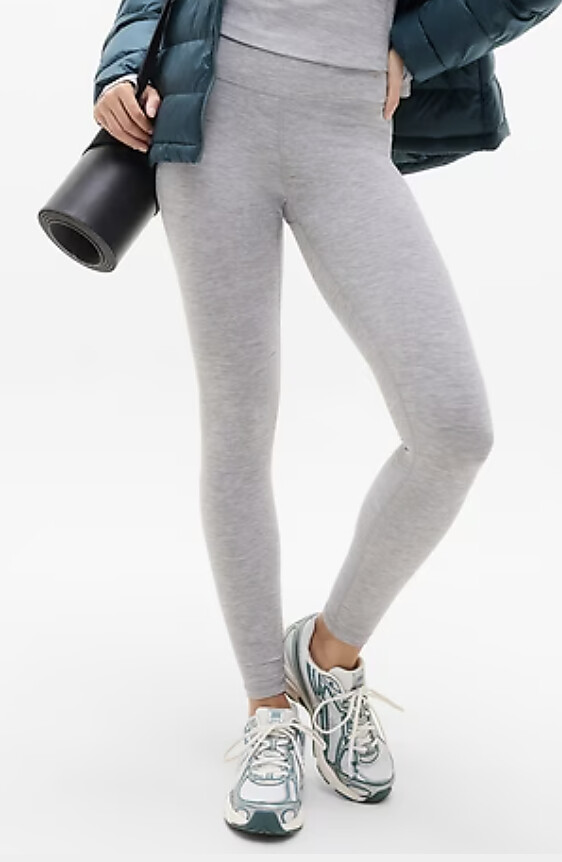
- Thermal leggings – Thermal leggings trap heat close to your skin, so you stay warmer in cold weather without bulky layers. They also fit under pants to cut wind chill.
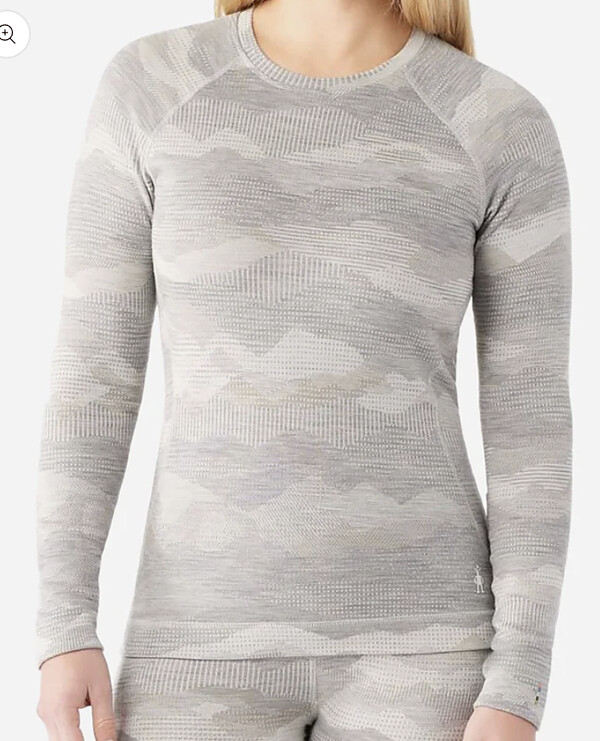
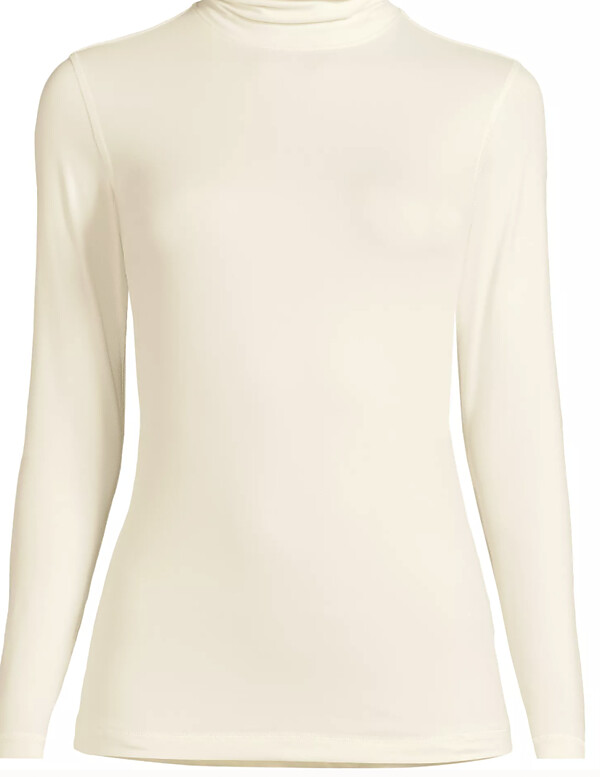
- Thermal base layer top – A thermal base layer top holds body heat under a jacket and helps regulate temperature. It also wicks sweat so you stay drier and warmer during cold days.
- Insulated winter coat (1 PCS)
- Wool sweater (2 PCS)
- Fleece or warm midlayer zip (1 PCS)
- Long-sleeve tops (2 PCS)
- Jeans or lined trousers (1–2 PCS)
- Warm sleep set (1 PCS)
- Wool socks (4–6 PCS)
- Underwear (6–8 PCS)
Shoes & Accessories
Wet sidewalks and slushy patches happen, so I always plan for grip and warm hands.
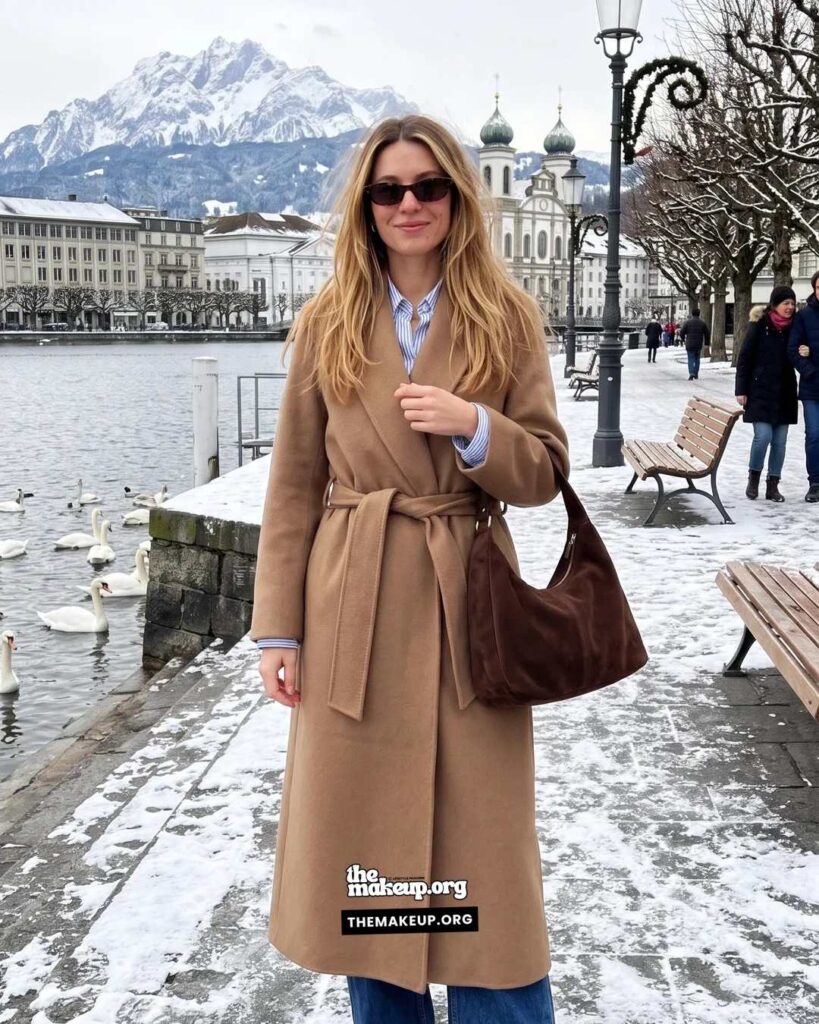
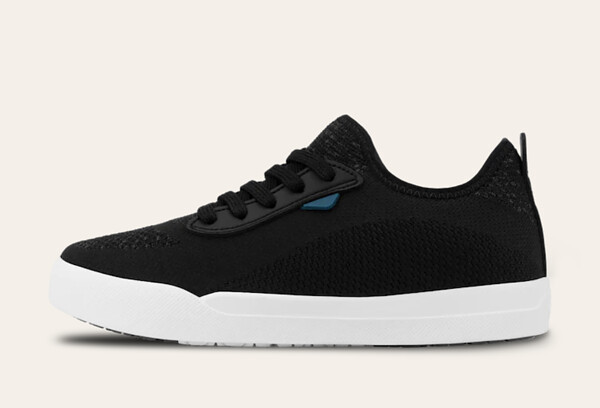
- Waterproof sneakers – Waterproof sneakers keep your feet dry in rain, puddles, and wet sidewalks, so you stay comfortable and avoid blisters. They also handle light mud better than regular sneakers.
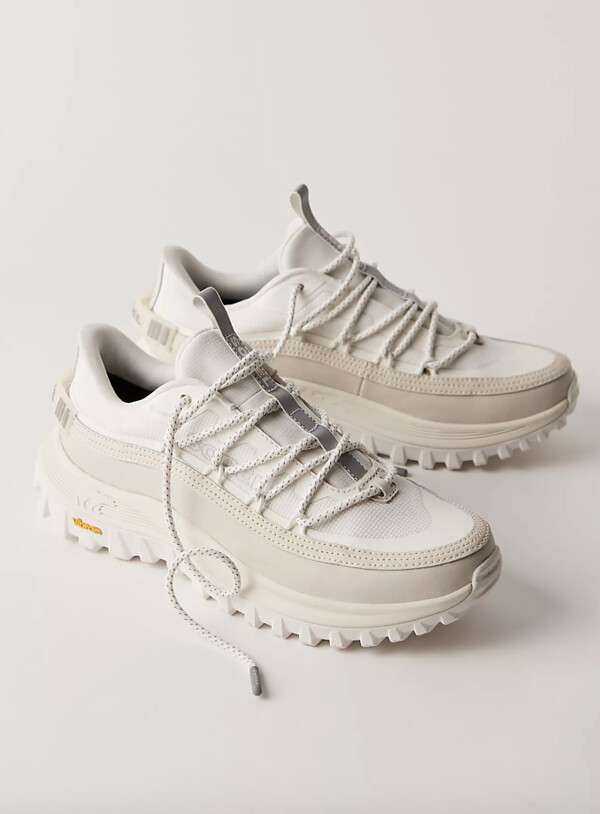
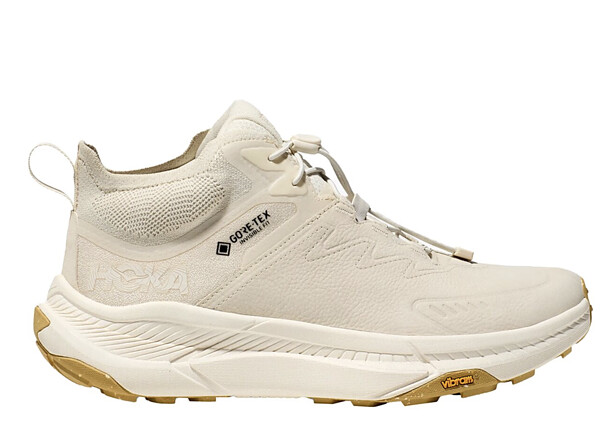
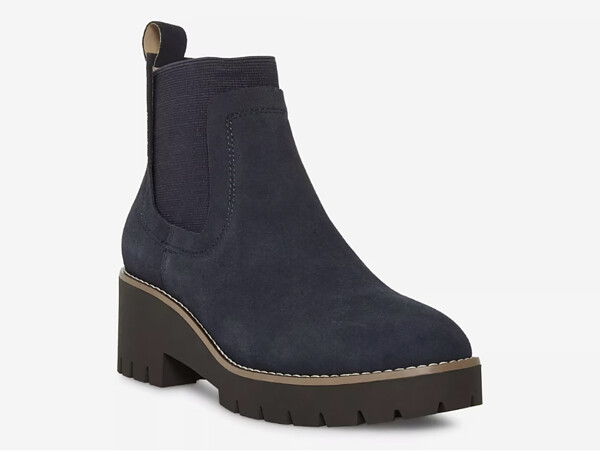
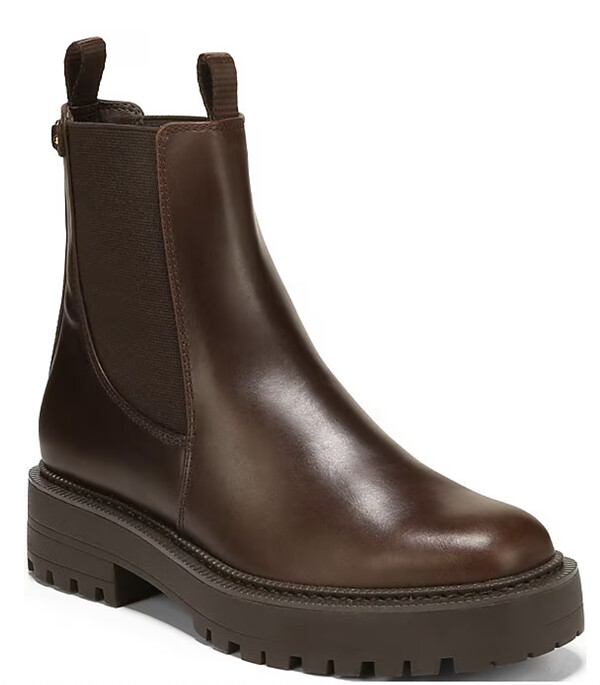
- Ankle boots – Ankle boots protect your feet from cold and light rain, and the ankle support helps on uneven streets. They look neat enough for casual dinners while still walking-friendly.
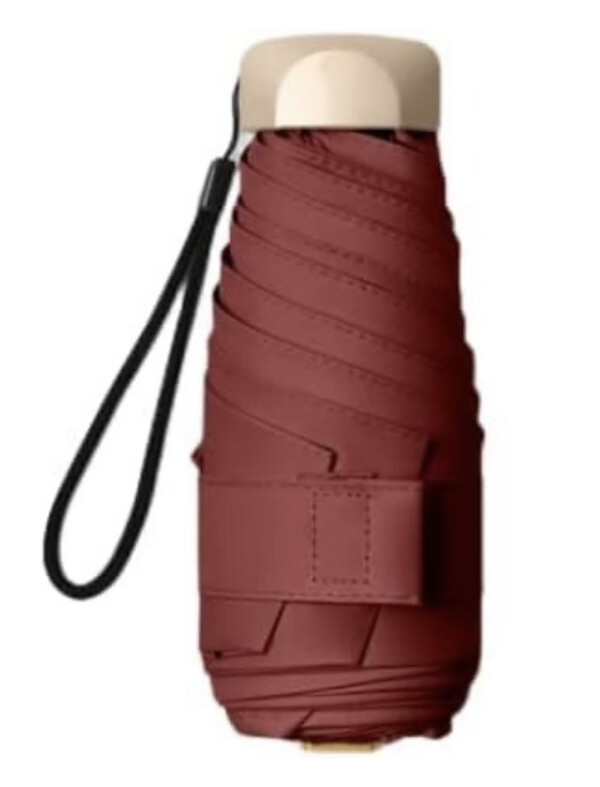
- Compact travel umbrella – A compact travel umbrella keeps you dry in sudden rain and blocks wind. It folds small, so it fits in your day bag without taking much space.
- Warm beanie (1 PCS)
- Insulated gloves (1 PCS)
- Wool scarf (1 PCS)
- Warm tights (1–2 PCS)
- Daypack (1 PCS)
Beauty & Skincare
Cold air and indoor heating can dry you out fast, and higher altitude days make sun protection non-negotiable.
- Travel hair dryer
- Hair straightener
- Rich face moisturizer
- SPF 30+ sunscreen
- Hydrating lip balm
- Gentle face cleanser
- Hand cream
- Deodorant
- Makeup basics (long-wear)
Health & Hygiene
I pack for cold-weather comfort, because tiny problems like blisters or chapped skin feel bigger on walking-heavy days.
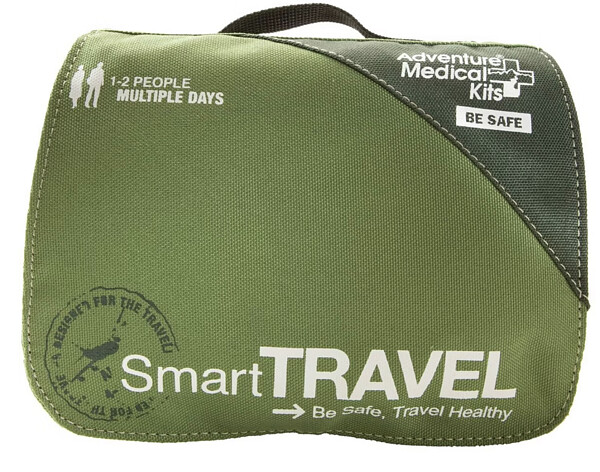
- Travel first aid kit – Minor cuts, blisters, headaches, or allergies can hit anytime; a travel first aid kit lets you treat them fast and stay comfortable until proper care is available.
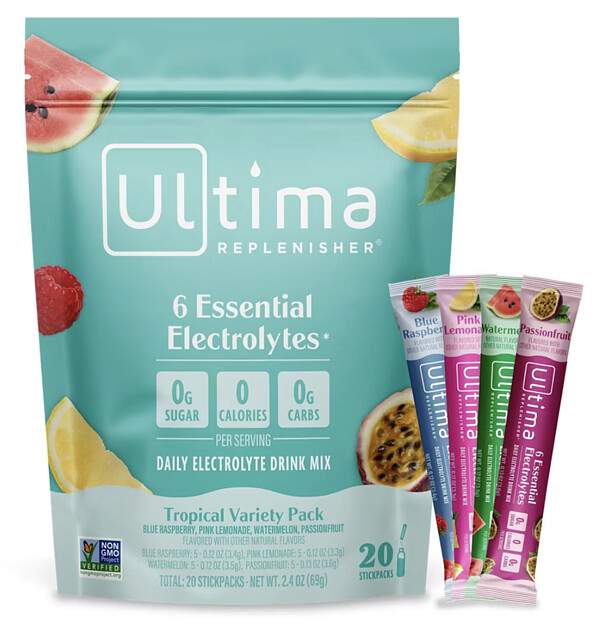
- Electrolyte powder – Electrolyte powder replaces sodium and potassium when you sweat, helping you stay hydrated and avoid headaches or cramps during heat, long flights, or stomach bugs.

- Personal prescription medications
- Blister plasters
- Ibuprofen or acetaminophen
- Tissues
- Hand sanitizer
- Toothbrush and toothpaste
Tech & Electronics
Between maps, photos, and ticket apps, your phone works hard here, and cold weather drains batteries faster.
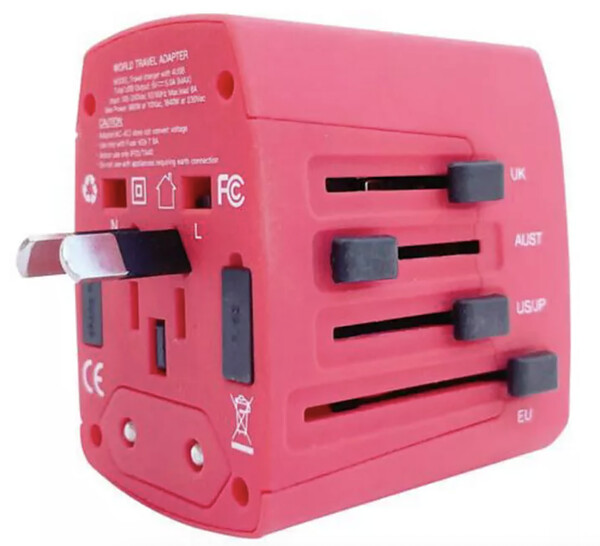
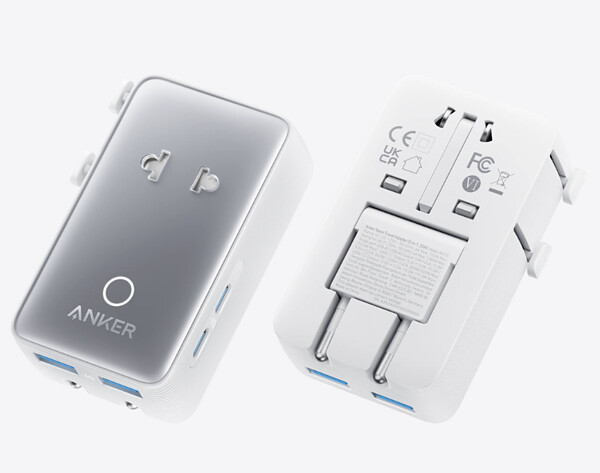
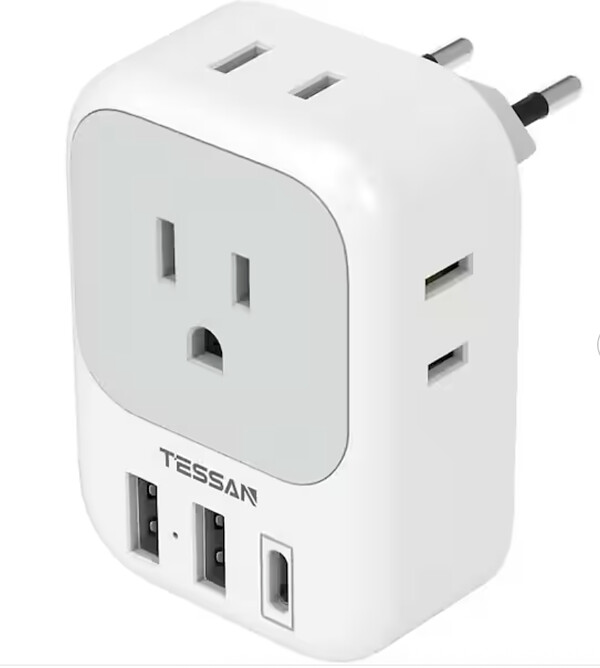
- Universal travel adapter – A universal travel adapter lets your plugs fit different outlet types, so you can charge your phone and laptop in most countries without hunting for the right plug.
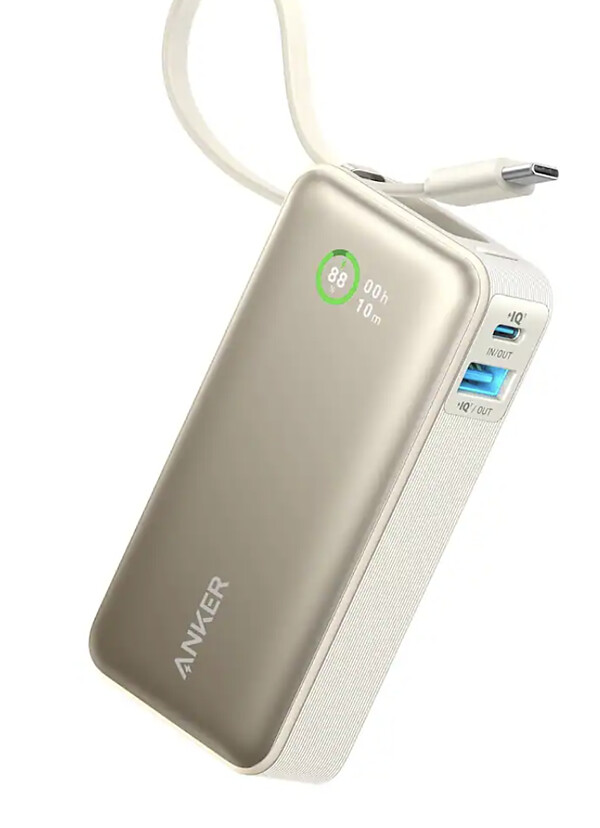
- Power bank – Power bank recharges your phone and other USB devices when there’s no outlet, so maps, tickets, and messages still work during long days.
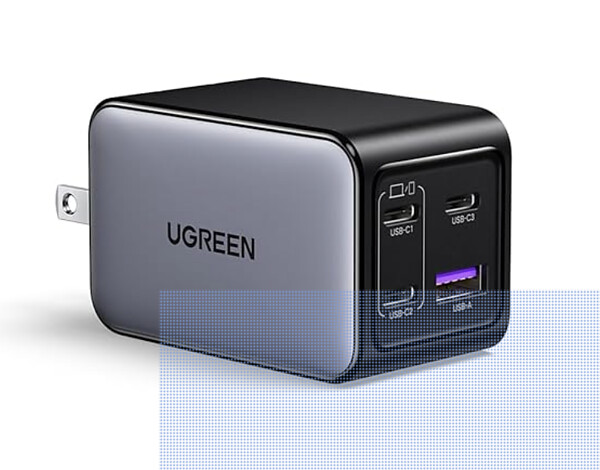
- Wall charger – Use a wall charger to plug into an outlet and charge your phone, tablet, or earbuds faster than many USB ports. It keeps devices ready for maps, tickets, and calls.
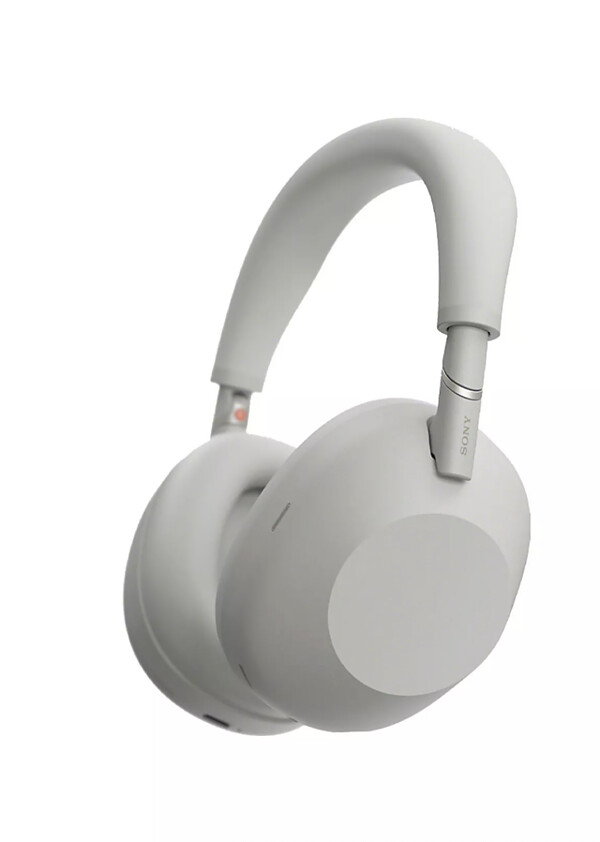
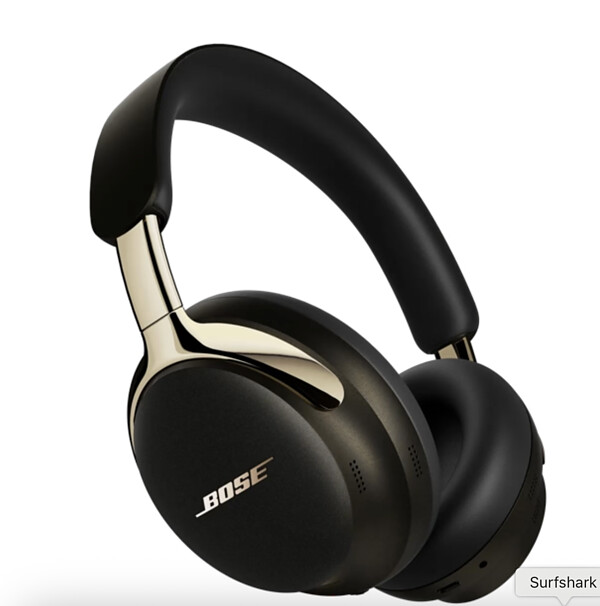
- Noise-cancelling headphones – Noise-cancelling headphones cut constant background noise, so you can sleep, focus, or relax in loud planes, trains, or busy hotels without turning the volume up.
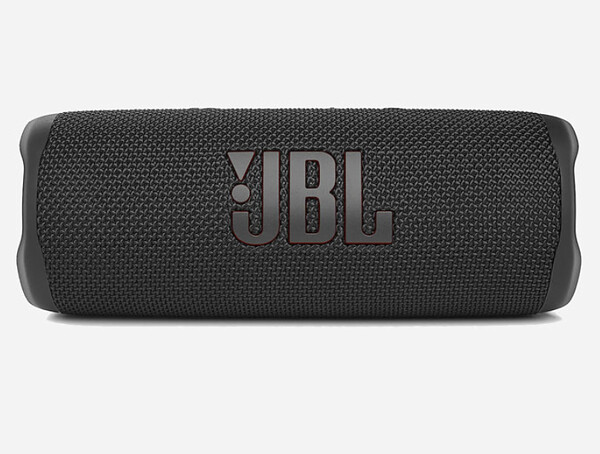
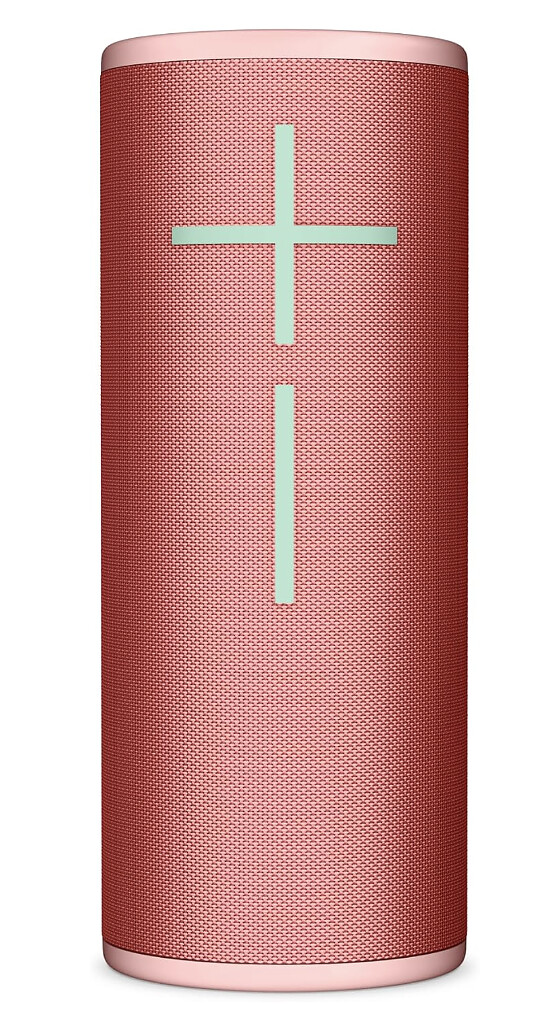
- Bluetooth speaker – A Bluetooth speaker plays music or podcasts from your phone without draining the phone’s tiny speaker. It helps fill a hotel room for relaxing or masking noise.
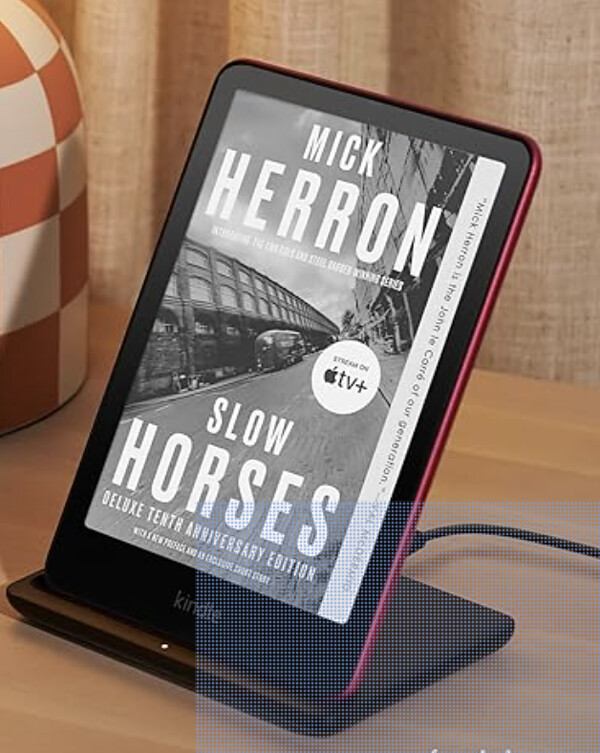
- E-reader – An E-reader stores hundreds of books in one light device, saving bag space. The screen is easy on your eyes and works well in bright sunlight.
- Phone charging cable
- Phone with offline maps downloaded
Documents & Essentials
I keep these together so you’re not digging around with cold hands at ticket gates or check-in.

- Passport
- Travel insurance details
- Credit card and backup card
- Some Swiss francs (cash)
- Hotel and transit confirmations (digital or printed)
Comfort for the Journey
Swiss trains are comfortable, but winter travel still means warm layers, dry air, and lots of sitting.
- Neck pillow
- Compression socks (1 PCS)
- Eye mask
- Refillable water bottle
- Lightweight travel blanket