
October in Switzerland is one of the trickiest months to pack for, and most visitors get it wrong in the same direction: not enough warmth for the mountains and nothing that handles rain.
A good Switzerland October packing list keeps you comfortable from a cold lakeside morning in a town like Lucerne to an afternoon hike at higher elevation where the temperature drops fast.
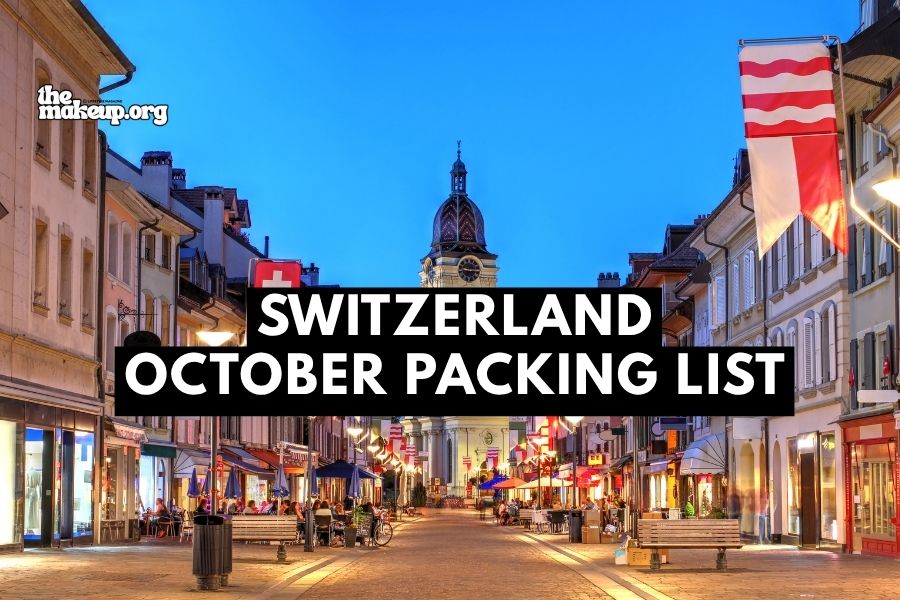
I’d build everything around a reliable waterproof coat and shoes you’ve already broken in at home. Footwear you buy or replace mid-trip almost never fits the way your own pair does, and blisters on day two are a real problem when your days are built around walking.
Note: This list is a starting point. Adjust it based on your exact itinerary, trip length, and how many nights you’ll spend in the mountains versus in a city or village.
Packing smart will help you make the most of your trip. Here’s everything you need to bring for a comfortable and stylish adventure.

Carry-On Suitcase / Travel Bag Duffle / Portable Steamer / Packing cubes / Luggage scale / Wireless Noise-Cancelling Headphones / Speaker / Portable Charger / Universal Travel adapter / Compact Hair Dryer / Eye Mask / Waterproof Toiletry Bag Hanging / Zipper Pouch / Water BOTTLE / Liquid I.V. Hydration Vegan
Quick Take
- 🌡️ Weather: During October in Switzerland, temperatures typically range between 7°C and 14°C (45°F–57°F)
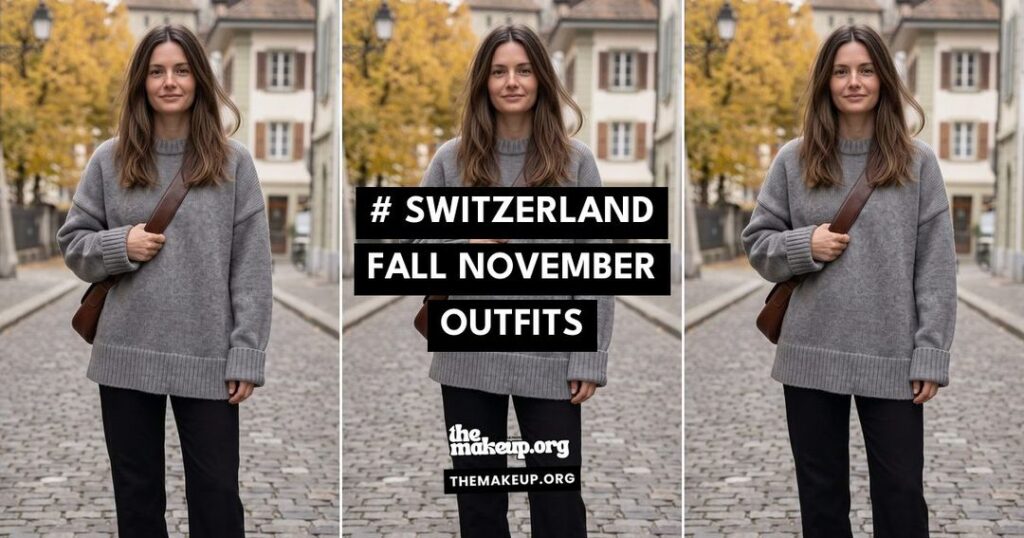
- 🧳 Pack: waterproof jacket, warm mid-layers, sturdy walking shoes, and versatile casual outfits
- ⚠️ Don’t forget: a warm hat, since mornings and evenings at higher elevations get cold fast
- 🚫 Skip: heavy bulky sweaters, thin packable layers do the same job without the bulk
- ⏱️ 3 min read · full checklist below

What Is the Weather Like in Switzerland in October?
Most places in Switzerland in October hover around 7°C to 14°C (45°F–57°F), so I pack layers I can add and remove quickly. Higher elevations and evening lake breezes can make the same day feel colder fast.
How to Pack Light for Switzerland in October
The key to packing light for October in Switzerland is choosing pieces that layer well together, so each item does more than one job across different temperatures and settings.
- 3-4 mix-and-match casual tops in neutral colors
- 1-2 warm mid-layers (fleece or light knit)
- One waterproof outer jacket
- 2 pairs of versatile bottoms (jeans work well here)
- One pair of broken-in waterproof walking shoes
- A warm hat and packable gloves
- Travel-size toiletries
What To Pack For Switzerland In October
Luggage & Packing Tools
If you want more options to have everything organized and well packed, take a look at these suggestions.

1. Rolling Backpack / 2. Luggage (large) / 3. Luggage (small) / 4. Toiletry Bag / 5. Beach Bag / 6. Backpack / 7. Packing Cubes
I like a simple system here because you may switch between trains, hotels, and day trips in one week.
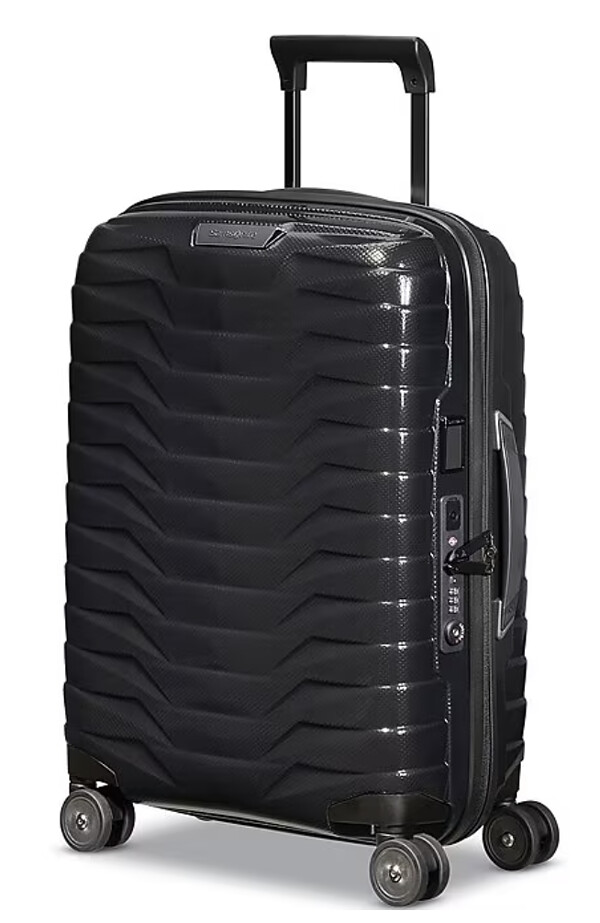
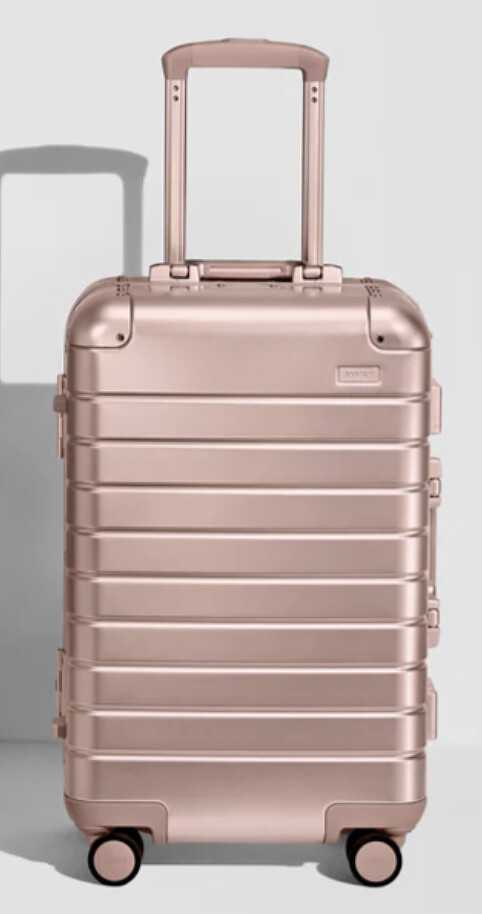
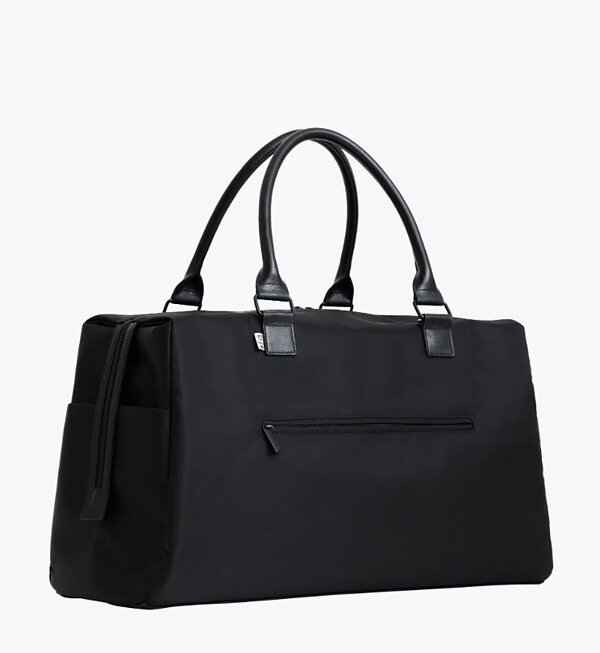
- Carry-on suitcase – A carry-on suitcase keeps essentials with you and avoids checked-bag fees and baggage-claim waits. It also helps during tight connections since it stays in your control.
- Packable daypack
- Packing cubes
- Compression bags
- Luggage ID tags
Clothes
October is all about layering in Switzerland, especially when mornings feel cold and afternoons soften.
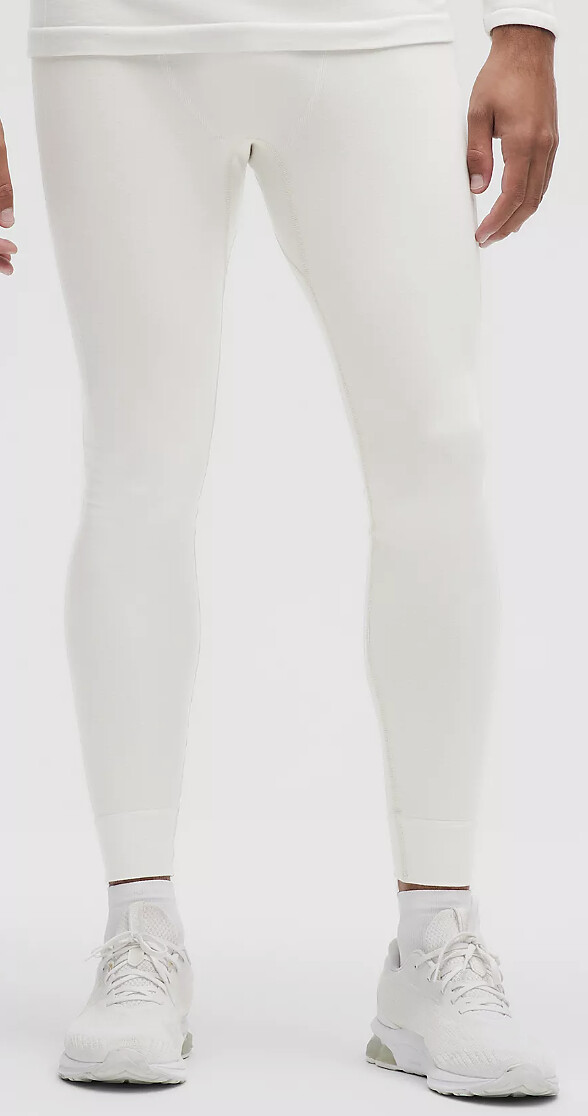
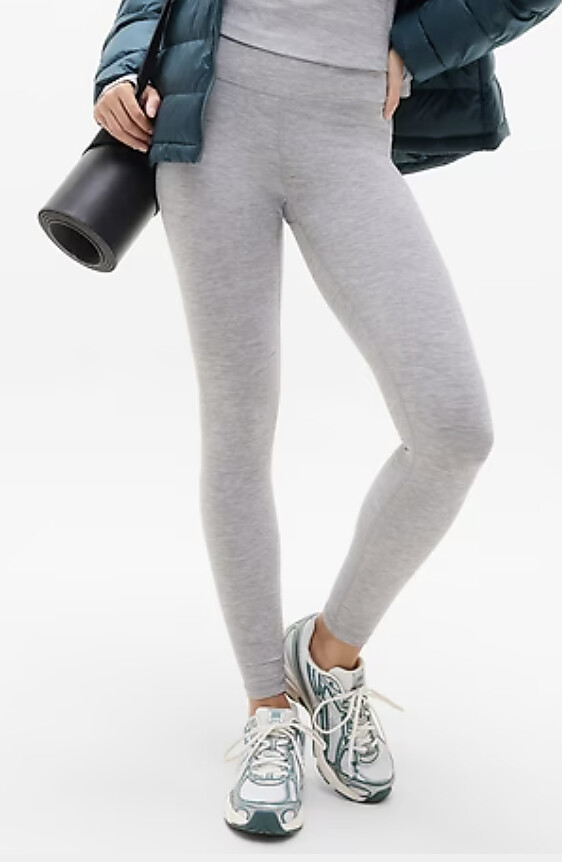
- Thermal leggings – Thermal leggings add an insulating layer under pants to keep body heat in. They help you stay warm on cold flights and outdoor walks without bulky clothing.
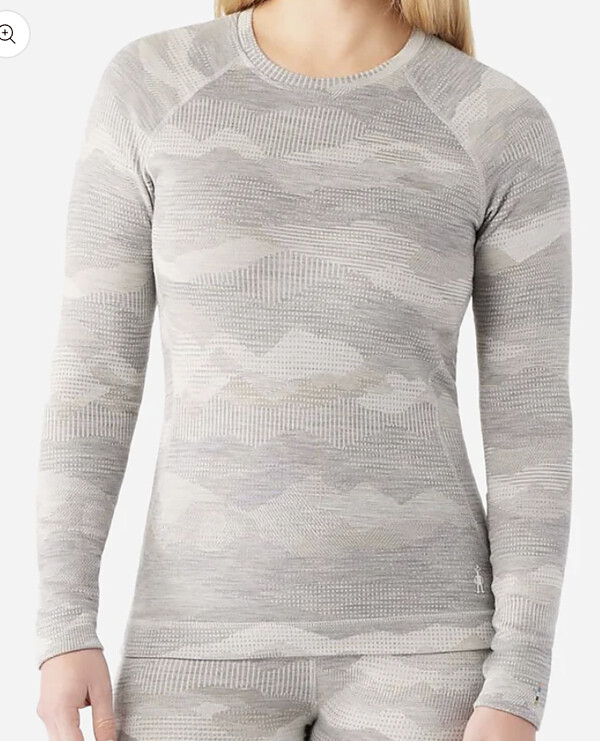
- Thermal base-layer top – A thermal base-layer top traps heat close to your skin and moves sweat away, so you stay warm and dry. It also makes outer layers feel more comfortable.
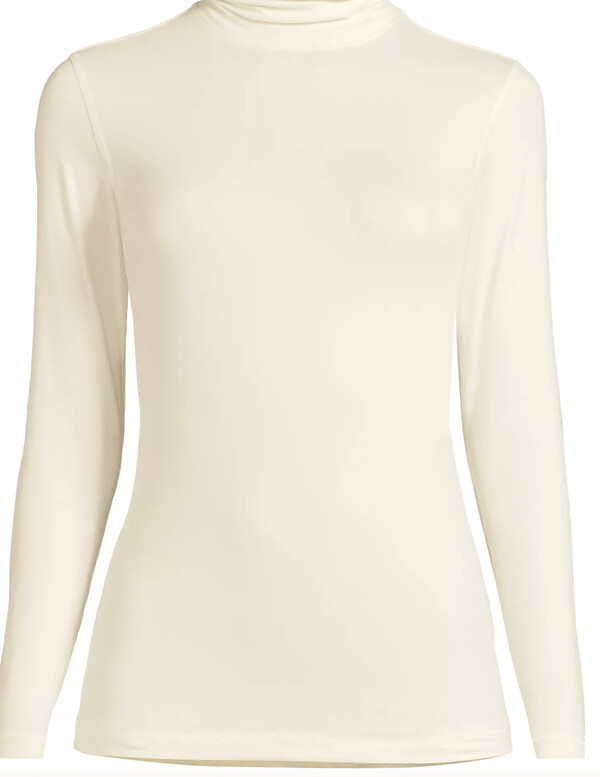
- Waterproof rain jacket with hood (1 PCS)
- Lightweight insulated jacket (1 PCS)
- Wool sweater (2 PCS)
- Long-sleeve tops (3 PCS)
- Quick-dry pants (2 PCS)
- Jeans (1 PCS)
- Sleepwear (1 PCS)
- Underwear (7 PCS)
- Warm socks (5 PCS)
Shoes & Accessories
Your feet do the work here, and damp sidewalks or trails are common in October.
- Waterproof sneakers – Waterproof sneakers block rain and puddles so your feet stay dry. That prevents blisters and keeps you walking comfortably when sidewalks and trails are wet.
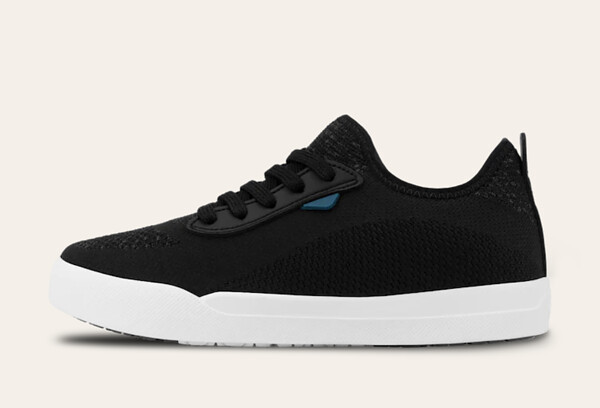
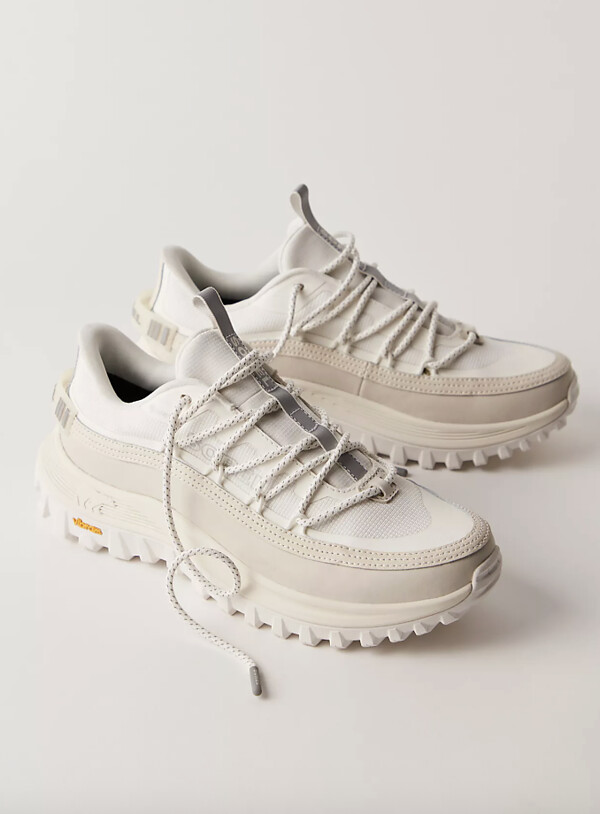
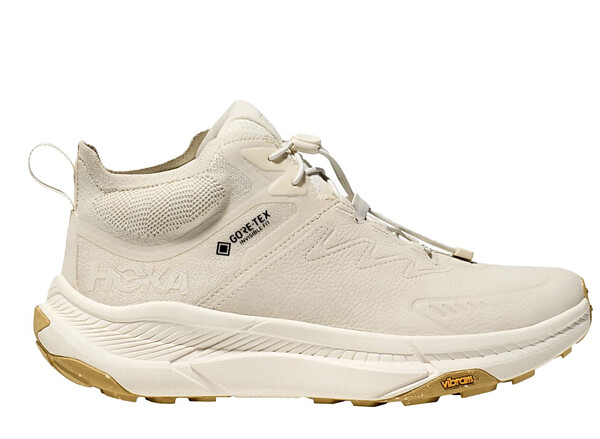
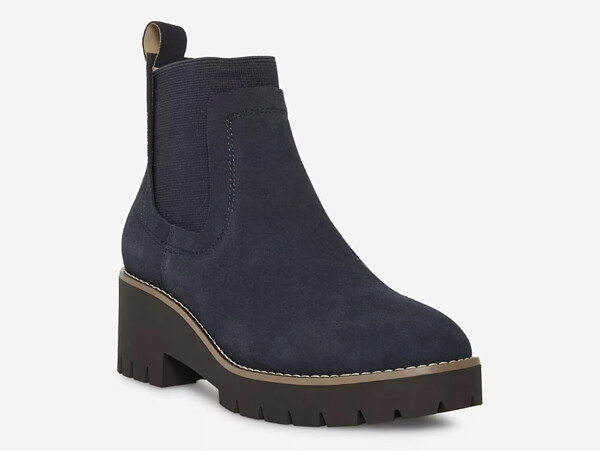
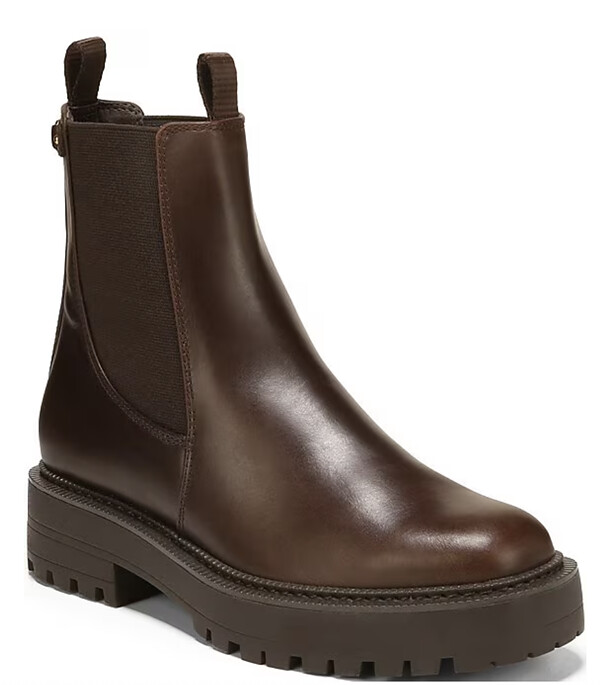
- Ankle boots – Ankle boots support your ankles and protect your feet, which helps on uneven streets. A sturdy sole and closed sides handle light rain and keep feet warmer.
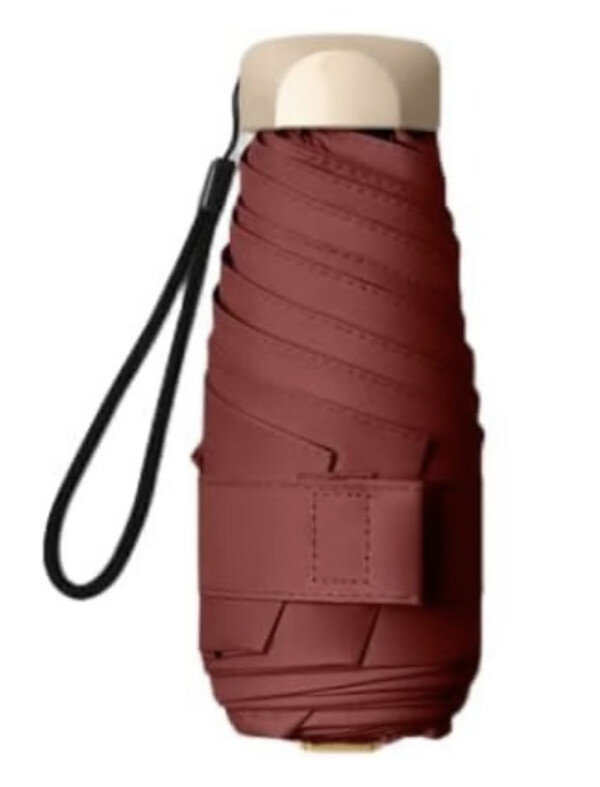
- Compact travel umbrella – A compact travel umbrella keeps rain off you and your bag while taking little space in a day bag. It helps you stay dry during sudden showers without changing plans.
- Scarf (1 PCS)
- Beanie (1 PCS)
- Light gloves (1 PCS)
- Crossbody bag with zipper (1 PCS)
Beauty & Skincare
Cool air and wind can dry your skin faster in Switzerland, and sun still hits at altitude.
- Travel hair dryer
- Hair straightener
- Gentle face cleanser
- Rich face moisturizer
- SPF 30+ face sunscreen
- SPF lip balm
- Hand cream
- Travel-size body lotion
- Concealer or tinted moisturizer
Health & Hygiene
I plan for lots of walking and indoor heating, so I pack for blisters and dry nose days.
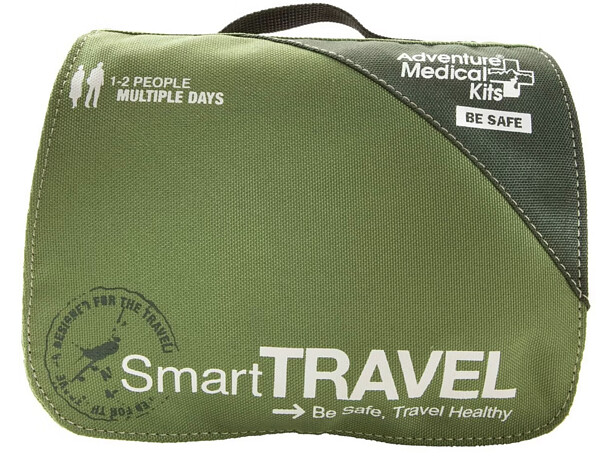
- Travel first aid kit – Travel first aid kit covers small cuts, blisters, headaches, and allergies fast, so minor problems don’t slow the day down. It also helps when nearby care is hard to find.
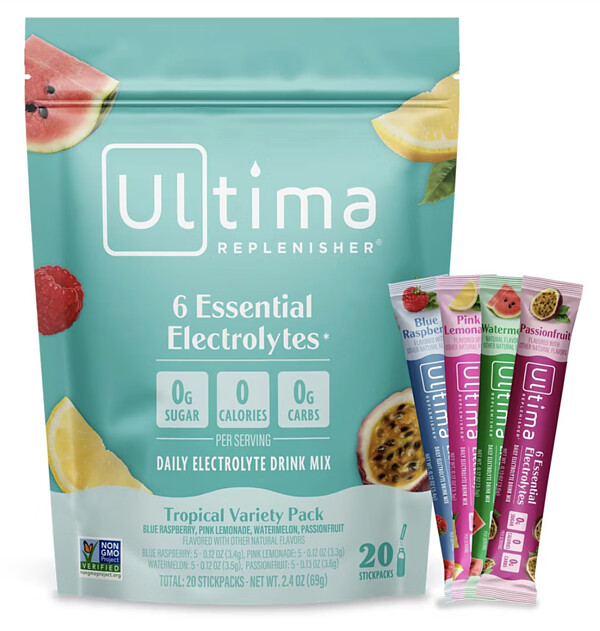
- Electrolyte powder – Mix electrolyte powder into water to replace salts lost from sweat or stomach issues. It helps you stay hydrated and can reduce headaches, cramps, and fatigue.

- Blister plasters
- Personal medications
- Pain relievers
- Alcohol hand sanitizer
- Tissues
- Travel-size deodorant
Tech & Electronics
Between maps, tickets, and photos, your phone works hard on Swiss travel days.
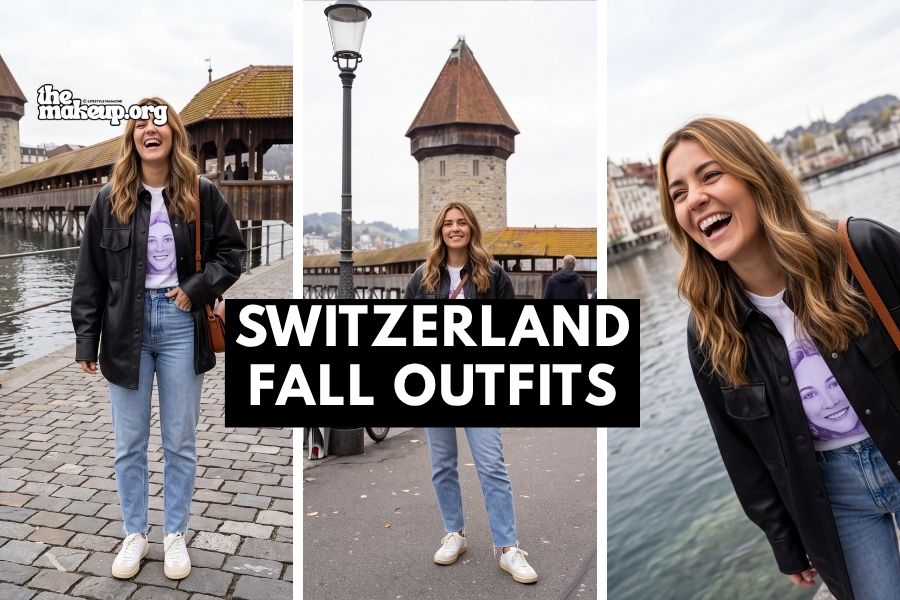
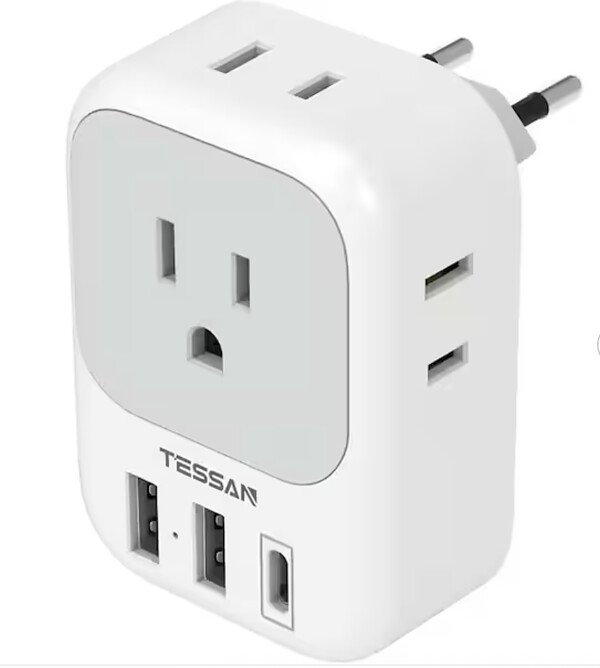
- Universal travel adapter – A universal travel adapter lets your plugs fit foreign outlets, so you can charge phones and laptops without buying local plugs or hunting for compatible sockets.
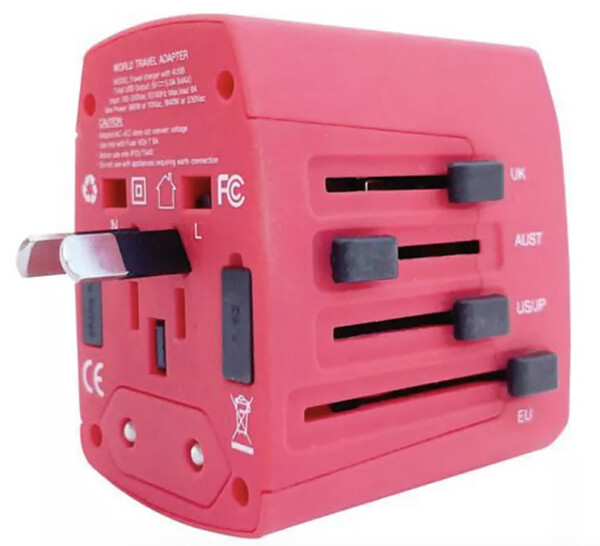
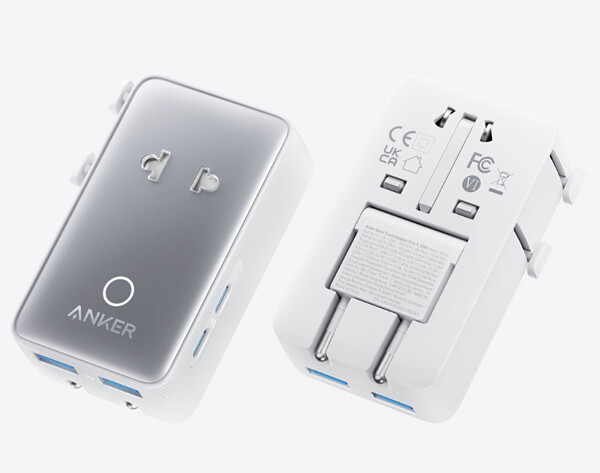
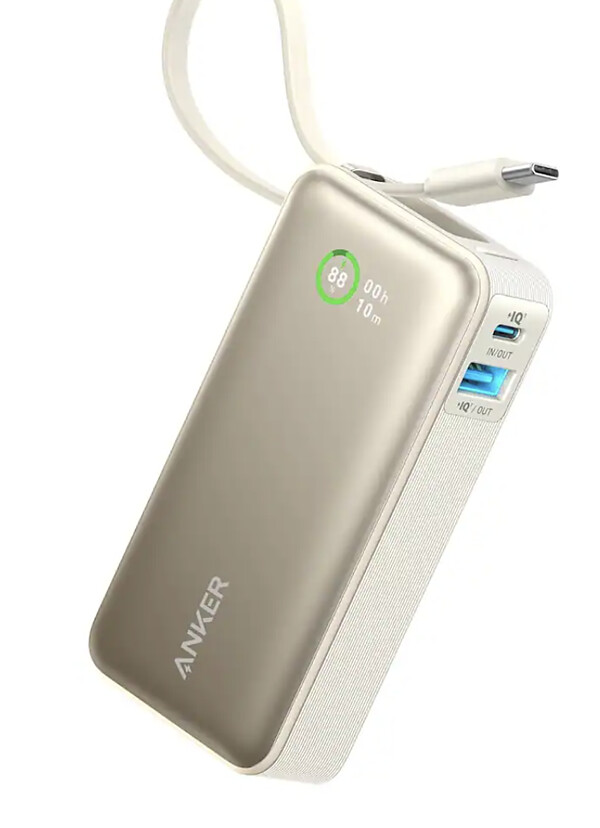
- Power bank – Power bank recharges your phone and other USB devices when no outlet is available, so maps, tickets, and calls still work when the battery runs low.
- Wall charger – Use it to charge your phone and other devices faster and more reliably than many USB ports. Pick one with enough ports and wattage to charge everything at once.

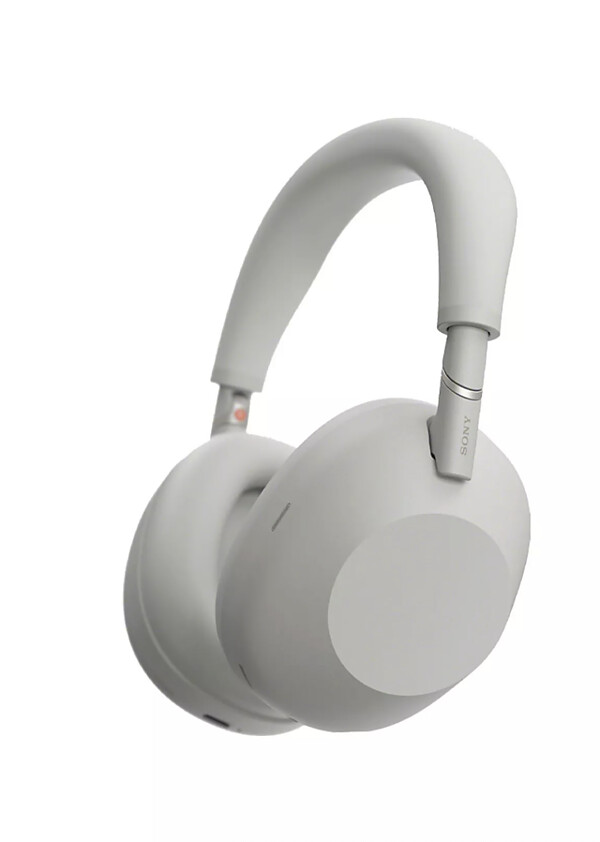
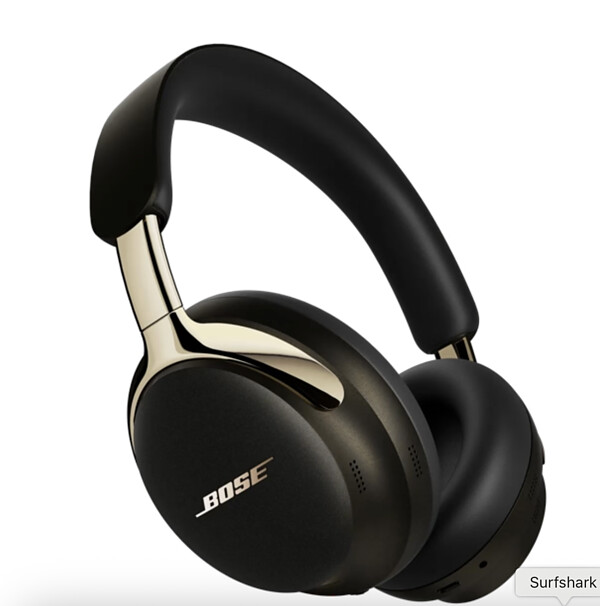
- Noise-cancelling headphones – They reduce engine and crowd noise so you can sleep, focus, or relax on flights and trains. The quieter background also makes music and calls easier to hear.
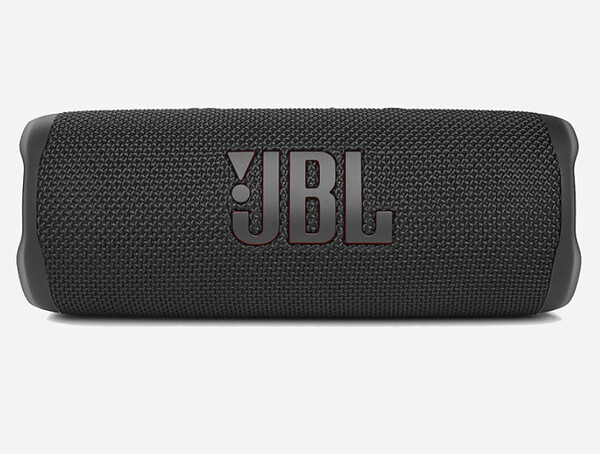
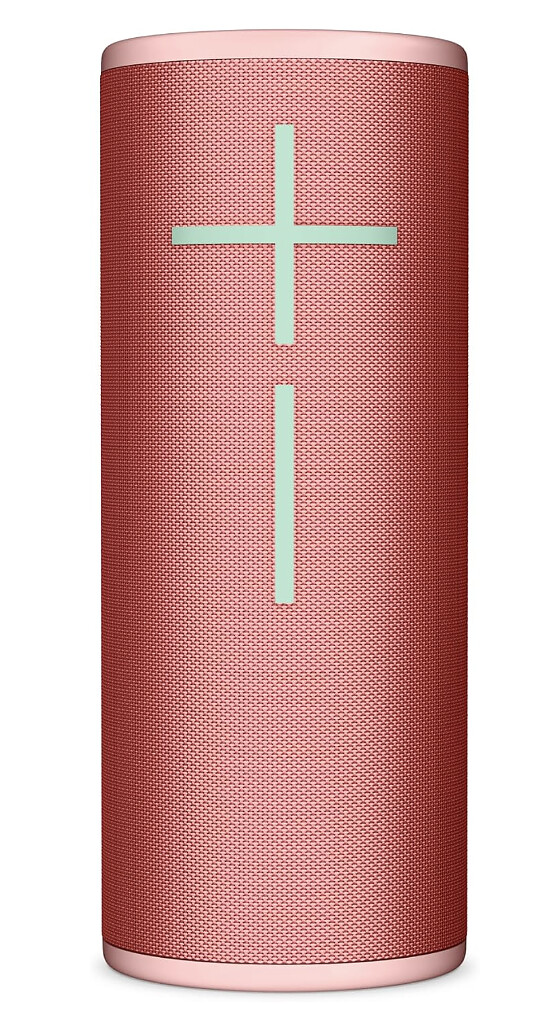
- Bluetooth speaker – Connect it to your phone for louder music, podcasts, or calls than built-in speakers. It helps fill a room and keeps everyone listening without passing a device around.
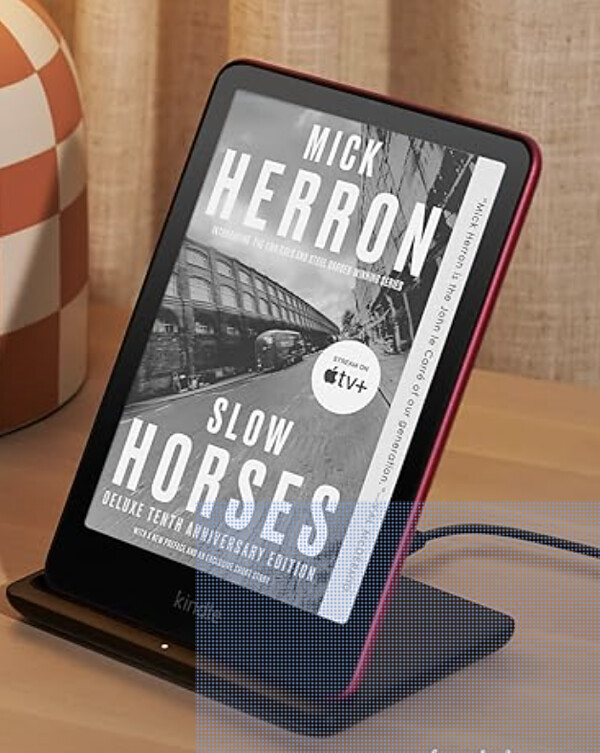
- E-reader – E-reader stores lots of books in one light device, so you can read anytime without extra weight. The screen is easy on your eyes and the battery lasts for days.
- Smartphone
- Charging cables
- Offline maps downloaded
Documents & Essentials
I keep these easy to grab because you will show tickets and IDs more often on train-heavy days.
- Passport
- Payment cards
- Travel insurance details
- Reservation confirmations
- Driver’s license (1 PCS)
Comfort for the Journey
Flights and trains feel longer when you are cold or thirsty, so I bring a few comfort staples.
- Reusable water bottle
- Neck pillow
- Eye mask
- Earplugs
- Lightweight travel blanket (1 PCS)
What to Leave at Home for Switzerland in October
Leave the heavy winter coat at home. A good waterproof jacket over a warm mid-layer covers almost every situation you will encounter in October, even in the Alps.
A single bulky coat takes up half your bag and gives you less flexibility than two thinner pieces would.

Skip the sandals and lightweight summer shoes entirely. The ground is often wet, the cobblestones in older towns can be slippery, and your feet will be cold by mid-morning.
Sturdy shoes you can walk in for hours are worth far more space than a second pair of casual flats.
Packing Tips for Switzerland in October
Think in layers rather than outfits. A base layer, a mid-layer, and a waterproof shell give you much more range than one heavy jacket, and you can adjust as the day warms up or the temperature drops at night.
If your itinerary includes mountain villages or hiking, plan for noticeably colder conditions than in the cities. I’d recommend adding an extra warm layer specifically for those days rather than wearing your warmest clothes every day and running out of options.

- Choose neutral colors so tops and bottoms mix and match easily
- Pack merino wool or thermal base layers for cold mornings
- Bring a small packable bag for day trips and hikes
- Check your hotel’s laundry options before deciding how many clothes to bring
- Wear your bulkiest shoes and jacket on travel days to save bag space
How Many Outfits to Pack for Switzerland in October
For a one-week trip, I’d aim for around four tops, two bottoms, and one outfit you feel comfortable wearing to a nicer dinner. That is usually enough without needing to do laundry mid-trip, and it keeps your bag manageable on trains and cobblestone streets.
For trips longer than a week, plan to do laundry once. Most hotels and many laundromats in Swiss cities offer this.
Packing for 7-8 days and doing one wash is almost always easier than trying to carry 14 days of clothes.
- Tops: 4 for a week, add 1-2 if no laundry access
- Bottoms: 2-3 pairs, jeans are versatile and appropriate everywhere
- Mid-layers: 1-2 is enough if they are warm enough on their own
- Shoes: 1 main walking pair plus 1 lighter option for evenings
FAQ: Packing for Switzerland in October
What is the 3-3-3 rule for packing?
The 3-3-3 rule means packing 3 tops, 3 bottoms, and 3 pairs of shoes to keep your bag light and everything mix-and-match. It works well for short trips but for a week in Switzerland in October, I’d add one extra top and a dedicated warm layer.
How should you dress in Switzerland in October?
Dress in casual layers you can add or remove through the day. A base layer, a warm mid-layer like a fleece or knit, and a waterproof outer jacket covers most October days.
Jeans or casual trousers work well for both city streets and smaller towns.
Is it okay to wear jeans in Switzerland?
Yes, jeans are completely fine in Switzerland. They are practical, warm enough for October temperatures, and appropriate for casual dining, city walks, and most village settings.
They are one of the most versatile things you can pack for this trip.
What are the main etiquette rules to be aware of in Switzerland?
Switzerland is a quiet, orderly country and locals appreciate the same in return. Keep noise down in residential areas, especially late at night.
Punctuality is taken seriously, so plan ahead when using trains or meeting anyone for a tour or activity.
Can you shower after 10pm in Switzerland?
In many Swiss apartment buildings, there are shared quiet-hour rules that discourage loud water use late at night, though this is not a national law. If you are staying in a hotel, it is not an issue.
If you are in a rental apartment, check the house rules when you arrive.
What should you plan to buy in Switzerland rather than bring?
Swiss chocolate and local cheese are the obvious picks to bring home. For practical supplies like toiletries, sunscreen, or a forgotten rain layer, pharmacies and supermarkets in Swiss cities are well-stocked, so you do not need to over-pack basics from home.
Do you need hiking gear for Switzerland in October?
It depends on your itinerary. If you are sticking to city walks and lake towns, sturdy waterproof walking shoes are enough.
If you are planning actual trail hikes, especially at higher elevations, bring proper hiking boots and check trail conditions before you go, since some mountain paths close in late October.