
Tokyo in December is cold enough to need real layers, but it is not the extreme winter that worries a lot of first-time visitors.
Daytime highs sit around 12°C (54°F), so a good mid-layer and a wind-resistant outer jacket will cover most of your day.
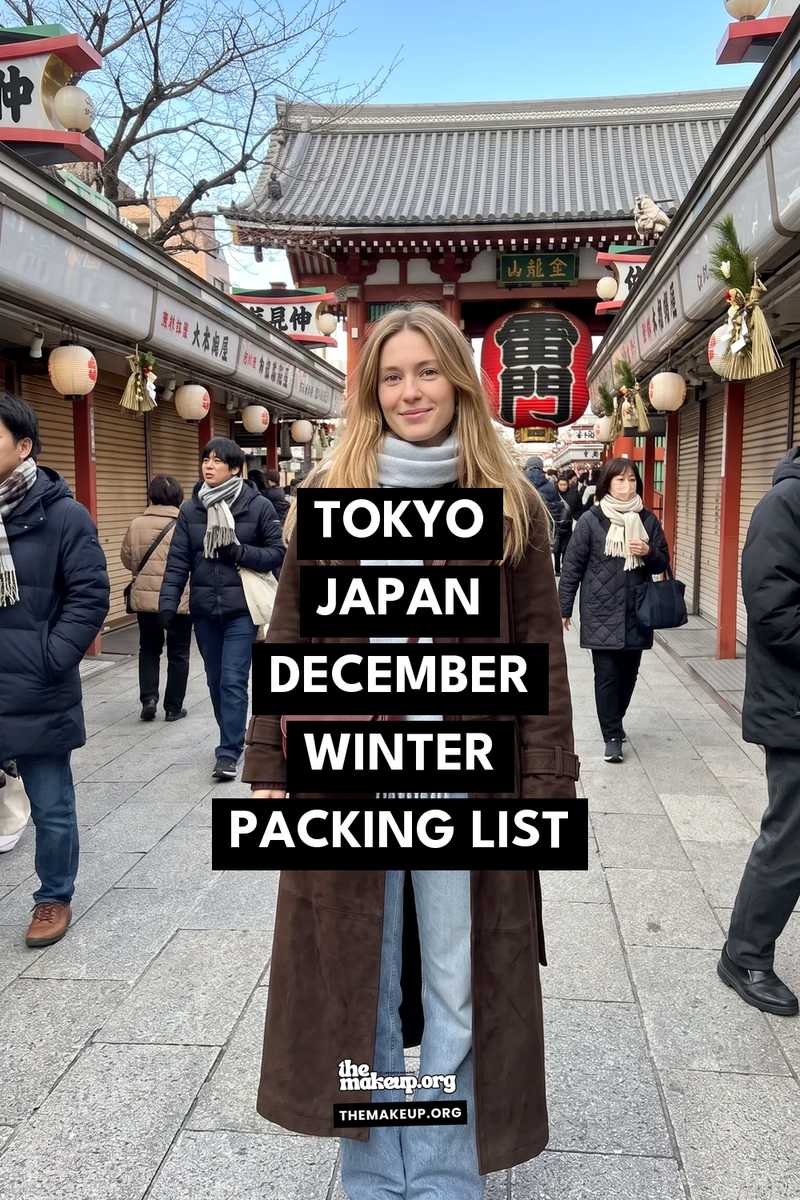
The bigger thing to plan around is how much you move. A Tokyo city break means long stretches on foot, in and out of warm train stations and restaurants, so your clothes need to adjust to constant temperature changes without bulk.
Packing smart will help you make the most of your trip. Here’s everything you need to bring for a comfortable and stylish adventure.

Carry-On Suitcase / Travel Bag Duffle / Portable Steamer / Packing cubes / Luggage scale / Wireless Noise-Cancelling Headphones / Speaker / Portable Charger / Universal Travel adapter / Compact Hair Dryer / Eye Mask / Waterproof Toiletry Bag Hanging / Zipper Pouch / Water BOTTLE / Liquid I.V. Hydration Vegan
Quick Take
- 🌡️ Weather: During December in Tokyo Japan, temperatures typically range between 4°C and 12°C (39°F–54°F)
- 🧳 Pack: thin layers, a wind-resistant outer jacket, comfortable slip-on walking shoes, and a compact daypack
- ⚠️ Don’t forget: a warm layer for evenings, when temperatures drop fast after sunset
- 🚫 Skip: a heavy parka, thin layers work better for Tokyo’s heated interiors and constant indoor-outdoor movement
- ⏱️ 3 min read · full checklist below
What Is the Weather Like in Tokyo Japan in December?
December in Tokyo typically runs about 4°C to 12°C (39°F–54°F), so I expect cold mornings and evenings with milder afternoons. That range is why I pack layers that vent indoors but still block chill outside.
How to Pack Light for Tokyo Japan in December
Tokyo’s efficient trains and walkable neighborhoods mean you are carrying your bag on and off platforms all day. A carry-on or a mid-size checked bag is easier to manage than a large suitcase, especially if you plan to visit a ryokan, where storage space is small.
- 3-4 mix-and-match tops in thin, breathable fabrics
- 1-2 mid-layers, such as a fleece or light knit
- One wind-resistant outer jacket
- 2-3 bottoms in neutral colors
- One pair of broken-in walking shoes that slip on and off easily
- Travel-size toiletries
- A compact daypack for temple visits and shopping
What To Pack For Tokyo Japan In December
Luggage & Packing Tools
If you want more options to have everything organized and well packed, take a look at these suggestions.

1. Rolling Backpack / 2. Luggage (large) / 3. Luggage (small) / 4. Toiletry Bag / 5. Beach Bag / 6. Backpack / 7. Packing Cubes
I like a simple system in Tokyo because you will be in and out of trains and stations all day.
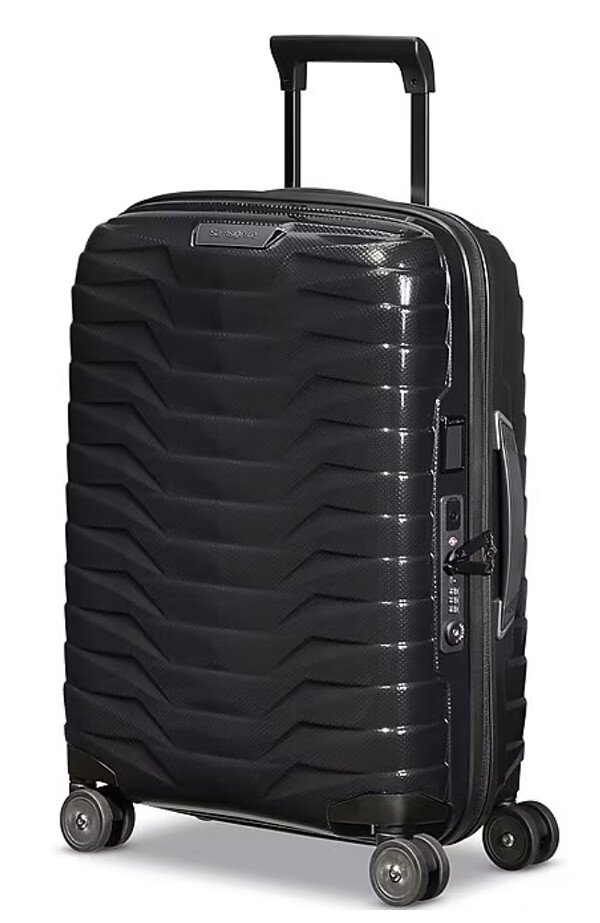
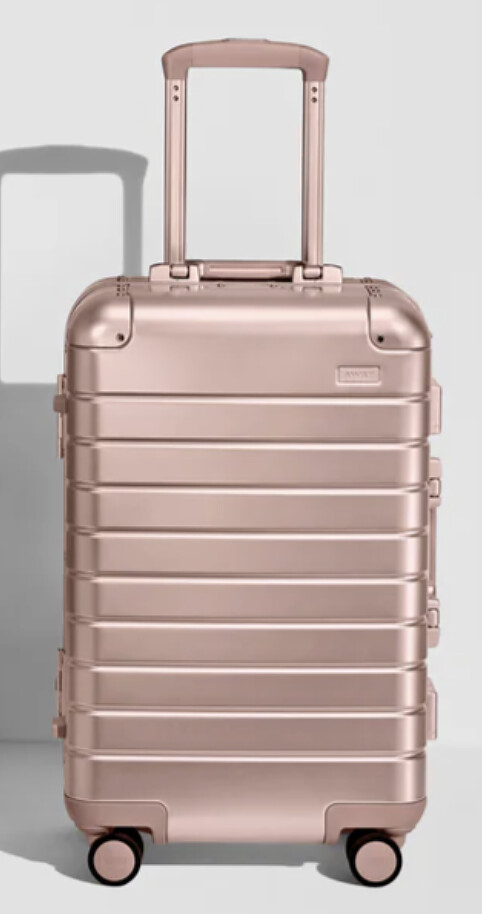
- Carry-on suitcase – A carry-on suitcase keeps essentials with you and avoids checked-bag delays or loss. It fits in overhead bins, so you can move through airports and connections faster.
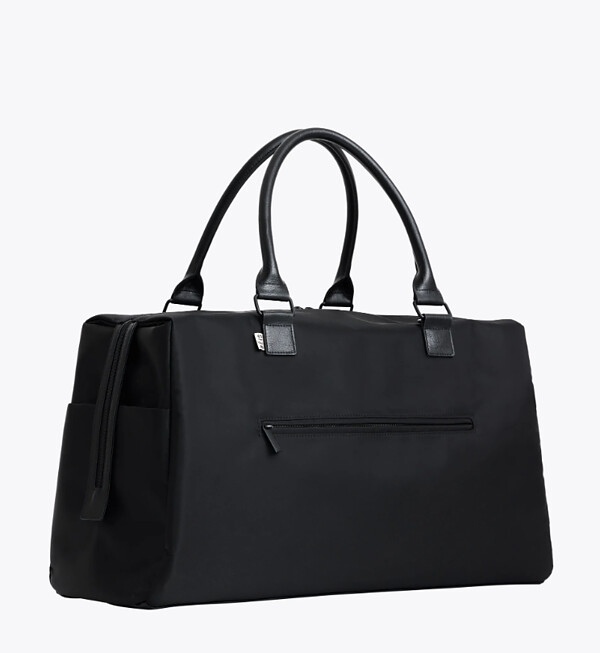
- Packable daypack
- Packing cubes
- Compression packing bags
- Laundry bag
Clothes
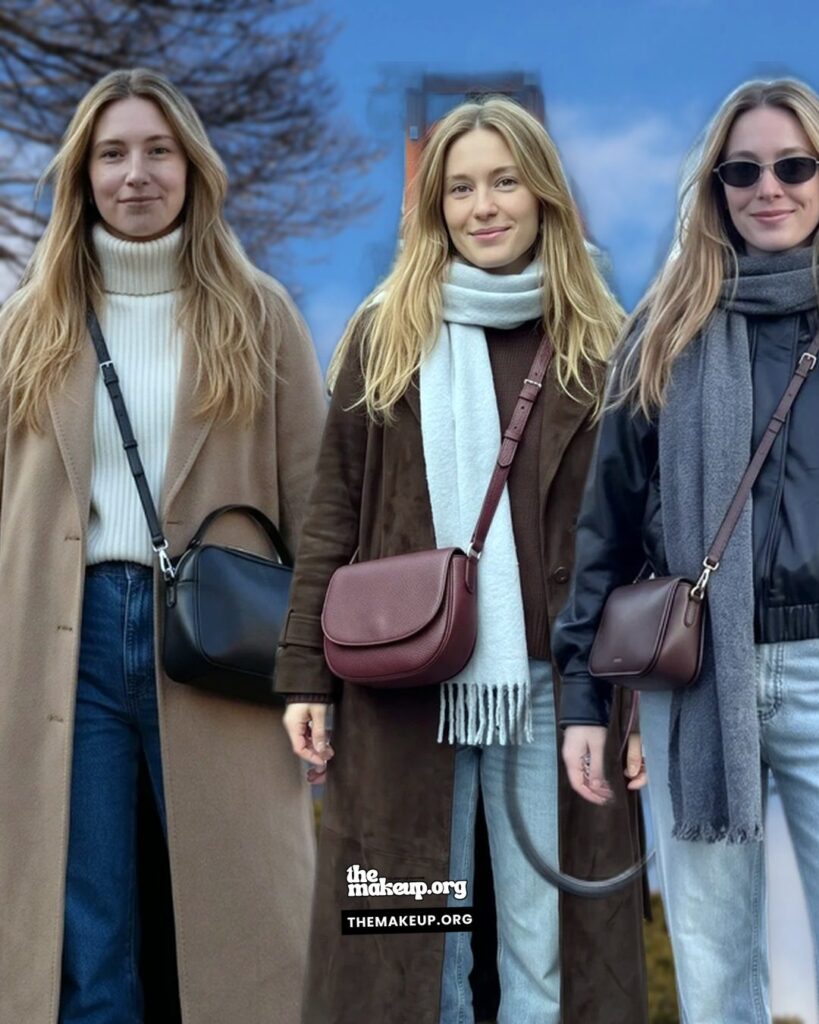
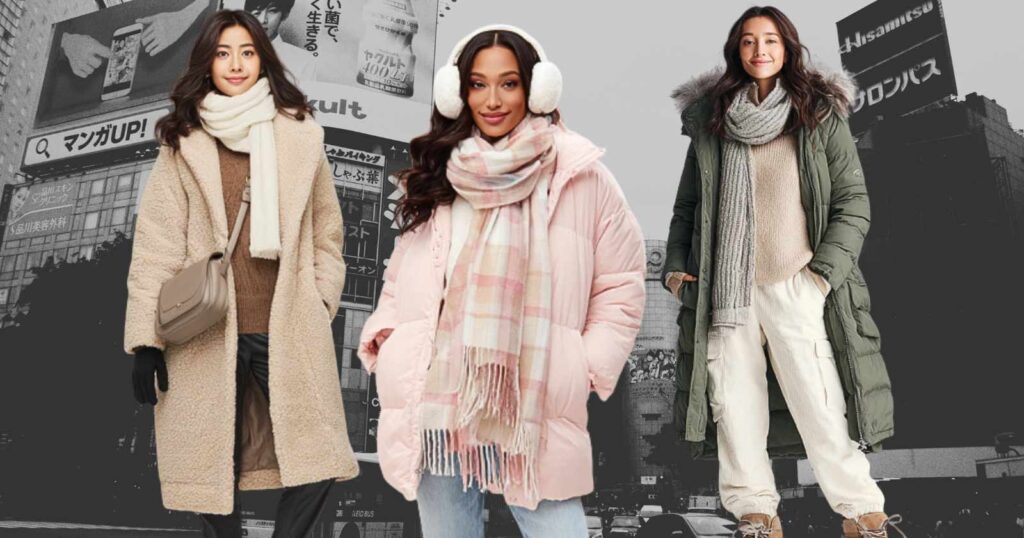
Tokyo in December is all about removable warmth so you stay comfortable indoors and outside.
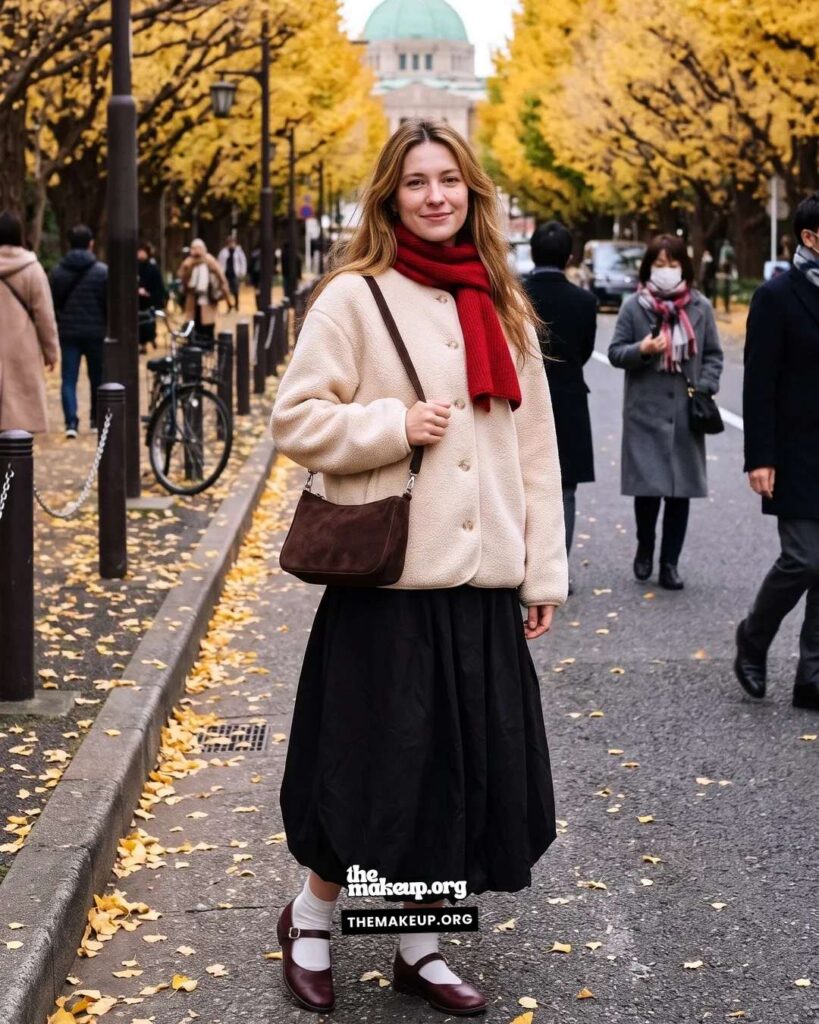
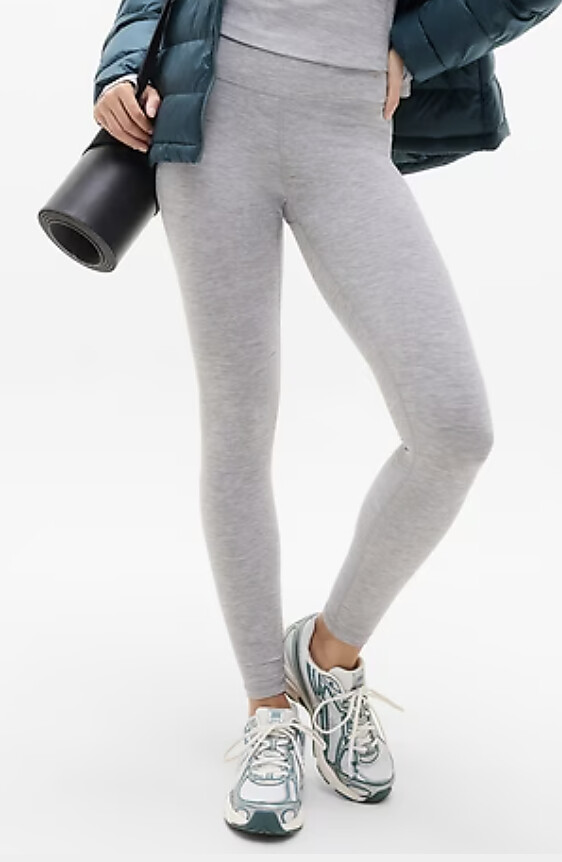
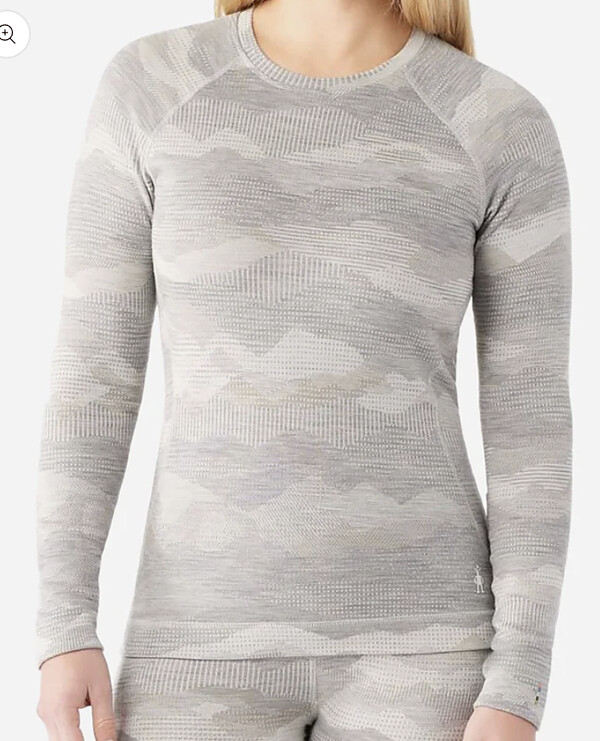
- Thermal leggings – Thermal leggings trap heat under your clothes, keeping legs warm without adding much bulk. They also wick sweat, so you stay drier during long walks or outdoor waits.
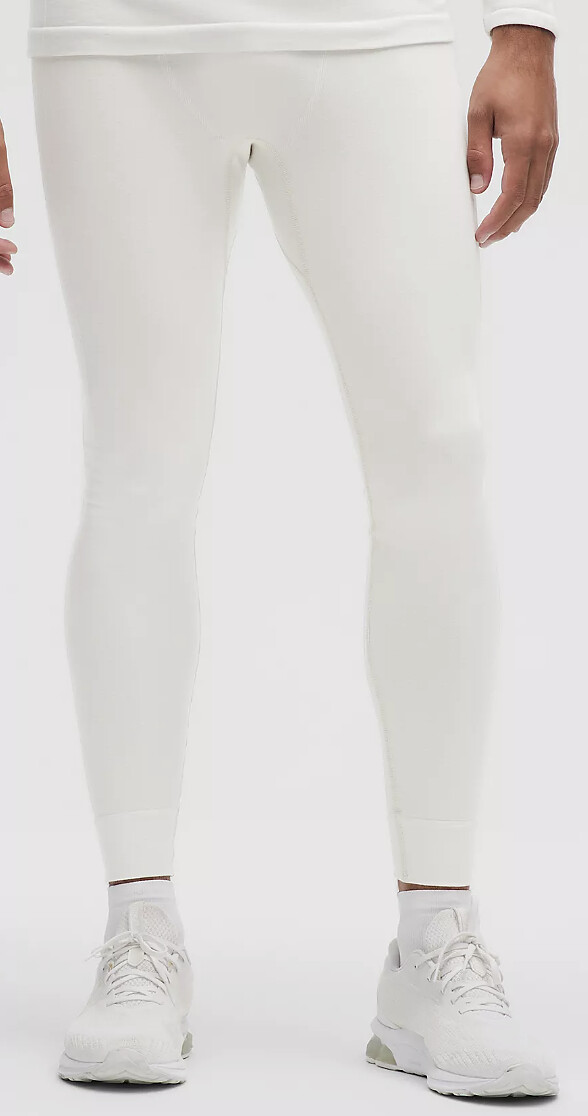
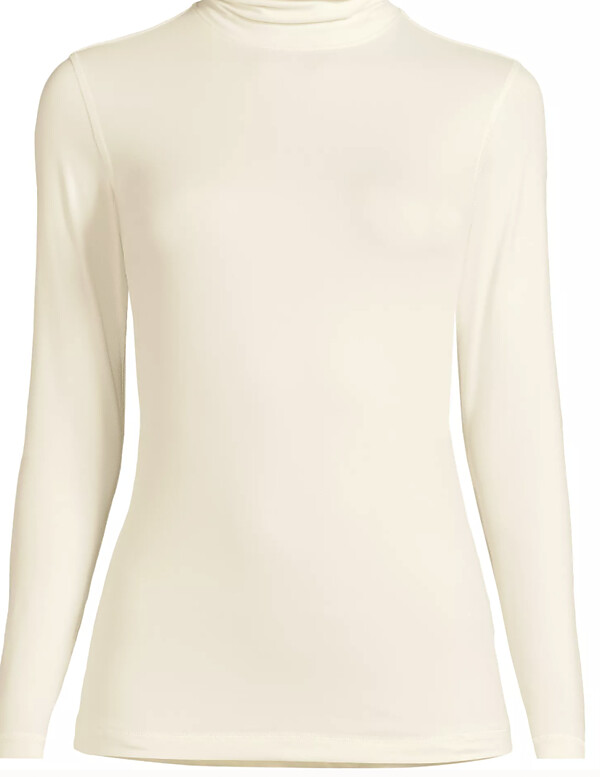
- Thermal base layer top – Thermal base layer top holds heat close to your skin and wicks sweat, so you stay warm and dry while adding very little bulk under other clothes.
- Medium-weight sweater (2 PCS)
- Long-sleeve tops (2–3 PCS)
- T-shirt base layers (1–2 PCS)
- Warm trousers or jeans (2 PCS)
- Insulated coat (1 PCS)
- Scarf (1 PCS)
- Warm hat or beanie (1 PCS)
- Underwear (5–7 PCS)
Shoes & Accessories
You will remove shoes at some temples, shrines, and traditional spots, so slip-ons and clean socks matter.
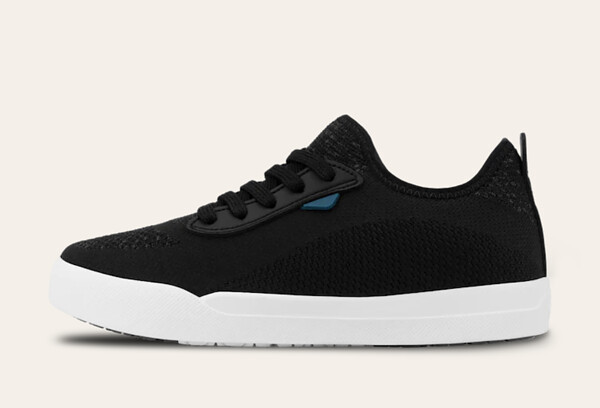
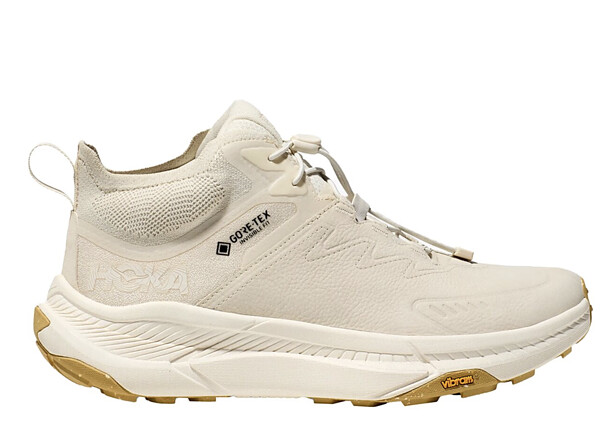
- Waterproof sneakers – Waterproof sneakers block rain and puddles so your feet stay dry on wet streets. They also dry faster and are easier to wipe clean after mud.
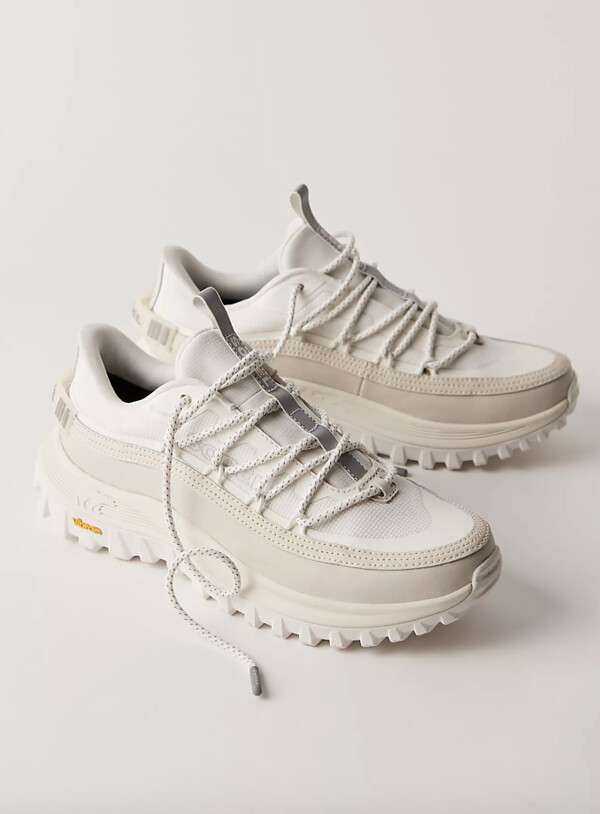
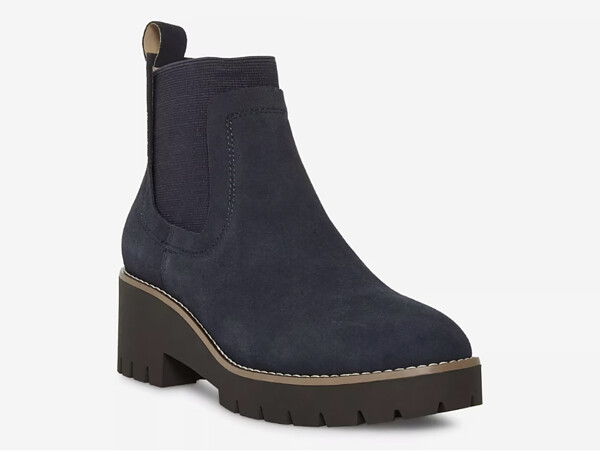
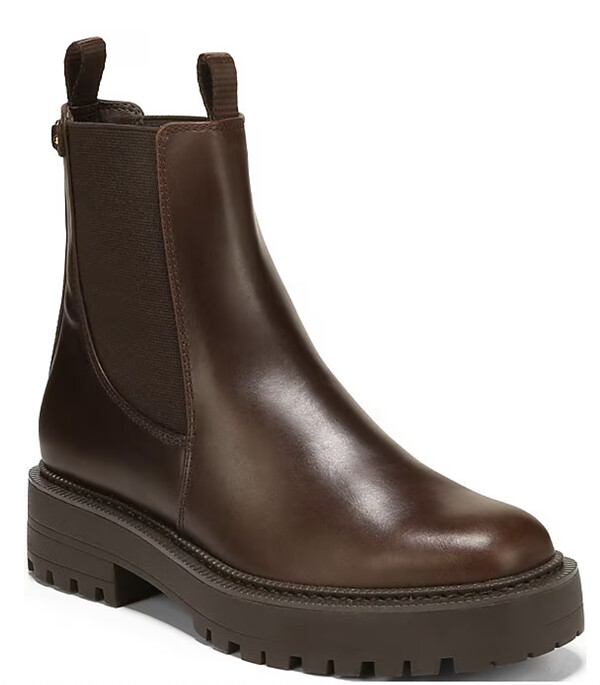
- Ankle boots – Ankle boots give you a stable sole and ankle coverage, which helps on uneven streets. They handle light rain and dress up or down for day plans.
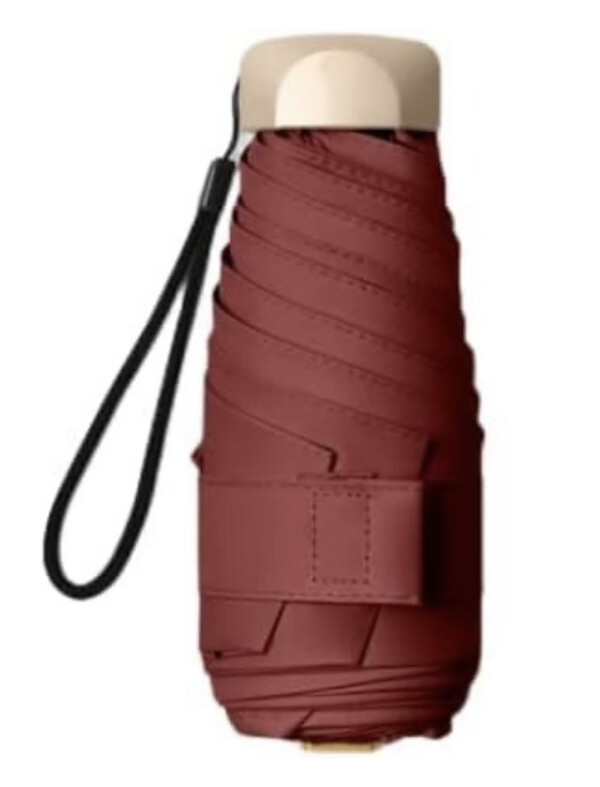
- Compact travel umbrella – A small umbrella fits in a day bag and keeps you dry in sudden rain. It also shields you from wind and drizzle without needing a bulky rain jacket.
- Slip-on shoes you can remove standing up (1 PCS)
- Cushioned walking socks, no holes (4–6 PCS)
- Crossbody bag with secure zipper (1 PCS)
Beauty & Skincare
December air can feel drying after full days outside, then heated indoors, so I keep skincare barrier-focused.
- Travel hair dryer
- Hair straightener
- Gentle face cleanser
- Rich face moisturizer
- SPF 30+ face sunscreen
- Hydrating lip balm
- Hand cream
- Body lotion
- Concealer or base makeup
Health & Hygiene
With winter walking and packed trains, I bring a few basics that prevent small issues from stealing a day.
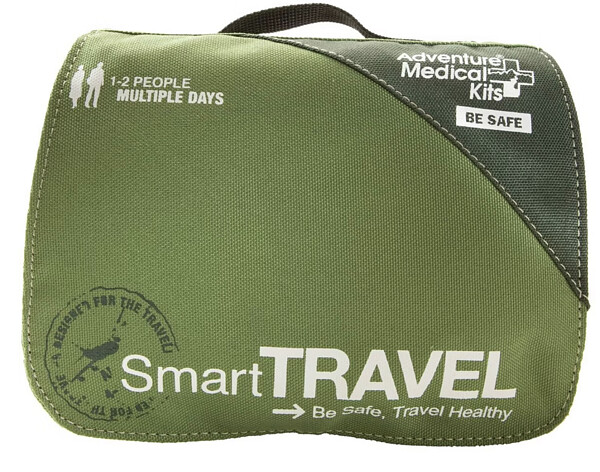
- Travel first aid kit – A travel first aid kit handles small cuts, blisters, headaches, and stomach issues fast, so problems stay minor and you avoid hunting for supplies when sick.
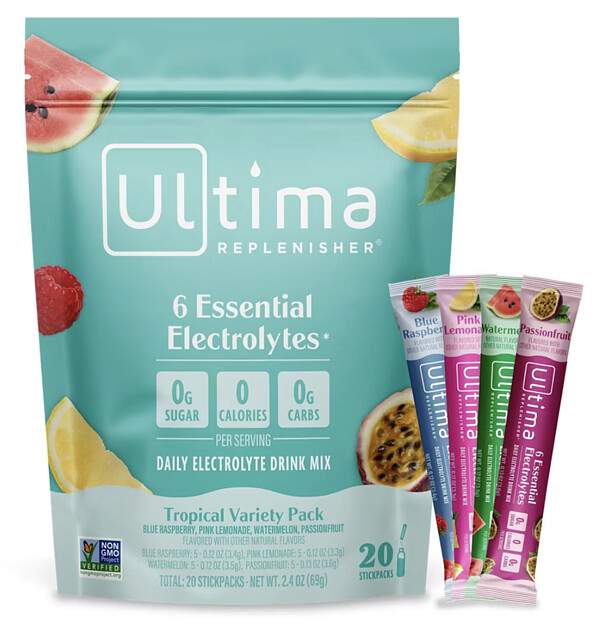
- Electrolyte powder – Electrolyte powder helps your body absorb water and replaces salts lost from sweating, vomiting, or diarrhea. It can reduce headaches, cramps, and fatigue when you are dehydrated.

- Prescription medications
- Blister plasters
- Tissues
- Alcohol hand sanitizer
- Face masks
- Deodorant
Tech & Electronics
Phone battery goes fast when you are navigating stations, taking photos, and translating on the go.
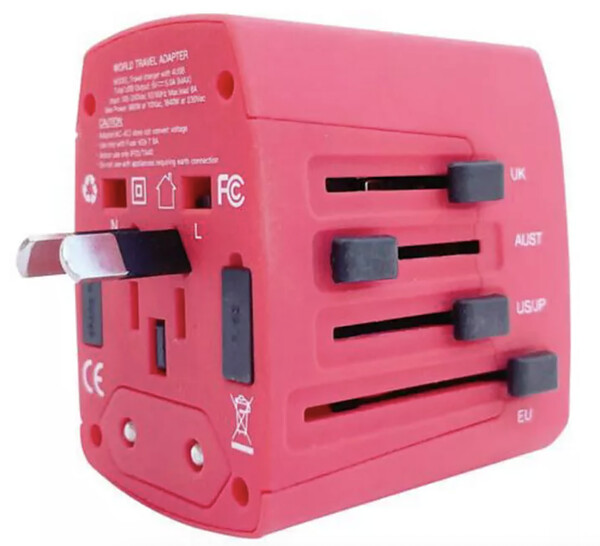
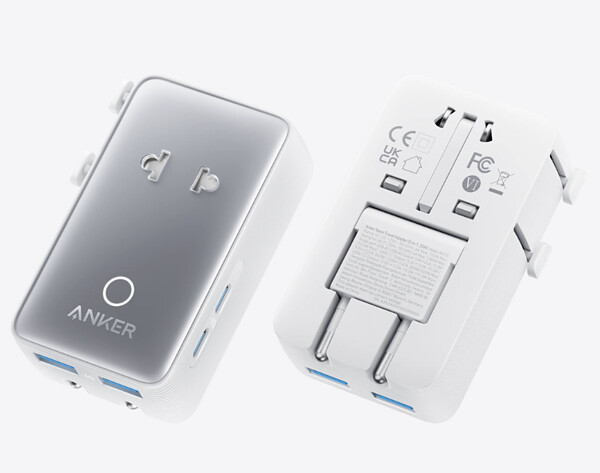
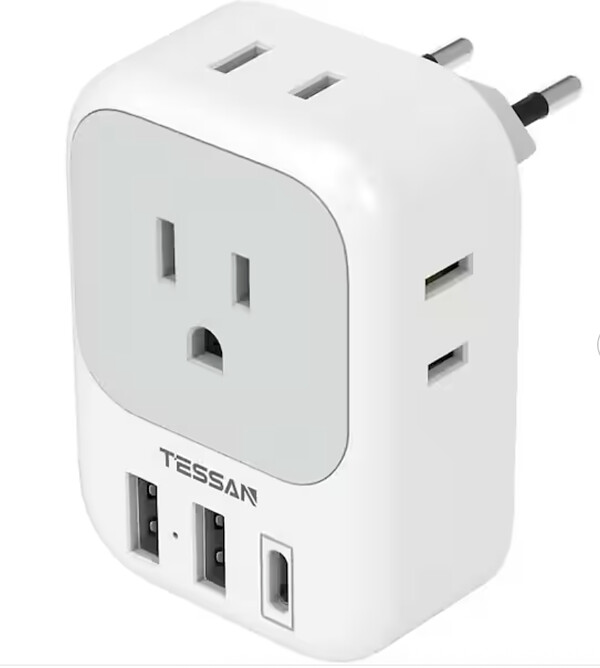
- Universal travel adapter – A universal travel adapter lets your plugs fit different outlet types, so your phone and laptop can charge safely in most countries without hunting for the right plug.
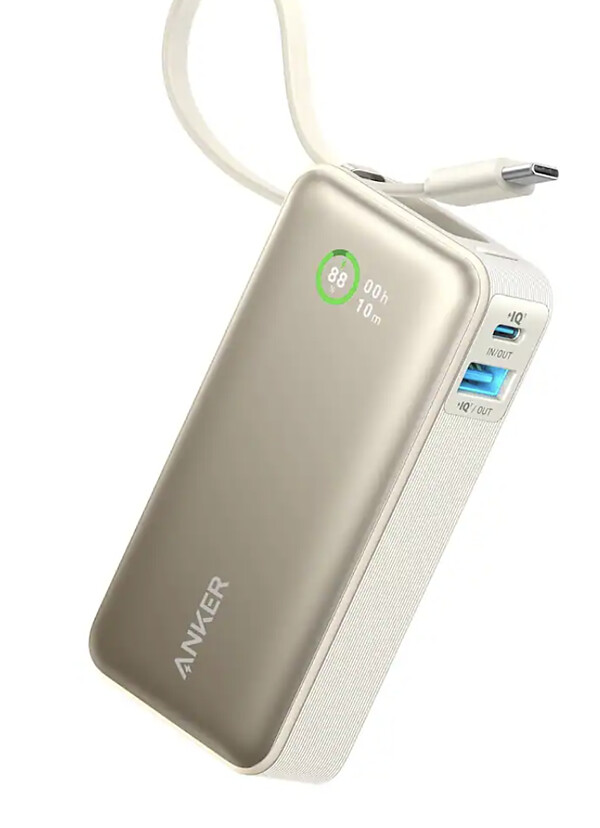
- Power bank – A power bank recharges your phone and other devices when no outlet is available. It keeps maps, tickets, and calls working even when your battery runs low.
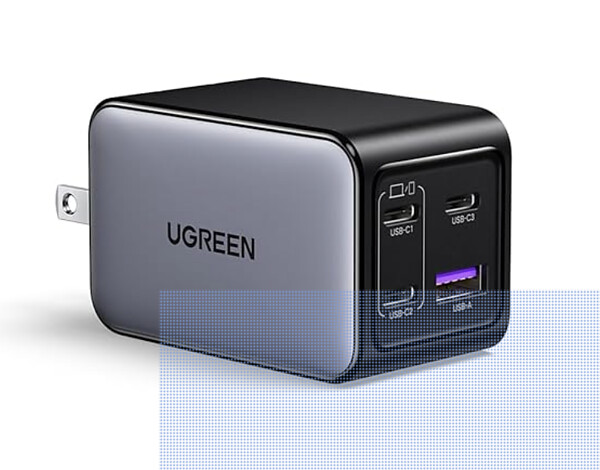
- Wall charger – Wall outlets charge devices faster and more reliably than many USB ports. A wall charger keeps your phone and other gear powered overnight and between stops.
- Noise-cancelling headphones – They reduce engine, traffic, and chatter noise so you can rest or focus. They also make calls and music clearer at lower volume, which helps protect your ears.
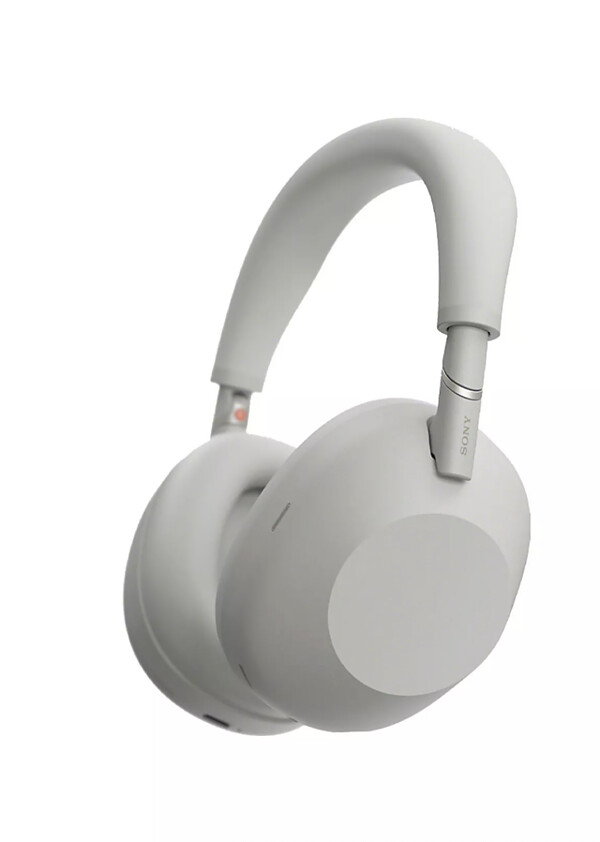
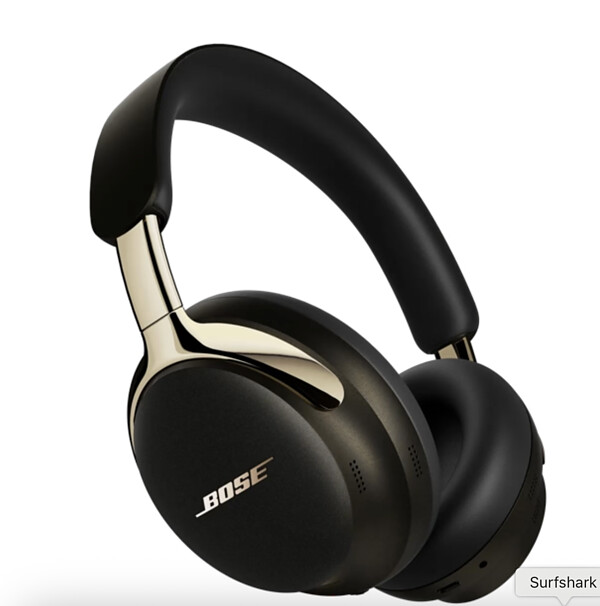
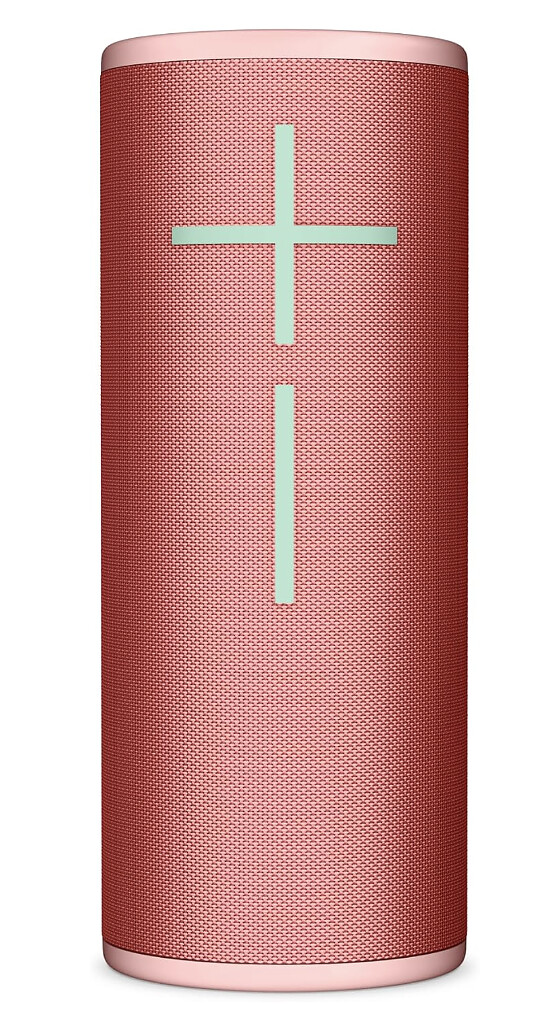
- Bluetooth speaker – Bluetooth speaker plays audio from your phone without wires, giving louder sound for music or podcasts. It makes shared rooms and outdoor hangouts more enjoyable without straining your phone speakers.

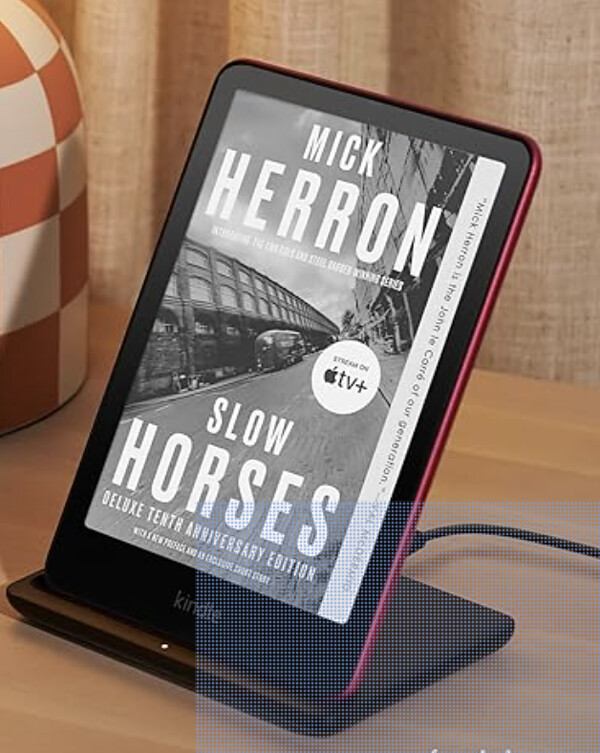
- E-reader – An e-reader stores lots of books in one light device and the battery usually lasts for days. It keeps your phone free for maps and messages.
- Smartphone
- Charging cables
- SIM or eSIM setup details
Documents & Essentials
I keep these together because Tokyo days move fast, and you do not want to rummage at a ticket gate.
- Passport
- Wallet with debit and credit cards
- Cash (JPY)
- Travel insurance details
- Hotel addresses saved offline
Comfort for the Journey
Flights and train rides in Winter feel easier when you can sleep and stay warm without bulky gear.
- Neck pillow
- Eye mask
- Reusable water bottle
- Compression socks (1–2 PCS)
- Lightweight travel blanket or large scarf (1 PCS)
What to Leave at Home for Tokyo in December
A heavy winter coat is usually more trouble than it is worth in Tokyo. You will be inside heated trains, department stores, and restaurants for a large part of each day, and a bulky coat gets uncomfortable fast when you are moving that much.
Heels and stiff dress shoes are also worth skipping. Shoes come off frequently at traditional venues and ryokan, and many temple and shrine paths are uneven.
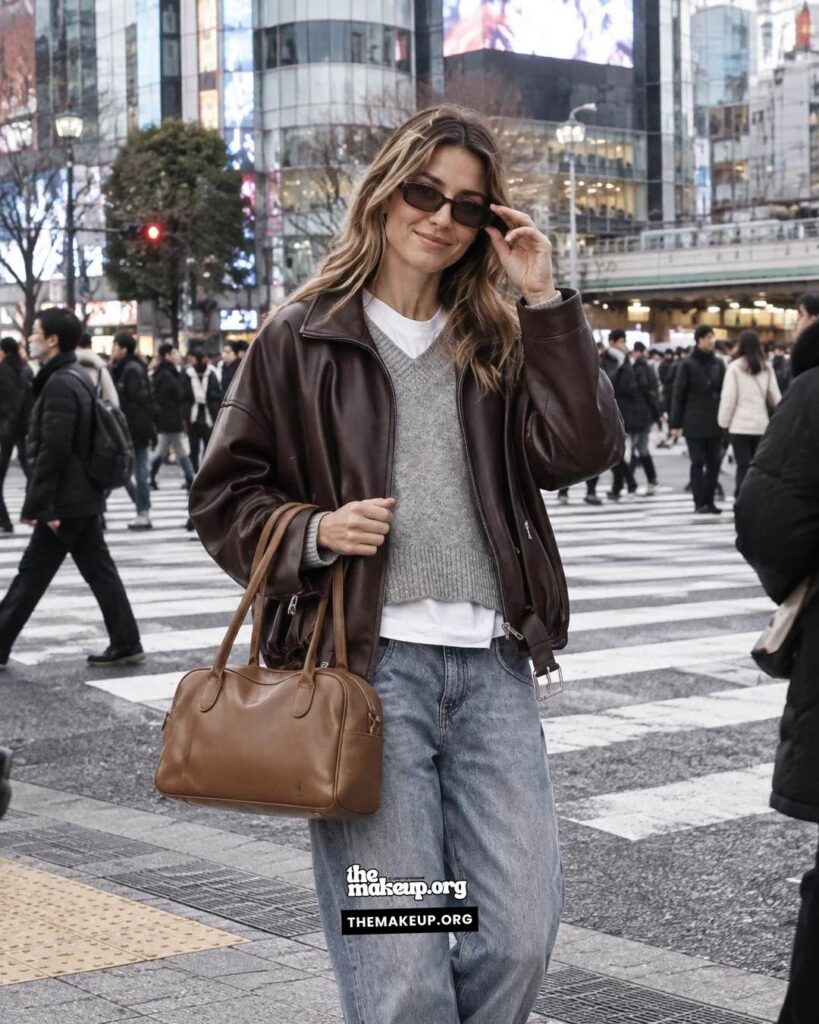
Broken-in, flat walking shoes will carry you through every part of the trip without any of that friction.
Packing Tips for Tokyo in December
Thin layers are the key to this trip. A base layer, a mid-layer, and a simple outer jacket give you more flexibility than one thick coat, because you can adjust as you move between cold streets and warm interiors.
Pack shoes you have already worn in. Tokyo days are long on foot, and blisters on day two of a city break here will follow you across a lot of ground.
I would not risk a new pair, no matter how practical they look in the shop.
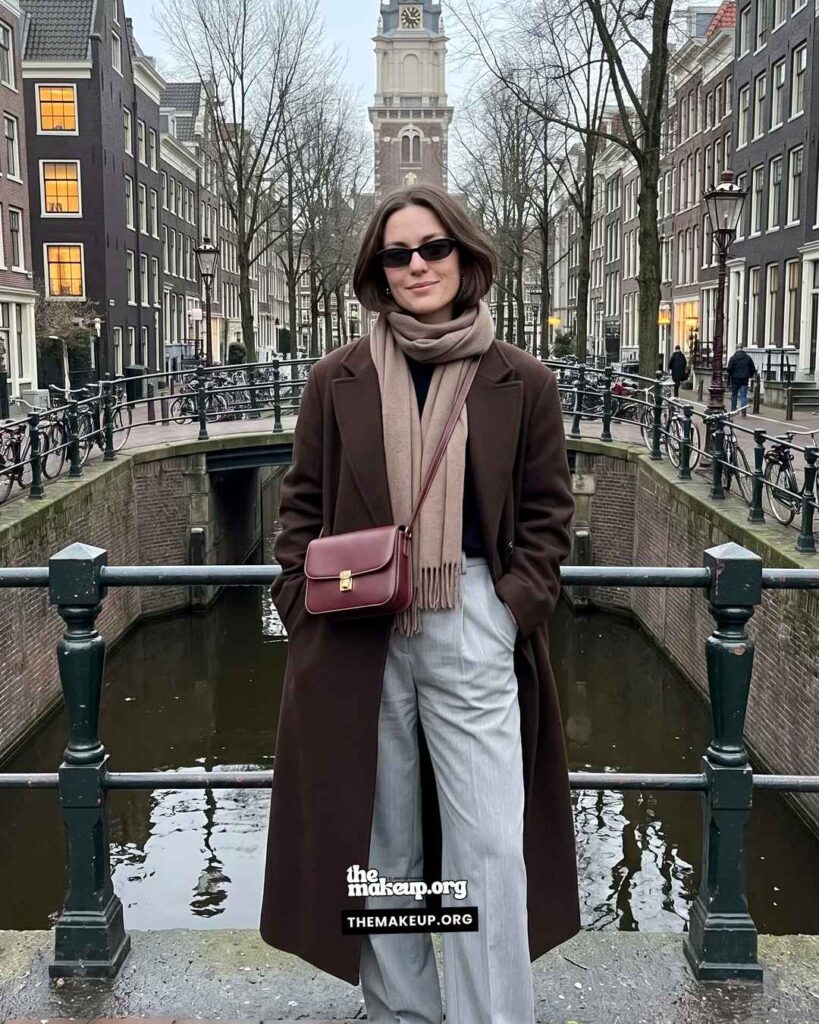
- Choose neutral colors so every top works with every bottom
- Keep one warm layer in your daypack for the step from a heated venue back into the cold evening air
- A small cross-body bag or daypack works better in crowds than a large tote
- Bring a little cash. Many smaller shops and some restaurants in Tokyo are still cash-only
How Many Outfits to Pack for Tokyo in December
For a one-week trip, four or five full outfits is a normal number. Tokyo has coin laundry in most neighborhoods, so if you are staying longer, you can wash and re-wear without overpacking.
Shoes take up the most space and weight, so I keep it to two pairs: one good walking shoe and one slightly smarter option for an evening out. That covers almost every situation a December city trip in Tokyo will throw at you.
- Tops: 4-5, chosen to layer and mix
- Bottoms: 2-3 that work across different days
- Mid-layers: 1-2 fleece or light knit
- Shoes: 2 pairs maximum
- Socks and base layers: one set per day, or fewer if you plan to do laundry
FAQ: Packing for Tokyo Japan in December
Is Japan very cold in winter?
Tokyo in December feels brisk rather than harsh, with daytime temperatures around 4°C to 12°C (39°F to 54°F). It is cold enough to need real layers, but not so cold that you need extreme winter gear.
Good mid-layers and a wind-resistant jacket are enough for most days.
What to wear in Japan in early December?
Thin base layers, a mid-layer like a fleece or light knit, and a wind-resistant outer jacket work well. Comfortable, slip-on walking shoes are practical because shoes come off frequently at traditional venues.
Evenings are noticeably colder, so keep a warm layer in your bag.
What is the 5 4 3 2 1 rule for packing?
The 5-4-3-2-1 rule is a packing framework: 5 tops, 4 bottoms, 3 shoes, 2 bags, and 1 formal outfit. It is a rough guide, not a strict rule.
For a week in Tokyo in December, you can usually pack lighter than that if your pieces mix and match.
Are there any colors to avoid wearing in Japan?
There are no strict color rules for tourists visiting Tokyo. Neutral, understated colors are simply common in everyday Japanese fashion, so a wardrobe built around them will feel natural in the city.
Wearing bright colors is not rude or inappropriate.
Is $5,000 enough for 2 weeks in Japan?
$5,000 for two weeks in Japan is workable if you stay in mid-range accommodation and eat a mix of convenience store meals and sit-down restaurants. Tokyo can be expensive, but everyday food and transport are genuinely affordable.
Budget carefully around accommodation and activities.
Is $10,000 enough for a week in Japan?
$10,000 for one week in Japan is a generous budget that covers comfortable hotels, good restaurants, and activities without stress. Most travelers spend considerably less than that for a week in Tokyo.
Your biggest costs will typically be flights and accommodation.
How should I pack for a ryokan stay in Tokyo or Kyoto in December?
Ryokan stays mean small storage spaces and time spent in a yukata indoors, so pack light and leave bulky items at home. Slip-on shoes are especially practical since you remove them at the entrance.
A tidy, compact bag is easier to manage in a traditional room than a large suitcase.