
Deciding between a carry-on and a checked bag is the first real question behind what to pack for Ireland in August, and the answer usually depends on one thing: how many nights you are staying.
A week or less, and a carry-on works well. August in Ireland means mild temperatures, so you do not need bulky cold-weather gear, and mixing and matching layers keeps the volume down.
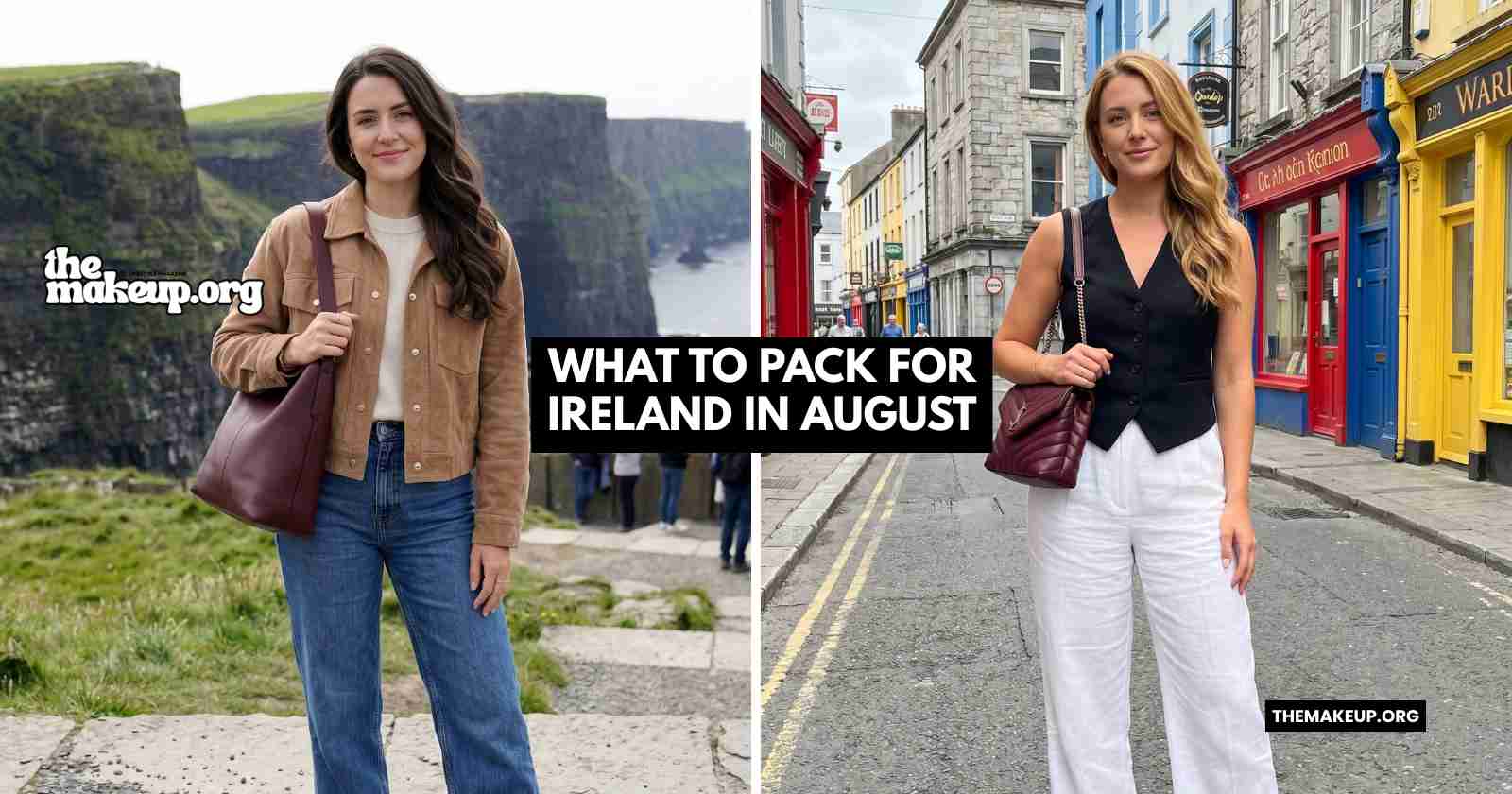
Past seven nights, a checked bag gives you room to breathe, especially since August days in Ireland can shift from cool and overcast in the morning to genuinely warm by afternoon, then back to chilly by evening.
I never pack for Ireland without at least one waterproof layer, even in summer. Rain can arrive fast and leave just as fast, and getting soaked through on a long walking day is miserable when your next dry outfit is back at the hotel.
The goal is a bag that handles long sightseeing days, a damp afternoon on the cliffs, and a decent dinner out, without you dragging half your wardrobe across cobblestones.
Note: This is a complete packing list. If you would rather travel light, there is a pack-light section right after it.
What Is the Weather Like in Ireland in August?
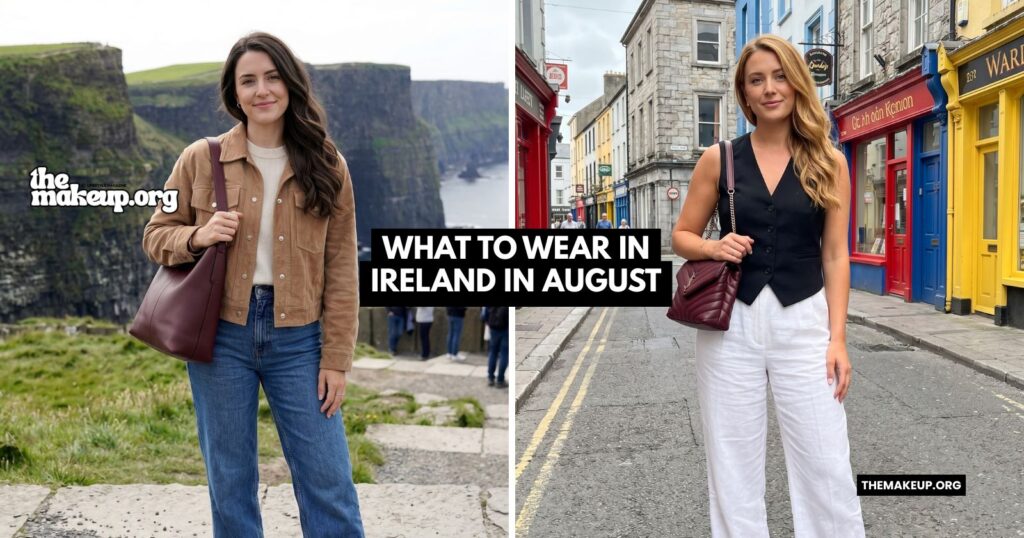
August is usually mild, but it doesn’t stay the same from morning to night. Most places sit around 12°C–20°C (54°F–68°F), and the coast can feel cooler than inland spots.
I pack like I’ll see a bit of everything: sun breaks, light rain, and breezy evenings—often in the same day.
Your Complete What To Pack For Ireland In August
Packing smart will help you make the most of your trip. Here’s everything you need to bring for a comfortable and stylish adventure.

Carry-On Suitcase / Travel Bag Duffle / Portable Steamer / Packing cubes / Luggage scale / Wireless Noise-Cancelling Headphones / Speaker / Portable Charger / Universal Travel adapter / Compact Hair Dryer / Eye Mask / Waterproof Toiletry Bag Hanging / Zipper Pouch / Water BOTTLE / Liquid I.V. Hydration Vegan
Luggage & Packing Tools
If you want more options to have everything organized and well packed, take a look at these suggestions.

1. Rolling Backpack / 2. Luggage (large) / 3. Luggage (small) / 4. Toiletry Bag / 5. Beach Bag / 6. Backpack / 7. Packing Cubes
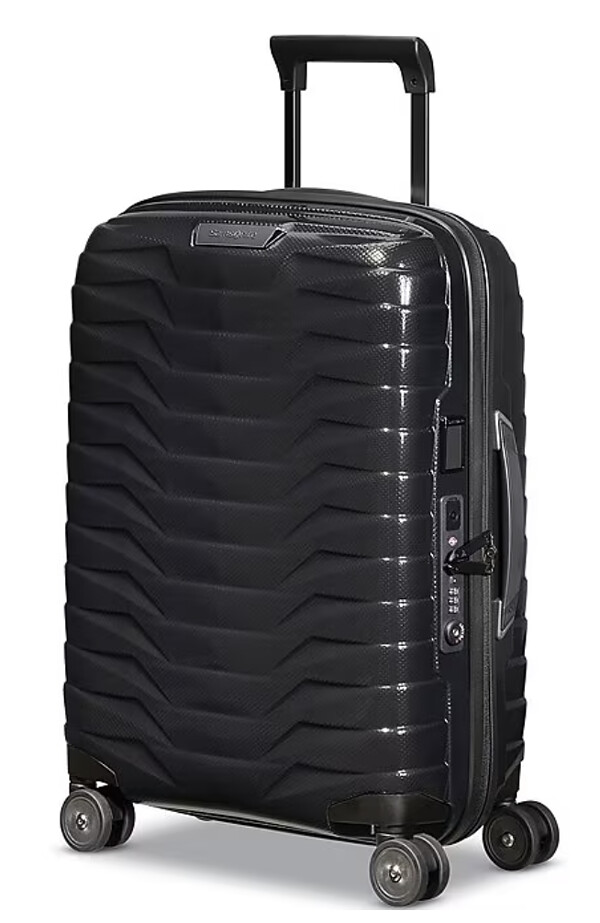
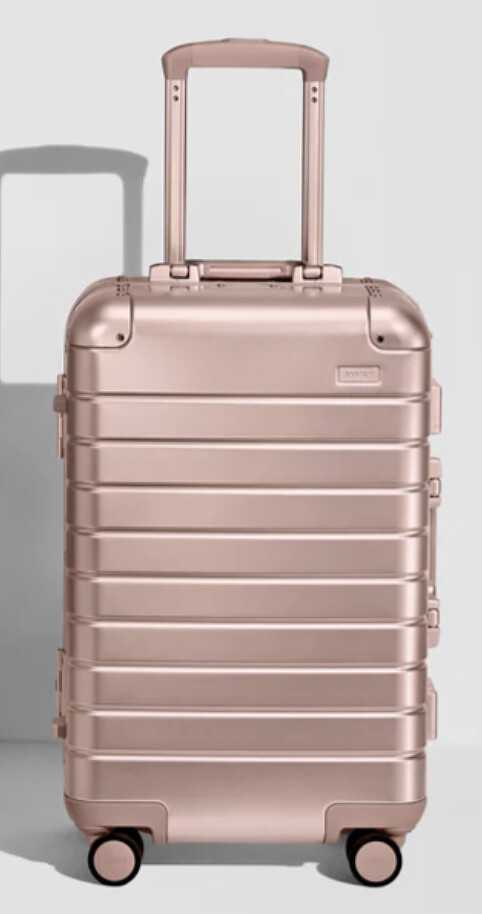
- Carry-on suitcase – This suitcase fits in the overhead bin, so your essentials stay with you and you can avoid baggage fees and waiting at baggage claim.
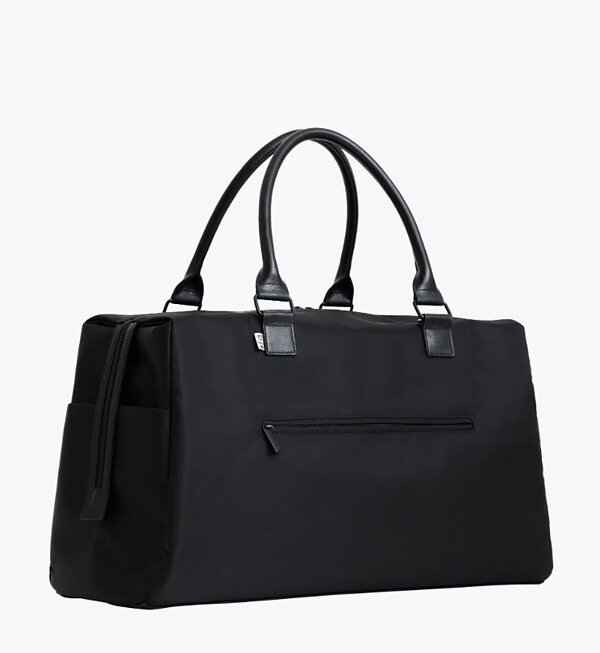
- Lightweight daypack for walking days and bus or train rides
- Packable tote bag for groceries, souvenirs, and extra layers
- Compression packing cubes for easy outfit planning by day
- Waterproof dry bag for boat tours or sudden showers
- Reusable zip pouches for chargers, snacks, and small essentials
- Laundry bag for damp socks and rain-splashed clothing
- Luggage ID tags
- TSA-approved suitcase locks
Clothes
- Light merino sweater for cool evenings and breezy coasts (2 PCS)
- Midweight sweatshirt or fleece for casual layering days (1–2 PCS)
- Long-sleeve tops that layer easily under jackets (2–3 PCS)
- Breathable T-shirts for indoor heating and sunny spells (3–5 PCS)
- Waterproof rain jacket with hood for on-and-off showers (1 PCS)
- Lightweight insulated vest for extra warmth without bulk (1 PCS)
- Dark jeans or sturdy trousers for pubs and city walks (1–2 PCS)
- Quick-dry pants for damp days and countryside exploring (1 PCS)
- Casual dress or jumpsuit for dinners and easy outfits (1 PCS)
- Sleepwear for cool nights in older buildings (1 PCS)
- Underwear for active walking days (6–8 PCS)
- Wool-blend socks for comfort in wet weather (4–6 PCS)
Skincare
- Daily facial sunscreen SPF 30+ for intermittent strong UV
- Hydrating moisturizer for wind and damp-weather dryness
- Gentle cleanser for daily use after long walking days
- Micellar water for quick removals on late nights
- Travel-size lip balm with SPF for breezy outdoor days
- Hand cream for frequent washing and cooler air
- Soothing serum for redness from wind exposure
- Body lotion for post-shower hydration in older hotels
- Blister-prep balm for heels and high-mileage walking
- After-sun gel for surprise sunny afternoons outdoors
Makeup
- Lightweight tinted moisturizer or skin tint
- Water-resistant mascara for drizzle and misty air
- Concealer for under-eyes and spot coverage
- Cream blush for quick blending on the go
- Brow gel for tidy, low-effort definition
- Setting powder for T-zone shine in humid moments
- Setting spray for longer wear through changeable weather
- Neutral eyeshadow stick for easy day-to-night touchups
- Hydrating lipstick or tinted balm
Hair Care
- Travel hair dryer – A travel hair dryer dries your hair fast when the room has no dryer or the provided one is weak. It saves time and helps you style reliably before heading out.
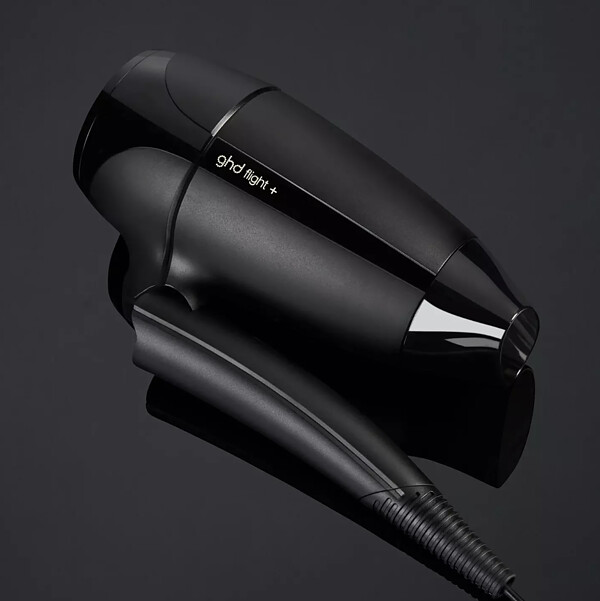
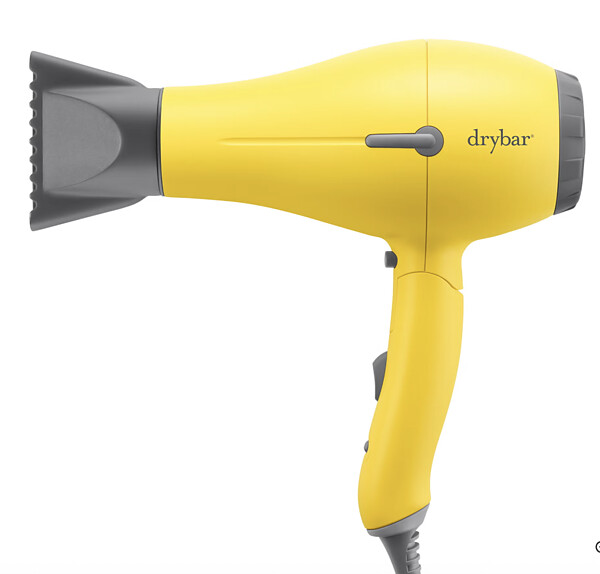
- Hair straightener – A hair straightener smooths and shapes your hair fast, which helps you look neat for work, photos, or dinners when humidity or bedhead ruins your style.
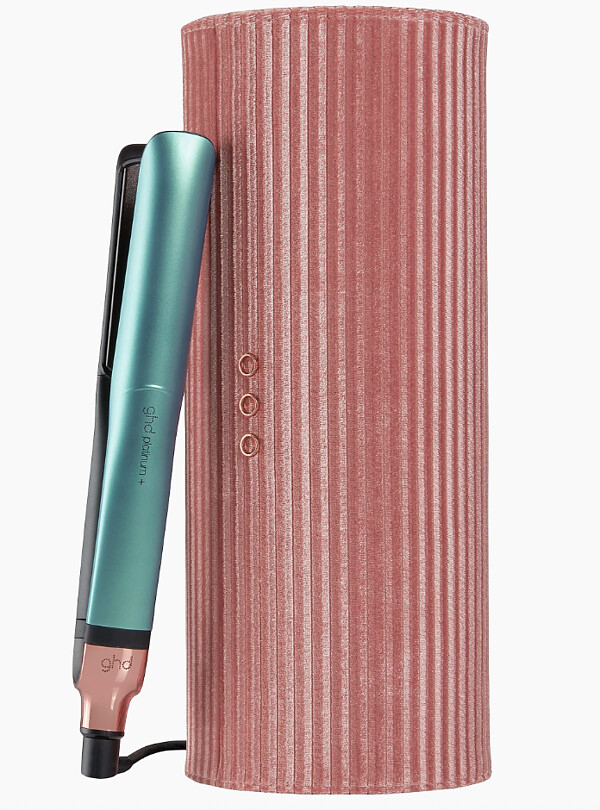
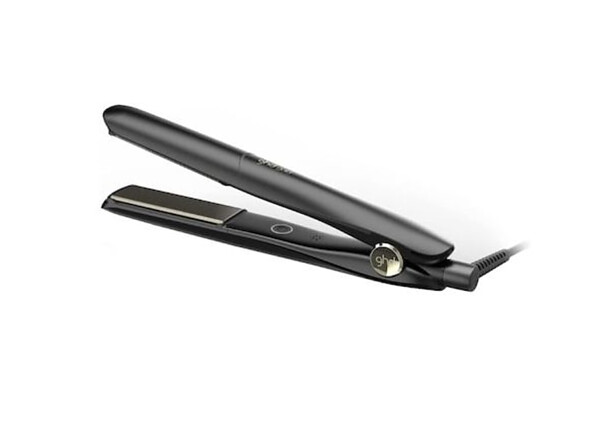
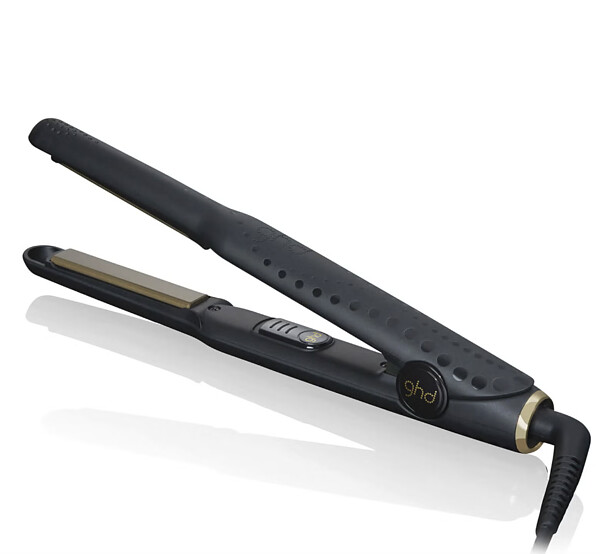
- Anti-frizz leave-in conditioner for mist and humidity
- Travel shampoo and conditioner for quick refreshes
- Dry shampoo for early tours and late nights
- Wide-tooth comb for wet hair after rain
- Hair oil or serum for smoothing flyaways
- Hair ties and claw clips for windy days
- Mini hairbrush for day-bag touchups
Shoes & Accessories
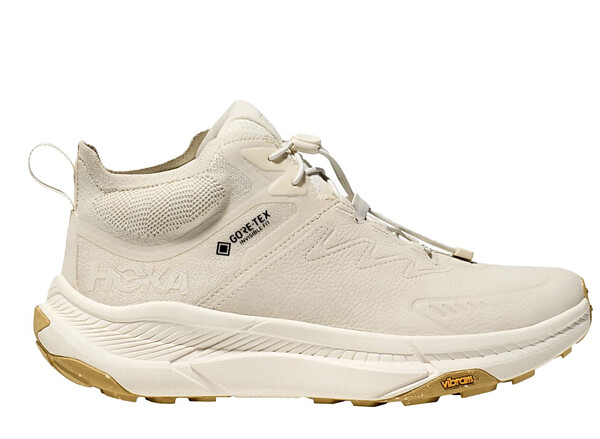
- Waterproof sneakers – Waterproof sneakers keep your feet dry in rain, puddles, and wet grass, so you stay comfortable and avoid blisters. They also dry faster and handle damp sidewalks better.
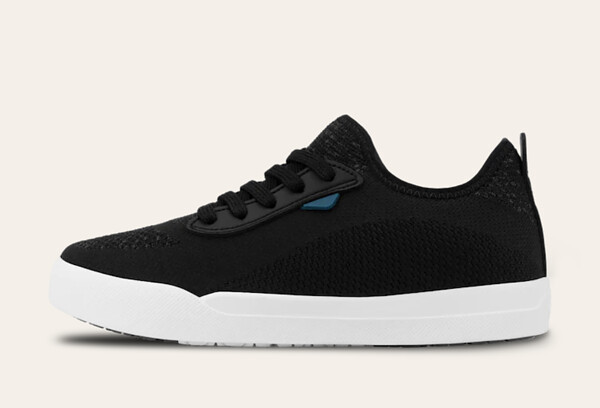
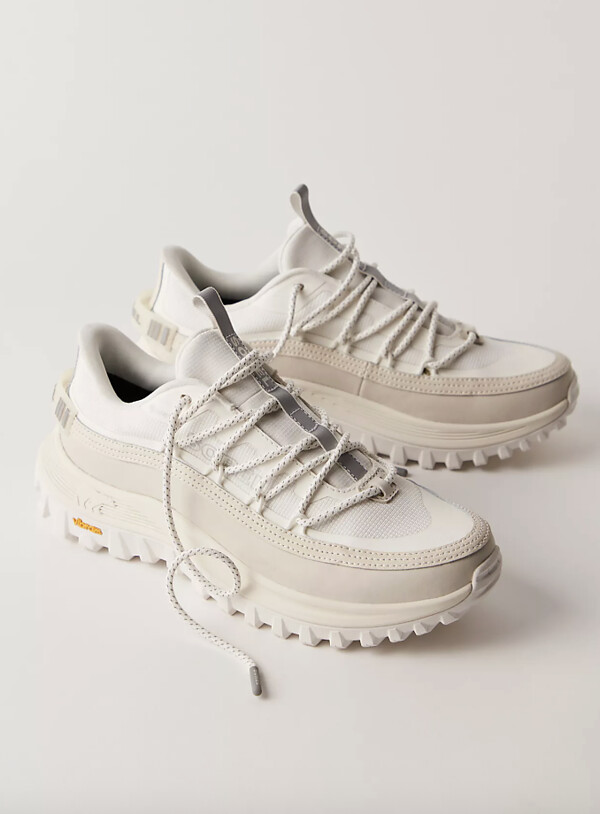
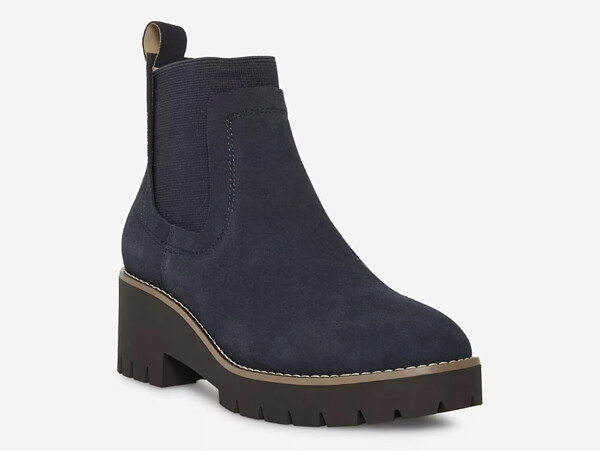
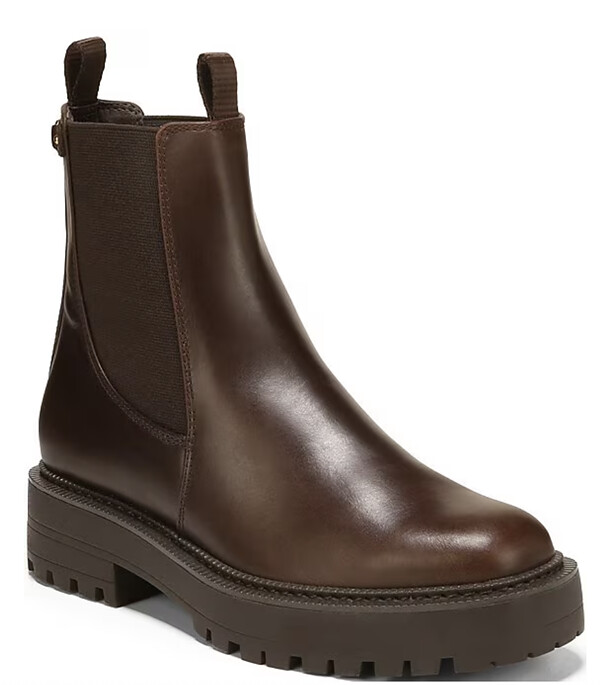
- Ankle boots – Ankle boots protect your feet from cold, uneven ground, and light rain, and the ankle support helps reduce slips. They work for both casual and nicer outfits, so you need fewer shoes.
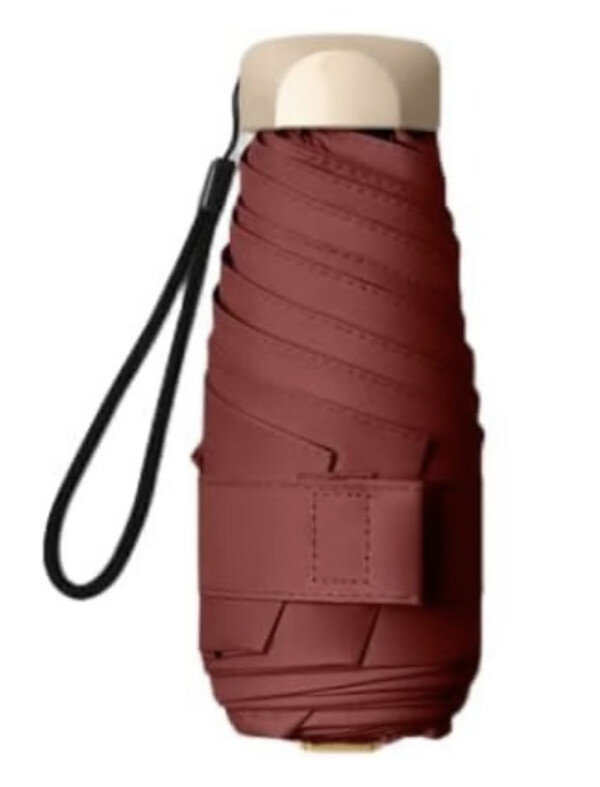
- Compact travel umbrella – A compact travel umbrella keeps you dry during rain and light wind without taking much space. It also protects your bag and clothes so you stay comfortable outside.
- Comfortable walking sneakers, broken in before the trip (1 PCS)
- Waterproof walking boots for countryside paths and wet grass (1 PCS)
- Packable scarf for wind, churches, and cooler evenings (1 PCS)
- Warm beanie for coastal breezes and early starts (1 PCS)
- Baseball cap for bright sun breaks and glare (1 PCS)
- Crossbody bag with zipper for crowded tourist areas
- RFID-blocking wallet or card holder
- Sunglasses with UV protection
- Reusable water bottle for long sightseeing loops
Documents & Essentials
- Passport
- Driver’s license for car rentals and ID checks
- Travel insurance policy details
- Flight, train, and hotel confirmations
- Credit card and backup payment card
- Euros and small coins for tips and transit
- Emergency contacts list printed and saved offline
- Prescription copies and medication list
- International driving permit if your rental agency requires it
First Aid
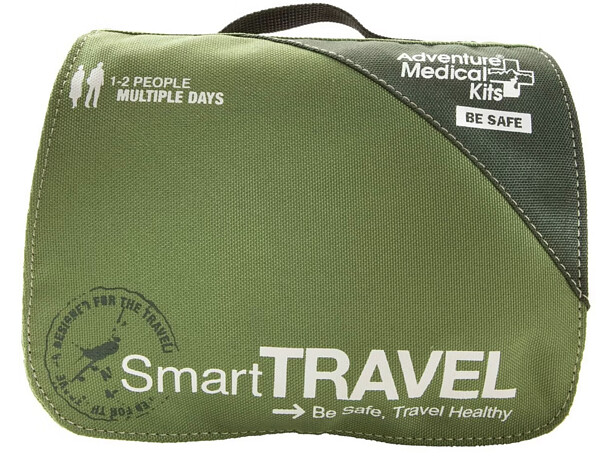
- Travel first aid kit – A travel first aid kit handles small cuts, blisters, and headaches fast, so minor problems don’t waste time or force a search for supplies.
- Blister pads for heels and long city walking days
- Hydrocolloid bandages for quick healing on the go
- Pain relievers for headaches and sore feet
- Anti-inflammatory tablets for hikes and long tours
- Antihistamines for pollen and unexpected sensitivities
- Motion sickness tablets for ferries and winding roads
- Antiseptic wipes for small cuts outdoors
- Tweezers for splinters after countryside walks
Health & Hygiene
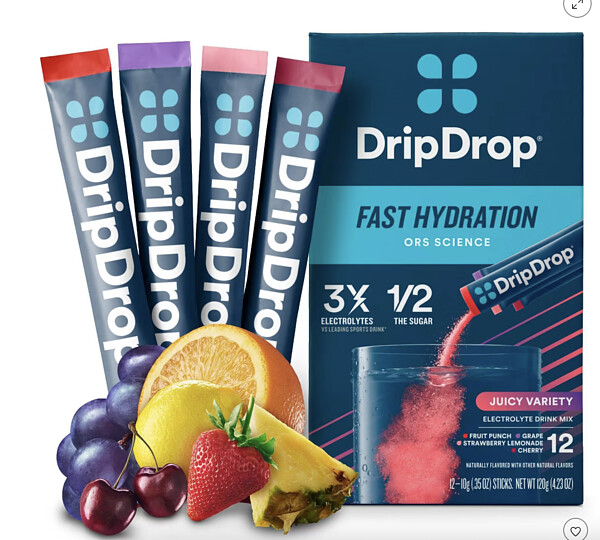
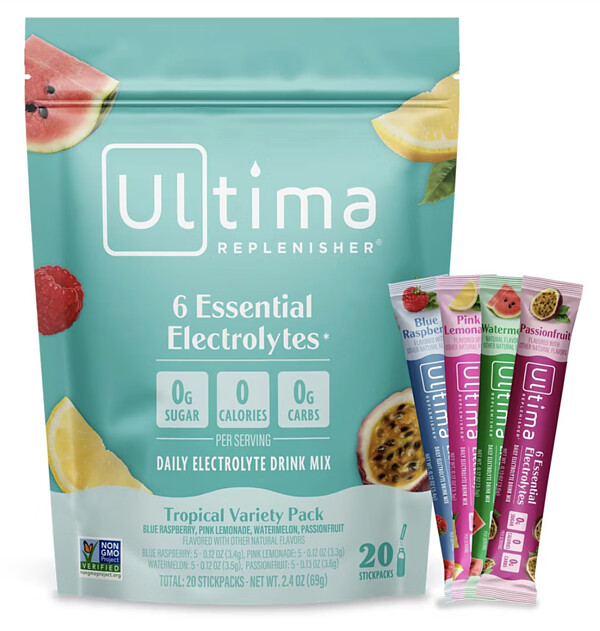
- Electrolyte powder – Electrolyte powder replaces salts lost from sweating or stomach illness, helping your body absorb water faster. It can reduce headaches, cramps, and dizziness when you are dehydrated.
- Toothbrush and toothpaste
- Floss picks for day-bag freshness
- Deodorant
- Travel-size body wash
- Razor and shaving cream
- Feminine hygiene products
- Travel tissues for public restrooms
- Hand sanitizer
- Wet wipes for quick cleanup after travel days
- Antiperspirant foot powder for damp-shoe comfort
- Mini stain remover pen for pubs and café spills
Tech & Electronics
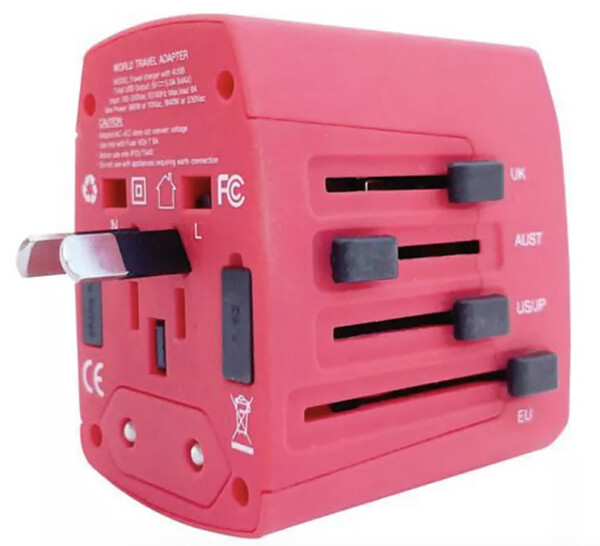
- Universal travel adapter – Different countries use different plug shapes, and a universal travel adapter lets your charger fit those outlets. It keeps phones and laptops charging without hunting for a compatible plug.
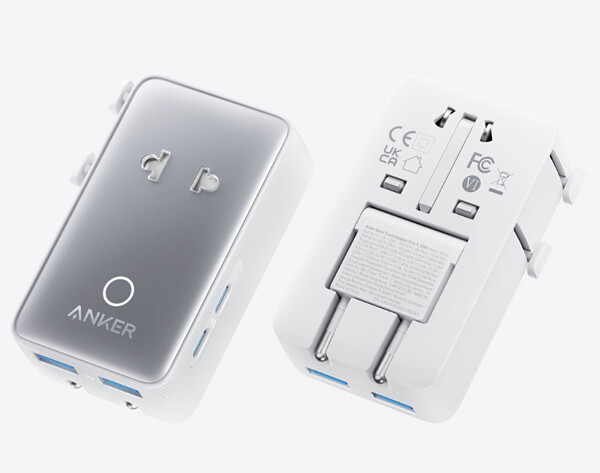
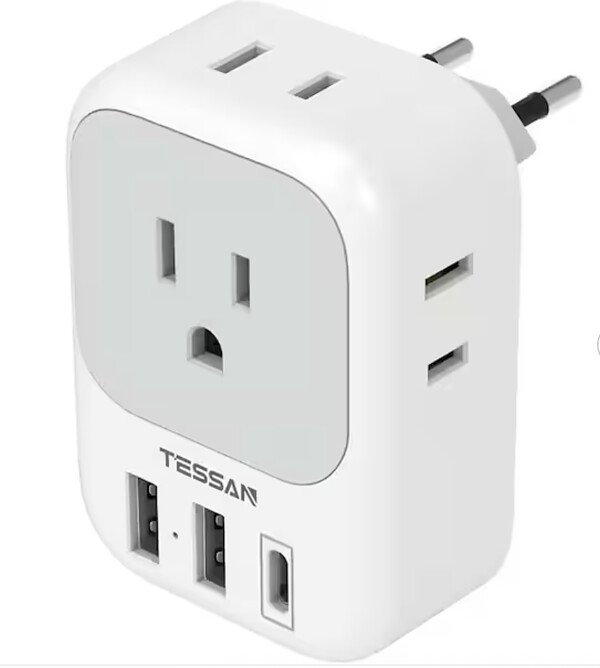
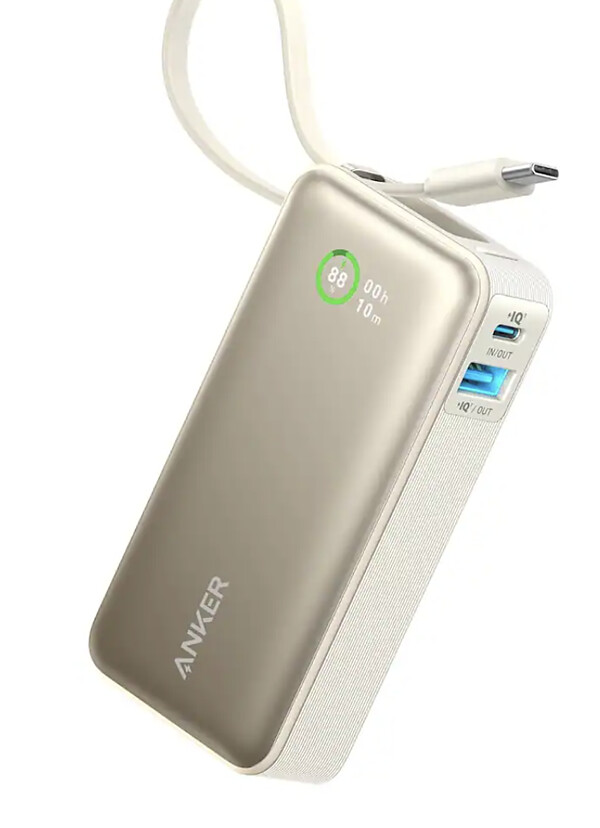
- Power bank – A power bank charges your phone when you can’t reach an outlet, which keeps maps, tickets, and messages working during delays or long outings.
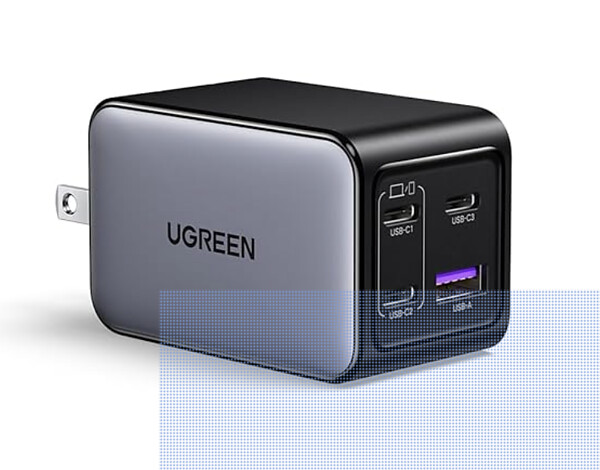
- Wall charger – A wall charger plugs into an outlet to charge your phone and other devices faster than most USB ports. It keeps your battery topped up when you are out.
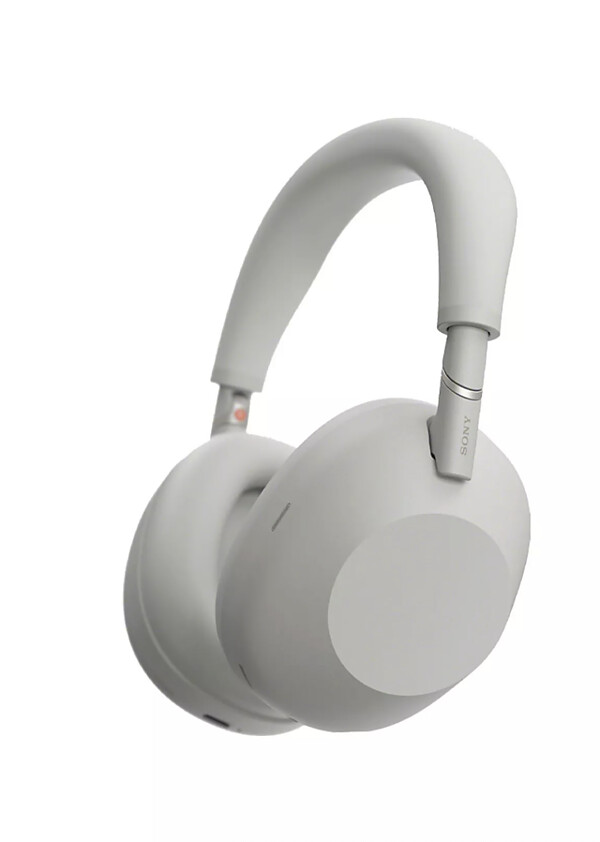
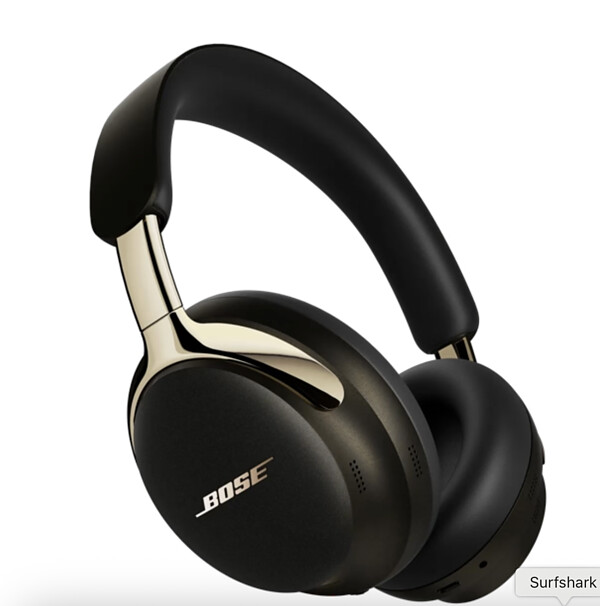
- Noise-cancelling headphones – They reduce engine, cabin, and street noise so you can sleep, focus, or enjoy audio at lower volume. That helps prevent fatigue and headaches in loud places.
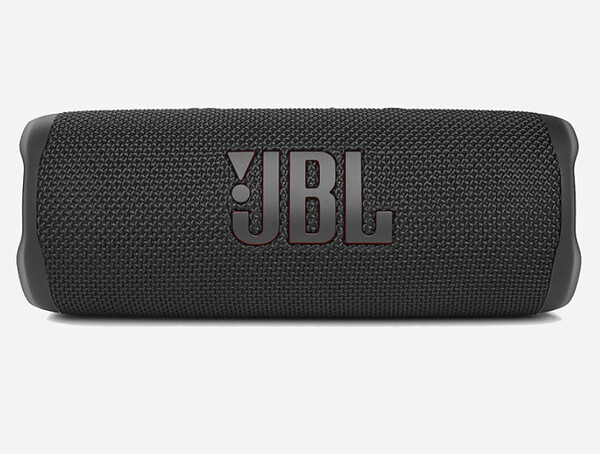
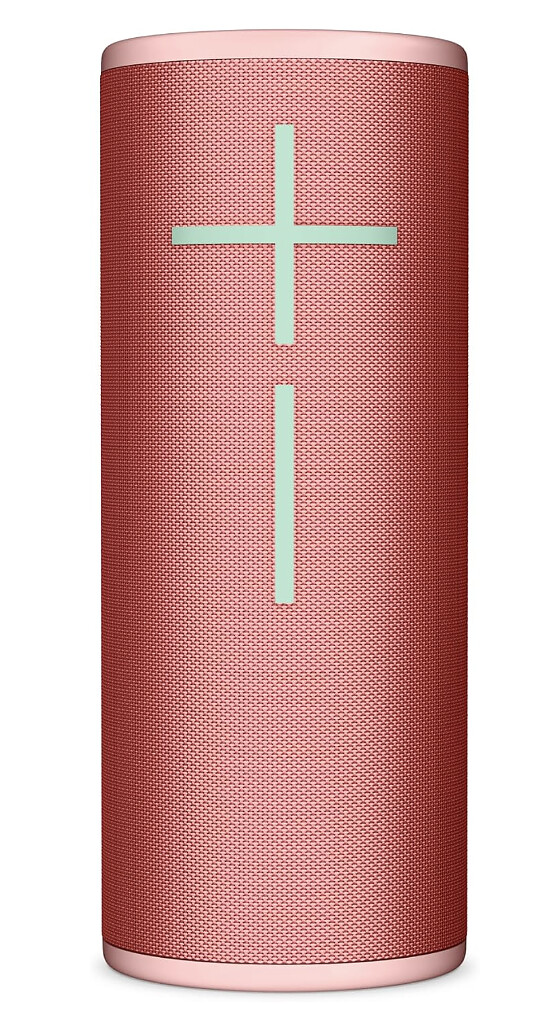
- Bluetooth speaker – A Bluetooth speaker connects to your phone for louder, clearer music or podcasts, which helps fill hotel rooms or small gatherings without draining your phone’s volume.
- E-reader – An e-reader stores thousands of books in a slim device, so you have reading options without extra weight. The battery lasts for days, reducing charging needs.
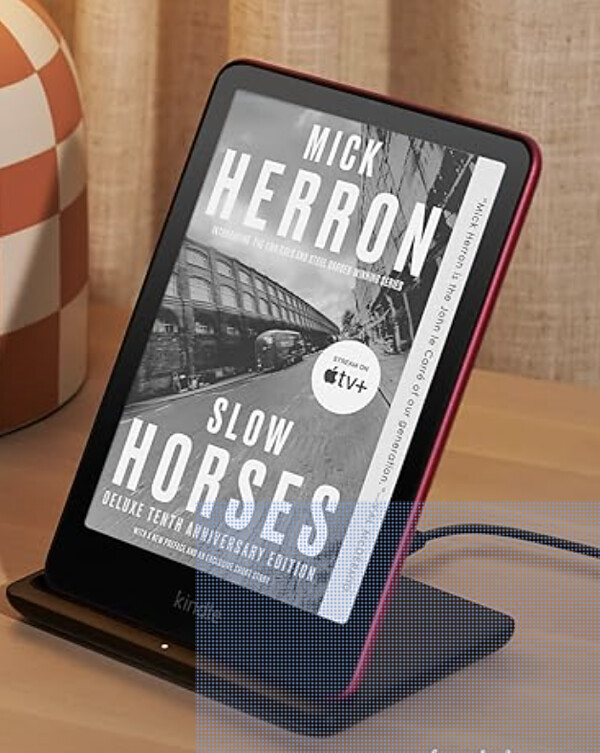
- Phone and protective case
- Charging cables for every device
- Apple AirTag or tracker for luggage and day bag
- Offline maps downloaded for rural areas
- Camera or action camera for cliffs and coastal drives
- Small tripod for group shots and night pubs
Entertainment
- Downloaded playlists for road trips and trains
- Podcast queue for rainy afternoons and solo walks
- Small card game for pubs and downtime
- Travel journal and pen
- One paperback book for screen-free evenings
- Guided audio tours downloaded for Dublin and Galway
- Kids’ activity pack for long drives if traveling as a family
Extras
- Reusable shopping bag for markets and pharmacy runs
- Snacks for long day tours and rural stops
- Travel mug for coffee on early departures
- Mini sewing kit for button fixes and small tears
- Safety pins for quick repairs and layering hacks
- Lightweight picnic blanket for parks and beach stops
- Binoculars for cliffs, seabirds, and whale-spotting tours
- Small flashlight for countryside stays and late check-ins
Travel Tips
- Plan outfits by layers, not by day, to stay flexible
- Keep a rain layer in your day bag every morning
- Choose shoes you can walk in on cobblestones and trails
- Book popular August tours early, especially on the West Coast
- Carry coins for parking meters and small local purchases
- Download offline maps before heading into rural areas
- Bring a lightweight scarf for churches and breezy viewpoints
Visa Tips
- Check Ireland entry rules based on your passport nationality
- Confirm how long you can stay visa-free before booking flights
- Save digital and printed copies of accommodation confirmations
- Carry proof of onward travel if you’re doing multi-country trips
- Keep travel insurance details accessible for border questions
- Review transit visa rules if connecting through the UK
Must-Haves
- Waterproof rain jacket with hood (1 PCS)
- Waterproof sneakers (1 PCS)
- Wool-blend socks for comfort in wet weather (4–6 PCS)
- Crossbody bag with zipper for crowded tourist areas
- Universal travel adapter
- Daily facial sunscreen SPF 30+ for intermittent strong UV
- Blister pads for heels and long city walking days
- Power bank for long touring and navigation use
Good-to-Have
- Packable scarf for wind, churches, and cooler evenings (1 PCS)
- Lightweight insulated vest for extra warmth without bulk (1 PCS)
- Dry bag for boat tours and sudden showers
- Mini stain remover pen for pubs and café spills
- Binoculars for cliffs, seabirds, and coastal wildlife
- Small tripod for photos in low light
- Electrolyte powder for long walking days and travel fatigue
- Downloaded audio tours for museum and city exploration
What to Bring If You Want to Pack Light
For August in Ireland, the key is layers you can mix and match rather than separate outfits for every day. Stick to a neutral color palette so everything pairs together, and choose fabrics that dry quickly since a little rain is almost guaranteed.
- 3 to 4 mix-and-match tops
- One pair of waterproof walking shoes or boots
- One lightweight waterproof jacket
- 2 pairs of pants or jeans that work day and evening
- A thin mid-layer like a cardigan or fleece
- Travel-size toiletries
- One versatile dress or smart top for evenings out
What Not to Pack for Ireland in August
Leave your heaviest cold-weather coat at home. August is Ireland’s warmest month, with average highs around 18 to 20 degrees Celsius, so a thick winter jacket will sit unused in your bag for most of the trip.
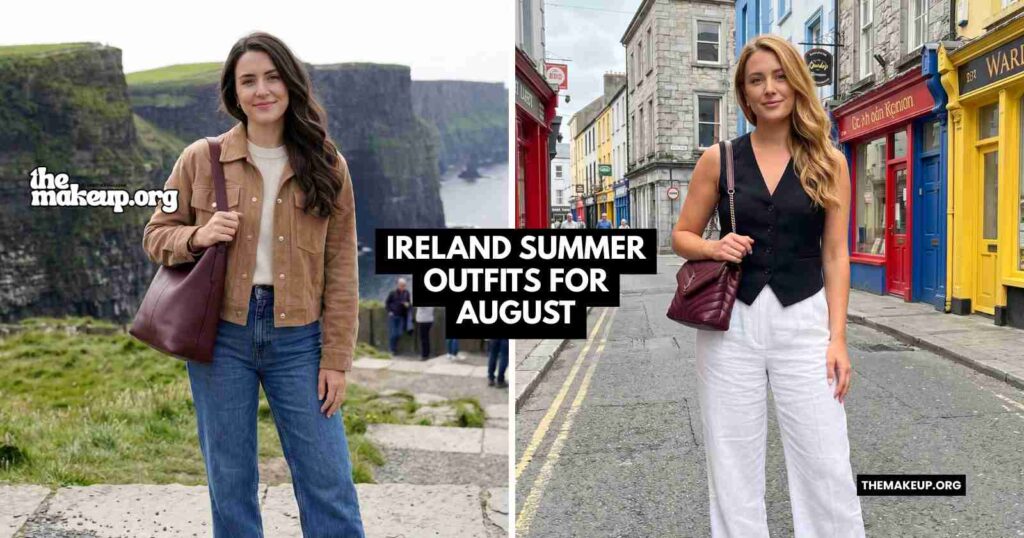
A waterproof layer with a hood does the real work, and you can add a fleece underneath on cooler days.
High heels are not worth the space. Irish towns and cities are full of uneven cobblestones, and even a short walk from a restaurant to a pub can be rough on anything other than a flat, supportive sole.
Pharmacies and supermarkets in Ireland stock most basics well, so you do not need to overpack toiletries, medications, or sunscreen to cover a two-week trip.
FAQ: Packing for Ireland in August
What to pack for 10 days in Ireland in August?
For 10 days, a medium checked bag or large carry-on works for most people. Plan on 5 to 6 tops, 3 pairs of bottoms, a waterproof jacket, one mid-layer, comfortable walking shoes, and one smarter outfit for evenings.

Pack items that can be worn more than once to keep the bag manageable.
What is the 3-5-7 rule in packing?
The 3-5-7 rule is a guideline for packing light: bring 3 pairs of shoes, 5 tops, and 7 bottoms, or some variation of those numbers depending on trip length. The point is to set a hard limit before you start so you do not overpack.
It works well for an Ireland trip since the mild August climate does not require heavy or bulky items.
How do I not stand out as an American in Ireland?
Skip the overly branded athletic gear and baseball caps, which are the most common giveaways. Dress in layers as locals do, and choose a crossbody bag or backpack over a large tourist-style fanny pack.

Jeans, simple tops, and a waterproof jacket will help you blend in comfortably.
What can’t you bring into Ireland?
Ireland has strict rules on bringing in meat, dairy, and certain plant products, especially if you are traveling from outside the EU. Some medications that are over the counter elsewhere require a prescription in Ireland, so check before you pack.
Always declare anything you are unsure about at customs.
Is it acceptable to wear jeans in Ireland?
Yes, jeans are completely normal and widely worn across Ireland, including in Dublin pubs, restaurants, and casual evenings out. A pair of dark jeans in particular works well from daytime sightseeing through to dinner.

Jeggings are also a popular and practical choice for long travel days.
What should I wear in Ireland in August for ladies?
Layers are the most practical approach. A combination of light tops, a cardigan or thin fleece, and a waterproof jacket covers most situations.
Add one or two dresses or smarter tops for evenings, and make sure your walking shoes are broken in before you go.
What to wear in Ireland to not look like a tourist?
Wear practical, understated clothing and avoid anything with loud logos or slogans. A good waterproof jacket, neutral-colored layers, and sturdy flat shoes are what most locals wear in August.
Carrying a small, simple bag rather than a large camera bag or oversized tote also helps you blend in.