
For what to wear in Europe in December winter, start with these four things: a mid-weight wool coat, ankle boots with real grip, a merino wool base layer, and a scarf you can actually wrap twice.
The wool coat does the most work. It handles 3°C to 9°C (37°F to 48°F) days without bulk, looks right in any city, and layers easily over a turtleneck or sweater.
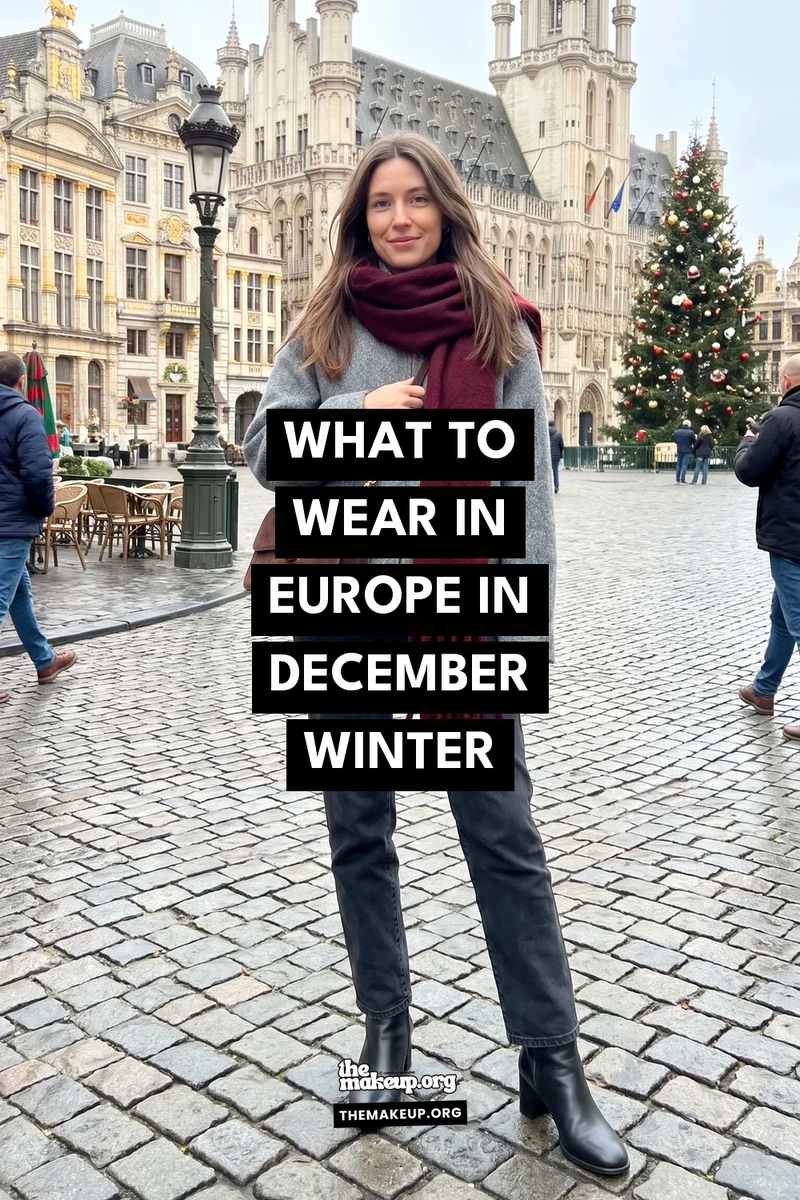
The ankle boots matter because pavements get damp and slippery. Leather uppers with a rubber sole keep you dry and comfortable through long days of walking.
The merino base layer is the quiet hero. It regulates temperature when you move from cold streets into heated museums or cafés, so you’re not constantly overheating or freezing.
Locals across Paris, Berlin, and Amsterdam dress in clean, understated layers. Expect to see slim trousers, tailored coats, and dark palettes everywhere you look.
What to Wear in Europe in December
Weather & Climate
December temperatures in Europe typically sit between 3°C and 9°C (37°F to 48°F). Mornings are noticeably cold, and the air often carries damp chill even when it isn’t raining.
Rain and grey skies are common. Layers you can add or remove as the day warms up make this kind of weather much easier to manage.
How Locals Dress ✨
Locals keep it polished without overdoing it. A wool coat, ankle boots, and a neatly wrapped scarf is the standard city uniform.
Even casual outfits have a put-together quality. Clean silhouettes and unfussy layers are the norm, not the exception.
Outerwear 🧥
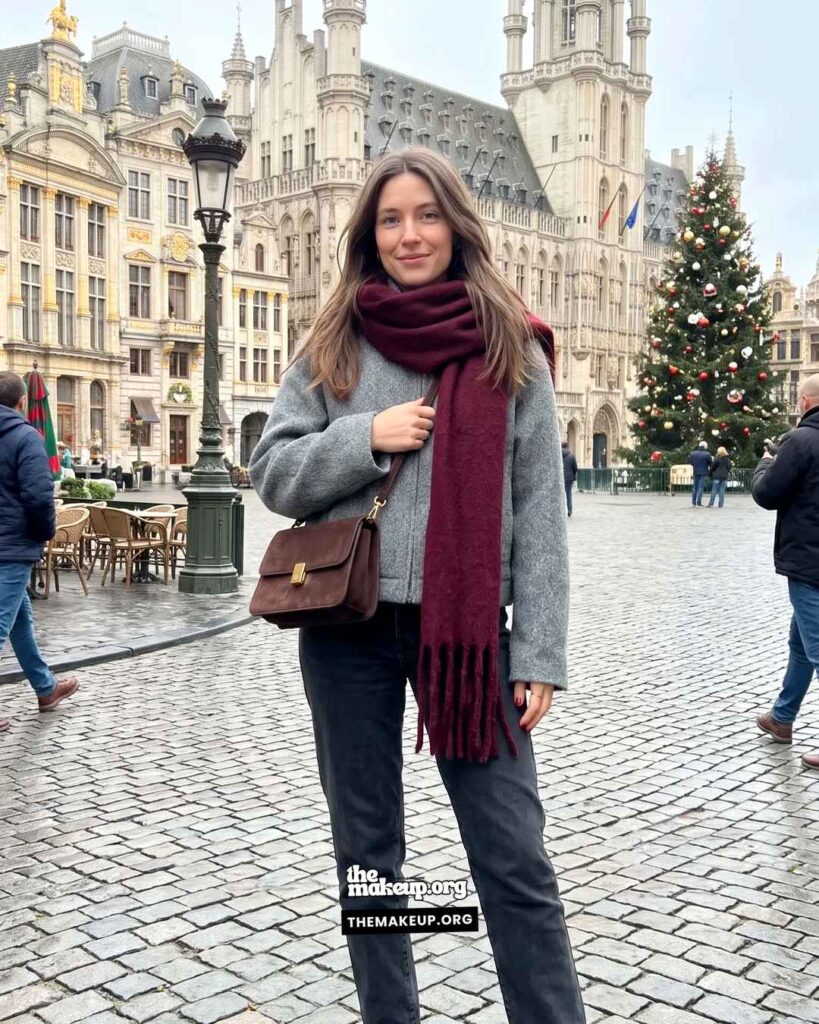
A mid-weight wool coat or an insulated jacket is the right call for most of Europe in December. Look for one with a water-resistant finish if rain is likely.
A packable umbrella fits easily into a tote or crossbody bag. Heavy parkas are rarely necessary unless you’re heading to Scandinavia or into the Alps.
Layers & Fabrics 🧵
Merino wool is the best fabric you can pack. It’s lightweight, regulates body temperature, and doesn’t hold odor after a long day.
Wool-blend and cotton tops work well as mid-layers. The goal is to build warmth in stages so you can adjust when you step into a heated space.

Tops 👚
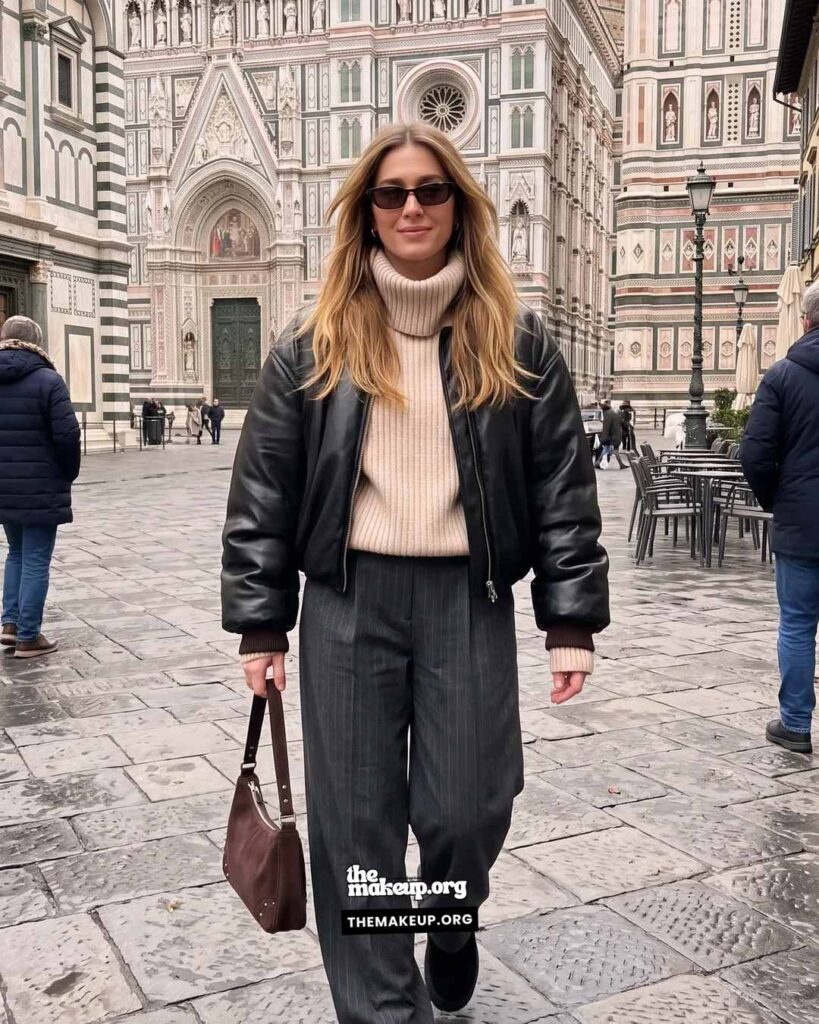
Turtlenecks are a December staple across Europe. They add neck warmth without a scarf and look intentional under a coat.
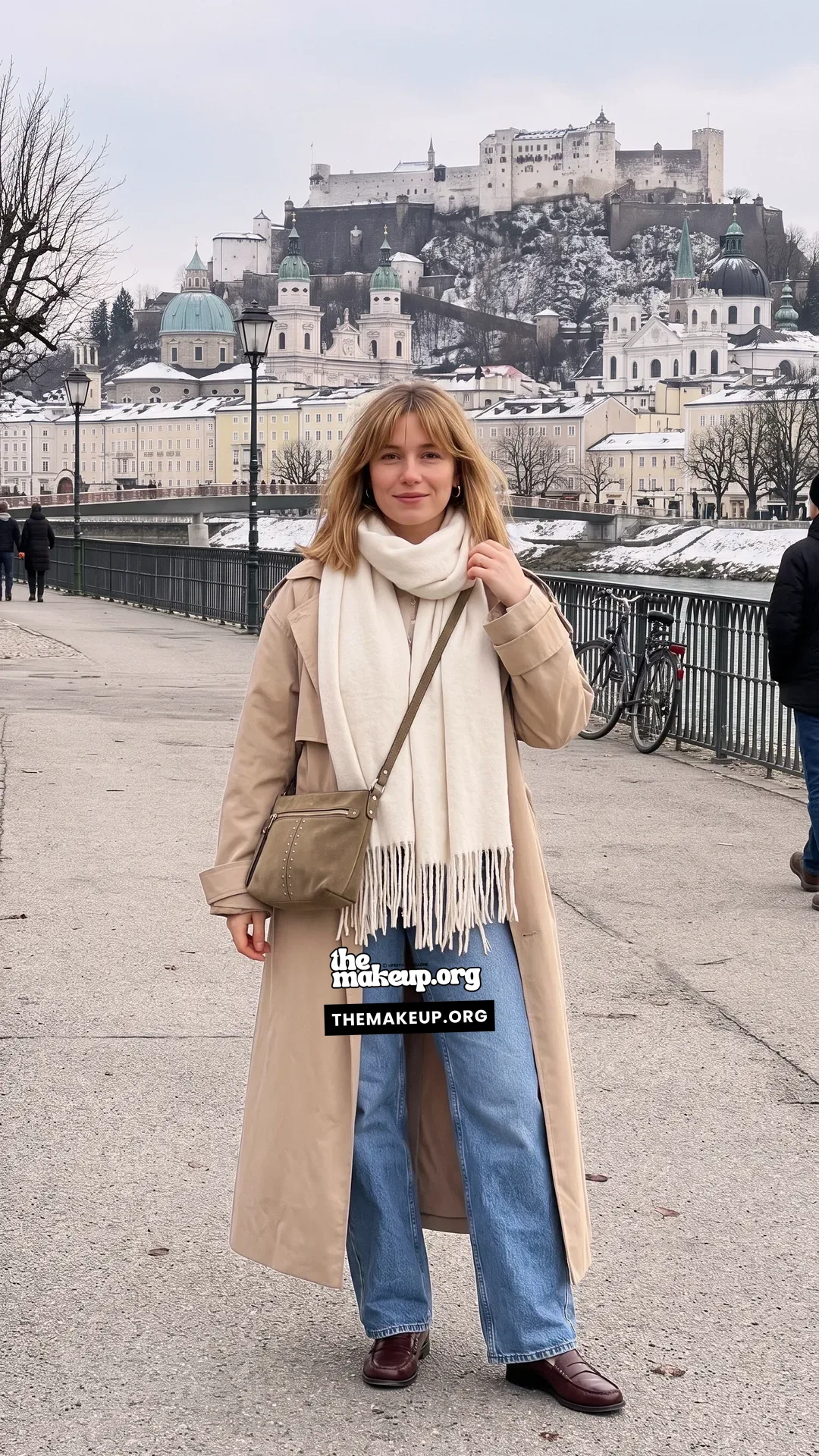
Pack two or three long-sleeved tops in neutral shades that mix easily. A thin merino crewneck over a fitted long-sleeve gives you flexibility for both cold mornings and mild afternoons.
Bottoms 👖
Slim or straight-leg jeans and tailored trousers are what you’ll see on most locals. They look polished, move well, and tuck neatly into boots.
Wool-blend trousers add real warmth on the coldest days. Skip shorts or cropped styles entirely — they’re uncomfortable and out of place in this season.

Dresses 👗
Midi-length dresses in heavier fabrics like ponte or thick jersey work well for December. Pair them with opaque tights and ankle or knee-high boots to stay warm.
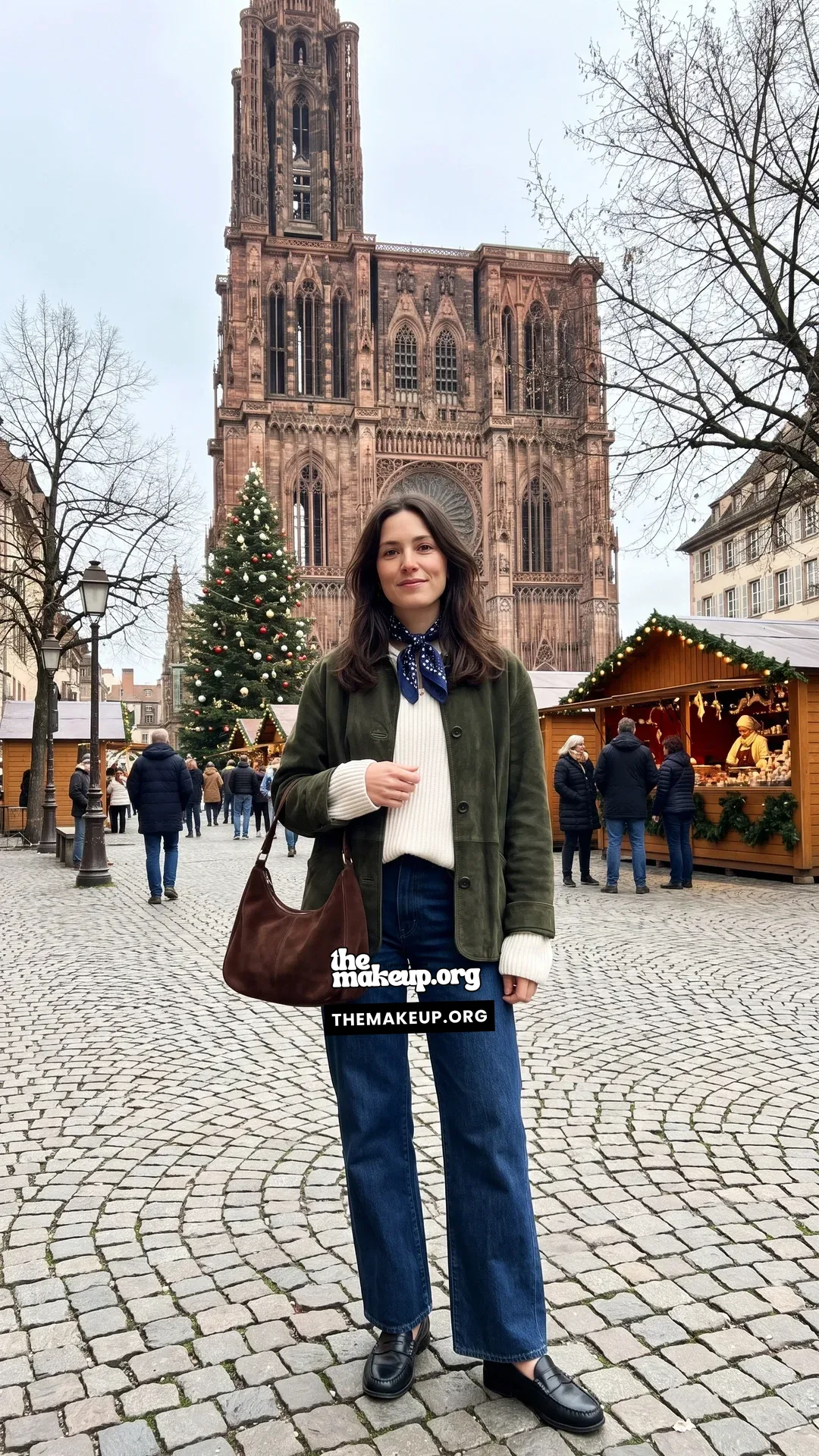
Stick to darker shades and add a fitted cardigan or thermal underlayer underneath. This combination reads as very local and keeps you comfortable through the day.
Shoes 👢
Ankle boots are the most useful shoe you can bring. They’re durable in wet weather, comfortable for hours of walking, and fit right in with European city style.
Leather sneakers with thick rubber soles work for more casual days. Leave sandals and open-toed shoes at home — they won’t suit the temperatures or the terrain.

Accessories 🧣
A scarf is non-negotiable. It adds warmth fast and pulls any neutral outfit together without extra effort.
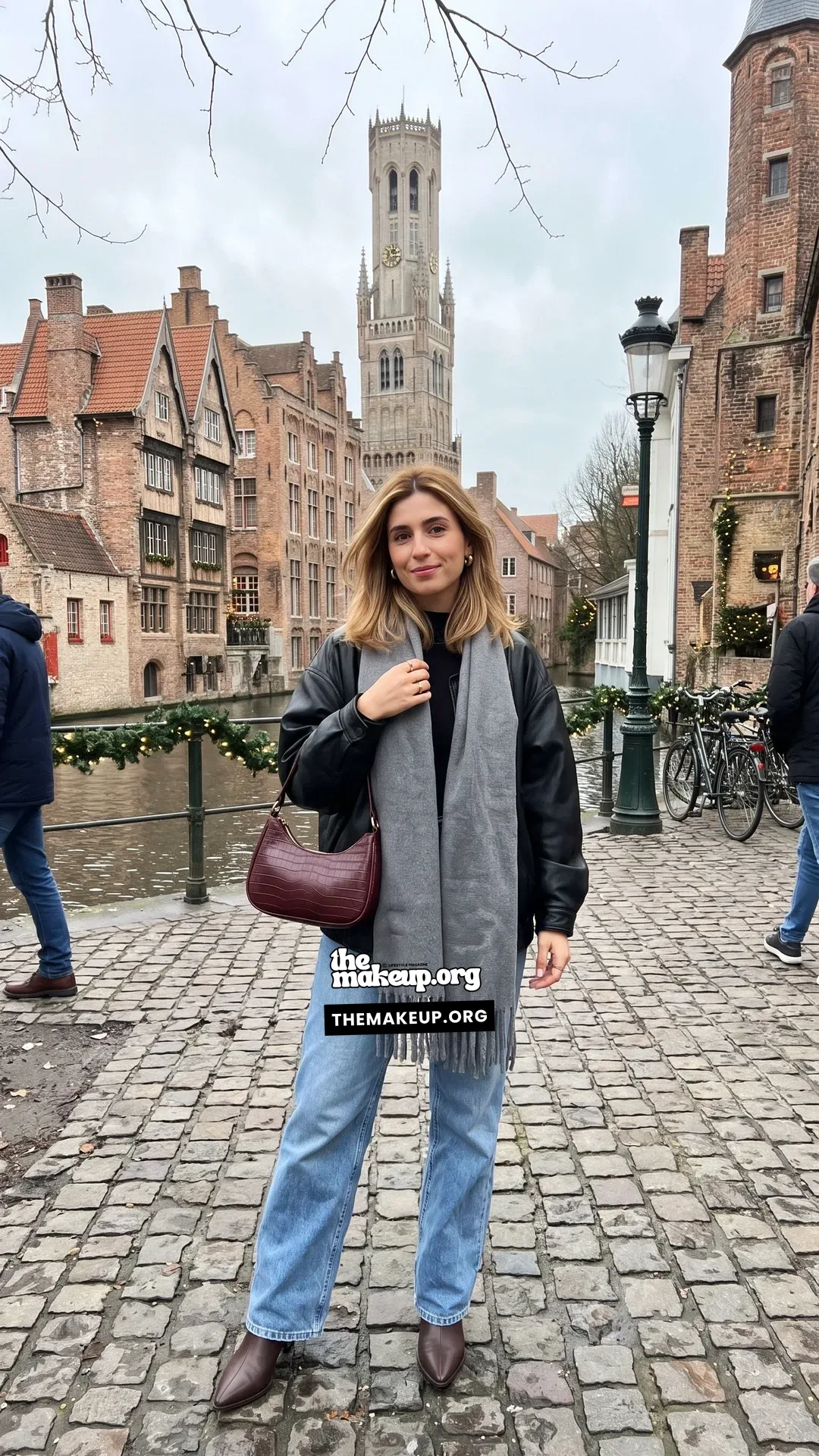
Bring a hat and gloves for windy days near canals or open squares. A crossbody bag keeps your hands free and your belongings secure while sightseeing.
Color Palette & Style Vibe 🎨
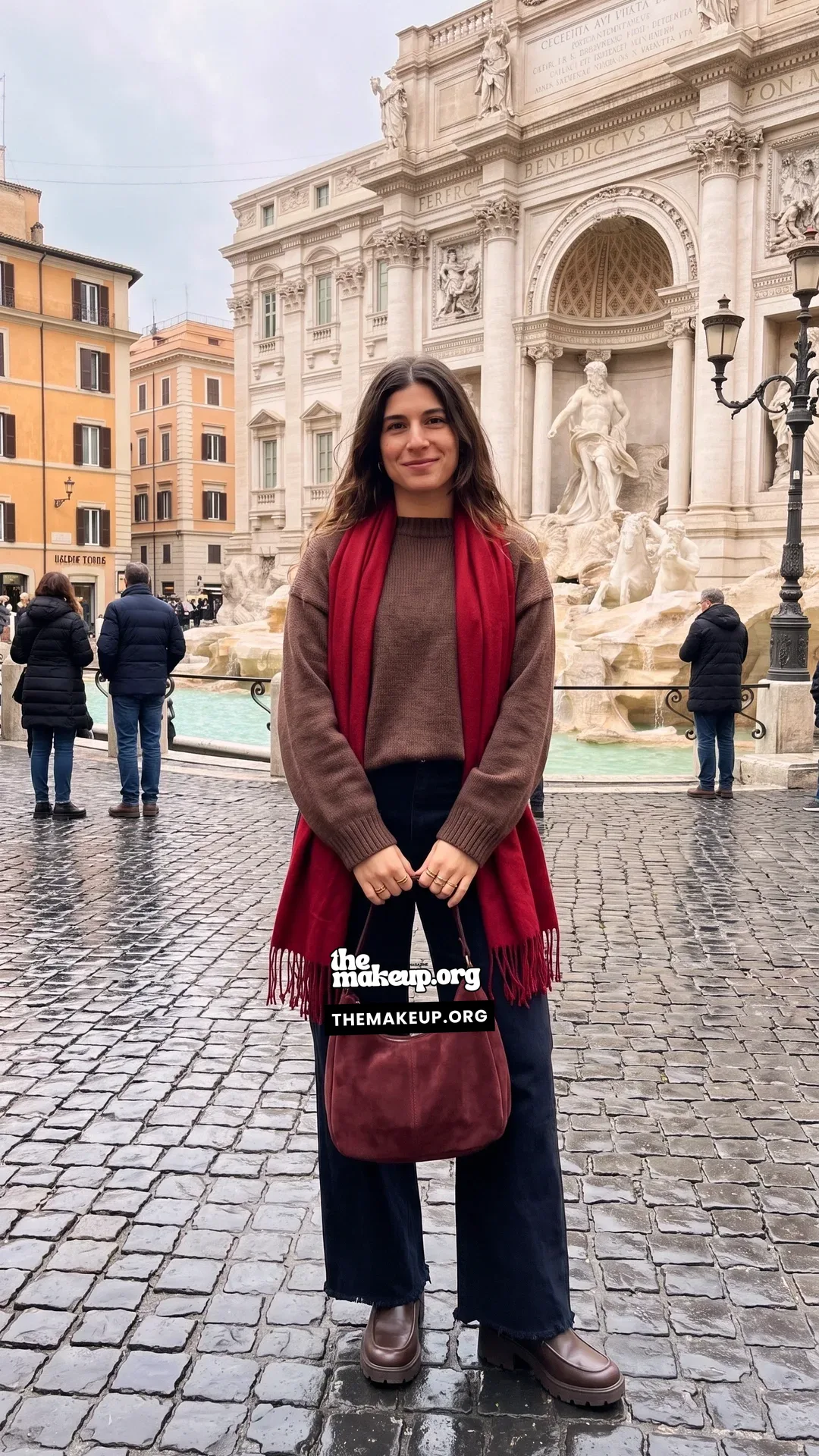
Black, navy, and grey dominate December wardrobes across Europe. Deep tones like burgundy, forest green, and camel break things up without standing out.
The overall vibe is understated and timeless. One interesting piece — a textured coat, a rich-colored scarf — does more than a loud print ever would.
Daytime vs Evening Outfits 🌞🌙
Daytime looks are practical and layered, built for walking, markets, and cold air. For evenings, locals shift slightly: a sleeker boot, a blouse instead of a sweater, a fitted wool blazer.
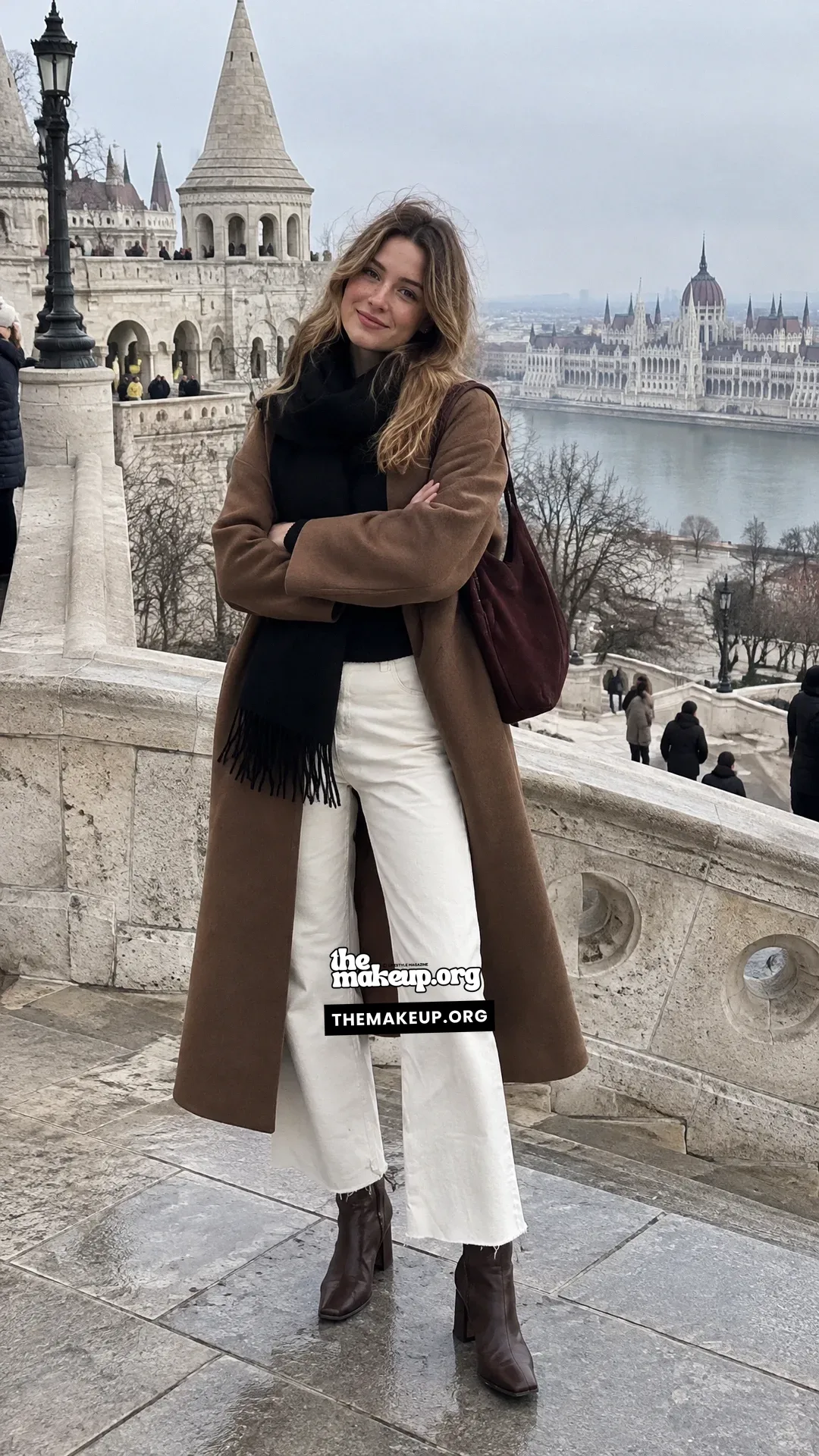
You don’t need a separate “going out” wardrobe. The same coat and trousers work at night with a small swap in your top or shoes.
What to Pack for Day Trips and Colder Regions
If you’re taking day trips out of the city — think countryside villages, mountain towns, or coastal spots — the wind and damp hit harder than in urban areas.
Add a thin down or synthetic-fill vest under your coat for extra core warmth. Waterproof ankle boots or low hikers will serve you better than smooth-soled leather ones on uneven ground.
Pack a compact, packable rain jacket as a backup layer. It weighs almost nothing and saves you on days when the weather turns unexpectedly wet.
Common Mistakes / What to Avoid 🚫
Damp air makes 5°C (41°F) feel much colder than it looks on paper. A single light jacket won’t cut it, even on days that seem mild at a glance.
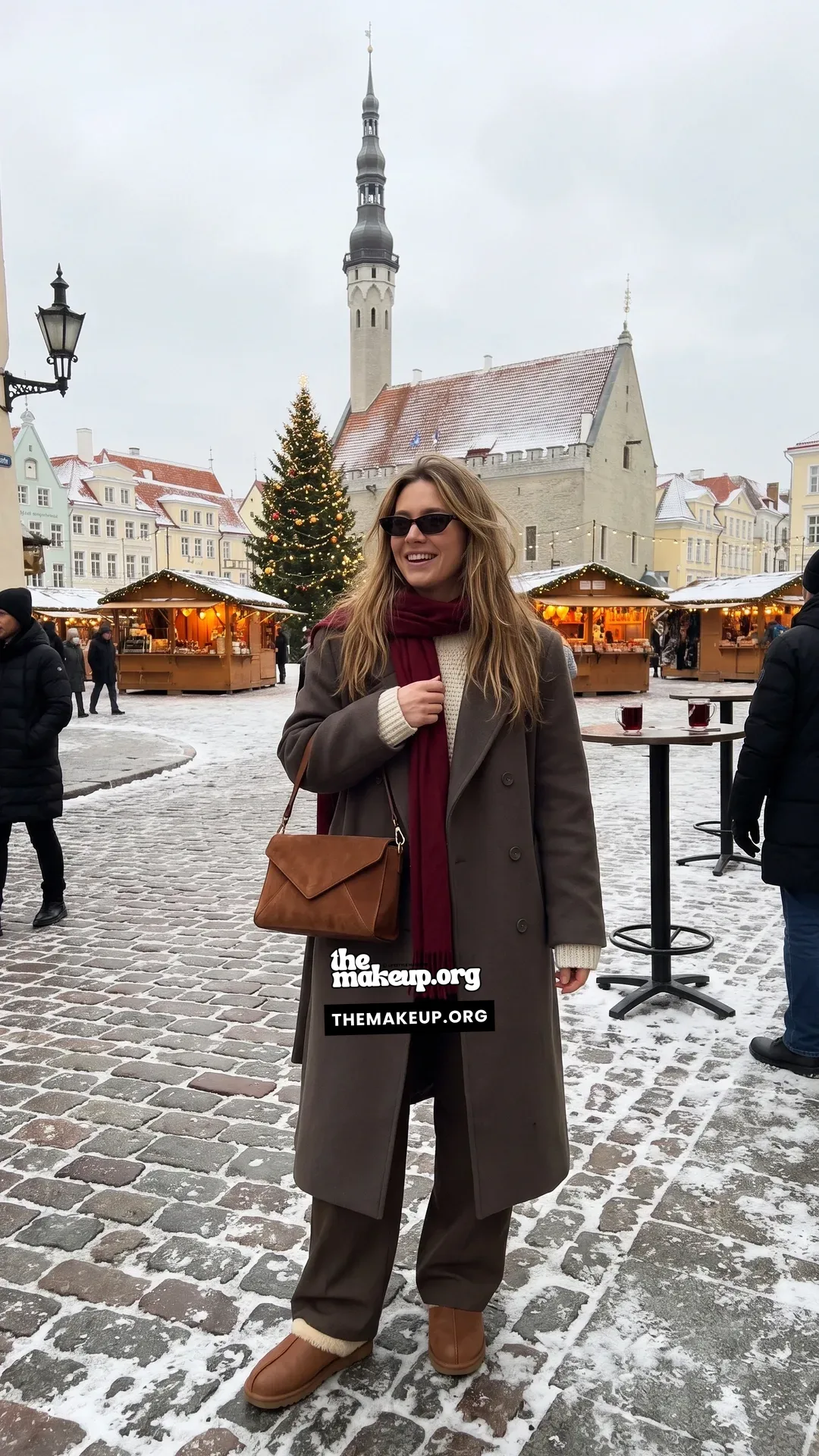
Avoid overly bright prints or revealing clothes. They can feel out of step with the quieter, more refined aesthetic you’ll see in most European cities in December.
Final Tips & Best Practices ✅
Check the forecast for your specific destination a few days before you pack. Coastal cities and northern spots run colder and wetter than inland ones.
Comfortable, waterproof footwear and smart layering let you move from Christmas markets to museums to dinner without changing your whole outfit.
Final Outfit Checklist 📝
Bring a wool coat, a merino base layer, two or three mix-and-match tops, slim trousers or jeans, and a midi dress with tights. Add ankle boots, a scarf, gloves, and a hat.
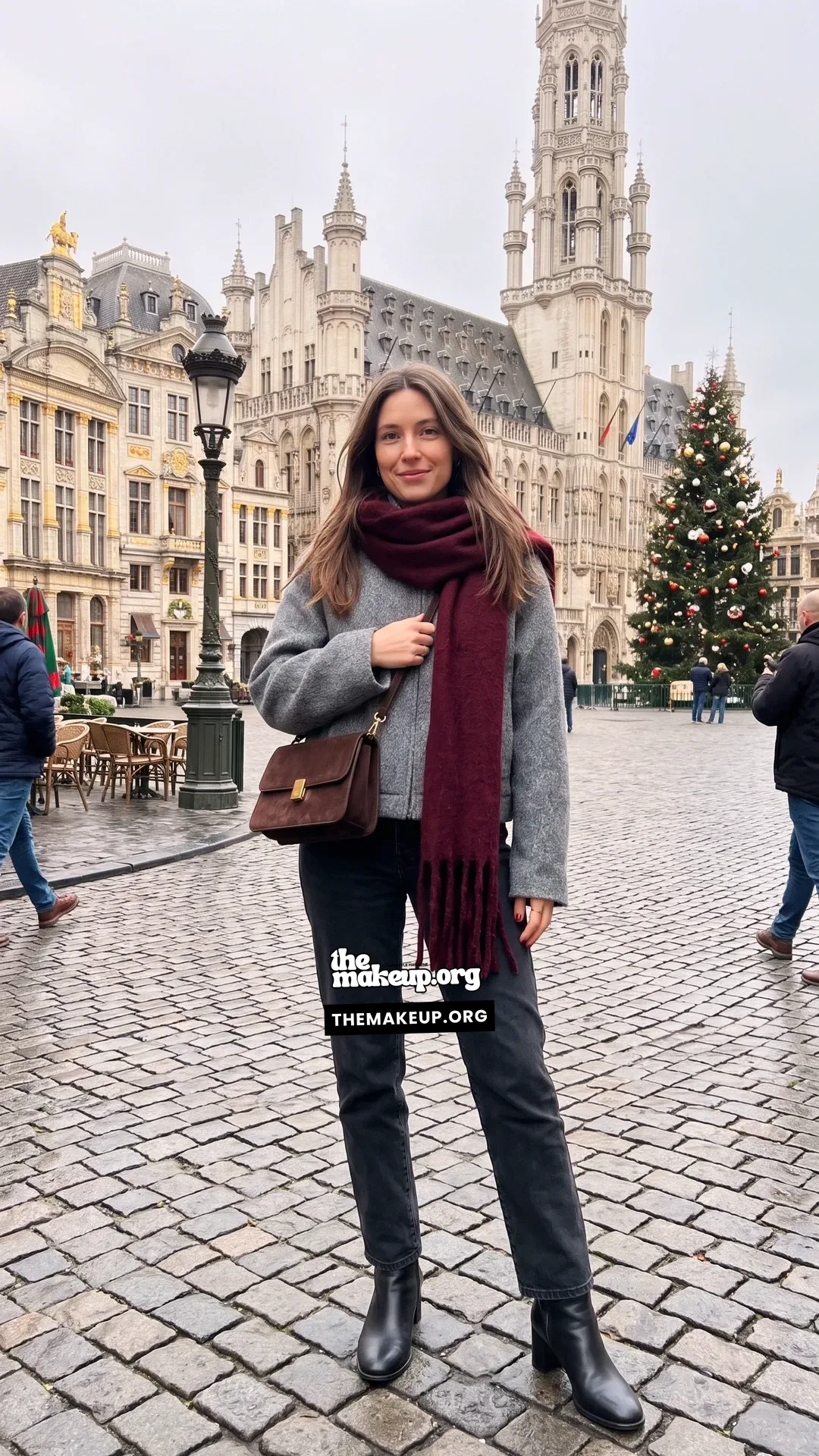
Keep the palette dark and neutral. Pack pieces that work together so every combination you pull from your suitcase is already a complete, weather-ready outfit.
Quick Packing List for Europe in December
- Thermal leggings
- Thermal base layer top
- Waterproof insulated coat (1 PCS)
- Wool sweater (2 PCS)
- Long-sleeve tops (2-3 PCS)
- Jeans or warm trousers (1-2 PCS)
- Scarf (1 PCS)
- Warm socks (4-6 PCS)
- Waterproof sneakers
- Ankle boots
- Compact travel umbrella
- Beanie (1 PCS)
- Touchscreen gloves (1 PCS)
- Crossbody day bag with zipper (1 PCS)
- Sunglasses (1 PCS)
What to Wear in Europe in December Winter FAQ
What are the biggest layering mistakes women make when packing for Europe in December?
The most common mistake is packing one heavy coat and skipping the mid-layers, which leaves you either too hot indoors or too cold outside. Temperatures in December across Europe typically sit between 3°C and 9°C (37°F and 48°F), so a thermal base, a knit mid-layer, and a wind-resistant outer coat will serve you far better than bulk alone. I also find that forgetting a lightweight packable layer for heated museums and restaurants is a regret most travelers mention after the trip.
Can I wear the same pair of shoes the whole trip, or do I really need to bring two?
For most European December trips, one well-chosen pair can work for daytime, but evenings often call for something smarter. A low-heeled ankle boot in a neutral leather is the closest thing to a true do-it-all shoe, because it handles cobblestones, light rain, and a dinner reservation without looking out of place. That said, I always tuck a compact fold-flat flat or dressy loafer into my bag for nights when the ankle boot feels too casual.
How do I keep my December Europe outfits looking polished in photos without freezing between shots?
The trick is building outfits that look intentional even when fully bundled, so choose a coat with clean lines and a scarf in a rich color rather than a shapeless puffer and a beanie you grabbed at the airport. Because temperatures hover around 3°C to 9°C (37°F to 48°F), you will almost always be wearing your coat in those street shots anyway, so make it the star. I find that a belt worn over the coat instantly pulls the whole look together and photographs beautifully.
Is December in Europe a dress-up or dress-down kind of trip?
It really depends on where you are heading, but most European cities in December sit comfortably in the smart-casual middle ground. Locals tend to look put-together without being overly formal, so dark jeans or tailored trousers, a good knit, and a structured coat will help you blend in almost anywhere. Save one slightly dressier outfit for Christmas markets, opera visits, or nicer dinners, and you will have every situation covered.
What should I realistically leave at home when packing for Europe in winter?
Leave behind anything that is bulky but only earns one wear, like a full-length maxi dress or summer-weight linen pieces you are hoping to layer. Shorts and sandals are also genuinely not worth the suitcase space at 3°C to 9°C (37°F to 48°F). So focus instead on versatile, cold-weather pieces that can be remixed across multiple days and push anything single-use back onto the shelf before you zip the bag.
How do people dress in Germany in December?
Germans tend to dress practically but with a quiet sense of style, favoring quality wool coats, dark trousers or jeans, and sturdy boots over anything showy. You will rarely see bright colors or overly casual sportswear in city centers, so a neutral, layered look in navy, grey, camel, or black will help you fit right in. Visiting the Christmas markets is a big part of December in Germany, and locals dress warmly but still look polished for those evening outings.
Where in Europe is it not too cold in December?
Southern Europe is your best bet if you want milder winter conditions, with destinations like Lisbon, Seville, and Malta offering noticeably warmer days than northern or central Europe. That said, even these spots can feel cool in the evenings, so a mid-weight coat and layers are still worth packing. If you are specifically chasing warmth, the Canary Islands sit well outside the typical European December chill and are a popular choice for that reason.
Final Takes
Knowing what to wear in Europe in December winter is really about building a small, smart wardrobe around layers. A good wool coat, merino fabrics, and sturdy boots handle almost everything the season throws at you.
Keep your palette dark, your silhouettes clean, and your footwear waterproof. That combination gets you through cold mornings, long walks, and candlelit dinners without a single wasted piece in your bag.