
A well-packed bag for Japan in October means less stress from the moment you land and more energy for the actual trip.
October brings mild days and cool evenings, and you will cover a lot of ground on foot between train stations, temple paths, and city streets. Getting the layers right matters more than having a lot of clothes.
One thing I always keep in mind for Japan: you will likely remove your shoes often when entering temples or traditional spaces, so proper slip-on or easy-off footwear saves real time. A pair you have already broken in will also spare your feet on long walking days.
Packing smart will help you make the most of your trip. Here’s everything you need to bring for a comfortable and stylish adventure.

Carry-On Suitcase / Travel Bag Duffle / Portable Steamer / Packing cubes / Luggage scale / Wireless Noise-Cancelling Headphones / Speaker / Portable Charger / Universal Travel adapter / Compact Hair Dryer / Eye Mask / Waterproof Toiletry Bag Hanging / Zipper Pouch / Water BOTTLE / Liquid I.V. Hydration Vegan
Quick Take
- 🌡️ Weather: During October in Japan, temperatures typically range between 16°C and 22°C (61°F–72°F)
- 🧳 Pack: lightweight layers, a compact rain jacket, comfortable walking shoes, and a small daypack
- ⚠️ Don’t forget: a light cardigan or fleece for cool evenings, which drop noticeably after dark
- 🚫 Skip: a heavy winter coat, October in Japan is mild enough that layers handle the temperature range
- ⏱️ 3 min read · full checklist below
What Is the Weather Like in Japan in October?
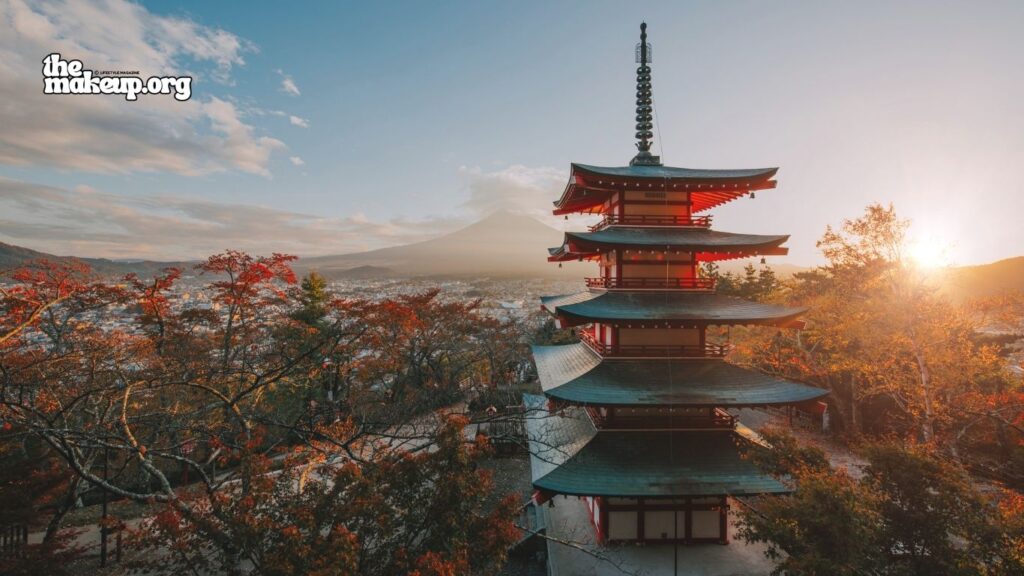
October in Japan typically sits around 16°C to 22°C (61°F–72°F), so I plan for mild afternoons and cooler mornings. It can feel noticeably cooler in higher elevations or later in the month, which is why layers matter.
How to Pack Light for Japan in October
The key is building around pieces that mix and match, so every item you pack earns its place in more than one outfit. Japan’s excellent public transport means you will be lifting and carrying your bag often, so keeping it light is genuinely practical, not just a challenge.
- 3 to 4 mix-and-match tops
- 2 bottoms (one casual, one slightly smarter)
- One light layer, such as a cardigan or thin fleece
- One compact, packable rain jacket
- One pair of broken-in walking shoes
- Travel-size toiletries
- One small daypack for temple visits and day trips
What To Pack For Japan In October
Luggage & Packing Tools
If you want more options to have everything organized and well packed, take a look at these suggestions.

1. Rolling Backpack / 2. Luggage (large) / 3. Luggage (small) / 4. Toiletry Bag / 5. Beach Bag / 6. Backpack / 7. Packing Cubes
I keep packing tools simple so you can move fast through train stations and small hotel rooms.
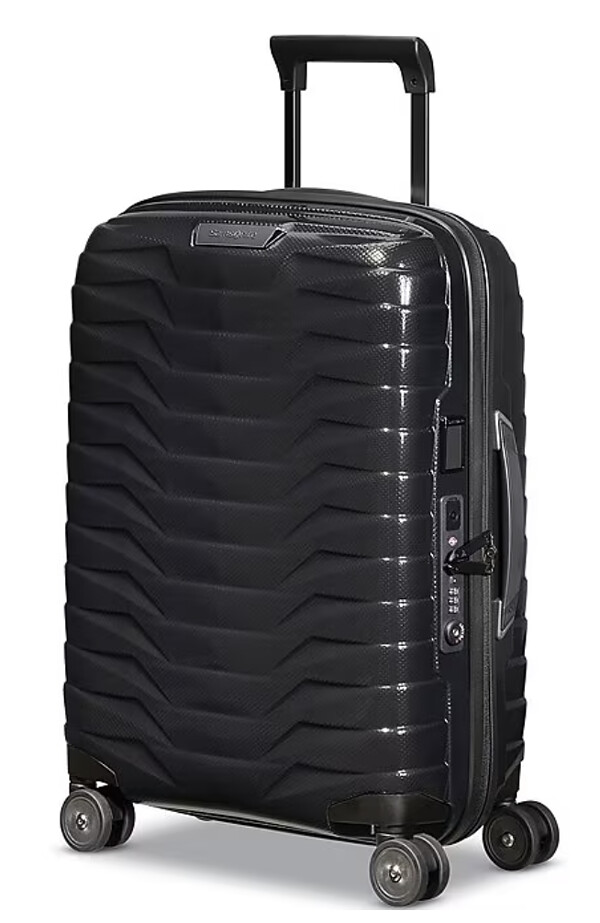
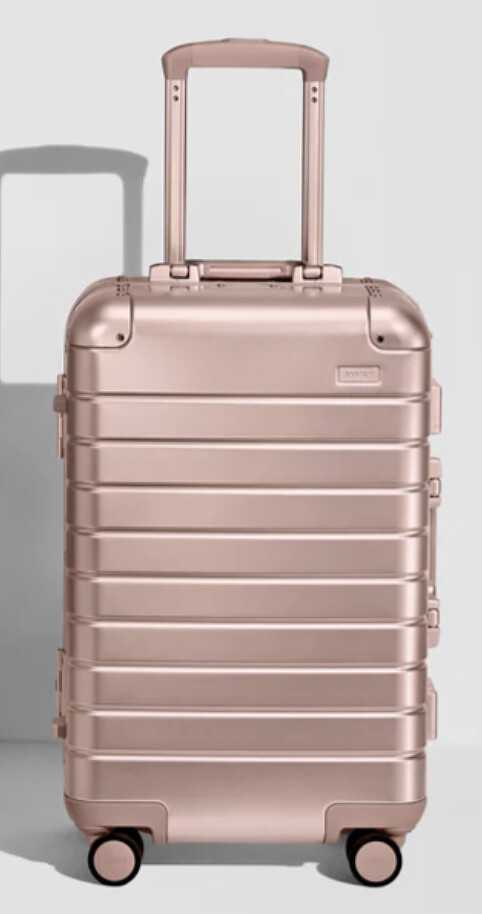
- Carry-on suitcase – A carry-on suitcase keeps essentials with you and avoids checked-bag fees and delays. It also makes tight connections easier since you can leave the airport without waiting at baggage claim.
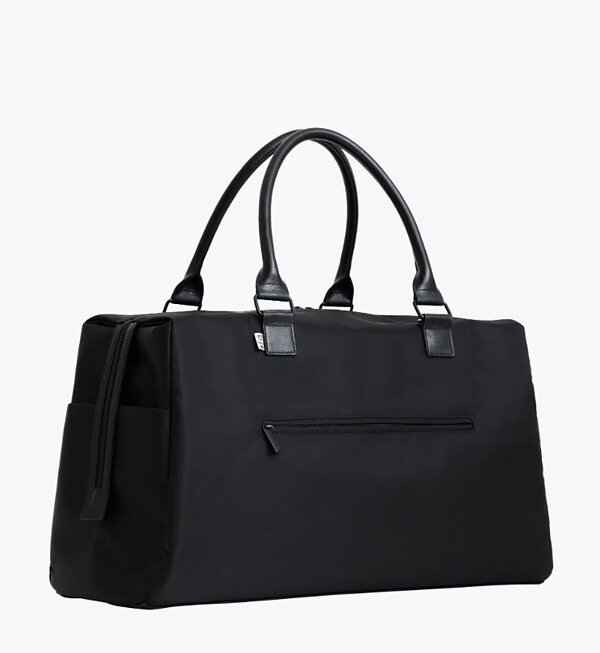
- Packable daypack
- Compression packing cubes
- Lightweight foldable tote bag
- Luggage ID tags
Clothes
October is all about layers you can add on chilly mornings and peel off by midday.
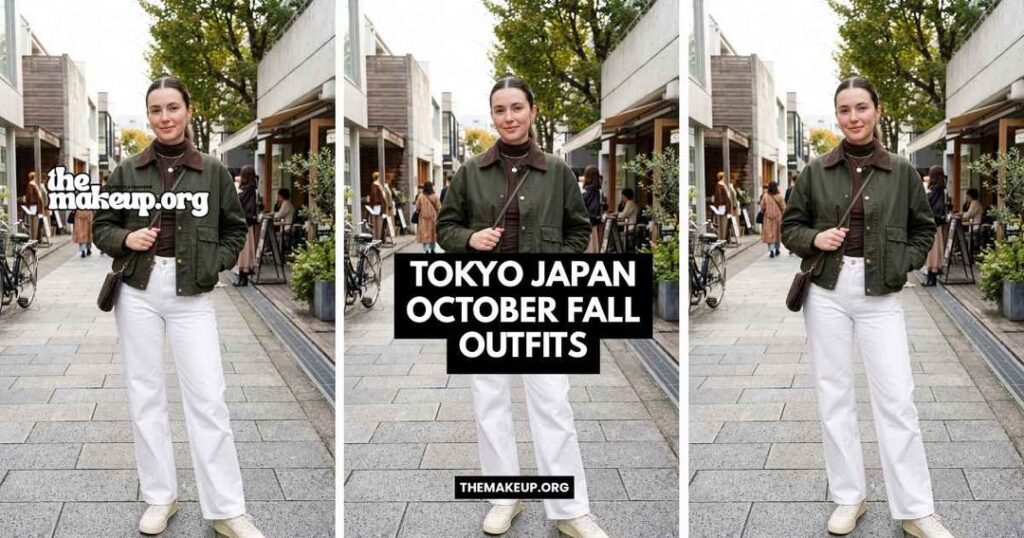
- Lightweight sweater or knit (1–2 PCS)
- Long-sleeve tops (2–3 PCS)
- T-shirts (2–3 PCS)
- Lightweight jacket (1 PCS)
- Packable rain jacket (1 PCS)
- Comfortable walking pants (2 PCS)
- Jeans or heavier trousers (1 PCS)
- Sleepwear (1 PCS)
- Underwear (6–8 PCS)
- Clean socks with no holes (6–8 PCS)
Shoes & Accessories
You’ll take shoes off at temples, shrines, and some restaurants, so slip-ons and clean socks save time.
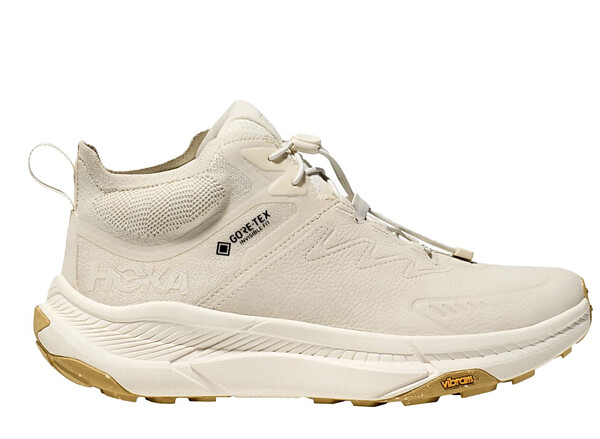
- Waterproof sneakers – Waterproof sneakers keep your feet dry in rain, puddles, or wet sidewalks, so you avoid blisters and cold feet and can keep walking comfortably.
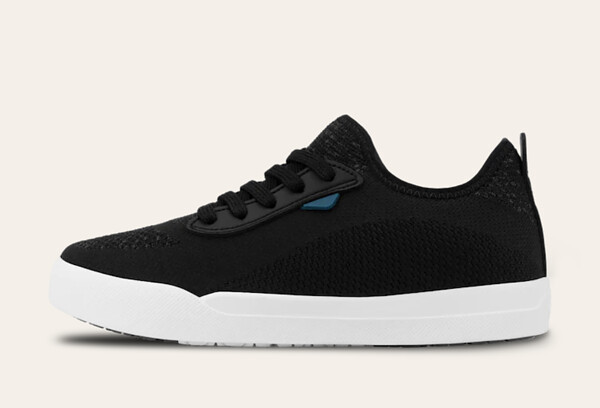
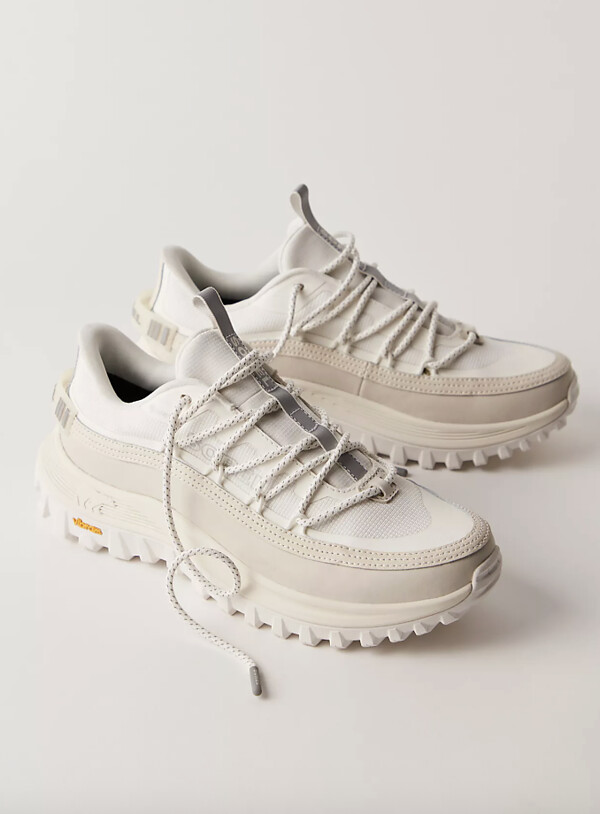
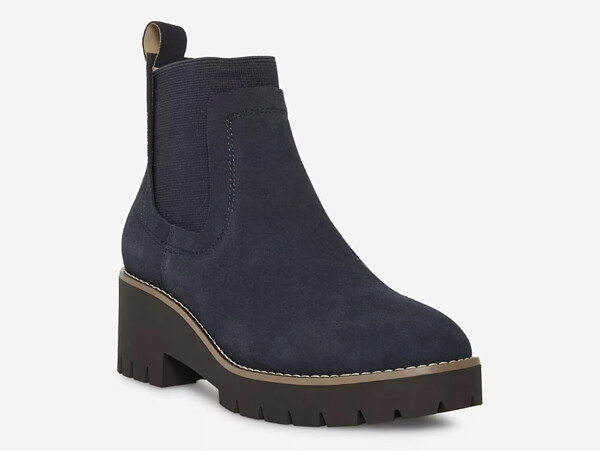
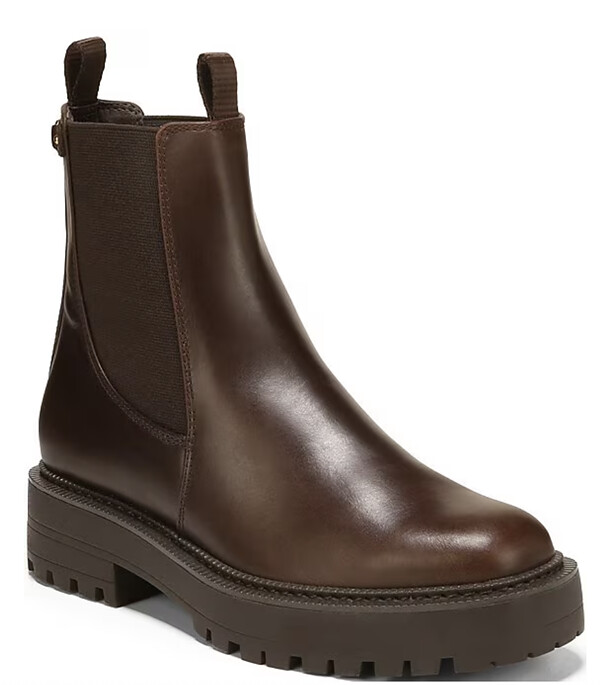
- Ankle boots – Ankle boots give more ankle support than flats and keep your feet warmer. The sturdier sole handles uneven sidewalks and light rain better than most dress shoes.
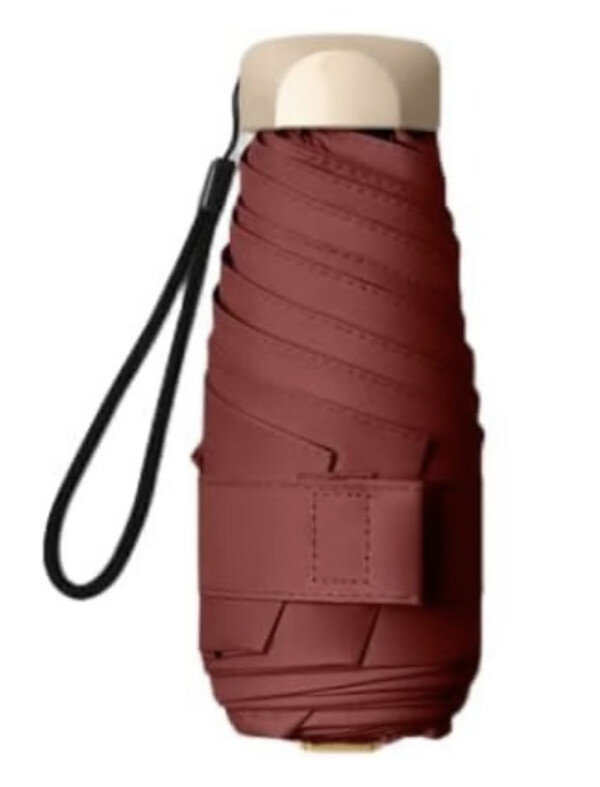
- Compact travel umbrella – A compact travel umbrella fits in a day bag and gives quick cover in rain. It helps keep your clothes and phone dry when weather changes fast.
- Slip-on shoes that remove hands-free (1 PCS)
- Comfortable walking shoes (1 PCS)
- Crossbody bag with zipper (1 PCS)
- Light scarf (1 PCS)
Beauty & Skincare
I focus on sun protection and moisture so your skin stays steady through long outdoor days.
- Travel hair dryer
- Hair straightener
- Face cleanser
- Moisturizer
- Sunscreen SPF 30+
- Lip balm with SPF
- Deodorant
- Dry shampoo
- Hair ties and bobby pins
Health & Hygiene
City days in Japan rack up steps fast, so I plan for blisters and small aches.
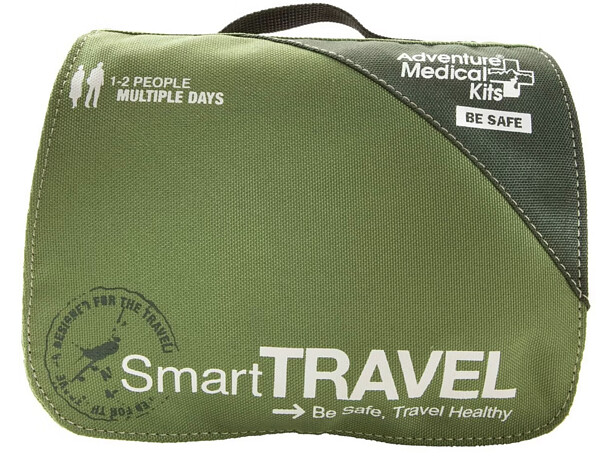
- Travel first aid kit – A travel first aid kit handles small cuts, blisters, and headaches fast, so minor problems do not ruin your day or force an urgent store visit.
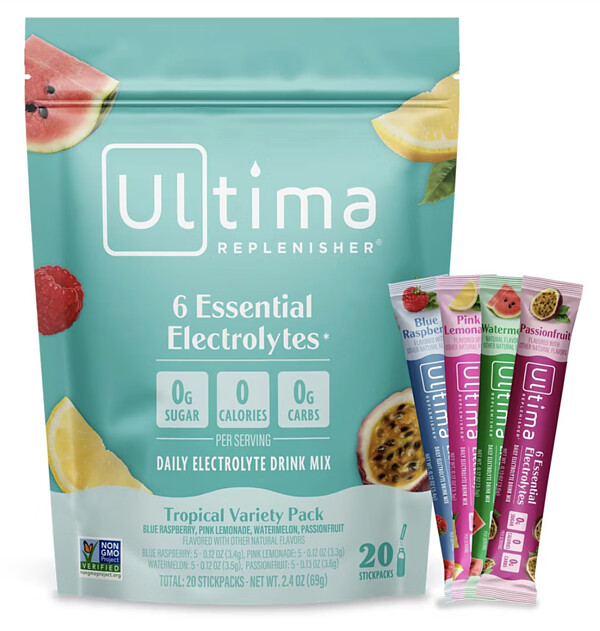
- Electrolyte powder – Electrolyte powder replaces salts lost from sweating, diarrhea, or long flights, helping your body absorb water. It can reduce headaches, cramps, and fatigue when plain water is not enough.

- Prescription medications
- Pain relievers
- Blister plasters
- Hand sanitizer
- Tissues
- Toothbrush and toothpaste
Tech & Electronics
Between navigation, transit apps, and photos, your phone will work hard every day.
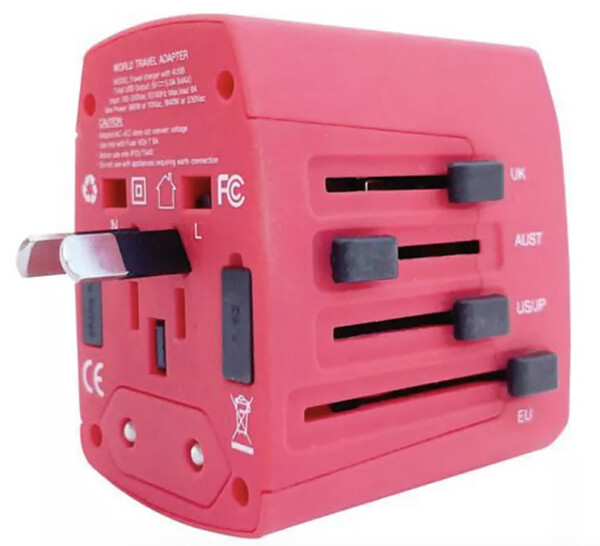
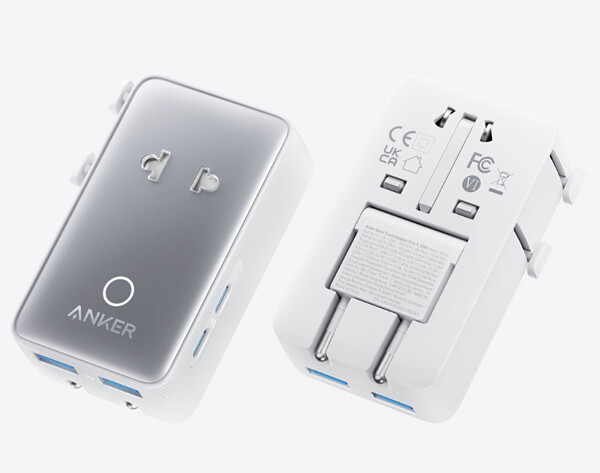
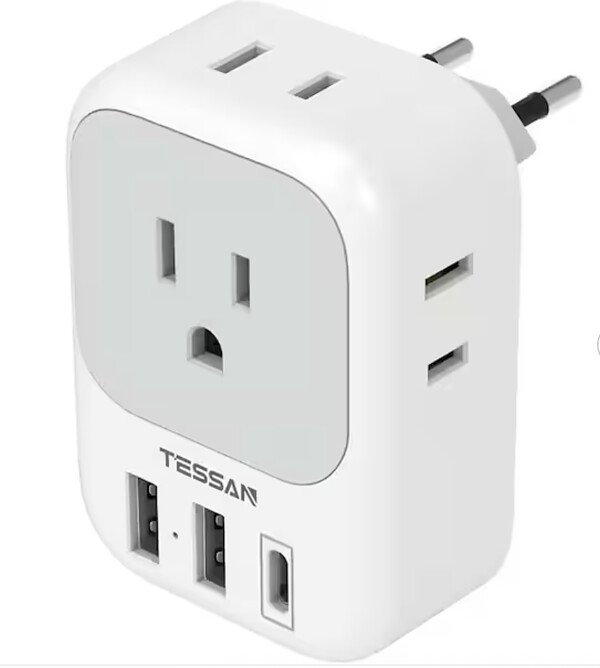
- Universal travel adapter – A universal travel adapter lets your plugs fit different outlet shapes, so your phone and laptop can charge in more countries without hunting for a local plug.
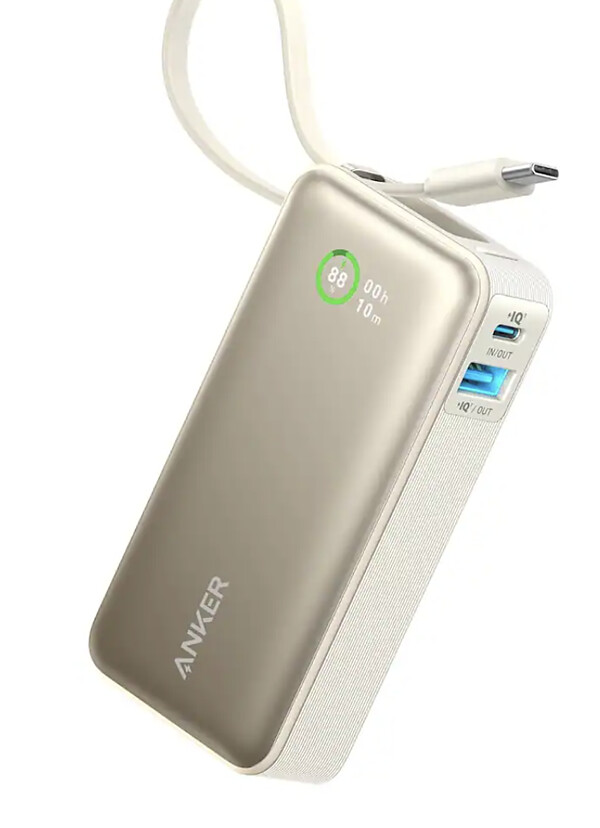
- Power bank – A power bank gives your phone extra battery when outlets aren’t available. It keeps maps, tickets, and calls working during long days out or travel delays.
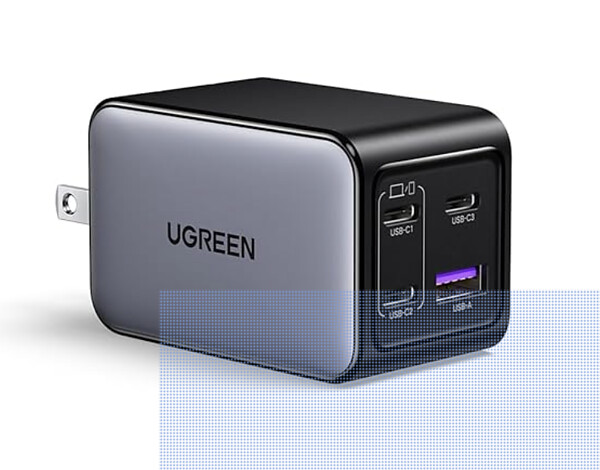
- Wall charger – A wall charger plugs into an outlet to power your phone and other devices faster and more reliably than a laptop USB port. Use one with multiple ports to charge several items at once.
- Noise-cancelling headphones – They reduce engine and chatter noise so your music, podcasts, or calls stay clear. This also makes it easier to rest or focus during flights and noisy hotels.
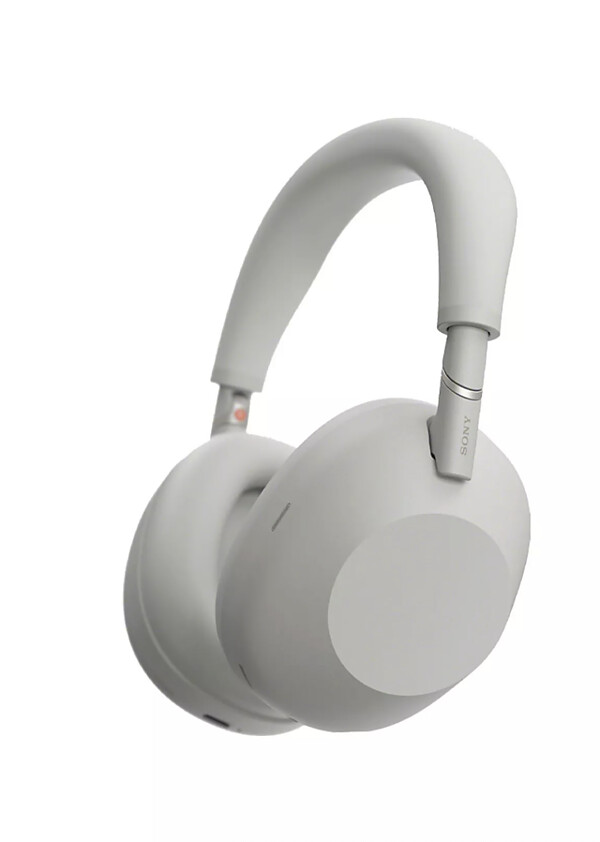
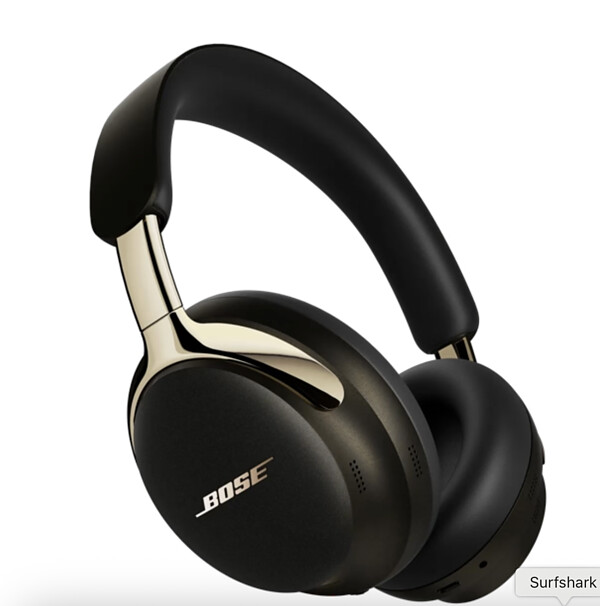
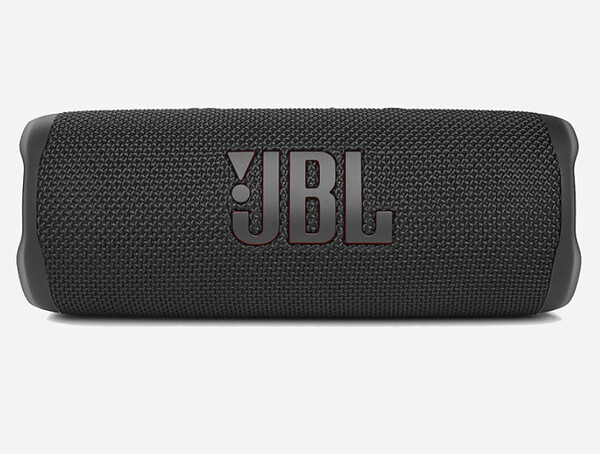
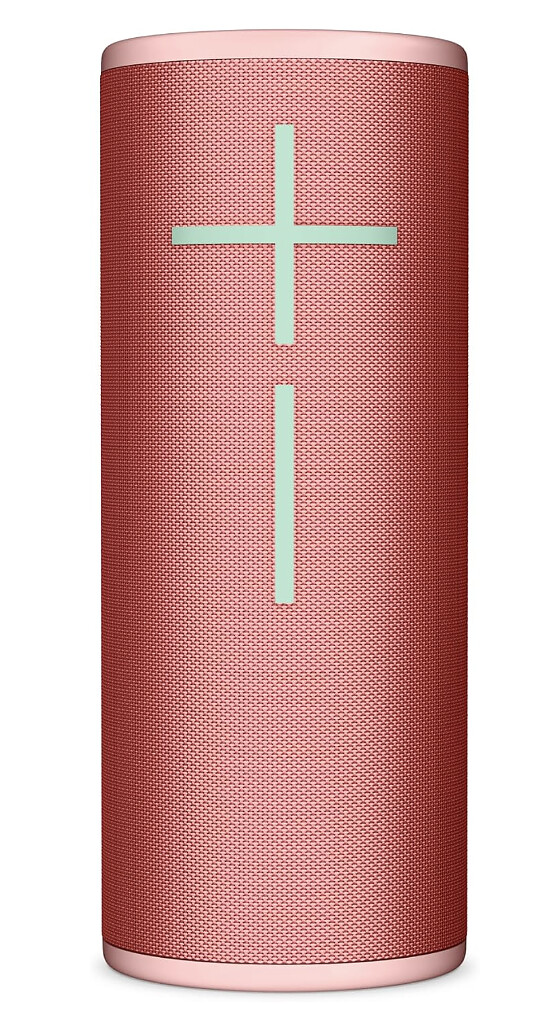
- Bluetooth speaker – A Bluetooth speaker connects to your phone for louder music or podcasts, which helps fill a room and keeps audio clear while you move around.
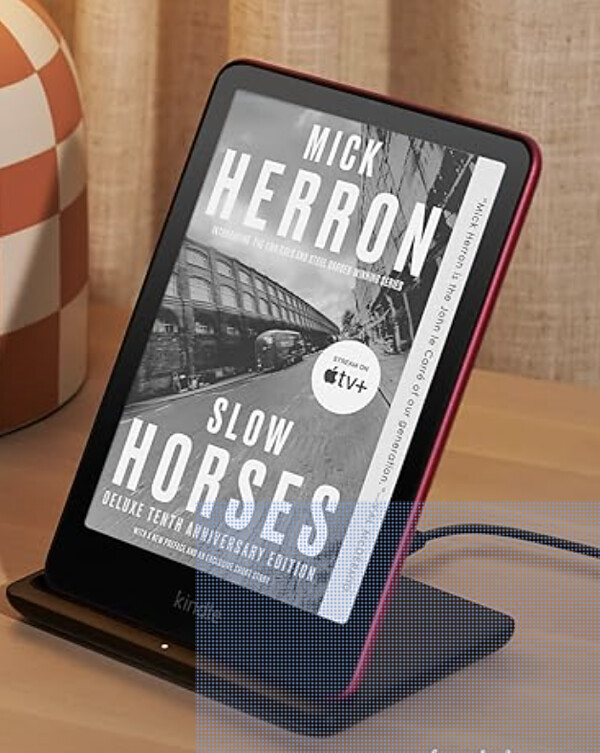
- E-reader – An e-reader stores many books in a small, light device, so you can read without carrying paper copies. The screen is easy on eyes and often lasts days per charge.
- Smartphone
- Charging cables
- Camera
Documents & Essentials
I like to keep these together so check-ins and ticket gates stay stress-free.
- Passport
- Wallet
- Credit card and backup card
- Cash (Japanese yen)
- Travel insurance details
Comfort for the Journey
Flights and longer train rides feel easier when you can sleep and stay comfortable.
- Neck pillow
- Eye mask
- Earplugs
- Refillable water bottle
- Lightweight travel blanket or wrap
What to Leave at Home for Japan in October
A heavy coat is not worth the space. October temperatures in Japan are comfortable during the day, and a packable jacket plus a light layer handles the cooler evenings easily.
Bulk in your bag becomes a real problem when you are navigating train stations and storing luggage in coin lockers.
You can also skip packing large bottles of shampoo, conditioner, or body wash. Drugstores and convenience stores in Japan are easy to find and well-stocked, and most hotels provide the basics.
Bringing full-size toiletries just adds weight you do not need.
Smart Packing Tips for Japan in October
Coin lockers at major train stations are a practical option if you want to explore a city without dragging your full bag. Knowing your bag fits standard locker sizes (most fit a typical carry-on) makes day trips between cities much smoother.
Japan in October means autumn foliage is beginning in many areas, and popular spots get busy. Comfortable, easy-to-move-in clothing matters when you are navigating crowds at scenic parks or temple grounds.

I would not plan on doing a lot of outfit changes mid-day, so choose pieces that work from morning to evening.
- Wear your bulkiest shoes on travel days to save bag space
- Pack a small tote or reusable bag for shopping and day use
- Bring a portable charger, walking all day drains a phone fast
- Keep a light scarf in your daypack for cool evenings or temple visits
How Many Outfits to Pack for Japan in October
For a one-week trip, three to four tops, two bottoms, and one dress or smarter outfit is usually enough. If you have access to a coin laundry, which many Japanese guesthouses and hotels do offer, you can stretch that further and pack even less.
For two weeks, the same principle applies. Japan has excellent and affordable laundry options, so you do not need to pack for every single day.
Overpacking is one of the most common travel mistakes, and it makes Japan’s fast-moving train travel noticeably harder.
- Tops: 3 to 4, choose neutral colours that mix easily
- Bottoms: 2, one casual and one that works for smarter dinners
- Shoes: 2 pairs maximum, one for walking, one flat for evenings
- Layers: 1 to 2, a cardigan and a packable jacket cover most situations
FAQ: Packing for Japan in October
What should I wear to Japan in October?
Lightweight layers work best. Expect mild days around 16°C to 22°C and cooler evenings, so a base layer, a light cardigan or fleece, and a packable rain jacket cover most situations.
Comfortable walking shoes are important given how much ground you will cover on foot.
What is the 5 4 3 2 1 rule for packing?
It is a simple packing framework: 5 sets of socks and underwear, 4 tops, 3 bottoms, 2 pairs of shoes, and 1 jacket. It works well for a Japan trip in October, though you can trim it further if you plan to do laundry.
What is the Japan October packing list for women?
For women, the essentials are mix-and-match tops, a pair of comfortable walking shoes you have already broken in, a light layer for evenings, and a compact rain jacket. A small crossbody bag is useful for daily use on public transport and at busy tourist spots.
Is $5000 enough for 2 weeks in Japan?
Yes, $5000 is a comfortable budget for two weeks in Japan for most travelers. It covers mid-range accommodation, meals, transport including the JR Pass, and entrance fees with room to spare.
Costs vary by city and travel style, so Tokyo and Kyoto tend to run higher than rural areas.
Is $2000 enough for 2 weeks in Japan?
It is possible on a tight budget, but it requires careful planning. Budget accommodation, convenience store meals, and selective transport choices can keep costs down.
Many people find $2000 workable for two weeks if they travel simply and avoid expensive experiences.
What is the average cost of a meal in Tokyo?
A casual sit-down meal in Tokyo typically costs between 800 and 1500 yen, and convenience store meals are even cheaper. Mid-range restaurants run around 1500 to 3000 yen per person.
You do not need to spend a lot to eat well in Tokyo.
What should I pack for Japan in autumn to handle the weather?
A packable rain jacket is the one item I would not leave out, since autumn rain in Japan can arrive without much warning. Beyond that, thin layers you can add or remove during the day handle the temperature shifts well.
Expect dry and clear days to be common, but prepare for the occasional wet afternoon.