
Leave the heavy denim and thick cardigans at home. Knowing what to wear in South Korea in August means accepting one fact first: this is some of the most intense heat and humidity you will encounter anywhere in Asia.
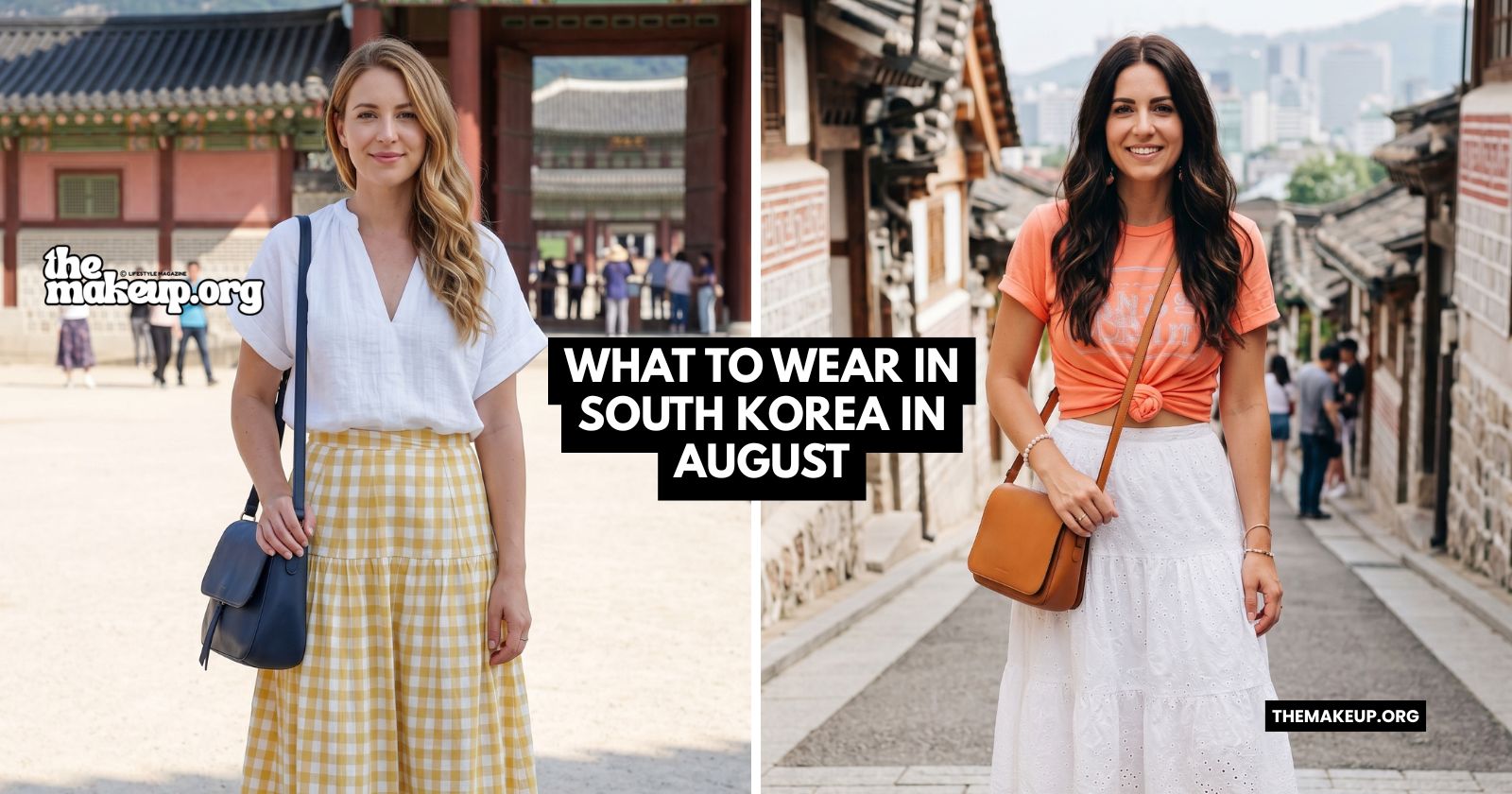
Seoul and Busan in August run between 24°C (75°F) and 31°C (88°F), with humidity that makes every degree feel sharper. Locals handle it by reaching for loose cotton and linen in relaxed cuts, never anything that clings.
Korean women in Seoul dress with quiet polish even in peak summer. Think ankle-length wide-leg trousers in soft rayon, light blouses, and clean sneakers, not bikini tops and denim cut-offs.
What to Wear in South Korea in August
Weather & Climate
August sits firmly in the humid summer season. Temperatures stay between 24°C (75°F) and 31°C (88°F) through most of the day.
Sudden rain showers are common, especially in the afternoons. This is not drizzle; it can be a real downpour, so plan your packing around it.
Early mornings feel only slightly cooler. By mid-morning the heat is already fully present, and it stays that way into the evening.
How Locals Dress ✨
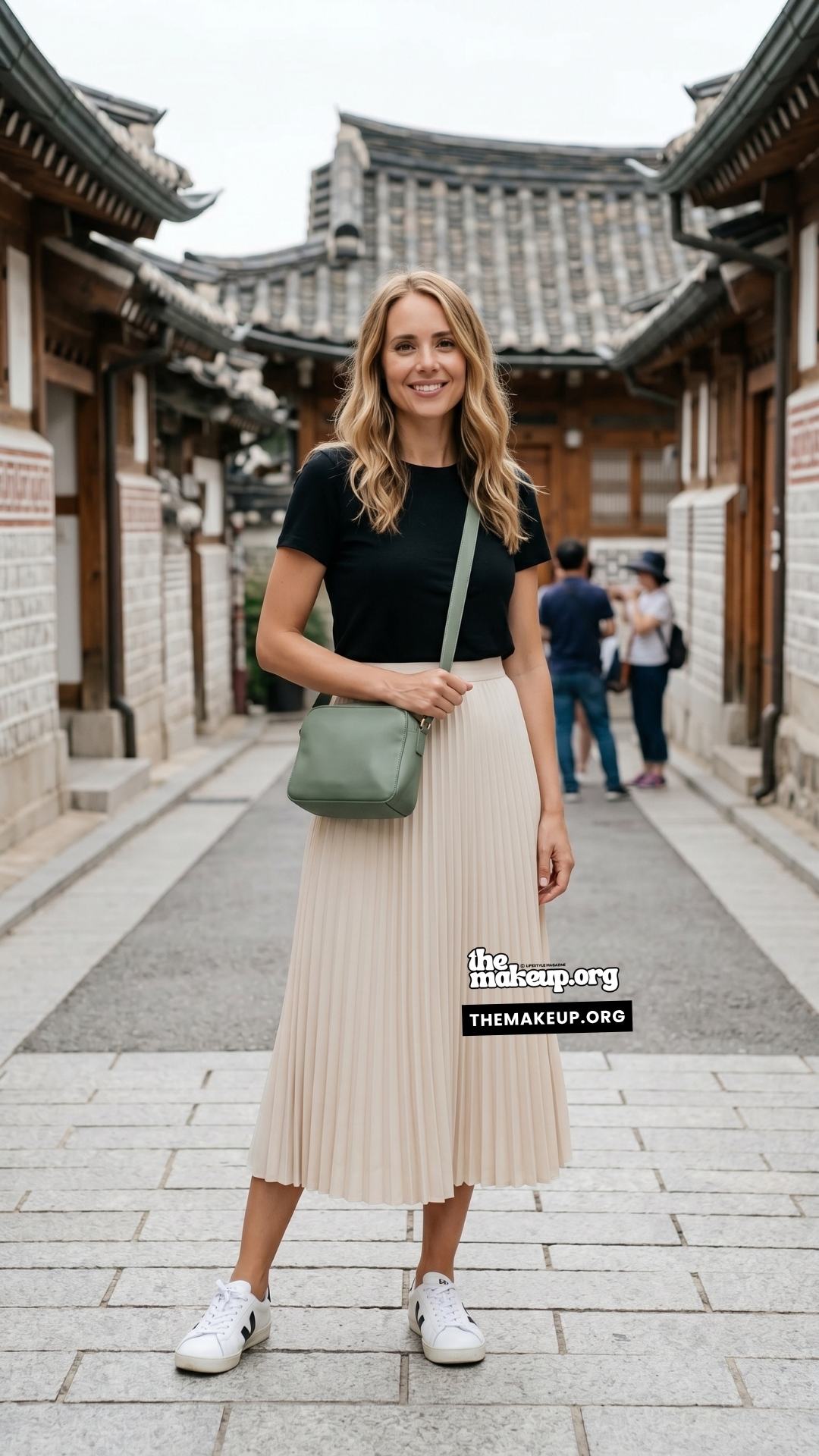
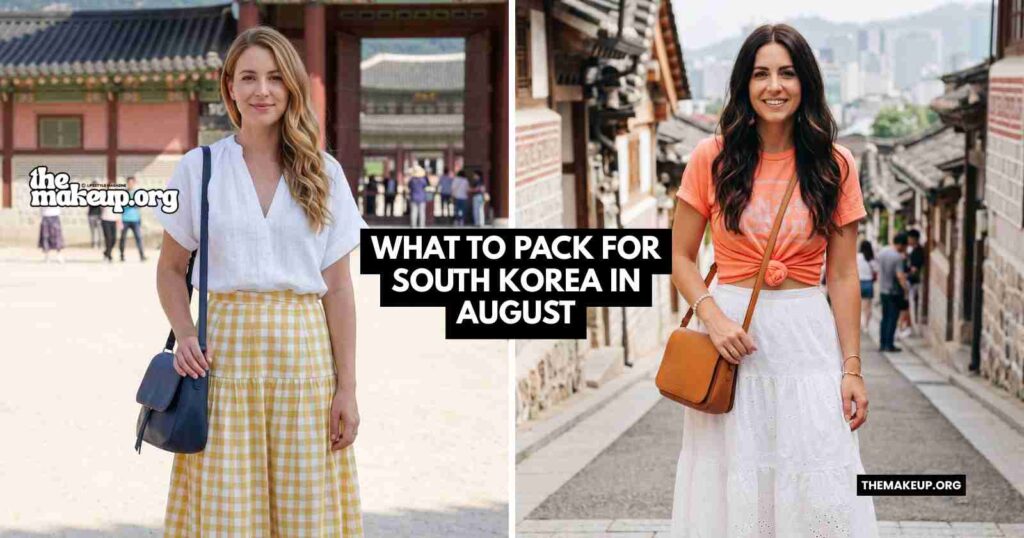
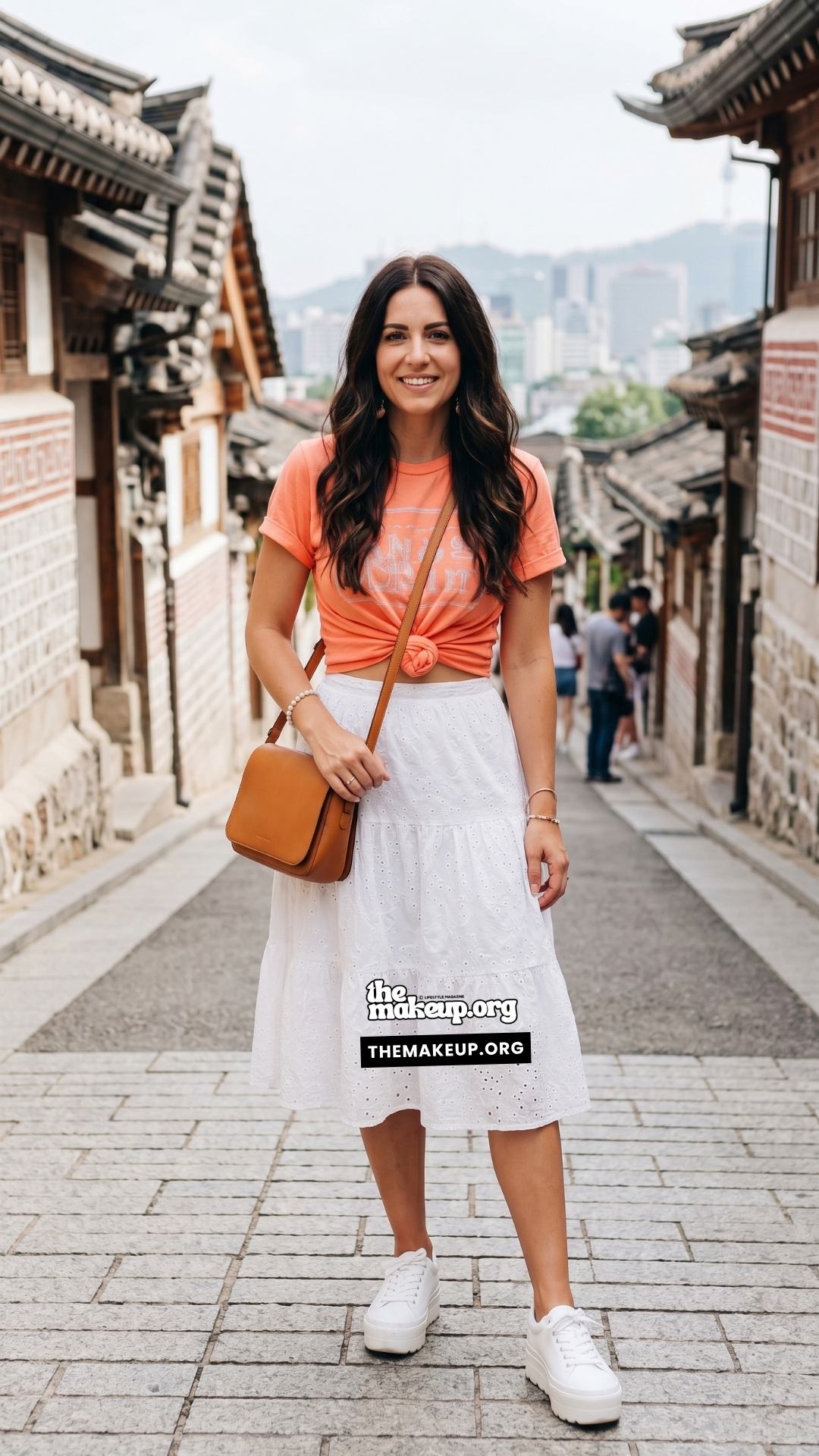
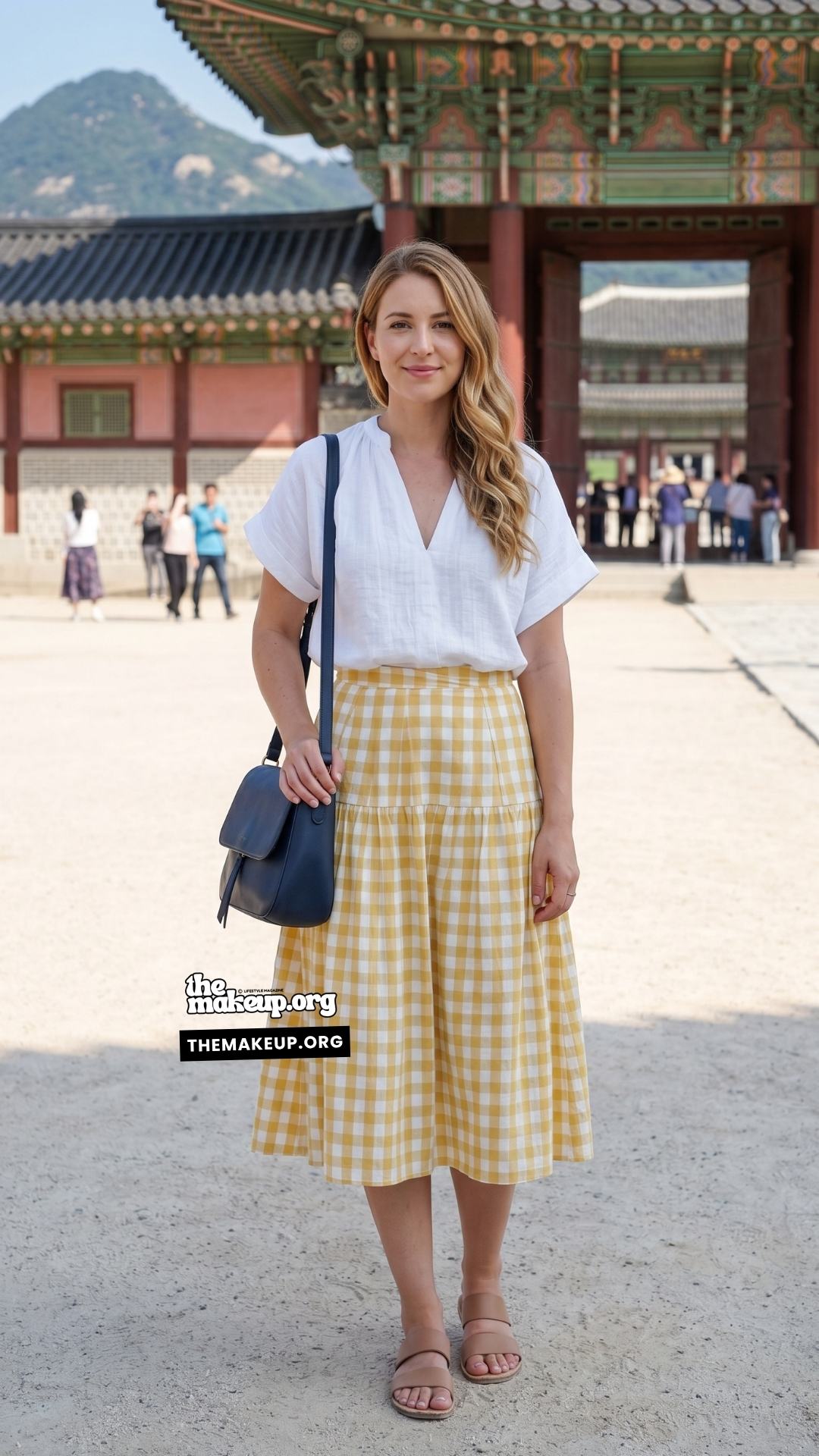
People in Seoul dress neatly even when it is hot. You will find loose shirts, light trousers, and airy midi skirts far more often than shorts or tank tops.
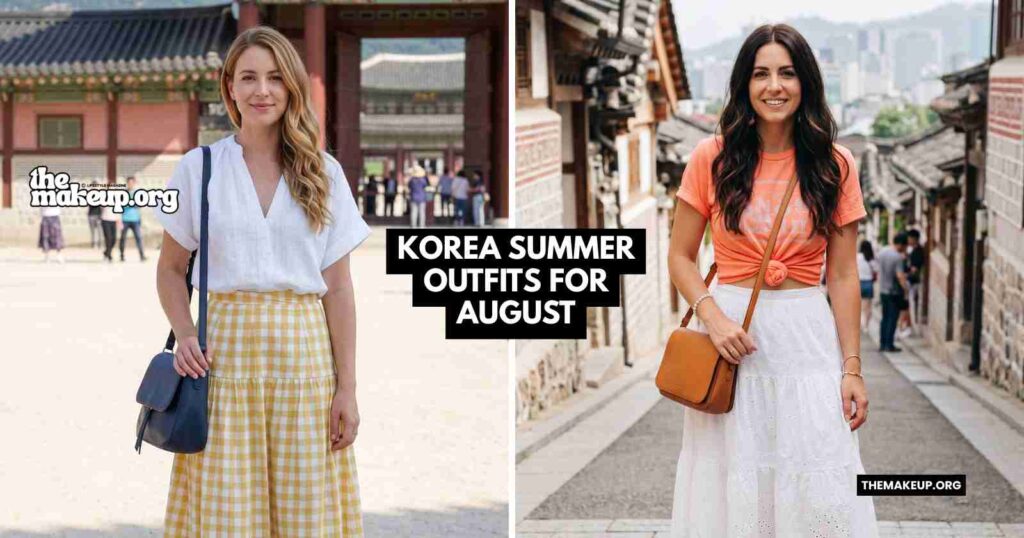
Linen shirts, cotton tees, and simple blouses are the everyday go-to. Shoes are always clean and polished-looking, even if they are just white sneakers.
Korean style in summer tends toward soft neutrals and pastels. Outfits feel considered, never thrown together, which is worth keeping in mind when you pack.
South Korea Dress Code for Women
Showing your legs is fine. Showing your shoulders or midriff in more conservative or residential neighborhoods is where you will attract attention.
Crop tops are worn in Seoul, especially in Hongdae and Itaewon, but they read differently in traditional areas or older markets. A loose blouse is always the safer and more versatile choice.
The general rule is that Korean fashion skews modest on top and relaxed on the bottom. Wide-leg trousers and midi skirts fit this perfectly.
Outerwear 🧥
You genuinely do not need a jacket in August. The one exception is a thin windbreaker or packable shell for sudden rain.
Air conditioning in Korean cafes, metro stations, and department stores runs very cold. A light cardigan stuffed into your bag will earn its place every single day.
Layers & Fabrics 🧵
Cotton, linen, and rayon are the three fabrics I would recommend for August. They breathe, they dry fast, and they look neat even after a long day of walking.
Avoid polyester blends if you can. Humid air and synthetic fabric together feel genuinely miserable after an hour outside.
Layering in August is minimal but strategic. A thin top over a camisole gives you the option to cover up for indoor cold without overheating outside.
Tops 👚
Loose short-sleeve blouses and relaxed cotton tees are the workhorses of a Korean summer wardrobe. They go from sightseeing to a casual dinner without much effort.
A light shirt worn open over a fitted camisole is a smart combination. It adds sun protection on the street and peels off easily when you step inside somewhere warm.
If you want to blend in with local style in Seoul, choose tops that are more relaxed in fit than you might normally pick. Oversized cuts are very much on trend here.
Bottoms 👖
Wide-leg trousers and loose-fit pants in linen or rayon are what you will see on almost every street in Seoul. They are cooler than they look and keep you covered without trapping heat.
Shorts are practical for the temperature but less common in urban areas outside of very casual neighborhoods. If you bring them, pair them with a neater top to balance the look.
Avoid tight jeans entirely in August. They trap heat and humidity against your skin, and walking around in them for a full day is genuinely uncomfortable.
Dresses 👗
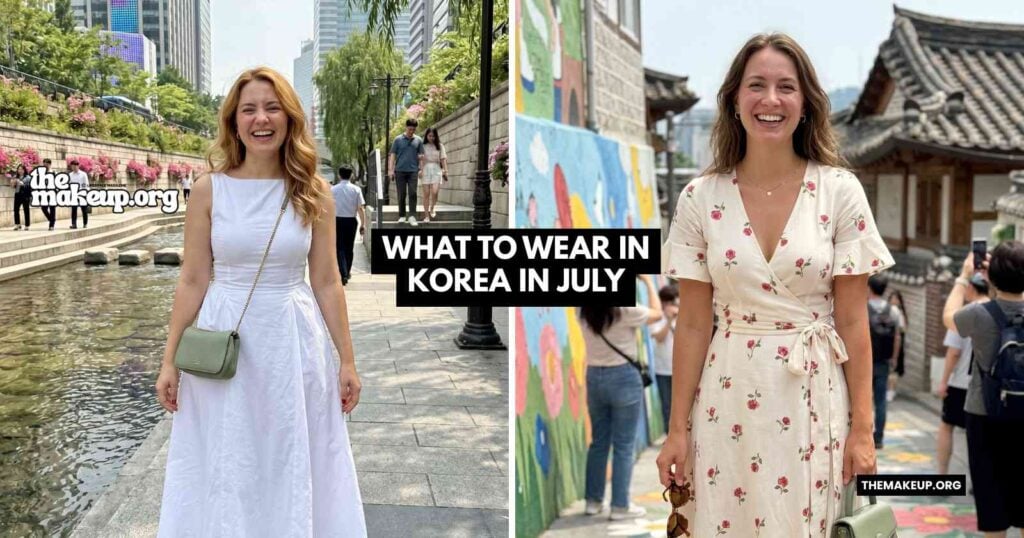
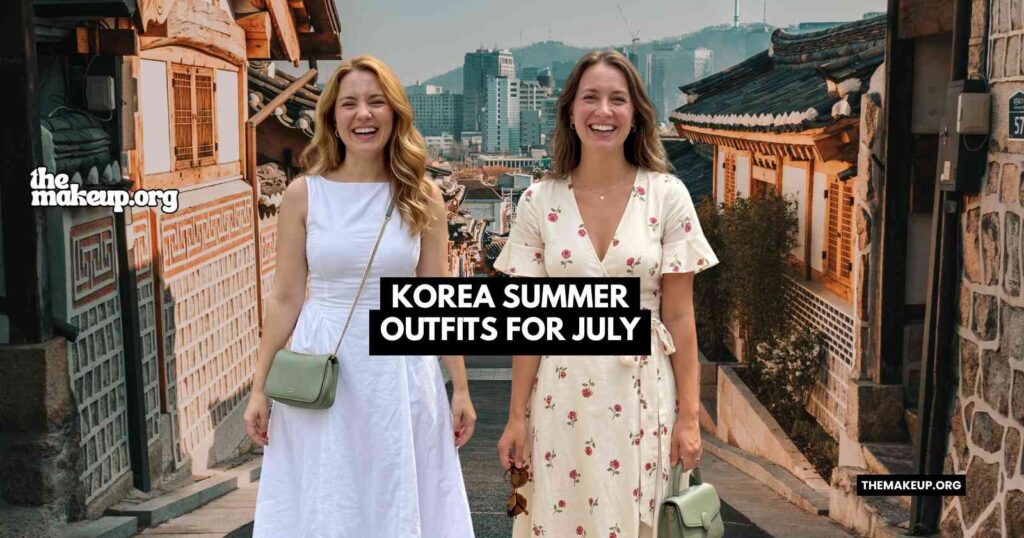
A midi or knee-length dress in cotton or linen is probably the single most useful item you can bring. It handles the heat, looks intentional, and transitions from day to evening easily.
Locals in Seoul favor relaxed, slightly oversized silhouettes over body-con shapes in summer. A flowy wrap dress or a shift dress in a soft fabric fits right into that sensibility.
If humidity is a concern, layering a thin slip underneath prevents clinging and keeps you more comfortable on the hottest days.
Shoes 👢
You will walk a lot in Korean cities. Comfortable white sneakers or cushioned walking shoes are the practical choice and happen to be exactly what locals wear.
Sandals work in summer, but choose a pair with real support if you are covering serious ground in Seoul or Busan. Flat slip-ons will leave your feet aching by afternoon.
If there is any chance of rain, bring water-resistant shoes or quick-drying trainers. Puddles in August can be ankle-deep after a heavy shower.
Accessories 🧣
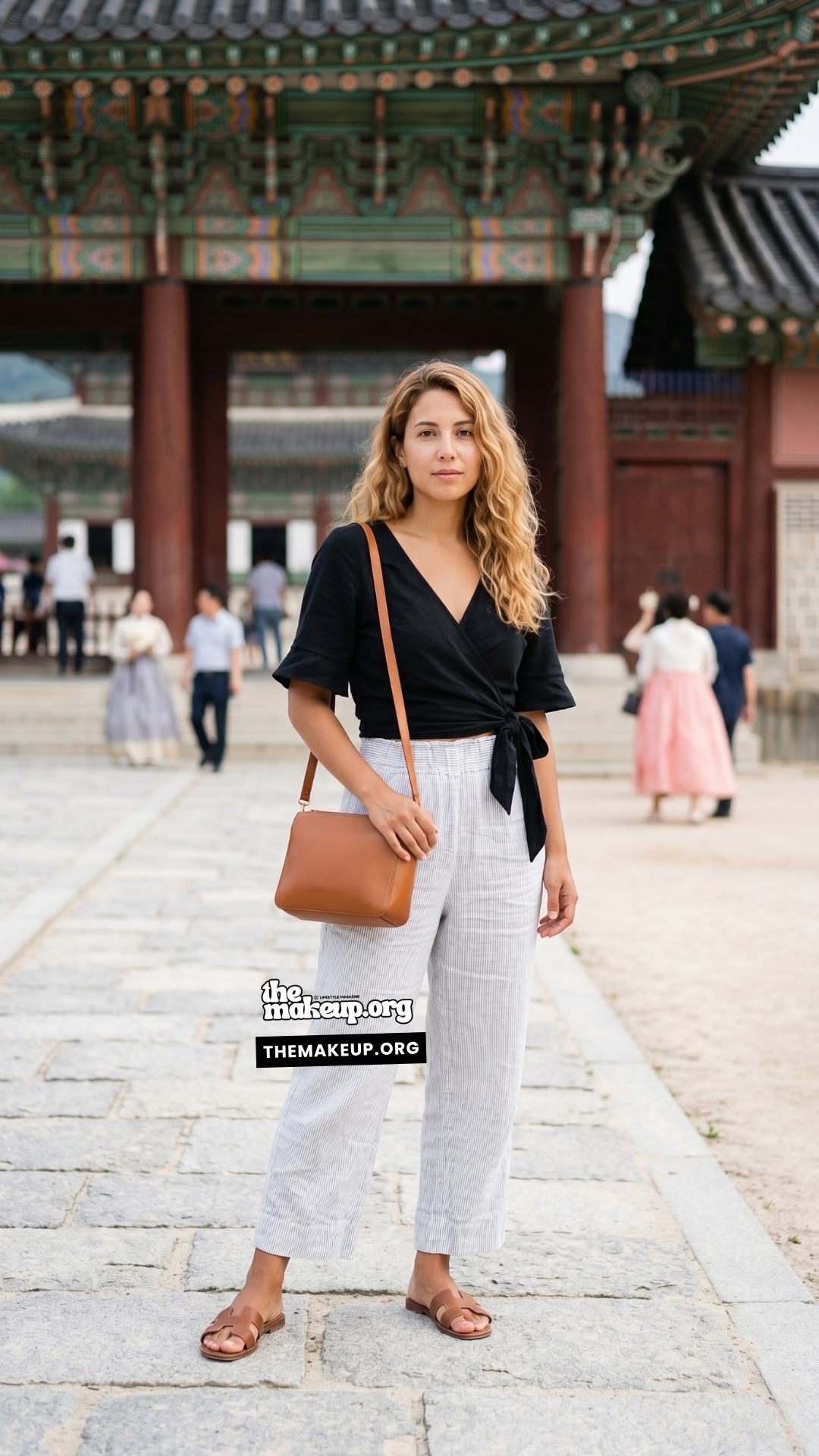
A compact umbrella is not optional in August. Rain arrives without warning and the sun is strong enough that a UV-blocking umbrella doubles as shade on clear days.
Sunglasses and a wide-brim hat are both practical and very much in style. A crossbody bag keeps your hands free and your belongings secure while navigating busy markets and metro stations.
Light scarves are useful for air-conditioned spaces. You do not need anything heavy, just something to throw over your shoulders on the subway.
Color Palette & Style Vibe 🎨
Soft neutrals, creams, muted greens, and pale blues dominate Korean summer street style. Outfits feel calm and coordinated rather than loud.
The occasional pop of color works, especially in a single statement piece. But the overall vibe in Seoul leans toward understated and deliberate, not bright or mismatched.
Daytime vs Evening Outfits 🌞🌙
Daytime is all about staying cool. Loose blouse, wide-leg trousers or a midi skirt, sneakers, sunglasses, hat, and your compact umbrella within easy reach.
Evenings in Seoul do not cool down dramatically. The main shift is swapping sneakers for a cleaner sandal and adding a light cardigan for the air conditioning inside restaurants and bars.
Most core pieces carry straight from day to evening without a full outfit change. That is one reason a midi dress in a good fabric is such a reliable choice here.
Packing Tips for August in Korea
Keep your packing list tight. August humidity means you want fewer, better pieces in the right fabrics, not a bag full of options.
I would bring three or four tops, two bottoms, one or two dresses, one pair of sneakers, one pair of sandals, and a packable rain layer. That covers almost every situation you will find.
Leave space in your bag for what you will find there. Seoul and Busan have incredible shopping, and Korean streetwear and basics are genuinely good quality at reasonable prices.
Common Mistakes / What to Avoid 🚫
Packing heavy fabrics is the biggest mistake. Thick denim, structured blazers, and anything that does not breathe will make August genuinely uncomfortable.
Avoid very revealing outfits in traditional neighborhoods or older markets. It is less about a strict dress code and more about reading the room.
Do not underestimate the rain. Skipping a compact umbrella or water-resistant footwear because it looks sunny when you leave the hotel is a decision you will regret by mid-afternoon.
Final Tips & Best Practices ✅
Check the forecast for your specific travel dates. August can bring typhoon-adjacent weather, so knowing what is coming lets you adjust your layers accordingly.
Focus on versatile pieces over single-purpose items. A linen shirt that works for daytime sightseeing in Seoul and doubles as a layer for an evening out is worth two items that only do one job.
Final Outfit Checklist 📝
For August, pack lightweight tops in cotton or linen, wide-leg trousers or a midi skirt, one or two breathable dresses, comfortable sneakers, and a supportive sandal.
Add a compact umbrella, a wide-brim hat, sunglasses, a crossbody bag, and a thin cardigan for indoor cold. That is a complete, functional wardrobe for the whole trip.
FAQ: What to Wear in South Korea in August
How should foreigners dress in South Korea?
Foreigners fit in best by dressing neatly and avoiding overly revealing tops. Modest, relaxed fits in breathable fabrics are the standard in Seoul.
Legs are fine to show; shoulders and midriffs are more context-dependent.
What is the 3-3-3 rule for clothes?
The 3-3-3 packing rule means bringing three tops, three bottoms, and three pairs of shoes for any trip. It is a useful starting point for a Korea summer trip, though I would swap one bottom for an extra dress given the heat.
What is the 3-3-3 rule in Korea?
In a Korean work context, the 3-3-3 rule refers to workplace social norms rather than clothing. It is unrelated to what you pack for a trip.
For packing, the clothing rule above is the one worth knowing.
Can you wear crop tops in Korea?
Crop tops are worn in trendy Seoul neighborhoods like Hongdae and Itaewon. In traditional areas, older markets, or smaller cities, a full-length blouse is a better fit.
Context matters more than a blanket yes or no.
What is the South Korea dress code for female travelers?
There is no official dress code for tourists, but the cultural standard leans modest on top. Loose blouses, relaxed trousers, and midi skirts are both practical for the heat and consistent with local style in Seoul and Busan.
What are the dos and don’ts in South Korea?
Do dress neatly and keep outfits polished even in casual settings. Don’t wear heavy fabrics in August heat, and avoid very revealing tops in conservative or residential areas.
Removing shoes before entering a home or traditional space is expected.
What should I pack for a trip to Seoul in August?
Bring cotton or linen tops, wide-leg trousers or midi skirts, one or two breathable dresses, comfortable walking sneakers, a light sandal, a compact umbrella, and a thin cardigan for air-conditioned spaces. Keep the list short and the fabrics light.
Final Takes
August in Korea rewards smart, minimal packing over a big suitcase full of options. Light fabrics, relaxed fits, and a compact umbrella will carry you through nearly every situation you encounter in Seoul or Busan.
Dress the way locals do: neat, considered, and comfortable. You will feel better in the heat and blend in naturally without sacrificing your own style.