
Walking around Zurich or strolling a lakeside path in July, you notice the light first: long, golden, and genuinely warm by midmorning.
What to wear in Switzerland in July becomes clear pretty fast once you’re there, the days are bright and summery, the pace is unhurried, and the style is quietly polished without being fussy.
I’d focus on three things: breathable fabrics that handle 30°C (86°F) afternoons, a real layer for evenings that drop toward 18°C (64°F), and shoes that can manage cobblestones without destroying your feet.
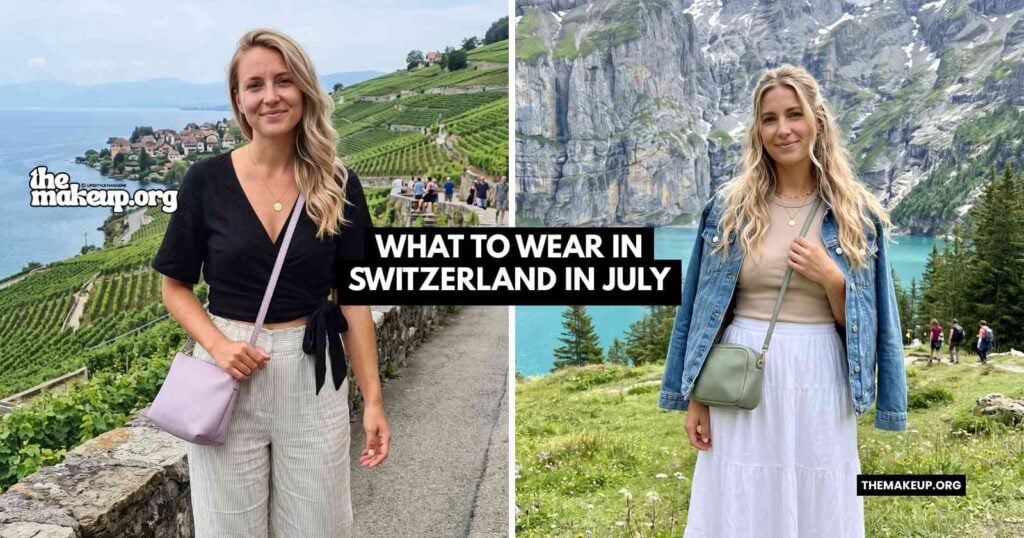
A lightweight merino cardigan, linen trousers, a supportive sneaker, and one compact jacket will carry you through almost any day here.
The Alps change the equation the moment you gain altitude. Temperatures in mountain areas can feel noticeably cooler even in peak summer, and afternoon thunderstorms roll in faster than you’d expect. Swiss locals dress for that reality: clean, layered, and practical without looking like they’re heading to a trailhead.
This guide walks you through every category; tops, bottoms, shoes, accessories, and a few outfit ideas for city days versus mountain excursions — so you can pack with real confidence.
What to Wear in Switzerland in July
Weather and Climate
July is Switzerland’s warmest month. In cities like Zurich and Geneva, temperatures typically range from 18°C to 30°C (64°F to 86°F), with the warmest hours falling between noon and late afternoon. Humidity is moderate, so the heat rarely feels oppressive at lower elevations.
Head into the Alps or up to higher mountain villages and the story shifts. Temperatures can drop by 8°C to 10°C (about 15°F to 18°F) compared to the valley floor, and afternoon cloud cover builds quickly.
A day that starts sunny and warm can turn cool and breezy by 3pm, especially above 1,500 metres. Pack for both realities if your itinerary includes mountain areas — and in July in Switzerland, it probably does.
Brief afternoon thunderstorms are also common in summer, particularly in mountainous regions. A packable rain layer is genuinely useful here, not just a safety net.
How Locals Dress ✨
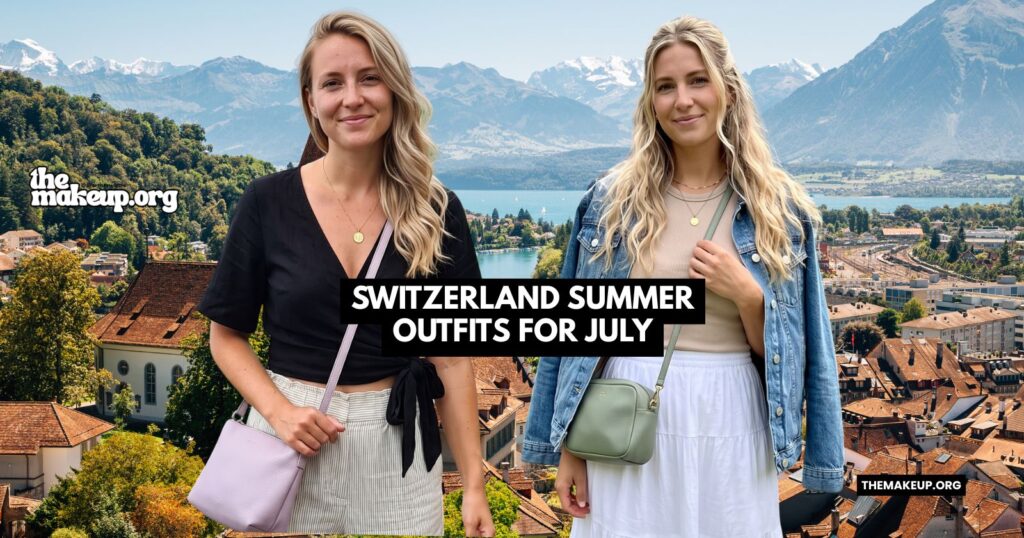
Swiss culture has a quietly put-together aesthetic. You won’t see much flash, but you’ll notice that people look neat and intentional — well-fitted trousers, clean sneakers or leather flats, a light jacket tied around a shoulder. The vibe in Zurich especially leans toward understated European minimalism.
Locals in cities wear slim or straight-leg pants, simple fitted tees, and light layers they can remove as the day warms. In resort towns near the Alps, hiking-ready outerwear sits alongside café-appropriate clothes without any contradiction. Function and style coexist here without effort.
Very sporty or overly logo-heavy clothing reads as tourist gear in Swiss cities. It won’t cause offence, but if you want to blend with local culture, reach for clean, simple pieces in neutral or earthy tones.
Outerwear 🧥
A lightweight, packable jacket is the single most useful piece you can bring. Something wind-resistant with a touch of water repellency covers you for breezy evenings, cool mountain mornings, and the occasional summer shower. It should fold into your daypack without bulk.
If your trip includes any hiking in the Alps, consider a slightly more technical shell — not a heavy winter layer, but one that handles wind and light rain. For pure city days in Zurich or Lucerne, a cotton or linen blazer works beautifully as a polished alternative that still takes the edge off a cool evening.
Layers and Fabrics 🧵
Linen and cotton breathe well during warm afternoons and feel genuinely comfortable when you’re walking for hours. Lightweight merino wool is worth knowing about too: it regulates temperature surprisingly well, meaning the same merino base layer that keeps you comfortable at 20°C (68°F) also stops you from shivering when the altitude climbs.
A thin knit sweater or long-sleeved merino top tucked into your bag solves the evening chill without adding weight. Avoid stiff or structured fabrics that won’t pack flat — in July in Switzerland, adaptability is more valuable than any single statement piece.
Tops 👚
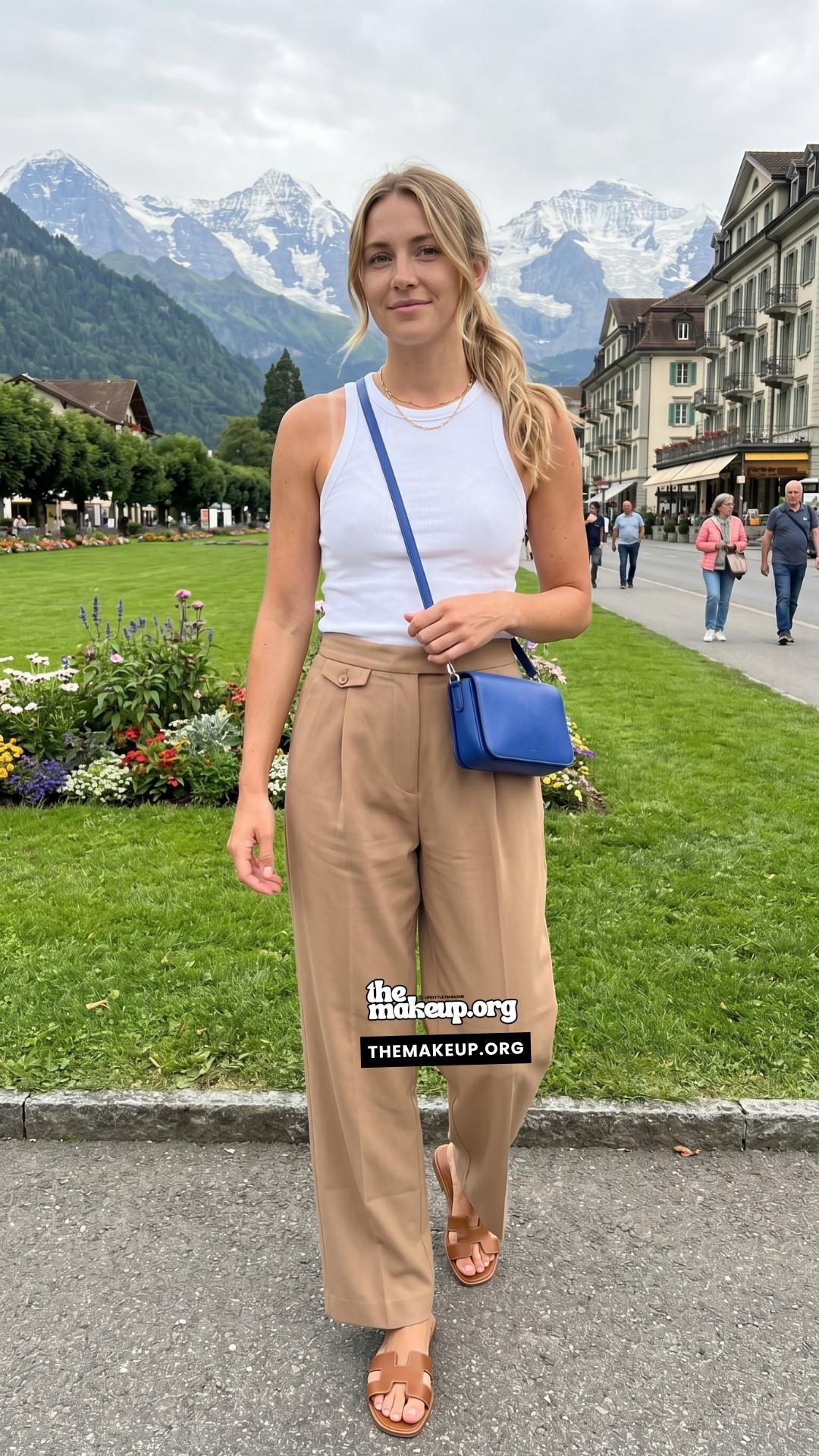
Short-sleeved tees, lightweight blouses, and sleeveless tops all work well through the warmer parts of the day. Neutral tones — white, cream, sage, warm grey — are easy to mix and match and reflect what you’ll see on locals in Swiss cities and lakeside towns alike.
A simple linen shirt is one of the hardest-working pieces you can pack: cool enough for afternoon sightseeing, neat enough to wear to a restaurant in the evening if you leave it unbuttoned over a camisole. Bring two or three tops in fabrics that don’t wrinkle badly and you’ll be set for a week.
Bottoms 👖
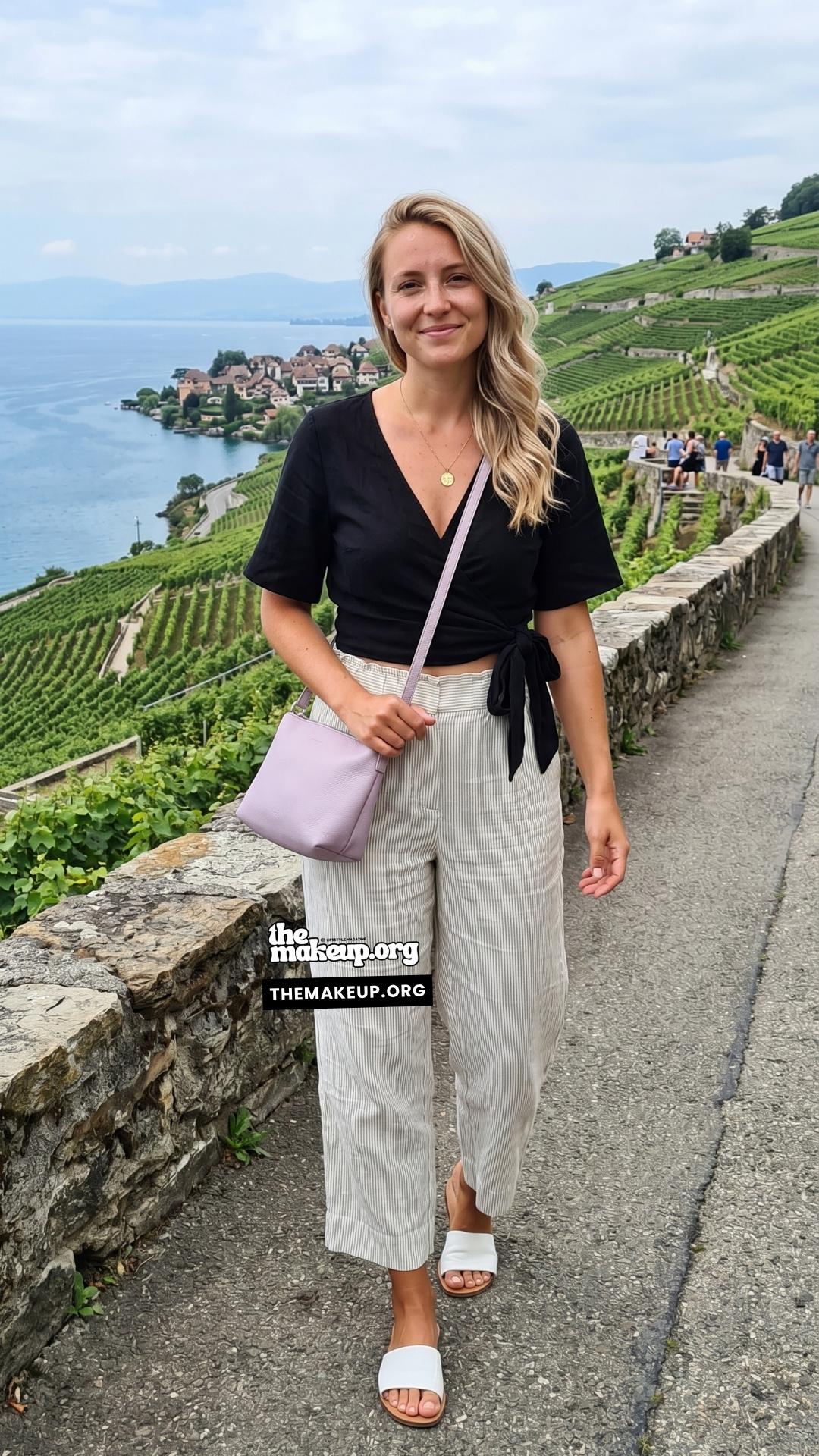
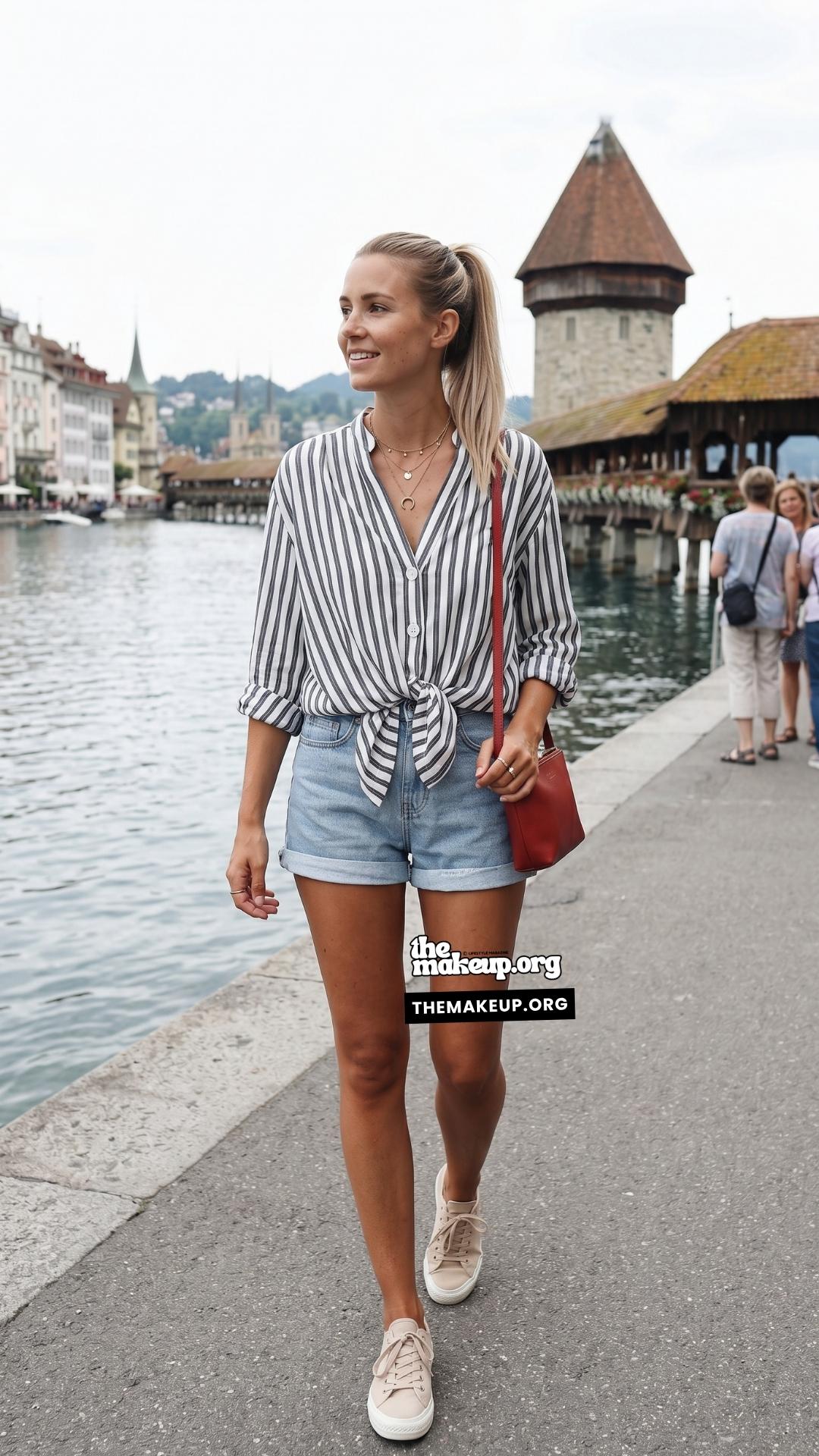
Linen or cotton trousers in a slim or straight-leg cut are the most versatile option for July. They handle warm city days, look polished enough for dinner, and don’t crumple too badly in a daypack. Mid-weight chinos in a neutral shade are another solid choice if you prefer a slightly more structured look.
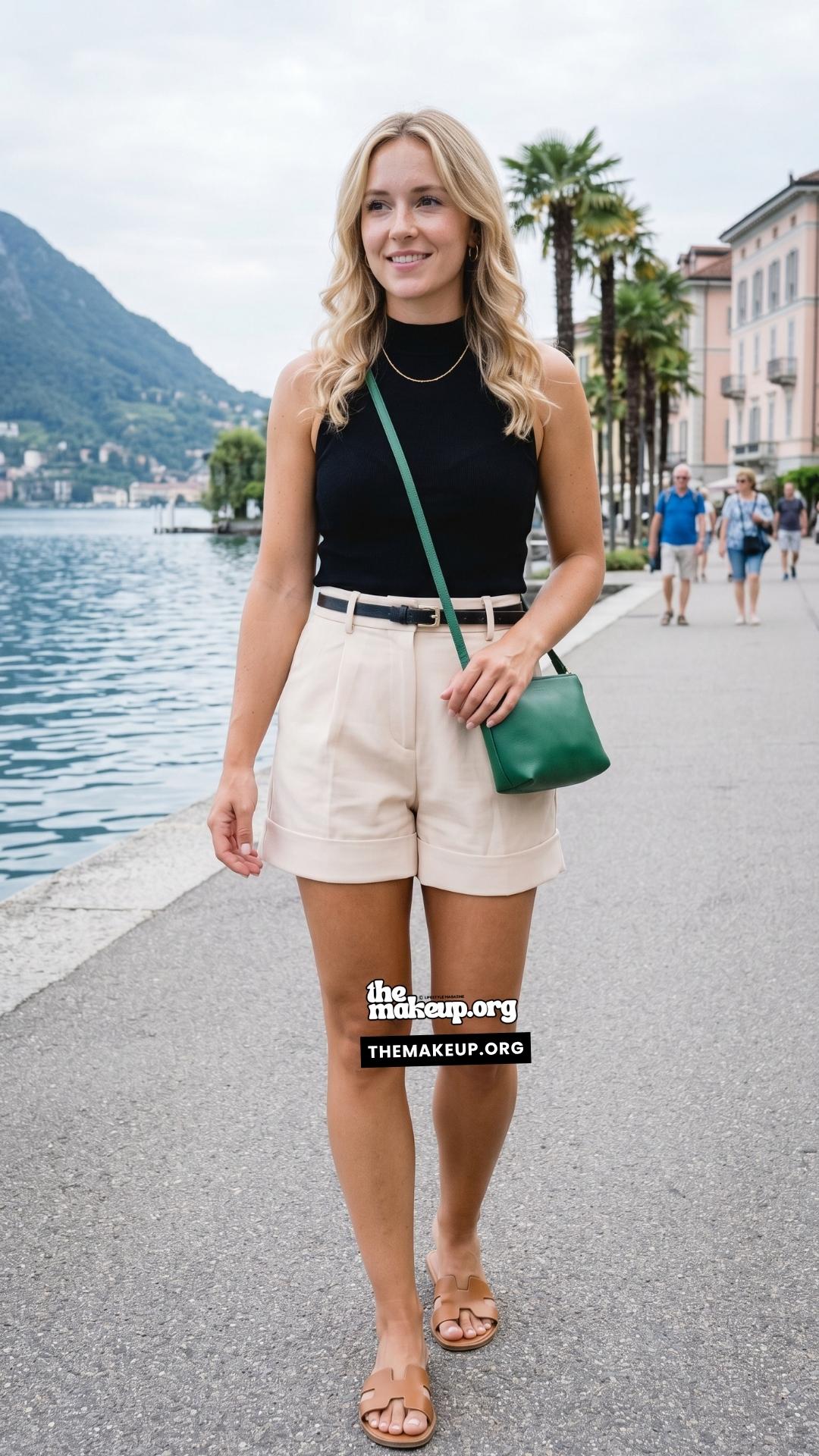
Shorts are perfectly fine on warmer days, particularly in casual settings near lakes or on leisure walks. Opt for tailored shorts rather than athletic styles — a clean, mid-thigh length in a woven fabric reads much more in keeping with Swiss style than board shorts or running gear.
If you’re planning any hiking, a pair of lightweight quick-dry hiking trousers earns every gram of space they take up.
Dresses 👗
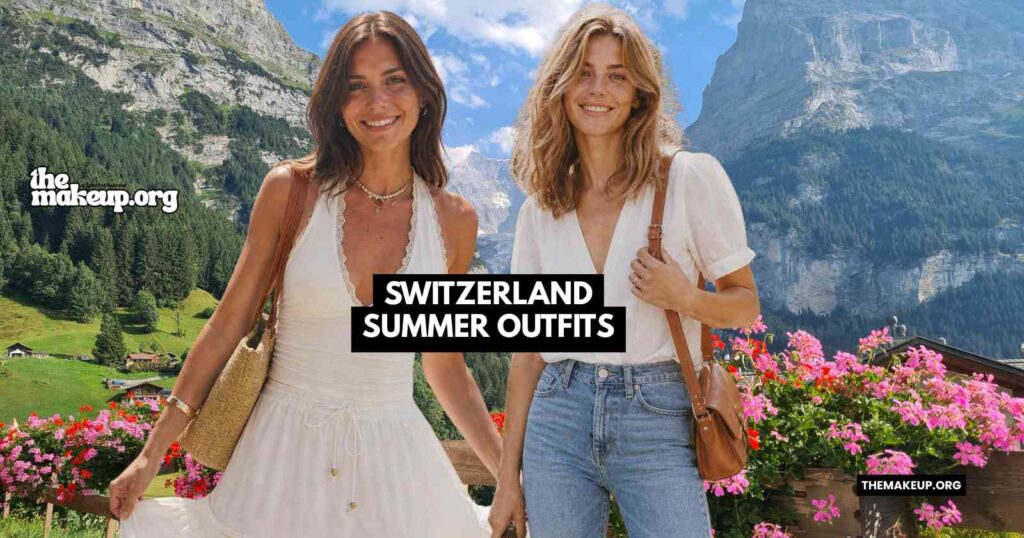
A knee-length or midi dress in a breathable fabric is one of the most practical things you can pack for Switzerland in July. It handles warm afternoons without effort, and adding a cardigan or light jacket transforms it immediately for a cooler evening or a meal out.
Simple wrap dresses, shirt dresses, and relaxed sundresses all work beautifully here. Avoid anything too sheer or very short if you plan to visit churches or cultural sites — a light scarf in your bag handles the modesty question without restricting your outfit choices for the rest of the day.
Shoes 👢
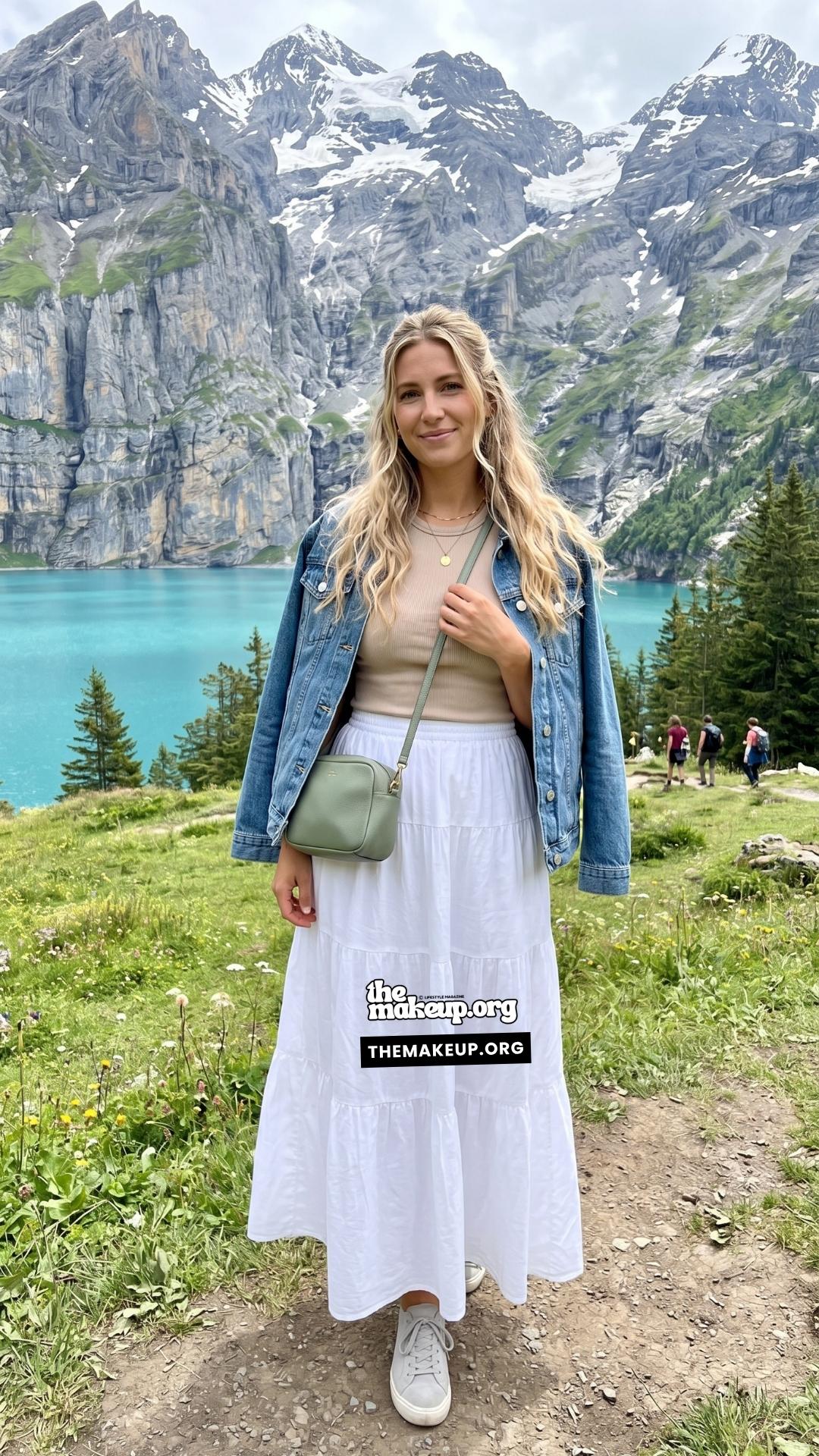
Comfortable walking shoes are non-negotiable. Swiss city streets and old town areas involve a lot of cobblestones and uneven stone surfaces, and pretty sandals with zero support will punish you by afternoon.
Supportive sneakers with a cushioned sole are the most popular choice among locals and visitors alike, and they cover almost any situation.
For lake days or warm afternoon strolls, a sturdy leather or cork-footbed sandal works well — just make sure the straps are broken in before you go. If hiking in the Alps is part of your list, trail running shoes handle moderate mountain paths well, and a proper hiking boot is worth bringing for anything more technical.
Pack two pairs of footwear minimum: one for walking the cities, one for whatever the terrain demands.
Accessories 🧣
A lightweight scarf earns its place every single day in July. It layers over a sleeveless top when the air conditioning inside a museum is aggressive, doubles as a wrap for cooler evenings, and solves dress-code requirements at heritage sites.
Choose one in a natural fabric — linen or soft cotton — so it doesn’t add bulk or heat.
Sunglasses and a packable sun hat are genuinely useful, not just accessories: July sun in Switzerland is intense, particularly at altitude where UV exposure is higher than most people expect. A small crossbody bag or a clean daypack keeps your hands free and your belongings secure while you move through cities or mountain villages.
Hiking and Alps Essentials
If any part of your July itinerary takes you into the Alps — Zermatt, Grindelwald, the Jungfrau region, or any number of trails above the treeline — your packing list needs a few specific additions. A moisture-wicking base layer, lightweight hiking trousers, and a windproof shell jacket are the basics.
Layering works better than heavy single garments in mountain conditions, where temperatures can shift significantly within an hour.
Good hiking footwear matters more in the Alps than almost anywhere else. Trail surfaces range from groomed paths to loose scree, and ankle support becomes relevant quickly.
Break in your boots or trail shoes at home before the trip. Wool hiking socks prevent blisters and regulate temperature better than cotton alternatives.
Even in July, snowfields persist on high routes. Sun protection is critical: a high-SPF sunscreen, UV-blocking sunglasses, and a hat with a brim protect you from reflected glare off rock and snow.
Pack a warm mid-layer — a lightweight fleece or down gilet — because the temperature above 2,000 metres rarely feels like a warm summer day, regardless of the date.
Color Palette and Style Vibe 🎨
Neutral tones dominate Swiss street style in summer: white, sand, olive, warm grey, navy, and soft terracotta all fit naturally. Patterns exist but tend to be understated — a thin stripe, a small print, or a subtle check rather than bold tropical florals.
The overall aesthetic is clean and unfussy. Pieces that coordinate easily and look intentional together reflect local culture better than trend-driven statement items. Think capsule wardrobe logic: a small number of versatile pieces that all work with each other.
Badi and Lake Days
Switzerland’s outdoor swimming culture is one of July’s great pleasures. The Badi (public outdoor swimming areas) along Lake Zurich, Lake Geneva, and rivers like the Aare in Bern are genuinely popular with locals on warm afternoons.
For these, a swimsuit or bikini, a quick-dry towel, flip flops, and a light cover-up are all you need.
River swimming in Bern, where people float downstream with waterproof bags, is a local ritual worth experiencing. For that, a secure-fitting swimsuit, water shoes or old sandals, and a dry bag for your phone and valuables are worth having.
Pack a light change of clothes in your daypack so you can move on to dinner or sightseeing afterward without returning to your accommodation.
Daytime vs Evening Outfits 🌞🌙
Daytime in Switzerland calls for easy, comfortable clothes: a linen top and tailored shorts, an airy dress, or light trousers with a breathable blouse. Prioritise shoes made for real walking and a bag that keeps your hands free. The goal is comfort that still looks put-together.
Evening temperatures drop noticeably, and Swiss dining tends to be relaxed but tidy. Adding a light sweater or cardigan, swapping sandals for clean sneakers or flats, and carrying a structured bag is usually enough to shift from a day of exploring to a restaurant dinner.
For cultural events or nicer restaurants in Zurich or Geneva, a neat dress with a blazer or a blouse-and-tailored-trouser combination works perfectly.
Common Mistakes to Avoid 🚫
Heavy coats, thick knitwear, and bulky boots take up space you’ll regret packing. July in Switzerland at lower elevations is genuinely warm, and these pieces will stay in your bag. Very sporty or logo-heavy clothing can feel out of place in Swiss cities and traditional mountain towns.
Stiff fabrics that don’t adapt to temperature changes are another thing I’d skip. One day in July might take you from a warm city square to a breezy Alpine viewpoint and back to an outdoor restaurant — a rigid outfit built only for warmth or only for heat won’t serve you as well as layered, flexible pieces in breathable fabrics.
Final Tips and Best Practices ✅
Pack light and focus on pieces that work hard across multiple situations. Switzerland’s summer makes a genuine carry-on packing list possible: a few tops, two bottoms, one dress, a jacket, a layer, and good shoes cover the majority of your trip.
Rotating outfits is completely normal here, and clothes dry quickly in the dry July air.
My honest advice: the one non-negotiable addition to any Switzerland packing list in July is a quality rain layer. Not because it rains constantly, but because when an Alpine thunderstorm arrives, it arrives fast, and being comfortable instead of soaked makes a real difference to your day.
Final Outfit Checklist 📝
For Switzerland in July, the core wardrobe breaks down cleanly. Two to three breathable tops (linen, cotton, or lightweight merino), one or two versatile bottoms in relaxed-tailored cuts, a casual dress that takes you day to evening, and a packable waterproof jacket form the foundation.
Add a thin knit layer, supportive walking shoes, a pair of sandals or hiking footwear depending on your itinerary, and a lightweight scarf that does triple duty.
Sunglasses, a sun hat, a small crossbody bag, and a high-SPF sunscreen round out the practical side. With this mix, you’re genuinely prepared for warm city afternoons, Alpine excursions, lake swimming, and candlelit dinners — without overpacking or leaving anything essential behind.
FAQ: What to Wear in Switzerland in July
How cold is Switzerland in July?
Switzerland in July is generally warm, with temperatures ranging from 18°C to 30°C (64°F to 86°F) at lower elevations in cities like Zurich and Geneva. Evenings cool down noticeably, and mountain areas in the Alps can feel significantly colder, especially above 2,000 metres.
A light layer is always worth having on hand.
What is the dress code for tourists in Switzerland?
There is no strict dress code for tourists, but Swiss culture tends toward neat, understated clothing rather than overly casual or very sporty styles. In cities, clean and simple outfits in neutral tones fit in naturally. For religious or heritage sites, covered shoulders and knees are appreciated.
What are the don’ts of Switzerland?
Avoid being loud in public spaces, littering, or making noise on Sundays — Swiss culture values quiet and order. In terms of dress, very revealing clothing or heavily logo-driven outfits can look out of place in traditional towns and upscale city restaurants. Practical, tidy clothing is almost always the right call.
What is the 3-3-3 rule for clothes?
The 3-3-3 rule is a minimalist packing approach: pack 3 tops, 3 bottoms, and 3 pairs of shoes for any trip. It encourages choosing versatile pieces that mix and match easily, which works particularly well for Switzerland in July where a small, flexible wardrobe handles most situations.
What is the 3-5-7 rule in packing?
The 3-5-7 rule suggests packing 3 pairs of shoes, 5 bottoms, and 7 tops for a trip of moderate length. It prioritises having enough outfit variety without overpacking. For a week in Switzerland in July, you can often scale this down slightly by choosing pieces in complementary colours that layer and combine easily.
What should I pack for hiking in the Swiss Alps in July?
For hiking in the Alps in July, the essentials are moisture-wicking base layers, lightweight hiking trousers, a windproof and water-resistant shell jacket, a warm mid-layer like a fleece or down gilet, and sturdy hiking footwear with ankle support. Add wool hiking socks, high-SPF sun protection, UV sunglasses, and a sun hat — UV exposure at altitude is significantly higher than at sea level.
What colours work best for a Switzerland summer wardrobe?
Neutral and earthy tones work best: white, cream, sand, warm grey, olive, navy, and soft terracotta all coordinate easily and reflect local Swiss style. Subtle patterns like thin stripes or small prints are common.
Keeping your palette tight means everything in your bag works together, which makes getting dressed on the road genuinely easy.
Final Takes
Switzerland in July rewards practical, thoughtful packing over quantity. The combination of warm city days, cooler Alpine elevations, and occasional afternoon thunderstorms means layers and a packable rain jacket are your most reliable tools.
Keep fabrics breathable, fits relaxed but neat, and shoes genuinely supportive.
What to wear in Switzerland in July really comes down to versatility: pieces that move from a sunny lakeside morning to a breezy mountain afternoon to a candlelit dinner without needing a full outfit change. Pack light, choose well, and you’ll spend your time looking at the mountains rather than digging through your bag.