
Most people making a Switzerland July packing list for the first time picture one type of trip, then show up to find three. A warm July morning by Lake Geneva feels nothing like a breezy afternoon at altitude in the Alps, and neither feels like the cool evenings in Zurich or Lucerne after the sun drops. What you actually need is a small, flexible bag, not a heavy one.

I love this trip, but I have made the mistake of overpacking for it. Switzerland in July runs warm to hot in the cities and valleys, but the moment you take a train up toward Grindelwald or Zermatt, the temperature drops fast. A few good layers matter more than extra outfits. Walking shoes that are sturdy enough for cobblestones and short alpine trails will get you further than a cute pair that looks right but hurts by noon.
You will also want a compact rain layer you can pull out quickly. July is peak summer in Switzerland, but afternoon showers happen, especially in mountain areas. Planning for that one thing keeps the rest of your day on track.
This list covers everything you might need for a July trip, from city days to hiking in the Alps to nights out. I have tried to keep it practical and specific, with real items in real categories, so you can pick what fits your itinerary and skip what does not.
Note: This is a complete packing list. If you would rather travel light, there is a pack-light section right after it.
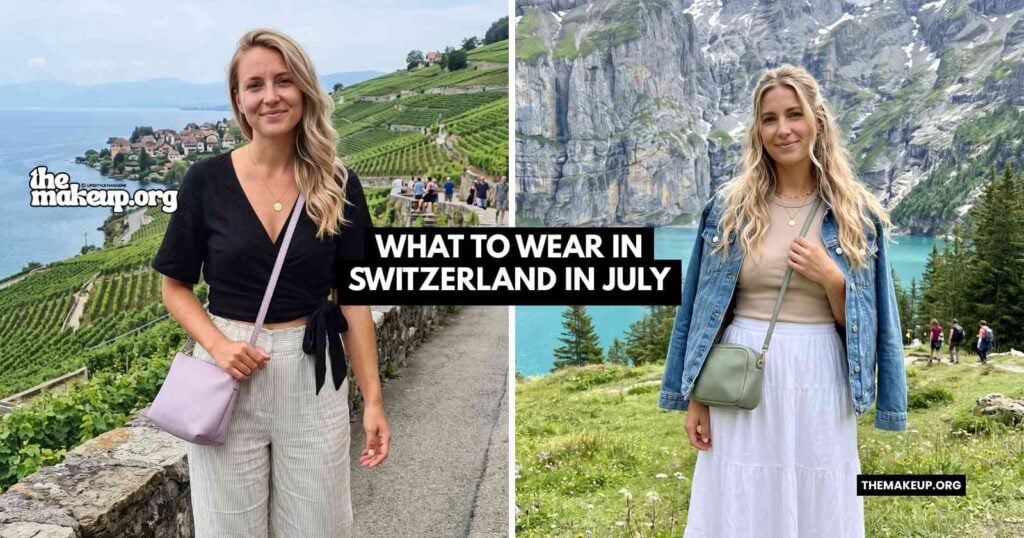
What Is the Weather Like in Switzerland in July?
July in Switzerland is warm in cities and lake towns, but cooler at altitude, so I pack for range. Many lowland days sit around 18–28°C (64–82°F), while mountain areas can feel closer to 8–18°C (46–64°F). Quick showers and breezy evenings are common, especially near peaks and water.
Your Complete Switzerland July Packing List
Packing smart will help you make the most of your trip. Here’s everything you need to bring for a comfortable and stylish adventure.

Carry-On Suitcase / Travel Bag Duffle / Portable Steamer / Packing cubes / Luggage scale / Wireless Noise-Cancelling Headphones / Speaker / Portable Charger / Universal Travel adapter / Compact Hair Dryer / Eye Mask / Waterproof Toiletry Bag Hanging / Zipper Pouch / Water BOTTLE / Liquid I.V. Hydration Vegan
Luggage & Packing Tools
If you want more options to have everything organized and well packed, take a look at these suggestions.

1. Rolling Backpack / 2. Luggage (large) / 3. Luggage (small) / 4. Toiletry Bag / 5. Beach Bag / 6. Backpack / 7. Packing Cubes
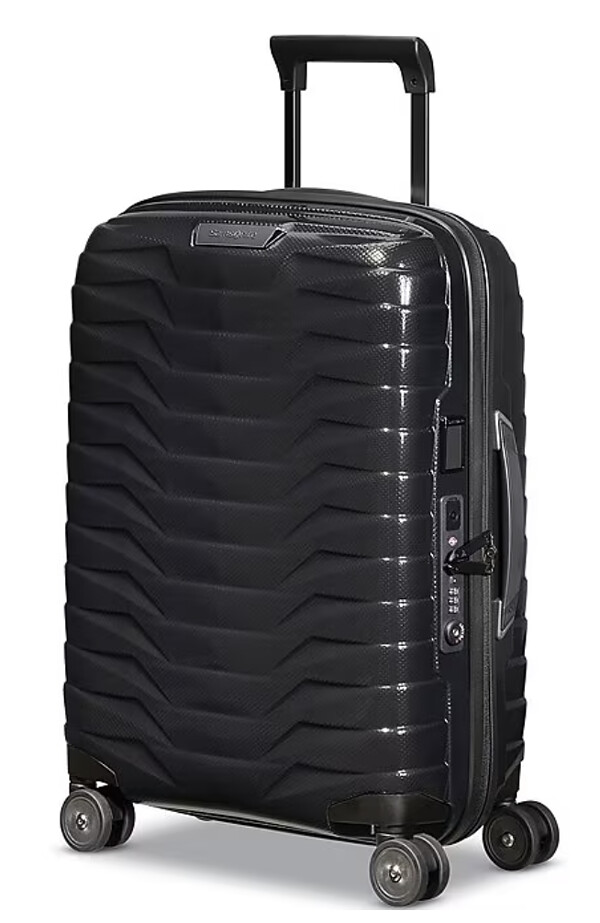
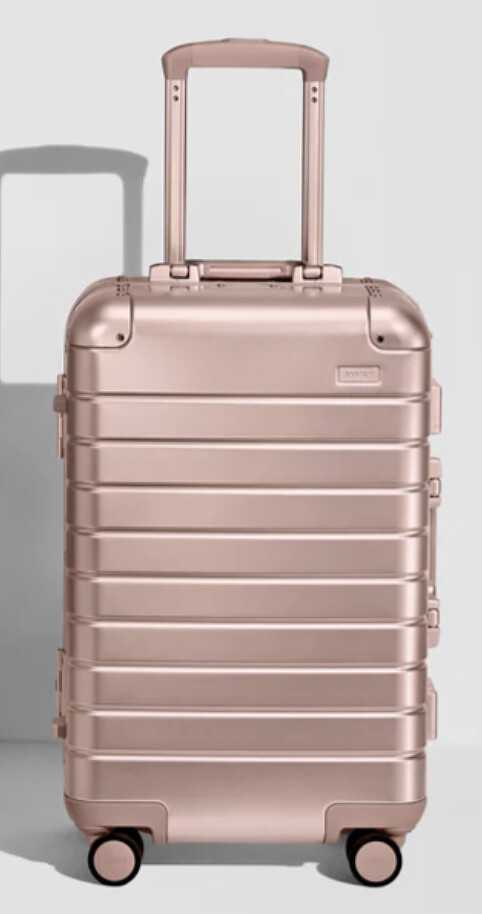
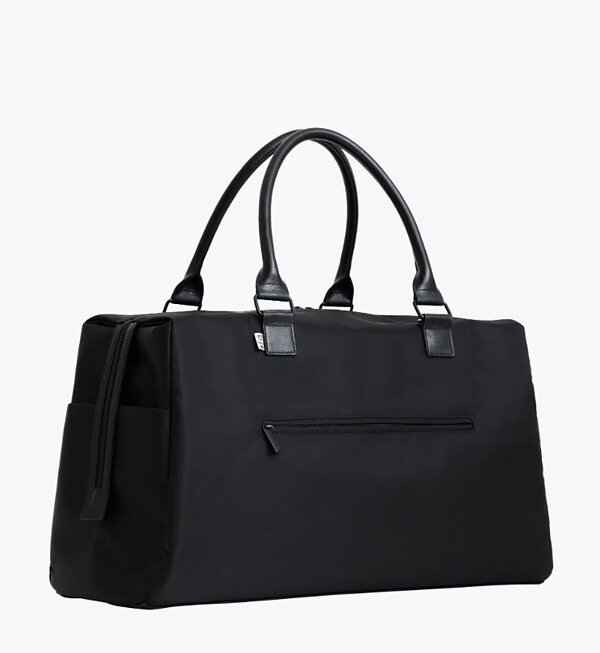
- Carry-on suitcase – A carry-on suitcase keeps essentials with you and avoids checked-bag delays or lost luggage. It also fits overhead, so you can move quickly between flights.
- Lightweight personal item backpack
- Packable daypack for hikes and viewpoint days
- Compression packing cubes set
- Waterproof packing cubes for rain and boat days
- Dirty laundry bag with zipper
- Fold-flat tote bag for groceries and lake picnics
- TSA-approved luggage locks
- Luggage ID tags
- Portable luggage scale
- Reusable zip-top bags in mixed sizes
- Travel clothesline with hooks
Clothes
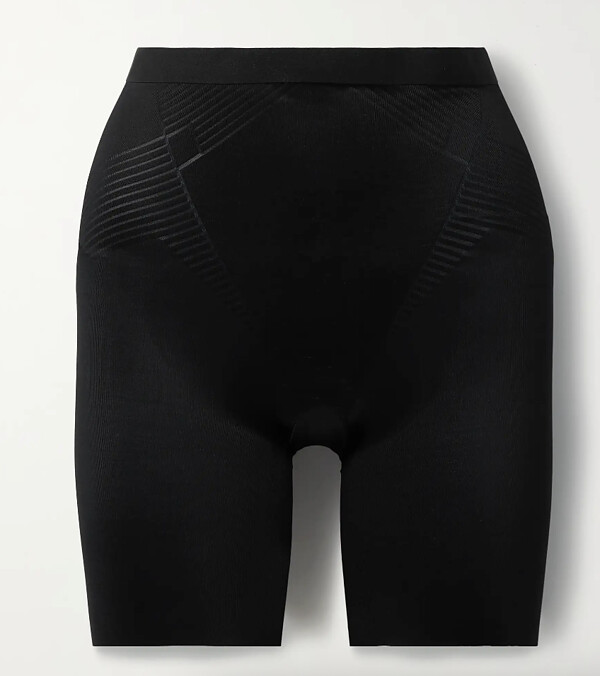
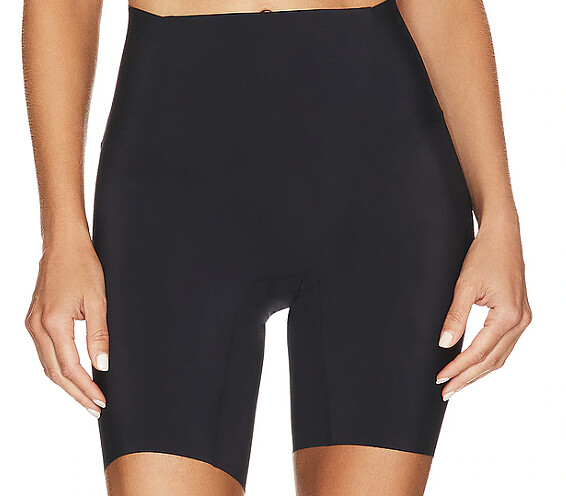
- Anti-chafing shorts – Anti-chafing shorts add a smooth layer that cuts skin-on-skin rubbing under dresses or pants. They prevent irritation and painful rashes when you walk, sweat, or sit for long periods.
- Breathable T-shirts (3–5 PCS)
- Lightweight long-sleeve sun shirt (1–2 PCS)
- Casual tops for restaurants and museums (2–3 PCS)
- Quick-dry hiking top (1–2 PCS)
- Light sweater or fleece for alpine mornings (1–2 PCS)
- Packable rain jacket with hood (1 PCS)
- Lightweight insulated vest for high elevations (1 PCS)
- Comfortable travel pants, quick-dry preferred (1–2 PCS)
- Jeans or structured pants for city evenings (1 PCS)
- Shorts for warm lowland afternoons (1–2 PCS)
- Casual dress or jumpsuit for easy one-piece outfits (1–2 PCS)
- Hiking pants or leggings (1–2 PCS)
- Pajamas or sleep set (1 PCS)
- Underwear, breathable and quick-dry (6–8 PCS)
- Sports bras or supportive bralettes (2–4 PCS)
- Merino or hiking socks for blisters (4–6 PCS)
- No-show socks for city sneakers (3–5 PCS)
- Light scarf for trains and cooler churches (1 PCS)
Skincare
- High-SPF face sunscreen for strong mountain UV
- High-SPF body sunscreen for lake days and hikes
- After-sun soothing gel for long outdoor afternoons
- Gentle hydrating cleanser for sweat and sunscreen removal
- Lightweight moisturizer for mixed city and alpine air
- Vitamin C serum for brightening after sun exposure
- Water-resistant lip balm with SPF
- Blister-prevention balm for hot spots on long walks
- Hand cream for drier mountain air and sanitizer use
- Oil-absorbing sheets for warm train and city days
Makeup
- Tinted moisturizer or skin tint with SPF
- Waterproof mascara for showers and lake mist
- Cream blush for heat-friendly, quick touch-ups
- Concealer for under-eyes and spot coverage
- Translucent setting powder for humid afternoons
- Setting spray for long sightseeing days
- Neutral eyeshadow stick for fast, no-brush looks
- SPF lip tint or lipstick
- Travel makeup brushes or sponge
Hair Care
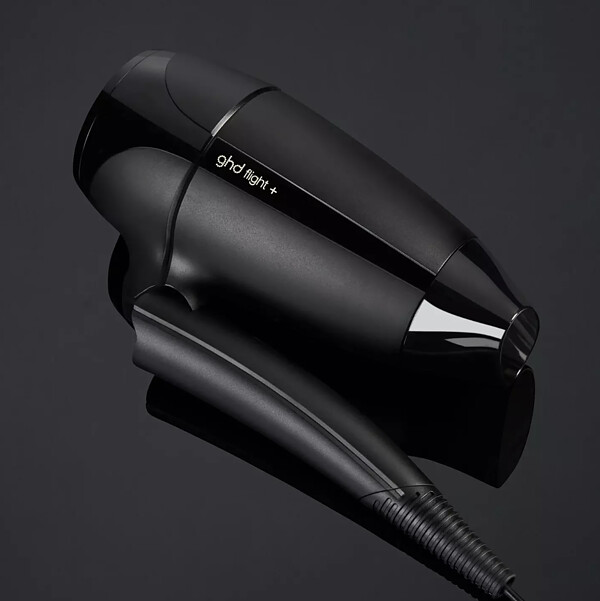
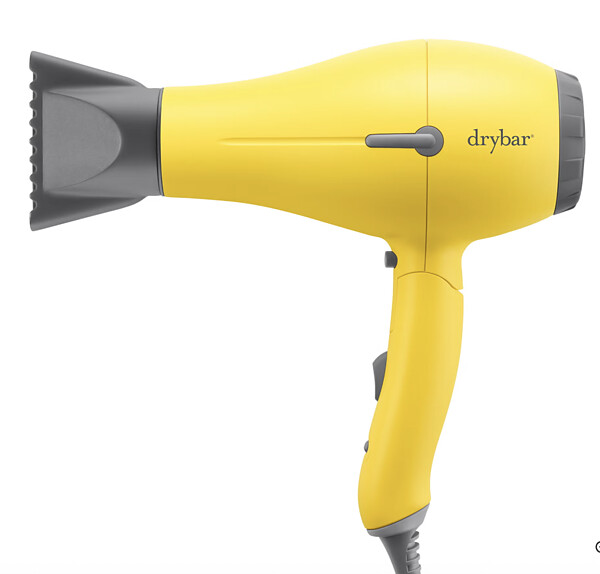
- Travel hair dryer – Hotel dryers are often weak, and a travel hair dryer dries and styles your hair faster. It helps you avoid leaving with damp hair in cool weather.
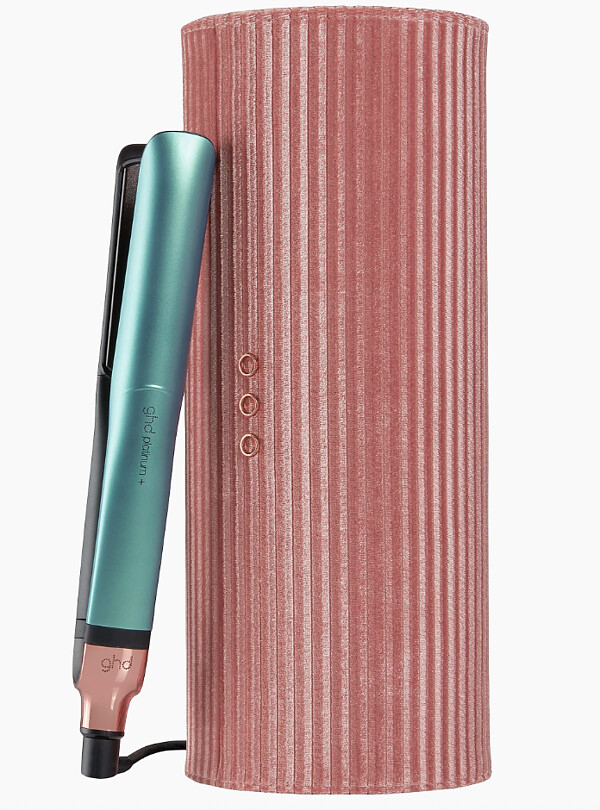
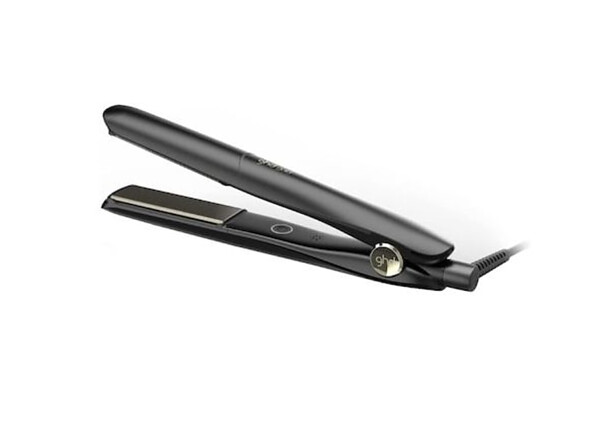
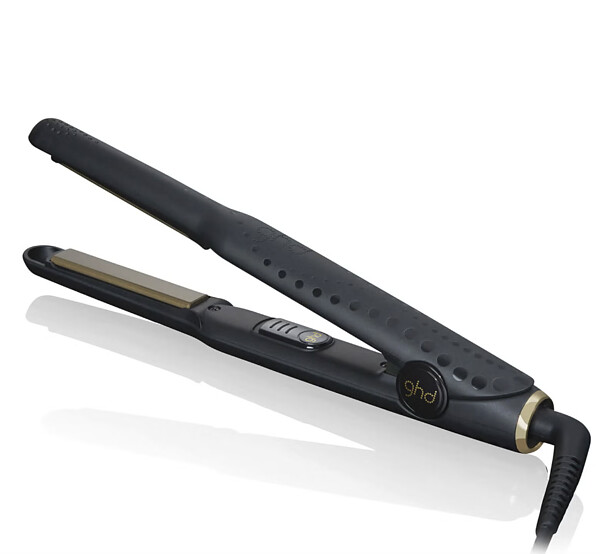
- Hair straightener – A hair straightener smooths frizz and shapes hair fast, so you look more put-together with less effort. It also helps tame flyaways after humidity or sleep.
- Mini shampoo and conditioner for frequent wash days
- Leave-in conditioner for sun and wind exposure
- Anti-frizz cream for humidity near lakes
- Dry shampoo for early trains and hut mornings
- Hair ties and claw clips set
- Wide-tooth comb for detangling after hikes
- Heat protectant spray for styling tools
- Travel-size hair oil for dry ends in mountain air
Shoes & Accessories
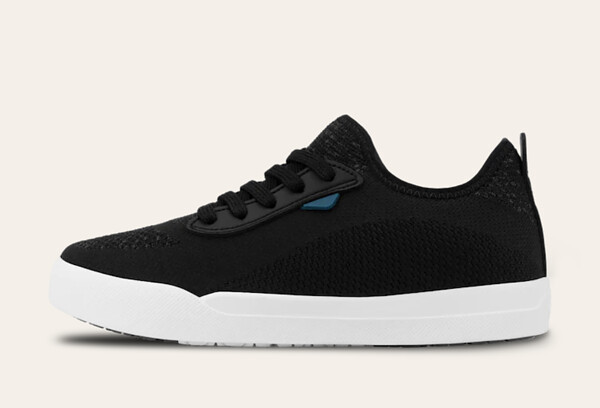
- Waterproof sneakers – Waterproof sneakers keep your feet dry in rain, puddles, or wet streets, so you stay comfortable and avoid blisters when the weather changes.
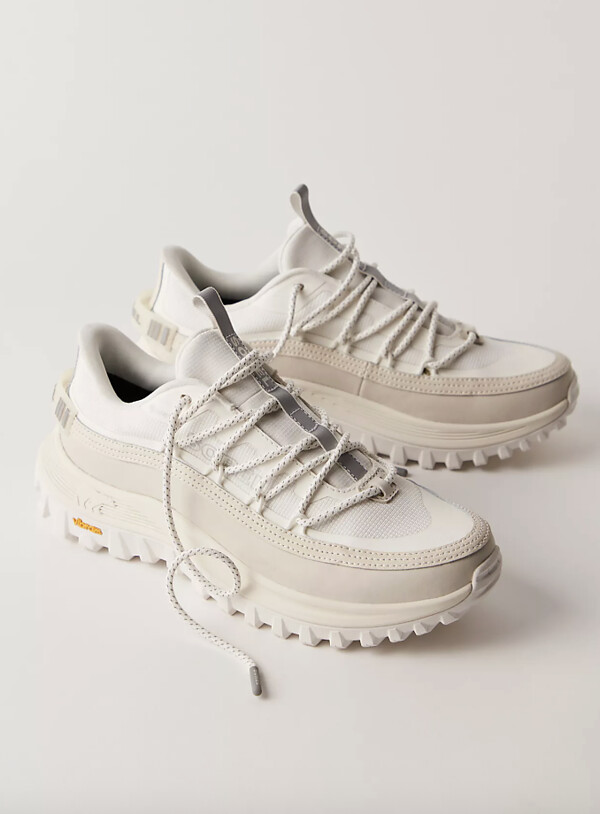
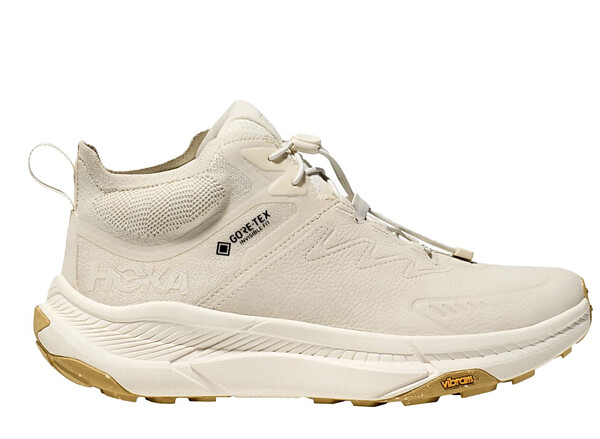
- Ankle boots – Ankle boots give your ankles support and protect your feet from puddles and rough streets. They look neat enough for dinner but still work for lots of walking.
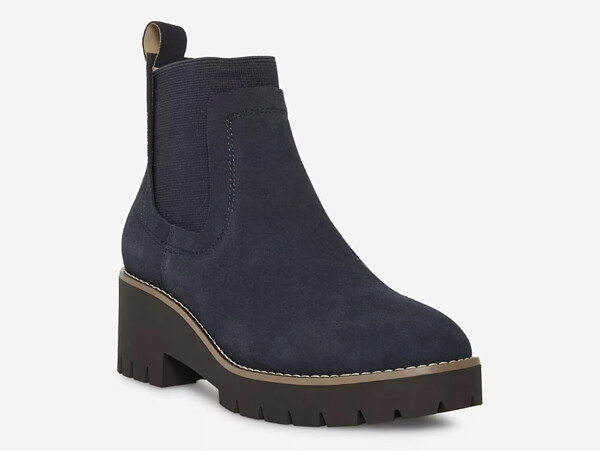
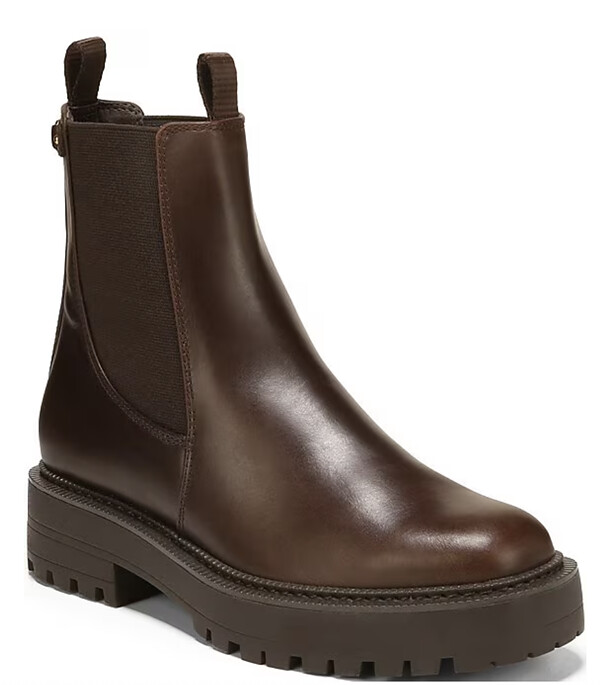
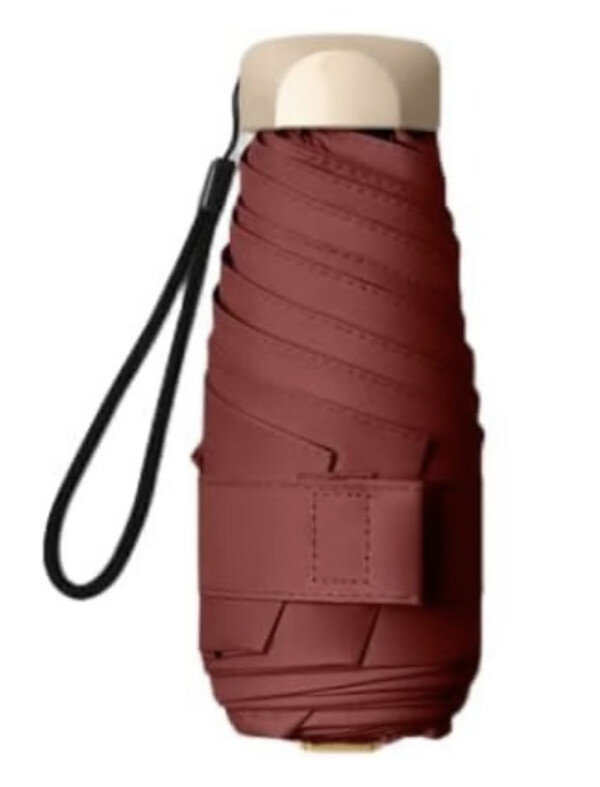
- Compact travel umbrella – A compact travel umbrella keeps you dry in sudden rain and reduces the risk of wet clothes and a soaked day bag. It folds small, so it fits easily in a tote or backpack.
- Comfortable walking sneakers (1 PCS)
- Hiking shoes with grippy soles (1 PCS)
- Sandals with arch support for lake towns (1 PCS)
- Dressier flats or loafers for dinners (1 PCS)
- Packable sun hat for high-exposure days (1 PCS)
- Sunglasses with UV protection (1 PCS)
- Light gloves for chilly summit mornings (1 PCS)
- Packable cap for hikes and sweaty days (1 PCS)
- Crossbody bag with secure zipper (1 PCS)
- Reusable water bottle for refillable fountains (1 PCS)
- Microfiber towel for swims and sudden rain (1 PCS)
- Swimsuit for lakes, spas, and hotel pools (1–2 PCS)
Documents & Essentials
- Passport
- Swiss Travel Pass or train tickets confirmation
- Hotel and tour reservations screenshots
- Travel insurance policy details
- Driver’s license and International Driving Permit
- Credit cards and backup payment card
- CHF cash for small purchases and mountain huts
- Emergency contacts card in wallet
- Medication prescriptions and doctor note copies
- Copies of IDs stored offline on phone
- Pen for customs forms and quick notes
First Aid
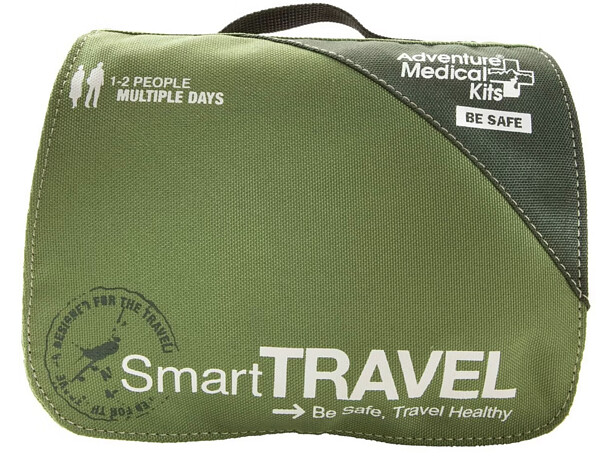
- Travel first aid kit – A travel first aid kit covers small cuts, blisters, headaches, and allergies fast, so problems stay minor. It saves time when stores are closed or hard to find.
- Blister pads and hydrocolloid bandages
- Ibuprofen or naproxen for sore hiking legs
- Acetaminophen for headaches and travel fatigue
- Antihistamine for pollen and insect reactions
- Anti-itch cream for bites and rashes
- Antiseptic wipes for trail scrapes
- Elastic bandage wrap for ankle support
- Motion sickness tablets for boats and mountain roads
Health & Hygiene
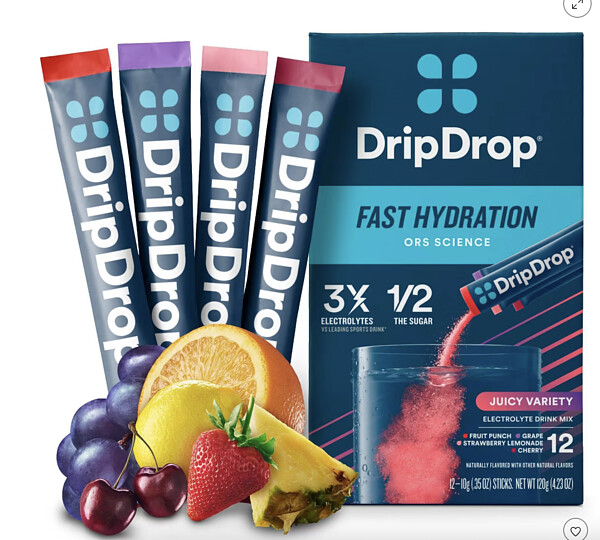
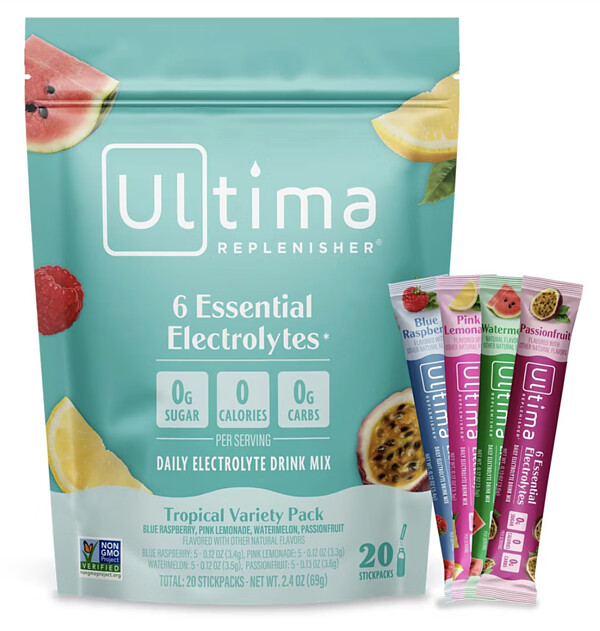
- Electrolyte powder – Mix electrolyte powder into water after sweating, heat, or diarrhea to replace salt and minerals. It helps you stay hydrated and lowers the chance of cramps and headaches.
- Travel deodorant for warm train and city days
- Toothbrush, toothpaste, and floss
- Alcohol hand sanitizer for transit days
- Wet wipes for quick freshen-ups between stops
- Feminine hygiene products or menstrual cup
- Razor and shaving gel
- Body wash or solid soap bar
- Nail clippers and tweezers
- Anti-chafe stick for long walking routes
- Insect repellent for lakes and evening patios
- Mini laundry detergent sheets for sink washing
Tech & Electronics
- Universal travel adapter – Universal travel adapter lets your plug fit most outlet types, so you can charge your phone and laptop without buying separate adapters for each country.
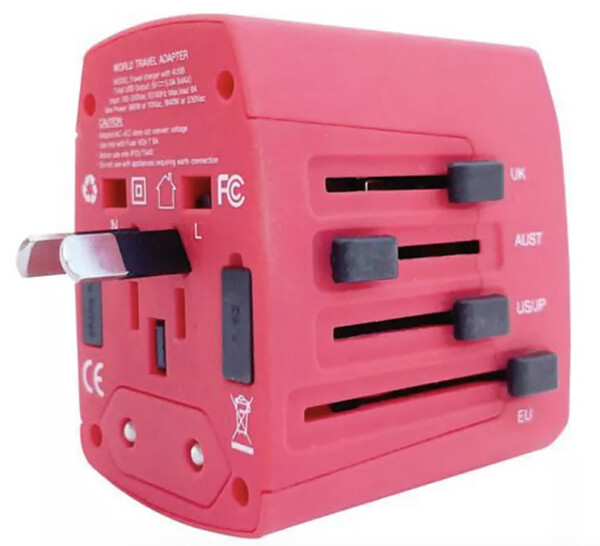
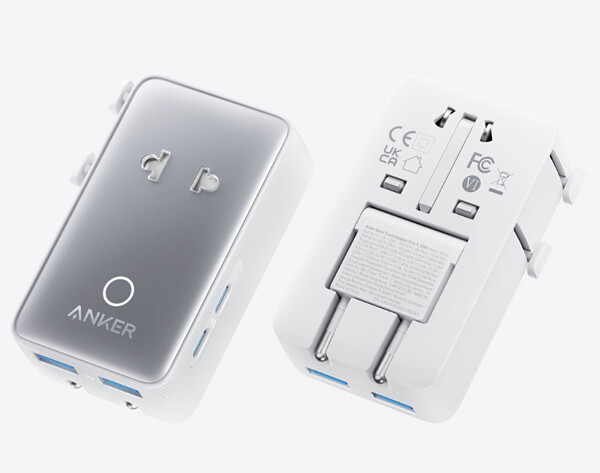
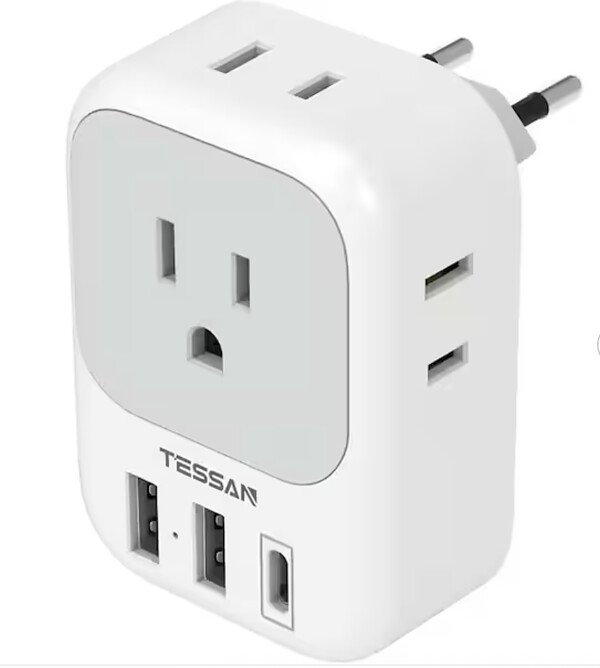
- Power bank – Power bank keeps your phone and other USB devices charged when you can’t reach an outlet, so maps, tickets, and calls still work when the battery drops.
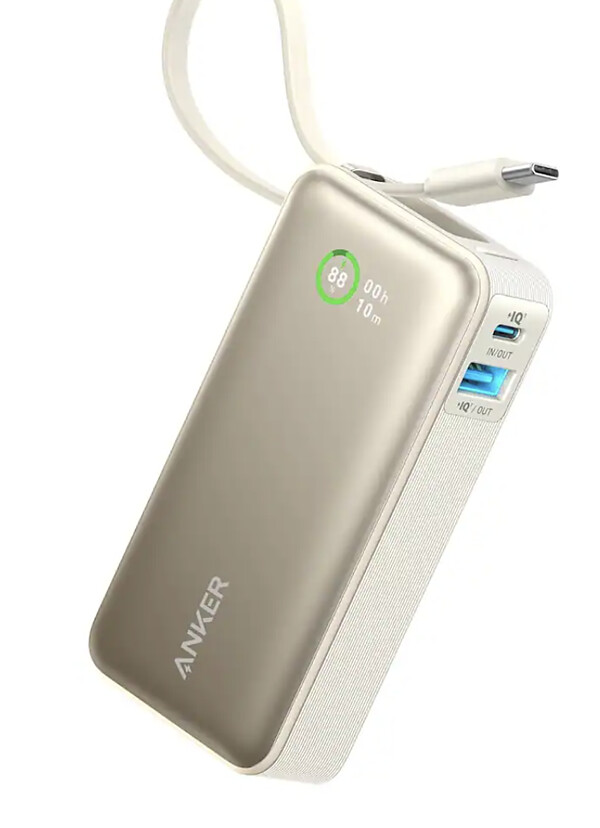
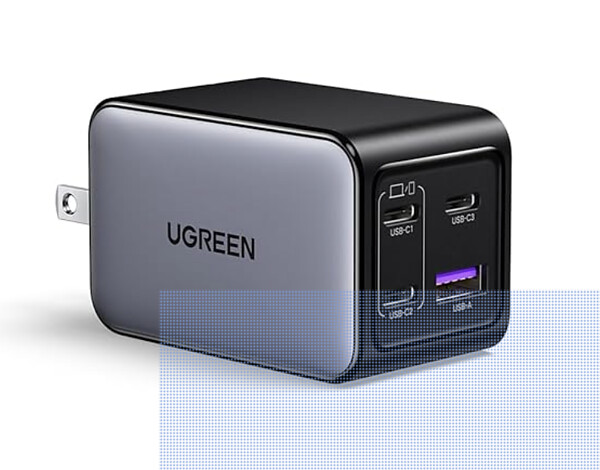
- Wall charger – Use a wall charger to recharge your phone, tablet, or earbuds from any outlet faster and more reliably than many USB ports in airports or hotels.
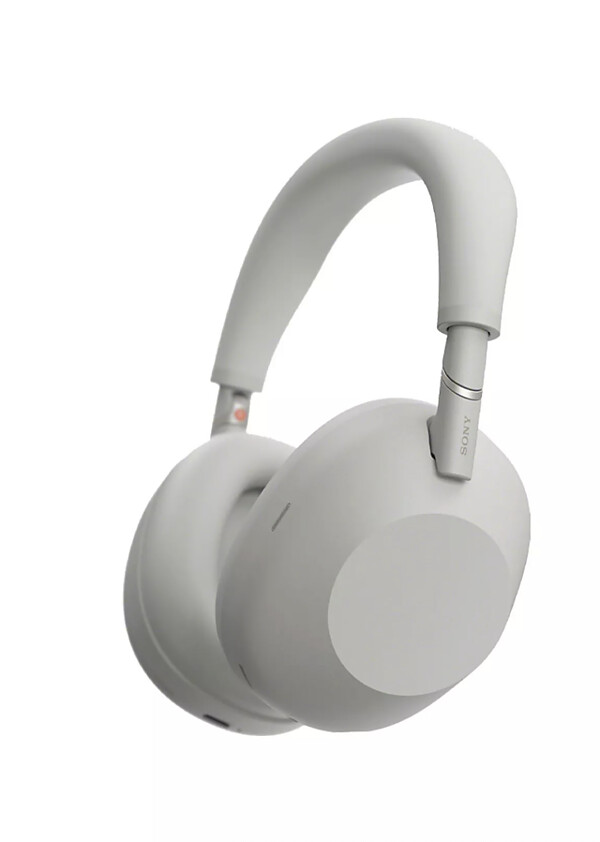
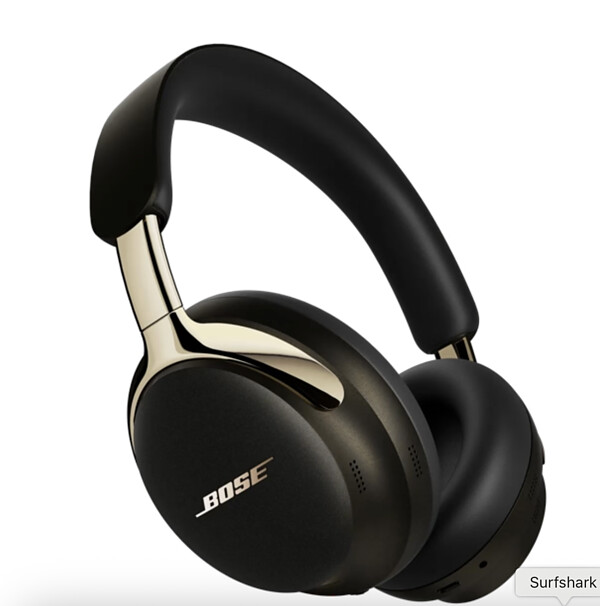
- Noise cancelling headphones – These reduce background noise so you can focus on music, calls, or quiet. They help you rest and stay calm when nearby sound is loud.
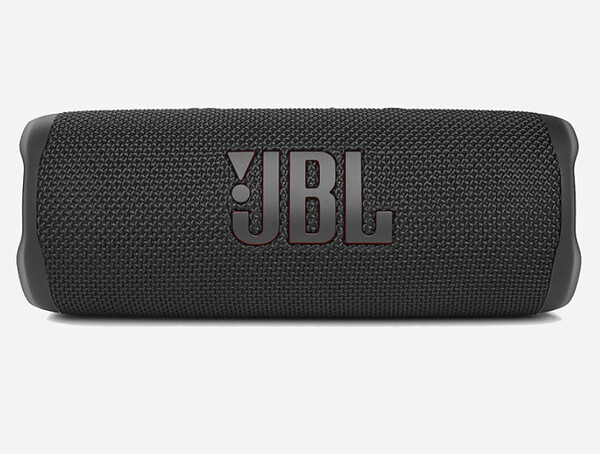
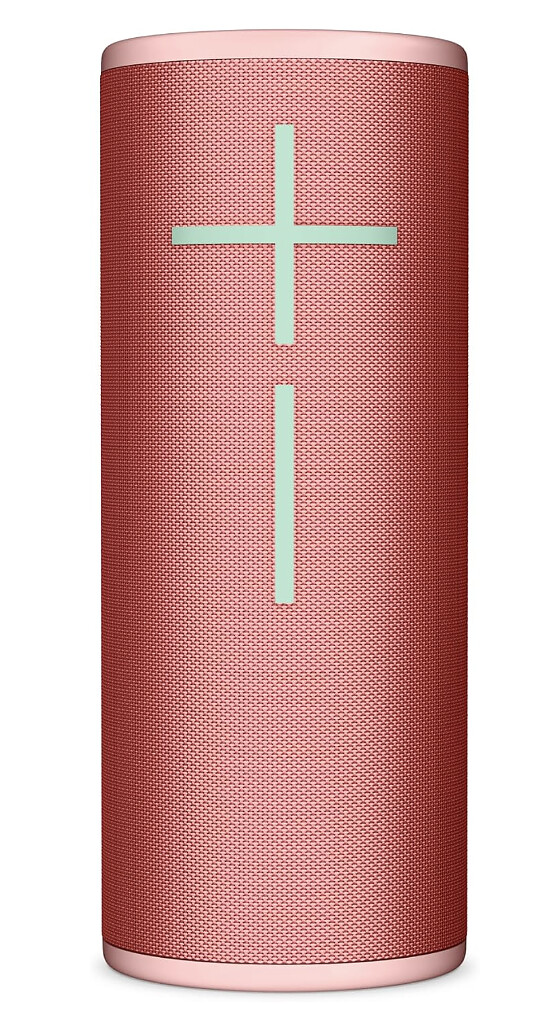
- Bluetooth speaker – Bluetooth speaker connects to your phone and fills a room with music or podcasts, so you can hear clearly without draining your phone battery as fast.
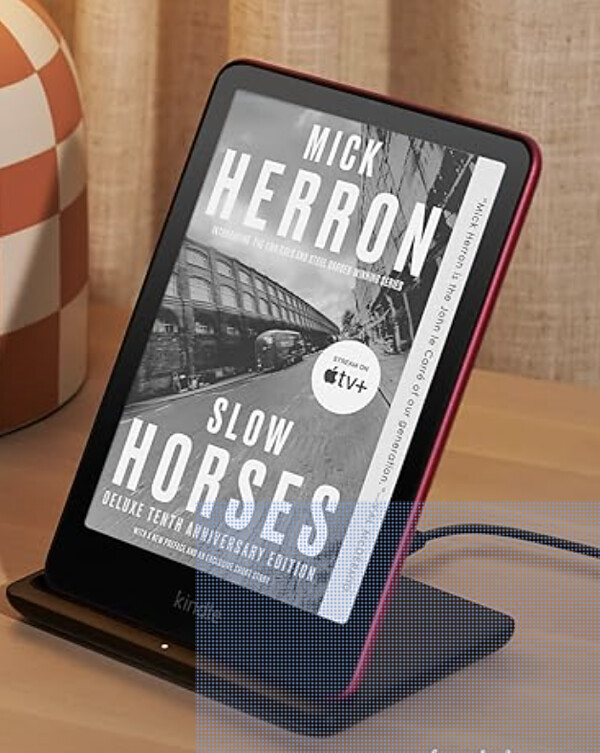
- E-reader – An e-reader holds many books in a small, light device, so you can read without carrying paper. The screen is easy on your eyes and the battery lasts for days.
- Phone with offline maps downloaded
- Charging cables for every device
- Smartwatch charger or fitness tracker cable
- Camera or action camera for hikes
- SD card and small card case
- Compact tripod for viewpoints and timers
- AirTag or Bluetooth tracker for luggage
Entertainment
- Downloaded playlists for tunnels and mountain trains
- Podcasts saved offline for travel days
- Small card game for cafés and rainy evenings
- Travel journal and pen
- Language app offline pack for German, French, or Italian
- One paperback book for screen-free breaks
- Light puzzle book for flights and quiet nights
Extras
- Packable reusable shopping bag for groceries and markets
- Picnic blanket for lakefront lunches
What to Bring If You Want to Pack Light
For Switzerland in July, the key is choosing pieces that work in both warm valley temperatures and cooler mountain air. Stick to neutral colors so everything mixes, and limit yourself to one pair of shoes per activity type. Travel-size toiletries are easy to find in Swiss pharmacies if you run out.
- 3 to 4 mix-and-match tops in lightweight fabric
- 2 pairs of pants or one pants and one skirt that work for both day and evening
- One light fleece or zip-up layer for mountain elevations
- One compact waterproof rain jacket
- One pair of sturdy walking shoes suitable for cobblestones and light trails
- Travel-size toiletries and any prescription items
- One small crossbody or daypack for daily use
What Not to Pack for Switzerland in July
Leave heavy winter layers at home. July in Switzerland is genuinely warm, often above 25 degrees Celsius in cities like Zurich, Basel, and Geneva. A thick wool coat or heavy sweater will sit unused in your bag for most of the trip. A light fleece or a thin down jacket handles the cooler mountain days without the bulk. You also do not need multiple pairs of shoes. Swiss cities have good pavements and most popular hiking trails are well-maintained, so one solid pair of walking shoes and one pair for evenings covers almost every situation.
Do not overload on toiletries or medications you can easily buy in Switzerland. Swiss pharmacies and supermarkets like Migros and Coop stock a wide variety of everyday items, often with English-language packaging. Sunscreen, lip balm, basic pain relief, and travel-size shampoo are all readily available and reasonably priced. Packing full-size bottles of things you can buy there takes up space you will want for a layer or an extra top. Similarly, leave anything valuable that you would not want to carry all day, since you will be on trains, in mountain gondolas, and walking busy tourist areas where keeping track of your things matters.

FAQ: Packing for Switzerland in July
What is the 3-5-7 rule in packing?
The 3-5-7 rule is a carry-on packing method: bring 3 bottoms, 5 tops, and 7 accessories or small items like socks, underwear, and a scarf. For Switzerland in July, this works well because the mix covers warm city days, cooler mountain evenings, and a variety of activities without filling a large suitcase.
What is the 3-3-3 rule for packing?
The 3-3-3 rule means packing 3 tops, 3 bottoms, and 3 pairs of shoes for any trip. For a July trip to Switzerland, I would adjust the shoes slightly to two pairs at most, since sturdy walking shoes and one versatile evening option handle almost everything you will do.
What is the most forgotten item when packing for a trip?
A portable charger is one of the most commonly forgotten items, and it is absolutely worth adding to your Switzerland July packing list. You will use your phone for train tickets, maps, and photos all day, and outlets are not always handy when you are out on a long mountain excursion.
What cannot you bring into Switzerland?
Switzerland has restrictions on certain foods, plants, and amounts of duty-free goods crossing the border. Practically speaking for travelers, you should know that bringing large quantities of meat, dairy, or fresh produce from outside the EU can trigger issues at customs, and certain medications require documentation if you are carrying more than a personal supply.
What is the prettiest town in Switzerland?
Grindelwald, Murren, and Zermatt are consistently named among the most beautiful towns in Switzerland, especially in July when the Alpine scenery is at its best. If you are visiting any of these, pack your walking shoes and a warm layer, as temperatures at altitude are noticeably cooler than in the lowland cities.
What is the 5-4-3-2-1 packing trick?
The 5-4-3-2-1 trick is a framework for a week-long trip: 5 pairs of socks and underwear, 4 tops, 3 bottoms, 2 pairs of shoes, and 1 hat or accessory. For Switzerland in July, this is a useful starting point, though I always add one extra layer for mountain days since the temperature change between a valley town and a high-altitude stop can be significant.
What should women specifically pack for Switzerland in July?
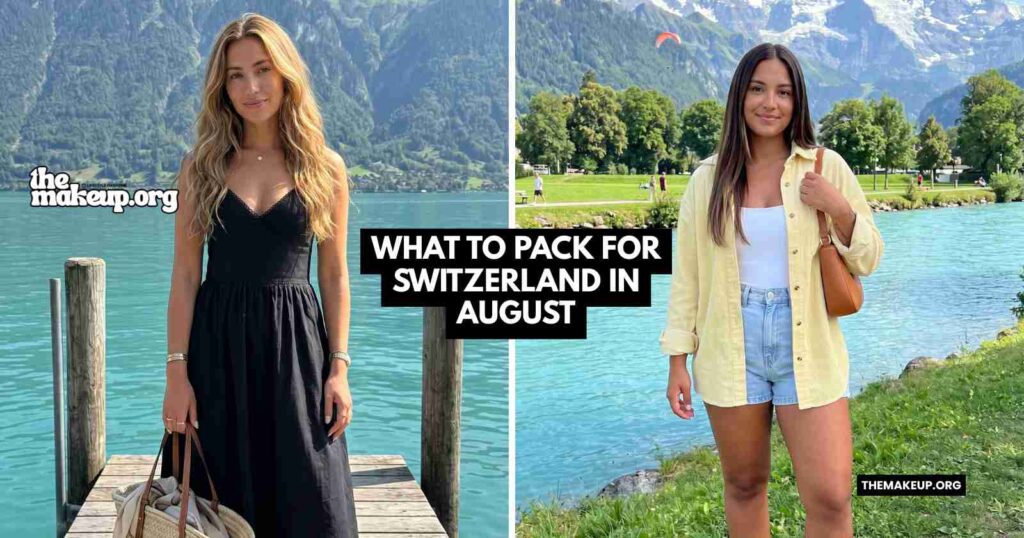
For women, a Switzerland July packing list works best with lightweight tops that can be layered, one or two pairs of comfortable walking shoes, and a compact rain jacket. Evenings in Swiss cities tend to be casual but put-together, so one slightly dressier top or a simple dress gives you options without needing to pack a separate outfit.