
July in Japan is genuinely hot and humid, and if you have never been in summer before, it can catch you off guard. Putting together a solid Japan July packing list means thinking about that heat first, before anything else. Daytime temperatures in Tokyo and Kyoto regularly sit above 32C (90F), and the air feels heavy from the moment you step outside.
Rain is a real factor too. July sits right at the tail end of the rainy season in most of Japan, so showers can come on fast and soak you quickly. I never travel this month without a compact umbrella and a small quick-dry towel near the top of my bag. They get used almost every day.
Beyond the weather, think about how you will actually spend your days. Train rides between cities, long walks through temple grounds, a casual dinner out in the evening. Your clothes need to handle all of that without weighing your bag down. Lightweight, breathable fabrics are essential here, especially if you plan to keep moving.
I have put this list together for a range of trip lengths and styles, from a week in Tokyo to two weeks travelling around different regions. Take what fits your trip and leave the rest.
Note: This is a complete packing list. If you would rather travel light, there is a pack-light section right after it.
What Is the Weather Like in Japan in July?
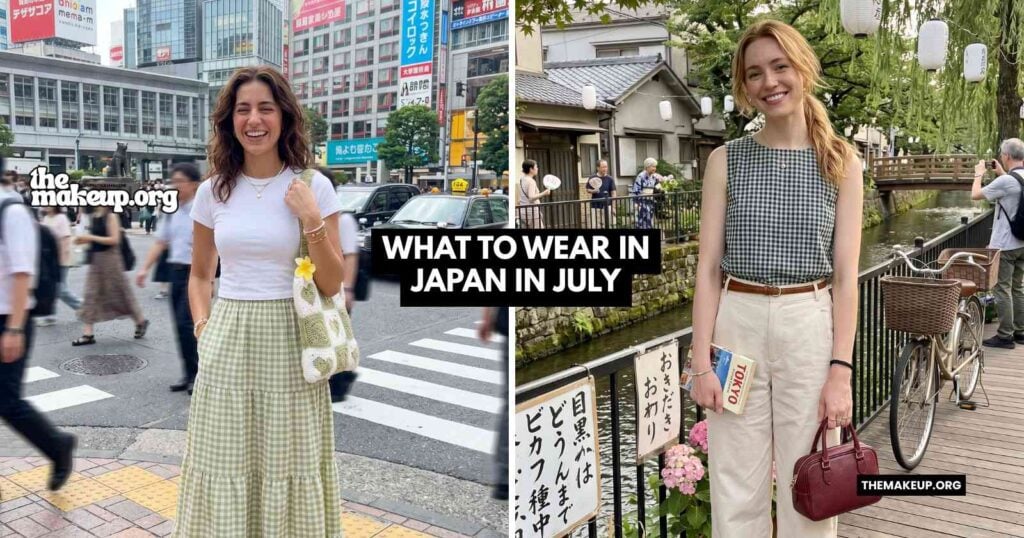
Japan in July is warm and humid in many cities, often around 24–33°C (75–91°F), with frequent rain. Hokkaido can feel cooler around 18–26°C (64–79°F), while higher elevations in the Japanese Alps can drop closer to 12–22°C (54–72°F). That’s why breathable layers and a solid rain plan matter.
Your Complete Japan July Packing List
Packing smart will help you make the most of your trip. Here’s everything you need to bring for a comfortable and stylish adventure.

Carry-On Suitcase / Travel Bag Duffle / Portable Steamer / Packing cubes / Luggage scale / Wireless Noise-Cancelling Headphones / Speaker / Portable Charger / Universal Travel adapter / Compact Hair Dryer / Eye Mask / Waterproof Toiletry Bag Hanging / Zipper Pouch / Water BOTTLE / Liquid I.V. Hydration Vegan
Luggage & Packing Tools
If you want more options to have everything organized and well packed, take a look at these suggestions.

1. Rolling Backpack / 2. Luggage (large) / 3. Luggage (small) / 4. Toiletry Bag / 5. Beach Bag / 6. Backpack / 7. Packing Cubes
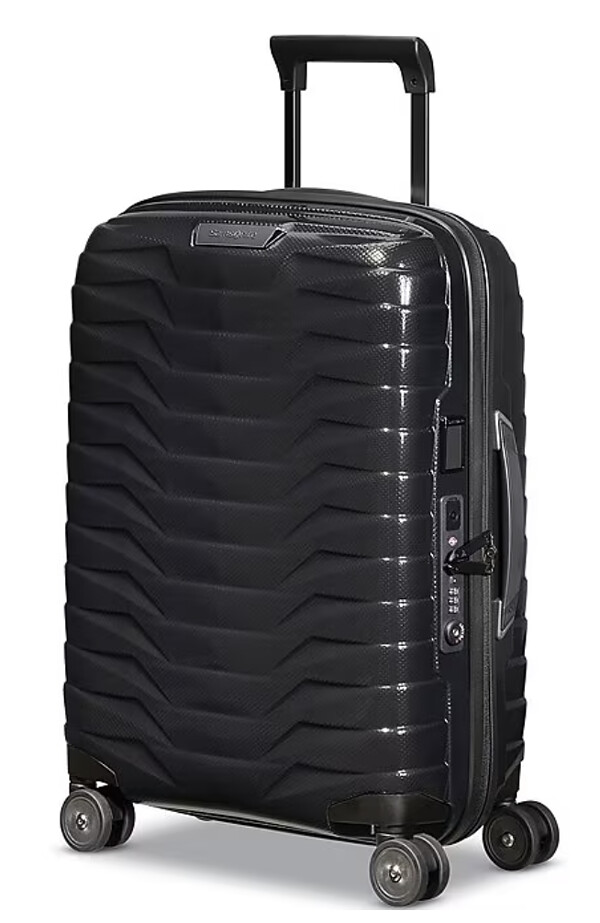
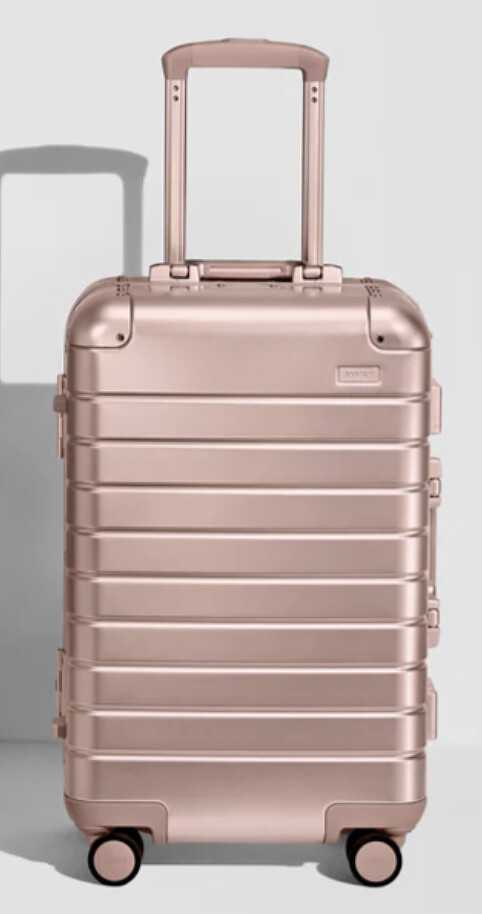
- Carry-on suitcase – A carry-on suitcase fits in the overhead bin, so your essentials stay with you. It saves time by skipping checked bags and reduces the risk of lost luggage.
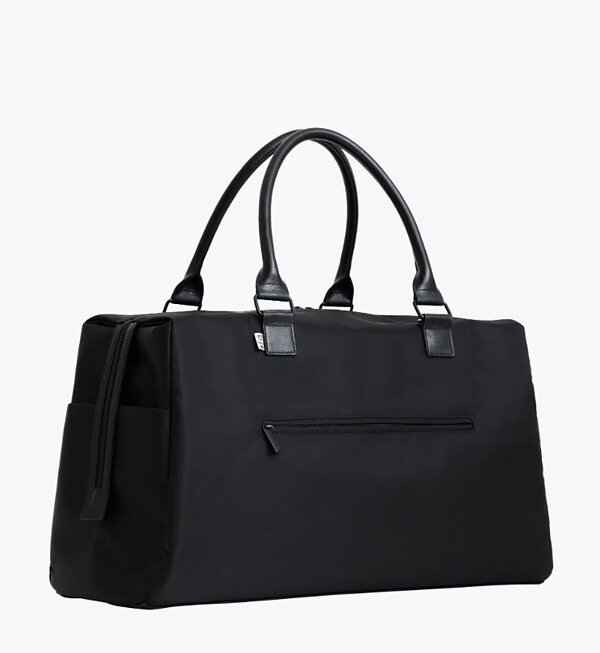
- Personal item backpack with breathable back panel
- Lightweight packable daypack for temples, markets, and museums
- Compression packing cubes for humid-weather outfit organization
- Waterproof laundry bag for sweaty clothes and wet umbrellas
- Small dry bag for electronics during sudden downpours
- Reusable shopping tote for konbini runs and station snacks
- Travel laundry detergent sheets for sink-washing quick-dry items
- Luggage ID tags
- TSA-approved suitcase locks
Clothes
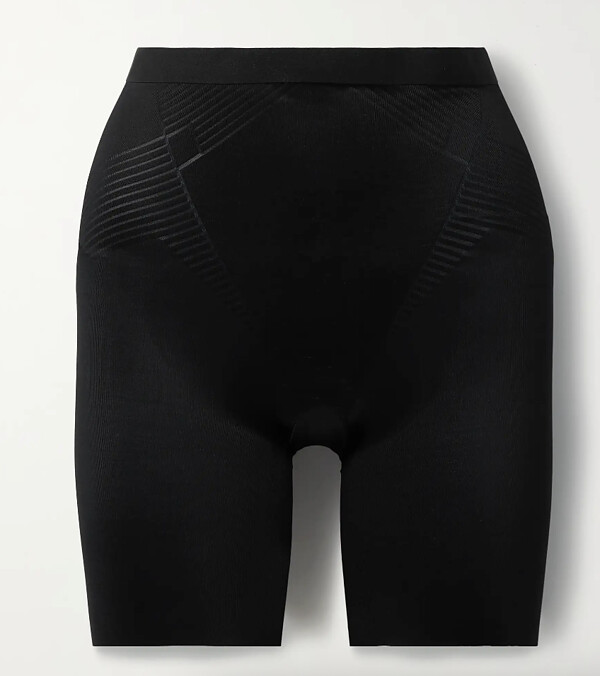
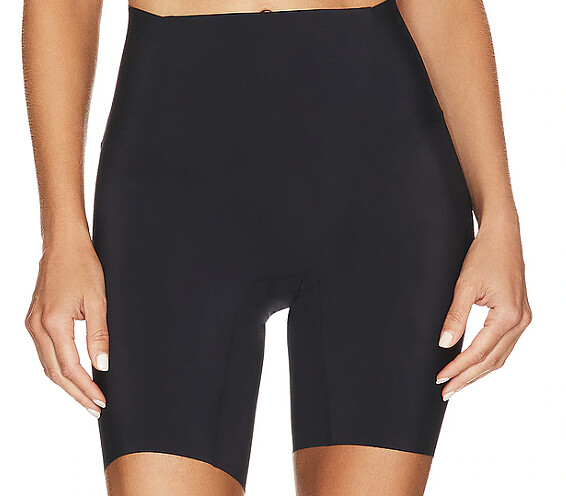
- Anti-chafing shorts – Anti-chafing shorts add a smooth layer that reduces thigh rub and irritation when walking. They also help dresses and skirts stay in place and feel less clingy.
- Breathable T-shirts or tanks (4–6 PCS)
- Quick-dry tops with UPF protection (2–3 PCS)
- Lightweight linen or cotton button-down shirt (1–2 PCS)
- Airy trousers or culottes for trains and temples (1–2 PCS)
- Lightweight shorts for hot, sticky afternoons (1–2 PCS)
- Midi skirt or breathable dress for one-and-done days (1–2 PCS)
- Light cardigan for strong A/C on trains and malls (1 PCS)
- Packable rain jacket with a real hood (1 PCS)
- Sleepwear that stays comfortable in humidity (1–2 PCS)
- Moisture-wicking underwear (5–7 PCS)
- Breathable socks for all-day walking (5–7 PCS)
Skincare
- High-SPF sweat-resistant sunscreen for humid city days
- Face sunscreen with non-greasy finish for reapplication
- After-sun soothing gel for neck, arms, and shoulders
- Gentle foaming cleanser for sunscreen and pollution buildup
- Lightweight moisturizer or gel cream for sticky weather
- Hydrating serum for A/C-dry trains and hotel rooms
- Blotting papers for shine control without heavy powder
- Deodorant wipes for quick refresh between stops
- Insect bite relief cream for evenings near rivers and parks
- Body lotion for post-shower hydration in air-conditioned rooms
Makeup
- Long-wear tinted sunscreen or skin tint
- Waterproof mascara for humidity and sudden rain
- Cream blush for a quick, sweaty-weather refresh
- Setting powder for T-zone shine in humid stations
- Makeup setting spray for long sightseeing days
- SPF lip balm for sun and wind on day trips
- Concealer for heat redness and under-eye touch-ups
- Travel makeup remover wipes for late hotel returns
Hair Care
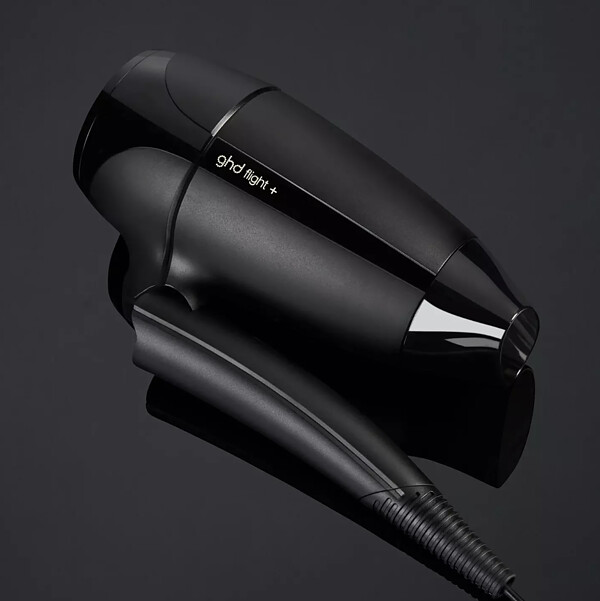
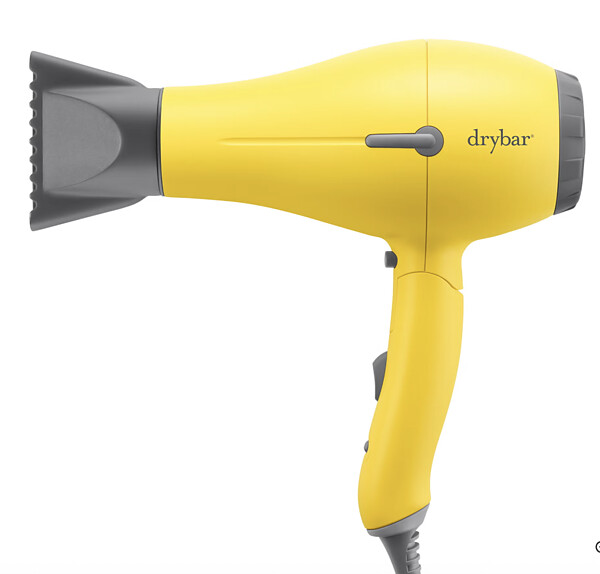
- Travel hair dryer – A travel hair dryer dries and styles your hair fast when the hotel dryer is weak or missing. It helps you avoid leaving with damp hair in cool weather.
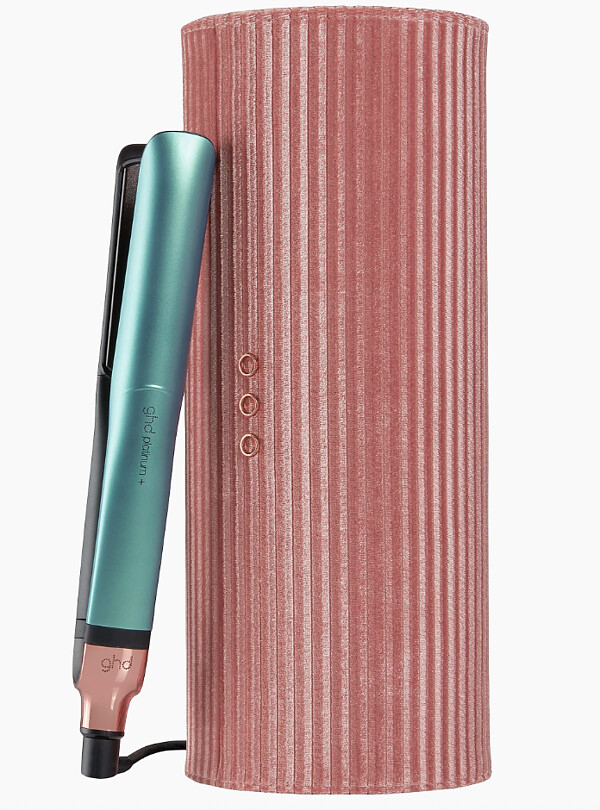
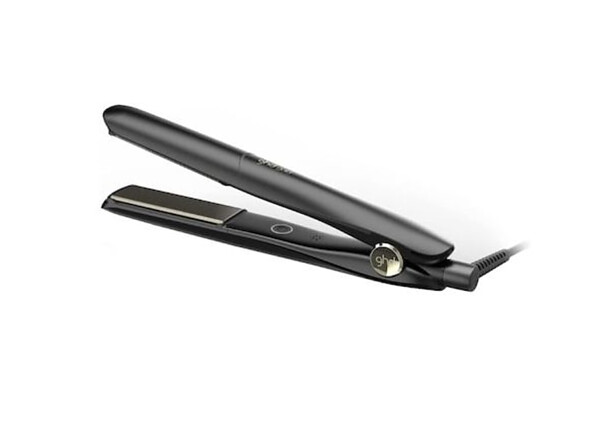
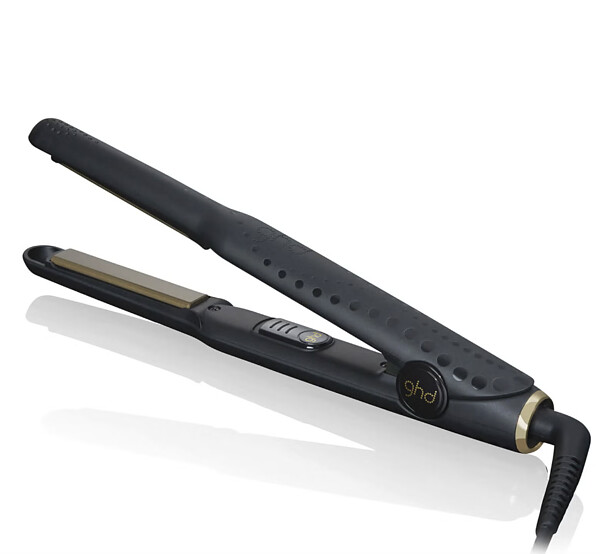
- Hair straightener – A hair straightener smooths frizz and quick fixes messy hair fast, so you look neat for meetings or photos even when hotel humidity or wind ruins your style.
- Anti-frizz serum for humidity-heavy mornings
- Leave-in conditioner for sun and heat exposure
- Dry shampoo for sweaty scalp days between washes
- Hair ties and scrunchies for quick updos on trains
- Claw clip for humid days when hair won’t behave
- Mini detangling brush for day bag and hotel use
- Travel shampoo and conditioner in leakproof bottles
Shoes & Accessories
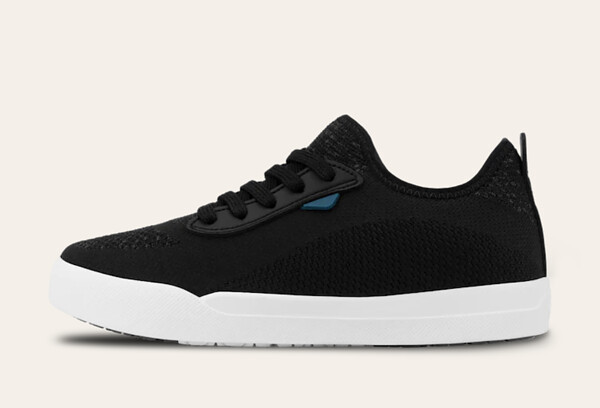
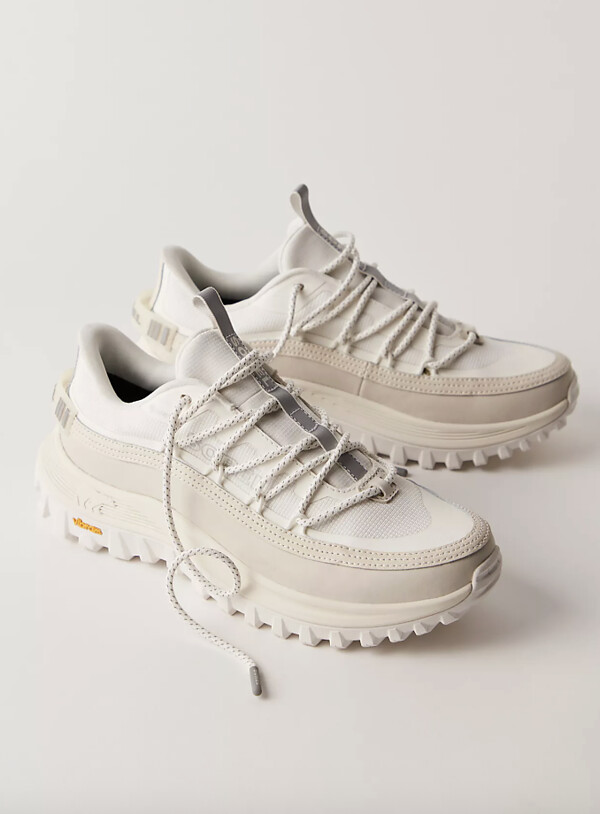
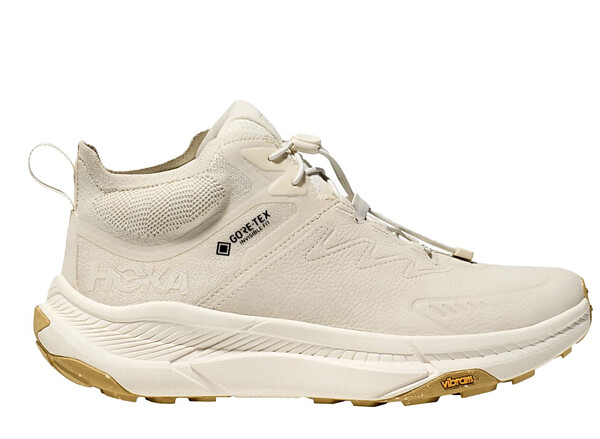
- Waterproof sneakers – Waterproof sneakers block rain and puddles so your feet stay dry. They help you walk longer in wet weather without blisters or soggy socks.
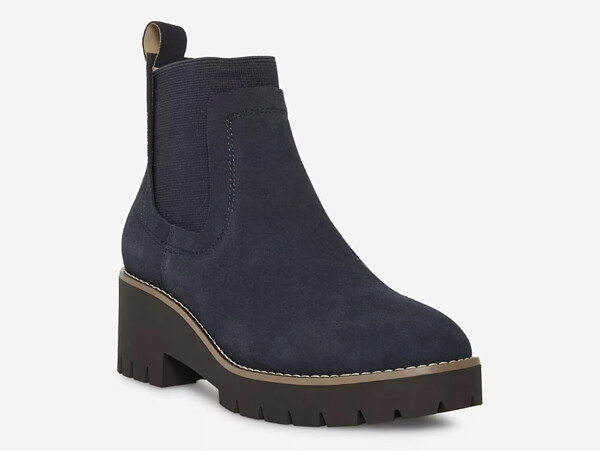
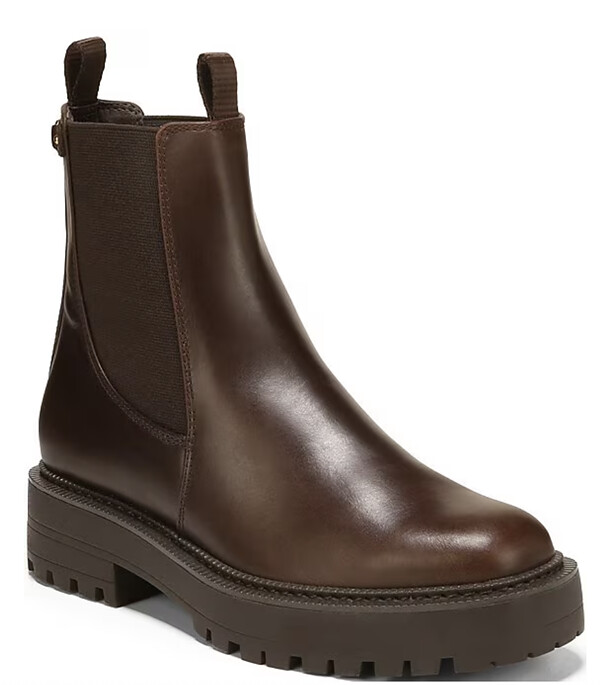
- Ankle boots – Ankle boots give more ankle support and better traction than sneakers on uneven streets. They also handle light rain and cooler evenings without needing a second pair of shoes.
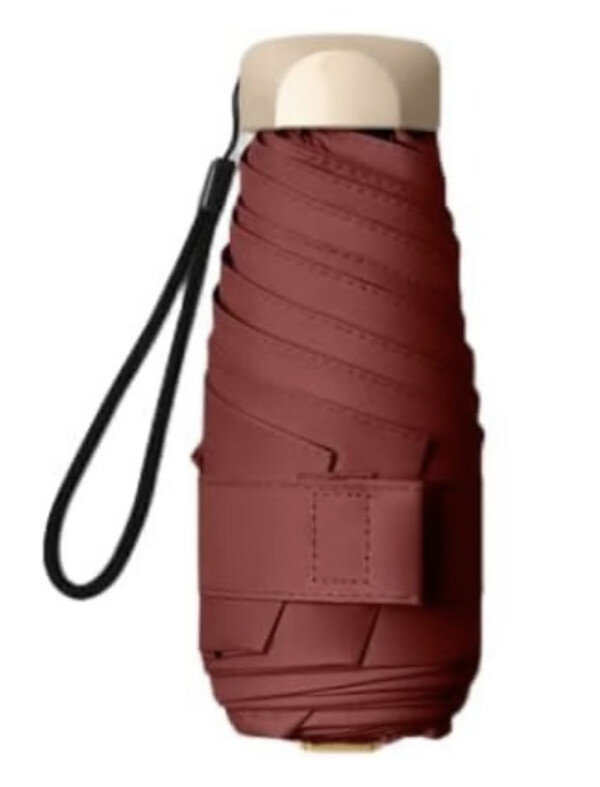
- Compact travel umbrella – A small umbrella keeps you dry in sudden rain and protects your bag and phone. It folds down to fit in a day bag without taking much space.
- Breathable walking sneakers (1 PCS)
- Water-friendly sandals with grip for wet sidewalks (1 PCS)
- Light socks for sweaty days and blister prevention (5–7 PCS)
- Hat with brim for sun and light rain (1 PCS)
- UV-protection sunglasses (1 PCS)
- Crossbody bag with zipper for crowded stations (1 PCS)
- Reusable microfiber hand towel for Japan’s towel-carry norm
- Cooling neck towel for outdoor lines and shrine walks
- Light scarf for A/C coverage and sun protection (1 PCS)
Documents & Essentials
- Passport
- Wallet with at least one no-foreign-fee card
- Cash in Japanese Yen for smaller shops and shrines
- Travel insurance policy details
- Hotel addresses in Japanese for taxi check-ins
- Suica or PASMO card for local transit tap-ins
- Printed and digital copies of key reservations
- Emergency contacts list
- Medication list with generic names
First Aid
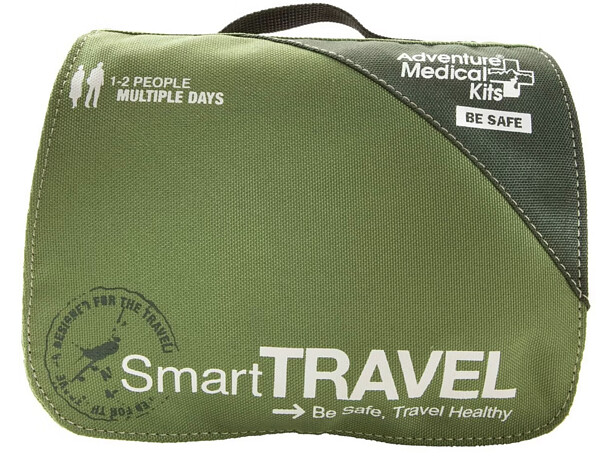
- Travel first aid kit – A travel first aid kit handles small cuts, blisters, and headaches fast, so problems stay minor. It also saves time and money when a pharmacy is closed or far.
- Hydrocolloid blister bandages for high-step walking days
- Antiseptic wipes for small cuts and scrapes
- Ibuprofen or acetaminophen for headaches and aches
- Antihistamines for bites and seasonal allergies
- Motion sickness tablets for buses, boats, and mountain roads
- Small elastic bandage wrap for ankle support
- Burn gel packets for hot ramen bowls and sun exposure
Health & Hygiene
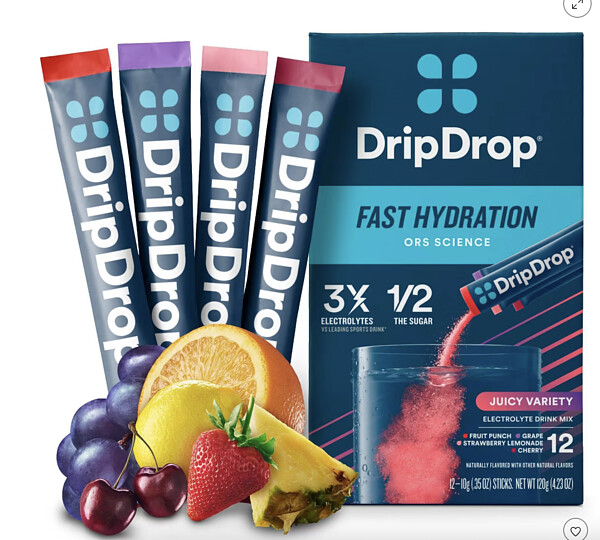
- Electrolyte powder – Electrolyte powder helps you replace salt and minerals lost from heat, sweating, or stomach issues. It helps prevent headaches, cramps, and dizziness and speeds rehydration.
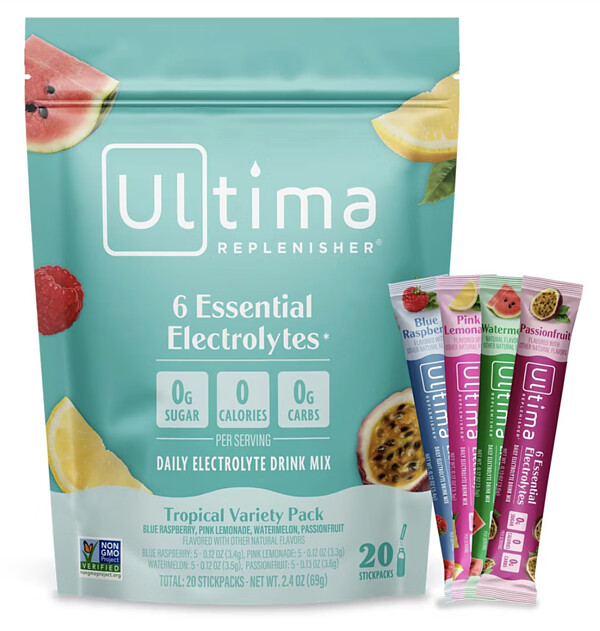
- Refillable water bottle for constant hydration on hot days
- Travel deodorant for humid commutes
- Body wipes for midday refresh in restrooms
- Hand sanitizer for street food and station transfers
- Tissues and pocket wet wipes for public toilets
- Menstrual products in preferred brand and absorbency
- Breathable face masks for crowded trains if you prefer
- Small pack of laundry stain remover wipes
- Toothbrush, toothpaste, and floss picks
- Anti-chafe balm for long, humid walking routes
Tech & Electronics
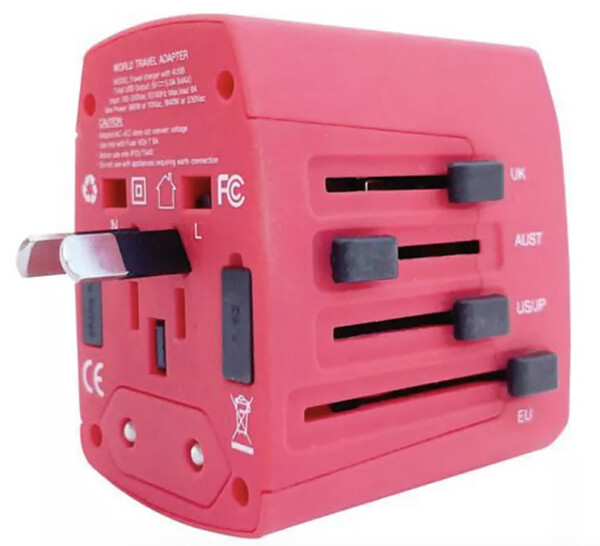
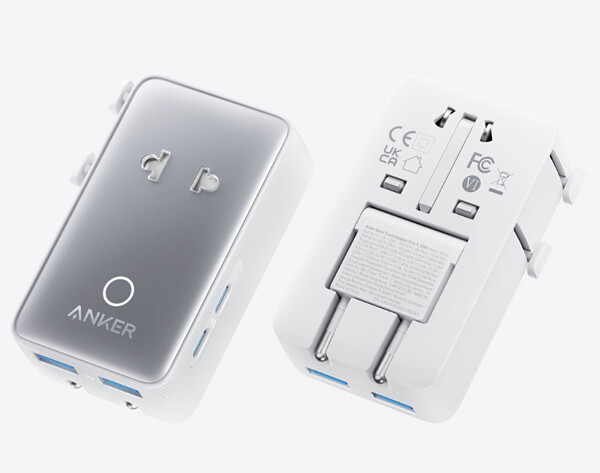
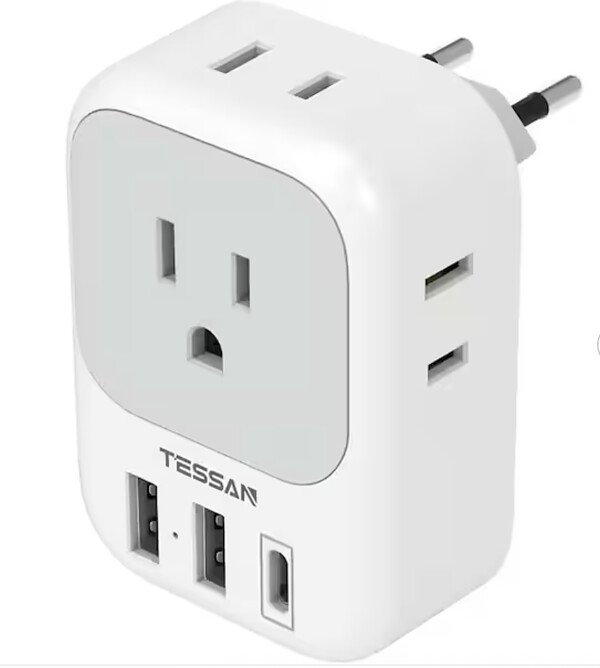
- Universal travel adapter – A universal travel adapter lets your plugs fit foreign outlets, so you can charge phones and laptops without hunting for a compatible socket.
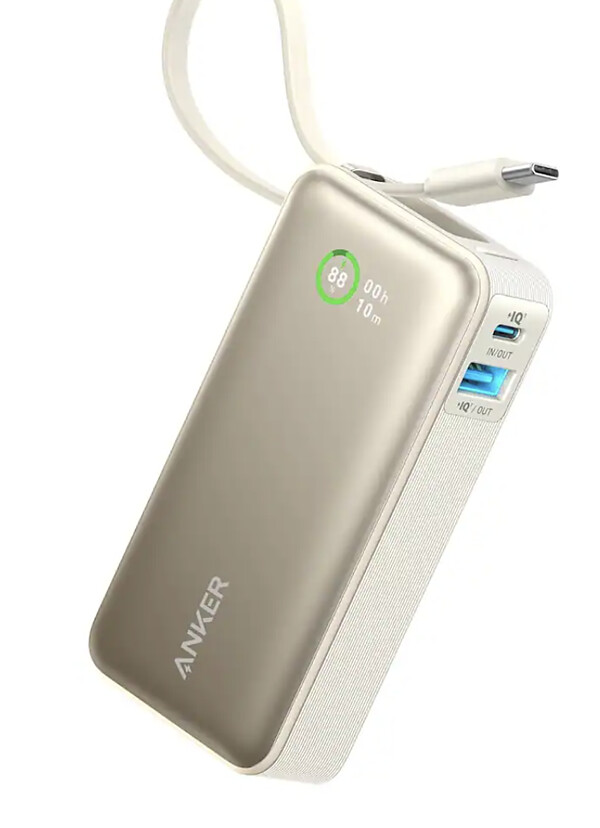
- Power bank – A power bank recharges your phone when there is no outlet, keeping maps, tickets, and calls working. It helps you avoid a dead battery during delays or long rides.
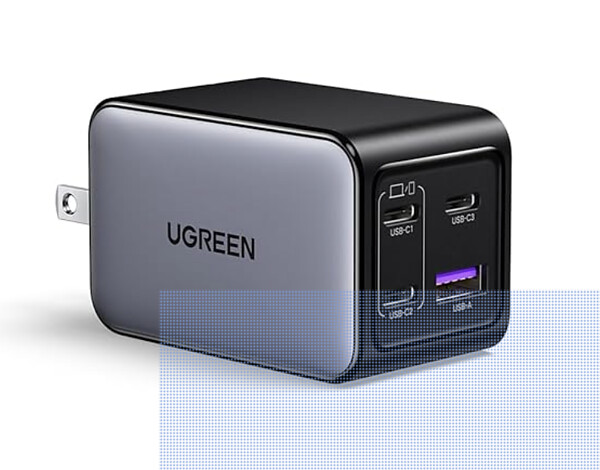
- Wall charger – A wall charger plugs into an outlet to charge your phone, tablet, or earbuds faster and more reliably than a laptop USB port. It keeps devices ready for maps and calls.
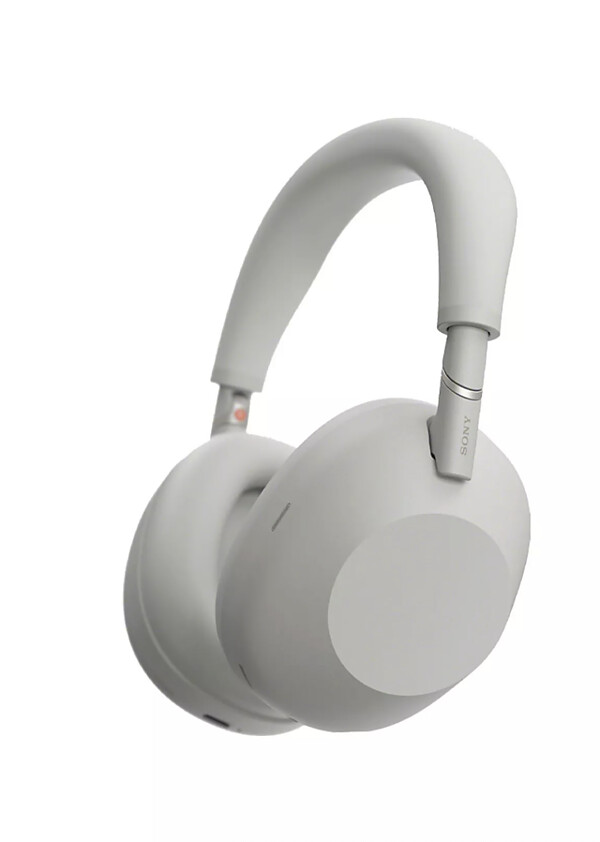
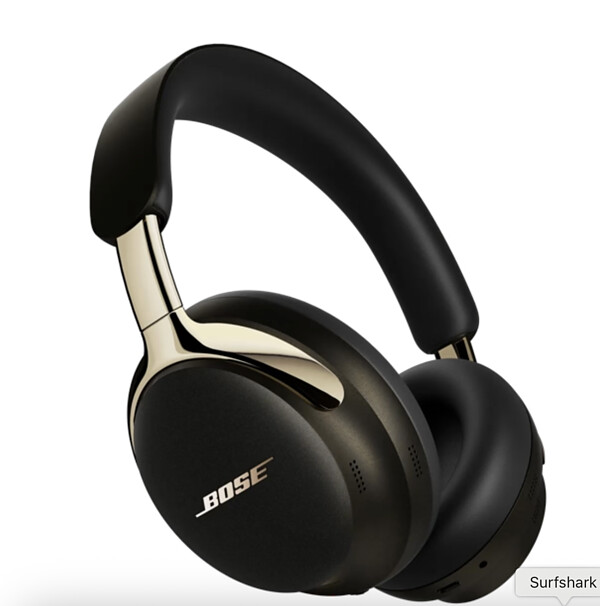
- Noise-cancelling headphones – These headphones reduce background noise on planes and in busy terminals, so you can rest or focus without turning the volume up too high.
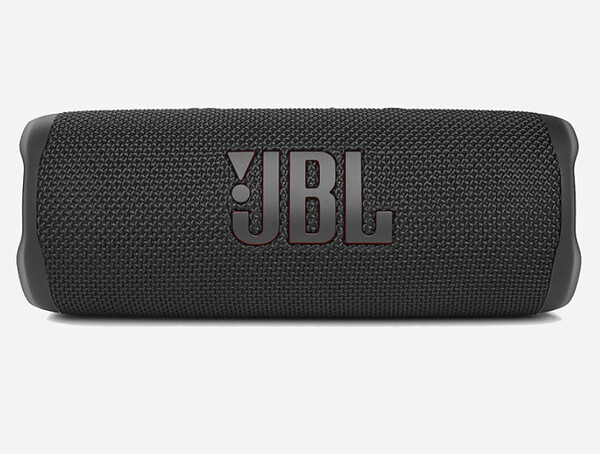
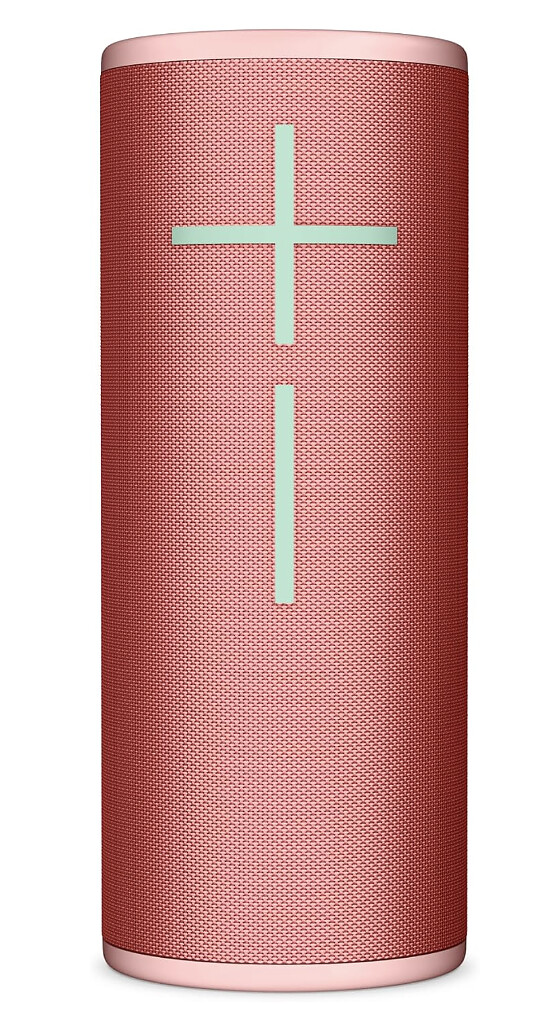
- Bluetooth speaker – Bluetooth speaker plays music or podcasts from your phone without using earbuds, so a room or picnic sounds better and sharing audio with others is simple.
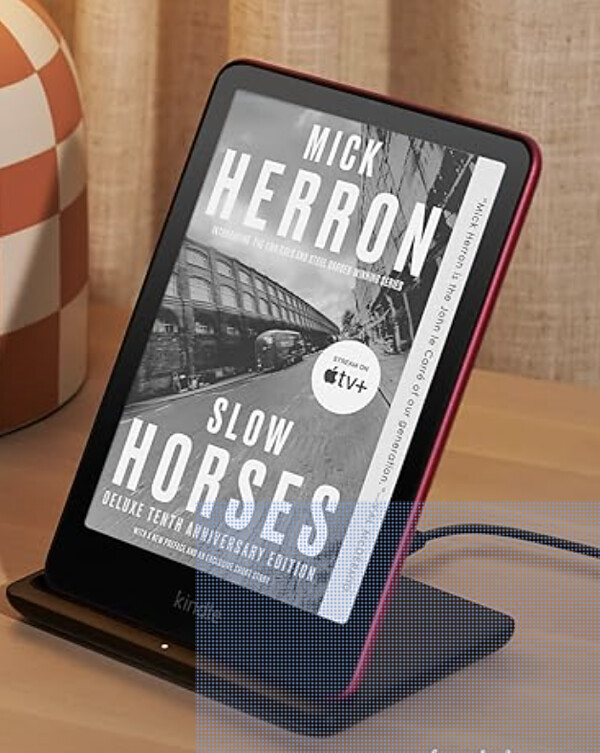
- E-reader – An e-reader holds lots of books in a light device, so you can read without carrying paper. The screen is easy on eyes and the battery lasts for days.
- Smartphone
- Charging cables for every device you bring
- eSIM or pocket Wi-Fi for navigation and translation
- Waterproof phone pouch for rainy days and boat rides
- Compact camera with spare memory card
- AirTag or tracker for checked luggage peace of mind
Entertainment
- Downloaded Google Maps areas for Tokyo, Kyoto, and day trips
- Offline translation pack for spotty service in rural areas
- Podcast playlist for long Shinkansen rides
- Small travel journal for stamps, tickets, and notes
- Playing cards for evenings and downtime
- One lightweight book for cafés and hotel wind-down
Extras
- Goshuincho stamp book for shrine and temple visits
- Small coin pouch for vending machines and transit gates
- Reusable chopsticks or cutlery for takeaway meals
- Packable picnic blanket for parks and riversides
- Insect repellent for humid nights and countryside stops
- Spare zip-top bags for trash, snacks, and wet items
- Small gifts for hosts or guides, easy to carry
- Foldable fan for outdoor queues and platform heat
Travel Tips
- Plan outfits by region: Tokyo humidity, Hokkaido cool, Alps layers
- Keep a hand towel and wipes ready for summer sweat</
What to Bring If You Want to Pack Light
For Japan in July, packing light really comes down to choosing a few breathable pieces that work together and skipping anything you can easily buy there. Japan has great convenience stores and pharmacies, so toiletries and small forgotten items are easy to replace. Stick to a carry-on and you will move between cities on the train much more easily.
- 3 to 4 lightweight, mix-and-match tops in breathable fabric
- 2 pairs of comfortable walking bottoms (shorts or lightweight trousers)
- One pair of supportive walking shoes
- A compact folding umbrella
- Travel-size toiletries (top up at a Japanese drugstore if needed)
- A small crossbody or daypack for daily use
- A portable charger
What Not to Pack for Japan in July
Heavy clothing is the biggest mistake people make for Japan in July. Jeans, thick layers, and anything that does not breathe will make you miserable within an hour of being outside. Japan in summer is not the place for bulky fabrics. The same goes for a big rain jacket. A full waterproof coat traps heat and takes up real space. A compact umbrella handles the rain better and is what most people in Japan actually use.
You also do not need to bring a lot of toiletries or skincare from home. Japan has excellent drugstores and convenience stores stocked with sunscreen, cooling sprays, blotting sheets, and most basic toiletries, often at lower prices than you would pay at home. Skip the heavy shoe options too. Cobblestones, temple steps, and long walking days make bulky boots a poor choice in July. A well-worn pair of comfortable walking shoes covers almost everything you will do.
FAQ: Packing for Japan in July
What is the 5 4 3 2 1 rule for packing?
The 5 4 3 2 1 rule is a packing method where you bring 5 tops, 4 bottoms, 3 shoes, 2 bags, and 1 formal outfit. For Japan in July, you can trim this further since the heat means you will likely rewash or rotate a smaller number of lightweight pieces rather than carrying a full wardrobe.
What is the 3 1 1 rule in Japan?
The 3 1 1 rule in Japan refers to a social guideline about behaviour, not packing. It is not a packing rule specific to Japan. If you are flying into Japan, the standard international 3 1 1 liquids rule for carry-on bags applies just as it does on any international flight.
Is $5000 enough for 2 weeks in Japan?
Yes, $5000 is generally enough for two weeks in Japan, including flights, accommodation, food, and a Japan Rail Pass for train travel between cities. Budget travellers can manage on less, and July is not a peak price period the way Golden Week or cherry blossom season is, so accommodation is often reasonable.
What is the 5 minute rule in Japan?
The 5 minute rule in Japan is a cultural norm around punctuality, meaning you aim to arrive at least 5 minutes early rather than exactly on time. It applies to meetings, tours, and restaurant reservations. It is not a packing concept, but good to know before you travel.
What is the most forgotten item when traveling?
A portable charger is one of the most commonly forgotten travel items, and it matters especially in Japan where you will use your phone constantly for maps, translation, and train navigation. A compact power adapter is the other item people tend to leave behind, since Japan uses Type A plugs at 100V.
What is the 333 method for packing?
The 333 method means packing 3 shoes, 3 bottoms, and 3 tops for your trip. It is a simple way to keep your bag light while still having enough variety. For Japan in July, this works well as long as your three tops are all lightweight and breathable fabrics that dry quickly after washing.
What should women specifically pack for Japan in July?
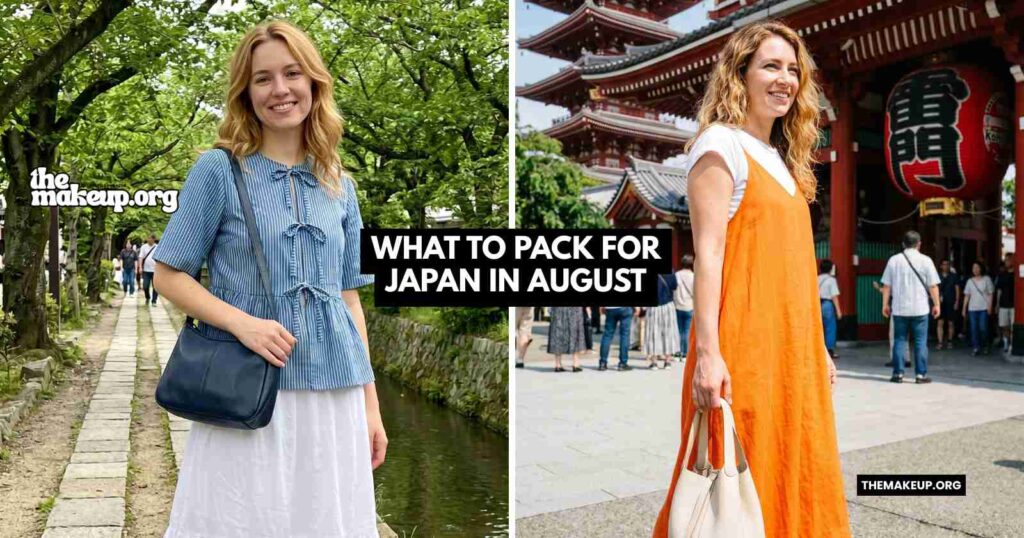
Women travelling in Japan in July will want lightweight, modest clothing that covers shoulders and knees for temple visits, along with a small foldable fan and cooling spray for the heat. A small crossbody bag works well for busy train stations and tourist areas. Comfortable, already-worn-in shoes are important since walking distances add up fast.