
Japan in July is genuinely one of my favourite times to visit, and I want you to feel prepared the moment you step off the plane.
What to wear in Japan in July comes down to real choices: the heat in Tokyo and Osaka hits differently than most European summers, and the humidity changes how every fabric feels on your skin.
I’d focus on three things from the start: breathable natural fabrics like linen and cotton, footwear you can walk miles in, and one slim layer for the aggressively air-conditioned trains and department stores.
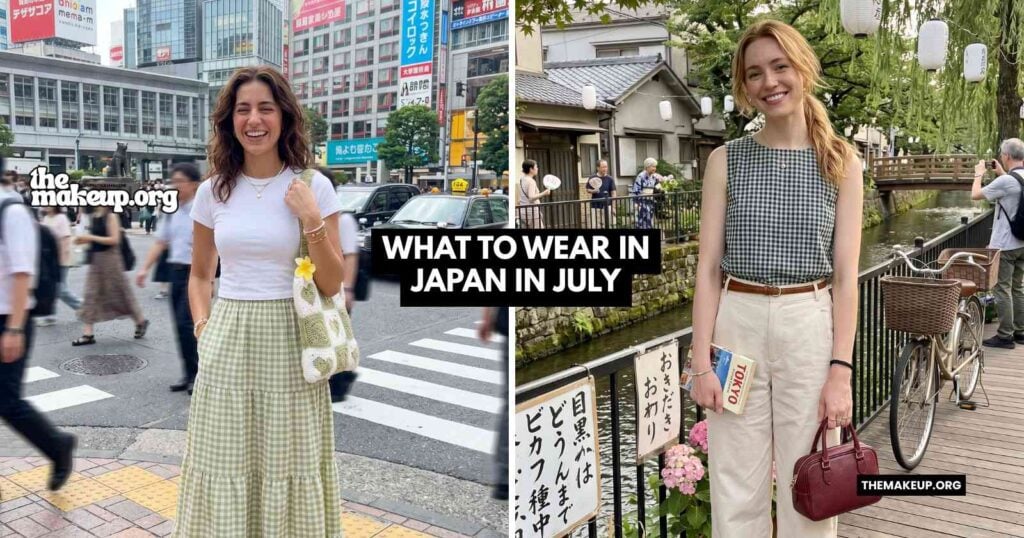
Those three decisions will carry you from temple visits to evening dinners without a wardrobe crisis.
Temperatures across the country in July typically sit between 18°C and 30°C (64°F and 86°F), though Tokyo and Osaka can feel hotter thanks to urban heat. Locals dress with real intention in this season; neat, light, and rarely revealing, even on the hottest days.
Below you’ll find city-specific ideas, notes on the ongoing rainy season that bleeds in from June, what works for sightseeing from morning to evening, and a full checklist so you can pack with confidence.
What to Wear in Japan in July
Weather & Climate
July temperatures in Japan usually range from 18°C to 30°C (64°F to 86°F), but the humidity is what you’ll really feel. In Tokyo and Osaka especially, stepping outside can feel like walking into a warm, damp cloud.
Mornings are marginally cooler, but by midday you’ll want as little fabric as possible while still looking put-together.
It’s worth knowing that July is technically still part of Japan’s rainy season, which typically runs from June into mid-July depending on the region. By late July the rains ease, but earlier in the month you should genuinely plan for showers.
Typhoon season also begins to ramp up around this time, so keeping a packable rain layer in your bag every day is practical, not paranoid.
August is even hotter and more humid, so if you’re visiting in July you’re catching the tail of the wet season before the full summer heat peaks. That context matters for packing: you need rain-ready clothes as much as sun-ready ones.
| Region / City | Average High | Average Low | Weather Characteristics |
|---|---|---|---|
| Sapporo (Hokkaido) | 25°C (77°F) | 17°C (63°F) | Mild, comfortable, and completely misses the rainy season. |
| Tokyo & Central Japan | 29°C–34°C (84°F–93°F) | 23°C (73°F) | Extremely humid, trapping heat overnight due to urban density. |
| Kyoto & Osaka | 31°C (88°F) | 24°C (75°F) | Oppressive, stagnant heat; heavy late-afternoon downpours. |
| Naha (Okinawa) | 31°C (88°F) | 26°C (79°F) | Tropical and sunny; its rainy season ends early, but typhoon risks begin. |
How Locals Dress ✨
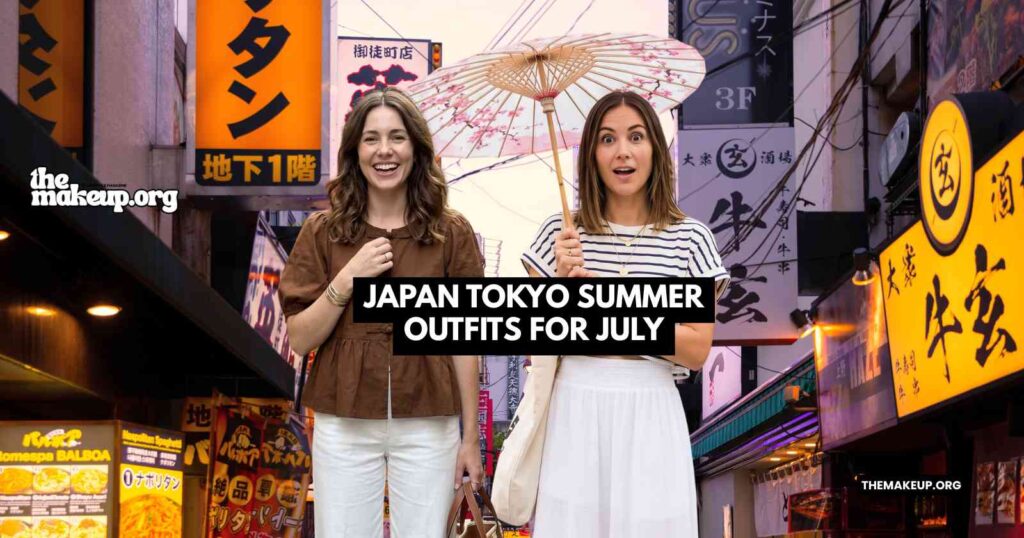
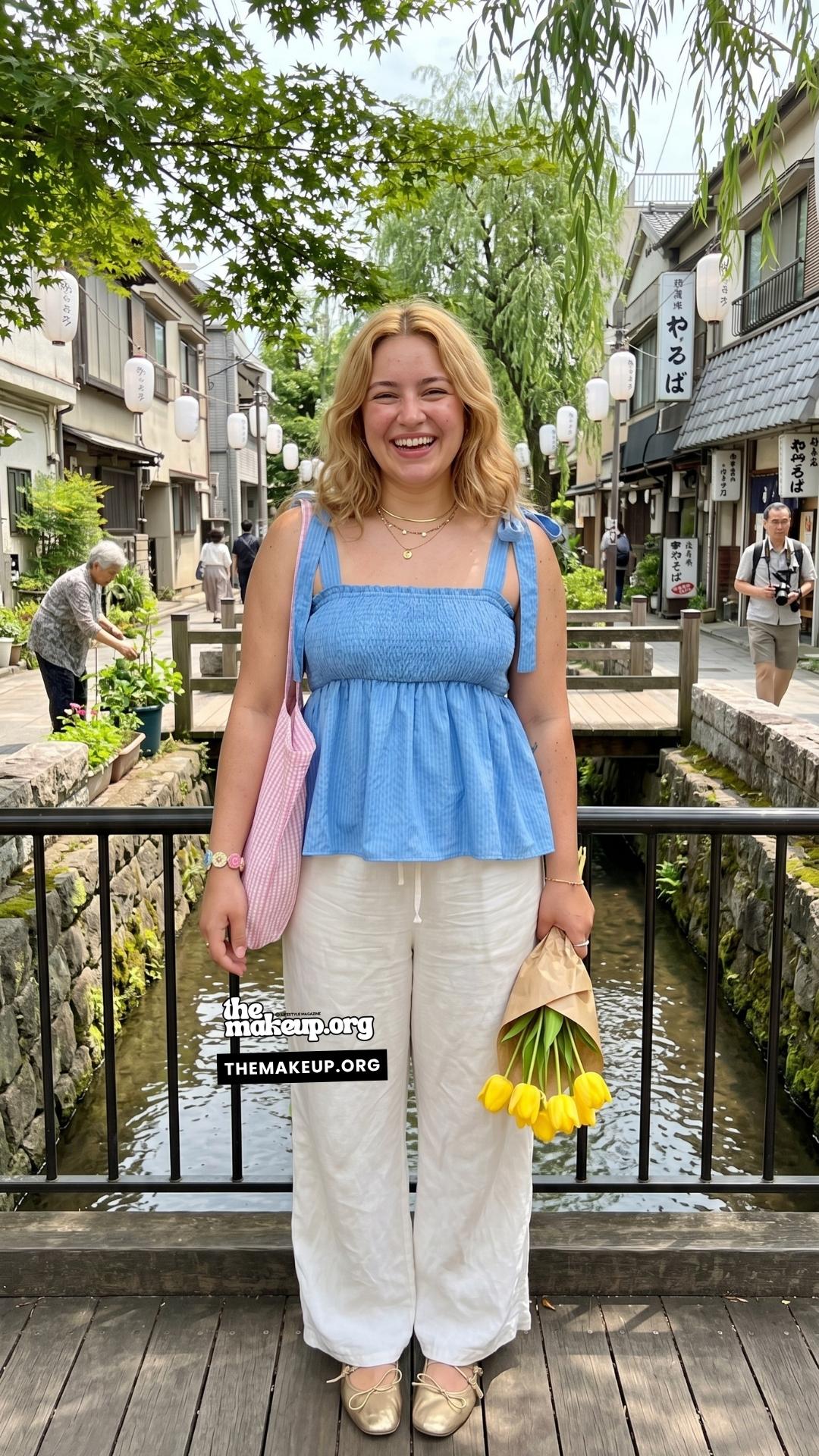
Japanese locals manage to look polished even when the temperature is pushing 30°C (86°F). You’ll see loose trousers, soft linen shirts, and midi skirts or dresses that move easily and stay fresh through a long day of walking.
Outfits have a clean, considered quality — nothing sloppy, nothing excessive.
Light fabrics are the norm, but the style is rarely what you’d call beach-casual. Think neat and unfussy rather than relaxed resort wear. Accessories are understated and functional: a UV-protection parasol is genuinely common, small bags keep hands free, and hats are worn for sun protection first, style second.
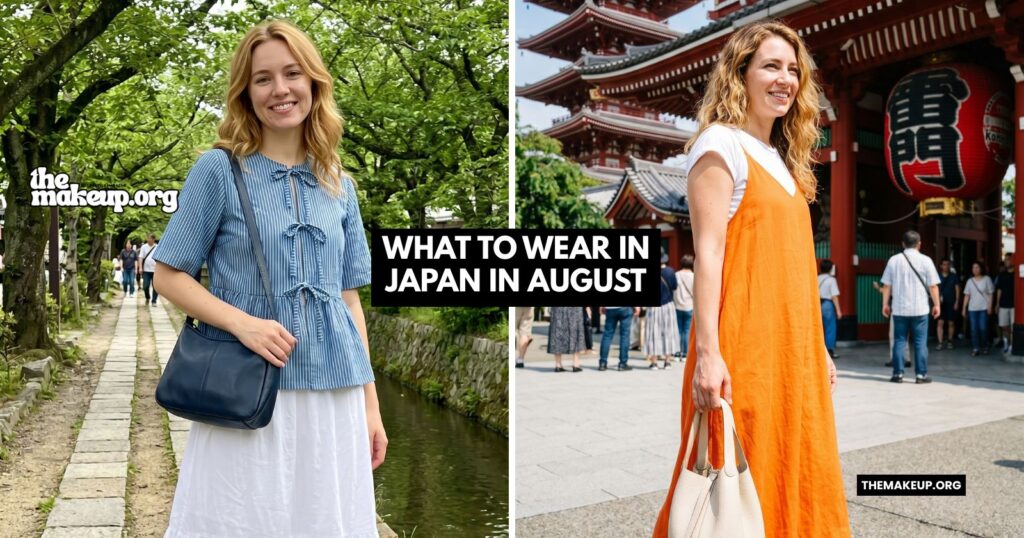
One thing I notice every year is how little skin locals show, even in the heat. Longer hemlines and covered shoulders are the quiet standard in most urban areas. Matching that approach means you’ll feel comfortable in temples, city streets, and restaurants without thinking twice.
Outerwear 🧥
Heavy outerwear has no place in July. What you actually need is a light, packable rain jacket that folds into its own pocket — one that handles both a sudden downpour and the chill of an over-air-conditioned subway car. A cotton overshirt works for the same dual purpose on drier days.
If you’re planning day trips outside Tokyo or Osaka, into the mountains or up to temple complexes with shade, mornings can feel cooler than the city. A single thin layer tucked into your bag will cover every scenario without adding real weight to your packing.
Layers & Fabrics 🧵
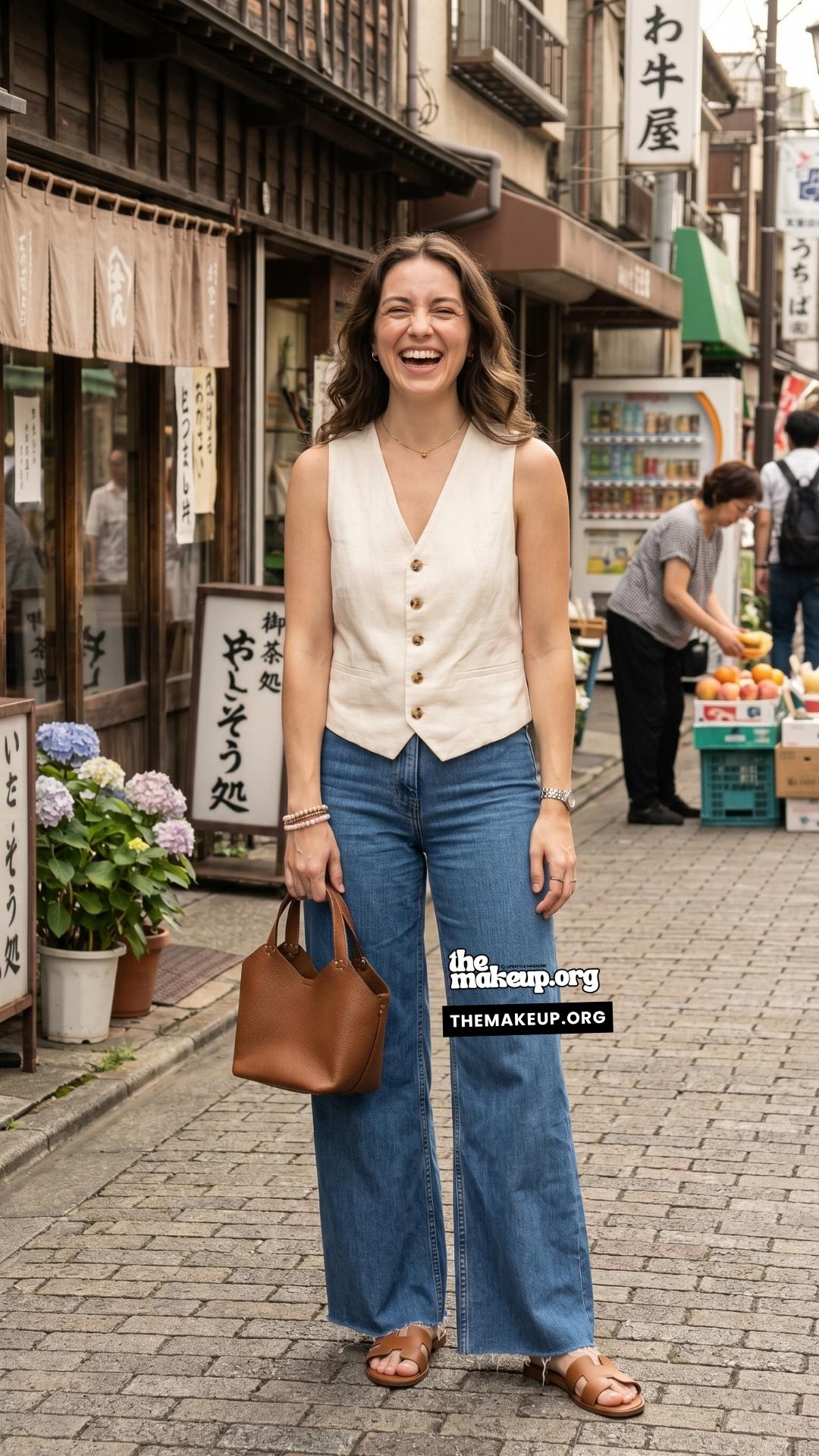
Because the heat and humidity shift throughout the day, fabric choice matters more here than almost anywhere else. Linen and cotton are your best friends — they breathe, they dry quickly after a light sweat, and they look intentional rather than athletic. Technical moisture-wicking blends are also worth considering for heavy sightseeing days.
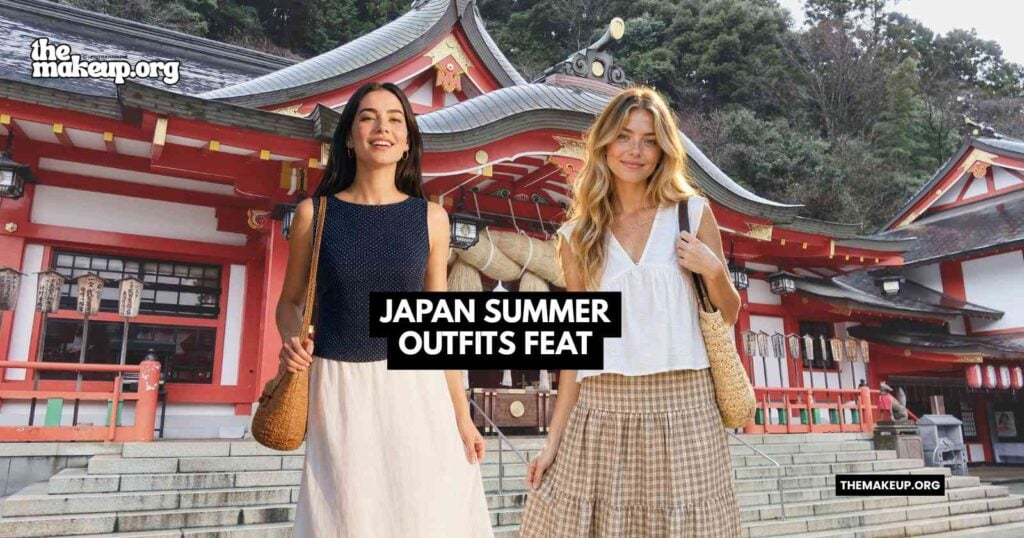
Avoid synthetic fabrics that trap heat, and skip anything lined or structured. Aim for clothes that layer easily without adding bulk: a thin cardigan, an open linen shirt worn over a cotton camisole, or a breezy button-through dress with a lightweight scarf draped over your shoulders when you step inside.
Tops 👚
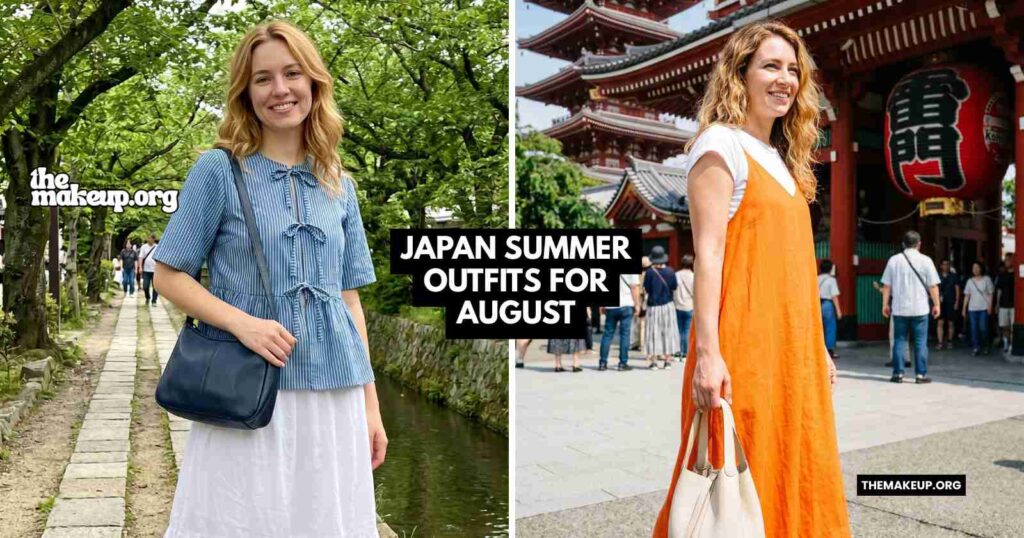
Short-sleeved shirts, airy blouses, and clean-cut tees are all solid choices for July. If you’re visiting temples or shrines, opt for tops that cover your shoulders — a loose short-sleeve or a light button-down works perfectly and keeps you respectful without adding heat.
Patterns and color are absolutely fine, but Japanese summer style tends toward quiet tones: white, pale blue, soft green, and light neutrals read as effortlessly local. Save the bold prints for one statement piece if you love them, then build the rest of the outfit around something simple.
Bottoms 👖
Lightweight trousers and midi skirts are the most versatile choices for sightseeing. Wide-leg linen pants and culottes are especially popular because they keep air moving around your legs while still looking neat enough for a nicer restaurant in the evening.
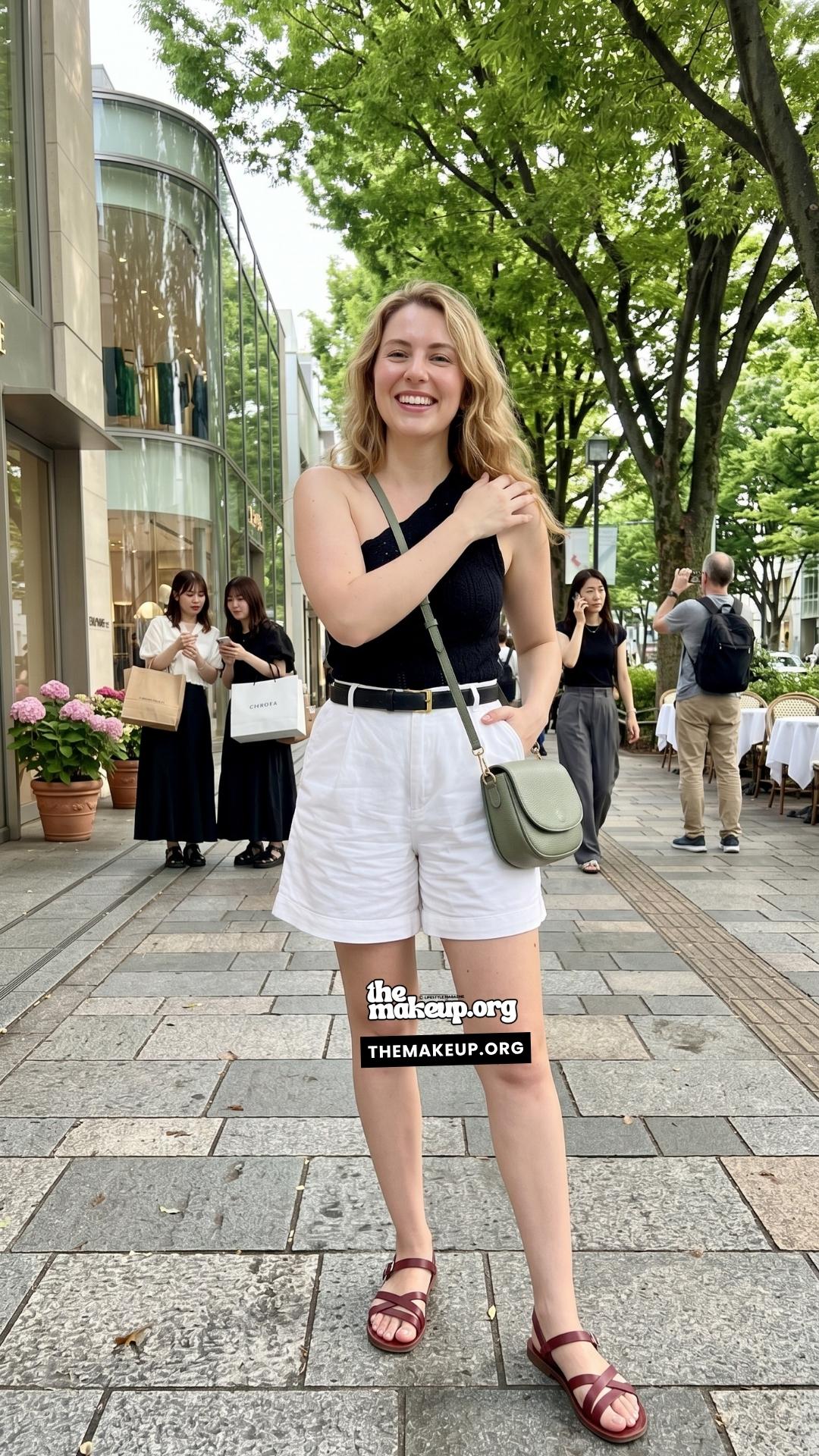
Shorts are perfectly acceptable — particularly in tourist-heavy areas of Tokyo like Harajuku or Asakusa — but most locals prefer longer lengths in the city. If you want to blend in or feel comfortable in a wider range of settings, a just-above-the-knee length or longer is a safe and stylish call.
Dresses 👗
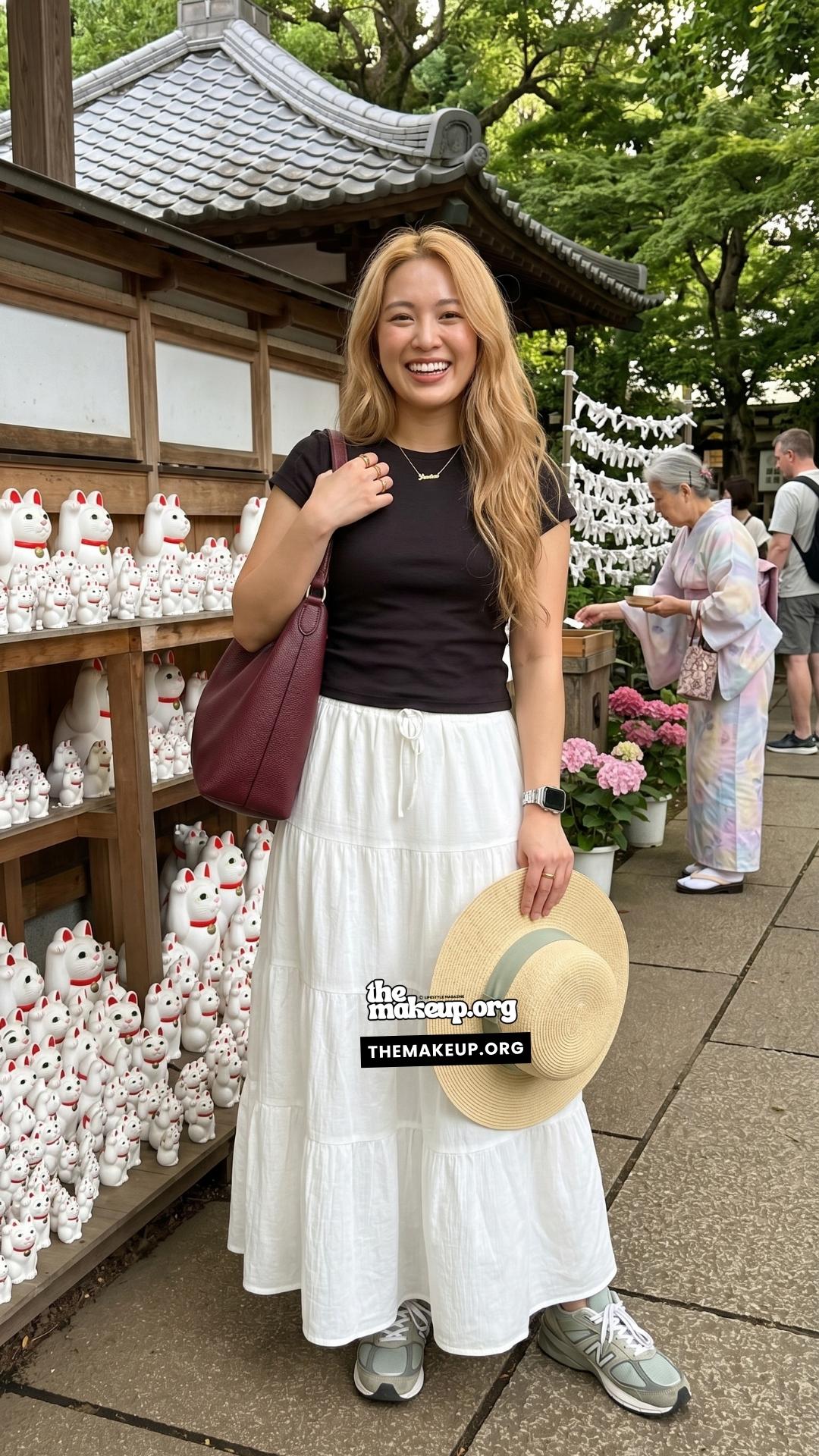
A midi or knee-length dress in breathable cotton or linen might be the single most useful item you pack for Japan in July. It’s one piece that handles the heat, looks considered, and transitions easily from a morning at a temple to an evening out. Flowy, simple shapes work best — nothing structured, nothing tight.
Bring a light scarf or thin cardigan to layer over it when you’re inside. Department stores, the metro, and many restaurants in Tokyo and Osaka keep their air conditioning at an intensity that will genuinely make you reach for a layer, even when it’s 28°C (82°F) outside.
Shoes 👢
Comfortable shoes are non-negotiable. You will walk more than you expect, and the combination of heat and distance means unsupportive footwear becomes a real problem by day two. Lightweight sneakers, supportive flat sandals, and leather or canvas loafers all work well and fit the local aesthetic.
Slip-on styles are genuinely convenient in Japan, where you’ll remove your shoes when entering many traditional spaces — including some restaurants. Water-resistant sandals or sneakers are worth considering for the wetter first half of July. Whatever you choose, make sure they’re broken in before you travel.
Packing for Both Tokyo and Osaka
Most visitors split their time between Tokyo and Osaka, and the good news is that the same wardrobe covers both cities easily. Tokyo’s style tends to be slightly more fashion-forward, with neighborhoods like Shimokitazawa or Daikanyama rewarding a more considered outfit.
Osaka has a warmer, more relaxed energy, and the street style around Dotonbori and Namba is a little more playful.
In practical terms, both cities are intensely walkable and both have excellent transport with heavily air-conditioned carriages. Your core packing list — linen tops, lightweight trousers or midi skirts, supportive shoes, and a rain layer — works perfectly across both.
The difference is more about how you style it than what you actually pack.
If you’re adding day trips — Kyoto is an easy train ride from Osaka, and Nikko or Kamakura from Tokyo — keep in mind that temple-heavy destinations call for a little more coverage. A scarf that doubles as a shoulder wrap is one of the most useful things in your bag on those days.
Accessories 🧣
A compact umbrella or packable rain jacket is the most practical accessory you can bring in July. Sunglasses, a broad-brimmed hat, and a light scarf all pull double duty for sun and shade. If you want to go fully local, a UV-protection parasol is widely used and genuinely effective.
For bags, a small crossbody or a slim lightweight backpack keeps your hands free for navigating, carrying a water bottle, and tucking away that extra layer. Keep it minimal — Japanese style doesn’t lean toward oversized totes.
Color Palette & Style Vibe 🎨
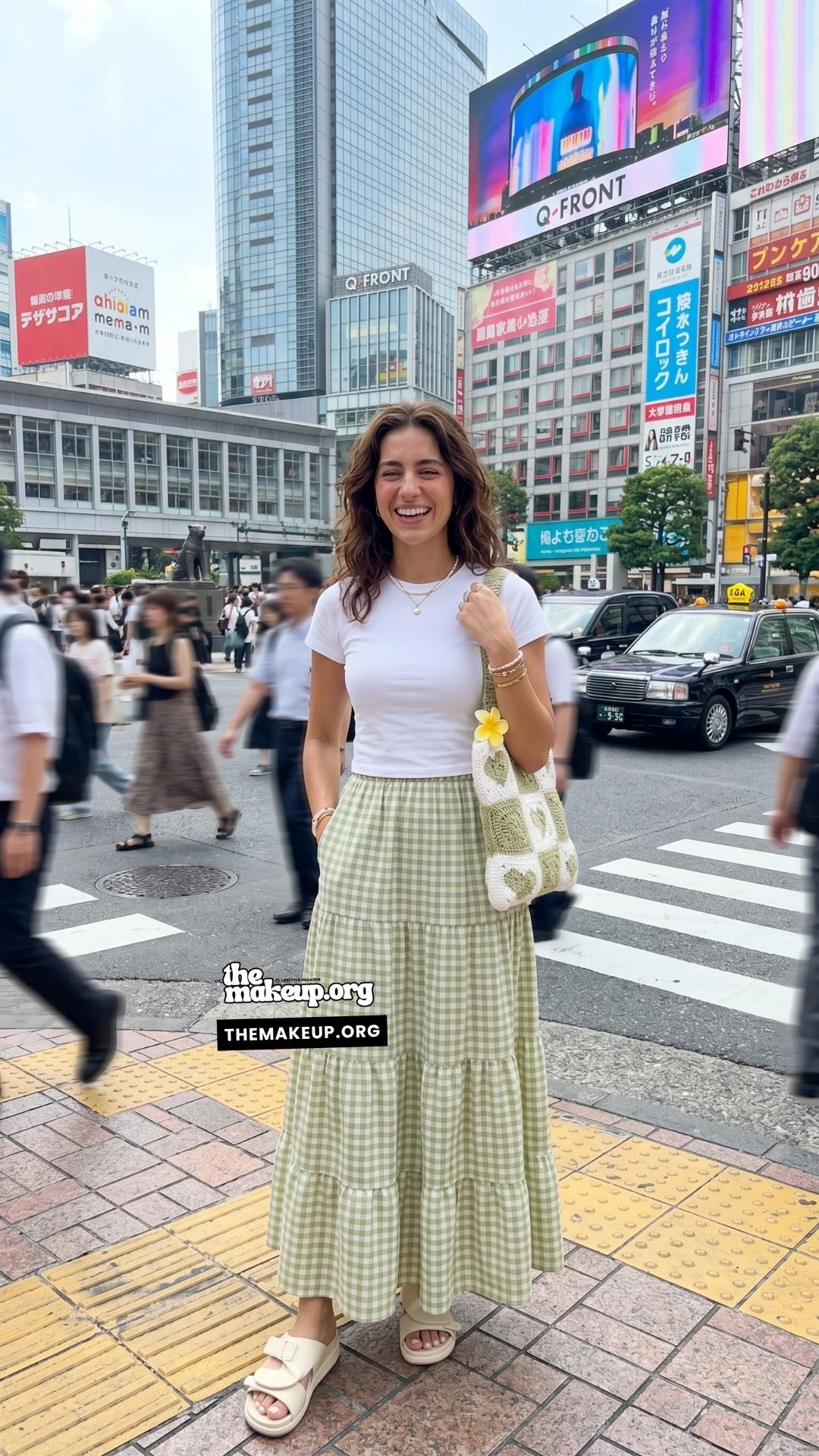
Japanese summer style leans toward gentle, airy tones: white, beige, soft grey, light blue, and warm earth colors. Outfits are clean and uncluttered, with a quiet confidence rather than a loud statement. If you love color, one standout piece in a muted shade reads as very much in step with the local aesthetic.
There are no colors that are truly forbidden for tourists, but very bright or heavily branded pieces tend to stand out in a way that feels misaligned with the mood of most cities. Think of the palette as a calm, considered backdrop, and your trip photos will thank you.
Daytime vs Evening Outfits 🌞🌙
During the day, lightweight clothes handle the heat and humidity best — this is not a season for holding anything back in the name of looking polished. When evening comes, temperatures ease slightly, especially in open spaces along the rivers or in park areas, so a thin layer becomes welcome rather than optional.
The good news is that Japan doesn’t demand a full outfit change between day and night. A midi dress with a scarf and a nicer pair of sandals works beautifully for dinner. Dressier accessories, a long skirt swapped in for trousers, or a slightly more structured top are all you need to shift the mood.
What to Wear as a Woman in July
If you’re thinking specifically about what to wear in Japan as a woman, the honest answer is that Japanese women dress with a lot of personal style, but the general register is modest and intentional. Midi dresses, wide-leg trousers, linen blouses, and neat flats or loafers are the everyday vocabulary.
You won’t see much visible underwear, very short shorts, or bare midriffs in most city neighborhoods outside beach areas.
The great news is that this approach is also exactly what works best for the heat. Flowy, longer pieces in natural fabrics keep you far cooler than tight shorts and a crop top, which trap heat and draw more attention than you might want. Dressing thoughtfully here is genuinely functional, not just cultural.
For temple visits specifically, having a scarf large enough to cover your shoulders is the only real rule to observe. Most sites don’t enforce a strict dress code the way some other countries do, but having a light wrap in your bag means you never have to think about it.
Common Mistakes / What to Avoid 🚫
The most common mistake is underestimating the humidity. You might pack the same wardrobe you’d bring for a warm European trip, but Japan in July is a different level of sticky. Heavy fabrics, thick layers, and anything non-breathable will make you miserable by midday.
Very short shorts and crop tops are less common in urban areas, and while no one will say anything, you may find yourself feeling out of step in the wrong settings. Overly athletic or gym-wear outfits can also stand out — locals tend to look neat even on the hottest days.
One practical mistake: forgetting footwear you can slip on and off. Japan has so many beautiful spaces — traditional restaurants, ryokan, temple interiors — where shoes come off. Shoes with complicated laces or buckles become a minor daily frustration, and something simple saves real energy.
Final Tips & Best Practices ✅
Pack clothing you can mix and match, keeping the total count low. Japan’s approach to style is about ease and intention, not volume, and you’ll find that five or six well-chosen pieces get you much further than a stuffed suitcase.
Always check the forecast before you head out, particularly in early July when rain is still likely.
One thing I always do is research the specific areas I’m visiting each day — a morning in a covered market in Osaka calls for different footwear than an afternoon climbing temple steps in Kyoto. That level of planning takes ten minutes the night before and makes the whole day smoother.
Final Outfit Checklist 📝
For Japan in July, think light and intentional: short-sleeved linen or cotton shirts, loose trousers or midi skirts, a breezy midi dress, and a thin cardigan or scarf for indoor spaces. A packable rain layer or compact umbrella covers the wetter first half of the month, and supportive, slip-on-friendly shoes handle the distance you’ll cover each day.
Subtle accessories, a neat hat or parasol for sun protection, and a small crossbody bag complete the picture. With these choices in place, you’ll feel genuinely comfortable and in step with the cities around you, from the first morning to the last evening.
FAQ: What to Wear in Japan in July
What is the 5 minute rule in Japan?
The “5 minute rule” in Japan refers to the social expectation of arriving slightly early rather than on time or late. Being five minutes early to a meeting, tour, or reservation is considered respectful and considerate of others’ time.
In a travel context, it’s a good habit to carry into guided tours and train departures, where punctuality is taken seriously.
What is the 3-3-3 rule for clothes?
The 3-3-3 packing rule suggests choosing three bottoms, three tops, and three shoes that all work together, keeping your total outfit combinations high and your bag light. For Japan in July, this translates well: three lightweight bottoms like linen trousers, a midi skirt, and a dress, paired with three breathable tops, will cover most situations.
It’s a genuinely useful framework for a humid, active trip.
Is $5,000 enough for 2 weeks in Japan?
Yes, $5,000 is a reasonable budget for two weeks in Japan, covering accommodation, food, transport, and activities, though the amount of comfort it buys depends on how you travel. Budget travelers can manage on less, while those planning nicer hotels or longer bullet train journeys will spend more.
Shopping and dining in Tokyo and Osaka can add up quickly, so it’s worth planning your daily spend in advance.
What is frowned upon in Japanese culture?
Eating or drinking while walking, speaking loudly on public transport, and tipping in restaurants are all considered impolite in Japan. Dressing very casually or revealingly in temples, shrines, or traditional restaurants can also feel out of place, even if nothing is said directly.
Being aware of these norms makes daily life easier and shows genuine respect for the places you’re visiting.
What colors should women avoid wearing in Japan?
There are no colors officially off-limits for tourists in Japan, but extremely bright or heavily logoed clothing tends to stand out in most urban neighborhoods in a way that feels misaligned with local style. Japanese summer style leans toward soft neutrals, light blues, and muted earth tones.
Dressing in that palette is a style choice as much as a cultural one, and it tends to make your trip photos look much better too.
What should women wear in Japan in summer?
Women visiting Japan in summer, including July and August, do best in midi dresses, linen trousers, and lightweight blouses in breathable natural fabrics. Longer hemlines and covered shoulders are the quiet norm in most cities and are also genuinely cooler than shorts and sleeveless tops in high humidity.
Add a compact umbrella, a hat for sun protection, and comfortable slip-on shoes, and you’re well set.
What is the dress code for temples and shrines in Japan in July?
Japan’s temples and shrines rarely enforce a strict dress code the way some sites in other countries do, but covered shoulders and modest hemlines are appreciated and sometimes required. A light scarf or cardigan in your bag that you can drape over your shoulders solves this completely.
In July’s heat, a thin cotton or linen wrap is easy to carry and serves as sun protection on the walk between sites too.
Final Takes
Japan in July rewards thoughtful packing more than heavy packing. The combination of heat, humidity, and the ongoing rainy season means breathable fabrics, a rain layer, and supportive shoes do real work every single day. Keep the palette calm, the silhouettes loose, and the bag lighter than you think you need.
Whether you’re spending most of your time in Tokyo, moving between Osaka and Kyoto, or mixing city days with temple visits, the same core wardrobe carries you through. Dress with a little intention and you’ll feel at ease everywhere — and you’ll enjoy every day of the trip that much more.