
The shoes you bring on a Switzerland trip in August will matter more than almost anything else in your bag. You will walk cobblestone streets in Zürich, uneven paths near mountain lakes, and long uphill stretches to viewpoints — none of that is kind to shoes you have not broken in yet.
Bring shoes you have already worn for a full day. Blisters by day two will limit your whole trip, and that is the one thing you genuinely cannot fix mid-journey.
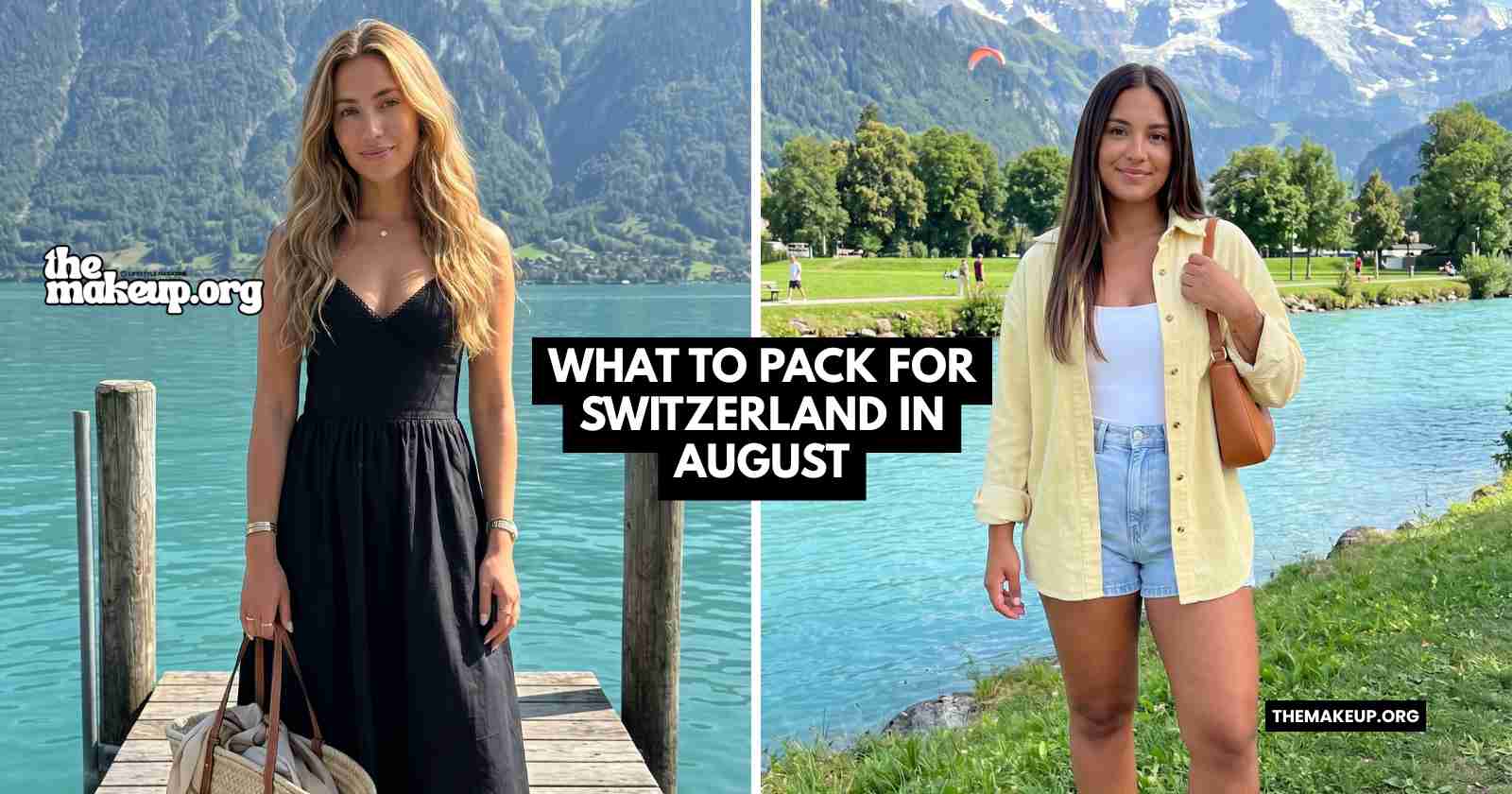
Beyond shoes, figuring out what to pack for Switzerland in August comes down to one real challenge: the temperature swings. A warm summer afternoon in Lucerne can turn cold fast once you take a cable car up into the Alps.
I always pack one reliable warm layer and one compact rain layer I can grab without digging through my whole bag. Evenings in the cities can be mild, but up at glacier level or after sunset in the mountains, you will want both.
Note: This is a complete packing list. If you would rather travel light, there is a pack-light section right after it.
What Is the Weather Like in Switzerland in August?
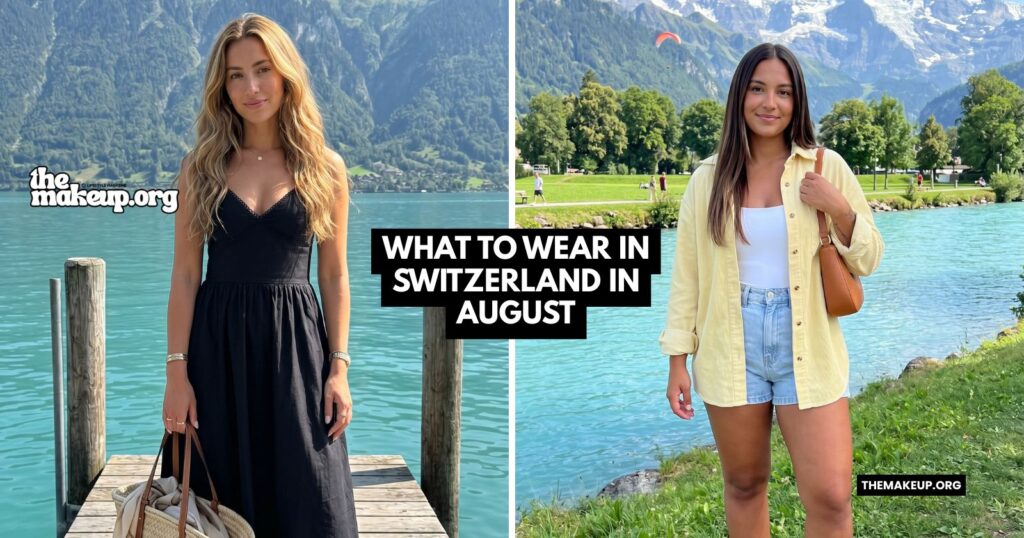
August in Switzerland usually runs about 14°C to 25°C (57°F–77°F), but it can feel cooler fast in the mountains and warmer by the lakes. I pack for sunny afternoons, cool evenings, and sudden showers—especially if I’m doing any alpine trains or lifts.
Your Complete What To Pack For Switzerland In August
Packing smart will help you make the most of your trip. Here’s everything you need to bring for a comfortable and stylish adventure.

Carry-On Suitcase / Travel Bag Duffle / Portable Steamer / Packing cubes / Luggage scale / Wireless Noise-Cancelling Headphones / Speaker / Portable Charger / Universal Travel adapter / Compact Hair Dryer / Eye Mask / Waterproof Toiletry Bag Hanging / Zipper Pouch / Water BOTTLE / Liquid I.V. Hydration Vegan
Luggage & Packing Tools
If you want more options to have everything organized and well packed, take a look at these suggestions.

1. Rolling Backpack / 2. Luggage (large) / 3. Luggage (small) / 4. Toiletry Bag / 5. Beach Bag / 6. Backpack / 7. Packing Cubes
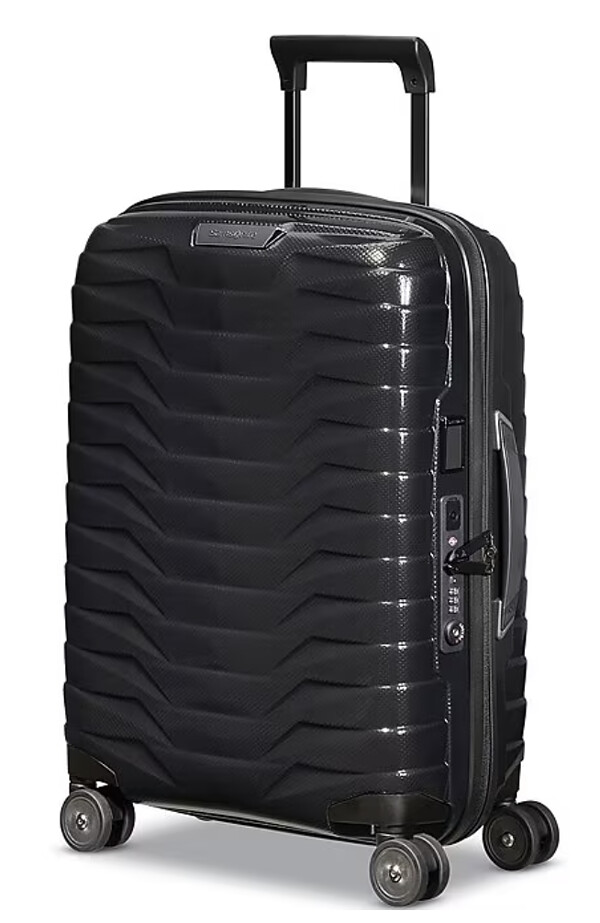
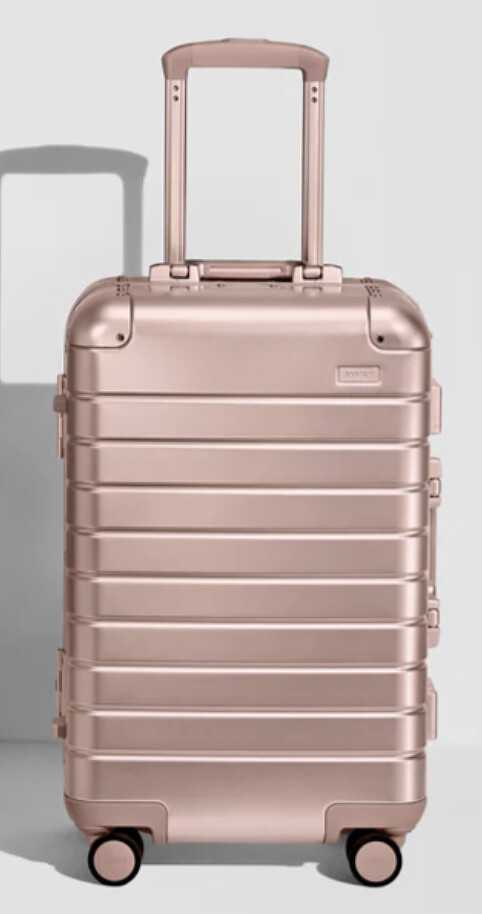
- Carry-on suitcase – A carry-on suitcase keeps essentials with you in the cabin and avoids lost luggage. It also speeds up airport exits since you can skip baggage claim.
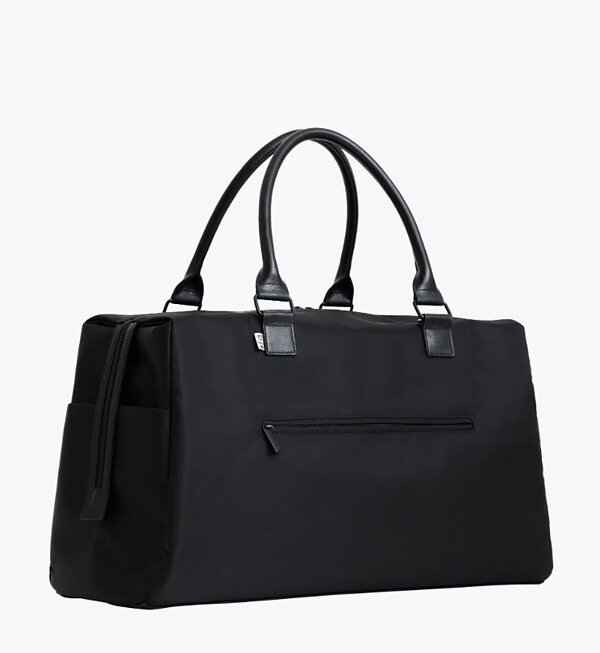
- Personal item backpack
- Packable daypack
- Packing cubes set
- Compression packing bags
- Lightweight laundry bag
- Small crossbody security bag
- Reusable water bottle
- Fold-flat tote bag
- Luggage ID tags
- TSA-approved suitcase locks
Clothes
- Lightweight waterproof shell jacket (1 PCS)
- Packable insulated jacket or thin puffer (1 PCS)
- Midweight sweater or fleece layer (1–2 PCS)
- Long-sleeve layering tops (2–3 PCS)
- Breathable T-shirts (3–5 PCS)
- Lightweight trousers or travel pants (2 PCS)
- Jeans or denim trousers (1 PCS)
- Shorts for warmer lake days (1–2 PCS)
- Casual dress or one-piece outfit (1–2 PCS)
- Sleepwear set (1 PCS)
- Underwear (6–8 PCS)
- Sports bras or bralettes (2–3 PCS)
- Merino or hiking socks (4–6 PCS)
- No-show socks for city sneakers (2–3 PCS)
Skincare
- Broad-spectrum face sunscreen SPF 50
- Broad-spectrum body sunscreen SPF 50
- After-sun soothing gel
- Gentle facial cleanser
- Lightweight moisturizer for day
- Richer night cream for cooler evenings
- Hydrating serum with hyaluronic acid
- Lip balm with SPF
- Anti-blister balm for heels and toes
- Face mist for dry train and hotel air
- Sheet masks for post-sun recovery
Makeup
- Tinted moisturizer or lightweight foundation
- Concealer
- Cream blush
- Water-resistant mascara
- Brow gel
- Setting powder for warm afternoons
- Setting spray
- SPF lip tint or lipstick
- Makeup remover wipes
Hair Care
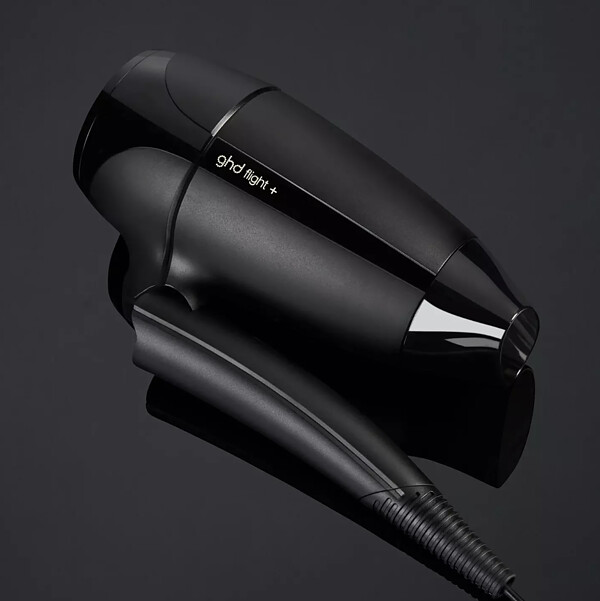
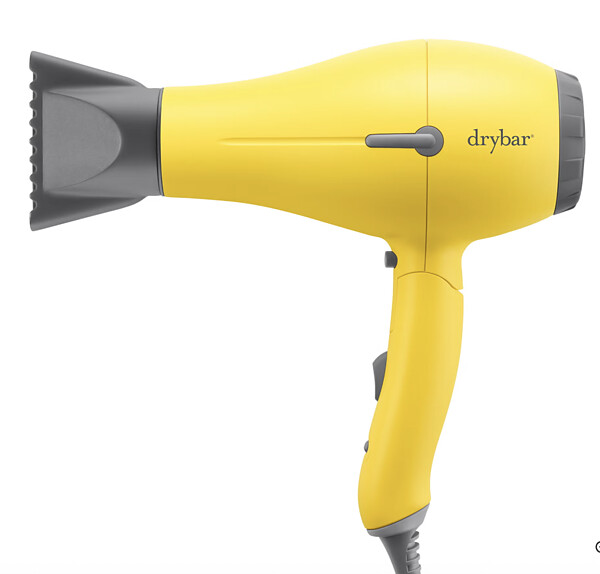
- Travel hair dryer – A travel hair dryer dries your hair fast when the room dryer is missing or weak, helping you avoid staying damp and cold and keeping hair manageable.
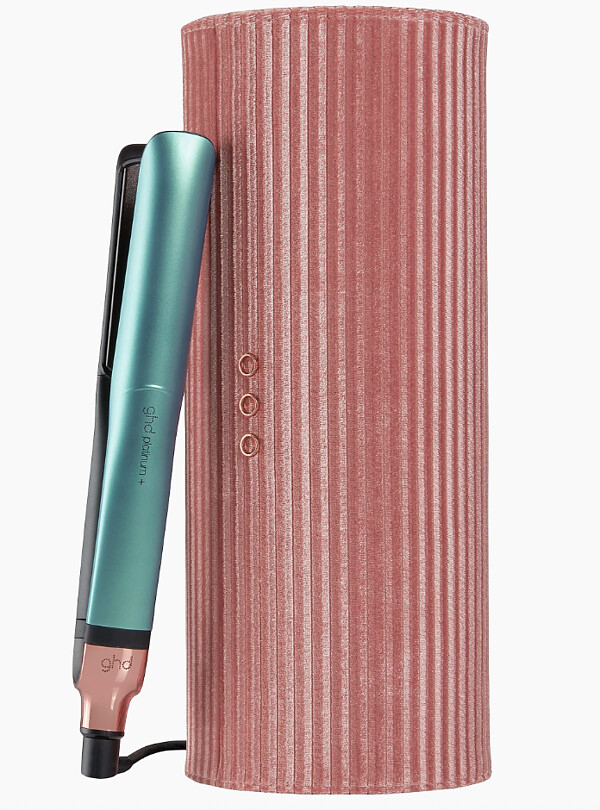
- Hair straightener – A hair straightener smooths frizz and straightens curls fast, so your hair looks neat for photos or meetings. It also helps fix awkward bends after sleeping or humidity.
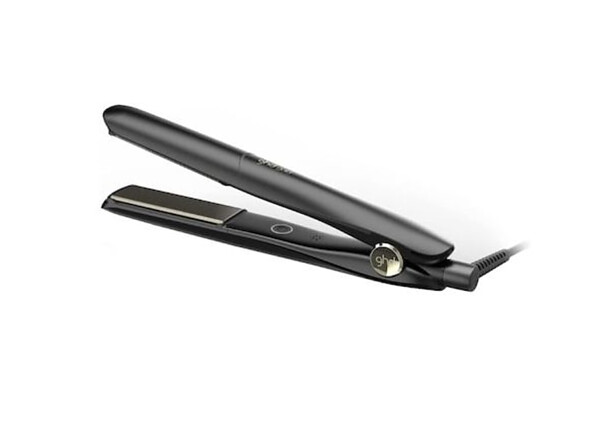
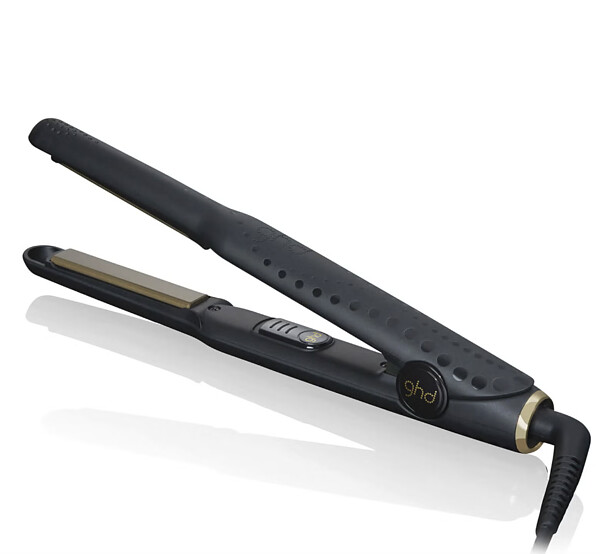
- Travel shampoo and conditioner
- Clarifying shampoo for sunscreen and sweat buildup
- Leave-in conditioner spray
- Anti-frizz serum for damp weather
- Heat protectant
- Dry shampoo
- Hair ties and scrunchies
- Bobby pins
- Wide-tooth comb
Shoes & Accessories
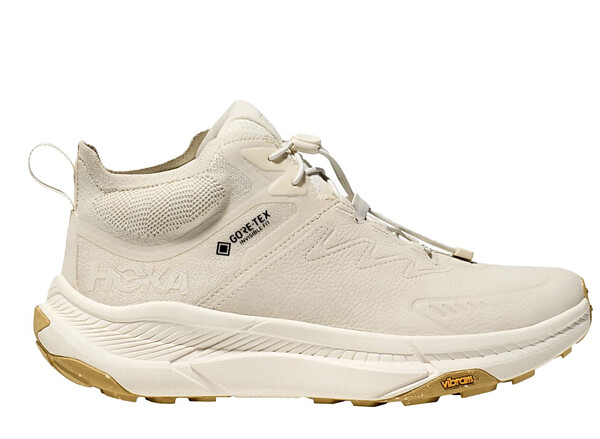
- Waterproof sneakers – Waterproof sneakers keep your feet dry in rain, puddles, or wet grass. They help prevent blisters and keep you comfortable when sidewalks and trails stay damp.
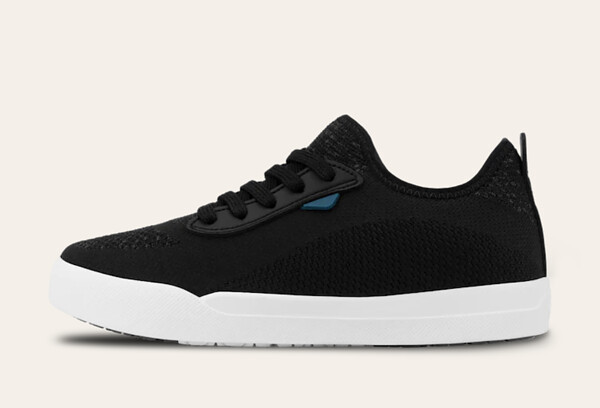
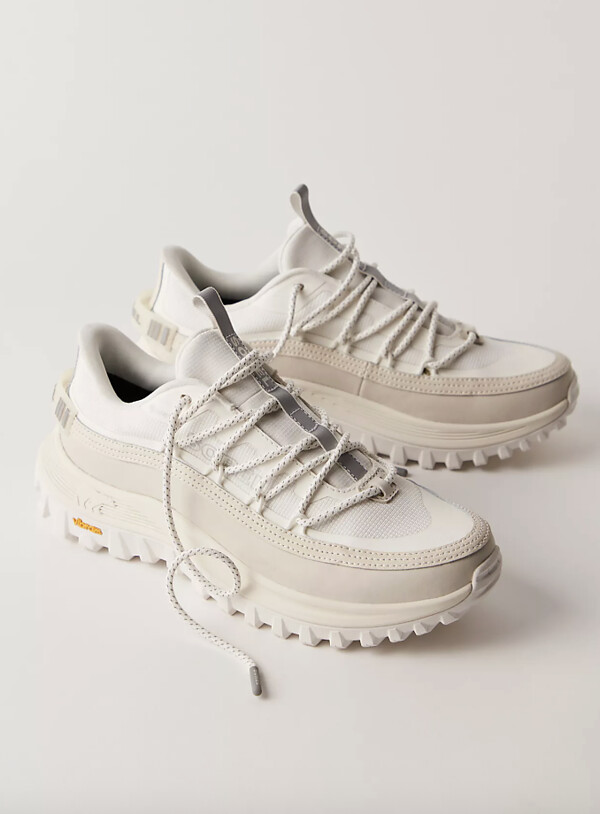
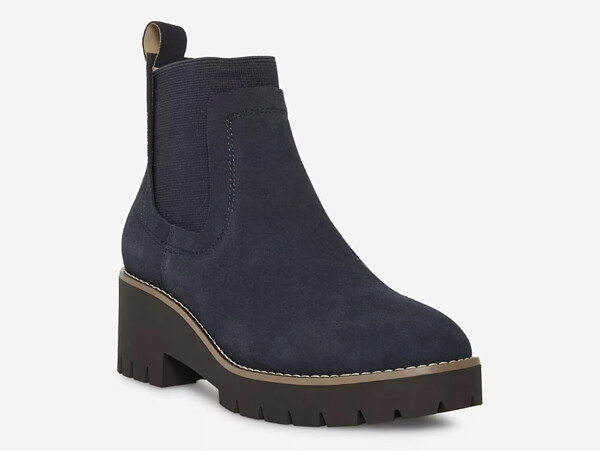
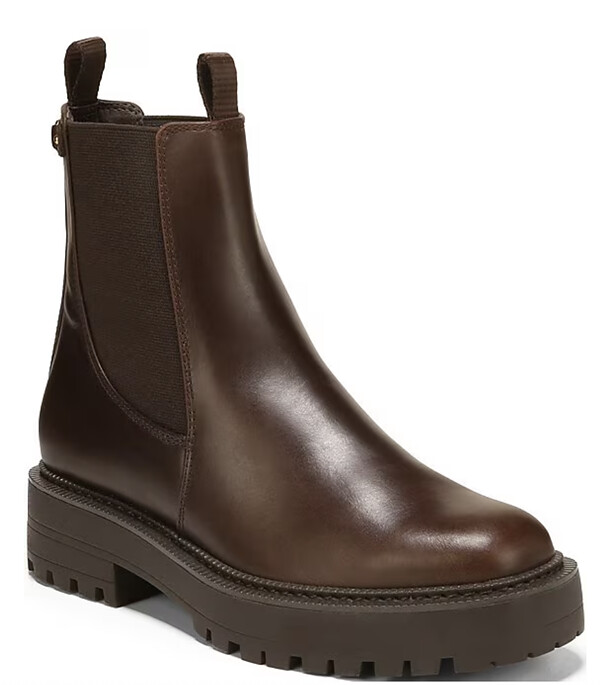
- Ankle boots – Ankle boots support your ankles and handle uneven streets and light rain better than sneakers. They look neat enough for dinners while staying comfortable for long walks.
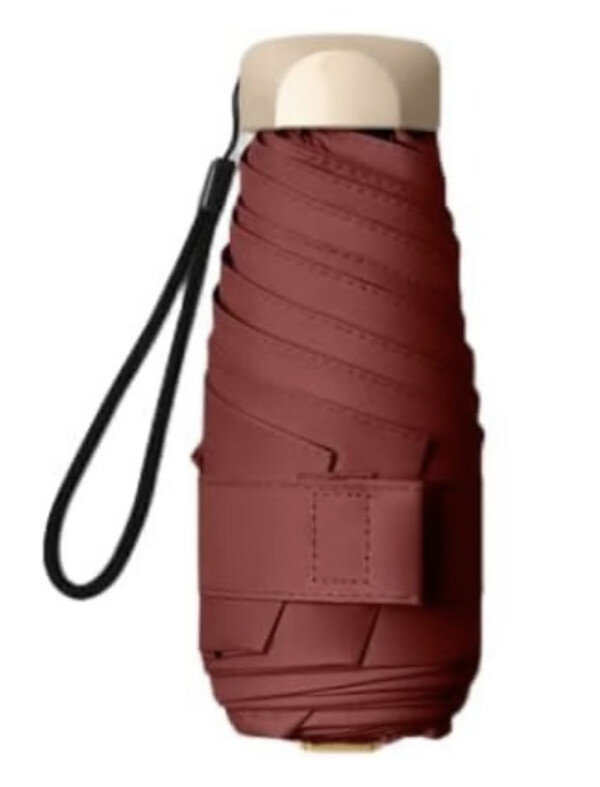
- Compact travel umbrella – Sudden rain can soak your clothes and bag fast; a compact travel umbrella keeps you dry while walking or waiting outside. It folds small, so it fits in a day bag.
- Supportive walking shoes (1 PCS)
- Hiking shoes for alpine trails (1 PCS)
- Sandals with arch support (1 PCS)
- Light scarf for breezy evenings (1 PCS)
- Sun hat or cap (1 PCS)
- Sunglasses with UV protection
- Reusable poncho or rain cape (1 PCS)
- Thin gloves for high-elevation chill (1 PCS)
- Daypack rain cover
Documents & Essentials
- Passport
- Wallet with chip-enabled credit card
- Swiss Francs in small bills
- Travel insurance policy details
- Hotel confirmations
- Train and cable car reservations
- Driver’s license and ID
- International driving permit
- Emergency contact card
- Printed copies of key documents
- Reusable mask for crowded trains
First Aid
- Travel first aid kit – A travel first aid kit covers small cuts, blisters, and headaches with basics like bandages, wipes, and pain relievers, so minor problems don’t derail your day.
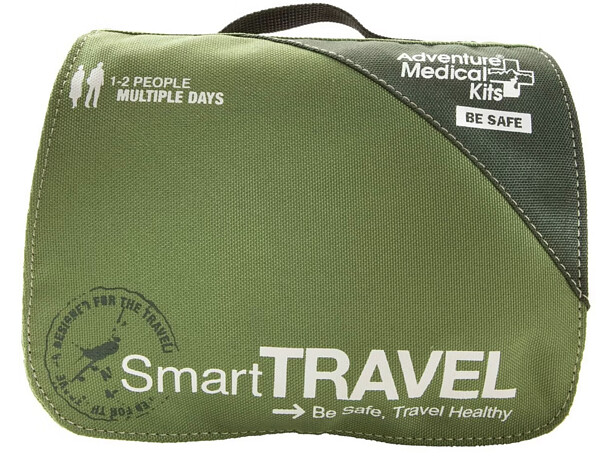
- Blister pads and moleskin
- Ibuprofen or naproxen
- Antihistamine tablets
- Anti-diarrheal tablets
- Motion sickness tablets for mountain transport
- Hydrocortisone cream
- Antiseptic wipes
- Elastic bandage wrap
- Tweezers
Health & Hygiene
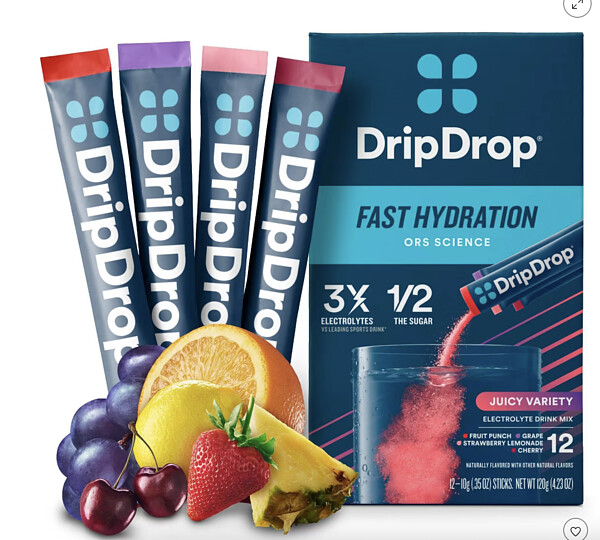
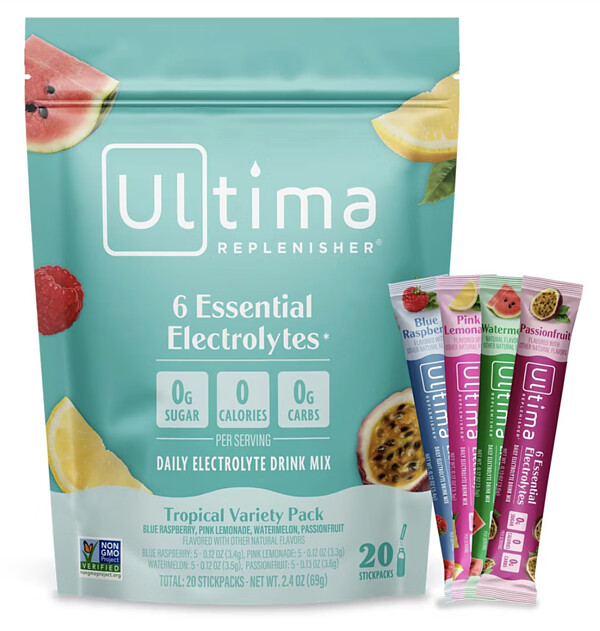
- Electrolyte powder – Electrolyte powder replaces salts you lose from sweating, heat, or stomach issues, so water hydrates better. It can reduce dizziness and fatigue during long, active days.
- Deodorant
- Travel toothbrush and toothpaste
- Floss picks
- Hand sanitizer
- Wet wipes
- Travel tissues
- Feminine hygiene products
- Razor and shave gel
- Body wash
- Nail clippers and nail file
- Mini laundry detergent sheets
Tech & Electronics
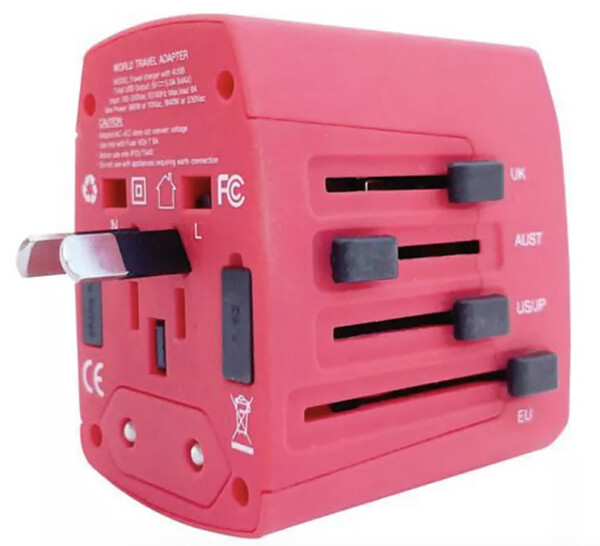
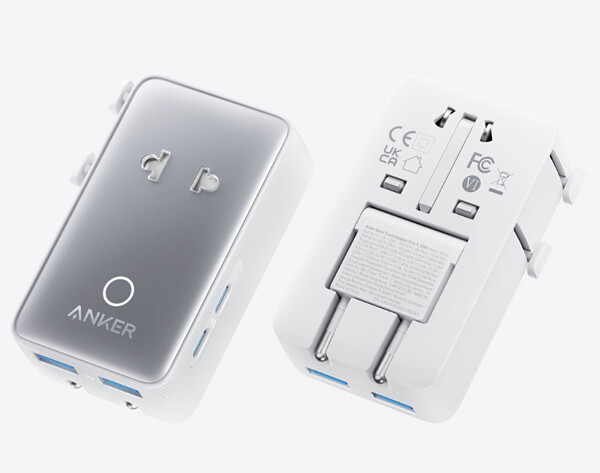
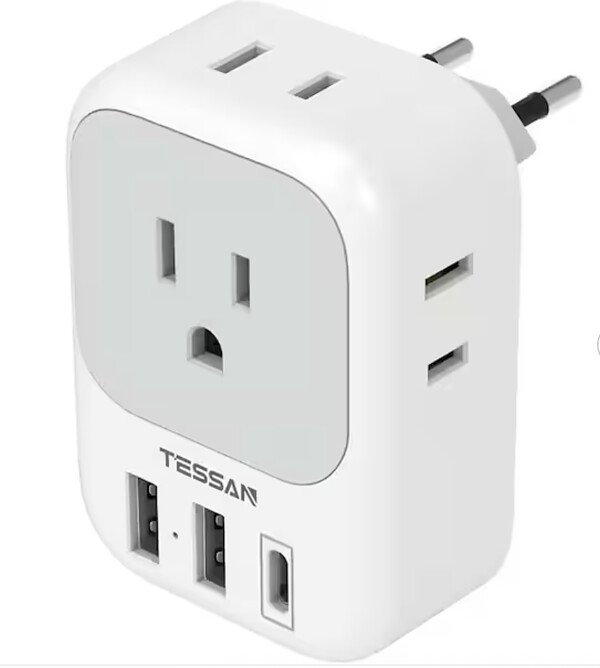
- Universal travel adapter – A universal travel adapter lets your plugs fit different outlet shapes, so you can charge phones and laptops in multiple countries without hunting for the right plug.
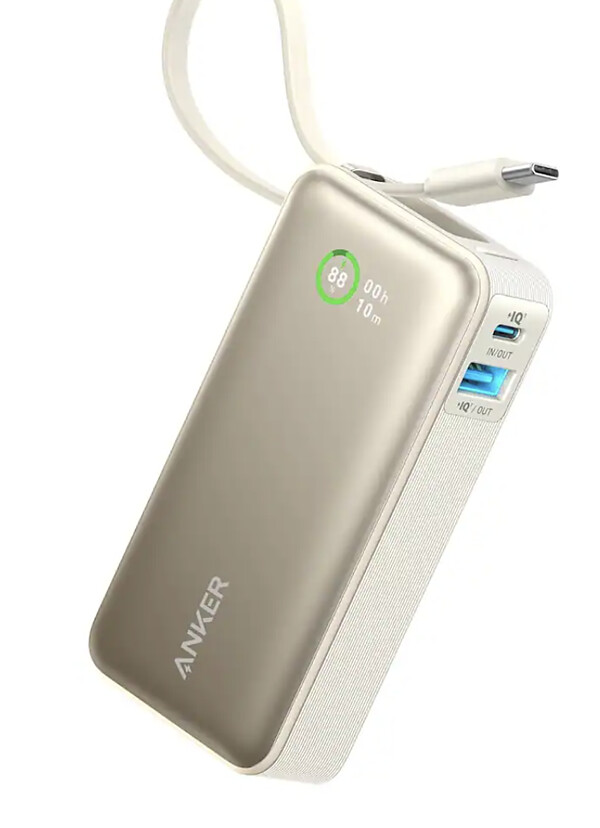
- Power bank – A power bank recharges your phone and earbuds when no outlet is available, keeping maps, tickets, and calls working during delays or long transit.
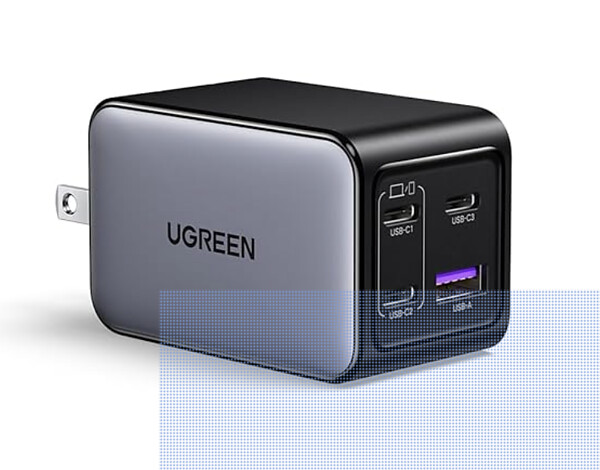
- Wall charger – Use a wall charger to power your phone and other devices from an outlet faster than most USB ports. It helps when power banks are empty or hotel USB charging is slow.
- Noise cancelling headphones – Noise cancelling headphones reduce engine noise and loud voices, so you can rest or focus. They also lower the need to turn volume up, which helps protect your hearing.
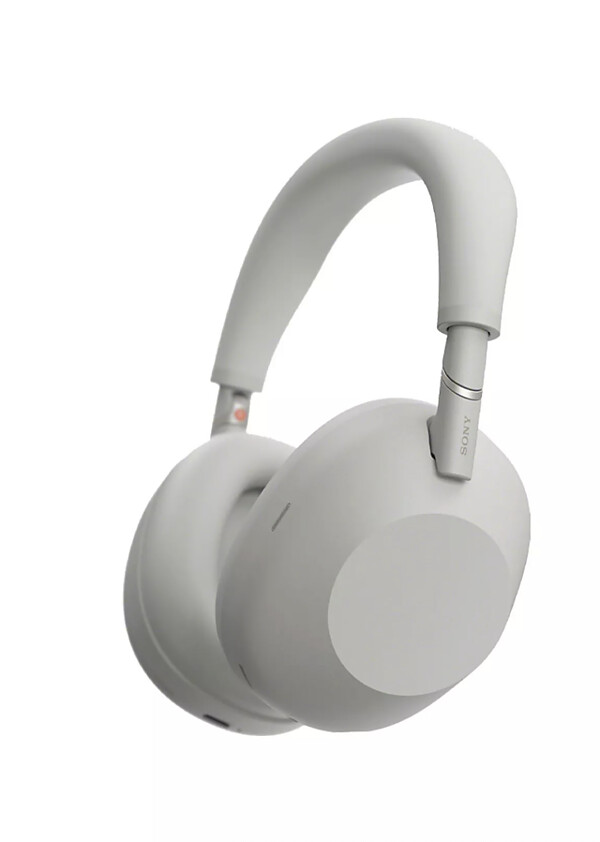
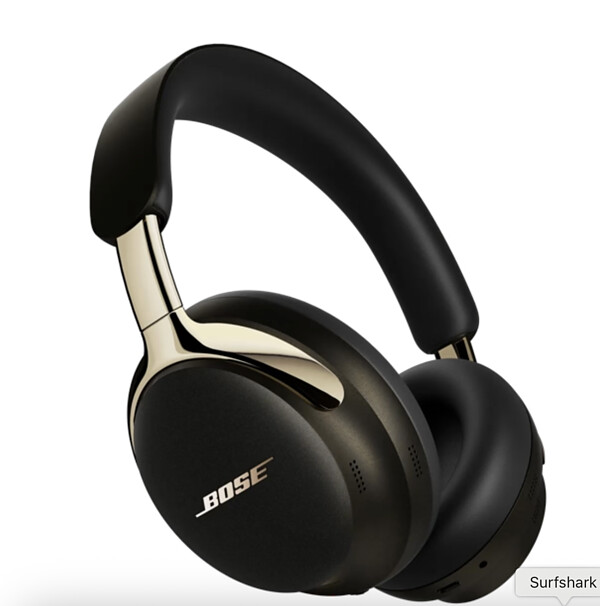
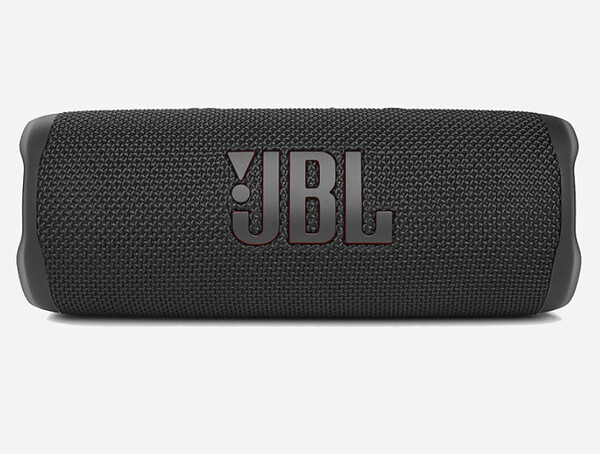
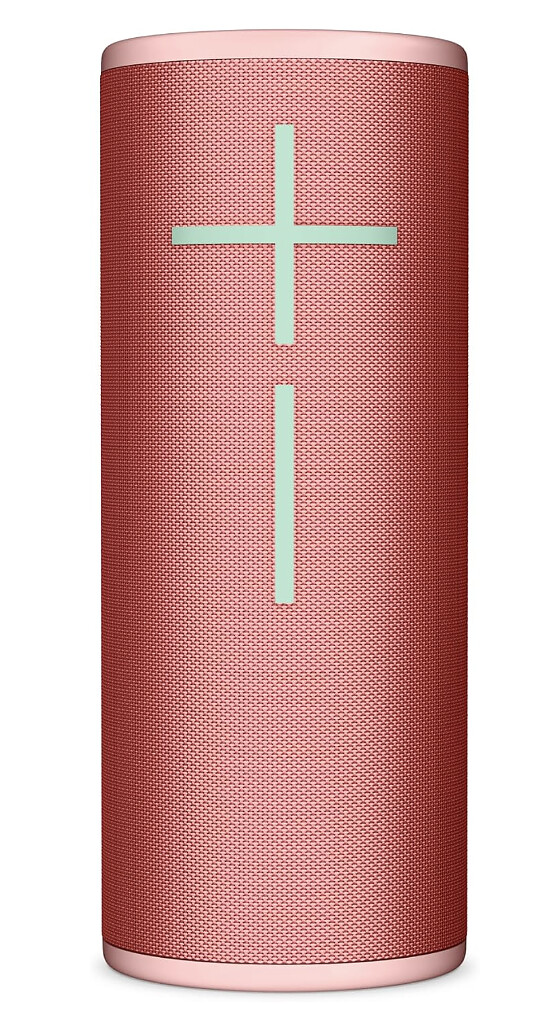
- Bluetooth speaker – Bluetooth speaker plays music or podcasts from your phone without headphones, which helps fill quiet downtime and makes group hangouts easier without crowding around one device.
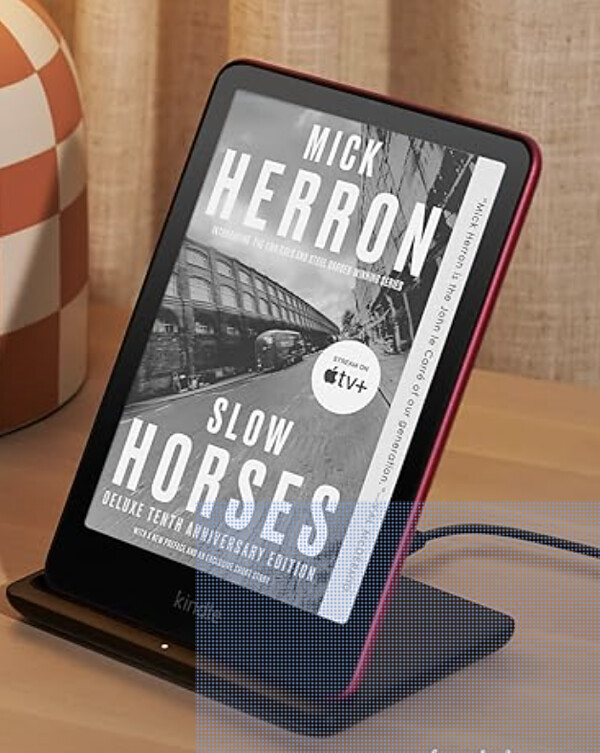
- E-reader – An e-reader holds many books in one light device, so you can read anytime without extra weight. The screen is easy on your eyes and works well in bright light.
- Phone
- Charging cables
- Smartwatch charger
- Camera and charger
- Offline maps app download
- Water-resistant phone pouch
Entertainment
- Downloaded playlists
- Downloaded podcasts
- Offline games on phone
- Travel journal
- Pen
- Deck of cards
- Small puzzle book
- Language app download
Extras
- Packable picnic blanket
- Light binoculars for mountain viewpoints
- Reusable cutlery set
- Snacks for long train days
- Reusable zip-top bags
- Stain remover pen
- Mini sewing kit
- Door alarm
- Small LED flashlight
Travel Tips
- Check mountain forecasts separately from city forecasts
- Start hikes early to avoid afternoon storm windows
- Carry a rain layer on every day trip
- Reserve popular scenic trains in advance
- Download SBB Mobile for platforms and delays
- Use a daypack for layers on cable cars
- Plan cash for small mountain huts
Visa Tips
- Confirm Schengen entry rules for your passport
- Check days-in-Schengen limits before booking
- Carry proof of onward travel
- Keep accommodation addresses accessible offline
- Bring a digital passport copy in secure storage
- Review travel insurance coverage requirements
Must-Haves
- Waterproof outer layer for sudden showers
- Supportive walking shoes for cobblestones and long days
- Warm mid-layer for mountain viewpoints and cool nights
- Sun protection for bright lake and alpine exposure
- Universal travel adapter for Swiss outlets
- Blister care for steep walks and trails
- Reusable water bottle for trains and hikes
Good-to-Have
- Swimwear for lake dips and hotel spas (1 PCS)
- Quick-dry towel for spontaneous swims (1 PCS)
- Trekking poles for longer hikes (1 PCS)
- Microspikes for rare icy early-morning paths (1 PCS)
- Compact binoculars for peaks and waterfalls
- Light scarf for churches and breezy boats (1 PCS)
- Small thermos for tea on cool days
What to Bring If You Want to Pack Light
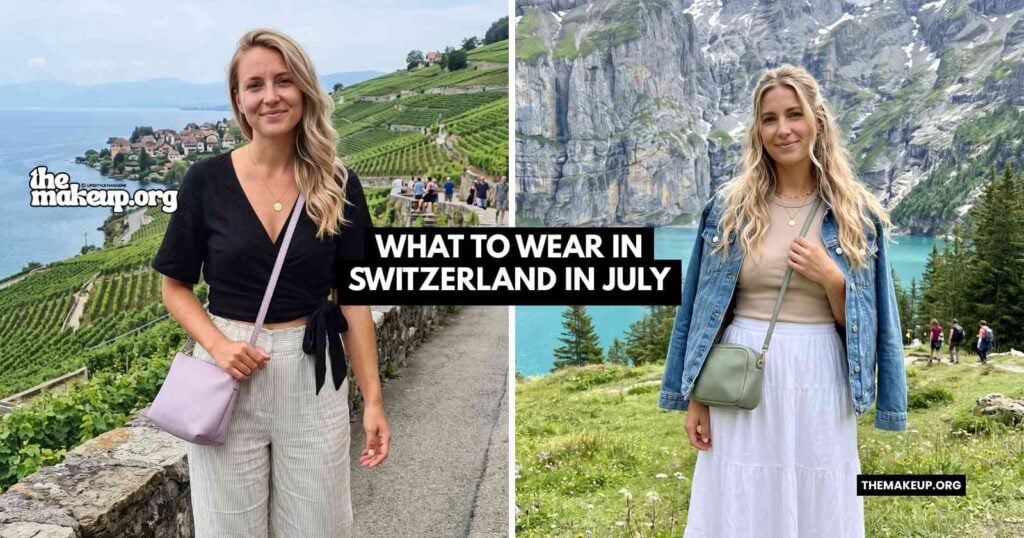
Switzerland in August is warm at low elevations and noticeably cooler in the mountains, so you need a few versatile layers rather than a large wardrobe. Stick to pieces that mix and match easily and keep your bag under carry-on size if you are moving between cities by train.
- 3 to 4 mix-and-match tops in light, quick-dry fabric
- One pair of well-worn walking shoes or trail-ready sneakers
- One lightweight fleece or warm mid-layer
- One compact, packable rain jacket
- 2 pairs of pants or trousers (one casual, one slightly smarter for evenings)
- Travel-size toiletries in a clear zip bag
- A small day pack for mountain excursions and city walking
What Not to Pack for Switzerland in August
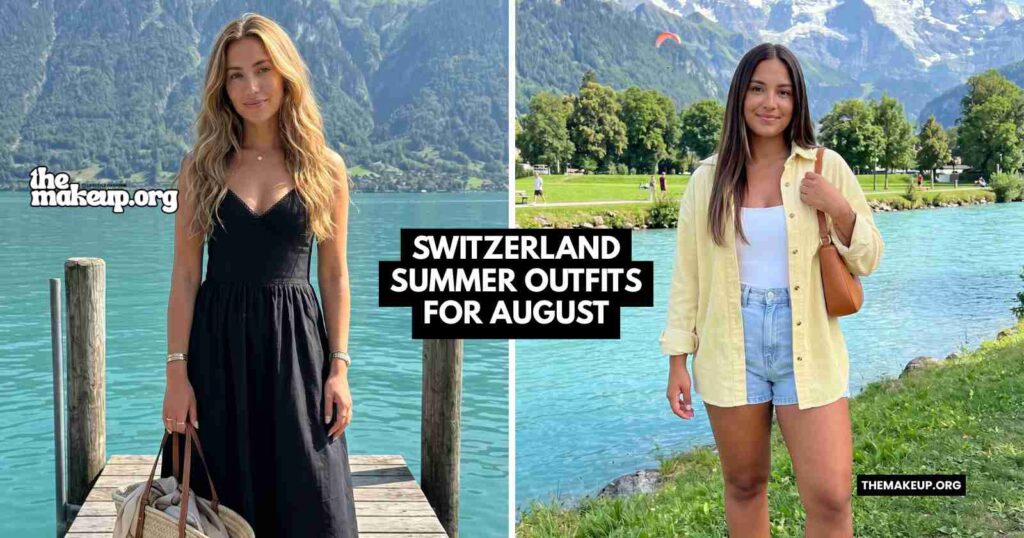
Leave heavy cold-weather gear at home. August is Switzerland’s warmest month, and even at higher altitudes a good fleece and a rain jacket will cover you on most days.
A thick winter coat just takes up space you will want for other things.
You do not need to overpack toiletries or sunscreen. Swiss pharmacies and supermarkets are well stocked with everyday travel essentials at normal prices.
Pack what you need for the first day or two, and pick up anything you run low on locally without stress.
FAQ: Packing for Switzerland in August
How cold is it in Switzerland in August?
In cities like Zürich and Geneva, August daytime temperatures are typically between 20°C and 27°C (68°F to 81°F). At higher elevations in the Alps, temperatures drop significantly, and it can feel close to 10°C or cooler near glaciers or cable-car tops.
A warm layer is worth bringing even if you plan mostly low-altitude days.

What not to bring into Switzerland?
Switzerland follows strict customs rules on certain foods, plants, and animal products coming from outside the EU. Bringing large amounts of meat or dairy from non-EU countries can cause problems at the border.
Check the Swiss Federal Customs Administration website before you travel if you are unsure about specific items.
What is the most forgotten item when packing for a trip?
Good insoles are the most commonly forgotten item, and most people notice the gap by day two of heavy walking. A travel adapter is another frequent miss, especially for Switzerland, which uses the Type J plug not common elsewhere in Europe.
Pack both before you leave.

What is the 3-3-3 rule for packing?
The 3-3-3 rule is a carry-on packing method: bring 3 tops, 3 bottoms, and 3 pairs of shoes. It keeps your bag light and forces you to choose pieces that work together.
For a week in Switzerland in August, it is a practical starting point, though I would swap one shoe pair for a packable rain jacket instead.
What is the 8 day rule in Switzerland?
The 8 day rule in Switzerland relates to posted work for foreign service providers. Companies sending workers to Switzerland for more than 8 days in a year must register with Swiss authorities.
It is not relevant to tourists or holiday travel.
What are the 5 biggest packing mistakes to avoid for Switzerland in August?
Bringing new, unbroken shoes is the most common and most painful mistake. Skipping a rain layer, packing too many heavy items instead of lightweight layers, forgetting a Type J adapter, and overpacking toiletries you can easily buy locally are the other four.
Fix those five and your bag will be in good shape.
What should I pack for a week in Switzerland in August?
For a week, focus on 4 to 5 tops, 2 to 3 bottoms, one warm mid-layer, a packable rain jacket, and one reliable pair of broken-in walking shoes. Add a small day pack for mountain trips and a Type J travel adapter.
That covers city days, train rides, and Alpine excursions without an oversized bag.