
Most people building a switzerland winter packing list overshoot on bulk and undershoot on layers, and that mistake shows up fast when you step off a warm train into a cold alpine platform.
Switzerland in winter means sharp temperature swings between heated indoor spaces and outdoor cold that can drop well below freezing in higher towns. The answer is not one heavy coat.
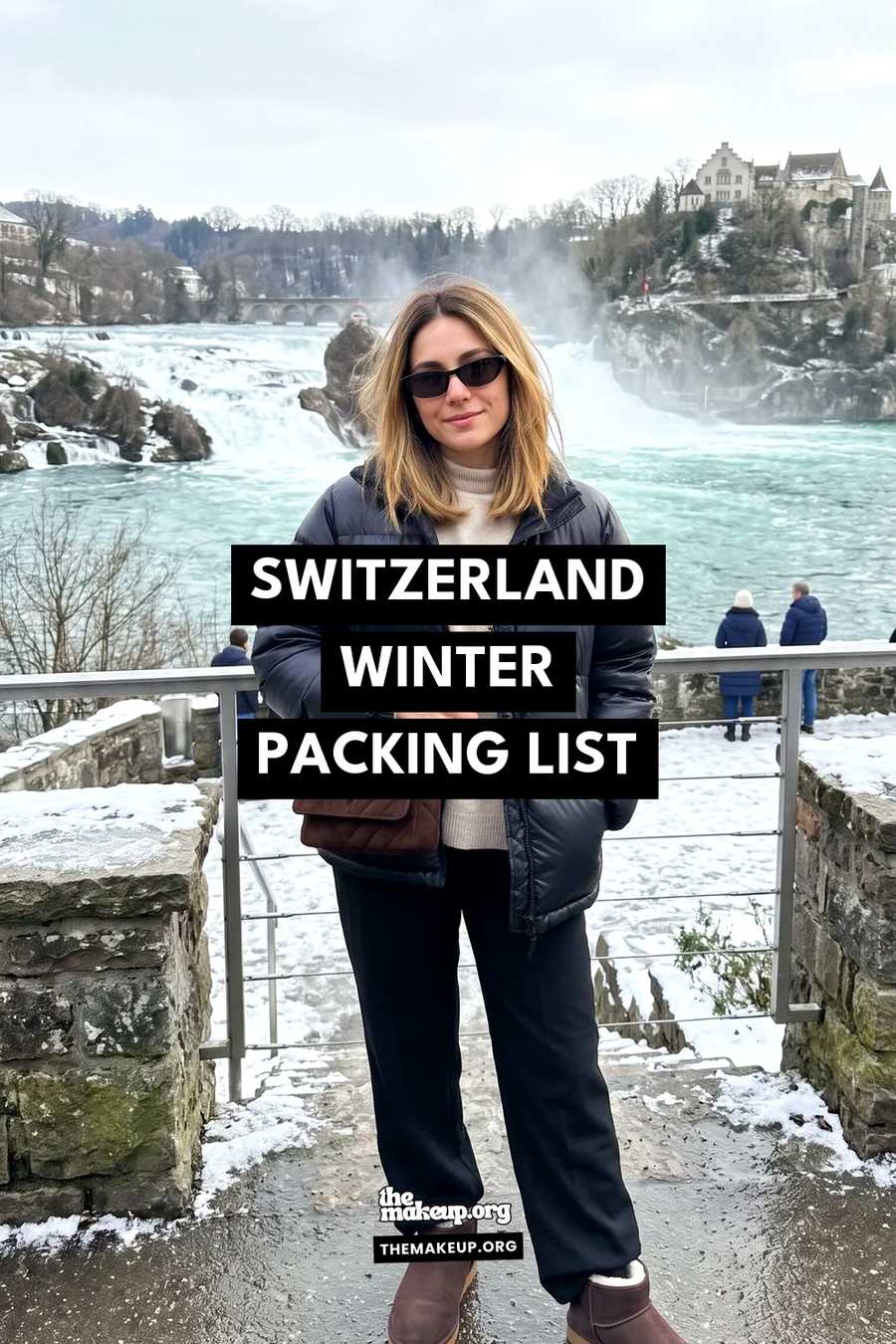
It is a set of thinner pieces you can add or remove in seconds.
Shoes matter just as much. Wet cobblestones and icy paths in lakeside towns are genuinely slippery, so I would not touch a smooth-soled boot here no matter how good it looks.
Note: The full checklist with every item is below.
Packing smart will help you make the most of your trip. Here’s everything you need to bring for a comfortable and stylish adventure.

Carry-On Suitcase / Travel Bag Duffle / Portable Steamer / Packing cubes / Luggage scale / Wireless Noise-Cancelling Headphones / Speaker / Portable Charger / Universal Travel adapter / Compact Hair Dryer / Eye Mask / Waterproof Toiletry Bag Hanging / Zipper Pouch / Water BOTTLE / Liquid I.V. Hydration Vegan
Quick Take
- 🌡️ Weather: During Winter in Switzerland, temperatures shift month to month
- 🧳 Pack: warm base layers, a waterproof outer jacket, grippy insulated boots, thermal accessories
- ⚠️ Don’t forget: a good moisturizer and lip balm, cold dry air drains skin fast
- 🚫 Skip: bulky heavy parkas, a layering system takes up less space and works better across temperature changes
- ⏱️ 3 min read · full checklist below
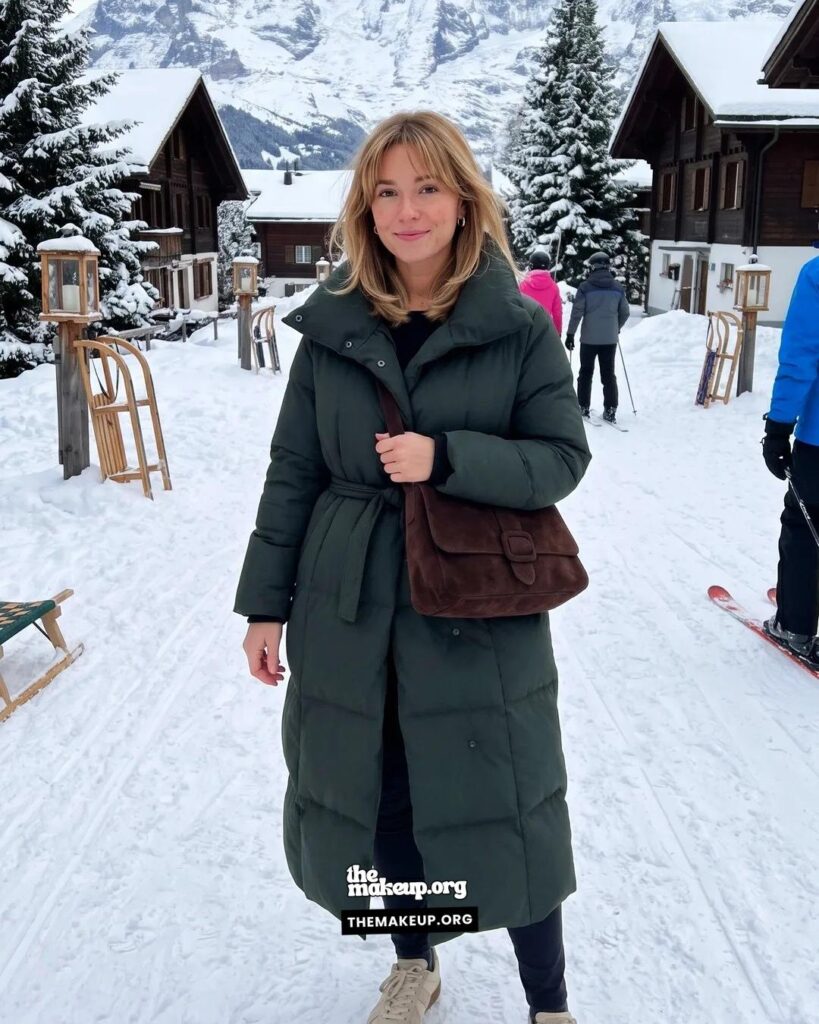
What Is the Weather Like in Switzerland in Winter?
Switzerland’s Winter temperatures move month to month: December is about -3°C–3°C (27°F–37°F), January about -5°C–2°C (23°F–36°F), and February about -3°C–5°C (27°F–41°F). Higher elevations run colder, so I pack layers that work in cities and in the mountains.
How to Pack Light for Switzerland in Winter
The key is building around a base-mid-outer layer system instead of packing separate heavy items for every situation. Each piece should work with at least two others you are already bringing.
- 3 to 4 mix-and-match warm tops and base layers
- 2 bottoms, at least one lined or thermal
- One insulating mid-layer, such as a fleece or down gilet
- One waterproof outer jacket
- One pair of grippy, insulated walking boots
- Warm accessories: hat, gloves, scarf
- Travel-size toiletries plus a rich moisturizer and lip balm
What To Pack For Switzerland In Winter
Luggage & Packing Tools
If you want more options to have everything organized and well packed, take a look at these suggestions.

1. Rolling Backpack / 2. Luggage (large) / 3. Luggage (small) / 4. Toiletry Bag / 5. Beach Bag / 6. Backpack / 7. Packing Cubes
I keep packing tight because you will likely carry bags onto trains and up hotel stairs.
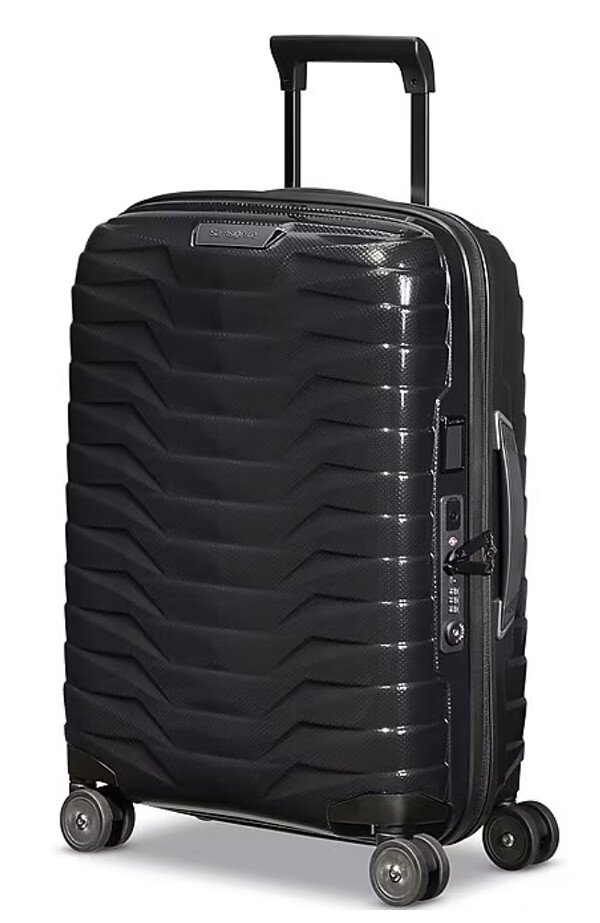
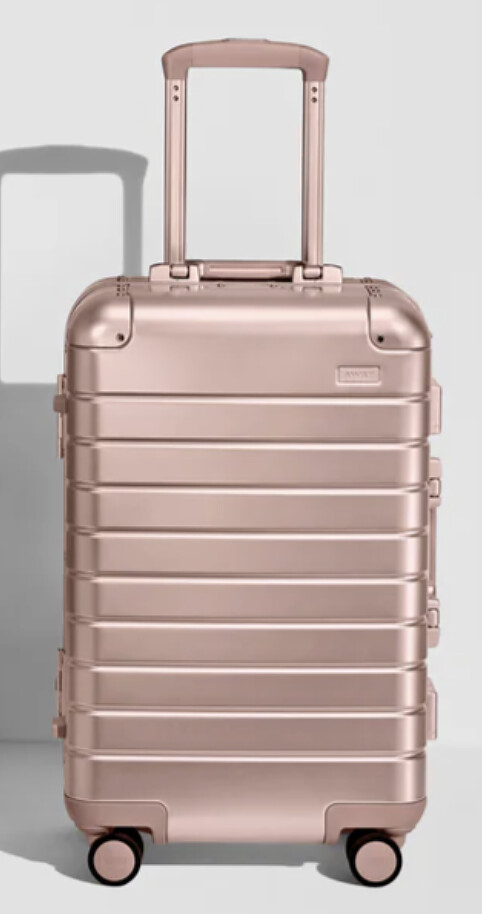
- Carry-On Suitcase – A Carry-On Suitcase keeps essentials with you and avoids checked-bag delays or lost luggage. It also fits overhead bins, helping you leave the airport faster.
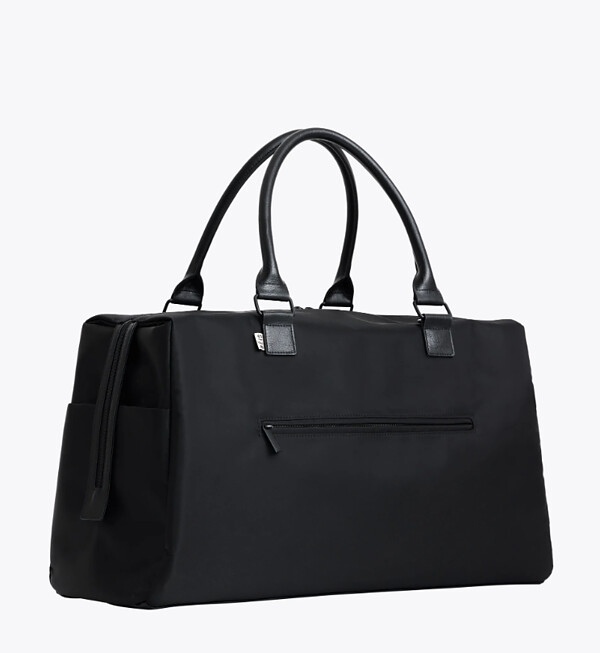
- Compression packing cubes
- Waterproof daypack cover
- Luggage ID tags
- Reusable zip pouches
Clothes
I build outfits around easy layers so you can adjust between cold streets and heated interiors.
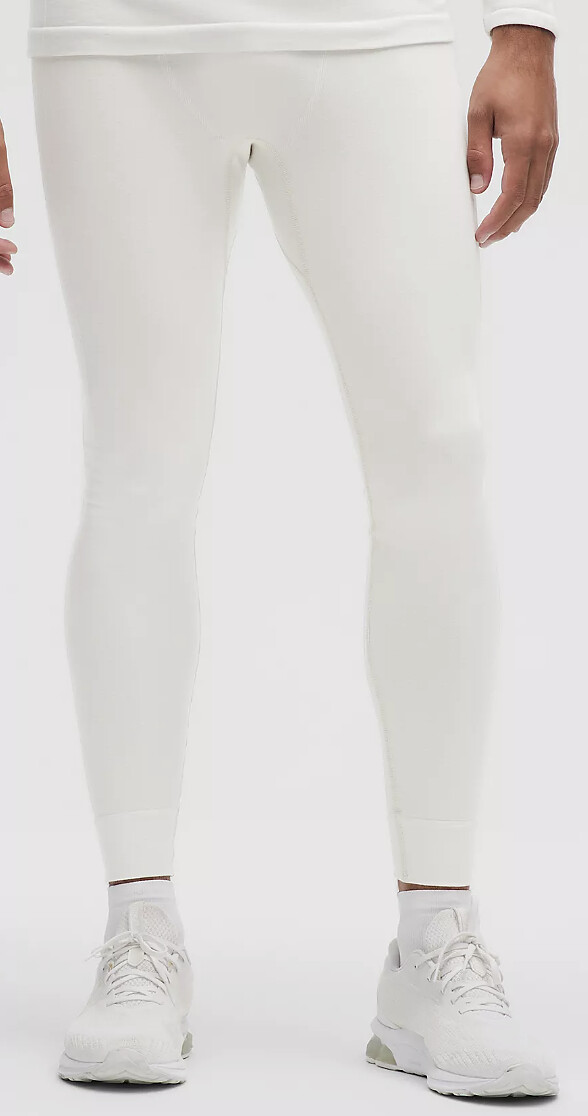
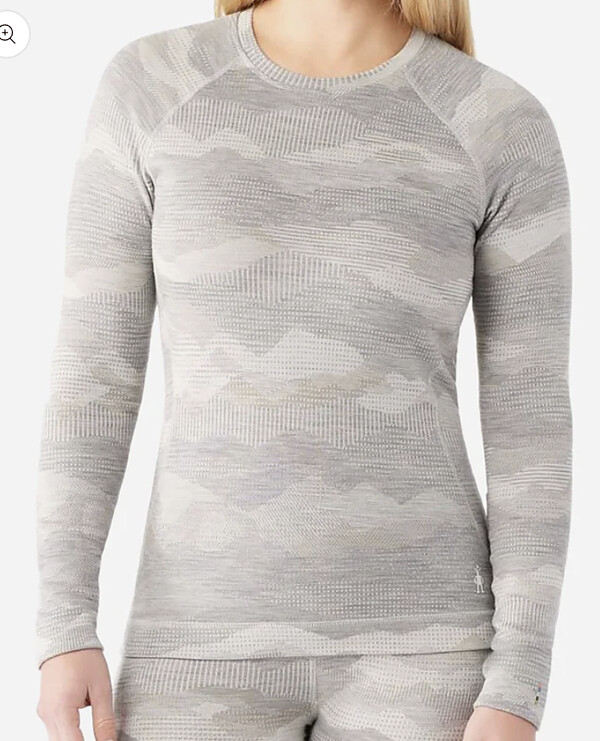
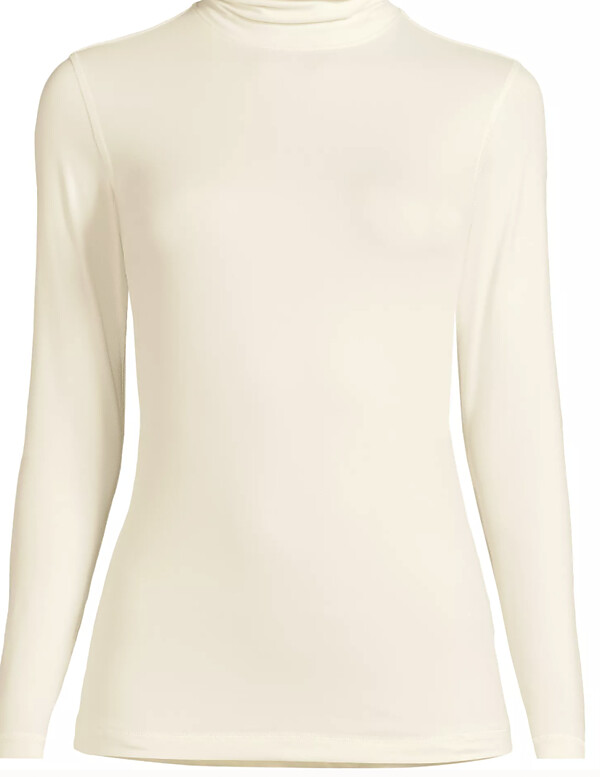
- Thermal Leggings – Thermal Leggings add a warm layer under pants, keeping body heat in without adding much bulk. They help prevent chill in cold weather and drafty rooms.
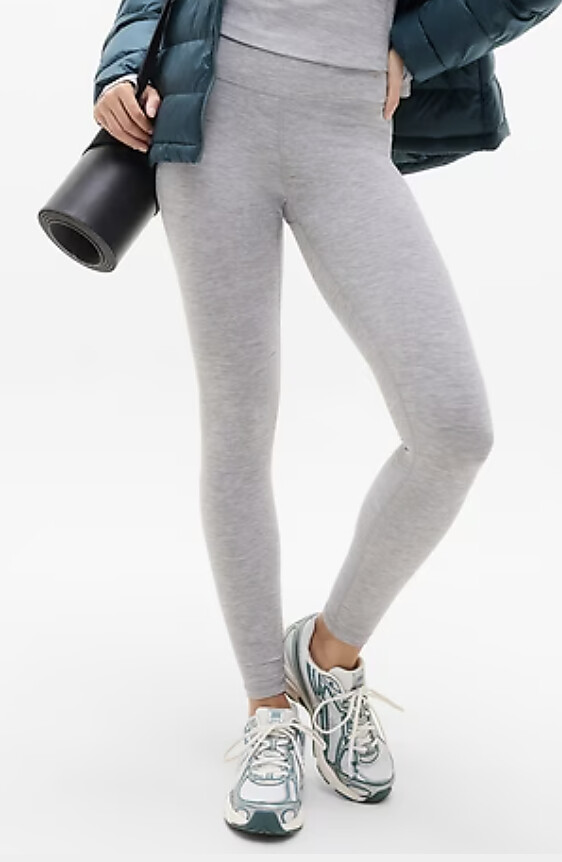
- Thermal Base Layer Top – A Thermal Base Layer Top holds warmth close and pulls sweat off your skin, so you stay warmer without feeling damp. It also adds insulation under a jacket without bulk.
- Insulated waterproof coat (1 PCS)
- Wool sweater (2 PCS)
- Long-sleeve tops (2 PCS)
- Warm pants or jeans (2 PCS)
- Fleece midlayer (1 PCS)
- Wool socks (4–6 PCS)
- Sleepwear set (1 PCS)
Shoes & Accessories
Sidewalks can be wet or slick, so I prioritize traction and warm coverage that fits in pockets.
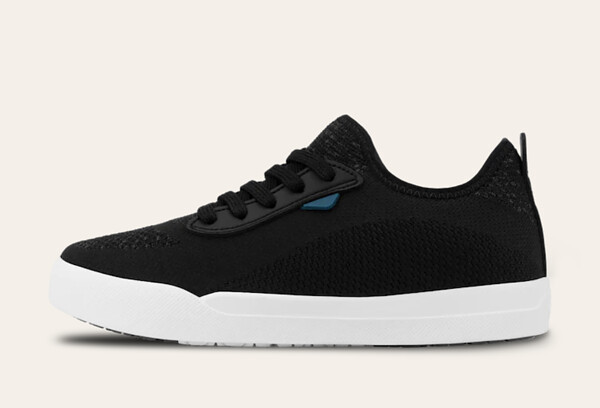
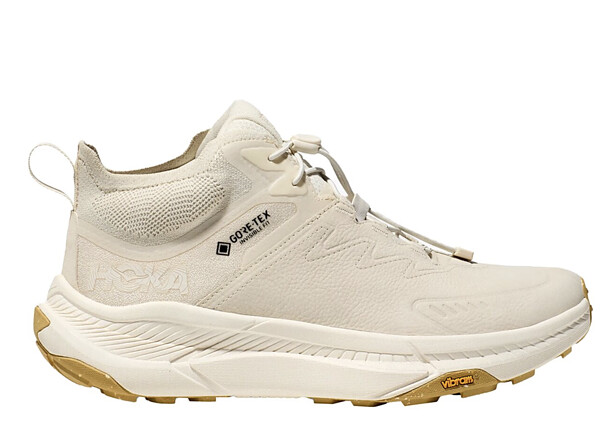
- Waterproof Sneakers – Wet sidewalks and sudden rain won’t soak your feet, so you stay dry and warm. They also keep your grip better on slick pavement and reduce blisters from damp socks.
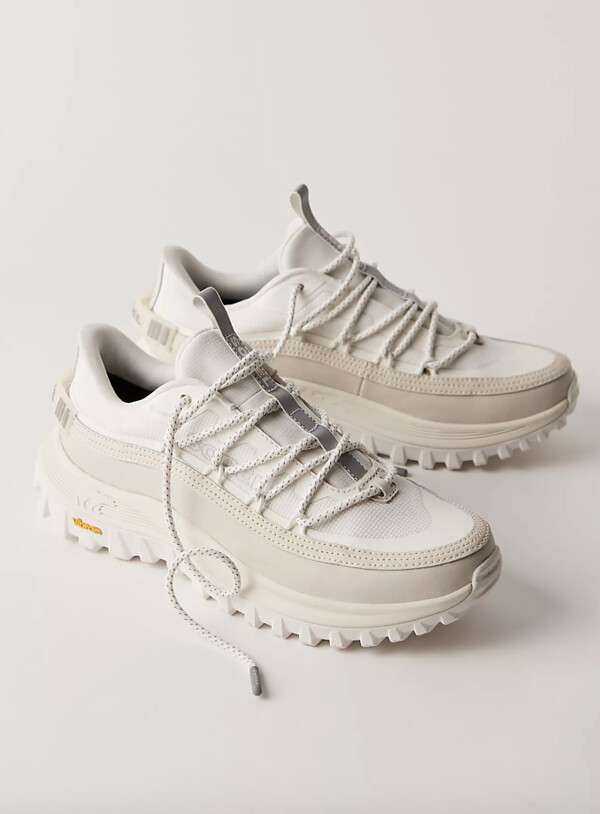
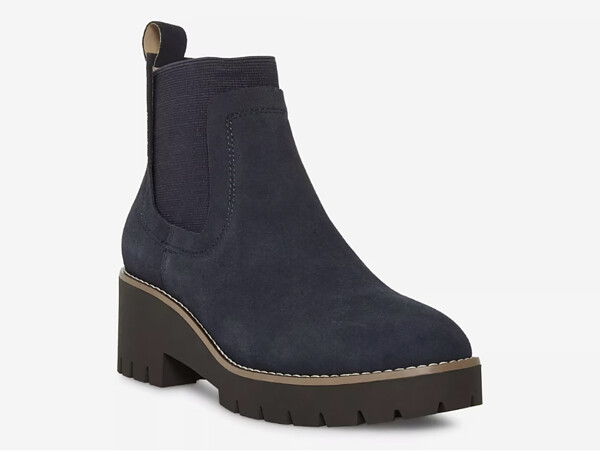
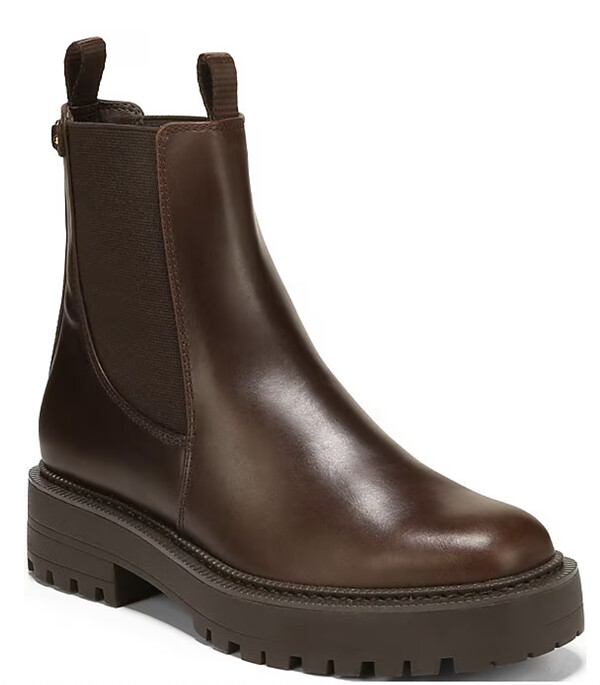
- Ankle Boots – Ankle Boots handle uneven streets and light rain with better support and traction than many shoes. They also look neat enough for dinners, so you can wear one pair.
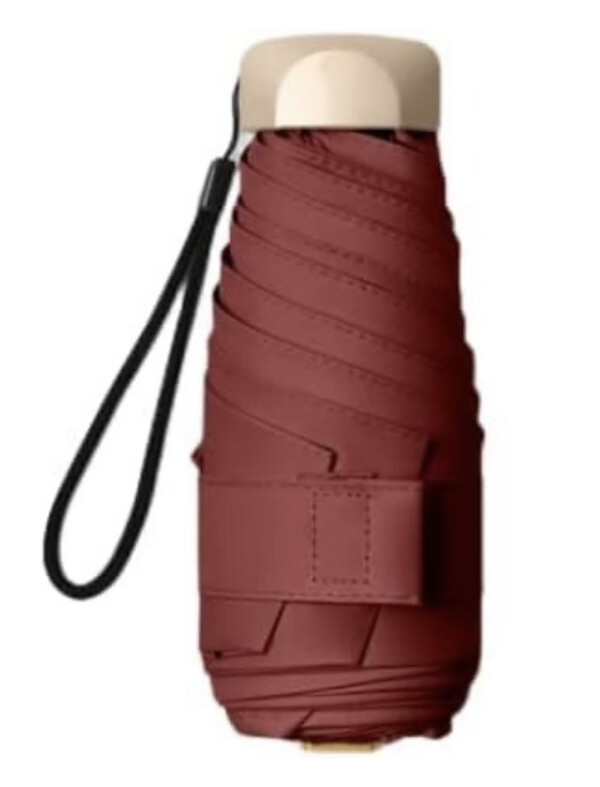
- Compact Travel Umbrella – A Compact Travel Umbrella keeps rain off you during sudden showers and fits in a day bag. It helps you stay dry without relying on finding shelter quickly.
- Waterproof winter boots with grip (1 PCS)
- Warm beanie (1 PCS)
- Insulated gloves (1 PCS)
- Wool scarf or neck gaiter (1 PCS)
Beauty & Skincare
Cold air and indoor heating can dry you out fast, and sun at altitude still hits hard.
- Travel Hair Dryer
- Hair Straightener
- Hydrating face moisturizer
- SPF 30+ facial sunscreen
- Rich lip balm
- Gentle face cleanser
- Hand cream
- Body lotion
- Mini dry shampoo
Health & Hygiene
I assume lots of walking, cold hands, and dry indoor air, so small health items do real work.
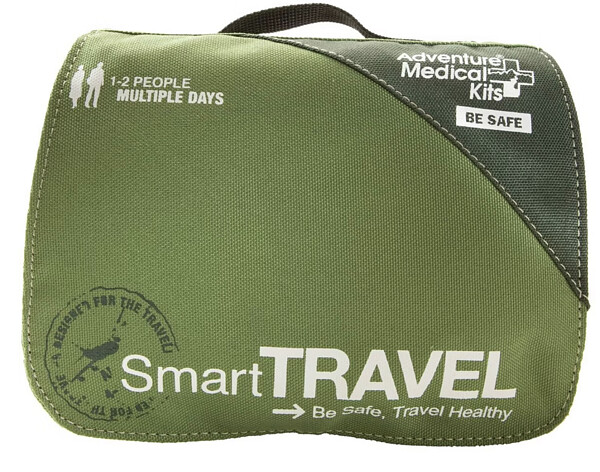
- Travel First Aid Kit – Travel First Aid Kit covers small cuts, blisters, headaches, and stomach issues right away. It prevents minor problems from getting worse when help or pharmacies are not nearby.
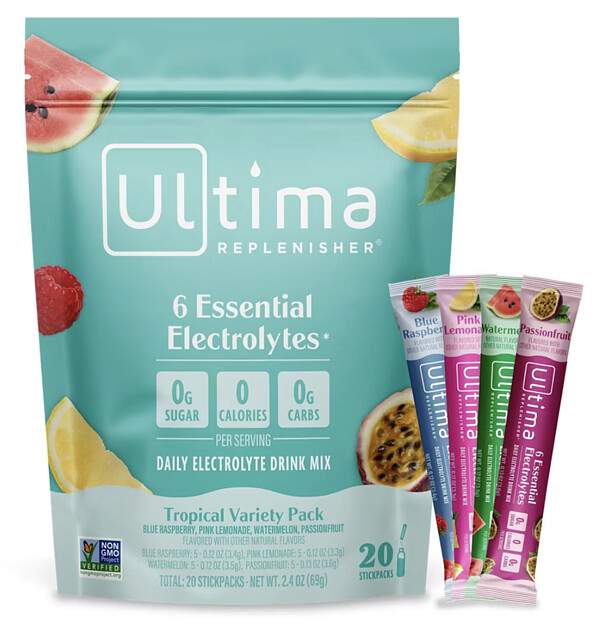
- Electrolyte Powder – Electrolyte Powder helps you absorb water and replace salts lost from sweating, heat, or diarrhea. It can reduce headaches, cramps, and fatigue and support faster recovery.

- Personal medications
- Blister plasters
- Alcohol wipes
- Travel tissues
- Alcohol hand sanitizer
- Deodorant
Tech & Electronics
Between long train days and cold-weather battery drain, I like power and backups you can trust.

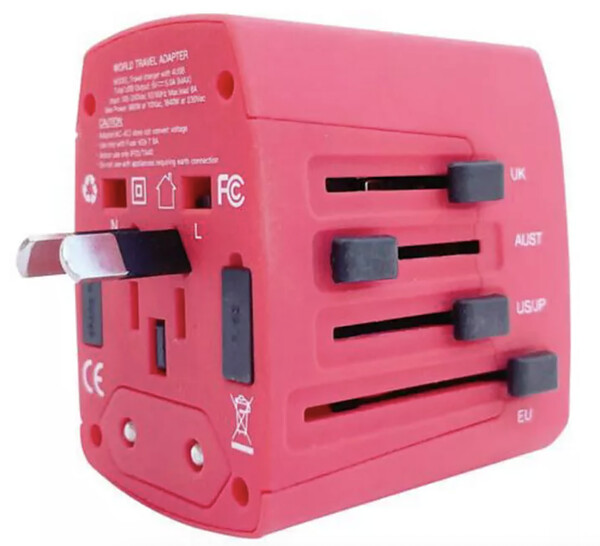
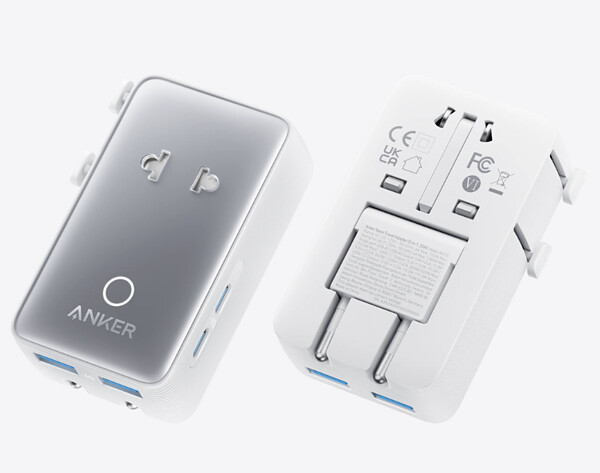
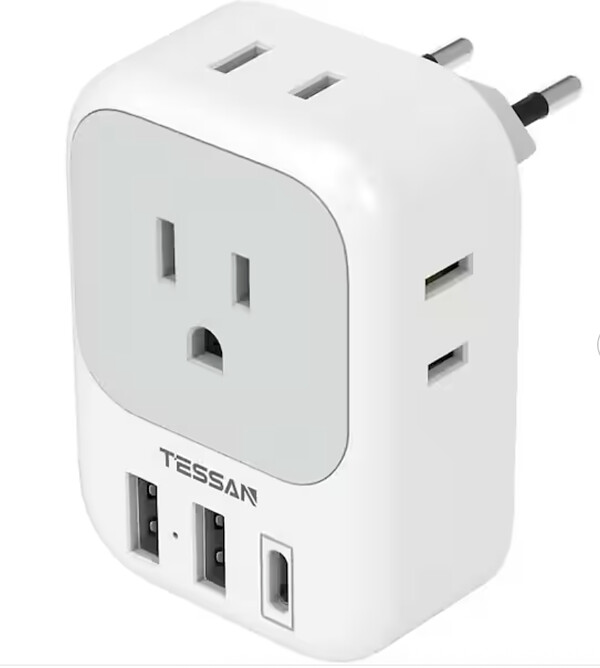
- Universal Travel Adapter – A Universal Travel Adapter lets your plugs fit different outlet shapes, so you can charge phones and laptops in multiple countries without buying extra plug converters.
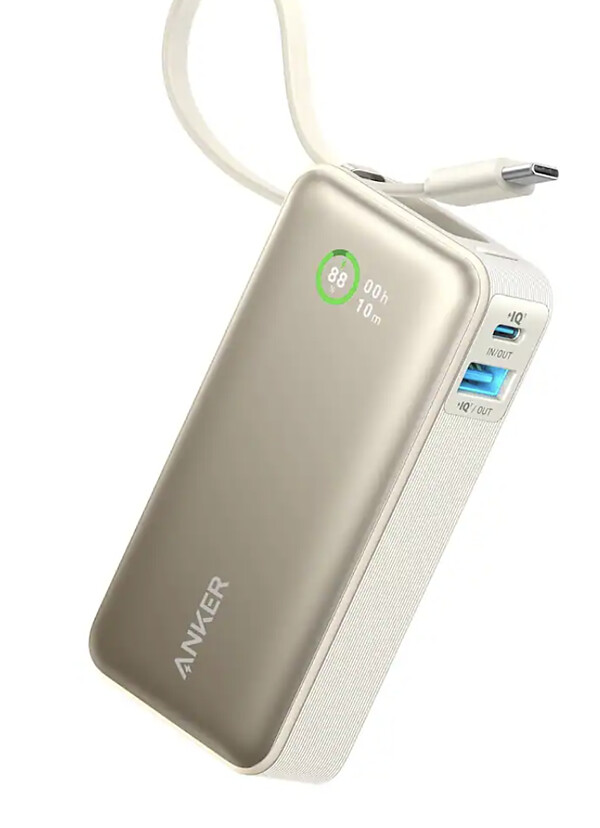
- Power Bank – A power bank charges your phone and other devices when you are away from outlets, keeping maps, tickets, and calls available during long days out.
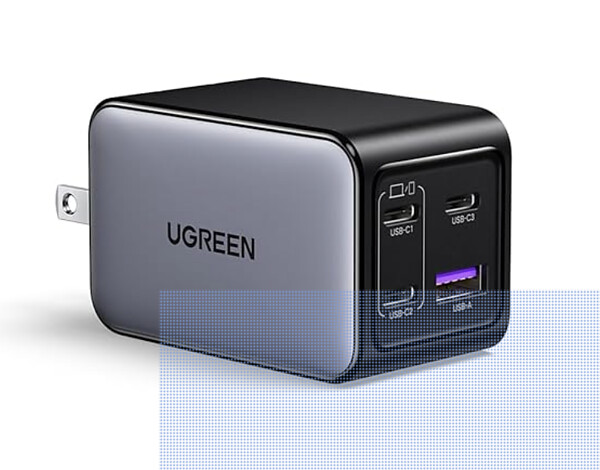
- Wall Charger – Wall outlets charge faster than many USB ports, so a wall charger gets your phone and other devices back to full power in less time.
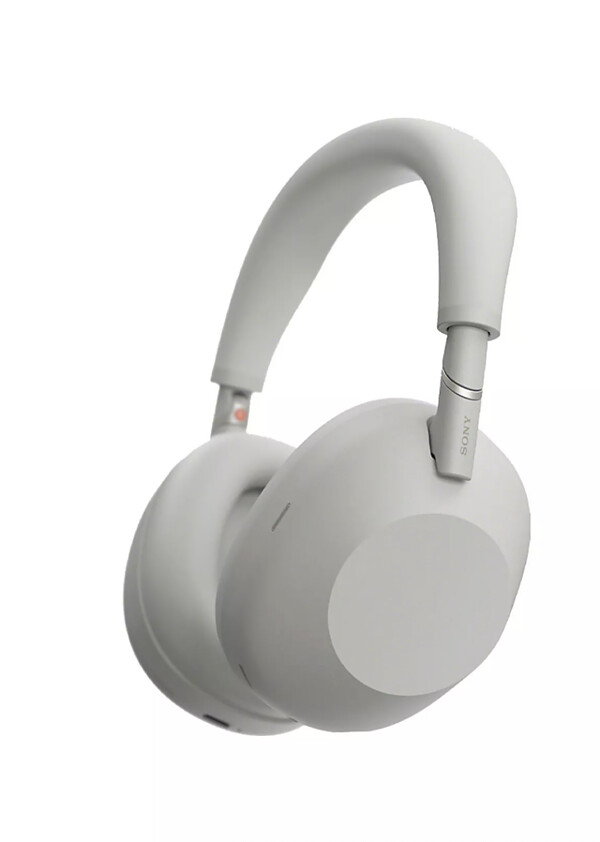
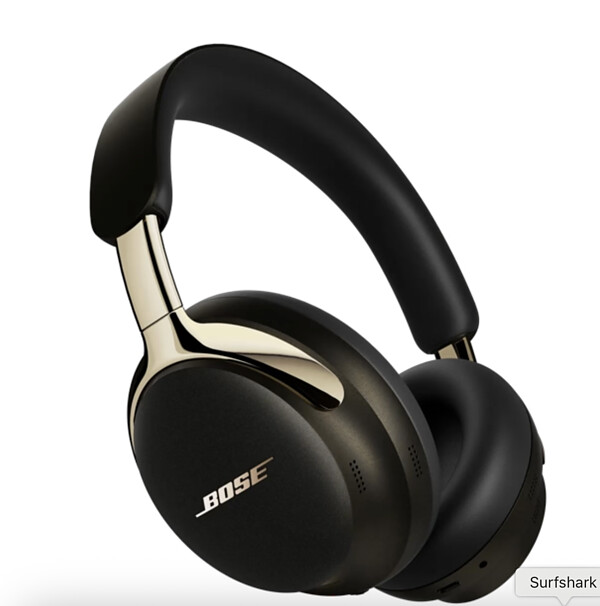
- Noise-Cancelling Headphones – They reduce steady background noise like engines and chatter, so you can sleep, focus, or watch a video at lower volume. This cuts fatigue and helps protect hearing.
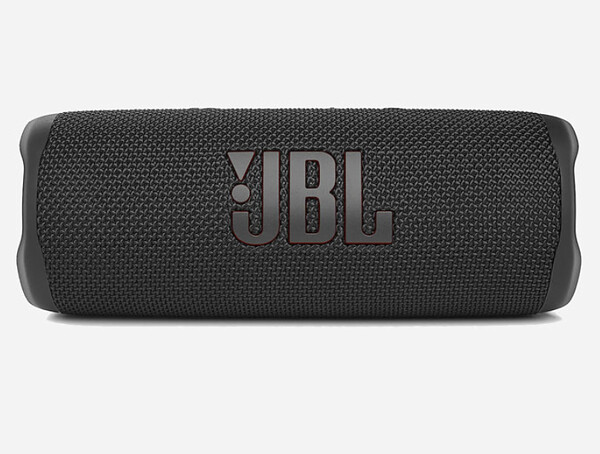
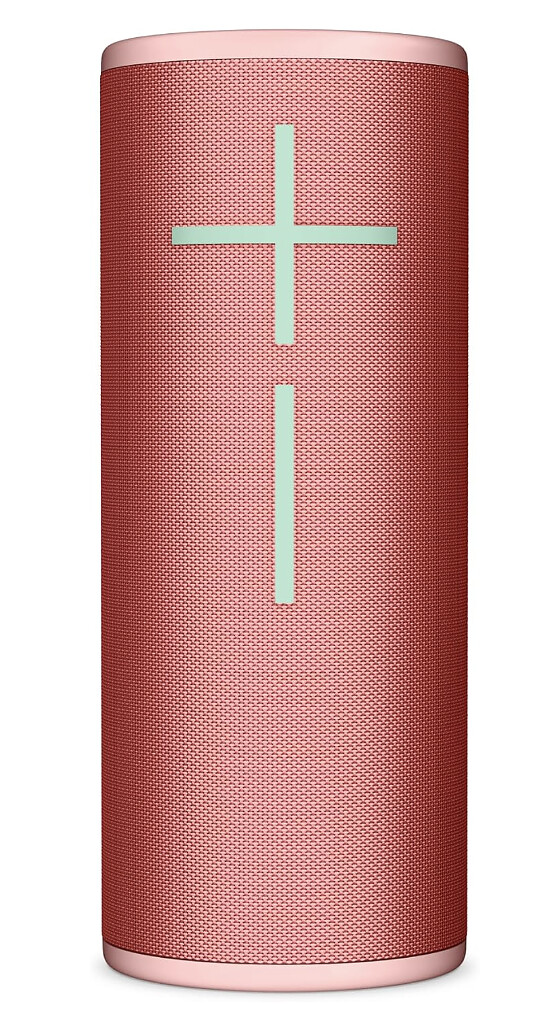
- Bluetooth Speaker – Bluetooth Speaker lets you play music or podcasts from your phone without headphones, so a room sounds fuller and group listening is easier. It also helps cover hallway noise.
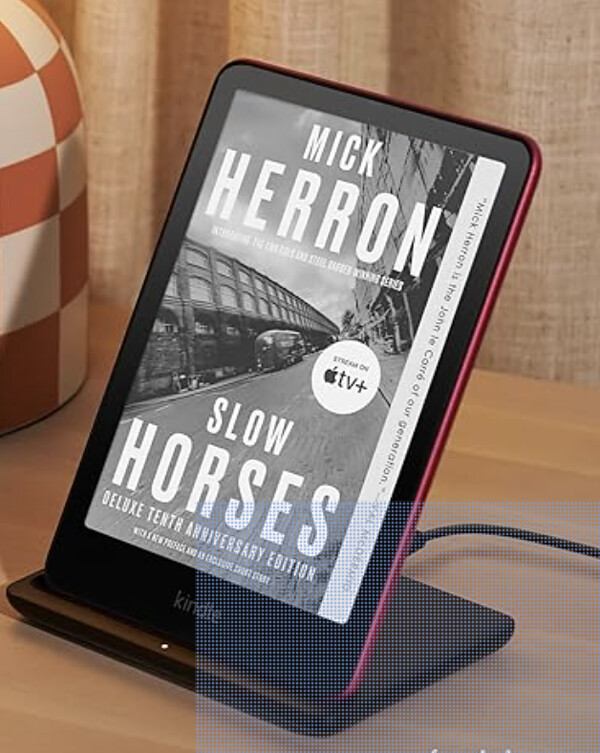
- E-Reader – An E-Reader holds many books in one light device, so you can read on flights and downtime without carrying heavy paperbacks. The screen is easy on eyes and works in bright light.
- Phone charging cable
- Offline maps on your phone
Documents & Essentials
I keep these together because you may book trains, hotels, and museum entries on the fly.
- Passport
- Travel insurance policy details
- Payment cards
- Some Swiss francs in cash
- Driver’s license (if renting a car)
Comfort for the Journey
Winter travel days can mean warm cabins and cold platforms, so comfort comes from smart, small layers.
- Refillable water bottle
- Neck pillow
- Sleep mask
- Reusable earplugs
- Lightweight snack bar pack
What to Leave at Home for Switzerland in Winter
A single oversized winter parka takes up most of your bag and is actually harder to manage than layers. When you move between a heated museum, a cold outdoor market, and a warm restaurant, one thick coat just gets in the way.
Smooth-soled fashion boots are not worth packing for a winter trip here. Paths in lakeside towns and mountain villages can be icy and wet, and a boot without grip will slow you down or worse.
Leave the sleek styles home and pack something with real traction instead.
Smart Packing Tips for Switzerland in Winter
Pack your layers so each piece can do more than one job. A merino wool top worn under a fleece under a waterproof jacket covers everything from a lake walk to an alpine village without adding much weight to your bag.
Dry skin is a real issue in cold Swiss winters, especially with indoor heating running constantly. I always pack a small rich face cream and a good lip balm, and I keep them in my day bag rather than my luggage so I can reach them on the go.
- Choose merino or wool base layers over cotton, they stay warm even if damp
- Pack one pair of grippy boots you have already broken in before the trip
- Bring thermal leggings that double as a base layer under trousers
- Keep a compact packable layer in your day bag for unexpected cold snaps
- Use packing cubes to compress bulky knits and save space
How Many Outfits to Pack for Switzerland in Winter
For a trip of five to seven days, I find four tops, two bottoms, and one mid-layer is plenty when you are layering throughout the day. You rarely need a full outfit change between activities the way you might on a summer trip.
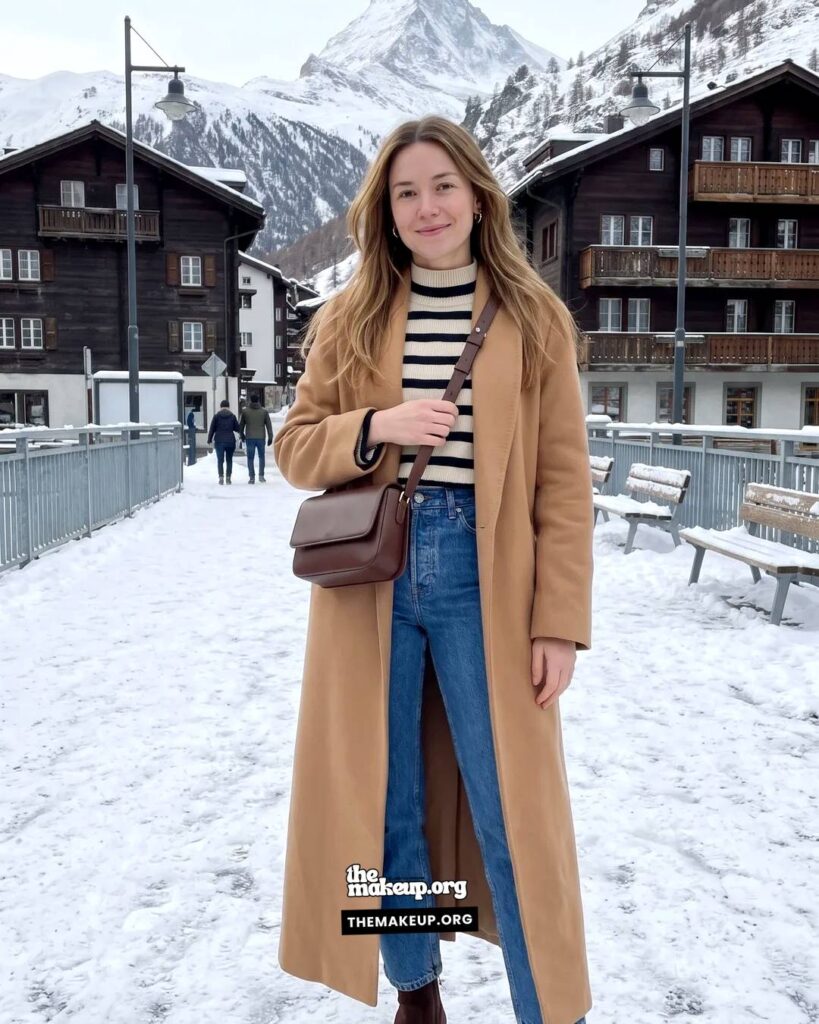
If your accommodation has laundry access, you can trim that down further. The bigger temptation in winter is to overpack “just in case” cold, but a solid layering system handles most conditions without extra bulk.
- Tops: 4 for a week, 3 if you have laundry access
- Bottoms: 2, one casual and one slightly warmer
- Mid-layer: 1 fleece or insulating layer
- Shoes: 1 pair of grippy boots, 1 pair for indoor or evening wear
- Accessories: 1 hat, 1 scarf, 1 pair of gloves
FAQ: Packing for Switzerland in Winter
How do people dress in Switzerland in December?
Most people in Switzerland in December wear warm, practical layers: a base layer, a mid-layer like a fleece or knit, and a waterproof outer jacket. Accessories like a hat, scarf, and gloves are standard.
The style tends to be neat and functional rather than flashy.
Are jeans acceptable in Switzerland in winter?
Yes, jeans are completely fine in Switzerland. They work well for daytime exploring and casual dining.
For colder days, thermal leggings underneath make them much more comfortable on outdoor walks or in mountain towns.
What is the 5 4 3 2 1 packing rule?
The 5 4 3 2 1 rule suggests packing 5 sets of socks and underwear, 4 tops, 3 bottoms, 2 pairs of shoes, and 1 jacket. It is a useful starting frame for a week-long trip, though for Swiss winters you may swap one bottom for an extra warm layer.
What cannot you bring into Switzerland?
Switzerland follows standard EU-adjacent customs rules. You cannot bring in certain foods, plants, or amounts of alcohol and tobacco above duty-free limits.
Always check the Swiss Federal Customs Administration website before you travel for the current, specific rules.
What are the don’ts in Switzerland?
From a packing and travel perspective, do not underestimate the cold in higher-altitude towns, even in early winter. Do not pack shoes without grip if you plan to walk outdoors.
And do not assume you need to pack everything since pharmacies in Switzerland are well-stocked for basics.
What is cheap to buy in Switzerland if I forget something?
Switzerland is an expensive country overall, but pharmacies carry solid basics like moisturizer, lip balm, and over-the-counter medicine at reasonable prices relative to local standards. It is still worth packing what you can, since most things will cost more than at home.
Do I need snow boots for Switzerland in winter?
It depends on where you are going. In cities like Zurich or Geneva, grippy waterproof boots handle most winter conditions.
If you are heading to a mountain village or doing any snow activities, proper insulated snow boots make a real difference in comfort and safety.