
Staying comfortable and looking put-together at the same time is genuinely the core challenge of knowing what to wear in Germany in August. Mornings run cool, afternoons warm up fast, and evenings can surprise you with a real chill.
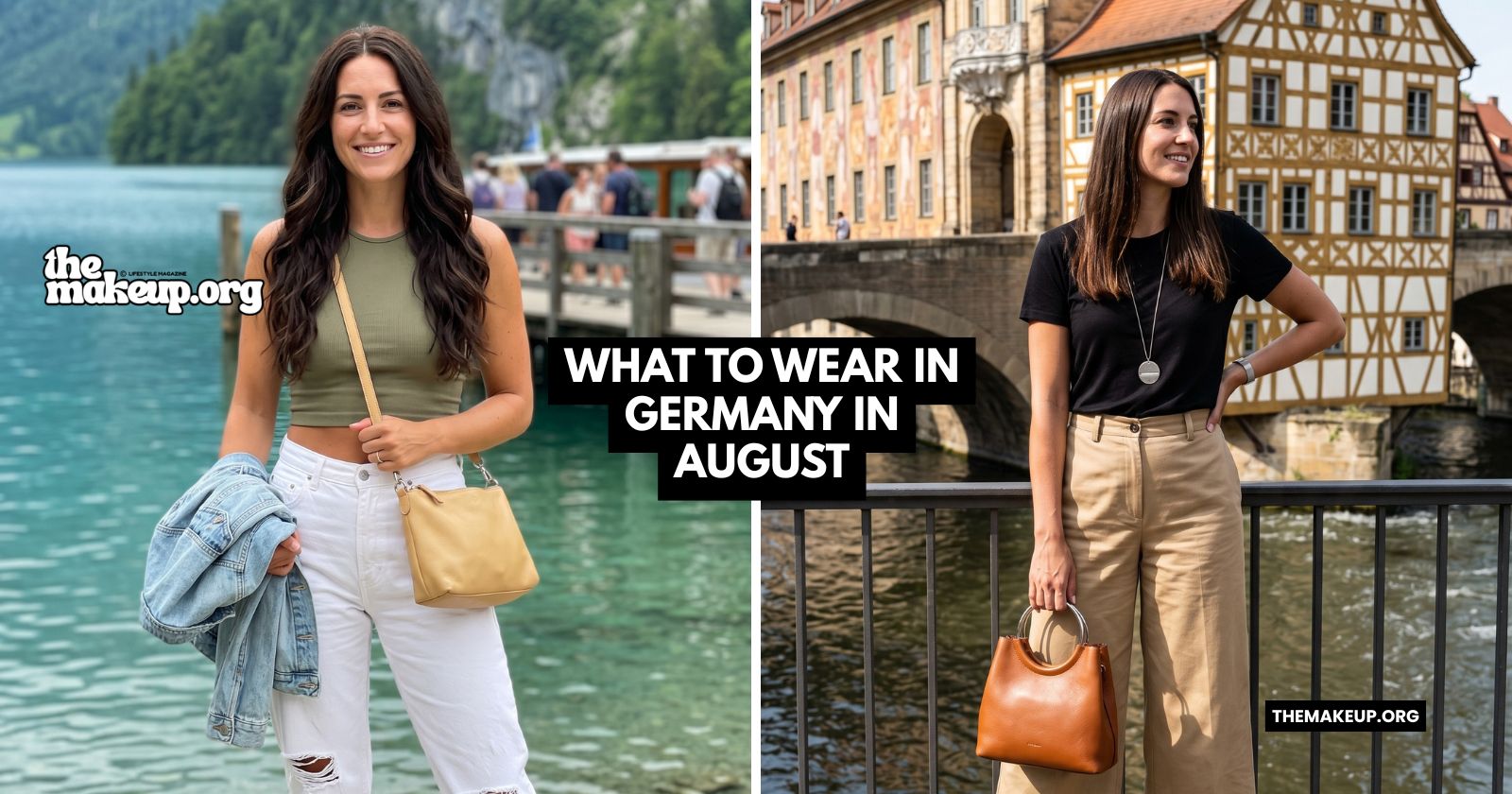
Start with that temperature swing and build outward. A light linen blouse, well-fitted jeans, leather trainers, and a thin cardigan tucked into your bag will carry you from a castle courtyard to a riverside dinner without a single change of plan.
Daytime highs sit between 20°C and 26°C (68°F and 79°F), but evenings regularly drop to around 14°C (57°F). Locals dress simply and neatly, always with a layer within reach.
What to Wear in Germany in August
Weather & Climate
August daytime highs typically land between 20°C and 26°C (68°F and 79°F). Evenings cool down noticeably, often reaching around 14°C (57°F) once the sun drops.
Rain showers are very common, especially later in the month. A short downpour can arrive without much warning, so your outfit choices here are always practical ones.
Mornings feel crisp, afternoons get genuinely warm, and the wind off rivers and open plazas adds a real chill by dusk. Plan for all three within the same day.
How Locals Dress ✨
German style in August is clean, simple, and never loud. Locals favor neat silhouettes over anything flashy or oversized.
You’ll find well-fitted jeans paired with breathable shirts and a light sweater tied around the waist or slung over a shoulder. Comfortable sneakers and understated accessories finish almost every look.
Sportswear and athleisure are rarely seen in city centers unless someone is clearly heading to a park or gym. Tidy and effortless is always the target here.
Outerwear 🧥
A full coat is unnecessary, but a light jacket is genuinely essential. Pack one you can compress into your day bag without fuss.
A lightweight trench or a denim jacket both work well across cities, small towns, and castle visits. Either layer is polished enough for an evening out and practical enough for an afternoon walk.
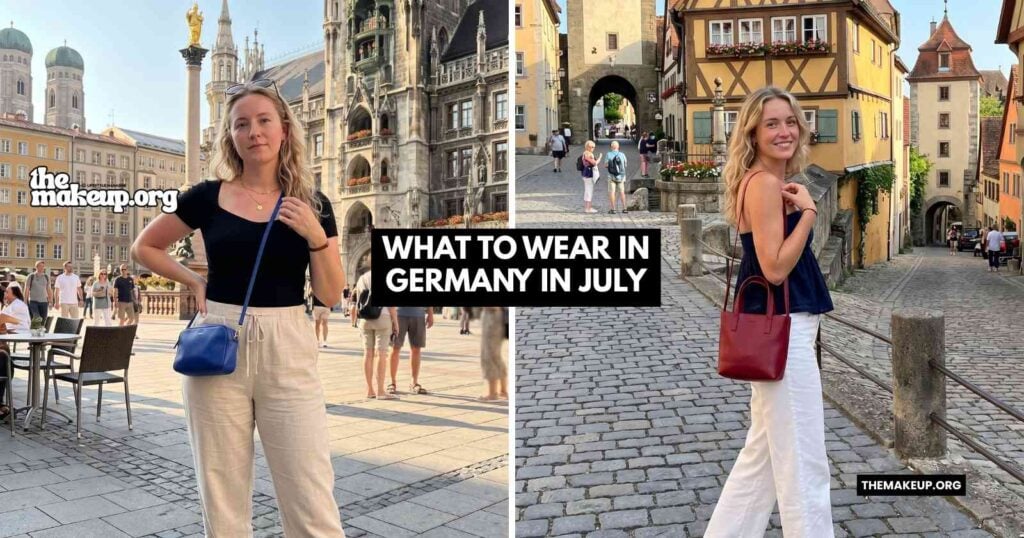
A breathable windbreaker is worth having if your itinerary involves higher elevations like the Bavarian Alps or long outdoor stretches. It doubles as rain protection on those surprise shower days.
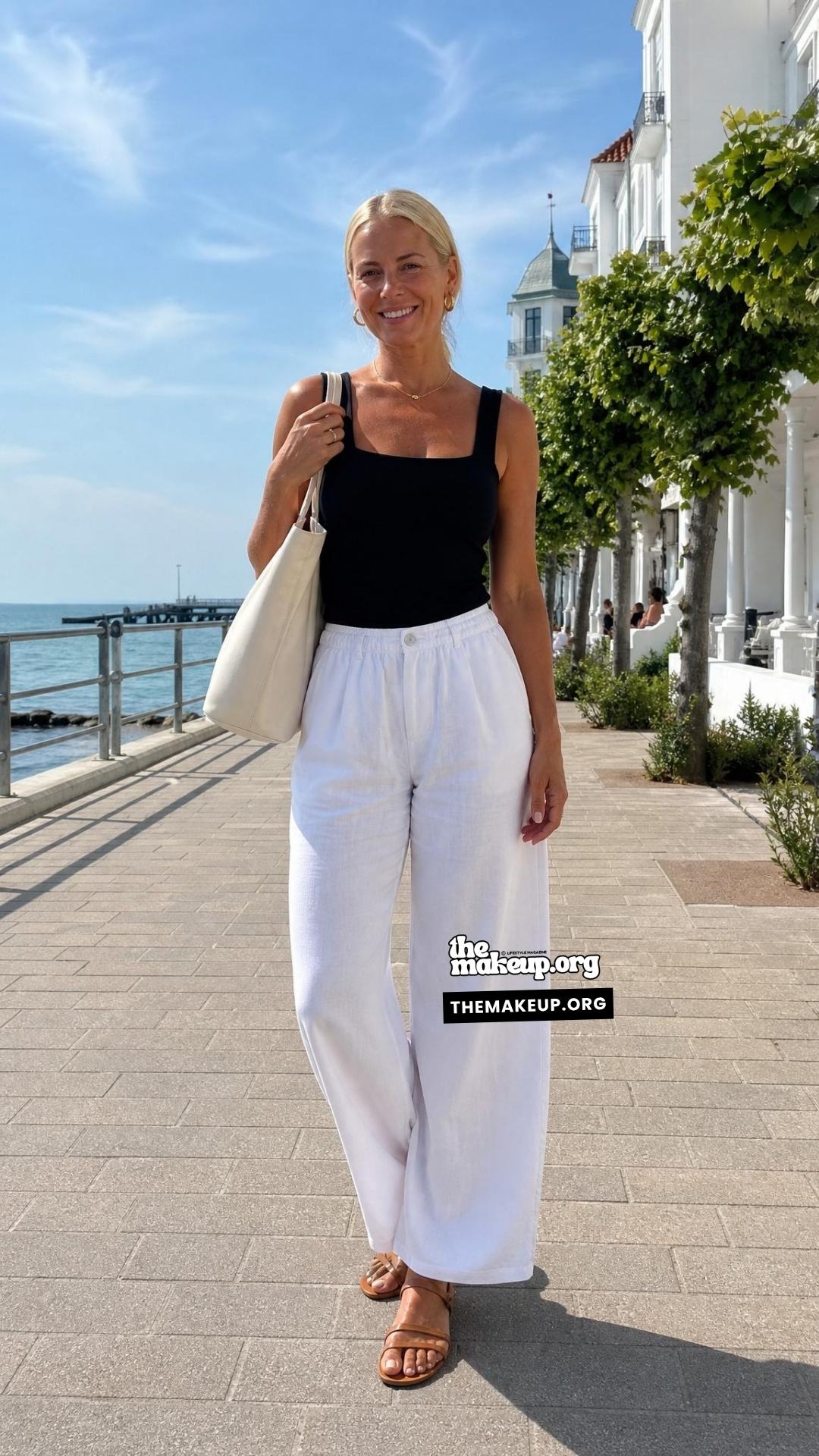
Layers & Fabrics 🧵
Layering is the single most useful thing you can do when packing for Germany in August. The goal is not bulk but flexibility.
Cotton tees, linen shirts, and soft jersey blends are ideal base layers. They breathe well in the afternoon heat and stay comfortable under a cardigan once the temperature drops.
A thin pullover or a light cardigan makes a very real difference by evening. Skip heavy knits and anything wool-weight until at least September.
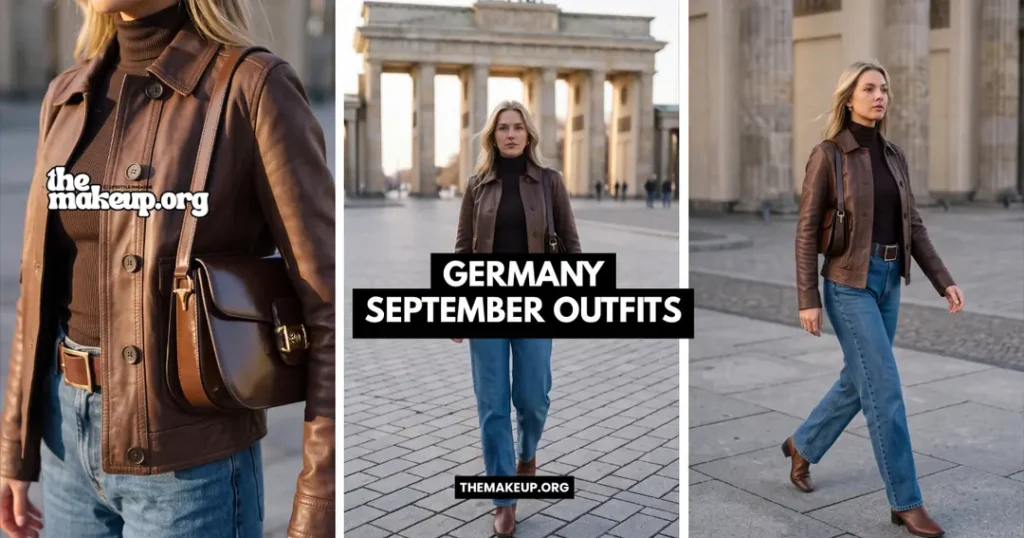
Scarves and the Small Things That Matter 🧣
A light scarf is one of the most versatile things you can pack for Germany in August. Draped over your shoulders at an outdoor restaurant, it handles the evening chill beautifully without adding bulk to your bag.
Scarves also work as a style tool. A simple neutral one pulls together an otherwise basic outfit and fits right into the understated local aesthetic.
Pack one in a breathable fabric like cotton or a fine modal blend. You’ll reach for it more than you expect, especially on canal walks or late dinners in open courtyards.
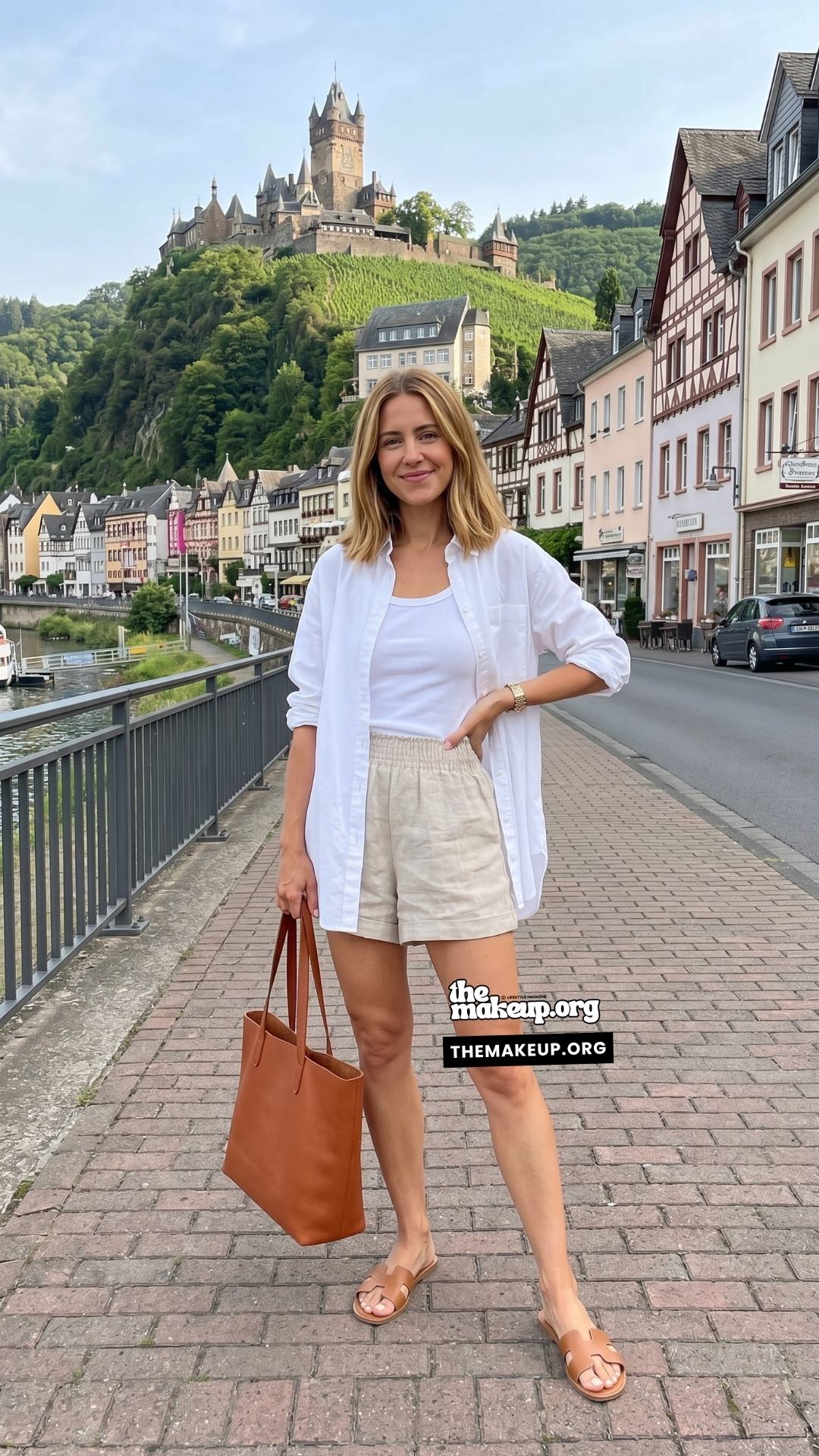
Tops 👚
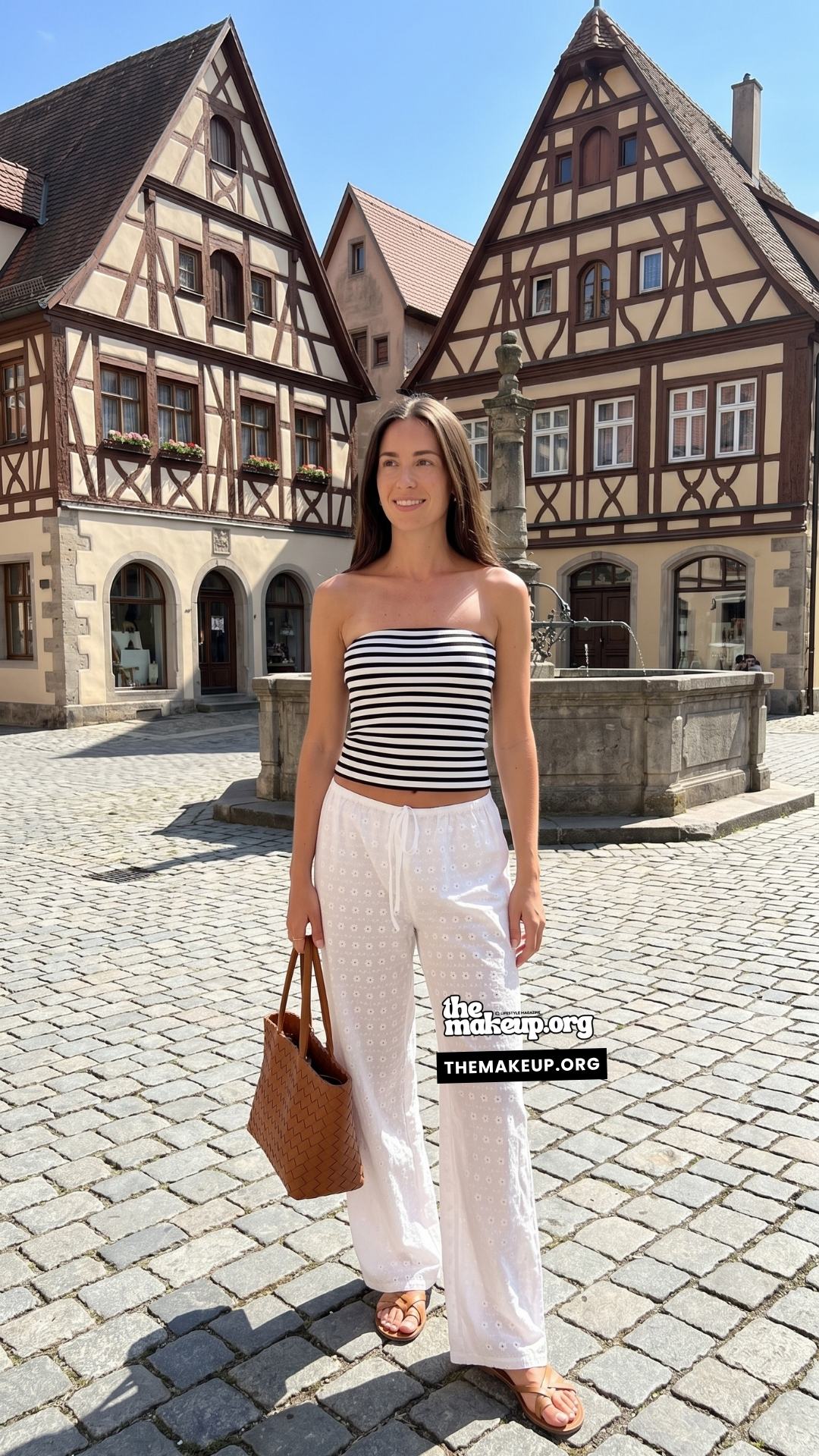
Short-sleeved shirts and breathable blouses are the daytime workhorses here. A couple of basic tees and one or two slightly smarter tops cover almost every situation.
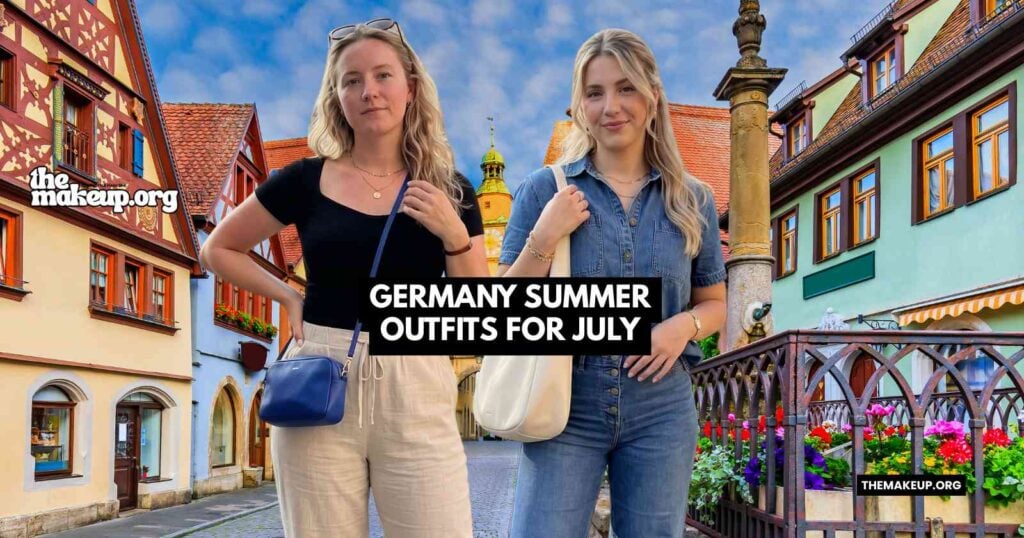
A light button-down is always worth the space. Wear it open over a tank top during the day, then button it up and tuck it in for a smarter evening look.
Sleeveless tops work during sunny stretches, but always have your cardigan or jacket within reach. Air-conditioned museums and cafes can be genuinely cold even in August.
Bottoms 👖
Well-fitted jeans are the most reliable choice for city days. They look neat, handle temperature changes well, and fit in everywhere from markets to museums.
Chinos or lightweight trousers are a good alternative on warmer days. Midi skirts also work well, especially for castle visits or more polished afternoon outings.
Leave heavy denim at home. A mid-weight or stretch fabric version will keep you comfortable across a full day of walking cobblestone streets.
Dresses 👗
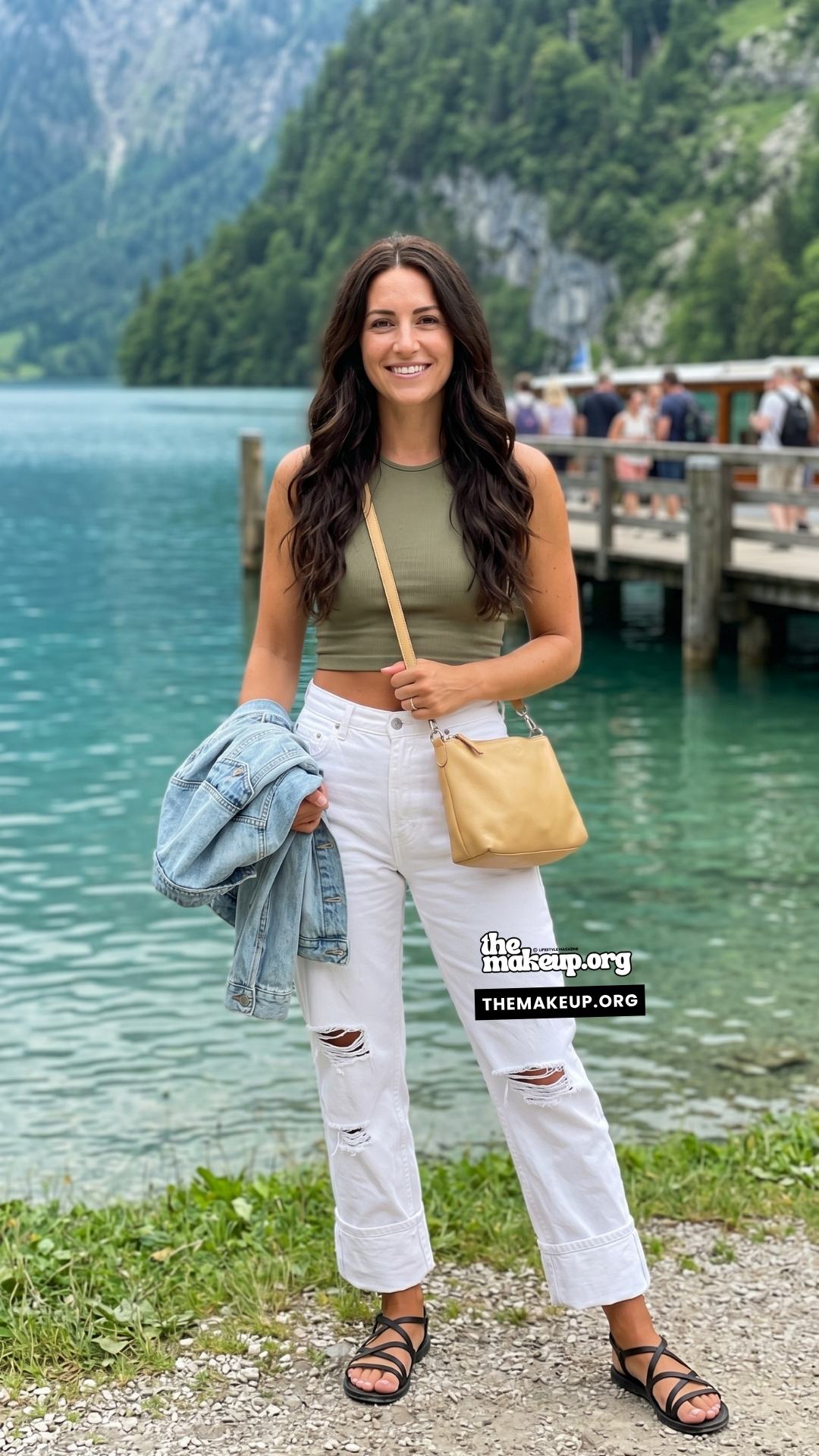
Dresses are genuinely popular here, on both locals and travelers. A midi dress or a relaxed shirt dress in linen or cotton is ideal for warm afternoons.
Go for natural fabrics whenever you can find them. They breathe well, pack flat, and always look intentional rather than thrown together.
Pair any dress with a light sweater or your jacket as temperatures shift. One great travel dress can easily carry you through a full day of adventures, from a morning market to an evening along the Rhine.
Shoes 👢
Your shoes will always work harder than anything else in your bag. Germany’s city streets and castle grounds involve a lot of cobblestones and uneven terrain.
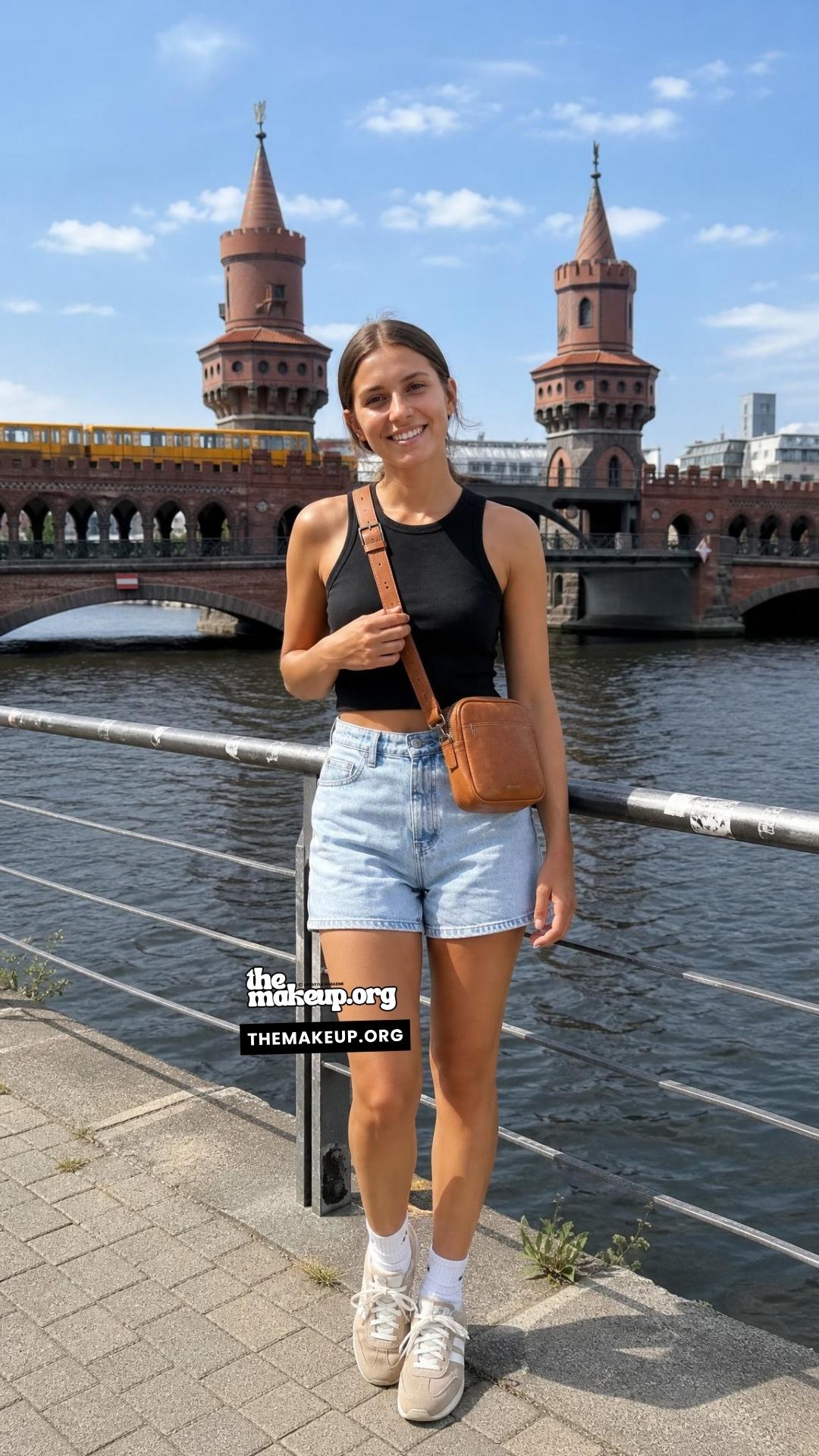
Comfortable leather trainers or minimalist walking sneakers are what most locals actually wear. They look neat, handle distance well, and never single you out as a tourist.
For evenings, flats or low sandals are practical enough. If rain is in the forecast, water-resistant shoes are worth packing.
Heels are rarely a good idea on cobblestones.
Accessories 🧣
A small umbrella or a packable rain poncho is genuinely useful here. Tuck one into your day bag and forget about it until you need it.
A crossbody bag or a streamlined daypack is practical for moving through museums, castles, and city centers. It keeps your hands free and your layers close.
Keep jewelry simple and understated. A few delicate pieces fit the local aesthetic far better than anything bold or heavily branded.
Color Palette & Style Vibe 🎨
Neutrals dominate: navy, beige, gray, stone, and white are everywhere. Subtle pops of color work, but loud prints and neon shades stand out in the wrong way.
The overall vibe is understated and effortlessly put-together. Think Scandi-adjacent: clean lines, quality fabrics, nothing trying too hard.
Daytime vs Evening Outfits 🌞🌙
Daytime is about layered comfort and readiness for changing conditions. It’s very normal to see someone tying a sweater around the waist mid-morning and pulling it back on by late afternoon.
Evenings invite a slight step up. Swap sneakers for flats, add a necklace, and reach for that jacket.
You don’t need a separate evening wardrobe, just a few thoughtful swaps.
How to Dress in Germany Without Looking Like a Tourist
The biggest giveaway is usually footwear. Chunky white trainers, flip-flops on city streets, and anything with a large visible logo will always read as tourist.
Fit matters more than fashion here. Clothes that are neat and well-proportioned do far more than anything expensive or trend-driven.
A simple, well-fitted outfit in neutral tones will have you blending in at museums, castles, and cafes alike.
Avoid overly bright colors and leave sportswear at the hotel unless you’re genuinely doing something active. Germans tend to dress for the activity they’re actually doing, and city exploring calls for a tidier look.
Common Mistakes / What to Avoid 🚫
Don’t pack only tank tops and shorts and assume August will always be warm. The temperature drops fast, and arriving without a layering option is a very common and very uncomfortable mistake.
Avoid anything too flashy, too logoed, or too athleisure for urban days. Most locals in German cities prefer a classic, tidy look over anything loud or sporty.
Final Tips & Best Practices ✅
Pack pieces that genuinely work together. Every item should pair with at least two others in your bag before it earns a spot.
Try on your full layered combinations at home, not for the first time in a German hotel room. It’s always easier to leave something behind before you go.
Never skip the breathable jacket or cardigan, no matter how warm the forecast looks. It’s far easier to peel off a layer than to wish you had one by 8pm.
Final Outfit Checklist 📝
Aim for a practical mix: lightweight tops, well-fitted jeans or breathable trousers, one or two midi dresses, and a thin sweater or jacket that compresses into your bag.
All shoes should be ones you can walk a full day in without hesitation. Add a scarf, a packable umbrella, and a crossbody bag, and you’re genuinely ready for whatever August in Germany brings.
FAQ: What to Wear in Germany in August
How do you dress in Germany and not look like a tourist?
Stick to neutral colors, well-fitted clothes, and clean footwear. Avoid chunky white trainers, large logos, and anything overly sporty or loud.
Simple, neat outfits in cotton or linen blends will always help you fit in at museums, castles, and city streets.
How should Americans dress in Germany?
Dress more simply and less athletically than you might at home. Swap hoodies and sports logos for a clean blouse, fitted jeans, and leather trainers.
Germans tend to dress for where they’re going, so a tidy, understated look always reads as respectful and appropriate.
What is the 3-3-3 rule for clothes?
The 3-3-3 rule means packing 3 tops, 3 bottoms, and 3 pairs of shoes that all work together. It keeps your bag light and forces every item to earn its place.
For Germany in August, this framework works well as long as you add a jacket and a scarf.
What is the 10pm rule in Germany?
The 10pm rule is a noise ordinance observed in many German residential areas, requiring quiet after 10pm. It doesn’t directly affect what you wear, but it does signal that Germany’s culture values respect for others in shared spaces, which extends to how locals dress and present themselves in public.
What not to bring into Germany?
Avoid packing restricted items like certain meat or dairy products from outside the EU, counterfeit goods, or weapons. For clothing, leave behind heavy winter layers, high heels for city walking, and anything overly branded or logoed if you want to blend in comfortably.
Is August a good time to visit Germany for outdoor activities?
August is one of the best months for outdoor adventures in Germany. Temperatures are warm but manageable, and most festivals, castle tours, and river cruises are in full swing.
Pack a windbreaker and comfortable walking shoes and you’ll be well set for any outdoor plans.
What fabrics work best for Germany in August?
Linen, cotton, and soft jersey blends are the most practical fabrics for August in Germany. They breathe well in the afternoon heat and layer easily when the temperature drops in the evening.
Avoid anything synthetic and heavy, as it won’t adapt well to the daily temperature swings.
Final Takes
Germany in August rewards people who pack smart over people who pack light for the wrong season. Layers, breathable fabrics, and neat footwear will take you further than a bag full of sundresses ever will.
Keep your palette neutral, your shoes practical, and always have a jacket and a scarf within reach. That combination handles the temperature swings, fits the local style, and leaves you genuinely free to enjoy every part of the trip.