
I used to think a summer trip to central Europe meant packing the same easy, minimal wardrobe I’d bring to the south of France, but what to wear in Germany in July has its own logic, and it caught me slightly off guard the first time.
The weather here is genuinely warm but less predictable than people expect, and local style sits closer to “quietly pulled-together” than “beach casual.”
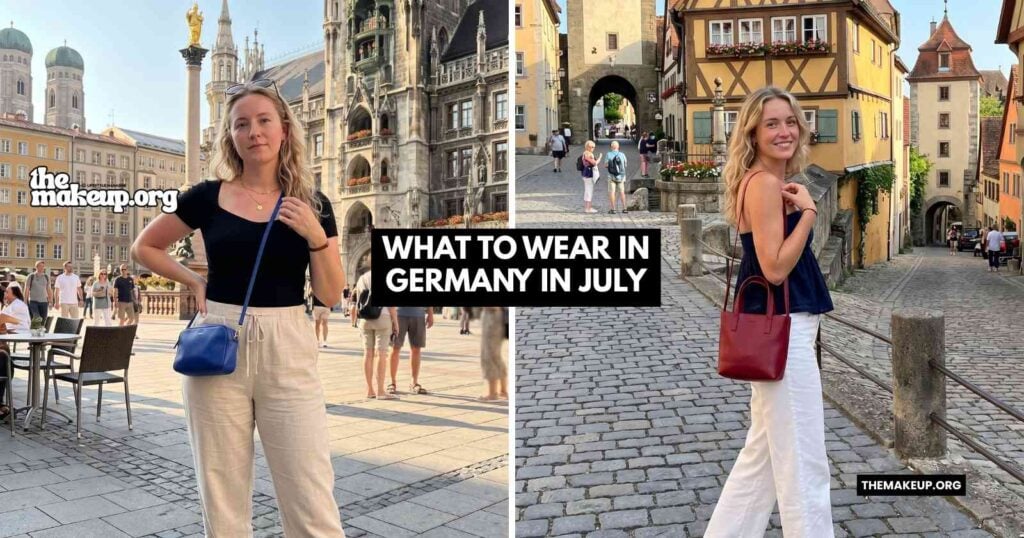
I’d focus on three things: breathable natural fabrics like linen and cotton, a versatile layering piece for cooler mornings and evenings, and one pair of genuinely supportive walking shoes.
Those three choices will carry you through most of what July in Germany asks of you, from cobblestone streets in Berlin to a riverside dinner terrace at dusk.
Temperatures in July typically sit between 18°C (64°F) in the early morning and around 28 to 30°C (82 to 86°F) by mid-afternoon, with occasional showers that appear without much warning. Locals dress neatly but practically, and you’ll find that blending in here is more about fit and fabric than anything expensive or complicated.
This guide walks you through every category, from outerwear and shoes to the color palette that feels right, so you can pack with confidence and leave the guesswork behind.
What to Wear in Germany in July
Weather & Climate
July brings real summer warmth to Germany, with afternoons in cities like Berlin, Munich, and Hamburg regularly reaching 28 to 30°C (82 to 86°F). Mornings start noticeably cooler, around 18°C (64°F), and late evenings can feel quite fresh, especially near rivers or open plazas.
Rain is always possible, sometimes arriving quickly on an otherwise sunny afternoon. It rarely lasts long, but a compact umbrella or a thin water-resistant jacket is worth finding room for before you head out each day.
How Locals Dress ✨
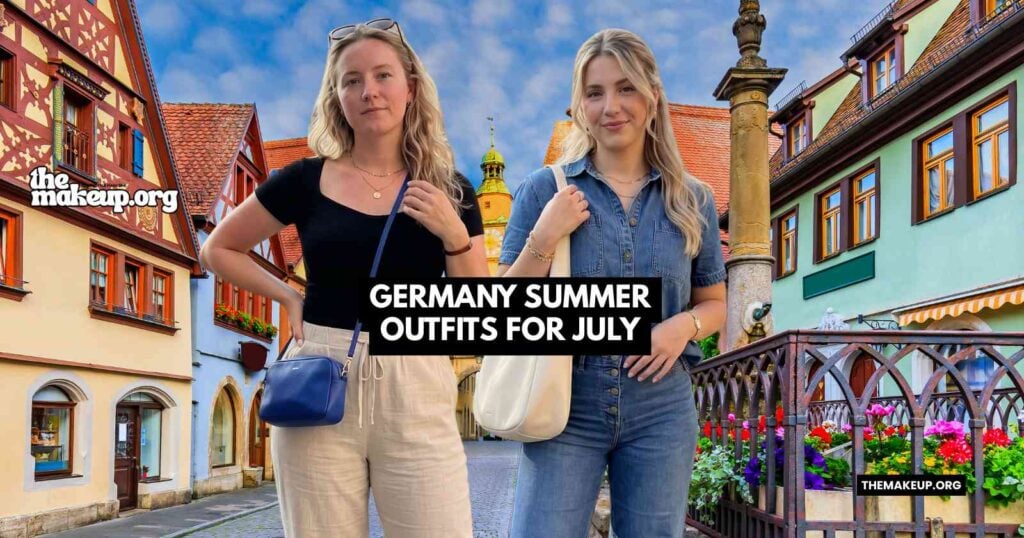
Germans dress with a kind of unfussy precision that is easy to admire and not that hard to replicate. You’ll notice clean silhouettes, well-fitting clothes, and a preference for quality over flash, whether you’re traveling around Berlin’s art districts or wandering a smaller historic town.
Think breathable cotton shirts, straight-leg trousers, and leather sneakers or loafers. Neatness matters more than brand names, and that is genuinely good news if you’re packing light.

Outerwear 🧥
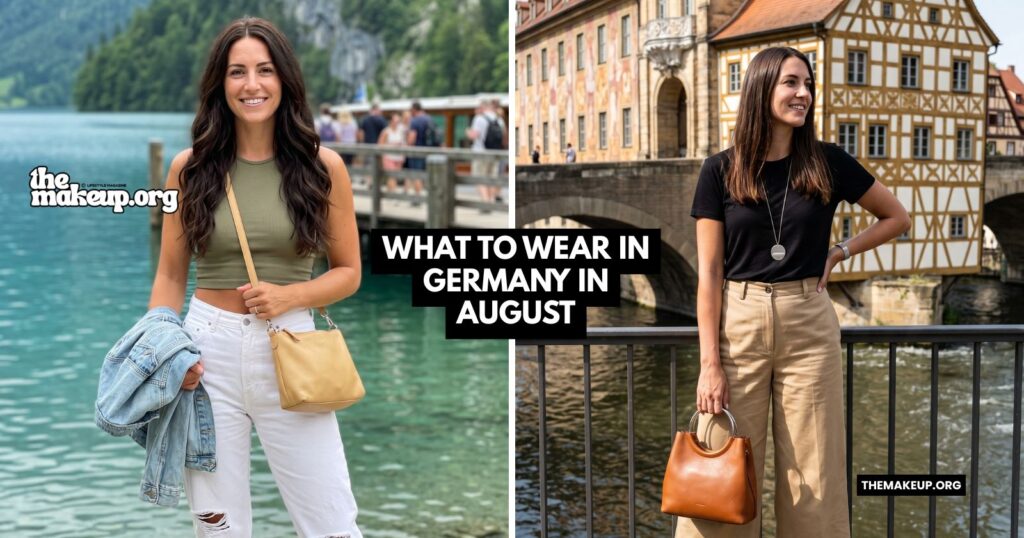
Most days you won’t need anything heavier than a light denim jacket, a waxed cotton jacket, or a relaxed linen blazer. These pack down easily and feel right for everything from a morning museum visit to an evening walk along the Spree.
If rain is likely, a thin, packable water-resistant jacket is all you’ll need. Leave bulky coats and heavy insulated layers at home, because they will stay at the bottom of your bag the whole trip.
Layers & Fabrics 🧵
Natural, breathable fabrics like cotton, linen, and lightweight viscose blends are the right call for July. They keep you cool when temperatures climb and don’t feel stiff or awkward when you layer them in the morning.
A thin merino cardigan or a cotton sweater worn over a simple tee handles the cooler parts of the day without adding bulk. A scarf in a soft, light material is one of the most versatile things you can carry, useful for early mornings, drafty churches, or a cooler evening.
Tops 👚
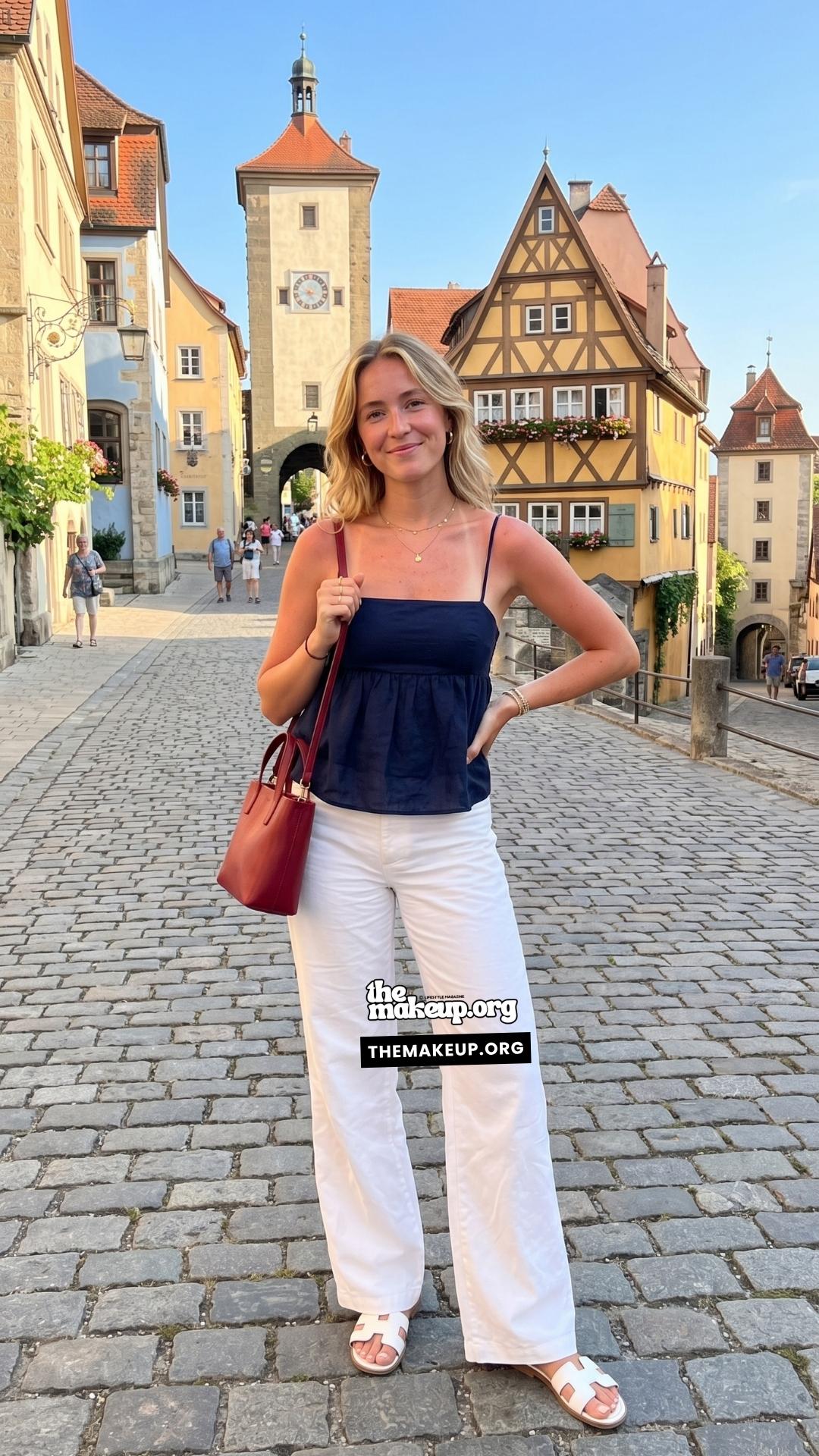
Short-sleeved shirts, simple blouses, and relaxed linen tops are everyday staples here in July. Sleeveless styles work well for peak afternoon heat, particularly if you’re spending long hours sightseeing outdoors.
It’s worth packing at least one or two tops with sleeves you can wear indoors. Air conditioning is less common in Germany than in some other places, but certain museums, trains, and shops can feel quite cool, and having a layer to pull on makes a difference.
Bottoms 👖
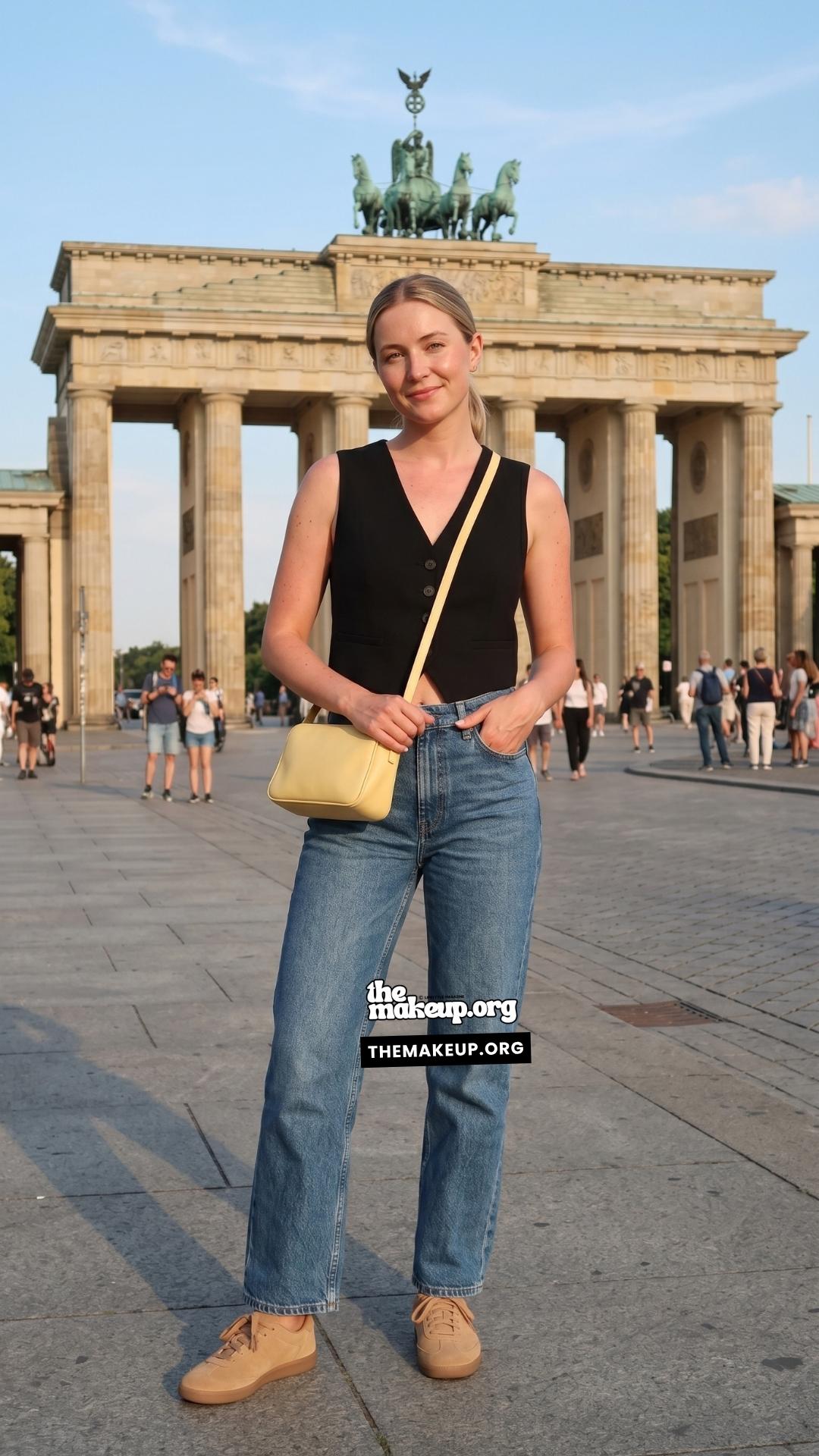
Light cotton trousers, chinos, or cropped pants suit the local style and hold up well across a long day of walking. Well-fitted jeans are a solid option too, though heavy denim can feel genuinely uncomfortable on the warmest afternoons.
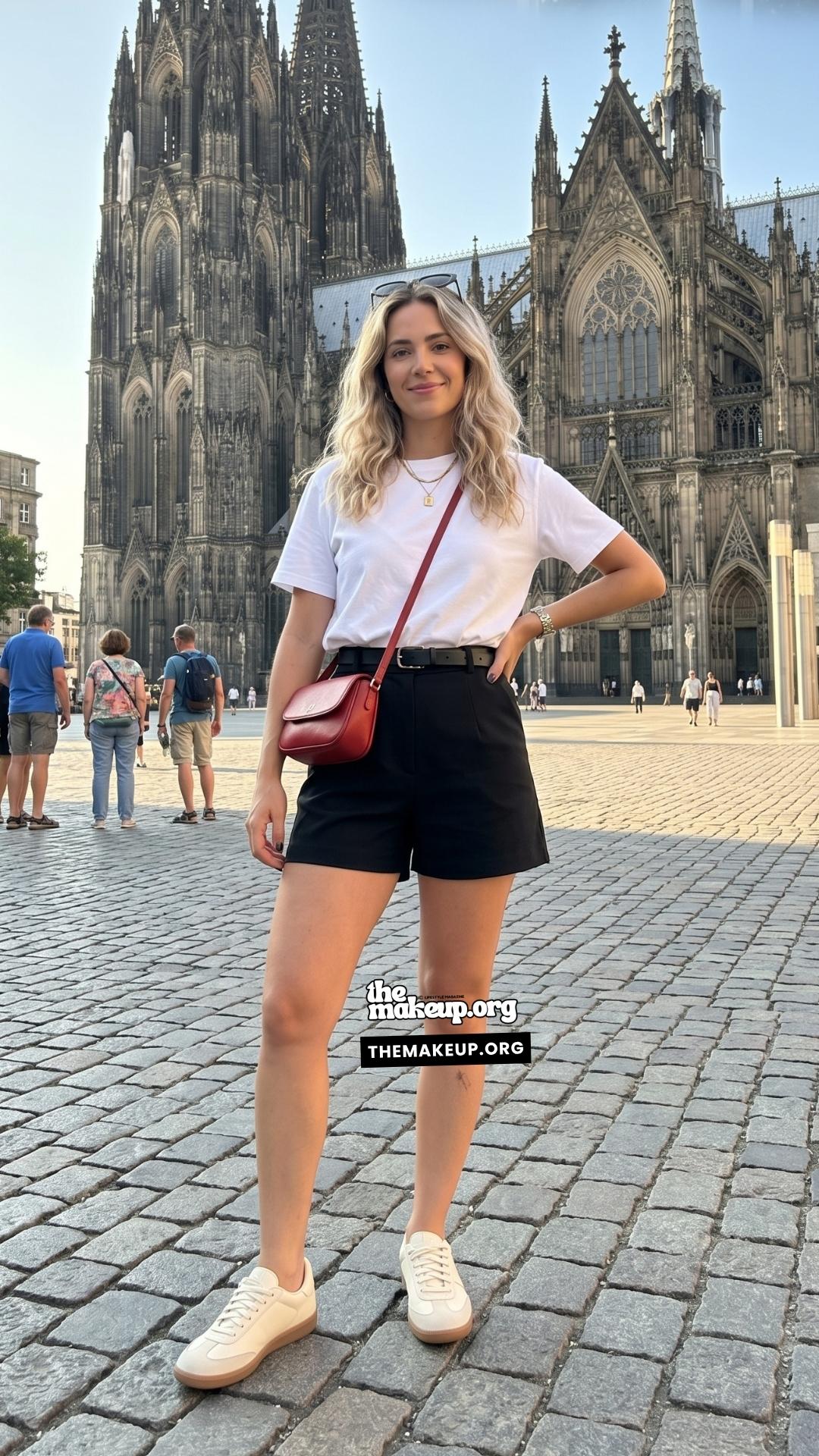
Shorts are acceptable and comfortable for parks and casual settings, but you’ll find them less common in city centers than you might expect. If you pack them, go for a tailored or neat cut rather than athletic or cargo styles, and you’ll find you fit right in.
Dresses 👗
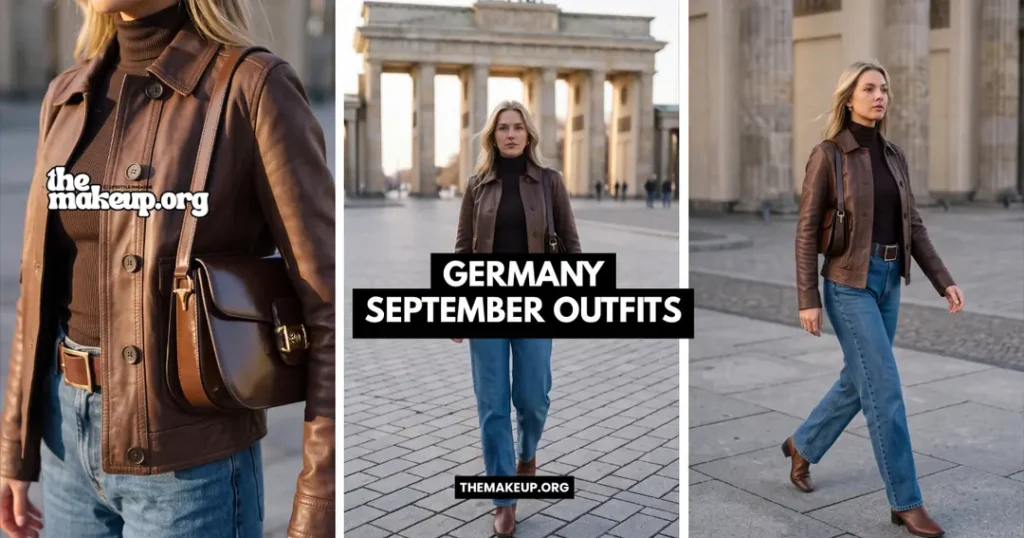
A lightweight dress is one of the most practical things you can pack for Germany in July. Midi and knee-length styles in breathable fabrics like cotton voile or linen move easily in the heat and transition well from a daytime gallery visit to a relaxed dinner out.
A simple wrap dress or a shirt dress layers beautifully with a denim jacket in the evening. If you’re visiting churches or more formal spaces, a scarf draped over the shoulders covers any additional skin without needing a separate outfit.
How to Dress in Germany Without Looking Like a Tourist
The single biggest visual tell is footwear. Tourists here tend to arrive in bright white trainers or very casual flip-flops, while locals reach for clean leather sneakers, simple loafers, or structured sandals. Swapping one pair of shoes can shift your whole look immediately.
Beyond that, fit matters more than labels. Clothes that are slightly oversized or visibly wrinkled in a sloppy way tend to stand out, while neat, well-fitting pieces in neutral tones blend naturally into the local rhythm.
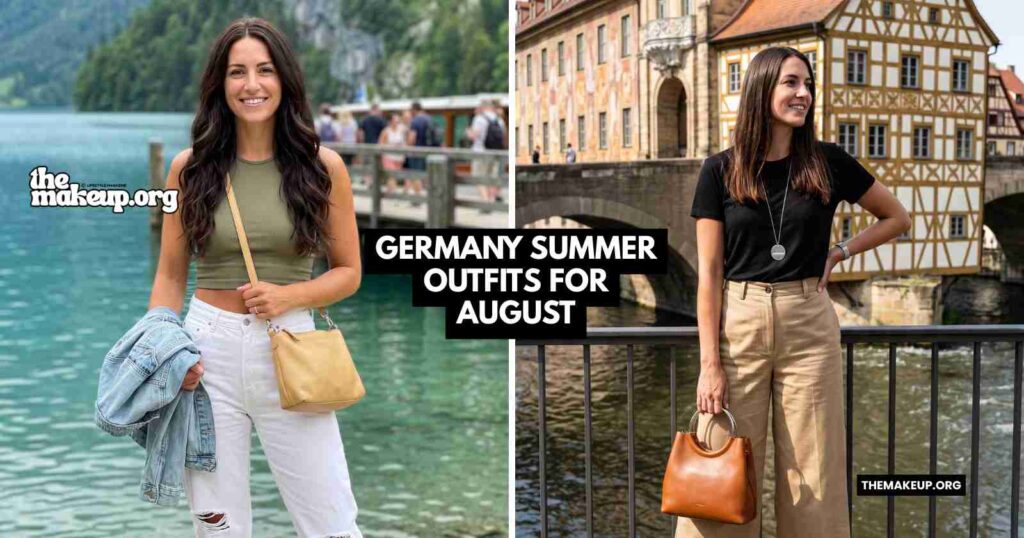
In Berlin especially, you’ll find a more relaxed creative edge, but even there, intentionality in dressing is visible.
Avoid large logo tees, flag prints, or anything that signals “I’m on holiday” too loudly. A crossbody bag in a simple design, a pair of quality sunglasses, and a light scarf are all you really need to look like you belong.
Shoes 👢
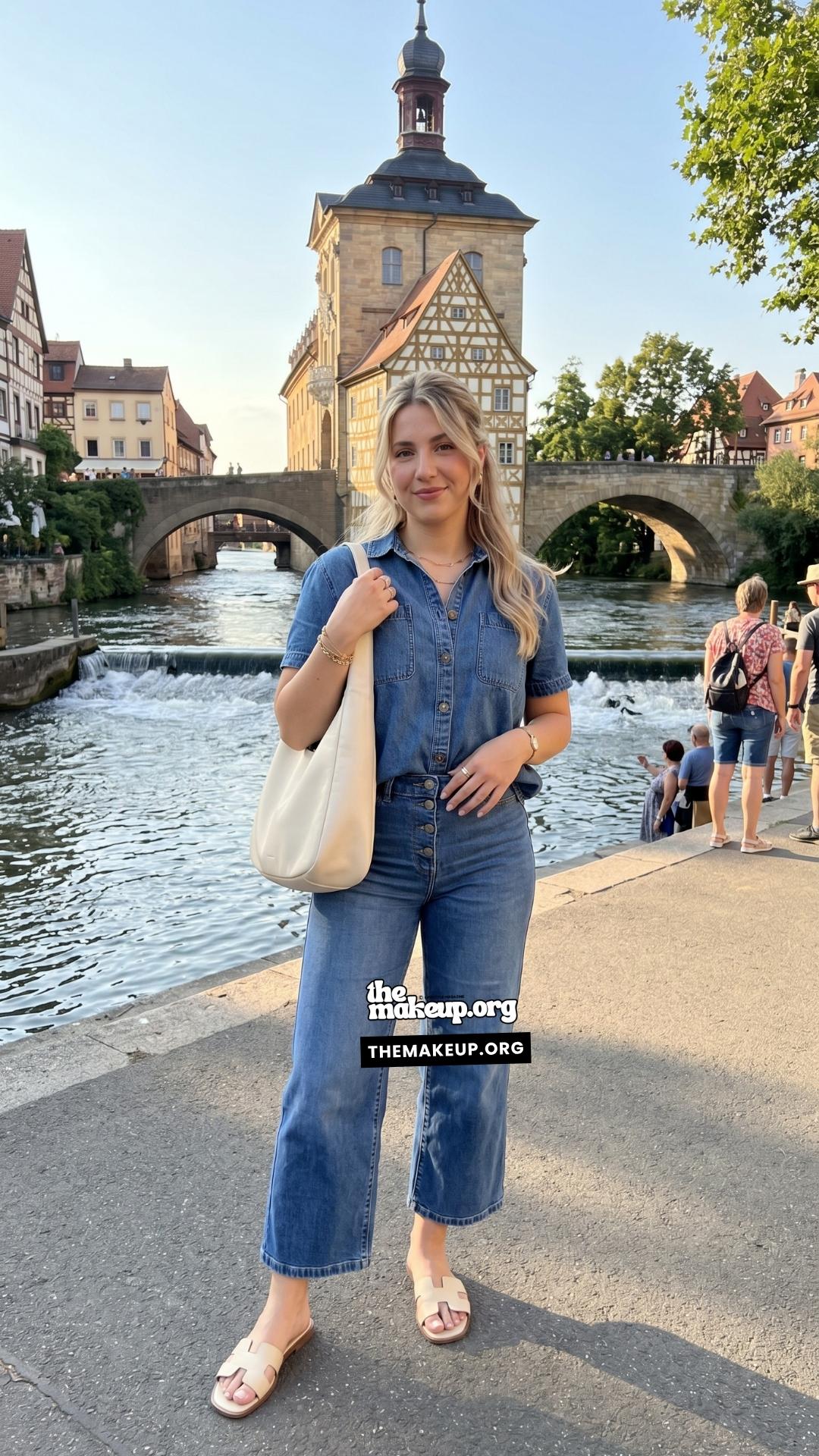
Comfortable sneakers are the clear favorite for daily wear, and for good reason. German cities are walkable, but you’ll cover far more ground than you think, and feet that start aching by noon will ruin an otherwise perfect afternoon.
Low-profile leather trainers or casual loafers look polished and hold up well across cobblestones and paved paths alike. Sandals are a good option in genuine heat, but choose a sturdy style with real arch support rather than flat thong sandals, which become quite uncomfortable on longer walks and leave you vulnerable to unexpected rain.
Accessories 🧣
A lightweight scarf in cotton or silk is one of the most hardworking items in your bag here. It adds warmth on cool mornings, covers shoulders in churches, and ties a simple outfit together in the evening without needing to change.
Sunglasses are genuinely useful for bright July afternoons. A crossbody bag keeps your hands free and your belongings secure in busy areas, and a compact umbrella tucked into an outer pocket means you’ll never be caught out by a sudden shower.
Color Palette & Style Vibe 🎨
German style in summer tends toward a calm, neutral palette. Navy, taupe, olive, stone, and off-white are all very much at home here, and you’ll notice locals leaning toward these tones even in warm weather.
Small pops of color or simple prints work well and won’t look out of place, but the overall mood is understated rather than vivid. Classic stripes, quiet florals, and minimal details read as local; loud slogans and oversized graphics tend to stand out in the wrong way.
Daytime vs Evening Outfits 🌞🌙
Daytime dressing in July is relaxed and heat-focused: light fabrics, short sleeves, and breathable layers for the mid-afternoon climb. If you’re spending hours around Berlin’s street art neighborhoods or exploring a palace garden, comfort is the priority.
Evenings shift the tone slightly but don’t demand anything formal. Temperatures drop once the sun goes down, particularly near water or in open squares, so the light jacket or scarf you carried in your day bag earns its keep.
Swapping sneakers for loafers or adding a simple cardigan is genuinely all you need to feel put-together for dinner.
Common Mistakes / What to Avoid 🚫
Overpacking warm layers is the most common error. July in Germany is real summer, and the heavy sweaters and thick jackets people bring out of caution will stay unused. Keep any warm pieces genuinely lightweight, because the temperature rarely calls for more.
Very flat or open sandals, like simple flip-flops, can leave you quite uncomfortable on city streets and vulnerable if rain arrives suddenly. Avoid very bold graphics or oversized slogans if blending in matters to you; the local aesthetic is about neatness, not noise.
Final Tips & Best Practices ✅
Choose pieces that fit well, breathe in warmth, and layer without fuss. Before you finalize your packing list, check the forecast for the specific cities you’ll be traveling around, since weather can vary quite a bit between northern and southern Germany even in the same week.
Leave a little room in your bag. Germany has wonderful markets and shops, and picking up a practical or beautiful local piece is part of the pleasure of traveling here. Arriving with a thoughtful, versatile selection means you’ll spend your energy exploring rather than worrying about what to wear.
Final Outfit Checklist 📝
For Germany in July, pack three to four breathable tops in cotton or linen, one or two lightweight dresses, and two pairs of versatile bottoms like cotton trousers and one pair of jeans. Add a thin cardigan or a light denim jacket, a packable rain layer, one scarf, and a pair of supportive walking shoes as your main footwear.
A pair of tidier loafers or clean leather sneakers covers you for evenings, and sandals with real support handle warm afternoons in parks or at outdoor terraces. Sunglasses, a crossbody bag, and a compact umbrella complete the picture.
Mix and match across these pieces and you’ll find you have an outfit for every situation without the bag feeling heavy.
FAQ: What to Wear in Germany in July
How do you dress in Germany and not look like a tourist?
The most effective change you can make is your footwear. Clean leather sneakers or simple loafers read as local far more than bright white trainers or flip-flops. Beyond that, stick to well-fitting neutral pieces, carry a simple crossbody bag, and skip large logo prints or flag-themed clothing.
How do people dress in Germany in summer?
Germans dress practically and neatly in summer, favoring breathable cotton or linen tops, straight-leg trousers or light dresses, and comfortable shoes built for walking. The overall look is understated and well-fitting rather than flashy. A light layer for evenings is almost always part of the picture.
What is the 3-3-3 rule for clothes?
The 3-3-3 packing rule suggests bringing three bottoms, three tops, and three pairs of shoes as a minimal but versatile travel wardrobe. For Germany in July, this framework works well as long as your chosen fabrics are breathable and your shoes include one genuinely supportive pair for walking.
What not to bring into Germany?
From a clothing standpoint, leave behind heavy coats, thick sweaters, and multiple pairs of bulky shoes. July temperatures rarely justify them, and they take up significant bag space.
From a broader travel perspective, Germany restricts the import of certain foods, plants, and items, so it’s worth checking customs guidelines before you travel.
What is the 10pm rule in Germany?
The 10pm rule refers to Germany’s quiet hours (Ruhezeit), which typically begin at 10pm in residential areas. It’s not a dress code, but it’s worth knowing as a traveler: outdoor dining and evening plans tend to wind down earlier than in some other European destinations, so plan your evenings accordingly.
What is the difference between dressing for Germany in July versus June?
July is reliably warmer and sunnier than June, with midday temperatures regularly reaching 28 to 30°C (82 to 86°F). In June, temperatures can be quite variable and rain is more frequent, so you’d lean more heavily on layering pieces and a rain jacket.
In July, lighter fabrics and fewer layers handle most of the day, with just a thin jacket kept on hand for evenings.
Are shorts acceptable to wear in Germany in July?
Yes, shorts are perfectly acceptable in Germany in July, particularly for outdoor activities, parks, and casual settings. In city centers and more formal spaces, locals tend to favor light trousers or dresses over shorts, so a neat, tailored cut will feel more natural than athletic or cargo styles if you’re spending time in urban areas.
Final Takes
Germany in July rewards travelers who pack light, think in layers, and choose fabrics that handle both warm afternoons and cooler evenings without any fuss. A handful of well-fitting pieces in breathable cotton or linen, one good pair of walking shoes, and a thin layer for evenings will genuinely cover most of what the month asks of you.
The local approach to dressing here is practical and quietly considered, and the good news is that matching it doesn’t require a new wardrobe or complicated planning. Neat, comfortable, and versatile is the whole formula.
Pack that way and you’ll spend your time noticing Germany rather than thinking about what you’re wearing.