
For what to wear in Japan in August, I’d focus on three things from the start: moisture-wicking fabrics, shoes you can slip on and off, and a thin layer for the aggressively air-conditioned trains and shops.
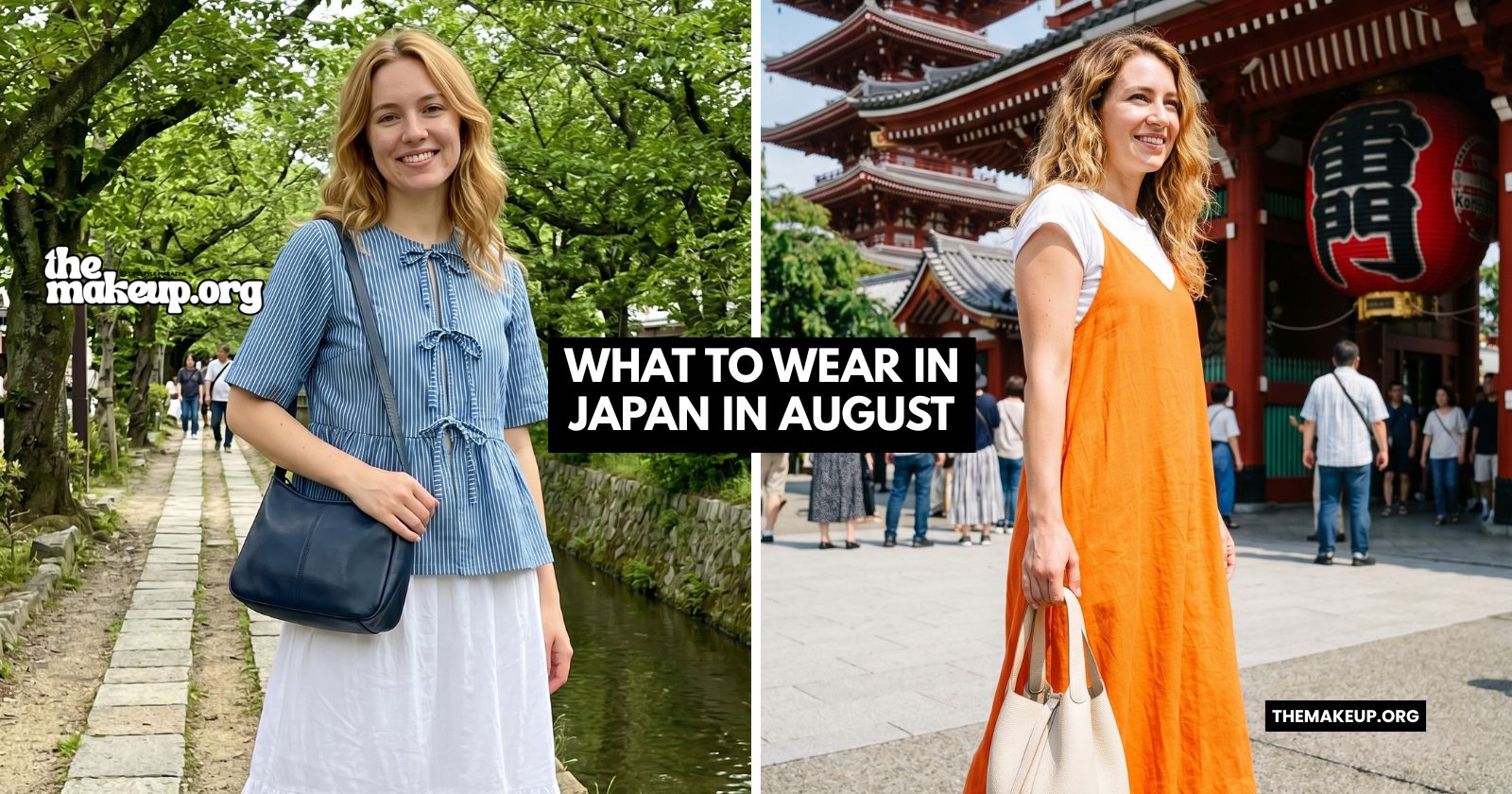
Breathable cotton or linen tops paired with lightweight trousers or a midi skirt cover most of what you’ll do here, from temple visits to Tokyo ramen runs. A packable rain jacket earns its place in your suitcase every single day of August.
Temperatures run from 24°C to 33°C (75°F to 91°F), and the humidity makes it feel heavier than that. Locals dress polished even in the heat: neat silhouettes, tidy fabrics, nothing gym-casual.
What to Wear in Japan in August
Weather & Climate
August in Japan is genuinely hot and sticky. Average temperatures range from 24°C to 33°C (75°F to 91°F), and high humidity makes every degree feel more intense.
Rain showers arrive fast and leave just as quickly. Quick-drying fabrics are not optional here; they are the whole strategy.
Early mornings are slightly cooler, but not dramatically so. Plan for a full day of warmth from the moment you step outside.
How Locals Dress ✨
On summer streets in Tokyo and Osaka, locals keep things neat and considered. Light layers, breathable fabrics, and tidy silhouettes are the standard even in peak heat.
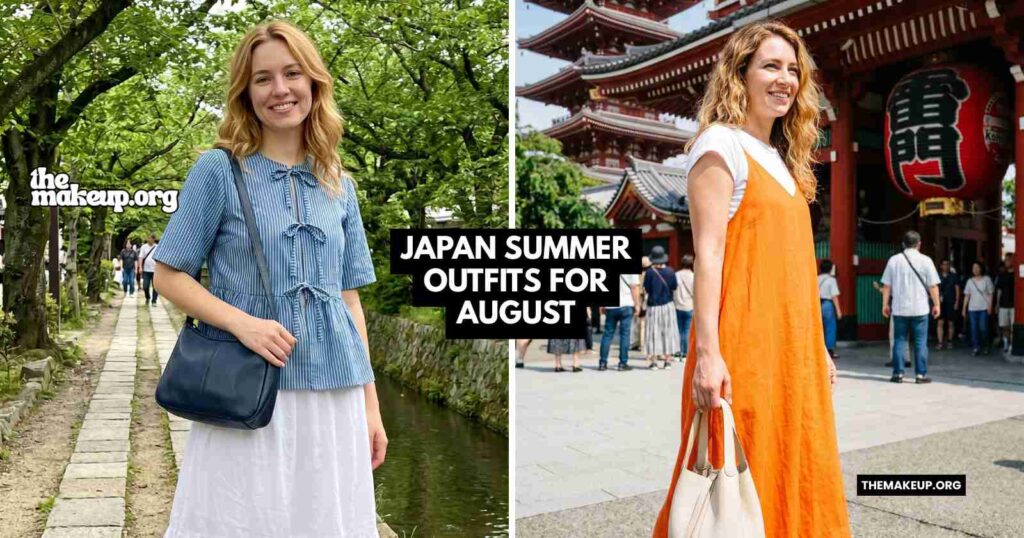
You’ll rarely see gym shorts or deep-cut tank tops outside of athletic contexts. Short-sleeved shirts, smart trousers, simple cotton tops, and modest dresses are everywhere.
Many people carry a small handkerchief or hand towel for freshening up through the day. It is a practical habit worth borrowing.
Outerwear 🧥
You do not need heavy outerwear in August. A thin cardigan or lightweight jacket is all you need for air-conditioned shops, restaurants, and public transport.
Indoor cooling is often set very cold here, so that layer gets used more than you’d expect. Tuck it into your bag when you step back outside.
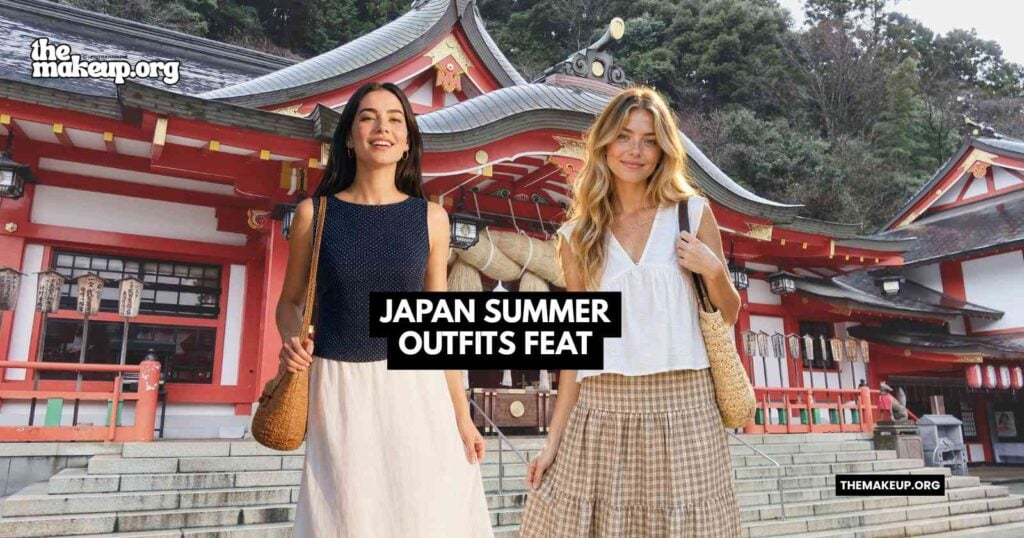
A packable rain jacket or compact umbrella handles the sudden showers well. Choose one that fits easily into your day bag without adding bulk to your suitcase.
Layers & Fabrics 🧵
Breathable fabrics are your best allies: cotton, linen, and technical moisture-wicking blends all work well in August humidity. They dry fast and feel lighter as the day warms up.
A loose button-up worn over a tank top gives you sun protection for your arms and an easy layer to strip off indoors. A thin scarf in your bag handles the temperature swings between outside and in.
Tops 👚
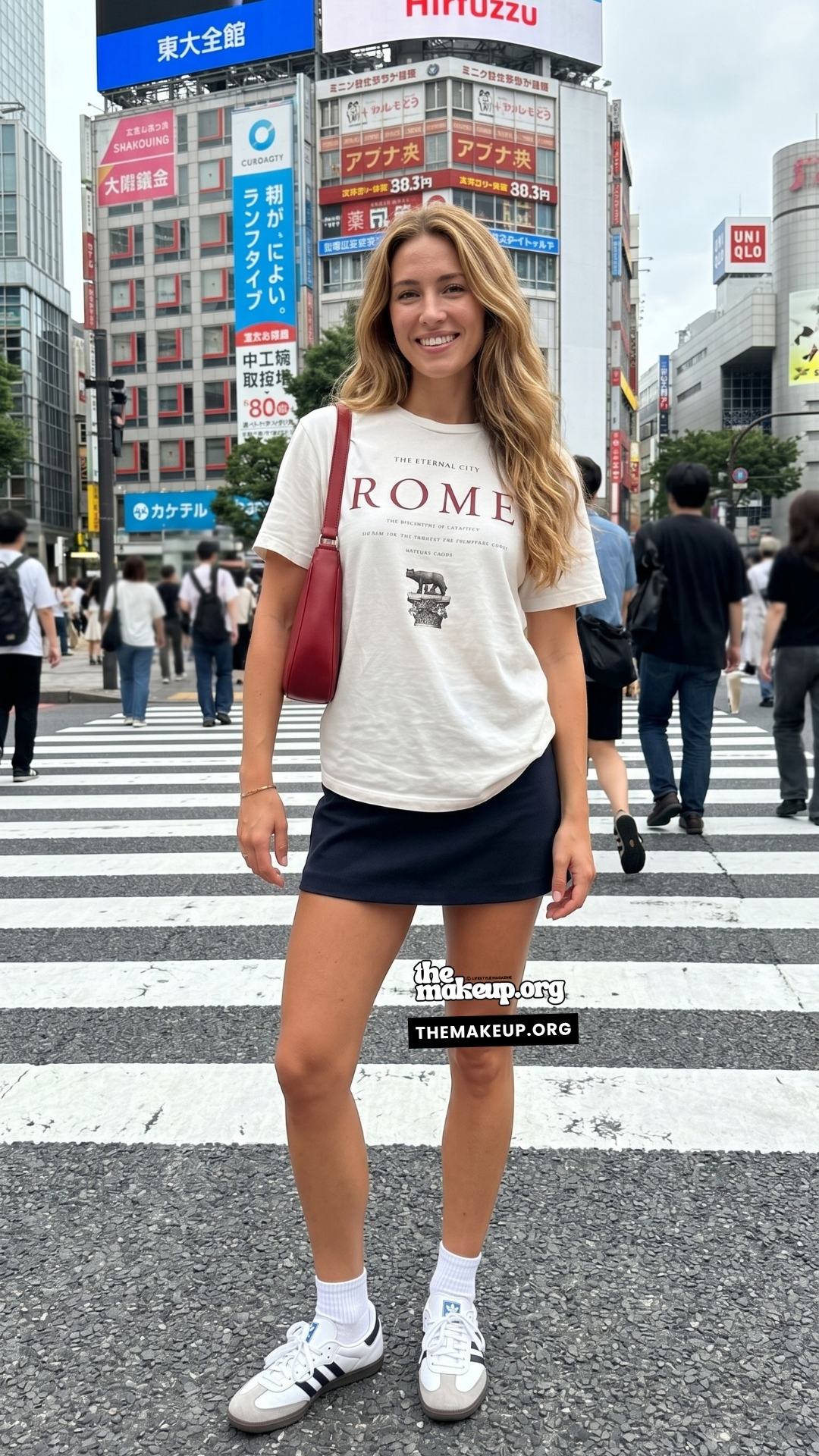
Short-sleeved or sleeveless tops in light, quick-drying fabrics work best for daytime. A modest neckline and a neat fit are what you’ll see all around you.
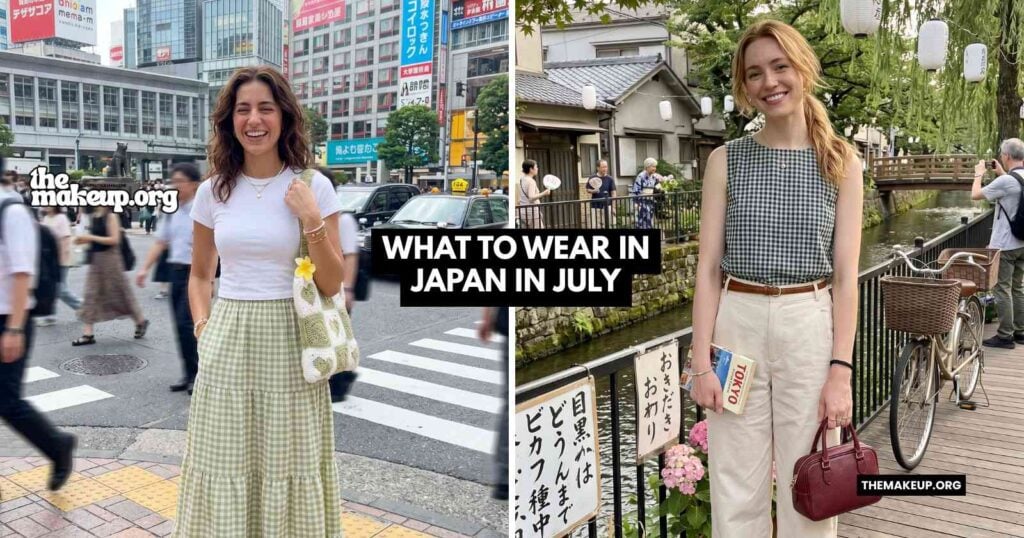
Avoid anything clingy or heavy. Simple designs that breathe well are the right call, especially for days when you’re moving from temples to train platforms from morning to sunsets.
Layering a light shirt over a base tee is a common local move. It adds polish and gives you built-in sun protection without adding much heat.
Bottoms 👖
Lightweight trousers, cropped pants, or long skirts keep you comfortable and looking put-together at the same time. Full-length styles offer sun coverage and read as more polished on public transport.
Modest shorts are fine in tourist areas, but keep the length closer to the knee. Pack at least one pair of walking trousers for days with a lot of indoor time.
Dresses 👗
Easy-fitting summer dresses are one of the smartest things you can bring. A midi or maxi length works well for temples, restaurants, and long walking days alike.
Choose breathable fabrics and a flowy cut to help with air circulation during humid afternoons. Bring a light layer to add when you step inside somewhere cold.
Avoid heavy materials or very short hemlines. Simple patterns or solid colors in muted tones fit the local style well.
Shoes 👢
Your shoes will work harder than almost anything else you pack. Comfortable sneakers or supportive sandals with real grip are the right choice for cities like Tokyo and Kyoto, where you’ll easily cover several kilometers a day.
Shoes that slip on and off easily matter here. Many temples and traditional spaces require you to remove your footwear at the entrance.
Rain makes streets slick, so avoid anything with a flat, smooth sole. A little cushioning and grip go a long way on a long day out.
Make sure your socks are moisture-wicking too. Light no-show or ankle socks in breathable cotton will keep your feet far more comfortable than thick ones.
Accessories 🧣
A wide-brimmed hat and sunglasses are worth their space in your suitcase. The August sun in Japan is strong from mid-morning onward.
A small foldable fan offers real relief on muggy afternoons. Many locals use them as a daily essential, and you’ll be glad you took one from your bag.
A lightweight tote handles shopping, a spare top, and your compact umbrella without adding strain. A small hand towel for freshening up is genuinely useful, not just a nice idea.
Color Palette & Style Vibe 🎨
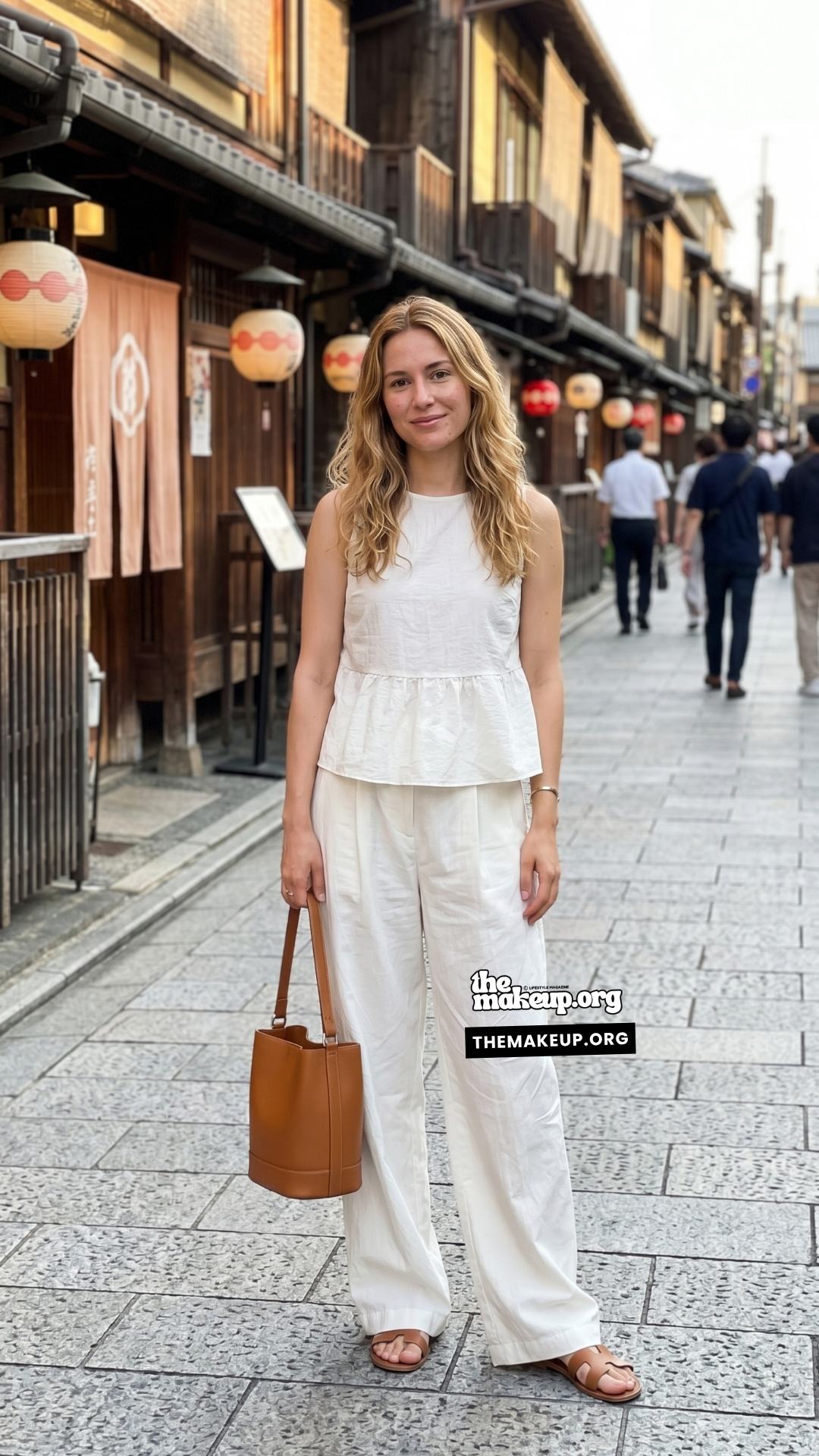
Navy, beige, soft greens, and classic black and white dominate the summer streets. The overall vibe is understated and clean rather than bold or maximalist.
Gentle pastels and quiet prints work well here. Aim for coordinated looks that feel intentional without being fussy.
Avoid anything too loud or logo-heavy if you want to blend in with local city style. Simple silhouettes with one thoughtful accent are always enough.
Colors to Avoid in Japan as a Woman
There are no strict rules about color here, but very loud or clashing combinations tend to stand out in the wrong way. The local approach favors harmony over contrast.
White is worn freely in summer, despite old Western superstitions about it. All-black outfits are equally common and always look sharp in the heat.
If you’re visiting temples or traditional spaces, muted tones show quiet respect for the setting. It’s a small consideration that locals notice and appreciate.
Daytime vs Evening Outfits 🌞🌙
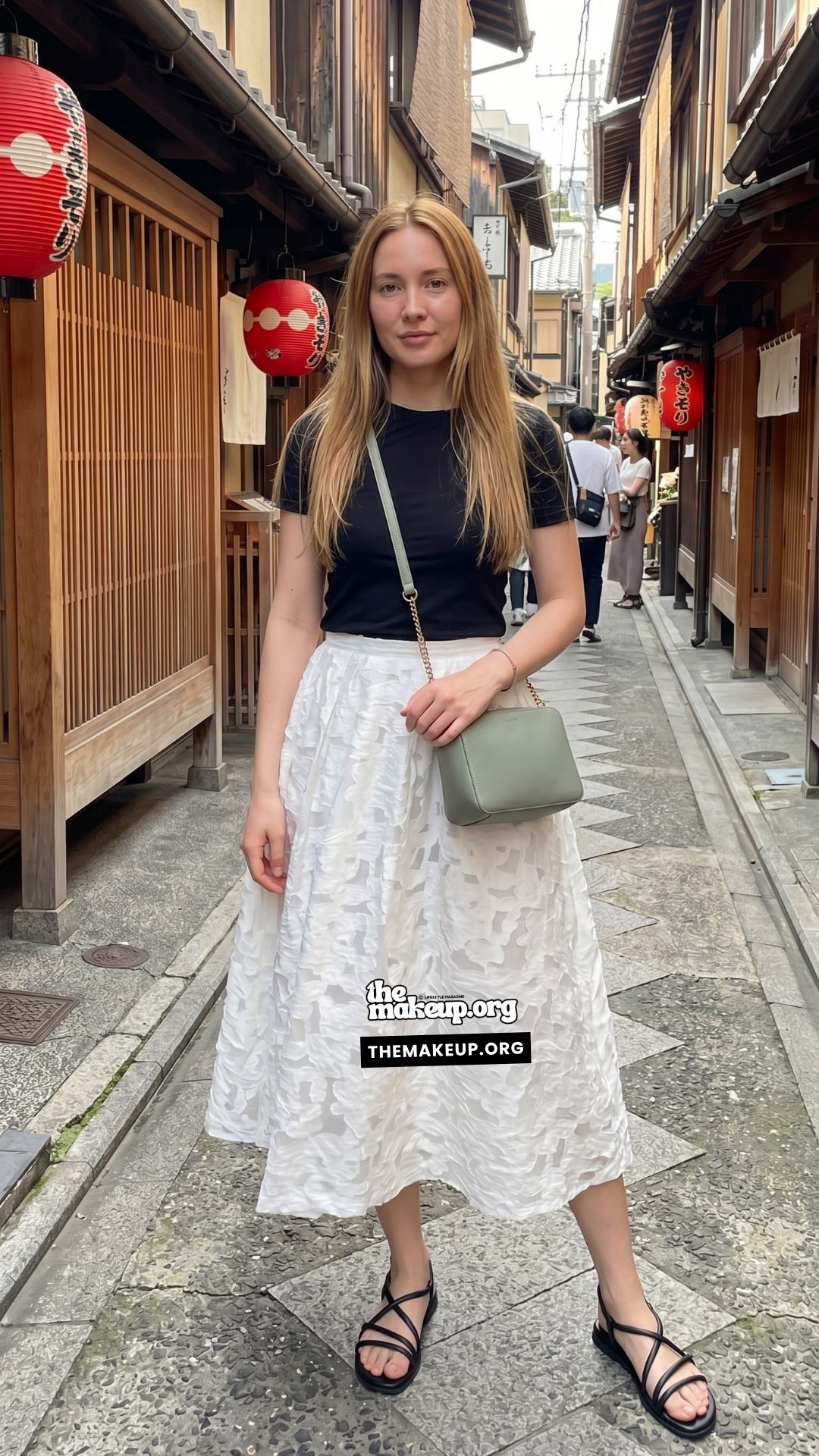
Daytime outfits should handle heat and movement first. Breathable tops, comfortable trousers or a skirt, and supportive shoes are the core combination.
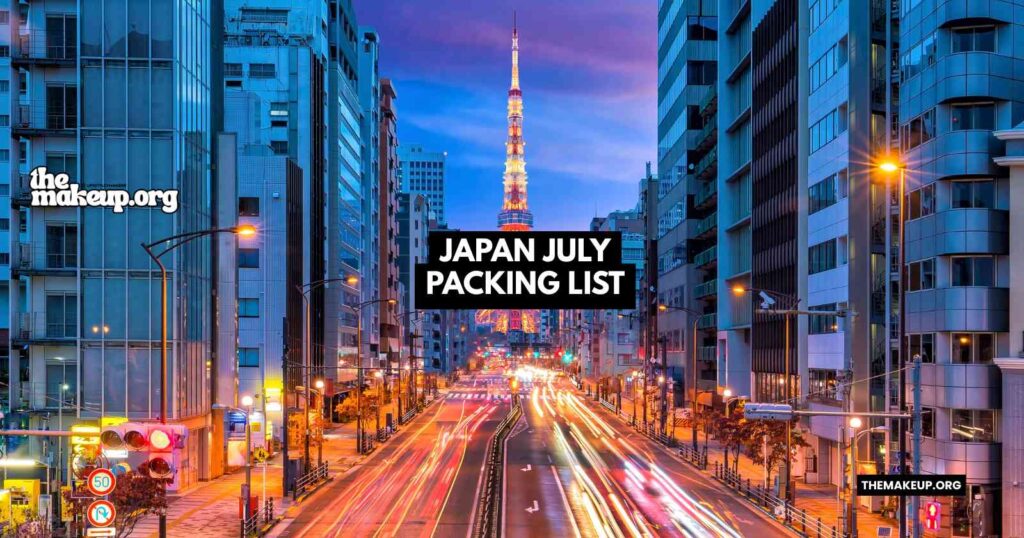
By the time Tokyo sunsets arrive, indoor spaces cool down fast from air conditioning. A smart cardigan or a quick change into a fresh top keeps you comfortable and dinner-ready without packing extra outfits.
One lightweight layer and a pair of slightly dressier sandals can take a daytime look cleanly into an evening out. You do not need a separate evening wardrobe for an August trip.
What to Pack: Month-by-Month Context
August sits at the peak of Japan’s summer season, which runs roughly from June through September. It is the hottest and most humid month of the trip, so pack lighter than you think you need to.
If your trip overlaps with late July or early September, the same core wardrobe works across all three months. Temperatures shift gradually, so the breathable fabrics and quick-dry pieces you bring in August carry forward without needing a rethink.
Typhoon season runs through August and into September. A compact rain jacket in your suitcase is not overcaution; it is just common sense for this time of year.
Common Mistakes / What to Avoid 🚫
The heat will tempt you toward gym shorts and deep-cut tanks, but these read as too casual and stand out on city streets. Aim for casual-polished rather than beach-casual.
Very short hemlines, excessively sheer tops, and shoes that cannot handle a wet pavement are all worth leaving at home. August rain is real and frequent.
Heavy jeans or thick fabrics will make you miserable by mid-morning. Save them for another season entirely.
Final Tips & Best Practices ✅
Keep your suitcase lighter than you think you need to, and build around mix-and-match pieces. Five or six tops and two or three bottoms will take you further than a different outfit for every day.
A small crossbody or lightweight tote keeps your hands free for taking your passport out at train gates and navigating busy stations. Pockets matter more than you’d think.
Start each day with something breathable and tidy, add your thin layer and compact umbrella, and you are genuinely ready for anything from a Shinto shrine to a rooftop bar.
Final Outfit Checklist 📝
Breathable tops in cotton or linen, lightweight trousers or a midi skirt, and supportive walking shoes built for distance are your core three. Add a packable rain jacket and a thin cardigan for air-conditioned interiors.
A wide-brimmed hat, sunglasses, a foldable fan, and a light hand towel handle the heat and humidity well. Moisture-wicking socks are a small detail that makes a real difference by the end of a long day.
Round it out with a compact umbrella and a lightweight tote, and your suitcase covers every situation August in Japan will throw at you.
FAQ: What to Wear in Japan in August
Is it cold in August in Japan?
August in Japan is not cold at all. Temperatures range from 24°C to 33°C (75°F to 91°F) with high humidity throughout the day.
The only cold you’ll feel is inside heavily air-conditioned shops and train carriages, so carry a thin layer for those moments.
What to wear in Japan as a woman tourist?
Lightweight cotton or linen tops, midi skirts or breathable trousers, and comfortable walking shoes cover most situations. Keep necklines modest and hemlines on the longer side, especially near temples.
A thin cardigan and a compact umbrella are the two items that earn their place every single day.
What is the 3-3-3 rule for clothes?
The 3-3-3 rule means packing three tops, three bottoms, and three pairs of shoes to create a compact, versatile wardrobe. For August in Japan, it works well if each piece is breathable and quick-drying.
Mix-and-match fabrics like cotton and linen make the formula easy to pull off in the heat.
What colors should I avoid wearing in Japan?
There are no hard color rules for tourists visiting Japan. That said, very loud, clashing combinations tend to look out of place against the local preference for muted, coordinated tones.
Muted navy, beige, black, white, and soft pastels all work well for August.
Do I need to worry about typhoons in August in Japan?
Typhoon season runs through August and September in Japan, so rain gear belongs in your bag regardless of the forecast. A packable rain jacket or compact travel umbrella is all you need.
Most typhoons are tracked in advance, so you’ll usually have warning before anything serious develops.
What shoes are best for sightseeing in Japan in August?
Comfortable sneakers or supportive sandals with good grip and cushioning are the right choice. You’ll cover several kilometers a day in cities like Tokyo and Kyoto, and many traditional spaces require you to remove your shoes at the entrance.
Slip-on styles with moisture-wicking socks are the most practical combination.
Can I wear shorts in Japan in August?
Yes, modest shorts are acceptable in tourist areas and casual settings. Keep the length closer to the knee rather than very short, and pair them with a neat top rather than a gym-style tank.
For temple visits and more formal settings, lightweight trousers or a skirt are a better fit.
Final Takes
August in Japan rewards the traveler who packs light, breathable, and neat. Moisture-wicking fabrics, a thin layer for cold interiors, and shoes built for real distance are what actually make or break a day out here.
Keep your suitcase focused, your silhouettes simple, and your compact umbrella within reach. That combination gets you through temples, Tokyo evenings, Osaka street food markets, and everything in between without a second thought about what you’re wearing.